
We all know that feeling, right? You sit down to get some work done, maybe tackle that big project, and suddenly, your phone buzzes. Next thing you know, you’re an hour deep into cat videos or scrolling through endless social media feeds. It’s like our brains are just wired for distraction these days. But what if there was a way to fight back? That’s where a good distraction blocker comes in. Think of it as your personal digital bodyguard, helping you stay on track when the siren song of the internet gets too loud. This guide is all about finding the right distraction blocker and using it to actually get stuff done.
Key Takeaways
- Understand why we get distracted so easily in the digital age and identify your personal triggers.
- Explore different types of distraction blocker tools, from apps and browser extensions to cross-platform solutions.
- Learn how to use advanced features like strict modes and custom profiles to tailor your blocking experience.
- Combine software solutions with physical strategies and habit-building techniques for maximum focus.
- Regularly assess your progress and adjust your distraction blocker settings and routines to stay productive.
Mastering Digital Distractions With Distraction Blockers

We’re living in a world that feels like it’s constantly buzzing, pinging, and demanding our attention. It’s easy to feel overwhelmed by the sheer volume of digital noise. Think about it: how many times have you sat down to work, only to find yourself checking emails, scrolling through social media, or getting lost in a rabbit hole of unrelated articles? This isn’t just a minor annoyance; it’s a full-blown crisis for productivity and focus. The modern worker switches between tasks an unbelievable number of times daily, and each switch costs us valuable time and mental energy. It’s estimated that we lose hours each day to these digital interruptions, and that’s before we even consider the impact on our stress levels and creativity.
Understanding the Modern Distraction Crisis
It’s not just you. The average person checks their phone dozens of times a day, often without even realizing it. Notifications pop up, emails arrive, messages flood in – each one a tiny siren call pulling us away from what we’re supposed to be doing. This constant barrage of stimuli has a real effect on our brains. We start to crave those little hits of novelty and information, making it harder to stick with a single task for any length of time. This isn’t a sign of weakness; it’s a response to an environment that’s actively designed to capture and hold our attention, often at the expense of our deeper work.
The Science Behind Why We Get Distracted
Ever wonder why you can’t seem to stay focused? It often comes down to how our brains are wired and how technology exploits that wiring. When you get a notification, your brain releases a little bit of dopamine, a feel-good chemical. This creates a reward loop, making you want to check that notification again and again. It’s similar to how slot machines work – you never know when the next reward will come, so you keep pulling the lever. Furthermore, when you switch from one task to another, a part of your attention can get ‘stuck’ on the previous task. This is called attention residue, and it means you’re not fully present or effective on the new task. It’s like trying to run a race with one foot still tied to the starting line.
Identifying Your Personal Distraction Triggers
To fight distractions, you first need to know what they are. What pulls you away from your work? Is it the constant ping of email? The allure of social media feeds? Or maybe it’s something internal, like worrying about a deadline or replaying a conversation in your head. Take a moment to really observe your own behavior. When do you get distracted? What are you doing right before? What are you doing when you get distracted? Keeping a simple log for a day or two can be incredibly revealing. You might be surprised at how often you reach for your phone or open a new tab without even thinking about it. Once you know your triggers, you can start to build strategies to manage them.
Here’s a quick way to start identifying your triggers:
- Digital Notifications: Track every alert from apps, email, and messages. Note which ones are truly important.
- Website/App Temptations: List the sites or apps you find yourself visiting most often when you should be working.
- Internal Thoughts: Jot down worries, random ideas, or daydreams that pull your mind away.
- Environmental Factors: Note noisy colleagues, visual clutter, or uncomfortable surroundings.
The first step to regaining control is understanding where your attention is currently going. Without this awareness, any attempt to block distractions will be like shooting in the dark.
Choosing the Right Distraction Blocker For You
Okay, so you’ve figured out why you get distracted and what distracts you. That’s a huge step! Now, let’s talk about the tools. Think of distraction blockers like different kinds of locks for your digital doors. Some are super simple, just a basic padlock, while others are like high-tech security systems. The trick is finding the one that fits your needs without being so complicated it becomes a distraction itself.
Cross-Platform Powerhouses for Seamless Blocking
These are the all-in-one solutions. They work on your phone, your tablet, and your computer, so you can’t just hop from one device to another to get your fix. They’re great if you find yourself getting sidetracked on multiple devices throughout the day.
- Freedom: This one is a popular choice because it lets you create a single list of websites and apps to block, and it syncs that list across all your devices. You set a focus session, and boom – those distractions are gone everywhere. It even has a "Locked Mode" that makes it really hard to quit a session early, which is handy when your willpower is low.
- AppBlock: What’s cool about AppBlock is its flexibility. You can set up different "profiles" for different parts of your day or different tasks. So, you might have a "Work" profile that blocks social media from 9 to 5, and a "Study" profile that blocks even more during your dedicated learning times. It also has a "Strict Mode" to really keep you on track.
- RescueTime: This one is a bit different. It starts by tracking how you actually spend your time online, giving you a clear picture of where your hours are going. Then, you can use its "Focus Session" feature to block distractions based on that data. It’s like having a productivity coach that knows your habits.
App-Specific Blockers for Targeted Control
Sometimes, you don’t need a whole system. Maybe it’s just one or two apps that are your downfall. App-specific blockers are like a targeted strike against your biggest time-wasters.
- StayFocusd (Chrome Extension): If Chrome is your main browser and you’re mostly worried about websites, StayFocusd is a solid option. You can set daily time limits for specific sites. Once your time is up, they’re blocked for the rest of the day. Simple and effective.
- Forest: This app uses a bit of gamification. You plant a virtual tree when you start a focus session. If you leave the app to check social media, your tree dies. It’s a surprisingly effective way to stay focused, especially if you’re motivated by visual progress and a bit of friendly competition with yourself.
Browser Extensions for Web-Based Distractions
For many of us, the biggest culprits are websites. Browser extensions are designed to tackle these digital temptations right where they live.
- BlockSite: This is a straightforward extension that lets you block specific websites. You can schedule these blocks, set passwords to prevent yourself from changing settings, and it even has a "Work Mode" timer that uses the Pomodoro Technique. It’s a no-nonsense tool for cutting down on web browsing distractions.
- LeechBlock NG (Firefox): If you’re a Firefox user, LeechBlock NG is a powerful option. It offers a lot of customization, allowing you to set up different block schedules and rules for various websites. It’s a bit more complex than some others, but that means you can really tailor it to your exact needs.
Choosing the right blocker isn’t just about picking the most feature-rich option. It’s about finding a tool that fits your workflow and your personal tendencies. Sometimes, the simplest solution is the most effective because it’s easier to stick with.
When you’re picking, think about:
- Your Devices: Do you need something that works everywhere, or just on your computer?
- Your Biggest Distractions: Are they specific websites, certain apps, or a general urge to browse?
- Your Willpower Level: Do you need a strict enforcer, or just a gentle reminder?
Don’t be afraid to try a couple out. What works for your friend might not be the best fit for you. The goal is to find a tool that helps you get more done without adding more stress to your life.
Advanced Distraction Blocker Features
Utilizing Strict Mode and Cooling Periods
Sometimes, just setting a timer isn’t enough, right? We’ve all been there – the urge to just quickly check that notification or browse one more site. That’s where features like ‘Strict Mode’ and ‘Cooling Periods’ come in handy. Strict Mode basically locks you in, making it really hard to turn off the blocker once it’s active. It’s like putting your phone in a time capsule until your work session is over. Then there’s the ‘Cooling Period’. Instead of letting you jump right back onto distracting apps the second your focus time ends, it gives you a short buffer. This little pause helps you transition properly, preventing you from immediately falling back into old habits. It’s about building a more robust defense against your own impulses.
Creating Custom Profiles for Different Activities
Your focus needs aren’t the same for every task. You probably don’t need to block social media while you’re coding, but you definitely do when you’re trying to study for an exam. This is where custom profiles shine. You can set up different blocking configurations for different parts of your day or different types of work. Think of it like having different toolkits for different jobs. You might have a ‘Deep Work’ profile that blocks everything except essential work tools, a ‘Light Task’ profile that allows some social media but blocks games, and a ‘Relaxation’ profile that lets you unwind. This makes your blocker way more flexible and actually useful for your real life.
Leveraging Location-Based Blocking
This is a pretty neat trick. Some blockers let you set rules based on where you are. For example, you could have your phone automatically block work-related distractions when you’re at home, but allow them when you’re at the office. Or, you could set it to block all social media apps when you’re at the gym. It adds another layer of automation, so you don’t have to constantly remember to turn things on and off. It’s about making the technology work for you in the background, adapting to your environment without you having to think about it too much. It’s a smart way to manage your digital life based on your physical surroundings, helping you stay on track whether you’re working from home or trying to focus at a coffee shop. For more on managing your digital habits, check out StayFocusd and its approach to time limits.
Beyond Software: Physical Strategies For Focus
Look, software blockers are great and all, but sometimes you need to get your hands dirty – literally – to really lock in. Our environment plays a massive role in how well we can concentrate, and often, the simplest physical changes make the biggest difference. It’s about setting up your physical space so it works for you, not against you.
Optimizing Your Audio Environment
Noise is a huge productivity killer. Whether it’s the office chatter, the neighbor’s dog, or just the hum of the fridge, unwanted sounds pull your attention away. Investing in a good pair of noise-canceling headphones can be a game-changer. But it’s not just about blocking noise; sometimes, a consistent, unobtrusive sound can help mask distractions and create a focused atmosphere. Think white noise, ambient nature sounds, or even instrumental focus music. Experiment to see what helps you tune out the world and tune into your work.
- Noise-Canceling Headphones: Essential for open offices or noisy homes.
- Background Sound: White noise, nature sounds, or lo-fi beats can create a consistent audio backdrop.
- Soundproofing: For home offices, consider simple solutions like rugs or even acoustic panels if noise is a persistent issue.
Creating a personal sound bubble can significantly reduce external stimuli, allowing your brain to dedicate more resources to the task at hand.
Enhancing Visual Focus and Reducing Clutter
Our eyes are constantly scanning our surroundings. A cluttered desk or a visually busy background can lead to a cluttered mind. Take a few minutes each day, maybe at the end of your workday, to tidy up your workspace. Put things away, organize your papers, and make sure only what you need for your current task is within sight. Good lighting is also key – natural light is best, but if that’s not possible, ensure you have adequate task lighting that doesn’t cause glare on your screen. A comfortable chair that supports good posture also helps you stay focused longer without physical discomfort.
Implementing Physical Time Management Tools
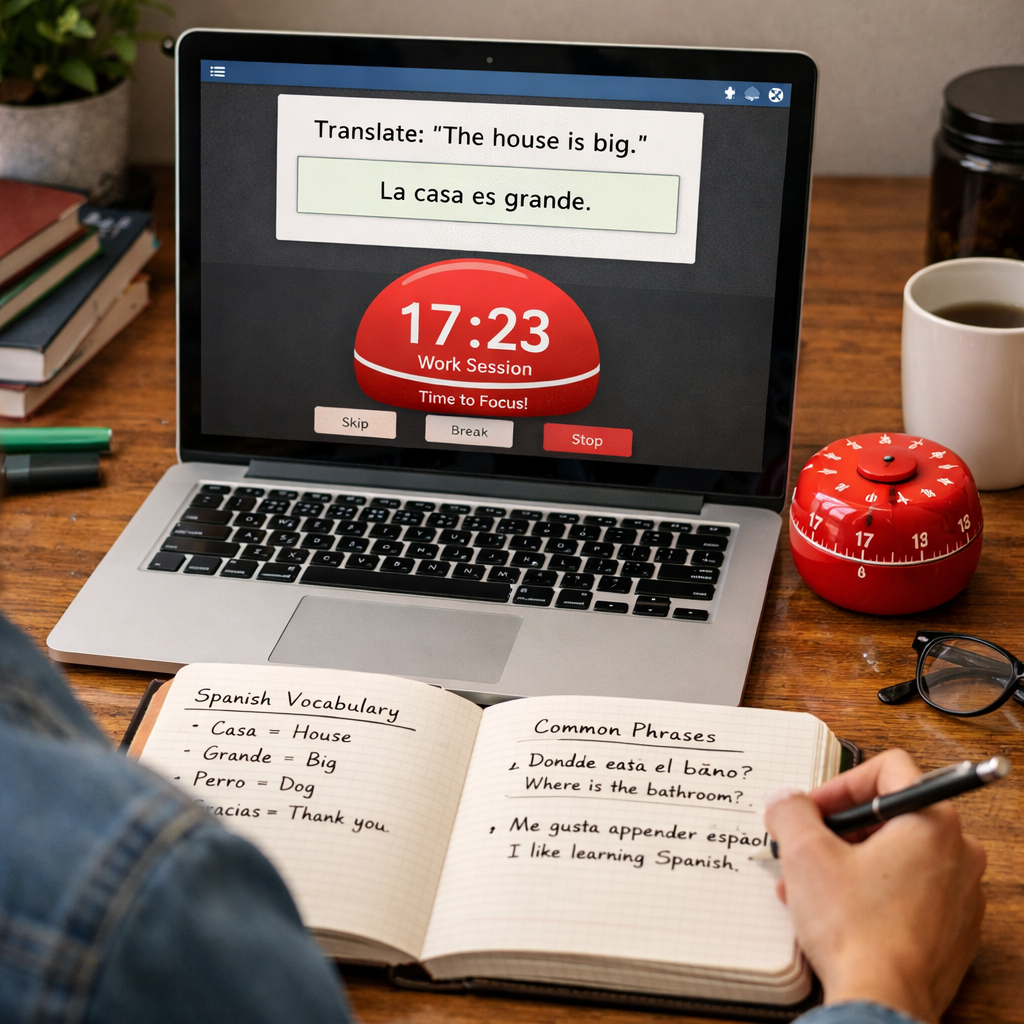
While digital timers are common, sometimes a physical timer can be more effective. A simple kitchen timer or a dedicated desk timer can provide a tangible sense of time passing, reinforcing your focus sessions without the temptation of checking your phone or computer for the time. These tools help you stick to structured work intervals, like those used in the Pomodoro Technique, and ensure you take necessary breaks. It’s about creating physical anchors for your work and break periods.
- Physical Timer: A tangible reminder to stay on task and take breaks.
- Task Lighting: Adjustable lamps to reduce eye strain and improve visibility.
- Ergonomics: A comfortable chair and desk setup to prevent physical distractions from discomfort.
Cultivating Deep Focus Habits

Okay, so you’ve got your distraction blockers set up, which is awesome. But honestly, just having the tools isn’t the whole story, right? It’s like having a fancy gym membership but never actually going. To really get good at focusing, you need to build some habits around it. Think of it like training a muscle – it takes practice and consistency.
The Power of the Pomodoro Technique
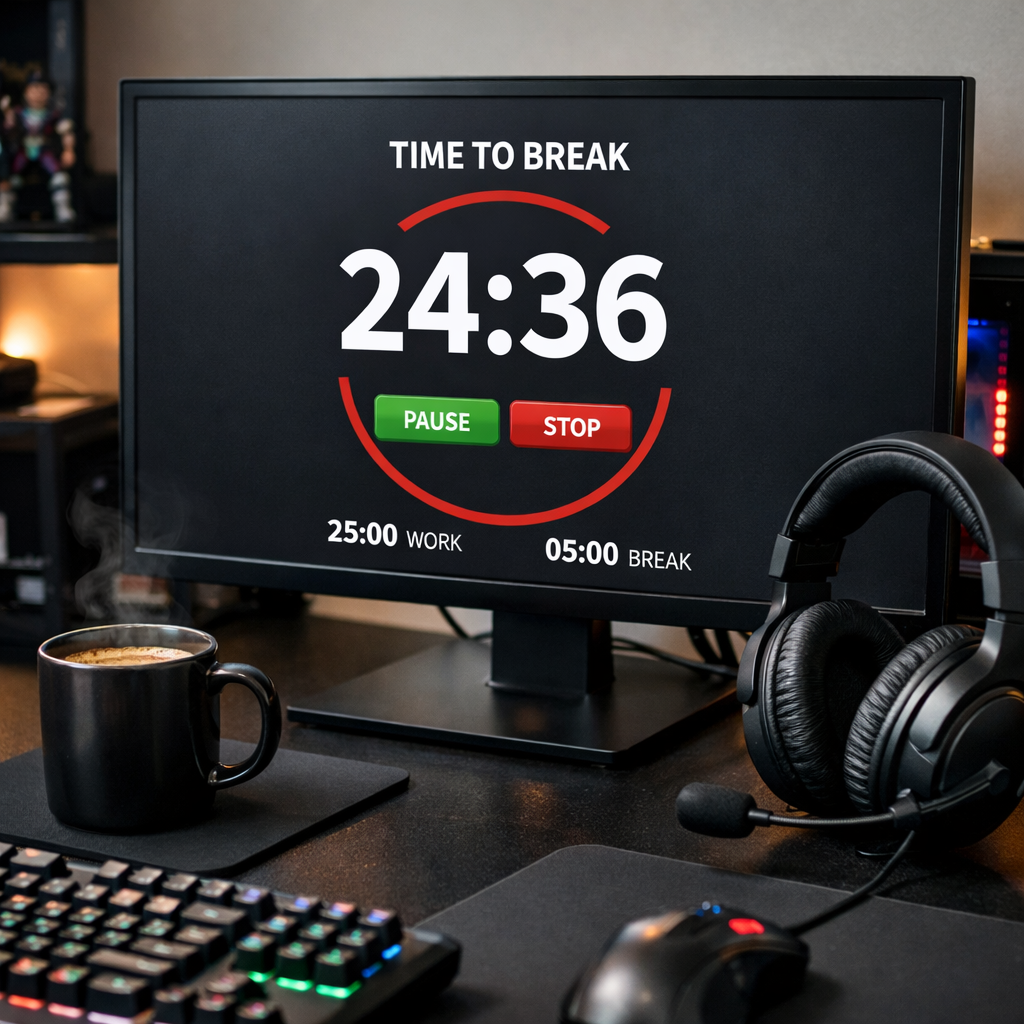
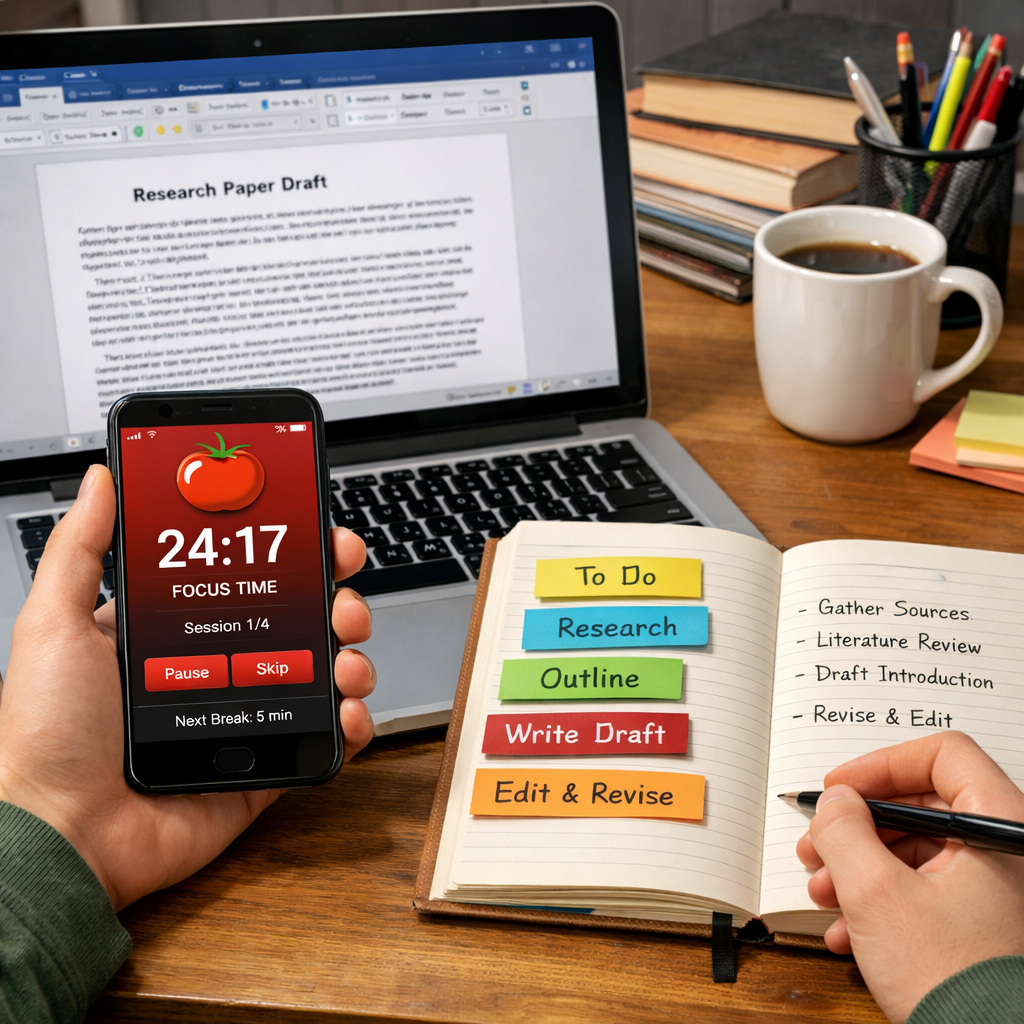
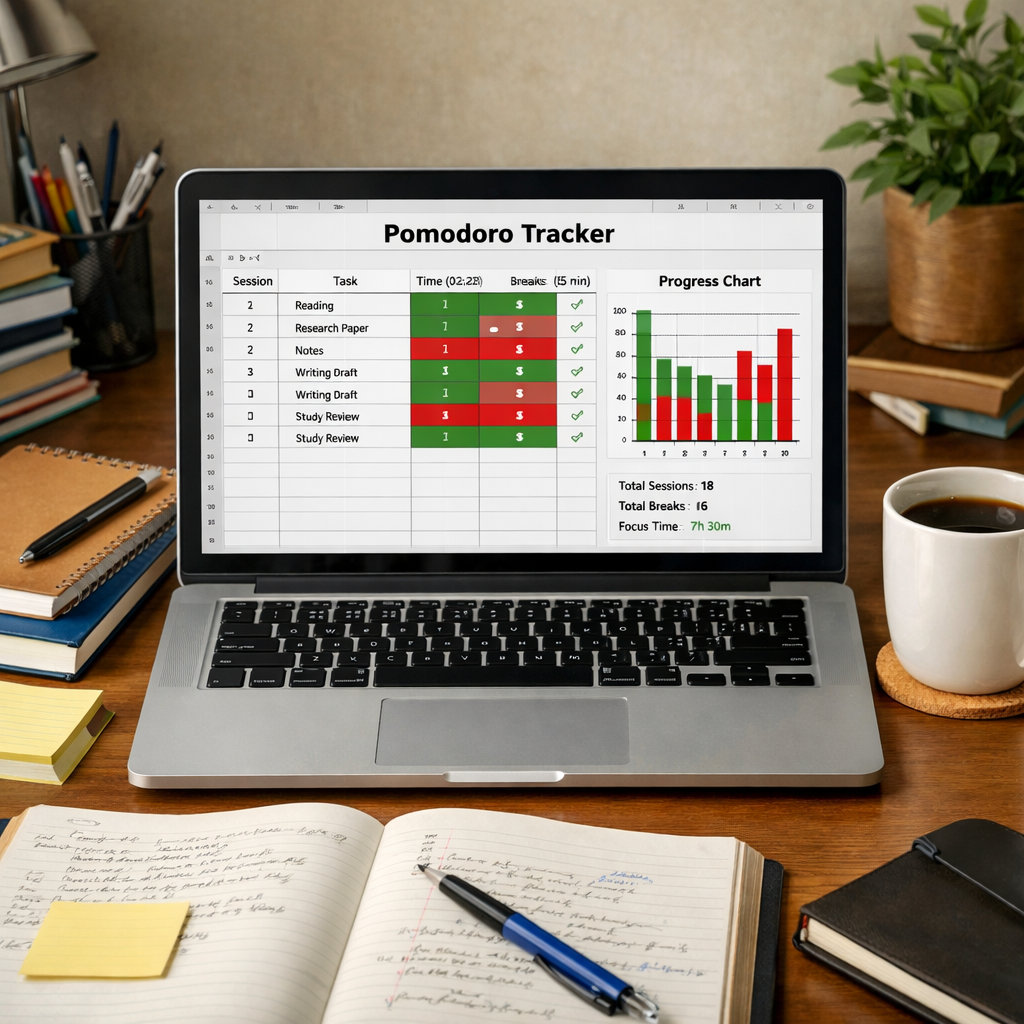
This one’s pretty popular, and for good reason. The Pomodoro Technique is basically a way to break your work into timed intervals, usually 25 minutes long, called ‘pomodoros’. After each pomodoro, you take a short break, like 5 minutes. After about four pomodoros, you take a longer break, maybe 15-30 minutes. It sounds simple, but it really helps you stay on task because you know a break is coming soon. Plus, it makes big tasks feel less overwhelming.
Here’s a quick rundown:
- Start a timer for 25 minutes.
- Work on one task until the timer rings.
- Take a short break (5 minutes).
- Repeat this cycle.
- Take a longer break after four cycles.
Implementing an Attention Diet
This is where you get really intentional about what you let into your brain. It’s not just about blocking websites; it’s about actively choosing what information you consume and when. Think of it like eating healthy – you wouldn’t just eat junk food all day, right? Same idea applies to your attention.
- Limit news intake: Try to check the news only once a day, maybe at the end of your workday. Don’t let it pepper your entire day.
- Social media sabbath: Pick one day a week to go completely offline from social platforms. Seriously, try it. It’s surprisingly refreshing.
- Batch your information: Instead of checking emails or messages every few minutes, set specific times to do it. This stops you from constantly switching gears.
The goal here isn’t to become a hermit, but to be more mindful about where your mental energy is going. You’re basically curating your information intake to protect your focus.
Establishing Effective Pre- and Post-Focus Routines
What you do before you start a focus session and after you finish can make a huge difference. It’s all about setting yourself up for success and then reflecting on how it went.
Pre-Focus Routine:
- Clear your space: Make sure your desk is tidy and you have everything you need within reach. Less clutter, less distraction.
- Digital prep: Close all unnecessary tabs and apps. Put your phone on silent and out of sight.
- Set your intention: Briefly remind yourself what you aim to accomplish in this session. A quick mental check-in.
Post-Focus Routine:
- Quick review: What did you get done? Jot down any thoughts or tasks that came up during the session that you need to address later.
- Plan the next session: Based on what you accomplished, decide what your next focus block will tackle.
- Transition: Take a proper break. Stretch, walk around, grab some water. Give your brain a chance to reset before the next thing.
Measuring Your Progress and Refining Your Plan
So, you’ve set up your distraction blockers, maybe even tried some new focus techniques. That’s awesome! But how do you know if it’s actually working? It’s like going to the gym – you don’t just lift weights and hope for the best, right? You track your progress. The same goes for taming digital distractions. We need to see what’s sticking and what’s not.
Key Focus Metrics to Track
Keeping tabs on a few things can really show you where you’re improving and where you might need to tweak your setup. It’s not about hitting perfect scores, but about seeing trends.
- Average Focus Session Length: How long can you actually concentrate before your mind wanders or you reach for your phone? Start tracking this. Even a few extra minutes per session is a win.
- Number of Distractions Blocked: Your blocker app likely has a count. Seeing this number go up might seem bad, but it actually means your blocker is doing its job and preventing you from getting sidetracked.
- Time to Refocus After Interruption: When you do get interrupted (because let’s be real, it happens), how quickly can you get back on track? This is a big one for resilience.
- Deep Work Hours Per Day/Week: How much time are you dedicating to tasks that require serious concentration? This is where the real productive magic happens.
Here’s a quick look at how you might track this over a couple of weeks:
| Metric | Week 1 | Week 2 | Week 3 | Notes |
|---|---|---|---|---|
| Avg. Focus Session (mins) | 25 | 32 | 38 | Increased by 7 mins, then 6 mins. |
| Distractions Blocked (daily) | 15 | 12 | 10 | Fewer interruptions mean better focus. |
| Refocus Time (mins) | 5 | 4 | 3 | Getting back on task faster. |
| Deep Work Hours (weekly) | 8 | 10 | 12 | Consistent progress in quality work time. |
Conducting Regular Self-Assessments
Numbers are great, but they don’t tell the whole story. How do you feel? Are you less stressed? More satisfied with your work? Take a moment each week to ask yourself some questions.
- What were the biggest distractions this week? Were they the usual suspects, or something new?
- Which of your distraction-blocking tools or techniques felt most effective? Why?
- How did you handle unexpected interruptions? Could you have recovered faster?
- Did your environment help or hinder your focus? Any changes needed?
- How did your focus ability impact the quality of your work and your overall mood?
It’s easy to get caught up in the technical side of blocking distractions, but remember why you’re doing this. It’s about reclaiming your time and mental energy. If your system is causing more stress than it’s relieving, it’s time for a rethink. Progress isn’t always linear, and that’s perfectly okay.
Adapting Your Distraction Blocker Strategy
Based on your metrics and self-assessments, it’s time to make adjustments. Maybe your "strict mode" needs to be a bit less strict on Fridays, or perhaps you need to add a new app blocker for that one website you keep mindlessly opening. Don’t be afraid to experiment. What worked last month might not be the best fit for your current workload or life stage. Think of your distraction blocker not as a set-it-and-forget-it tool, but as a dynamic partner in your quest for better focus. Regularly reviewing and tweaking your approach is how you stay ahead of the digital noise.
Your Focus, Reclaimed
So, we’ve gone over a bunch of ways to fight off those pesky distractions, from apps that block your favorite time-sinks to making your workspace a no-fly zone for interruptions. It’s not about never using your phone or the internet again, obviously. It’s about being smarter with your time and attention. Think of these tools and tricks as your personal pit crew, helping you get back on track when you start to drift. Start small, pick one or two things that seem doable, and see how it goes. You might be surprised at how much more you can get done when you’re not constantly fighting for your own focus. Give it a shot, and take back your day.
Frequently Asked Questions
What exactly is a distraction blocker, and why do I need one?
Think of a distraction blocker as a digital gatekeeper for your attention. It’s a tool, like an app or a browser add-on, that helps you block websites and apps that tend to pull you away from what you’re supposed to be doing. In today’s world, there are tons of things online trying to grab our attention, making it super hard to focus. A blocker helps you win back that focus time so you can get more done and feel less stressed.
Are there different kinds of distraction blockers?
Absolutely! Some are like big shields that work on all your devices – your phone, tablet, and computer – all at once. Others are more like laser pointers, focusing on just one app or website at a time. You can also get special ones that only work in your web browser. It really depends on what kind of distractions bother you the most.
What’s ‘Strict Mode’ and why would I use it?
Strict Mode is like putting your distraction blockers on a super-strict diet. It makes it really, really hard to turn off the blocker, even if you really want to. This is perfect for those times when you know you’ll be tempted to cheat and check social media. It forces you to stick to your focus plan, even when your willpower feels weak.
Can distraction blockers help me manage my time better?
Yes, they totally can! Many blockers let you set schedules for when certain apps or sites are blocked. You can also use them with techniques like the Pomodoro Technique, where you work for short bursts and then take breaks. By limiting access to distractions, you naturally get better at managing your time and getting tasks done within those limits.
What if I need to access a blocked app for a real emergency?
Most good distraction blockers have ways to handle emergencies. Some have an ’emergency override’ feature that lets you temporarily unblock an app if something truly urgent comes up. It’s usually designed to be a bit of a hassle, so you only use it when you absolutely have to, not just because you feel like it.
How do I know if my distraction blocker is actually working?
You can tell it’s working if you’re actually getting more done and feeling less pulled away by distractions! Many blockers also have features that track your app usage and focus time. You can look at reports to see how much time you’re saving and how your focus sessions are improving over time. Plus, you’ll probably just feel a difference in your stress levels and productivity.