Feeling like your to-do list is a mile long and you can’t seem to get anything done? It’s a common problem. We all get distracted or just feel overwhelmed. But what if I told you there’s a simple way to get more done, without feeling completely drained? It involves a timer, some focused work, and planned breaks. This method, often called the productivity timer, can really change how you approach your day. Let’s check out how to make it work for you.
Key Takeaways
- The productivity timer method, like the Pomodoro Technique, breaks work into short, focused intervals followed by breaks.
- Short bursts of focused work are effective because they align with our natural attention spans and reduce mental fatigue.
- Planning your work intervals and customizing timer durations can help you tailor the productivity timer to your specific needs and tasks.
- Regular, scheduled breaks are vital for recharging your mind, preventing burnout, and maintaining overall efficiency.
- Overcoming interruptions and procrastination is possible by using the structure of a productivity timer to build consistent work habits.
Understanding The Productivity Timer Method
So, you’ve heard about productivity timers, maybe even the famous Pomodoro Technique, and you’re wondering what all the fuss is about. It sounds a bit counterintuitive, right? Taking breaks to get more done? But stick with me, because this method is surprisingly effective, and it’s not just some made-up fad. It’s built on some solid ideas about how our brains actually work.
The Core Principles Of The Pomodoro Technique
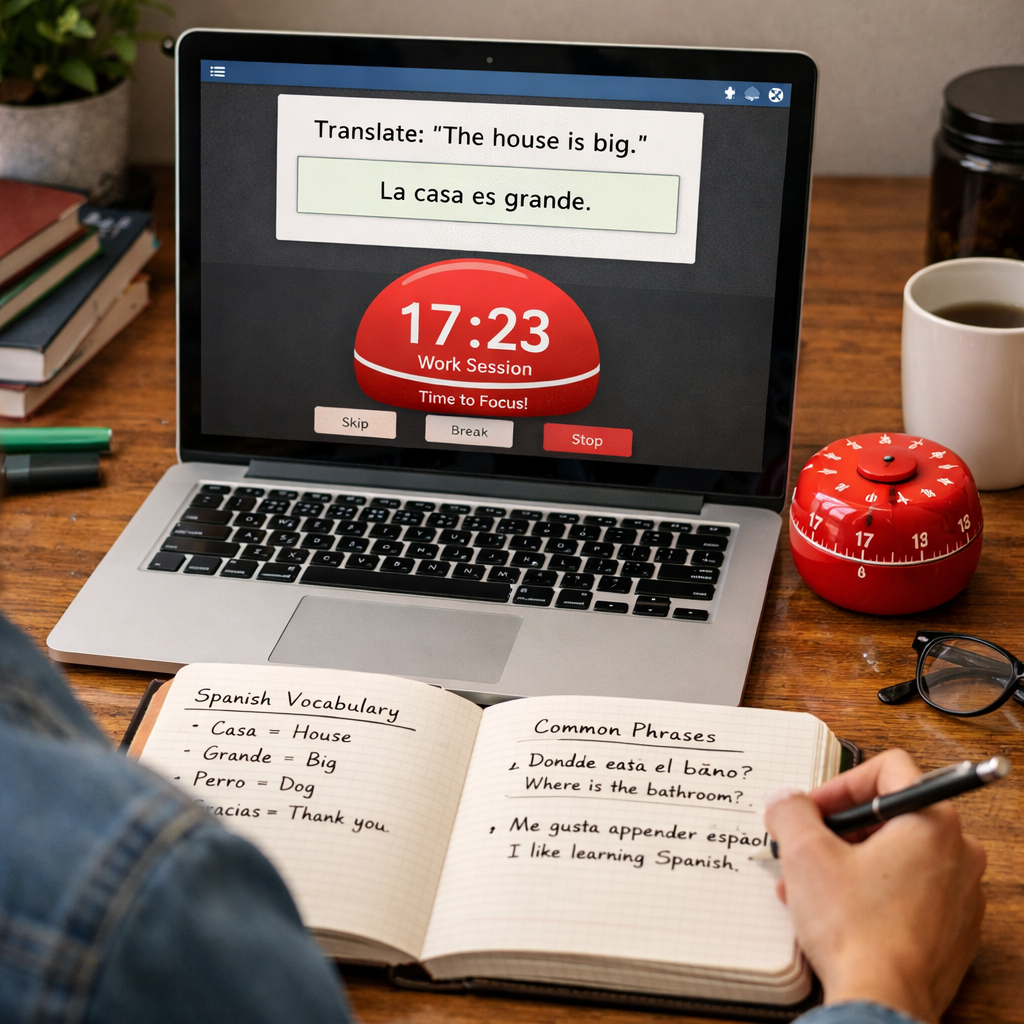
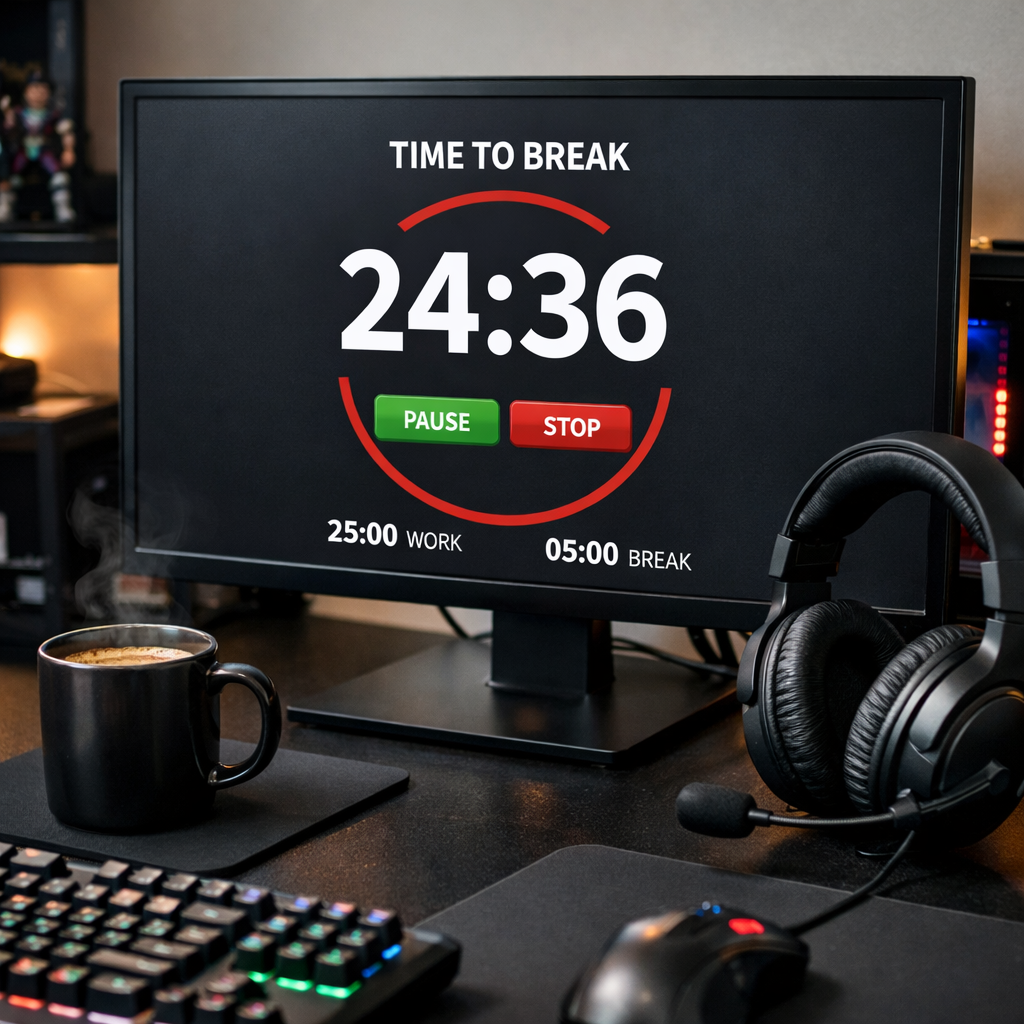
At its heart, the Pomodoro Technique is pretty straightforward. You break your work into focused chunks, usually 25 minutes long, and then you take a short break, typically 5 minutes. After you’ve done about four of these work-and-break cycles, you take a longer break, maybe 15 to 30 minutes. That’s it. The name "Pomodoro" just comes from the Italian word for tomato, because the guy who came up with it used a tomato-shaped kitchen timer. Simple, right?
- Decide on a task. Pick something you need to get done.
- Set your timer. 25 minutes is the classic, but you can adjust this.
- Work without distractions. Focus only on that one task until the timer goes off.
- Take a short break. Step away, stretch, grab some water.
- Repeat. After a few cycles, take a longer break.
This structure helps make big tasks feel less overwhelming. Instead of staring at a huge project, you just focus on getting through the next 25 minutes. It’s like eating an elephant one bite at a time, I guess.
Why Short Bursts Of Focus Are Effective
Our brains aren’t really built for marathon focus sessions. Think about it – trying to concentrate for hours on end usually leads to your mind wandering, right? You start checking your phone, staring out the window, or suddenly remembering you need to reorganize your sock drawer. Short, intense bursts of focus are more manageable. They create a sense of urgency, making you more likely to get things done without getting sidetracked. Plus, knowing a break is coming soon makes it easier to resist distractions.
Our attention isn’t a bottomless well. It’s more like a muscle that gets tired with overuse. Regular, short rests allow it to recover, so you can come back stronger for the next work interval. It’s about working smarter, not just longer.
The Origins Of The Productivity Timer
This whole timer thing really got going back in the late 1980s. A university student named Francesco Cirillo was struggling to concentrate on his studies. He felt like he was wasting time, and his focus just wasn’t cutting it. So, he decided to challenge himself to focus for just 10 minutes at a time. He found that this short, structured approach worked way better than just hoping he’d feel productive. He eventually grabbed a tomato-shaped kitchen timer – a "pomodoro" – to keep track of these focused work periods. And that’s how the Pomodoro Technique was born. It wasn’t some complex system invented in a lab; it was a practical solution to a common problem.
Implementing Your Productivity Timer Strategy
So, you’ve decided to give this timer thing a shot. Awesome! But how do you actually make it work for you, day in and day out? It’s not just about setting a timer and hoping for the best. You’ve got to have a bit of a plan.
Planning Your Focused Work Intervals
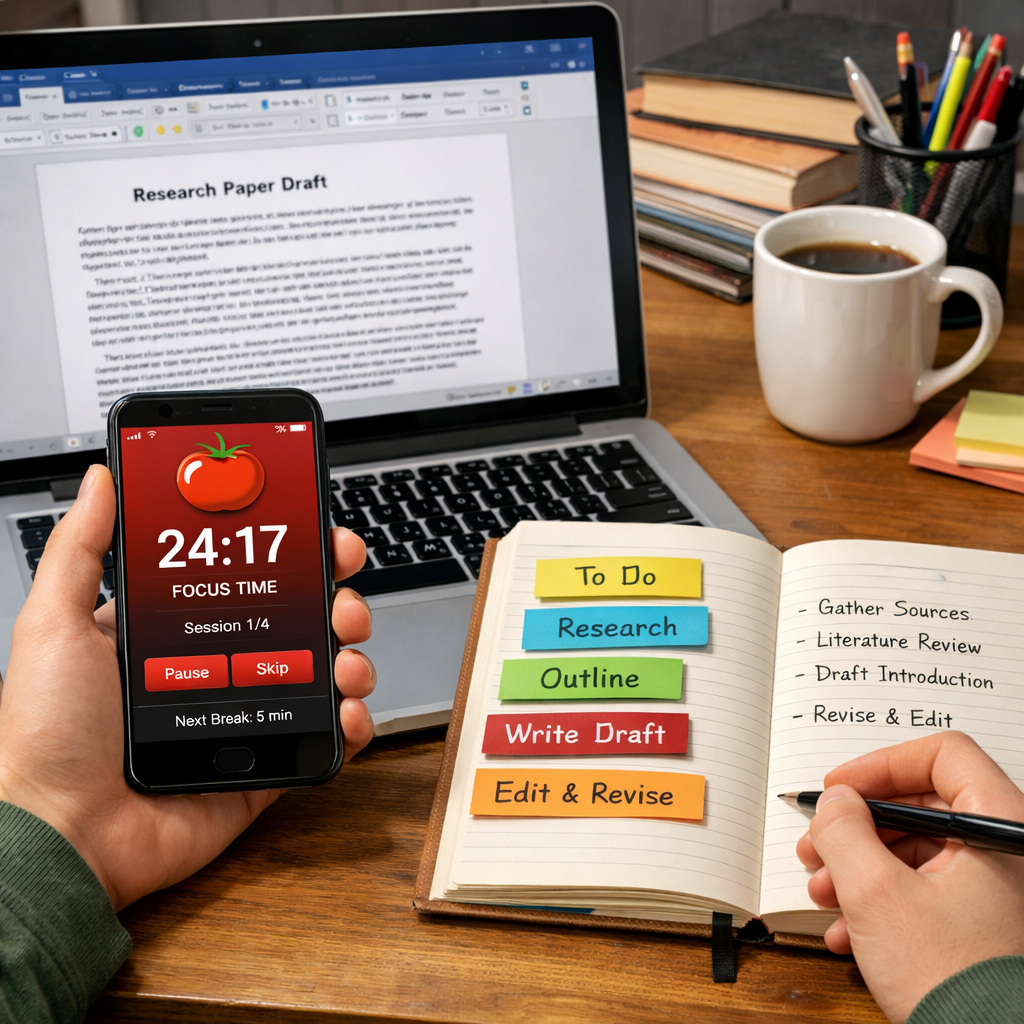
This is where you get intentional. Before you even start your first work block, take a few minutes to figure out what you’re going to tackle. Don’t just wing it. Think about your day, what’s most important, and what you can realistically get done in a focused burst. It’s like prepping for a workout – you wouldn’t just show up at the gym without knowing what exercises you’re doing, right? Same idea here.
- List your tasks: Jot down everything you need to do for the day or the next few hours.
- Prioritize: Figure out which tasks are the most important or urgent. What absolutely needs to get done?
- Estimate time: Roughly guess how many work intervals (like 25-minute blocks) each task might take. This helps you see if your to-do list is realistic for the day.
Breaking down big projects into smaller, manageable chunks is key. It makes them feel less overwhelming and easier to start.
Customizing Timer Durations For Your Needs
The classic Pomodoro is 25 minutes of work and 5 minutes of break. And hey, that works great for a lot of people. But here’s the thing: we’re all different. Your brain might work better with longer stretches, or maybe you need even shorter bursts. Don’t be afraid to experiment.
- Try different lengths: Start with 25/5, but if you find yourself getting distracted after 15 minutes, try 15-minute work blocks. If you’re really in the zone and 25 minutes flies by, maybe try 45 or 50 minutes.
- Consider the task: A complex coding problem might need longer focus periods than answering emails. Adjust your timer length based on what you’re doing.
- Listen to your body: If you’re feeling tired or your focus is shot, it’s probably time for a break, no matter what the timer says.
Integrating Tasks With Your Timer
Now, let’s put it all together. You’ve got your tasks, you’ve got your timer settings. How do they play nicely? The goal is to match your work intervals to specific tasks. This helps you stay on track and see what you’re accomplishing.
Here’s a simple way to think about it:
| Task Type | Suggested Interval Length | Notes |
|---|---|---|
| Deep Work | 45-50 minutes | For complex projects, writing, coding |
| Routine Tasks | 25 minutes | Emails, data entry, quick research |
| Creative Brainstorming | 15-20 minutes | Short, focused bursts to generate ideas |
When you start a work interval, pick one task and commit to it. When the timer goes off, you either finish the task or pause it and pick it up again in the next interval. This approach helps you avoid task-switching, which really kills productivity. The key is to be consistent and adapt the system to fit your unique workflow.
Maximizing Benefits With Productivity Timer Breaks

So, you’ve got your focus sessions dialed in, ticking away with your timer. That’s awesome. But here’s the thing: those breaks aren’t just downtime; they’re actually a huge part of why this whole productivity timer thing works so well. Skipping them is like trying to run a marathon without ever stopping for water. You’ll just hit a wall.
The Importance Of Scheduled Rest
Think of your brain like a muscle. You wouldn’t lift weights for hours straight without a rest, right? Your brain needs that too. Scheduled breaks give your mind a chance to reset, process information, and avoid getting totally fried. This isn’t just about feeling less tired; it’s about maintaining the quality of your work. When you’re constantly pushing, your focus starts to drift, and mistakes creep in. Short, planned breaks help you come back to your tasks with fresh eyes and renewed energy. It’s a simple way to prevent that feeling of being completely drained at the end of the day.
Taking regular breaks is not a sign of weakness or laziness; it’s a strategic move to sustain high performance over the long haul. It allows for cognitive recovery, preventing the buildup of mental fatigue that can sabotage even the best intentions.
Creative Ways To Spend Your Breaks
What you do during your break matters. Scrolling through social media or checking emails might feel like a break, but it often just keeps your brain in a similar, demanding mode. Instead, try something that truly disconnects you from your work.
Here are a few ideas:
- Move your body: Even a quick walk around the block or some stretching can make a big difference. Get that blood flowing!
- Engage a different sense: Listen to a song you love, step outside to feel the sun, or grab a healthy snack. Anything that shifts your sensory input.
- Do something completely unrelated: Read a few pages of a book, doodle, or chat with a colleague about something non-work-related. The goal is a mental palate cleanser.
Preventing Burnout With Regular Pauses
Burnout is a real problem, and it sneaks up on you. It’s that feeling of being completely depleted, unmotivated, and just generally over it. The productivity timer method, with its built-in breaks, is a fantastic defense against this. By consistently stepping away, you’re not letting the pressure build up to an unsustainable level. It’s about creating a rhythm that supports your energy levels throughout the day, rather than depleting them. This consistent rhythm helps you maintain a steady output without the dramatic highs and lows that often lead to exhaustion. It’s a more sustainable way to get things done, and it’s key to long-term productivity and well-being. You can find more advice about balancing work performance with personal and mental health at BetterUp. Request a custom demo today. balanced work performance
Overcoming Challenges With A Productivity Timer
Managing Interruptions During Focus Sessions
Interruptions are the bane of focused work. Whether it’s a ping from your email, a colleague stopping by your desk, or even your own wandering thoughts, they can completely derail your progress. The key isn’t to eliminate them entirely – that’s often impossible – but to manage them effectively. When an interruption occurs, quickly jot down what it is or what you need to do about it. This externalizes the thought, freeing up your mental space. Then, decide if it’s urgent enough to break your current focus block. If not, make a note to address it during your next scheduled break or after your work session. Training yourself to acknowledge and defer interruptions is a superpower for sustained concentration.
Combating Procrastination With Timed Work
Procrastination often stems from tasks feeling too big or overwhelming. The productivity timer method breaks these giants into manageable chunks. Instead of thinking, "I have to write this entire report," you think, "I just need to focus on writing for 25 minutes." This shift in perspective makes starting much easier. If you’re still struggling, try a "5-minute rule": commit to working on the task for just five minutes. Often, once you start, you’ll find it easier to keep going. The timer acts as a gentle nudge, not a demanding boss.
Staying Motivated Through Consistent Use
Motivation can ebb and flow, and that’s perfectly normal. Relying solely on motivation to get work done is a losing game. Instead, build a habit of using your timer consistently, even on days when you don’t feel like it. Think of it like brushing your teeth – you do it because it’s good for you, not because you’re always excited about it. Track your completed sessions, perhaps using a simple checklist or a dedicated app. Seeing a visual representation of your consistent effort can be incredibly motivating. Celebrate small wins – finishing a tough task, completing a full day of timed work – to reinforce the positive behavior.
The timer itself is a tool, but the real magic happens when you build a routine around it. It’s about creating a predictable structure that your brain can rely on, reducing the mental energy spent deciding when and how to work.
Advanced Productivity Timer Techniques
Leveraging Statistics For Progress Tracking
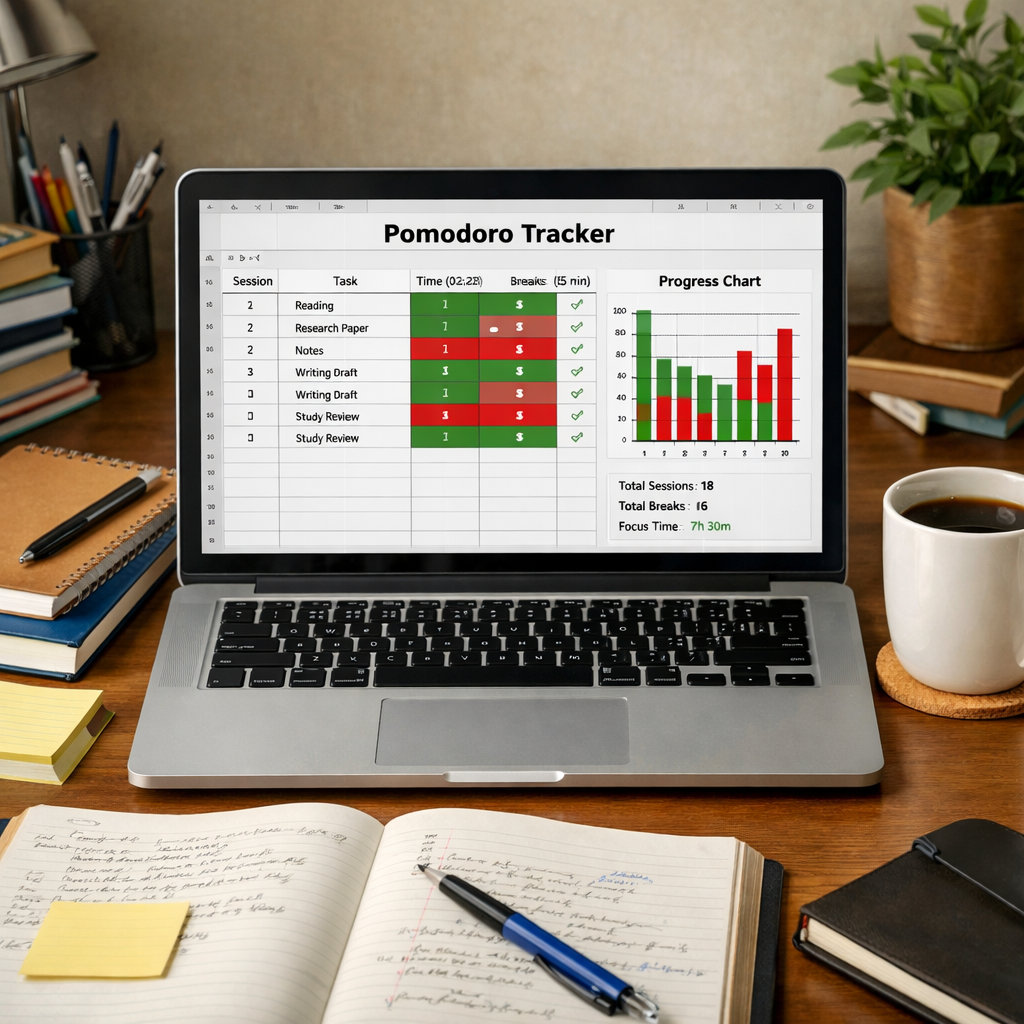
So, you’ve got the basic timer thing down. You’re doing your focused bursts, taking your breaks. But how do you know if it’s actually working? That’s where tracking comes in. It’s not just about getting stuff done; it’s about seeing how you’re getting it done. Think about it: if you don’t measure, how can you improve? You can use simple spreadsheets or even dedicated apps to log your work sessions. Note down the task, how many timer intervals it took, and maybe even how you felt afterward. This data can show you patterns you might miss otherwise. For example, you might discover that certain types of tasks consistently take longer than you expect, or that you’re way more productive in the morning than in the afternoon. This kind of insight is gold for planning your days better.
Gamifying Your Work With Timed Challenges
Let’s be honest, sometimes work can feel a bit like a slog. Turning it into a game can make a huge difference. The Pomodoro Technique naturally lends itself to this. You can challenge yourself to complete a certain number of "tomatoes" (those 25-minute work blocks) in a day, or try to finish a specific project within a set number of intervals. Some people even create elaborate systems with points and rewards. It’s about making the process more engaging and less like a chore. Think of it as a personal competition against your own distractions and procrastination. The key is to set achievable goals that push you without being so hard they make you want to quit.
Personalizing Your Productivity Timer Setup
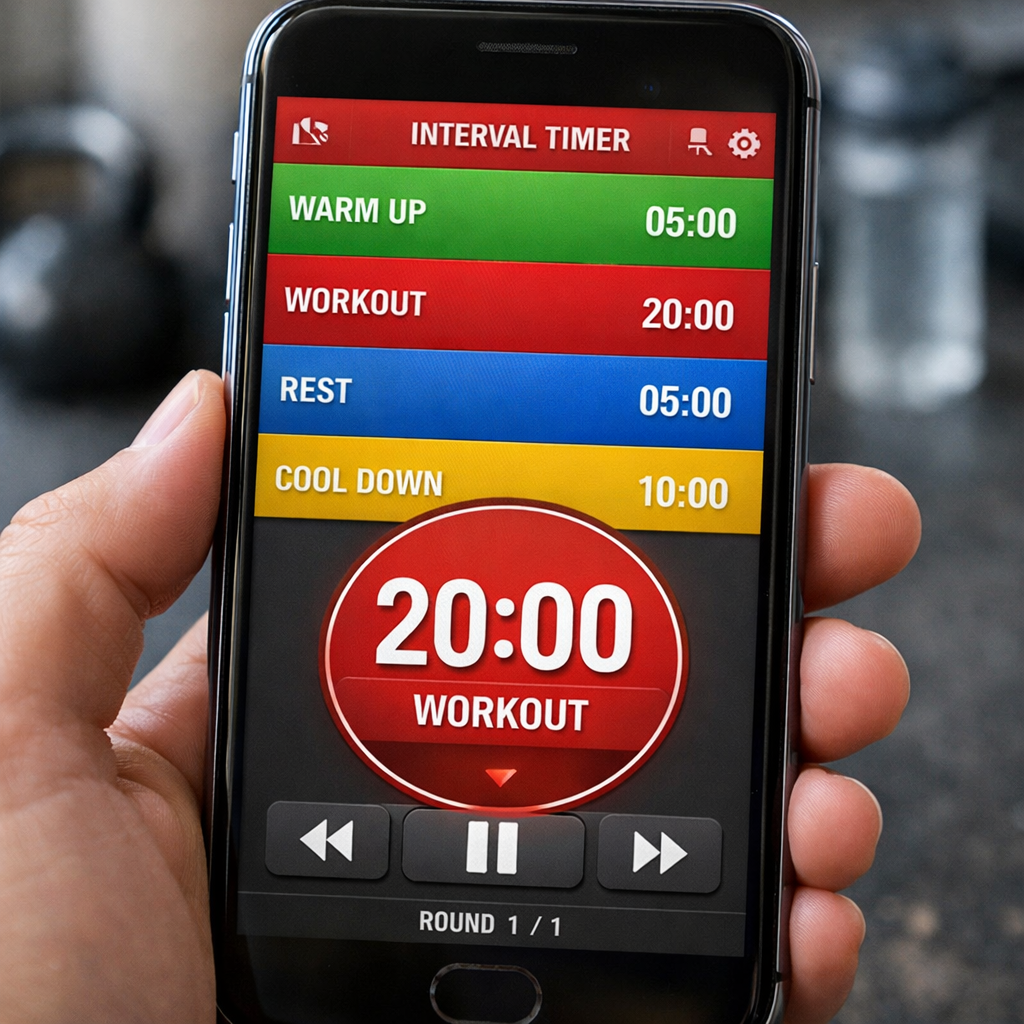
While the classic 25-minute work, 5-minute break structure is a great starting point, it’s not a one-size-fits-all solution. Your brain might work differently. Maybe you find you can focus for 40 minutes straight, or perhaps you need shorter, more frequent breaks. Don’t be afraid to experiment. Try different interval lengths and see what feels right for you and the type of work you’re doing. Some tasks might need longer stretches of concentration, while others benefit from quick, sharp bursts. You can also adjust the length of your longer breaks. The goal is to find a rhythm that keeps you productive and prevents burnout. It’s your productivity system, after all, so make it work for you. This method has helped millions improve their focus, and you can too.
The real trick to making any timer system stick is consistency. It’s easy to start strong, but keeping it up day after day is where the magic happens. Don’t get discouraged if you miss a session or two. Just pick it back up. Small, consistent efforts add up over time, building a habit that genuinely boosts your efficiency.
The Science Behind The Productivity Timer
How Breaks Enhance Cognitive Function
It might seem odd, but taking breaks actually helps your brain work better. Think of your brain like a muscle; it gets tired if you push it too hard for too long. When you take a short break, even just five minutes, you give your brain a chance to reset. This isn’t just about resting; it’s about letting your mind wander a bit, which can lead to new ideas or help you solve problems you were stuck on. Studies show that even brief pauses can improve performance and reduce stress.
The Impact On Attention Span And Concentration
In today’s world, our attention spans feel shorter than ever. It’s easy to get distracted. The productivity timer method works with this, not against it. By breaking work into short, focused chunks, you’re essentially working with your natural attention limits. You know you only have to concentrate for a set amount of time, say 25 minutes, which makes it easier to stay on task. When the timer rings, you get a break, which helps refresh your focus for the next work period. This cycle helps you concentrate better over longer stretches than if you tried to power through for hours.
Reducing Decision Fatigue With Structured Work
Making decisions all day, big or small, really wears you out. This is called decision fatigue, and it makes it harder to make good choices later on. The productivity timer helps here because it structures your day. You decide what tasks to do during your work blocks beforehand. This means you’re not constantly deciding what to do next or how to do it. You just focus on the task at hand. This structured approach conserves your mental energy, so you have more brainpower left for important decisions when they really matter.
The timer acts as a gentle nudge, guiding your focus and preventing your mind from wandering too far off course. It creates a clear boundary between work and rest, making both more effective.
Here’s a quick look at how the timer structure helps:
- Defined Work Blocks: You know exactly how long you need to focus.
- Scheduled Breaks: Rest is built-in, preventing burnout.
- Task Clarity: Pre-planning reduces the need for constant decision-making.
- Urgency Creation: Short timeframes can motivate quicker action.
Wrapping Up Your Focus Journey
So, we’ve talked a lot about how using a timer, like the Pomodoro Technique, can really change how you get things done. It’s not some magic trick, but it’s a simple way to break down big jobs into smaller, easier chunks. You work for a bit, then you take a break. It helps you avoid getting totally wiped out and keeps your brain from getting bored. Plus, it makes you more aware of where your time actually goes. Give it a shot, maybe tweak the times to fit you, and see if it helps you get more done without feeling so overwhelmed. It’s all about finding a rhythm that works for you.
Frequently Asked Questions
What exactly is this timer method?
Think of it like breaking a big project into smaller chunks. You work super hard for a short time, then take a quick break. It’s like running a sprint, then walking for a bit before the next sprint. This helps your brain stay fresh and focused.
Why do short bursts of work help?
Our brains aren’t built to focus for hours straight. Short bursts, like 25 minutes, are easier to handle. It’s like eating a whole pizza in one go versus eating a few slices at a time. You get more done without feeling totally wiped out.
Can I change the timer times?
Totally! The standard is 25 minutes of work and 5 minutes of break, with a longer break after a few work sessions. But if you find you focus better for 40 minutes or need a 10-minute break, go for it! It’s about finding what works best for *you*.
What if I get interrupted during my work time?
It happens! If it’s something quick, try to handle it and get right back to your task. If it’s a longer interruption, it might be best to stop your timer and start a new work session later. Or, you could even count the interruption time as your break.
How do breaks help me?
Breaks are super important! They give your brain a chance to rest and recharge. This helps you avoid feeling tired and stressed, and it can even spark new ideas. Think of it like letting your phone charge up so it can keep going.
Will this really help me stop procrastinating?
It can! When a task seems huge, it’s easy to put it off. But if you only have to focus for 25 minutes, it feels much more doable. Plus, seeing that timer tick down can create a sense of urgency that pushes you to get started.