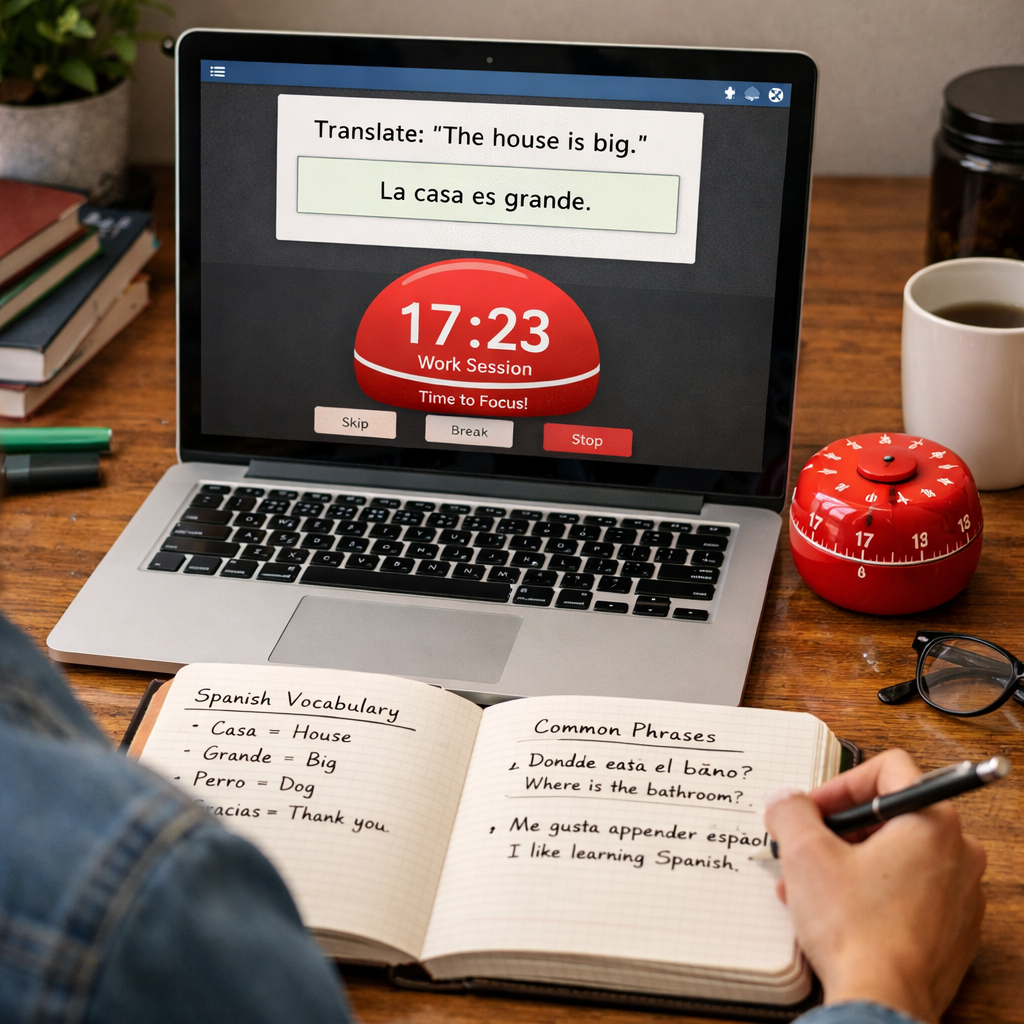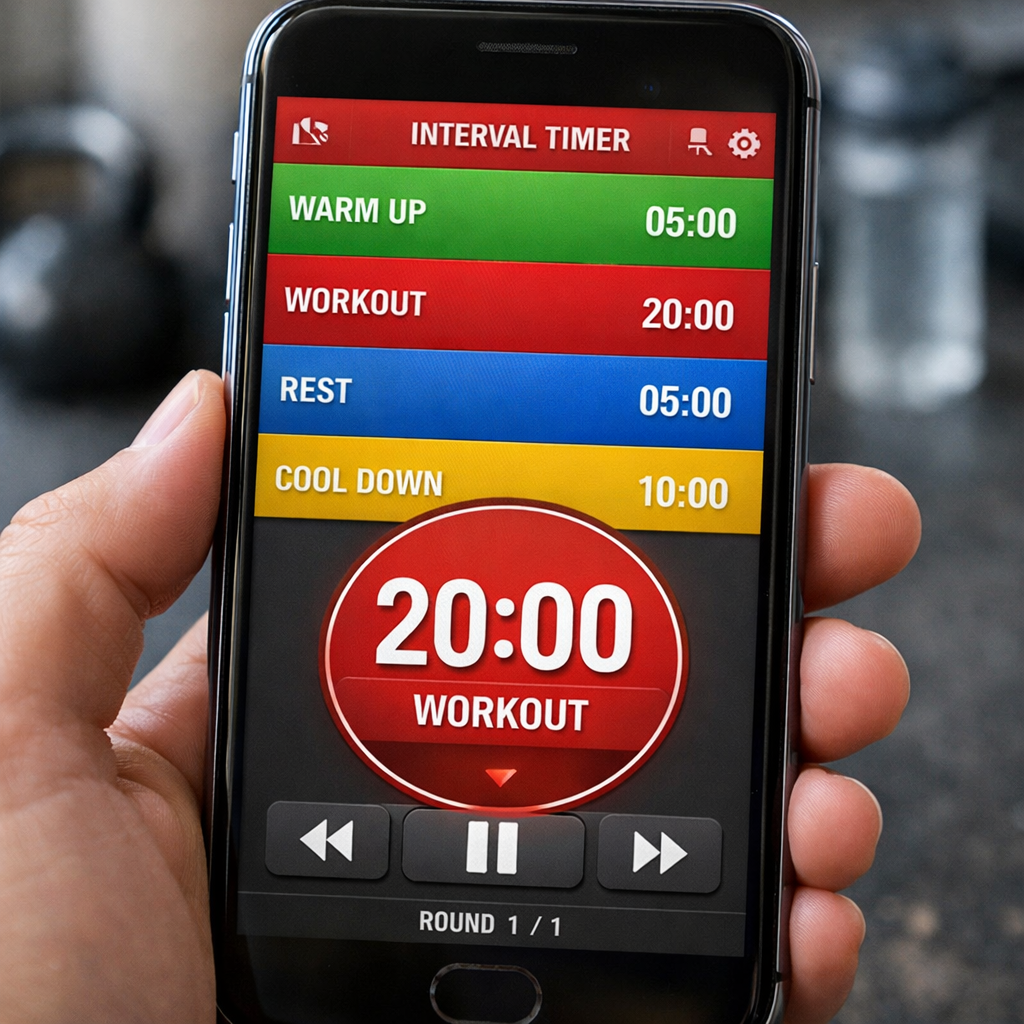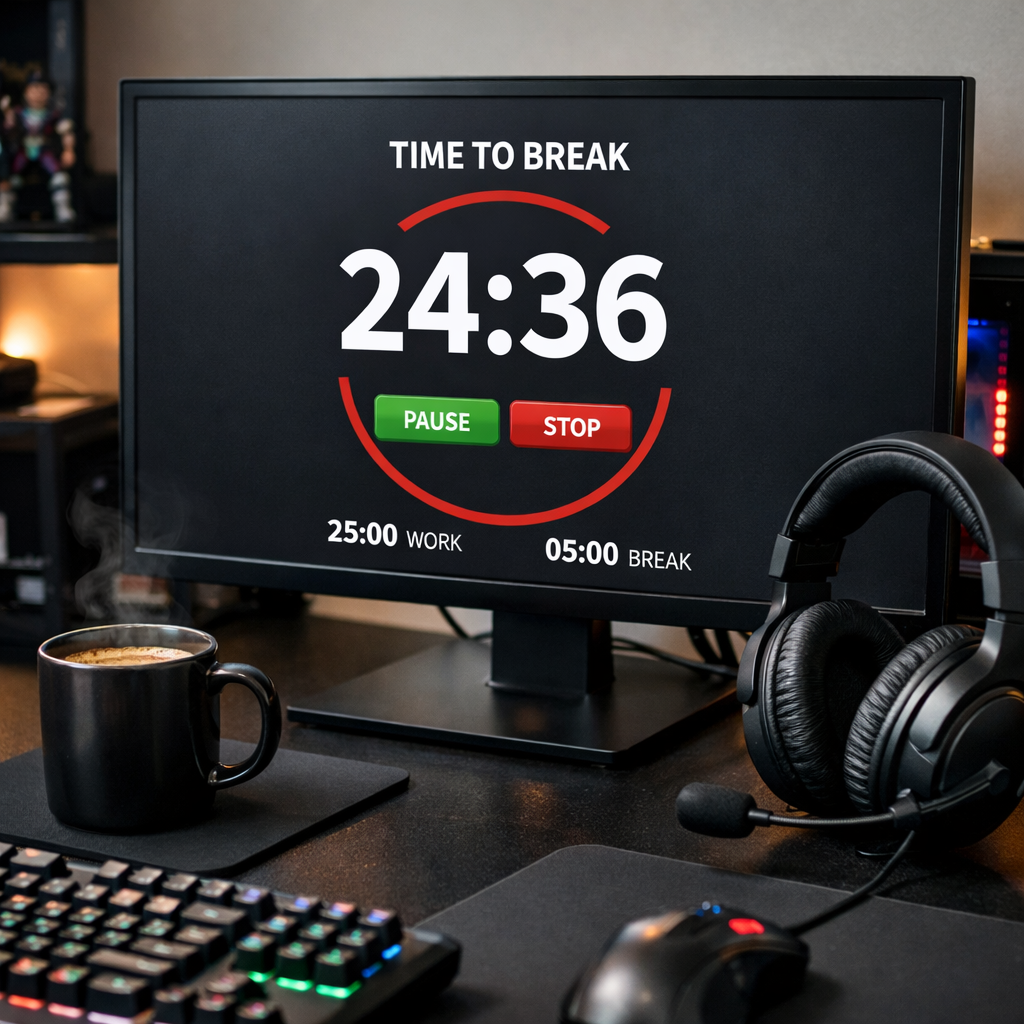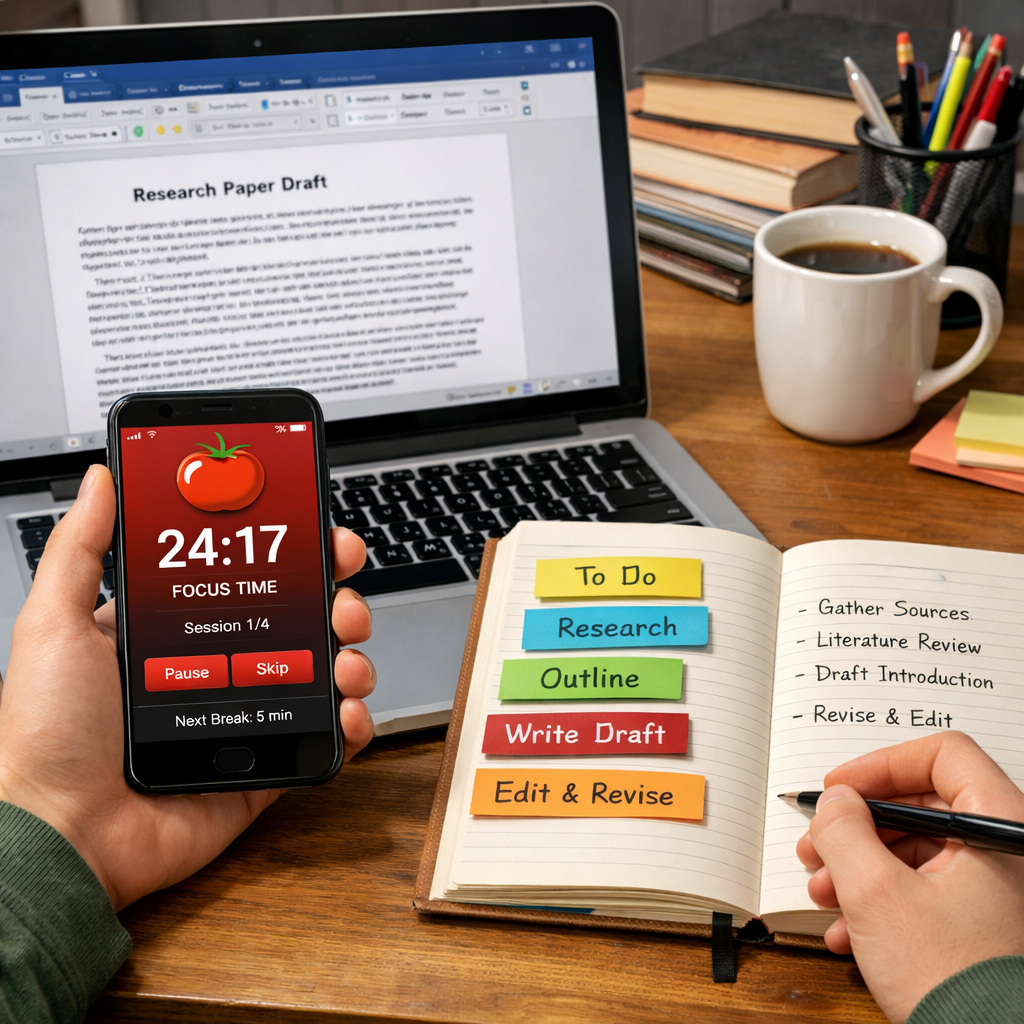
Feeling like your to-do list is a mile long and you’re barely making a dent? It’s a common problem. We all get distracted or just feel overwhelmed sometimes. That’s where a focus timer comes in. It’s a simple tool, but it can really change how you get things done. Think of it as a little helper that breaks down your work into manageable chunks. This article is all about how to use a focus timer to get more done without feeling totally drained.
Key Takeaways
-
Using a focus timer means working in short, scheduled bursts, which helps you concentrate better and avoid getting sidetracked.
-
Breaks are just as important as work time. Taking regular short breaks stops you from getting tired and helps you stay sharp.
-
You can adjust how long your work sessions and breaks are to match your own rhythm and what feels best for you.
-
Adding background sounds, like certain music or nature noises, can make it easier to get into a focused state.
-
A focus timer works well with task lists, helping you organize your day and see what you’ve accomplished.
Understanding The Focus Timer Method
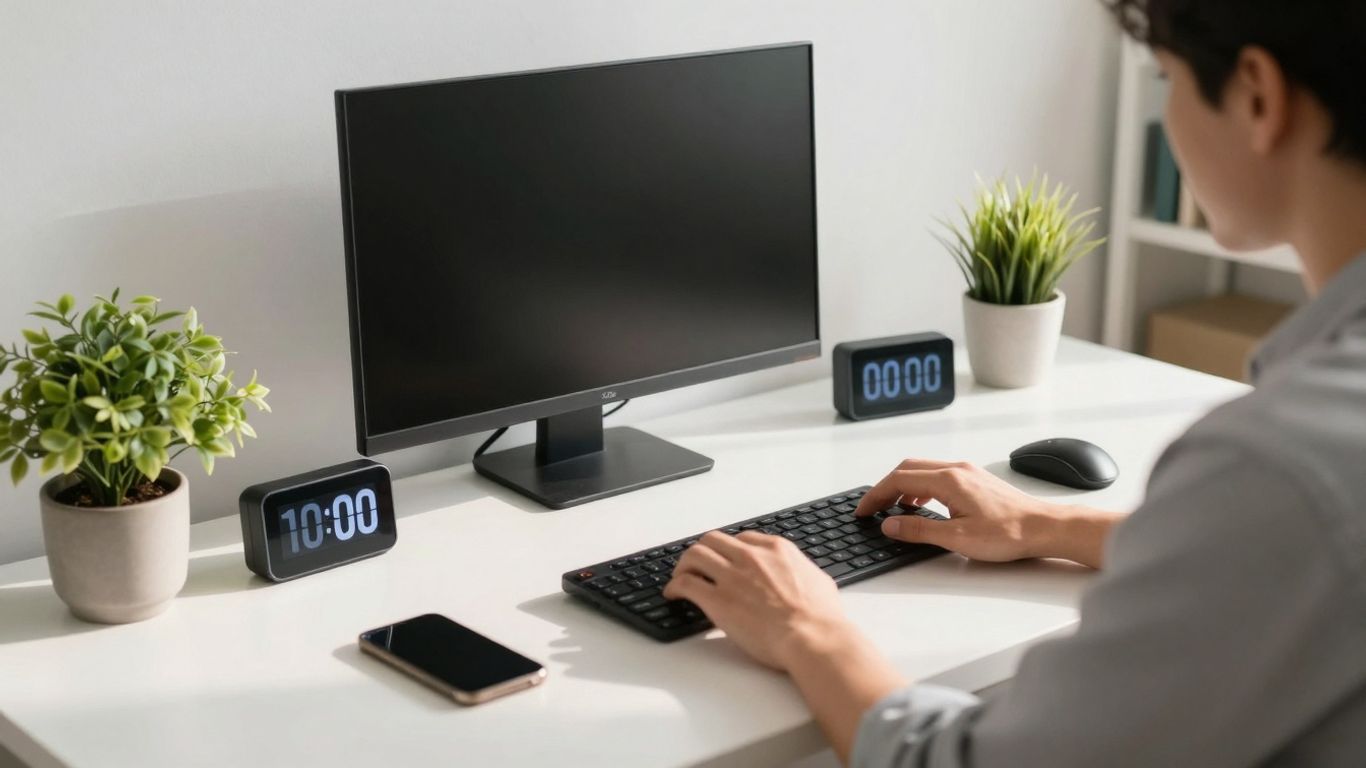
Ever feel like your workday is just a blur of tasks, emails, and distractions? You’re not alone. That’s where the focus timer method comes in. It’s a pretty straightforward idea, really: break your work into chunks, focus hard during those chunks, and then take a real break. It sounds simple, but it can make a huge difference in how much you actually get done and how you feel about it.
The Power of Structured Work Intervals
This method is all about working in focused bursts. Think of it like sprinting instead of jogging through your day. You dedicate a set amount of time, say 25 minutes, to one specific task. No checking emails, no scrolling social media, just pure concentration. This intense focus helps you get into a flow state, where you’re really productive and tasks that usually take ages seem to fly by. It’s a technique that’s been around for a while, often associated with the Pomodoro Technique.
Balancing Productivity and Well-being
It’s not just about cramming more work in. The focus timer method is also designed to help you avoid feeling completely drained by the end of the day. Those short breaks between work intervals are just as important as the work itself. They give your brain a chance to rest and reset, preventing that feeling of mental fatigue. It’s about working smarter, not just harder, and making sure you have energy left for things outside of work.
Preventing Burnout with Regular Breaks
Burnout is a real problem, and it sneaks up on you. By building regular, scheduled breaks into your day, you’re actively fighting against it. These aren’t just quick glances at your phone; they’re intentional moments to step away, stretch, grab some water, or just do nothing for a few minutes. This consistent rhythm of work and rest helps maintain your energy and enthusiasm over the long haul. It’s a sustainable way to keep your productivity high without sacrificing your mental health.
Customizing Your Focus Timer Experience
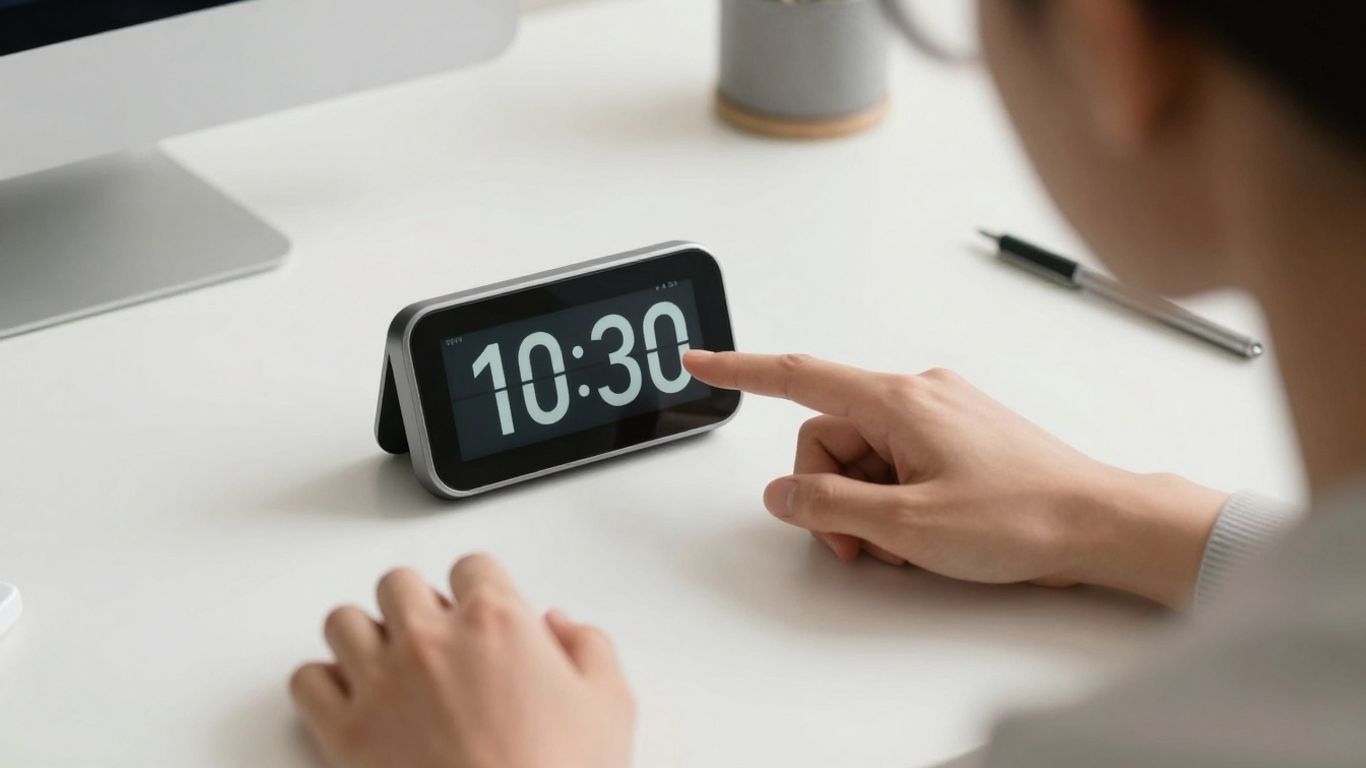
So, you’ve got your focus timer set up, but are you really getting the most out of it? The real magic happens when you tweak it to fit your specific needs. It’s not a one-size-fits-all deal, and making a few adjustments can make a huge difference in how productive you feel.
Tailoring Session Lengths to Your Workflow
Think about how you actually work. Are you someone who can power through a task for a solid hour, or do you get fidgety after 20 minutes? Most focus timer methods suggest standard intervals, like 25 minutes of work and 5 minutes of break. That’s a good starting point, but it’s not set in stone.
-
Short Bursts: If you’re easily distracted or have a lot of small tasks, try shorter work intervals, maybe 15-20 minutes. This can make starting feel less daunting.
-
Longer Sprints: For deep work or complex projects, you might find 45-50 minute sessions more effective, followed by a slightly longer break.
-
Experiment: The best way to find your sweet spot is to try different lengths. Keep a little note of how you felt after each session – energized, drained, or just right.
Here’s a quick way to think about it:
|
Session Type |
Work Interval |
Short Break |
Long Break (after 4 sessions) |
|---|---|---|---|
|
Standard |
25 minutes |
5 minutes |
15-20 minutes |
|
Short Burst |
15-20 minutes |
3-5 minutes |
10-15 minutes |
|
Long Sprint |
45-50 minutes |
10 minutes |
20-25 minutes |
Personalizing Soundscapes for Concentration
Silence isn’t always golden when you’re trying to focus. For many people, a bit of background sound can actually help block out distracting noises and create a more immersive work environment. The trick is finding what works for you.
-
Nature Sounds: Gentle rain, ocean waves, or forest ambiance can be incredibly calming and mask sudden noises. These are great for creating a serene atmosphere.
-
Instrumental Music: Classical music, especially Baroque pieces, is often cited for its ability to aid concentration. Avoid anything with lyrics, as that can pull your attention away.
-
White Noise: A steady hum of white, pink, or brown noise can provide a consistent sound backdrop that helps drown out other distractions.
Don’t underestimate the power of sound. What one person finds distracting, another might find incredibly helpful for getting into a flow state. It’s all about personal preference and what helps you tune out the world and tune into your work.
Adjusting Break Durations for Optimal Recharge
Breaks are just as important as the work sessions themselves. They’re not just a reward; they’re a necessity for preventing mental fatigue. Just like with work intervals, the length of your breaks can be customized.
-
Short Breaks: These are for quick resets. Stand up, stretch, grab some water, or just close your eyes for a minute. 5-10 minutes is usually plenty.
-
Long Breaks: After a few work sessions, you need a more substantial break to truly disconnect. This is a good time to step away from your screen, maybe go for a short walk, or do something completely unrelated to your work. 15-30 minutes can make a big difference.
Remember, the goal of a break is to recharge. If you’re still thinking about work during your break, it’s probably not long enough or you’re not truly stepping away. Experiment to find the break lengths that leave you feeling refreshed and ready to tackle the next work interval.
Leveraging Audio for Enhanced Focus
Sometimes, just staring at a blank screen or a to-do list isn’t enough to get your brain in gear. That’s where sound comes in. The right audio can seriously change how you focus, making those work intervals feel less like a chore and more like a flow state. It’s about creating an environment that helps you tune out the world and tune into your tasks.
The Benefits of Baroque Music for Cognition
Ever heard that Baroque music is good for studying? There’s something to it. The structured, often complex patterns in Baroque compositions, particularly the Largo style, seem to align well with cognitive tasks. Think of it as background music that doesn’t demand your attention but subtly organizes your thoughts. It’s not just about pretty melodies; studies suggest this type of music can actually help improve concentration and make your brain work a bit more efficiently. It’s a way to get your mind ready for deep work without being distracting.
Creating Serene Environments with Rain Sounds
If complex music isn’t your thing, or if you just need to block out noisy surroundings, rain sounds are a fantastic alternative. The consistent, gentle patter of rain can be incredibly calming. It masks other noises, like traffic or office chatter, creating a personal bubble of quiet concentration. You can find apps that offer different types of rain, from a light drizzle to a steady downpour, letting you pick what works best for you. This kind of ambient sound helps create a peaceful workspace, which is great for tasks that require a steady hand and a clear head. Simple, consistent sounds like white noise or specific binaural beats are effective for tasks requiring high cognitive load. These acoustic elements can aid focus and concentration [90d8].
Blending Music and Nature for Peak Performance
Why choose between music and nature sounds when you can have both? Many focus timer apps let you mix and match. Imagine working to the gentle rhythm of Baroque music overlaid with the soft sound of rain. This combination can be really powerful. The music provides a cognitive boost, while the rain sounds offer a calming, consistent backdrop. You can often adjust the volume of each element to create your perfect soundscape. It’s about finding that sweet spot where the audio supports your work without becoming a distraction itself. This personalized approach can make a big difference in how long you can stay focused and how productive you feel during your work sessions.
Integrating Focus Timer with Task Management
So, you’ve got your focus timer set up, you’re ready to buckle down. But what exactly are you supposed to be working on? That’s where task management comes in. It’s like having a roadmap for your day, and the focus timer is your trusty vehicle to get you there.
Organizing Your Day with To-Do Lists
Think of your to-do list as the brain of your operation. It’s where you dump everything you need to get done, big or small. You can break down big projects into smaller, manageable chunks. For example, if you have “Write Article” on your list, you might add sub-tasks like “Research Topic,” “Outline Content,” “Draft Section 1,” and so on. This makes the whole task feel less overwhelming and gives you a clear path forward. A well-organized to-do list is the first step to a productive day.
Here’s a simple way to structure your tasks:
-
Urgent & Important: Tasks that need immediate attention and have significant consequences.
-
Important, Not Urgent: Tasks that contribute to long-term goals but don’t have an immediate deadline.
-
Urgent, Not Important: Tasks that demand attention now but don’t contribute much to your goals (often distractions).
-
Not Urgent & Not Important: Tasks that can be done later or perhaps not at all.
Tracking Progress on Individual Tasks
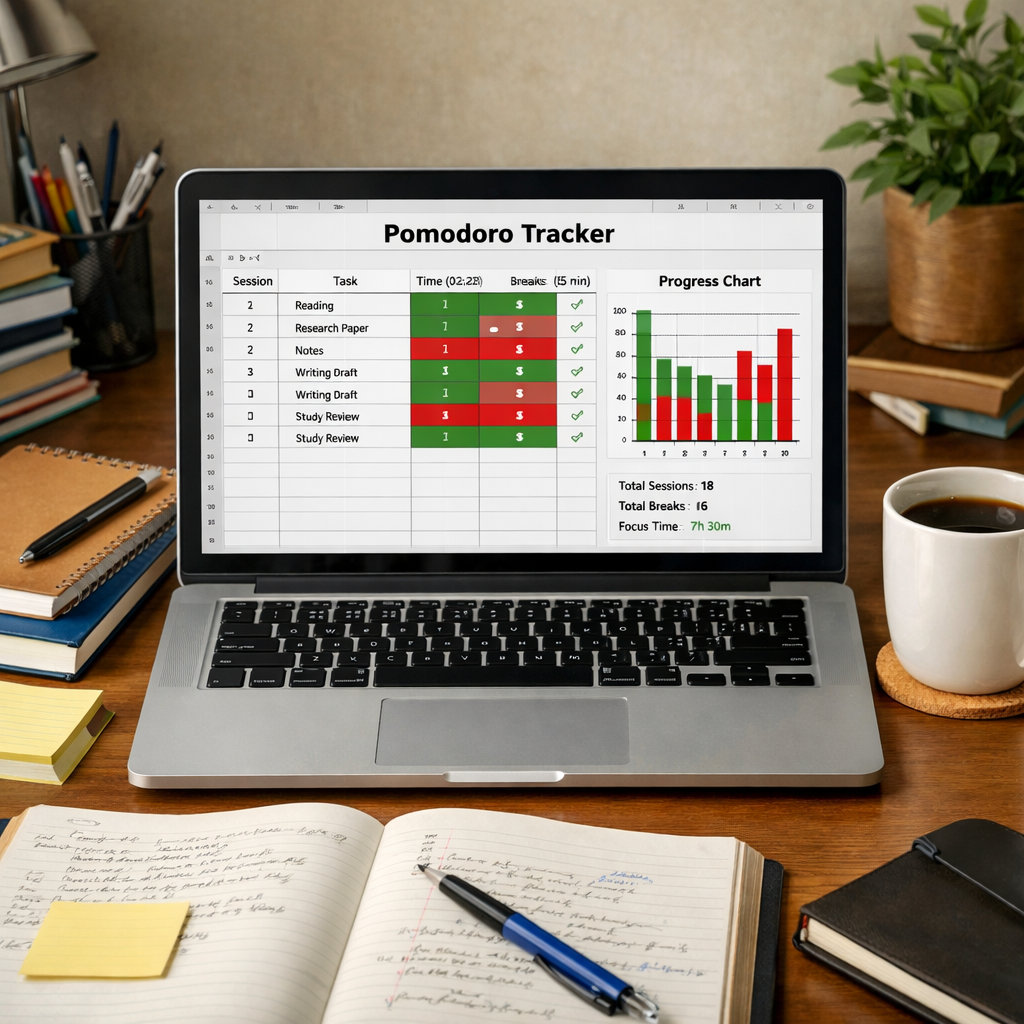
This is where the focus timer really shines. Once you’ve got your tasks listed, you can assign focus sessions to them. Did you spend 25 minutes working on “Draft Section 1”? Log it! Many focus timer apps let you track time spent on specific tasks. This is super helpful for a few reasons. First, it shows you where your time is actually going. You might be surprised to see how long certain tasks take. Second, it gives you a sense of accomplishment as you tick off those focused work intervals. It’s a tangible way to see your progress, not just a vague feeling that you were busy.
Setting Reminders for Important Deadlines
Let’s be honest, we all forget things sometimes. That’s why reminders are a lifesaver. You can set reminders for when a task is due, or even just a nudge to start a specific focus session. If you have a big project deadline coming up, set a reminder a few days in advance to ramp up your focus time. Or, if you tend to forget your breaks, set a reminder for those too! It’s about building a system that supports you, not one that relies solely on your memory.
Integrating your focus timer with your task management system creates a powerful feedback loop. You know what to work on, you dedicate focused time to it, and you track your progress. This combination helps prevent tasks from falling through the cracks and provides a clear picture of your productivity over time.
Maximizing Productivity with Advanced Features
So, you’ve got your focus timer set up, you’re rocking those work intervals, and taking your breaks. That’s awesome! But what if you want to take things up a notch? Turns out, a lot of these focus timer apps have some pretty neat advanced features that can really help you get more done. It’s not just about setting a timer anymore; it’s about understanding your own work habits and making the tool work even harder for you.
Utilizing In-Depth Statistics for Insights
This is where things get interesting. Most apps will track how long you’ve been focused, but the really good ones give you a deeper look. Think daily, weekly, and even monthly breakdowns of your focus time. You can start to see patterns – maybe you’re most productive in the morning, or perhaps those afternoon slump times are longer than you thought. This kind of data isn’t just numbers; it’s a roadmap to optimizing your schedule. You can spot when you’re hitting your goals and when you might need to adjust your approach.
Here’s a quick look at what you might find:
-
Daily Focus Time: How many hours you spent in focused sessions each day.
-
Session Completion Rate: The percentage of planned focus sessions you actually completed.
-
Longest Focus Streak: How many days in a row you hit your daily focus goal.
-
Task-Specific Time: If you’re tracking tasks, you can see how long you spend on each one.
Sharing Progress to Stay Motivated
Sometimes, just knowing you’re doing well isn’t enough. Sharing your progress can be a huge motivator. Many apps let you share your stats with friends, colleagues, or even accountability partners. Imagine getting a little cheer from a friend when you hit a new focus streak or complete a big project. It adds a social element that can make sticking with your focus routine a lot more fun and sustainable. It’s like having a little cheer squad in your pocket!
Celebrating your wins, big or small, is a powerful way to build momentum. Seeing your progress laid out visually can be incredibly encouraging, reinforcing the positive habits you’re building.
Cross-Platform Synchronization for Accessibility
This is a game-changer if you use multiple devices. Being able to sync your focus timer and stats across your phone, tablet, and computer means you’re never out of sync. Start a focus session on your laptop at work, check your progress on your phone during your commute, or plan your next day on your tablet. It makes the focus timer a truly integrated part of your workflow, no matter where you are or what device you’re using. This seamless integration ensures your productivity system is always up-to-date and accessible.
Choosing the Right Focus Timer for You
So, you’ve decided to give a focus timer a shot, which is awesome. But with so many options out there, picking the right one can feel a bit overwhelming. It’s not just about finding any timer; it’s about finding one that actually fits how you work and what helps you concentrate. Think of it like picking out a comfy chair – what works for your friend might not be the best fit for your back.
Exploring Customizable Timer Intervals
Most focus timers are built around the Pomodoro Technique, which usually means 25-minute work sprints followed by 5-minute breaks. That’s a solid starting point, but it’s not a one-size-fits-all deal. Some days, you might be in the zone for longer, needing 45 or even 60-minute focus blocks. Other times, especially when tackling something new or complex, shorter bursts of 15-20 minutes might be more effective. Look for apps that let you tweak these intervals. You should be able to set your work session length, your short break duration, and even the length of your longer breaks after a few sessions. This flexibility is key to making the timer work for you, not the other way around.
Finding Tools That Support ADHD Needs
If you have ADHD, the structure a focus timer provides can be a game-changer, but standard settings might not always hit the mark. Many apps are now designed with features that can really help. This might include:
-
Visual timers: Seeing a countdown bar or a progress circle can be more engaging than just a number.
-
Customizable alerts: Beyond a simple beep, some timers offer different sounds, vibrations, or even visual cues to signal breaks or the end of a session.
-
Minimalist interfaces: Cluttered apps can be distracting. A clean, simple design with fewer options visible at once can reduce cognitive load.
-
Task integration: Being able to break down larger tasks into smaller, manageable chunks within the timer app itself can make starting and staying on task much easier.
It’s worth checking reviews or app descriptions specifically mentioning support for ADHD or focus challenges. What works for someone else with ADHD might work for you too.
Selecting Apps with Aesthetic Themes
Okay, this might sound a bit superficial, but the look and feel of your focus timer can actually impact your motivation. If you’re going to be staring at an app for hours a day, you want it to be pleasant to look at. Some timers offer a range of themes, from minimalist and modern to nature-inspired or even retro. Others let you customize background colors, fonts, and even ambient soundscapes.
Choosing an app with a visual style that you find calming or energizing can make the entire experience more enjoyable. It turns a functional tool into something you actually want to use, which is half the battle when it comes to building a consistent habit.
Ultimately, the best focus timer is the one you’ll actually use consistently. Don’t be afraid to try out a few different ones. Many offer free versions or trials, so you can experiment until you find the perfect fit for your unique workflow and preferences.
Wrapping Up Your Focus Journey
So, there you have it. Using a focus timer isn’t some complicated secret; it’s just a straightforward way to get more done without feeling totally drained. Whether you pick a simple timer or one with fancy sounds, the main idea is to give yourself dedicated blocks of time to really concentrate. Give it a shot for a week, see how it feels. You might be surprised at how much you can accomplish when you just set a timer and dive in. It’s a small change that can make a big difference in your day.
Frequently Asked Questions
What is a focus timer and how does it help?
A focus timer is like a special clock that helps you work or study in short bursts. You set it for a certain amount of time, like 25 minutes, to concentrate really hard. Then, it tells you when to take a quick break. This method helps you get more done without getting tired or bored, like breaking a big project into smaller, easier steps.
Can I change how long the focus timer runs?
Yes, you totally can! Most focus timers let you pick how long your work sessions and breaks should be. This means you can set it up to match how you like to work best, whether you focus for a short time or a longer stretch.
Why do focus timers suggest listening to music or sounds?
Some people find that certain types of music, like classical music (Baroque style), or calming sounds, like rain, help them concentrate better. These sounds can block out distracting noises and create a peaceful atmosphere, making it easier to focus on your task.
How does a focus timer help with managing my tasks?
Focus timers often work hand-in-hand with to-do lists. You can write down what you need to do, and then use the timer to work on one task at a time. This helps you stay organized and see how much progress you’re making on each thing you need to get done.
What are ‘in-depth statistics’ for a focus timer?
These are like reports that show you how you’ve been using the timer. They can tell you how much time you spent focusing each day, week, or month, and which tasks you worked on the most. This information can help you understand your work habits and find ways to be even more productive.
Are focus timers good for people who get distracted easily, like those with ADHD?
Many people with ADHD find focus timers very helpful. The structured work periods and regular breaks provide a clear plan that can reduce feelings of being overwhelmed and make it easier to stay on track. Plus, customizable sounds and themes can create a more comfortable focus environment.