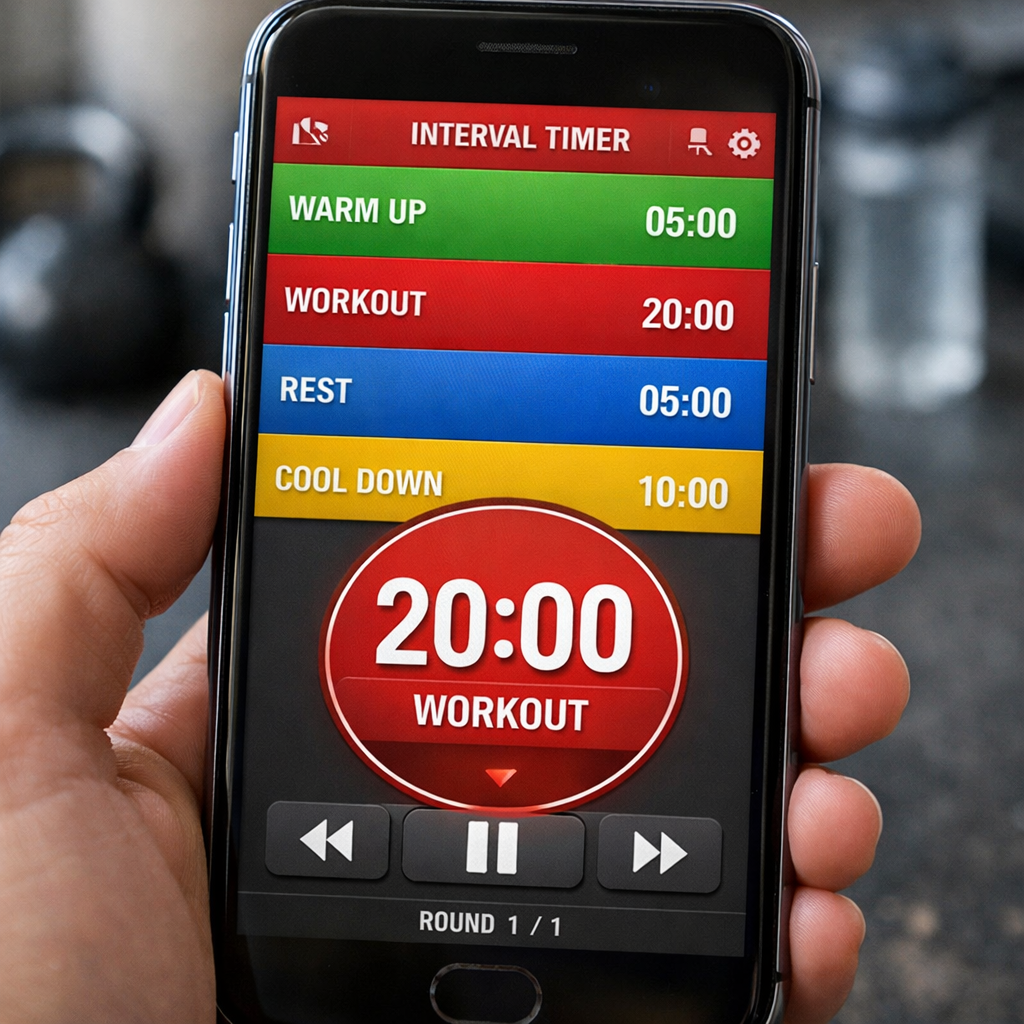

Ever feel like your brain just can’t keep up with your to-do list? You’re not alone. We all have those days where focus feels impossible and tasks just pile up. But what if there was a simple way to work *with* your brain, not against it? This is where the Pomodoro Technique comes in. It’s not just some trendy time management trick; there’s actual science behind why pomodoro works, and it has a lot to do with how our brains naturally operate. Let’s explore how this method can help you get more done without feeling completely drained.
Key Takeaways
- The Pomodoro Technique works by breaking tasks into short, focused intervals, aligning with your brain’s natural attention spans.
- Using timed work sessions and regular breaks helps prevent mental fatigue and improves decision-making.
- This method makes large or daunting tasks feel more manageable by dividing them into smaller, achievable steps.
- The anticipation of breaks and the sense of accomplishment after each session tap into your brain’s reward system, boosting motivation.
- By structuring work and rest periods, the Pomodoro Technique helps build sustainable productivity and avoid burnout over the long term.
Understanding Your Brain’s Natural Rhythms

Ever feel like your brain just hits a wall after a couple of hours? It’s not just you. Our brains aren’t designed for endless, high-level focus. They actually operate on natural cycles that dictate our energy and attention levels. Understanding these rhythms is the first step to working smarter, not harder.
The Science of Focused Attention and Cognitive Resources
Think of your brain’s ability to focus like a muscle. You can work it hard for a while, but eventually, it gets tired. This mental energy, often called cognitive resources, is finite. When you try to push past your limits without a break, your attention starts to wander, your decision-making gets sloppy, and you become more prone to errors. It’s like trying to run a marathon at a sprint pace – you’ll burn out fast. The Pomodoro Technique acknowledges this limitation by breaking work into manageable chunks, preventing the complete depletion of these valuable resources.
Ultradian Rhythms: Nature’s Productivity Cycles
Beyond the big 24-hour cycle of sleep and wakefulness (circadian rhythms), our brains have shorter, repeating cycles called ultradian rhythms. These typically last about 90 minutes, during which our focus and energy levels peak and then dip. Most people find their peak concentration lasts for about 25-50 minutes before a natural drop-off occurs. Pushing through that dip is where fatigue really sets in. The Pomodoro Technique’s 25-minute work intervals are designed to align with these natural peaks, allowing you to get a solid burst of work done before your brain naturally signals it’s time for a brief pause. It’s about riding the wave of your natural energy, not fighting against it. You can learn more about understanding your natural energy cycles.
Why Our Brains Can’t Sustain Peak Focus Indefinitely
Our brains evolved to be alert and responsive to immediate needs, not to sit and concentrate on a spreadsheet for hours. Prolonged, uninterrupted focus can actually lead to a state of mental fatigue that feels a lot like burnout. This isn’t a sign of weakness; it’s a biological reality. When we ignore these signals, we often resort to artificial stimulants like caffeine or sugar, which only provide a temporary fix and can lead to crashes later. Instead of fighting our biology, we can work with it. Recognizing that sustained peak focus is impossible is the first step toward building a more sustainable and effective work routine.
Our brains are not designed for constant, high-intensity focus. Pushing past natural fatigue points doesn’t make us more productive; it just leads to exhaustion and poorer quality work. Working in sync with our internal rhythms is key to long-term efficiency.
The Psychological Power of Time-Boxing
Big, messy projects can feel like staring up at a mountain. You know you have to climb it, but where do you even start? That’s where time-boxing, a core idea behind the Pomodoro Technique, really shines. It’s all about breaking down those giant tasks into smaller, more manageable chunks. Instead of ‘write the report,’ you get ‘work on the report introduction for 25 minutes.’ Suddenly, it doesn’t seem so impossible.
Making Large Tasks Approachable
This method tricks your brain into getting started. When a task has a clear end point, even if it’s just 25 minutes away, it feels less daunting. You’re not committing to finishing the whole thing, just to focusing for a set period. This makes it much easier to just dive in, rather than staring at a blank page or a daunting to-do list.
Creating Urgency and Eliminating Perfectionism
That ticking clock creates a gentle sense of urgency. You know you only have a limited time, so you tend to focus on making progress rather than getting bogged down in minor details. This time limit helps push back against perfectionism, encouraging you to get things done rather than striving for an unattainable ideal. It’s about forward motion, not flawless execution within that short burst.
Transforming Overwhelming Projects into Achievable Steps
Think of it like this:
- Break it Down: Take that huge project and list out the major components.
- Assign Time: Allocate specific 25-minute Pomodoro sessions to each component.
- Focus and Go: Work only on that assigned component during its Pomodoro.
- Repeat: Move to the next component or the next session for the same one.
This structured approach turns a chaotic mess into a clear, step-by-step plan. You’re not just working; you’re systematically conquering the project, one timed session at a time. It builds momentum and makes the entire endeavor feel much more within reach.
Leveraging Your Brain’s Reward System
Ever notice how much easier it is to get started on something when you know there’s a treat waiting for you afterward? That’s not just you being a bit lazy; it’s your brain’s built-in reward system at play. The Pomodoro Technique taps directly into this, using the anticipation of breaks and the satisfaction of completion to keep you motivated.
The Role of Dopamine in Motivation and Habit Formation
Dopamine is that feel-good chemical your brain releases when you experience something pleasurable or rewarding. When you finish a Pomodoro work session, your brain gets a little hit of dopamine. It’s like a tiny ‘good job!’ from your own internal cheerleader. This makes the task feel more satisfying and, over time, helps build a positive association with working. You start to look forward to that feeling of accomplishment, which makes it easier to dive into the next work session.
- Completing a work interval triggers dopamine release.
- This reinforces the behavior, making you more likely to repeat it.
- Over time, this builds a habit loop where work feels less like a chore and more like a path to reward.
Anticipating Breaks to Enhance Focus
It sounds counterintuitive, right? How can looking forward to not working help you work better? Well, the Pomodoro Technique uses the scheduled breaks as a powerful motivator. Knowing that a 5-minute break is just around the corner, where you can stretch, grab a drink, or just zone out for a bit, makes it much easier to stay focused during the 25-minute work sprint. It gives your brain something to look forward to, a light at the end of the short tunnel.
The promise of a break acts as a powerful psychological anchor, making the focused work period feel manageable and less daunting. It’s a simple yet effective way to trick your brain into sustained effort.
Building Momentum Through Small Accomplishments
Big projects can feel like climbing a mountain. It’s easy to get overwhelmed and just stare at the base, not knowing where to start. The Pomodoro Technique breaks that mountain down into tiny, manageable steps – each 25-minute work session is a small victory. Finishing one Pomodoro session gives you a sense of progress. You’ve ticked something off the list, however small. This accumulation of small wins builds momentum. Each completed session fuels the next, creating a positive feedback loop that propels you forward, making even the most daunting tasks feel achievable one sprint at a time.
Preventing Burnout with Strategic Breaks
Look, we’ve all been there. You’re deep in a project, the clock is ticking, and you feel like you’re on a roll. Pushing through seems like the only way to get it done, right? But here’s the thing: your brain isn’t built for that kind of marathon. Trying to maintain peak performance for hours on end is like trying to sprint a marathon – it just doesn’t work and usually ends in a crash.
The Impact of Extended Work on Mental and Decision Fatigue
When you skip breaks, you’re not just getting a little tired; you’re actively draining your mental reserves. Think of your focus like a muscle; it gets fatigued with overuse. This mental exhaustion doesn’t just make you feel sluggish; it seriously messes with your ability to make good decisions. You start making mistakes, overlooking details, and generally becoming less effective. It’s a slippery slope that can lead to significant errors and a feeling of being completely overwhelmed. Constantly pushing past your limits is a fast track to burnout.
How Structured Breaks Allow Your Brain to Reset
This is where the magic of the Pomodoro technique’s breaks comes in. Those short, scheduled pauses aren’t just about catching your breath; they’re about giving your brain a chance to actually reset. During these breaks, your mind can process information, consolidate what you’ve learned, and recover from the intense focus of the work session. It’s like hitting a refresh button for your cognitive functions. This allows you to come back to your task with renewed energy and a clearer head, making the subsequent work session much more productive.
Here’s what happens during those crucial breaks:
- Information Consolidation: Your brain sorts and stores the information you’ve just worked with.
- Cognitive Recharge: Mental fatigue is reduced, allowing for better focus later.
- Stress Reduction: Stepping away from the task lowers stress hormones.
- Perspective Shift: You can often see problems more clearly after a short break.
Pushing through without breaks is a common trap, but it’s counterproductive. Your brain needs downtime to function optimally. Ignoring these signals is like ignoring a low fuel warning on your car – eventually, you’ll break down.
Sustaining Long-Term Productivity Through Work-Rest Cycles
By integrating these structured breaks, you’re not just getting through the day; you’re building a sustainable system for long-term productivity. Instead of intense bursts followed by crashes, you create a rhythm of focused effort and restorative rest. This work-rest cycle helps prevent the chronic stress that leads to burnout, keeping your motivation and performance levels more consistent over time. It’s about working smarter, not just harder, and aligning your work habits with your brain’s natural rhythms. This approach helps you manage stress effectively, which is key to preventing burnout and maintaining well-being. You can find more tips on actively managing stress to support this cycle.
The Psychology of Completion and Progress
Ever notice how good it feels to finally cross something off your to-do list? That little burst of satisfaction isn’t just in your head; it’s your brain’s way of rewarding you for making progress. Our minds are wired to crave closure and to see that we’re moving forward. When you’re working on a big project, it can feel like you’re just spinning your wheels, right? That’s where the Pomodoro Technique really shines.
How the Brain Craves Closure and Progress Tracking
Think about it: a task that’s open-ended can feel like a black hole. You just keep putting energy into it, but it never feels truly done. This is why breaking down large projects into smaller, manageable steps is so important. Each completed Pomodoro session acts as a mini-milestone. You finish a 25-minute work block, and boom – you’ve achieved something concrete. This creates a tangible sense of progress, which is incredibly motivating. It helps you overcome the fear of judgment and the feeling of being overwhelmed by breaking down large projects into smaller, manageable steps. Focusing on concrete next actions can help you move past procrastination and complete the projects you start, avoiding future regret. It’s like climbing a mountain; you don’t just teleport to the top. You focus on reaching the next marker, then the one after that.
Reinforcing Motivation with Each Completed Work Session
Every time you complete a work session and take your short break, you’re essentially giving your brain a little pat on the back. This isn’t just about feeling good; it’s about reinforcing the behavior. You associate focused work with a positive outcome – the break and the feeling of accomplishment. This creates a positive feedback loop. The more you complete these sessions, the more your brain learns that this focused effort leads to a reward, making you more likely to repeat the process. It builds consistency, making productivity feel less like a chore and more like a natural rhythm.
Gamifying Work for Increased Engagement and Efficiency
Let’s be honest, sometimes work can feel a bit dry. The Pomodoro Technique, by its very nature, introduces an element of gamification. You have a set goal for each session (completing the work within the time), and you have a reward (the break). You can even track your completed sessions, almost like collecting points. Seeing that number go up can be surprisingly engaging. It turns a daunting task into a series of achievable challenges. This structured timing system helps you focus on progress, not just the final outcome, making the whole process feel more dynamic and less like a slog. It’s about making the journey itself more rewarding.
Optimizing Brain Chemistry for Peak Performance

Ever feel like your brain just hits a wall, no matter how much coffee you chug? That’s your brain chemistry at play. It’s not just about willpower; it’s about working with your brain’s natural wiring, not against it. The Pomodoro Technique is pretty clever because it taps into how our brains actually function, especially when it comes to focus and energy.
The Role of Neurotransmitters in Focus and Alertness
Our ability to concentrate, stay motivated, and even learn new things is heavily influenced by chemical messengers in our brain called neurotransmitters. Think of them as tiny couriers delivering messages that dictate how alert and focused we are. Three big players here are dopamine, norepinephrine, and acetylcholine.
- Dopamine: This is often called the
Putting It All Together
So, there you have it. The Pomodoro Technique isn’t just some trendy time management trick; it’s built on how our brains actually work. By breaking tasks into short bursts and taking regular breaks, you’re basically giving your brain what it needs to stay focused and avoid getting worn out. It’s a simple idea, really, but it makes a big difference in getting stuff done without feeling completely drained. Give it a shot, see how it feels, and you might just find yourself more productive and less stressed out. It’s about working smarter, not just harder, and this method really helps with that.
Frequently Asked Questions
What exactly is the Pomodoro Technique?
Think of the Pomodoro Technique like using a kitchen timer for your work. You set it for a short time, usually 25 minutes, and focus hard on one task. When the timer rings, you take a quick break. It’s a way to break down big jobs into smaller, easier-to-handle chunks.
Why does working in short bursts help my brain?
Your brain is like a muscle; it gets tired if you use it too much without a rest. These short work periods, called ‘Pomodoros,’ match your brain’s natural energy cycles. Taking breaks lets your brain recharge, so you can focus better when you start working again.
How does the Pomodoro Technique stop me from getting distracted?
When you know you only have to focus for 25 minutes, it’s easier to ignore distractions like your phone or emails. The timer creates a sense of urgency, making you want to get as much done as possible in that short time. Plus, knowing a break is coming soon makes it easier to resist the urge to switch tasks.
Can this technique help with really big or boring projects?
Absolutely! Big projects can feel overwhelming. The Pomodoro Technique breaks them down into small, manageable steps. Completing each 25-minute work session gives you a little win, which builds up and makes the whole project feel less scary and more achievable.
What’s the best way to take breaks during the Pomodoro Technique?
Your breaks should be short and refreshing. Get up, stretch, walk around for a bit, or grab a drink of water. It’s important to step away from your work completely. Avoid checking social media or emails during these short breaks; they are for your brain to rest and reset.
How often should I take longer breaks?
After you’ve completed about four of the short 25-minute work sessions, it’s a good idea to take a longer break, maybe 15 to 30 minutes. This longer rest helps prevent your brain from getting too tired and keeps you from burning out, so you can stay productive throughout the day.