Feeling like there aren’t enough hours in the day? You’re not alone. So many of us struggle to keep up with everything, bouncing from one thing to the next without really getting much done. But what if there was a way to take back control? Enter the time blocking template. It sounds simple, and honestly, it is. It’s all about planning out your day, hour by hour, to make sure you’re actually working on what matters. We’ll walk through how to use one and why it’s a game-changer for getting things done.
Key Takeaways
- Time blocking means scheduling specific tasks into set time slots throughout your day, creating a structured plan instead of just a to-do list.
- Using a time blocking template helps you visualize your day, prioritize important tasks, and make sure you allocate realistic time for everything, including breaks.
- There are many types of time blocking templates available, from simple printables to customizable spreadsheets and visually engaging designs, so you can find one that fits your style.
- Advanced features like tracking mood, water intake, or including daily mantras can add a personal development layer to your time blocking template.
- Tools like dedicated apps, phone timers, and calendar software can help you implement and manage your time blocking schedule more effectively.
Understanding the Power of Time Blocking Templates
Ever feel like your day just disappears, leaving you wondering where all the hours went? You’re not alone. In our busy world, it’s easy to get pulled in a million directions, jumping from one urgent thing to the next without really getting anything important done. That’s where time blocking comes in. It’s a method that helps you take back control by assigning specific chunks of time to specific tasks. Think of it like making appointments with yourself for everything you need to do.
What is Time Blocking?
At its core, time blocking is pretty simple. Instead of just having a to-do list that you tackle whenever you get around to it, you actually schedule when you’re going to do each item. So, instead of "Write report," you’d have "9:00 AM – 10:30 AM: Write Q1 Report." This creates a visual roadmap for your entire day, hour by hour. It’s a way to be really intentional about how you spend your time, rather than just reacting to whatever pops up.
Why Time Blocking Works for Productivity
So, why is this method so effective? For starters, it forces you to be realistic about how long things actually take. We often underestimate tasks, and time blocking helps you see that. It also helps you focus. When you know you only have a set amount of time for a task, you’re more likely to buckle down and get it done without getting sidetracked. Plus, it helps you prioritize. By scheduling your most important tasks first, you make sure they actually get done before the day gets away from you. It’s like giving your priorities a guaranteed spot on your calendar.
- Reduces distractions: By dedicating a block to a task, you minimize the urge to switch to something else.
- Combats procrastination: Knowing a task has a scheduled start time makes it harder to put off.
- Improves focus: Concentrating on one thing for a set period can lead to higher quality work.
- Provides a sense of control: Seeing your day planned out can reduce stress and overwhelm.
Planning your day in advance with time blocks means you spend less mental energy deciding what to do next. This can really cut down on decision fatigue throughout the day.
Who Benefits Most from Time Blocking?
Honestly, almost anyone can benefit from time blocking, but it’s particularly helpful for certain groups. If you’re a knowledge worker, like a writer, programmer, or researcher, carving out focused work periods is a game-changer. Busy executives can use it to balance meetings with strategic thinking. Freelancers can use it to manage client work and administrative tasks, helping with work-life balance. Even students can use it to juggle classes, study time, and social activities. If you find yourself constantly busy but not productive, or if you struggle with distractions, time blocking is definitely worth trying. You can find customizable spreadsheet templates that can be adapted to fit your unique needs.
Choosing the Right Time Blocking Template
So, you’re ready to dive into time blocking, but where do you even start with a template? It’s not a one-size-fits-all situation, and picking the right one can make a big difference in how smoothly your schedule flows. Think of it like choosing the right tool for a job – you wouldn’t use a hammer to screw in a bolt, right? The same applies here.
Free Printable Time Blocking Templates
Sometimes, the simplest approach is the best, especially when you’re just getting the hang of things. Free printable templates are fantastic for this. You can download them, print them out, and start sketching out your day right away. They’re great for visualizing your schedule on paper and seeing where your time is actually going. Many of these come with basic layouts, but you can also find ones that include sections for notes, priorities, or even little reminders for breaks. It’s a low-commitment way to experiment and see if time blocking feels right for you. You can find a bunch of these ready to go online, often in PDF format, which makes them super easy to use. They’re a good starting point if you prefer a tangible planner or want to share printable schedules with your team.
Customizable Spreadsheet Time Blocking Templates
If you’re a bit more tech-savvy or like having your data all in one place, a spreadsheet template might be your jam. Tools like Google Sheets or Excel let you build a time blocking schedule that’s totally tailored to your needs. You can color-code different types of tasks, set up formulas to track your time, or even link it to other parts of your digital life. The real beauty here is the flexibility. You can add or remove sections as you see fit, adjust the time increments, and really make it your own. This is perfect for people who like to tweak and refine their systems until they’re just right. It takes a little more setup, but the payoff in terms of personalization is huge.
Visually Engaging Illustrated Time Blocking Templates
Let’s be honest, sometimes a plain old grid can feel a bit… dry. If you’re someone who thrives on visual cues or just likes a bit of flair in your planning, illustrated templates are worth checking out. These templates often come with graphics, different color schemes, or unique layouts that can make the process of planning your day feel less like a chore and more like a creative exercise. They can help break up the monotony and make your schedule more appealing to look at, which might just encourage you to stick with it. Some even incorporate artistic elements or fun icons to represent different activities, making your planner a bit more personal and enjoyable.
When choosing a template, think about your personal style and what will motivate you to actually use it. Do you prefer the tactile feel of paper, the digital flexibility of a spreadsheet, or the visual appeal of a designed layout? The best template is the one that you’ll consistently engage with and that helps you see your day more clearly.
Essential Elements for Your Time Blocking Template

So, you’ve got your template, maybe a fancy printable one or a spreadsheet you’ve tinkered with. Now, let’s talk about what actually goes into it to make it work. It’s not just about filling in the blanks; it’s about being smart with how you fill them.
Scheduling Specific Tasks
This is where the magic happens, or where it falls flat if you’re not careful. Instead of writing "Work on Project X," get super specific. Think about the actual steps involved. For example, "Draft outline for Project X report" or "Research competitor pricing for Project X." The more detail you add, the clearer your objective is for that block of time. It helps you hit the ground running when that block arrives.
- Break down large tasks: If a task takes more than two hours, split it into smaller, manageable chunks.
- Assign clear outcomes: What will be finished by the end of this block?
- Use action verbs: Start each task description with a verb like ‘Write,’ ‘Call,’ ‘Review,’ or ‘Design.’
Incorporating Realistic Break Times
Seriously, don’t skip this. Trying to power through for hours on end is a recipe for burnout and sloppy work. Your brain needs downtime to recharge. Schedule short breaks, maybe 5-10 minutes every hour or so, and a longer one for lunch. This isn’t wasted time; it’s an investment in sustained focus. Think of it like interval training for your brain. You wouldn’t run a marathon without water stops, right?
Trying to maintain peak concentration for extended periods is like trying to hold your breath indefinitely. Eventually, you’ll falter. Regular, short breaks allow your cognitive resources to replenish, making your focused work periods far more effective.
Prioritizing Your Most Important Tasks
Not all tasks are created equal. Your time blocking template should reflect what truly matters. Identify your top 1-3 priorities for the day and make sure they have dedicated, high-energy time slots. These are the tasks that move the needle, the ones that contribute most to your goals. If you don’t schedule them, they’re the first to get pushed aside when things get busy. You can find some great time management templates to help visualize this.
Here’s a quick way to think about it:
- Identify your MITs (Most Important Tasks): What absolutely must get done today?
- Schedule MITs first: Place these during your peak productivity hours.
- Fill in secondary tasks: Use the remaining time for less critical but still necessary activities.
- Buffer time: Always leave a little wiggle room for unexpected things.
Advanced Features for Enhanced Time Blocking
So, you’ve got the basics of time blocking down. You’re scheduling tasks, taking breaks, and prioritizing. That’s great! But what if you want to take your time blocking game to the next level? There are some cool features you can add to your template that go beyond just task management. These can really help you understand yourself better and make your schedule work even harder for you.
Tracking Mood and Water Intake
It sounds a bit extra, right? But tracking your mood and how much water you’re drinking can actually give you some pretty useful insights. Think about it: are you more productive when you’re feeling upbeat? Do you hit a slump around 3 PM because you forgot to drink water all day? Jotting this down in your time block template can help you spot patterns. You might notice that certain types of tasks drain you more when you’re already feeling low, or that a quick walk and some water can perk you right up.
Here’s a simple way to add this to your daily template:
| Time Block | Activity | Mood (1-5) | Water Intake (oz) |
|---|---|---|---|
| 8:00 AM – 9:00 AM | Deep Work: Project X | 4 | 16 |
| 9:00 AM – 9:15 AM | Break | 4 | 8 |
| 9:15 AM – 10:45 AM | Deep Work: Project X | 5 | 8 |
Including Daily Mantras and Gratitude
This is where you inject a little bit of personal growth into your structured day. Starting or ending your day with a positive affirmation or a moment of gratitude can shift your mindset. It’s not just about getting things done; it’s about how you feel while doing them. A simple mantra can help you stay focused during tough tasks, and listing a few things you’re thankful for can boost your overall outlook. This small addition can make a big difference in your daily resilience.
Utilizing Reflection and Note Sections
Your time blocking template shouldn’t just be a rigid schedule. It’s also a tool for learning. Add a section at the end of each day or week for notes and reflections. What went well? What didn’t? Did a task take way longer than you expected? Why? This is your space to analyze your schedule’s performance. It helps you tweak your time estimates, identify recurring roadblocks, and generally get smarter about how you spend your time. Without this feedback loop, you’re just repeating the same schedule without improvement.
Don’t just fill in the blocks; use the blocks to learn about yourself and your work habits. This iterative process is key to truly mastering your schedule.
Leveraging Tools to Maximize Your Time Blocking
Recommended Time Blocking Apps
Look, we all need a little help sometimes, right? Trying to keep track of all those blocks in your head or on a messy piece of paper is just asking for trouble. That’s where apps come in. They’re like having a personal assistant for your schedule. Some apps are super simple, just letting you draw out your blocks. Others are more advanced, letting you set reminders, track how long tasks actually took, and even sync with your other calendars. Think of apps like Todoist, TickTick, or even specialized ones like Forest, which gamifies staying focused. They help you see your day laid out clearly and keep you honest about where your time is going.
Using Your Phone Timer Effectively
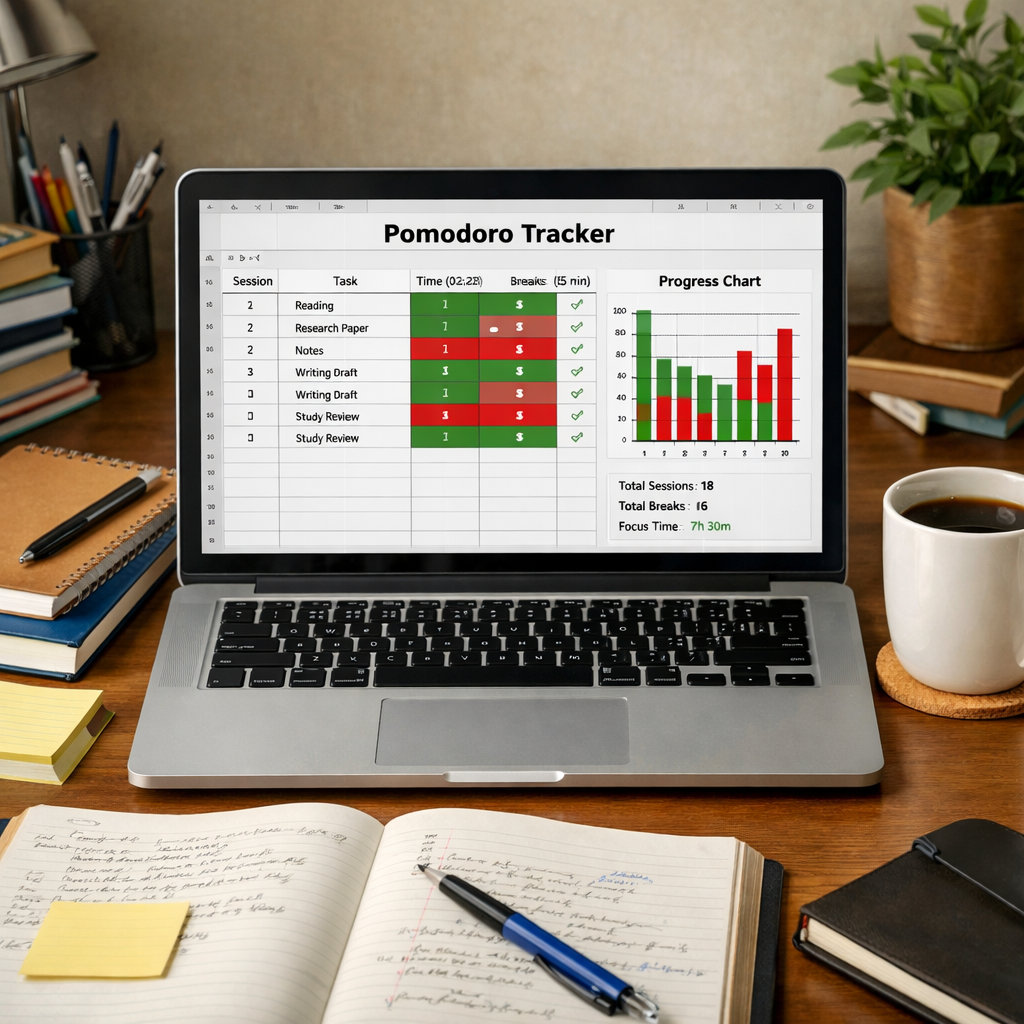
Don’t underestimate the power of that little timer app on your phone. It’s probably the most accessible tool you have. You can use it for a few things. First, to stick to your blocks. When a block is supposed to end, the timer goes off, signaling it’s time to switch gears. Second, for focused work sprints, like the Pomodoro Technique. Set it for 25 minutes of solid work, then take a 5-minute break. It sounds simple, but it really helps build momentum. Seriously, just using your phone’s built-in timer can make a huge difference in sticking to your plan.
Integrating Time Blocking with Calendar Software
This is where things get really organized. Most of us already use digital calendars like Google Calendar or Outlook. Time blocking fits perfectly into these. Instead of just putting "Meeting" on your calendar, you create blocks for everything: "Deep Work: Project X," "Email Response Time," "Lunch Break," "Planning Next Day." This gives you a visual roadmap of your entire day. Plus, you can color-code different types of blocks, making it super easy to see at a glance if you’ve got too much of one thing or not enough of another. It also makes sharing your availability with others much clearer, so they know when you’re busy and when you’re free.
When you start using tools to manage your time blocks, it’s not just about filling up your schedule. It’s about being intentional. It’s about making sure the time you have is spent on things that actually move you forward, rather than just reacting to whatever pops up.
Mastering Your Time Blocking Schedule
So, you’ve got your template, you’ve blocked out your tasks, and maybe even added some cool features. That’s awesome! But here’s the thing: time blocking isn’t a ‘set it and forget it’ kind of deal. It’s more like tending a garden. You gotta keep an eye on it, water it, and sometimes pull out a few weeds.
Being Realistic with Time Estimates
This is a big one. We all tend to think we can do things way faster than we actually can. I know I do. I’ll look at a task and think, ‘Yeah, 30 minutes, tops.’ Then, two hours later, I’m still wrestling with it. It’s super frustrating and throws off the whole day.
The trick is to be honest with yourself about how long things really take. If you’re not sure, it’s always better to pad your estimates a bit. Think of it as building in a buffer. You’d rather finish early and have some free time than constantly be running behind, right?
Here’s a quick way to get a handle on your actual task times:
- Track your time: For a few days, just jot down how long you spend on different activities. No judgment, just data.
- Review your history: Look back at your completed blocks. Did you consistently go over or under on certain types of tasks?
- Adjust future blocks: Use that information to make your next schedule more accurate.
Regularly Reviewing and Adjusting Your Plan
Your schedule isn’t set in stone. Life happens! Maybe a meeting runs long, or a task takes an unexpected turn. That’s okay. The key is to not just ignore it and hope for the best.
At the end of each day, or at least once a week, take a few minutes to look over your time blocks. Ask yourself:
- Did I stick to my plan?
- What worked well?
- What didn’t work so well?
- What needs to change for next time?
This reflection is where the real magic happens. It helps you learn your own rhythms and what’s realistic for you.
Don’t get discouraged if your first few attempts aren’t perfect. Time blocking is a skill, and like any skill, it takes practice. The goal isn’t rigid adherence, but rather intentionality and continuous improvement.
Communicating Your Availability to Others
This one might seem obvious, but it’s often overlooked. If you’re blocking out time for focused work, it’s helpful for people around you to know when you’re ‘in the zone’ and when you’re more available.
- Let your team know: If you’re working in an office, a simple sign on your desk or a status update in your chat app can do wonders.
- Inform your family: If you work from home, setting expectations with family members about when you need uninterrupted time is key.
- Use your calendar: If you share a calendar, make sure your blocked-out focus times are visible (even if the specific task isn’t). This helps prevent others from scheduling meetings during your deep work periods.
Putting It All Together
So, we’ve gone over a lot of ground on time blocking. It’s not just about filling up your calendar; it’s about being intentional with your hours. Remember to be realistic with your blocks, schedule in those breaks, and don’t be afraid to tweak things as you go. Whether you use a fancy app or just a simple notebook, the goal is to create a plan that actually works for you. Give it a shot, see how it feels, and keep adjusting until your schedule feels less like a chore and more like a roadmap to getting things done. You’ve got this.
Frequently Asked Questions
What exactly is time blocking?
Time blocking is like making a super-detailed plan for your day. Instead of just having a list of things to do, you decide exactly when you’ll do each thing. You divide your day into chunks of time, or ‘blocks,’ and assign a specific task to each block. It’s like scheduling appointments with yourself for your work and other important activities.
Why is time blocking so good for getting stuff done?
It helps you focus! When you know you only have a certain amount of time for a task, you’re more likely to get it done without getting sidetracked. It also helps you see where your time is actually going, so you can make sure you’re spending it on the things that matter most. Plus, it helps prevent you from feeling overwhelmed because you’ve planned out your whole day.
Who would benefit the most from using time blocking?
Pretty much anyone who feels like they don’t have enough time or gets easily distracted! This includes students trying to balance schoolwork and fun, busy professionals who have lots of meetings and projects, and freelancers who need to manage their own schedules. If you have a lot of different tasks and want to make sure you get to them all, time blocking is a great tool.
Can I use a simple piece of paper for time blocking?
Absolutely! You can totally use a notebook or even just a piece of paper. Many people find free printable templates online that they can download and fill out. Some people even like to create their own on a computer using programs like Google Sheets or Excel, which lets them customize it exactly how they want.
What if I can’t stick to my time blocks perfectly?
That’s totally okay! Life happens, and things don’t always go according to plan. The key is to be realistic when you make your schedule and to not pack too much in. If something unexpected comes up, just adjust your schedule as needed. The goal is to have a guide, not a rigid rulebook. Regularly looking at what worked and what didn’t can help you improve your plan over time.
Should I include breaks in my time blocking schedule?
Yes, definitely! It’s super important to schedule in breaks. Taking short breaks helps you stay focused and prevents you from getting tired or burnt out. Think of them as mini-appointments in your schedule, just like your work tasks. It’s better to plan for them than to forget and end up exhausted.