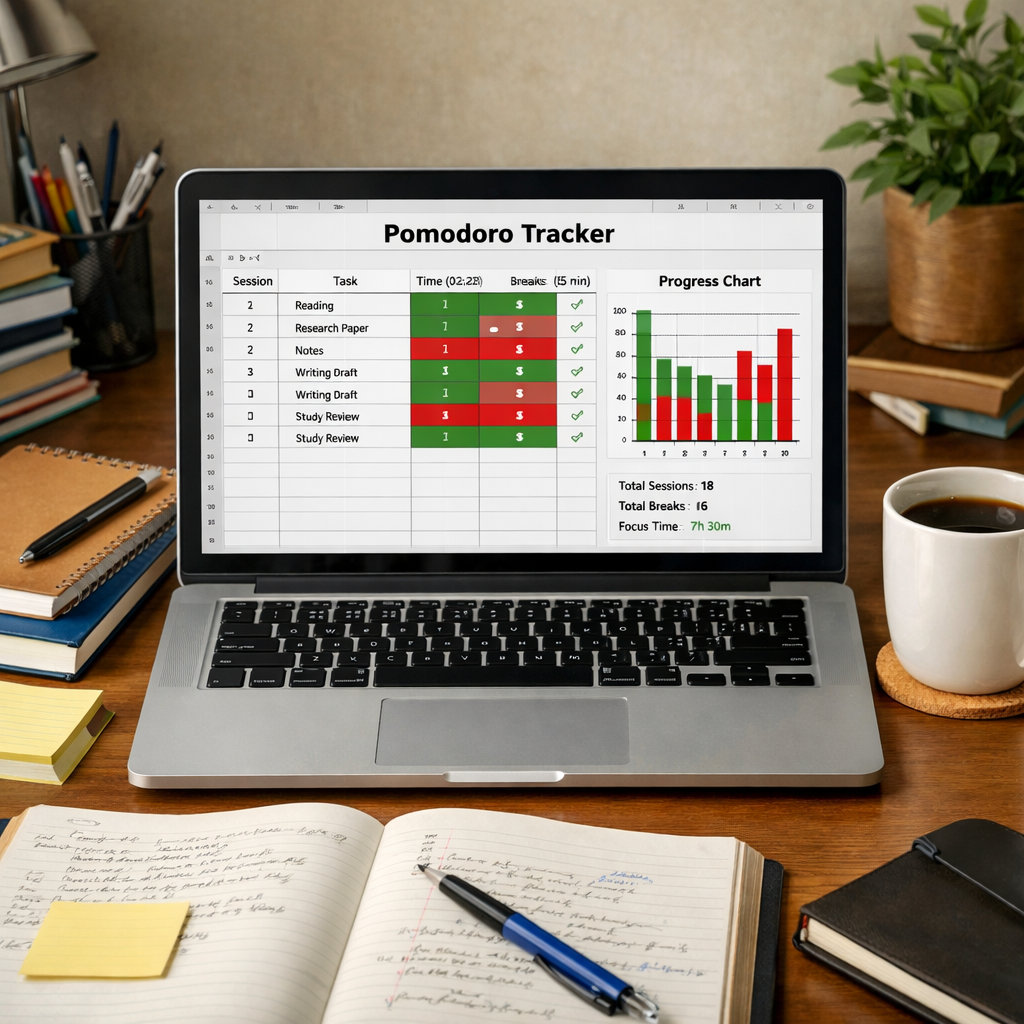

Feeling like your day just disappears without you getting much done? You’re not alone. So many of us struggle to keep up with endless tasks and distractions. But what if there was a way to actually take charge of your time? In 2026, mastering your day is all about being smart with your schedule. This guide is going to walk you through how to build a time blocking schedule that actually works for you, so you can stop feeling overwhelmed and start making real progress.
Key Takeaways
- A time blocking schedule means assigning specific times for specific tasks, turning your calendar into a plan for action, not just a list of appointments.
- Figuring out what’s most important to you is the first step to creating a time blocking schedule that supports your goals.
- Building a daily template with some wiggle room and realistic time estimates for tasks makes your time blocking schedule more practical.
- Protecting time for focused work, scheduling breaks, and planning for communication helps your time blocking schedule run smoothly.
- Using tools like calendar apps and timers can make setting up and sticking to your time blocking schedule a lot easier.
Understanding The Power Of Time Blocking
In our busy lives, it often feels like there aren’t enough hours in the day. We juggle work, personal commitments, and a never-ending to-do list, leaving us feeling scattered and unproductive. This is where time blocking comes in. It’s a method that helps you take back control of your schedule by assigning specific tasks to particular time slots on your calendar. Think of it as creating a roadmap for your day, so you know exactly what you should be doing and when.
What Is A Time Blocking Schedule?
A time blocking schedule is essentially your day planned out in advance. Instead of just having a list of things you need to get done, you decide precisely when you’ll tackle each item. This means dedicating specific chunks of time, or "blocks," to individual tasks or related groups of tasks. For example, you might block out 9:00 AM to 10:30 AM for writing a report, 10:30 AM to 11:00 AM for checking emails, and so on. This approach helps minimize multitasking and keeps you focused on one activity at a time, which is a proven strategy for improving productivity and efficiency. It’s about being intentional with your time, rather than letting it slip away.
Why Time Blocking Is Essential For Productivity
Constant interruptions and competing priorities are the norm these days. We get pulled in a million directions, and it’s easy to lose focus. Traditional to-do lists often don’t account for the actual time needed for tasks, leading to overwhelm and a feeling of never catching up. Time blocking addresses this by creating a structured framework. It helps you see where your time is actually going and allows you to intentionally allocate time for what matters most. By defining specific work periods, you create guardrails that protect your focus and make it harder for distractions to derail your progress. It’s a way to be proactive about your productivity, rather than reactive.
Benefits Of A Structured Time Blocking Schedule
Adopting a structured time blocking schedule can bring about some significant positive changes. It helps you:
- Gain Clarity: You get a clear picture of your daily commitments and how much time you realistically have for different activities.
- Improve Focus: By dedicating specific blocks to tasks, you train your brain to concentrate on one thing at a time, reducing mental clutter.
- Reduce Stress: Knowing what you need to do and when can significantly lower anxiety and the feeling of being constantly behind.
- Achieve Goals: It makes it easier to carve out time for important, long-term projects that might otherwise get pushed aside.
Time blocking isn’t about rigidly sticking to a minute-by-minute plan that can never be broken. It’s more about creating a realistic blueprint for your day that guides your actions and helps you stay on track, even when life throws curveballs. It’s a flexible system designed to help you get more done and feel better about how you spend your time.
This method is particularly helpful for knowledge workers who deal with complex tasks requiring deep concentration. It helps ensure that you’re not just busy, but actually productive. You can start by looking at your high-level priorities and building your schedule around them.
Crafting Your Personalized Time Blocking Schedule
So, you’re ready to build your own time blocking schedule. This isn’t about rigidly scheduling every single minute, but more about creating a sensible structure for your day. Think of it as a blueprint, not a prison.
Identify Your High-Level Priorities
Before you even think about blocking out time, take a step back. What are you actually trying to achieve with this schedule? Are you trying to get more done on that big project you keep putting off? Maybe you want to spend less time drowning in emails, or perhaps you just want to make sure you actually leave work at a decent hour to see your family. Knowing your main goals will really help shape what goes into your calendar and how you arrange it.
Here’s a quick way to think about it:
- Work Goals: What are the 1-3 most important things you need to accomplish professionally each week?
- Personal Goals: What personal activities (exercise, hobbies, family time) are non-negotiable for your well-being?
- Learning/Growth: Is there a skill you want to develop or knowledge you want to gain?
Understanding your core priorities is the first step to building a schedule that actually serves you, rather than just filling up your calendar.
Create A Daily Template With Guardrails
Now, let’s start building. Instead of just diving into your work tasks, it’s smart to set up the boundaries of your day first. What does your morning look like? How do you plan to switch off from work in the evening? These
Implementing Your Time Blocking Schedule Effectively
So, you’ve got your priorities straight and a basic template for your day. Awesome. Now comes the part where we actually make this thing work. It’s not just about drawing lines on a calendar; it’s about being smart with how you fill those lines.
Prioritize And Define Your Tasks Clearly
First things first, look at your to-do list. Is it a jumbled mess? We need to sort it out. Before you even think about blocking time, decide what really needs to get done today. Pick one to three big things that would make today a success. Then, filter your list for tasks that are due, tasks that block someone else, or tasks that directly support those top goals. Anything else? If it’s not going to realistically get done, let it go for now. A common mistake is labeling blocks too vaguely, like "Work." What does that even mean? Instead, be specific. "Draft Q2 plan outline" or "Respond to client emails and confirm next steps" tells you exactly what you need to achieve. If a big task won’t fit in one session, break it down into smaller, manageable milestones.
Estimate Task Durations Realistically
This is where a lot of people trip up. You’ve got to assign a real time estimate to each task. If you don’t, you’ll end up with a schedule that’s impossible to stick to. Think about how long things actually take, not how long you wish they would. Here are some rough starting points:
- Deep Work (writing, coding, complex problem-solving): 60–90 minutes
- Collaboration (meetings, team discussions): 30–60 minutes
- Communications (email, messages): 20–45 minutes
- Admin Tasks: 15–30 minutes
- Breaks & Transitions: 5–15 minutes
If you’re new to this, it’s better to overestimate a bit. You can always adjust later once you have some real data from your own time blocking schedule. Don’t pack your day to 100% capacity. Seriously. A calendar that’s completely full is fragile. It’ll fall apart the moment a meeting runs long or a task takes longer than you thought.
Incorporate Buffers For Flexibility
Speaking of things taking longer, you absolutely need to build in some wiggle room. Think of it as a shock absorber for your day. Aim to leave about 10–20% of your day unscheduled. This buffer time is gold. It’s what allows your plan to survive real life. Unexpected issues pop up, tasks take a detour, or maybe you just need an extra five minutes to mentally switch gears between activities. Without these buffers, the first unexpected event can derail your entire schedule, leaving you feeling frustrated and behind. This flexibility is key to making time blocking a sustainable practice, not just a rigid experiment.
Optimizing Your Time Blocking Schedule
So, you’ve got your time blocks set up, but how do you make sure they’re actually working for you and not just another thing to stress about? It’s all about fine-tuning. Think of your schedule less like a rigid set of rules and more like a flexible guide. The goal here is to make your day flow better, not to create a perfect, unbroken chain of tasks that crumbles at the first sign of trouble.
Schedule Dedicated Communication Blocks
Constant pings and emails can really derail your focus. Instead of letting communication interrupt you randomly, try grouping it. Set aside specific times for checking and responding to emails, messages, and even making calls. This way, you can handle them efficiently without letting them hijack your entire day. For instance, you might have a 30-minute block in the morning and another in the afternoon. This approach helps you stay focused on growth by strategically allocating time for specific tasks.
Protect Time For Deep Work
This is where the real magic happens, right? Those tasks that require serious concentration, like writing a report, coding, or strategic planning, need uninterrupted time. If your schedule is packed with meetings or constant small tasks, you’ll never get into that flow state. Try to identify your most productive hours and block out at least one or two longer sessions for this kind of work. Even if it’s just an hour, protecting that time is key.
Integrate Breaks And Transitions
Nobody can work non-stop for hours on end. Your brain needs a break! Scheduling short breaks between tasks is super important. It helps you recharge and come back to the next block with fresh eyes. Also, don’t forget transition time. Moving from one task to another, even if it’s just closing one app and opening another, takes a moment. Building in a few minutes for this prevents you from feeling rushed and helps maintain the momentum of your schedule. A good rule of thumb is to add 5-15 minutes between blocks.
Here’s a quick look at how you might structure your blocks:
- Morning Deep Work: 9:00 AM – 10:30 AM (Focus on your most demanding task)
- Email & Communication: 10:30 AM – 11:00 AM (Respond to messages)
- Team Meeting: 11:00 AM – 12:00 PM
- Lunch & Break: 12:00 PM – 1:00 PM
- Project Work: 1:00 PM – 2:30 PM
- Admin & Quick Tasks: 2:30 PM – 3:00 PM
- Wrap-up & Planning: 3:00 PM – 3:30 PM
Remember, the point isn’t to fill every single minute perfectly. It’s about creating a structure that supports your focus and helps you get the important things done without feeling overwhelmed. Flexibility is your friend here.
Choosing The Right Tools For Your Time Blocking
So, you’ve decided time blocking is the way to go. Awesome. But now comes the part where you figure out what actually helps you stick to it. It’s not just about having a calendar; it’s about having a calendar that works for you, not against you. In today’s world, we’re bombarded with notifications and demands, making it tough to focus. A simple to-do list just doesn’t cut it anymore when you need to carve out serious time for important tasks. The right app can make all the difference, turning a potentially clunky system into something that feels natural.
Leveraging Calendar Applications
Most of us already use a digital calendar, right? Think Google Calendar, Outlook Calendar, or Apple Calendar. These are the workhorses. They’re great for basic scheduling and setting reminders. You can create events for your tasks, color-code them, and even set recurring blocks. The key is to treat these calendar entries like actual appointments you can’t miss. If you’re looking for a more advanced, privacy-focused option that integrates deeply with your workflow, you might want to check out Calendar0. These apps are the foundation, and for many, they’re enough to get started with time blocking.
Utilizing Day Planners For Focus
Beyond the standard calendar, there are specialized day planners designed to help you focus. These tools often go beyond just scheduling. They might offer features like task management integration, daily review prompts, or even ways to block out distractions. Some are quite minimalist, focusing on a clean interface to reduce overwhelm. Others are more robust, aiming to be your central hub for planning and execution. Think of them as your personal productivity assistant, helping you map out not just what you’ll do, but when and how you’ll do it with intention.
Employing Time Tracking For Insights
This is where things get really interesting. Once you’ve got your schedule set up, how do you know if it’s actually working? That’s where time tracking comes in. Tools that track how long tasks actually take can be eye-opening. You might think a report takes two hours, but find out it consistently takes three. This data is gold for refining your schedule. It helps you:
- Estimate task durations more accurately in the future.
- Identify time sinks or activities that aren’t as productive as you thought.
- Adjust your blocks to be more realistic and less prone to over-scheduling.
Understanding where your time actually goes is the first step to taking control of it. Without this insight, you’re just guessing, and guessing rarely leads to consistent results. It’s about building a schedule based on reality, not just wishful thinking.
There are many apps out there that can help you manage your schedule, from AI-powered automatic blockers to simpler task-focused organizers. For instance, FlowSavvy is a great option if you’re looking for individual productivity solutions. The best tool for you will depend on your specific needs and how you like to work. Don’t be afraid to try a few out using their free trials to see what clicks.
Mastering Your Time Blocking Schedule In Practice
So, you’ve built your perfect time blocking schedule. That’s awesome! But here’s the thing: life happens. Your meticulously planned day might get thrown off by an urgent email, a colleague needing help, or just a sudden craving for a really good cup of coffee. The goal isn’t to stick to the schedule like glue, but to use it as a guide. Think of it less like a rigid set of rules and more like a flexible roadmap.
Adapting Your Schedule To Real Life
Life rarely sticks to a neat 60-minute block. When unexpected things pop up, don’t just abandon your schedule. Instead, try to adjust. If a quick chat with a coworker turns into a 30-minute problem-solving session, see where that time came from. Did it eat into your buffer? Or maybe you need to shorten the next block slightly. The key is to acknowledge the change and make a conscious decision about how to proceed. It’s about being responsive, not reactive.
Reviewing And Refining Your Time Blocks
Your schedule isn’t a one-and-done deal. It needs to evolve with you. At the end of each week, take a little time to look back. What worked well? What felt rushed? Were your time estimates accurate? Maybe you consistently underestimate how long it takes to answer emails, or perhaps you find you’re most focused in the late afternoon, not the morning.
Here’s a quick way to review:
- What went right? Note down the blocks that felt productive and energizing.
- What went wrong? Identify the blocks that felt like a struggle or were constantly interrupted.
- What needs tweaking? Based on the above, decide what adjustments to make for the next week.
This regular check-in helps you fine-tune your blocks, making them more realistic and effective over time. It’s like tuning a musical instrument – small adjustments make a big difference to the overall sound.
Avoiding Common Time Blocking Pitfalls
It’s easy to fall into a few common traps when you’re getting started with time blocking. One big one is trying to schedule every single minute of your day. This leaves no room for spontaneity or unexpected tasks, and it’s a recipe for burnout. Another mistake is making your blocks too vague. A block labeled "Work" isn’t very helpful. Be specific: "Draft Project Proposal" or "Respond to Client Emails." Finally, don’t forget to schedule breaks! They aren’t a luxury; they’re a necessity for maintaining focus and preventing fatigue.
The most effective time blocking schedules aren’t about filling every second. They’re about creating intentionality and making sure your most important work gets the attention it deserves, while still allowing for the natural ebb and flow of a real day. It’s a practice, not a perfect science.
Your Day, Your Rules
So, we’ve gone over how to set up time blocking, why it’s a game-changer, and some common pitfalls to watch out for. It’s not about making your schedule rigid like a prison sentence, but more like a helpful guide. Think of it as a flexible framework that helps you actually get done what matters most. You might not stick to it perfectly every single day, and that’s totally fine. The goal is to be more intentional with your time, reduce that feeling of being pulled in a million directions, and actually make progress on your big goals. Start small, adjust as you go, and remember that taking control of your calendar is really about taking control of your day. Give it a shot in 2026 – you might be surprised at what you can achieve.
Frequently Asked Questions
What exactly is time blocking?
Time blocking is like making a plan for your whole day, hour by hour. Instead of just having a list of things to do, you decide exactly when you’re going to do each thing. You put these tasks into specific time slots on your calendar, kind of like appointments with yourself.
Why should I bother with time blocking?
It’s a super helpful way to get more done and feel less stressed. When you know what you should be working on and when, you’re less likely to get sidetracked by distractions or spend too much time on one task. It helps you focus on what’s important.
How do I start making my own time blocking schedule?
First, figure out what’s most important to you. Then, create a basic plan for your day, including time for things like waking up, eating, and winding down. After that, start filling in the blocks for your work tasks, making sure to be realistic about how long things take.
What if my schedule doesn’t go as planned?
That’s totally normal! Time blocking is a guide, not a strict rulebook. If something unexpected comes up or a task takes longer, just adjust your schedule. The goal is to have a plan to get back on track, not to be perfect.
Do I need special apps to do time blocking?
Not at all! You can start with just a simple notebook and pen. But if you like, you can use calendar apps like Google Calendar or Outlook, or even special productivity apps that help you manage your time blocks.
How much time should I block for breaks?
Breaks are super important! You should definitely schedule short breaks between tasks to rest your mind and body. Also, make sure to block out time for lunch and to transition between different activities so you don’t feel rushed.