Feeling like your ADHD makes managing time a constant uphill battle? You’re not alone. Many of us struggle with focus, getting started, and just keeping track of the day. But what if there was a way to bring some order to the chaos? Time blocking for ADHD might just be that game-changer. It’s a method that helps you carve out specific times for specific tasks, making life feel a little less overwhelming and a lot more productive. We’ll explore how this technique can work wonders for your brain and how you can actually make it stick.
Key Takeaways
- Time blocking is a strategy that carves your day into specific time slots for different tasks, offering structure that’s really helpful for ADHD brains. It helps manage distractions and time blindness.
- Getting started involves a ‘brain dump’ of all tasks, then scheduling fixed appointments, and finally, allocating realistic time slots for priorities, starting small to avoid overwhelm.
- Effective time blocking includes grouping similar tasks, building in buffer time for transitions, and scheduling regular breaks and self-care to prevent burnout.
- Minimizing distractions by setting up your environment and using visual cues, along with managing wandering thoughts, is key to staying on track during your blocks.
- Advanced techniques like theme days and color-coding, combined with flexibility and regular review, help make time blocking a sustainable and effective tool for managing ADHD.
Understanding Time Blocking for ADHD
What Is Time Blocking?
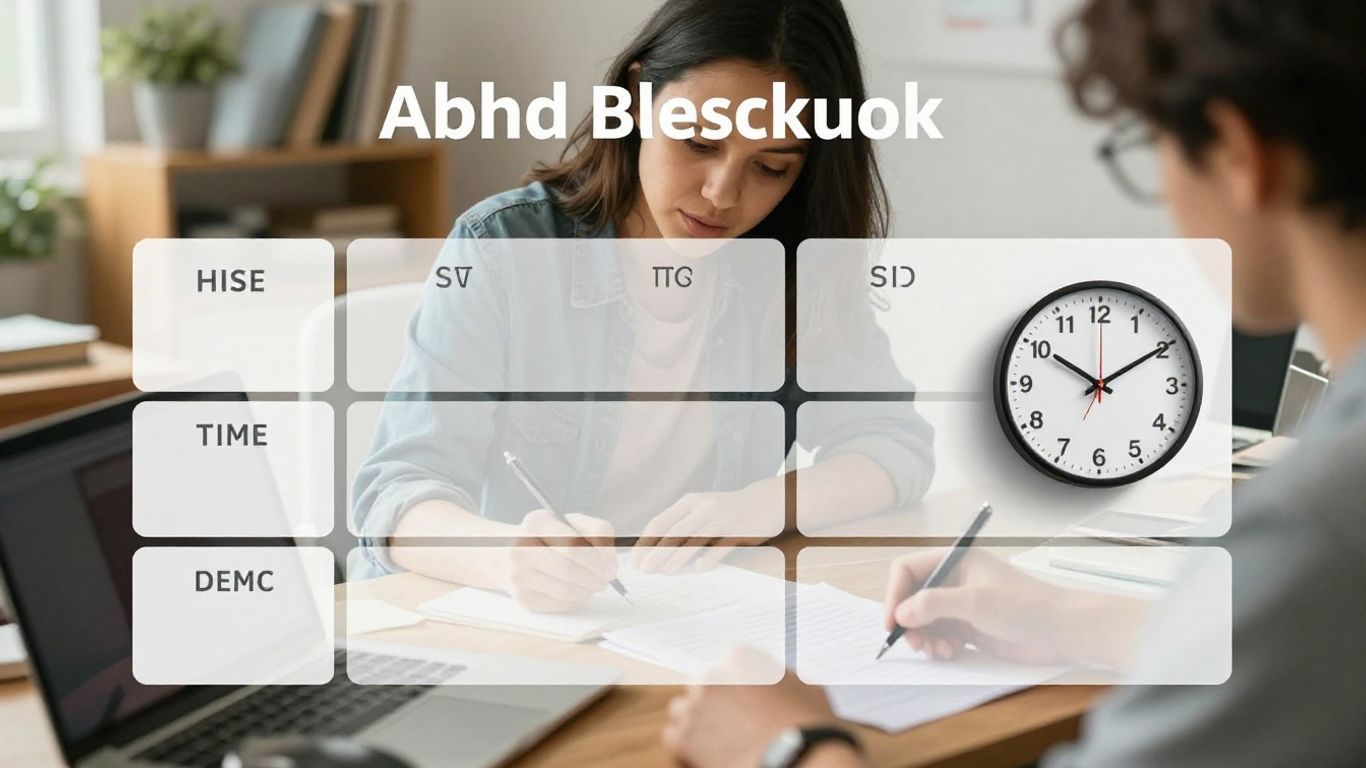
So, what exactly is time blocking? Think of it like drawing lines on a blank canvas of your day. Instead of just having a to-do list that floats around, you’re assigning specific tasks to specific time slots. It’s about taking your day and dividing it up into chunks, each dedicated to a particular activity. For example, instead of just writing "work on report" on your list, you’d actually schedule "9:00 AM – 10:30 AM: Draft report introduction." It’s a way to make your time visible and concrete, which is a big deal when your internal clock feels a bit… wobbly.
Why Time Blocking Works for ADHD
For folks with ADHD, our brains often work a little differently, especially when it comes to executive functions like planning, prioritizing, and managing time. We might struggle with something called "time blindness," where hours can just vanish, or we consistently underestimate how long things will take. This can lead to a lot of stress, missed deadlines, and that feeling of always being behind. Time blocking steps in as a structured approach. It provides a visual roadmap for your day, reducing the mental load of figuring out "what’s next?" By assigning tasks to specific times, you create external structure that helps compensate for internal challenges. It helps break down big, overwhelming projects into smaller, manageable steps, making them feel less daunting. Plus, when you complete a block, you get a little hit of accomplishment, which can be a great motivator.
The Science Behind Time Blocking and ADHD
Neuroscience tells us that ADHD often involves differences in how the brain manages attention and impulse control. This can make it tough to stay focused on tasks, especially those that aren’t immediately rewarding, and it impacts our ability to plan for the future. Time blocking taps into how our brains learn and adapt. By creating clear boundaries for tasks and using visual cues (like a calendar or timer), we’re essentially giving our brains external support for executive functions. It helps build a more accurate sense of time passage over time, as you consistently see how long tasks actually take. It also supports task initiation and completion by making it clear when a task starts and, importantly, when it ends. This structured approach can help regulate dopamine levels by providing predictable rewards (completing a block) and reducing the anxiety associated with uncertainty and overwhelm.
Time blocking isn’t about rigid control; it’s about creating a supportive framework. It acknowledges that our brains might need a little extra help with organization and focus, and it provides that help in a practical, actionable way. It’s about working with your ADHD brain, not against it.
Getting Started with Time Blocking for ADHD

Okay, so you’ve heard about time blocking and think it might be the magic bullet for your ADHD brain. That’s awesome! But where do you even begin? It can feel a bit overwhelming at first, like looking at a blank calendar and having no clue how to fill it without feeling totally swamped. Let’s break it down into simple steps so you can actually get this thing off the ground.
Conducting Your Initial Brain Dump
First things first, you need to get everything out of your head. Seriously, all of it. Grab a notebook, a document, whatever works for you, and just write down every single task, idea, worry, or appointment that’s floating around in your brain. Don’t try to organize it yet, just dump it all out. This is like clearing your mental desktop so you can actually see what you’re working with. It helps reduce that feeling of being overwhelmed because you’re not trying to hold onto everything at once.
Scheduling Fixed Commitments First
Now, look at that brain dump and your actual calendar. What are the things that absolutely have to happen at a specific time? Think doctor’s appointments, work meetings, picking up the kids, that one class you can’t miss. Block these out first. These are your anchors. They’re non-negotiable and give you a framework to build around. Don’t try to squeeze other things into these slots; they’re already spoken for.
Prioritizing and Allocating Realistic Time Slots
With your fixed commitments in place, look at the rest of your brain dump. What absolutely needs to get done? What’s important? What’s urgent? Try to pick just a few key tasks for the day or week. Now, here’s the tricky part: be honest about how long things actually take. If a task usually takes you an hour, don’t block out 30 minutes for it. It’s way better to give yourself a little extra time and finish early than to constantly feel rushed and behind. Think about your energy levels too – maybe tackle the harder stuff when you’re feeling more alert.
Starting Small and Gradually Expanding
Seriously, don’t try to time block your entire life on day one. That’s a recipe for disaster and feeling like a failure. Pick one or two areas to start with. Maybe just your work tasks for a few hours, or your morning routine. Once you get the hang of it and see what works, then you can start adding more blocks. It’s like learning to ride a bike; you start with training wheels and a little wobble before you’re cruising down the street. Be patient with yourself. This is a skill, and it takes practice.
The biggest mistake people make when starting time blocking is trying to be too perfect right away. Your schedule won’t be perfect, and that’s okay. Life happens, distractions pop up, and sometimes you just won’t stick to the plan. The goal isn’t rigid adherence; it’s creating a flexible structure that helps you get more done with less stress.
Essential Strategies for Effective Time Blocking
Okay, so you’ve got your blocks mapped out. Now, how do you actually make them work without feeling like a robot? It’s all about being smart with how you arrange things and giving yourself a little breathing room.
Grouping Similar Tasks for Efficiency
Think about it: switching gears constantly is exhausting, right? Especially when your brain likes to jump around. A neat trick is to batch similar tasks together. If you have a bunch of emails to answer, do them all in one go. Got a few errands? Knock them out back-to-back. This is called task batching, and it really cuts down on that mental overhead. You get into a flow for a specific type of work and can power through it much faster. It’s like getting into a groove and staying there.
Building in Buffer Time for Transitions
This is a big one, seriously. We often forget that moving from one thing to the next takes time. You need to pack up your laptop, walk to the next room, grab a drink, or just mentally shift gears. For folks with ADHD, this transition time can be even longer than we think. So, instead of scheduling back-to-back blocks, add in 10-15 minutes of buffer time between them. This prevents that frantic feeling of being late for your next "appointment" with yourself and makes the whole schedule feel way less stressful.
Incorporating Breaks and Self-Care
Your schedule shouldn’t be a marathon of work. You need breaks! And not just quick bathroom breaks, but actual downtime. Schedule in short breaks every hour or so to stretch, walk around, or just stare out the window. More importantly, block out time for self-care. This could be exercise, reading, meditating, or whatever helps you recharge. Treating these breaks and self-care blocks with the same importance as a work meeting is key to preventing burnout and actually sticking with time blocking long-term.
Avoiding Common Time Blocking Pitfalls
There are a few common traps people fall into. One is being too rigid. Life happens! If a block runs over or something unexpected pops up, don’t just throw the whole schedule out. Adjust it. Another pitfall is underestimating how long tasks actually take. Be generous with your time estimates, especially when you’re starting out. It’s way better to finish early and have extra time than to constantly feel behind.
The goal isn’t to create a perfect, unchangeable schedule. It’s about creating a flexible framework that guides you through your day, helps you focus on what matters, and allows for the natural ebb and flow of life, especially when managing ADHD.
Here are some common mistakes to watch out for:
- Over-scheduling: Trying to cram too much into one day. Remember, realism is your friend.
- Ignoring transitions: Not allowing enough time to switch between tasks.
- Skipping breaks: Thinking you can power through without rest. This leads to burnout.
- Being too inflexible: Not adjusting the schedule when things change.
- Underestimating task duration: Consistently planning for less time than a task actually needs.
Enhancing Focus and Minimizing Distractions
Okay, so you’ve got your time blocks all set up. That’s awesome! But let’s be real, with ADHD, staying locked into a task can feel like trying to hold onto a greased watermelon. Distractions are everywhere, and they love to pull us away. This section is all about building your focus fortress and making those time blocks actually stick.
Setting Up Your Environment for Success
Your surroundings play a massive role in whether you can stay on task. Think of it like setting the stage for a play – you need the right props and lighting for the performance to go well. For us, that means making our workspace as distraction-free as possible. This isn’t about being extreme; it’s about being intentional.
- Physical Space: Clear your desk of anything not related to your current task. If possible, find a quiet spot. Maybe that means a dedicated room, or even just putting on noise-canceling headphones. Let people know you need uninterrupted time – a simple sign on the door can work wonders.
- Digital Space: This is a big one. Turn off notifications on your phone and computer. Seriously, all of them. Close unnecessary browser tabs. Consider using apps that block distracting websites for set periods. It’s amazing how much less tempting that social media rabbit hole is when it’s not a click away.
- Sensory Input: Some people do better with background noise (like ambient music), while others need complete silence. Experiment to see what helps you concentrate. Lighting matters too; make sure your space is well-lit but not harsh.
Using Visual Cues and Reminders
Sometimes, our brains just need a little nudge to remember what we’re supposed to be doing. Visual cues are like little signposts that keep us pointed in the right direction.
- Task Reminders: Write down your current task on a sticky note and put it somewhere you can see it easily, like on your monitor. This serves as a constant, gentle reminder.
- Color-Coding: Assign specific colors to different types of tasks or time blocks on your calendar. Seeing a block of
Advanced Time Blocking Techniques
Once you’ve got the hang of the basics, it’s time to really level up your time blocking game. Think of these as the power-ups for your productivity.
Theme Days and Color-Coding Your Calendar
This is where things get visually interesting. Assigning specific colors to different types of tasks can make your calendar pop and instantly tell you what your day or week looks like. For instance, maybe all your deep work sessions are blue, meetings are red, and personal appointments are green. It’s a simple trick, but it helps your brain process your schedule faster.
Theme days take this a step further. Dedicate entire days to certain kinds of work. You could have "Admin Mondays" where you tackle all your emails, paperwork, and planning. Then maybe "Creative Fridays" for brainstorming, writing, or project development. This reduces the mental back-and-forth of switching gears constantly, letting you get into a flow state more easily. It’s like giving your brain a heads-up on what’s coming.
Combining Time Blocking with Other Methods
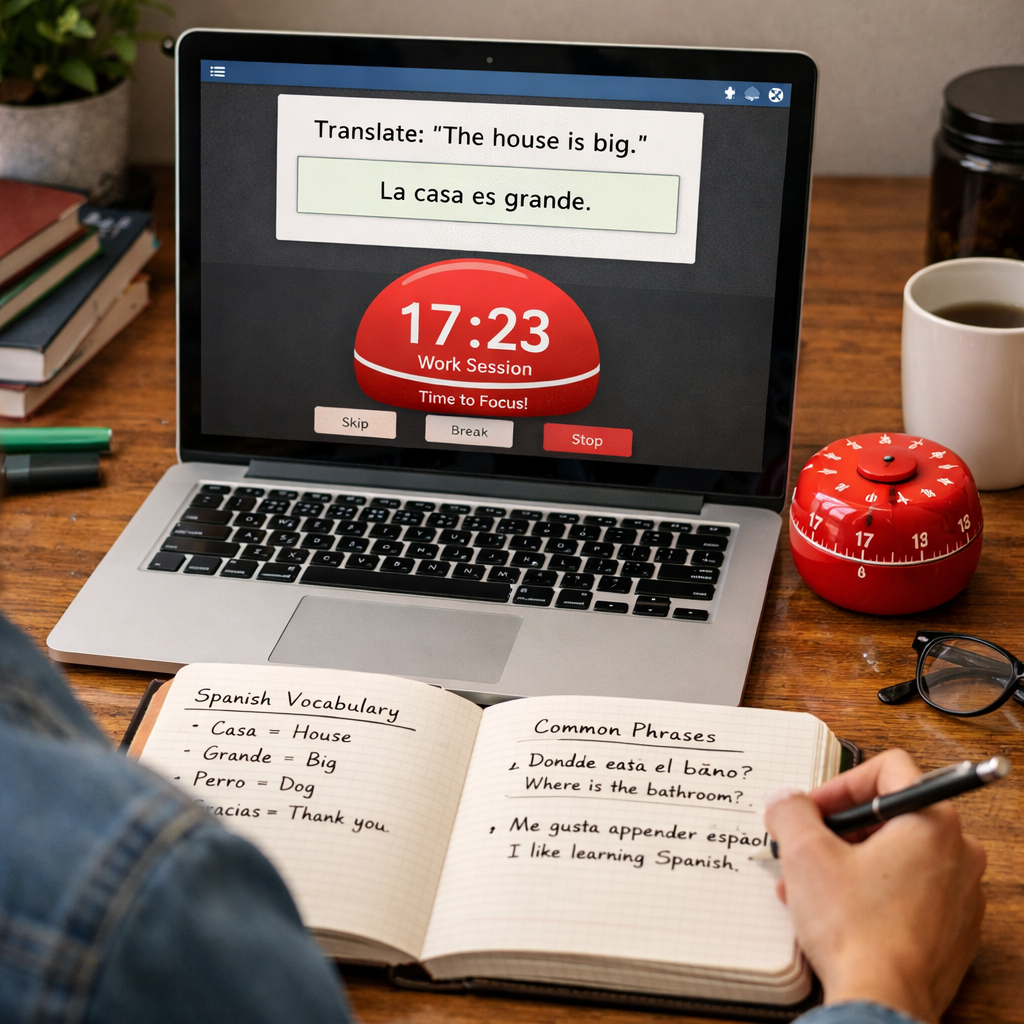
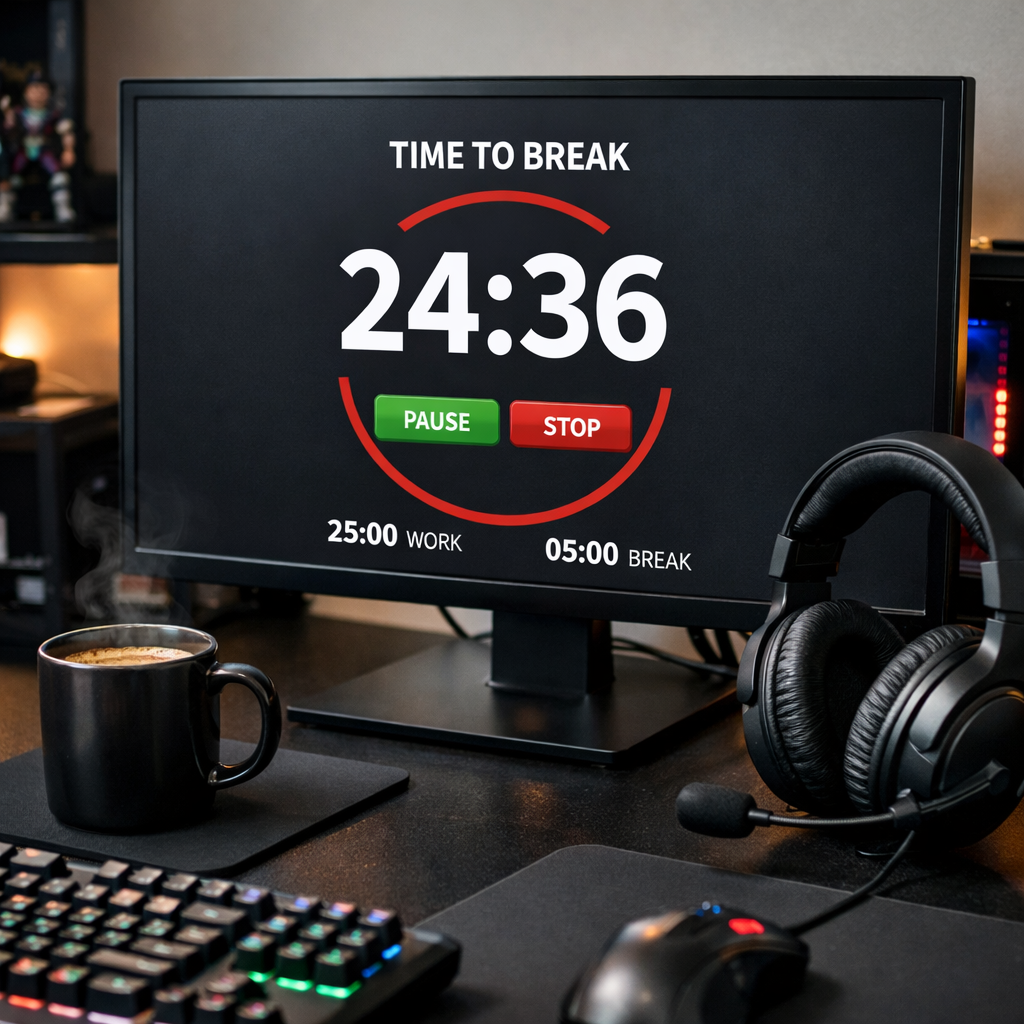
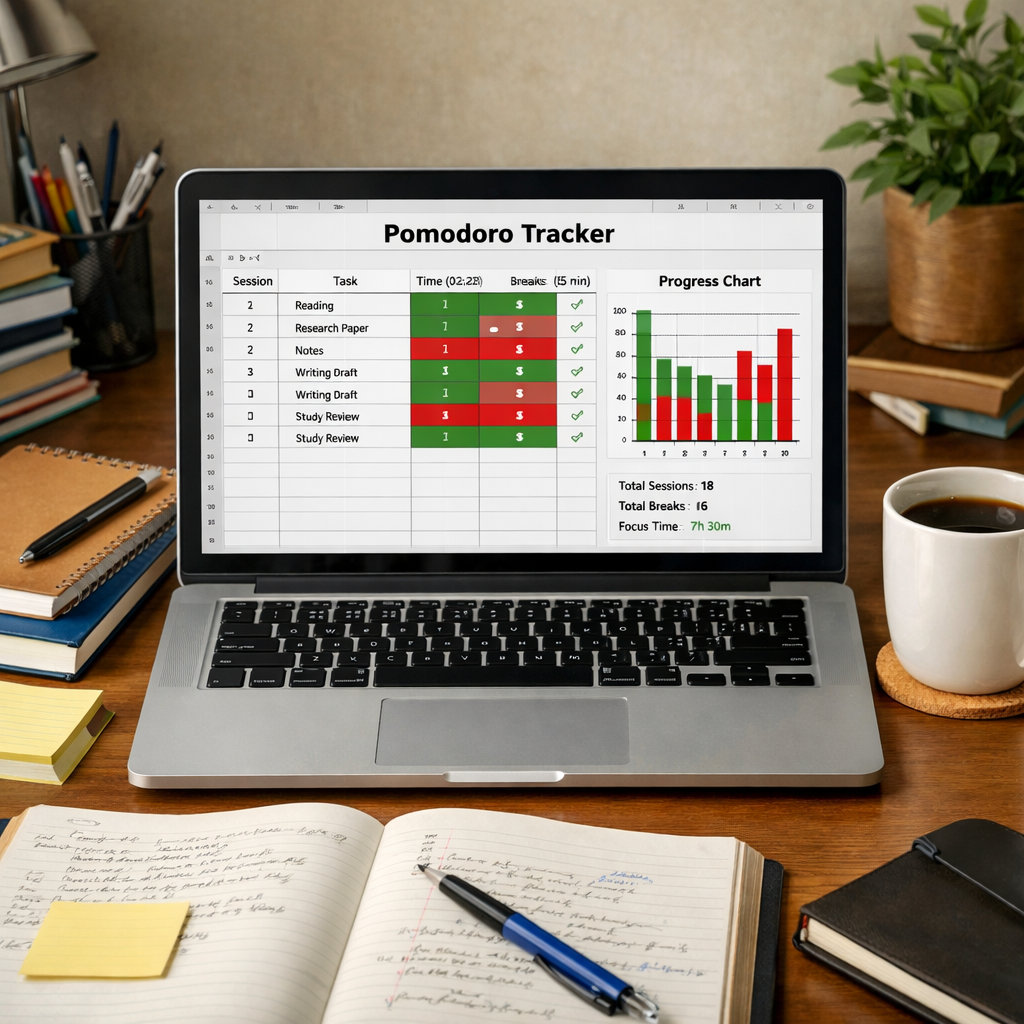
Time blocking isn’t a solo act. It plays well with others! A popular combo is time blocking with the Pomodoro Technique. You might block out a 2-hour chunk for a big project, and within that block, use Pomodoros (25 minutes of work, 5-minute break) to keep your focus sharp and prevent burnout.
Another idea is to use time blocking alongside task batching. If you have a block for "Errands," you’d do all your errands within that time. This synergy helps maximize efficiency.
Planning for Future Goals and Reflection
Don’t just block out your daily to-dos. Use time blocking to intentionally plan for the future. Schedule blocks specifically for goal setting, reviewing your progress, and strategizing. Maybe you set aside 30 minutes every Sunday evening to look at the week ahead and adjust your blocks. Or perhaps you have a longer block once a month for bigger-picture planning.
Regularly setting aside time for reflection is key. It’s not just about getting things done; it’s about making sure you’re working on the right things and learning from your experiences. This proactive approach helps you stay aligned with your long-term aspirations and prevents you from getting stuck in a rut of just reacting to whatever comes up.
This kind of planning helps you see the forest for the trees. It ensures that your daily blocks are contributing to your larger objectives, rather than just filling up your calendar. It’s about making your time work for your ambitions, not just your immediate tasks. You can find helpful planning templates to get started with goal setting.
Here’s a quick look at how you might structure a week with these advanced techniques:
| Day | Morning Block (9 AM – 12 PM) | Afternoon Block (1 PM – 4 PM) | Evening Block (7 PM – 8 PM) |
|---|---|---|---|
| Monday | Admin Tasks (Blue) | Project Work (Blue) | Reflection (Green) |
| Tuesday | Deep Work (Blue) | Meetings (Red) | Personal (Green) |
| Wednesday | Creative Work (Yellow) | Deep Work (Blue) | Errands (Purple) |
| Thursday | Meetings (Red) | Project Work (Blue) | Learning (Yellow) |
| Friday | Creative Work (Yellow) | Planning for Next Week (Blue) | Social (Green) |
Tools and Resources for Time Blocking Success
Okay, so you’ve got the hang of blocking out your time, but how do you actually make it stick? Having the right tools can make a huge difference, especially when your brain likes to go on tangents. It’s not just about having a fancy app; it’s about finding what helps you stay on track.
Digital Apps and Software Options
There are a bunch of apps out there that are built with time blocking in mind. Some are super simple, while others have a ton of features you can tweak. Think of them as your digital assistant, helping you map out your day and gently nudging you when it’s time to switch gears.
- Amazing Marvin: This one is really customizable. You can set up different workflows, which is great because ADHD brains often do best with a bit of structure, but that structure needs to be flexible. It can help you plan your day and then adjust if things go sideways.
- TickTick: It has a built-in Pomodoro timer, which is a lifesaver for staying focused in short bursts. It also lets you estimate how long tasks will take, which helps you get better at planning realistic blocks.
- Day Optimizer, Sunsama, SkedPal: These are more specialized for time blocking. They often have features like automatically rolling over unfinished tasks to the next day or pulling in your appointments from your main calendar. This saves you from having to manually input everything.
Physical Planners and Organizers
Not everyone clicks with digital tools. Sometimes, the simple act of writing things down can make them feel more real. Plus, there’s something satisfying about physically crossing off a completed task.
- Passion Planner: These planners have dedicated sections for daily and weekly time blocking. They encourage you to set goals and then break them down into manageable chunks.
- Full Focus Planner: Similar to the Passion Planner, this one is designed for structured planning. It helps you map out your day with specific time slots for different activities.
Distraction-Blocking Tools
Let’s be honest, distractions are a major hurdle. These tools are designed to put up a digital fence around your focus time.
- Forest: You plant a virtual tree when you start a focus session. If you leave the app before the timer is up, your tree dies. It sounds simple, but it can be surprisingly effective at keeping you from mindlessly opening other apps.
- Cold Turkey Blocker: This is a more aggressive option. You can block specific websites or even your entire internet connection for a set period. It’s great for when you really need to buckle down and can’t trust yourself to stay away from tempting sites.
- Focus@Will or similar music apps: These provide music specifically designed to help with concentration. Different types of music work for different people, so it’s worth exploring what helps you get in the zone.
The best tool isn’t the one with the most features, but the one you actually use consistently. Don’t get bogged down trying every new app. Pick one or two that seem like a good fit and give them a real try. It’s okay if it takes a little while to get used to them.
Finding the right combination of tools can really make time blocking feel less like a chore and more like a helpful system. It’s about building a support structure that works with your ADHD, not against it.
Maintaining Momentum and Making Adjustments

So, you’ve set up your time blocks, and things are chugging along. That’s awesome! But here’s the thing: time blocking isn’t a ‘set it and forget it’ kind of deal, especially when your brain works the way it does. It’s more like tending a garden – you’ve got to keep an eye on it, water it, and pull out the weeds.
Regularly Reviewing Your Schedule
Think of this as your weekly check-up. Grab a coffee, sit down, and look at how your time blocks actually played out compared to what you planned. Did that 30-minute block for emails really only take 15 minutes? Or did that ‘quick’ task balloon into an hour-long saga? Jotting down these observations is key. It helps you see where you’re being realistic and where you might be, well, dreaming a little too big.
- What worked well? Did a certain type of task always finish on time? Did a particular break strategy help you refocus?
- What didn’t work? Were you constantly running over time on specific blocks? Did interruptions derail your focus more than usual?
- What can you tweak? Maybe you need longer blocks for creative work or shorter, more frequent breaks.
Embracing Flexibility and Adapting Blocks
This is a big one. If you try to stick to a rigid schedule when your ADHD brain is screaming for something else, you’re setting yourself up for frustration. Life happens, right? Sometimes you’ll have more energy in the morning than you thought, or a task will take way longer than expected. Instead of seeing this as a failure, see it as an opportunity to adapt.
Don’t treat your time blocks like they’re carved in stone. They’re more like guidelines, meant to be adjusted as needed. If a block isn’t working, or a task isn’t finished, just move it. The goal is progress, not perfection.
If you find yourself consistently running over on a specific type of task, don’t just keep scheduling the same amount of time and getting annoyed. Adjust it. Add more time. Or, maybe break that task down into even smaller pieces that fit into shorter blocks. It’s all about making the system work for you, not the other way around.
Enhancing Motivation and Accountability
Keeping the momentum going can be tough. Sometimes, you just need a little nudge. Think about what gets you going. For some, it’s seeing progress. For others, it’s a reward.
- Visualize Success: Take a moment to really picture how good it will feel when you complete a challenging task or reach a goal. That future feeling can be a powerful motivator.
- Find an Accountability Buddy: Seriously, tell a friend, family member, or colleague what you’re working on. Having someone check in can make a huge difference in sticking to your plan.
- Reward Yourself: Finished a tough block? Treat yourself to something small – a short walk, a favorite snack, or a few minutes of guilt-free scrolling. Positive reinforcement goes a long way.
Keep Going With Time Blocking
So, time blocking might seem a little rigid at first, especially when your brain likes to jump around. But remember, it’s not about being perfect. It’s about giving yourself a clearer path through the day. Start small, be kind to yourself when things don’t go exactly as planned, and just keep tweaking it until it feels right for you. You’ve got this. With a little practice and some flexibility, time blocking can really make a difference in how you manage your time and get things done.
Frequently Asked Questions
What exactly is time blocking?
Time blocking is like drawing a schedule for your day, but instead of just listing what you need to do, you actually set aside specific chunks of time for each task. Think of it as giving each activity its own little appointment on your calendar. This helps you see exactly what you should be doing and when.
Why is time blocking good for people with ADHD?
People with ADHD often struggle with staying focused, getting started on tasks, and managing their time. Time blocking helps by giving a clear structure to the day. It breaks down big tasks into smaller, manageable pieces and provides visual cues about what to do next, which can really cut down on feeling overwhelmed and distracted.
How do I start time blocking if I have ADHD?
Start by writing down everything you need to do (a ‘brain dump’). Then, put in your fixed appointments first. After that, try to estimate how long each task will really take and schedule them in. It’s best to start small with just a few blocks and gradually add more as you get the hang of it.
What if I can’t stick to my time blocks?
That’s totally normal! Time blocking isn’t about being perfect. If you get off track, just gently guide yourself back to the next scheduled block. It’s also super important to build in extra time between tasks (buffer time) for unexpected things or just to switch gears. Flexibility is key!
Should I schedule breaks when time blocking?
Absolutely! Scheduling breaks is just as important as scheduling your tasks. Taking regular breaks helps prevent burnout, keeps your brain fresh, and actually makes you more productive when you return to your work. Don’t forget to include time for self-care too!
What are some tools that can help with time blocking?
There are many helpful tools! You can use digital apps like Amazing Marvin or TickTick, which often have features like built-in timers. Many people also find success with physical planners designed for time blocking. Even simple visual timers and alarms can make a big difference.