
Ever feel like your day just gets away from you? You know, you start with good intentions, but then things happen, and suddenly it’s evening and you’re wondering where all those hours went. It’s a common thing, and honestly, it’s easy to just go with the flow. But what if you could actually steer your day, making sure you’re doing what you want to do, not just reacting to whatever comes up? That’s where a solid plan comes in, and specifically, a time blocking daily plan. Think of it less like a strict rulebook and more like a helpful guide. It’s a tool to help you see where your time is going and, more importantly, where you want it to go. Whether you’re juggling work, school, personal projects, or a mix of everything, having a clear structure can really change things.
Key Takeaways
- A time blocking daily plan involves dividing your day into specific blocks of time for particular tasks, helping you focus and get more done.
- Figure out what’s most important to you and what absolutely has to get done each day before you start scheduling.
- Make sure to put in time for breaks and just to relax; it’s not all about work.
- Using tools like calendars or apps can help you set up and stick to your time blocks, but remember to be flexible when needed.
- Reviewing your plan regularly and adjusting it based on what works and what doesn’t is key to making your time blocking daily plan successful in the long run.
Understanding the Power of a Time Blocking Daily Plan
What is Time Blocking?
Ever feel like your day just… happens to you? You wake up, rush through the morning, and suddenly it’s evening, and you’re wondering where all the time went. It’s a common feeling, and honestly, it’s easy to fall into that rhythm. But what if you could gently steer the ship of your day, making sure you’re not just reacting, but intentionally living? That’s where time blocking comes in. It’s a method for managing your time where you divide your day into specific blocks, assigning each block to a particular task or activity. Think of it less as a rigid prison and more as a helpful roadmap. It’s a tool to help you see where your hours are going and, more importantly, where you want them to go. Whether you’re juggling work, school, personal projects, or a bit of everything, having a clear structure can be a game-changer. This approach helps you get more done in less time with focused study time blocking.
Benefits of a Structured Daily Plan
Having a structured daily plan, especially one built around time blocking, offers a lot more than just a way to tick off tasks. It’s about gaining control and clarity. When you know what you’re supposed to be doing and when, you reduce that constant mental load of trying to remember everything. This can lead to a significant drop in stress levels. Plus, by seeing your day laid out, you can start to spot patterns in your own productivity. Maybe you’re a morning person who crushes complex tasks before lunch, or perhaps your creative juices flow best in the afternoon. A structured plan helps you work with your natural energy levels, not against them.
Here are some key benefits:
- Reduced Decision Fatigue: You make fewer small decisions throughout the day about what to do next.
- Improved Focus: Dedicated blocks for specific tasks minimize distractions.
- Better Work-Life Balance: By scheduling personal time and breaks, you prevent work from spilling into every corner of your life.
- Increased Accomplishment: Seeing tasks completed within their allocated time provides a sense of progress.
A structured plan isn’t about filling every single minute, but about creating a framework that supports your goals and well-being.
Time Blocking for Enhanced Productivity
So, how does this actually boost productivity? It’s pretty straightforward. When you allocate a specific chunk of time for a task, you’re essentially telling yourself, "This is what I’m focusing on right now." This creates a sense of urgency and importance. Instead of letting a task stretch out indefinitely, you have a defined endpoint. This focused approach, often inspired by ideas like Cal Newport’s Deep Work, helps you get into a flow state more easily. You’re not just passively moving through your day; you’re actively directing your energy towards what matters most. It’s about making your time work for you, not the other way around.
Crafting Your Personalized Time Blocking Daily Plan
So, you’re ready to build your own time blocking schedule. That’s awesome! It’s not about creating a rigid, unbreakable schedule, but more like a helpful guide for your day. Think of it as a roadmap that helps you get where you want to go without getting lost.
Identify Your Priorities and Non-Negotiables
Before you start slotting things into your day, take a moment to figure out what’s truly important. What absolutely has to get done? These are your non-negotiables. They could be work hours, important appointments, family commitments, or even just that quiet time you need to start your day right.
Here’s a quick way to think about it:
- Work/School: Your core hours or class times.
- Family/Personal: Time for kids, partners, or essential errands.
- Health: Exercise, doctor’s appointments, or meal prep.
- Rest: Sleep, relaxation, or downtime.
It’s easy to get caught up in trying to fit everything in. But remember, the goal isn’t to fill every single minute. It’s about making sure the things that matter most get their time.
Allocate Time for Deep Work and Focused Tasks
Now that you know your must-dos, it’s time to think about your big projects or tasks that need your full attention. These are the things that really move the needle, whether it’s a work project, studying for an exam, or working on a personal passion project.
Try to schedule these during your peak energy times. For some people, that’s first thing in the morning. For others, it might be after lunch. Don’t try to cram these into small, random gaps. Give them a dedicated block of time, maybe an hour or two, where you can really focus without distractions.
Schedule Breaks and Decompression Time
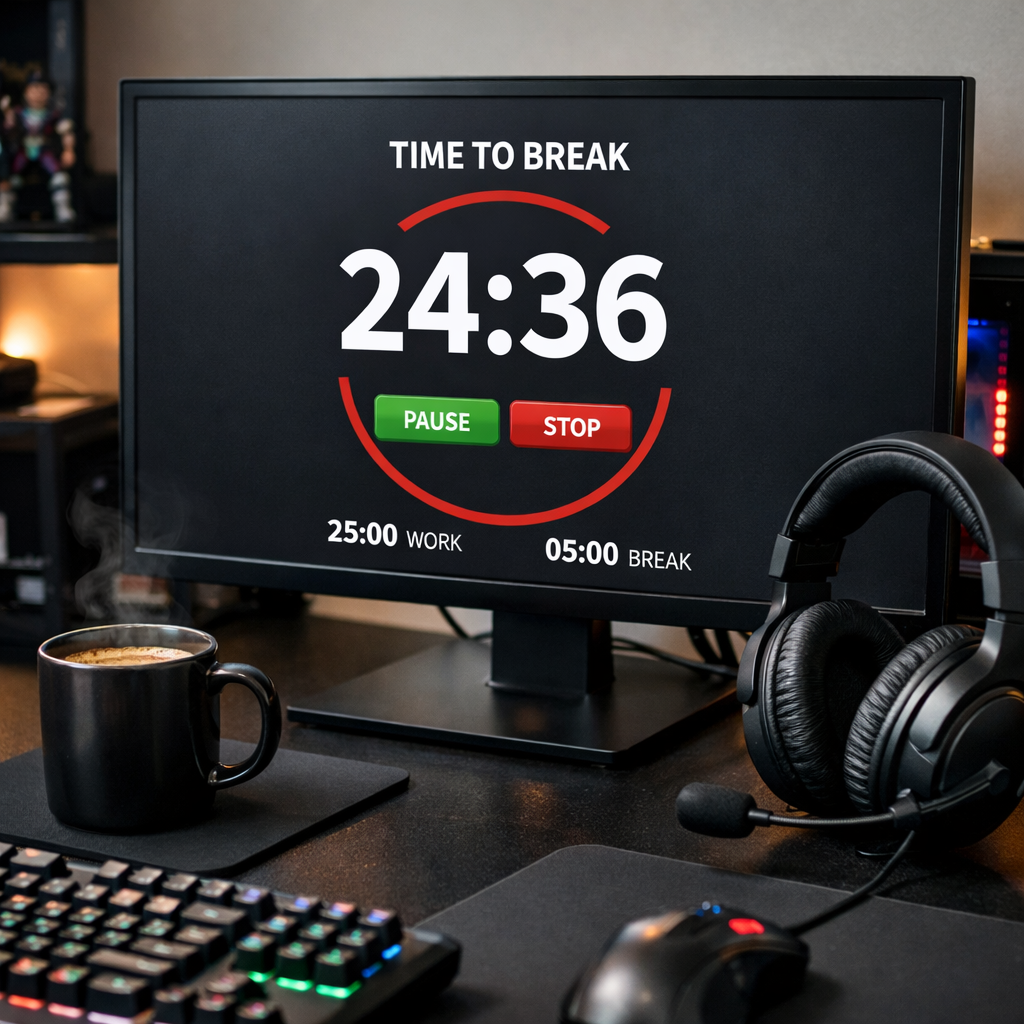
This is super important, and often overlooked. You’re not a machine! You need breaks to recharge. Scheduling short breaks throughout the day can actually make you more productive. Step away from your screen, stretch, grab a drink of water, or just stare out the window for a few minutes.
Beyond short breaks, think about longer ‘decompression’ periods. This is time to truly switch off from demanding tasks. It could be reading a book, listening to music, or going for a short walk. These moments help prevent burnout and keep your mind fresh for the next block of work.
Don’t forget to build these rest periods into your plan; they are just as vital as your work blocks.
Implementing Your Time Blocking Daily Plan Effectively

So, you’ve got your priorities sorted and you’ve figured out how much time each task might actually take. Awesome. Now comes the part where we actually make this time blocking thing stick. It’s not just about drawing lines on a calendar; it’s about making those lines work for you.
Choosing the Right Tools for Your Plan
First off, let’s talk tools. You don’t need anything fancy, honestly. Some people swear by their digital calendars – Google Calendar, Outlook, Apple Calendar – they’re great because you can set reminders and easily move things around. Others prefer a good old-fashioned paper planner. The key is to pick something you’ll actually use. If you’re constantly fiddling with an app that’s too complicated, you’ll just get frustrated. A simple notebook can be just as effective if that’s what helps you visualize your day. The goal is to have a clear plan in mind and a clear understanding of what needs to be done that day/week. Time blocking is a productivity method that involves dividing your day into specific time slots, or blocks, and assigning particular tasks or types of work to each block.
Tips for Sticking to Your Time Blocks
Okay, this is where the rubber meets the road. Sticking to your schedule can be tough, especially when life throws curveballs. Here are a few things that have helped me:
- Be Realistic: Don’t cram too much into one block. It’s better to finish a task early and have a little buffer than to constantly feel behind.
- Set Alarms: Treat your block transitions like appointments. An alarm can signal it’s time to wrap up one task and get ready for the next.
- Minimize Distractions: When you’re in a focus block, try to turn off notifications or let people know you’re unavailable. Even a few minutes of interruption can derail your momentum.
- Build in Buffer Time: Things always take longer than you think. Add a little extra time to each block just in case. Overestimating task duration is a smart move.
The biggest hurdle isn’t usually creating the plan, it’s following through. Be kind to yourself, but also be disciplined. Small wins build momentum.
Adjusting Your Plan for Flexibility
Here’s the thing: your time blocking plan isn’t set in stone. Life happens. You might get an urgent email, a meeting might run over, or you might just not be feeling a particular task. That’s okay! The point of time blocking isn’t to be rigid; it’s to be intentional. If something unexpected comes up, don’t just abandon your whole plan. See if you can shift a less urgent task to another block or shorten a break. The goal is to adapt without losing sight of your priorities. Planning only one day at a time can also help with this, preventing you from feeling overly ambitious and then disappointed. Adjust your time blocks based on what you realistically can achieve that day, ensuring flexibility and spontaneity.
Optimizing Your Time Blocking Daily Plan for Success
So, you’ve got your time blocks set up, feeling pretty good about it. But are you actually getting things done, or just staring at a perfectly scheduled, yet empty, calendar? Let’s talk about making this thing work. It’s not just about filling slots; it’s about making those slots count.
Overestimating Task Duration
This is a big one. We all tend to think we can cram more into an hour than is actually realistic. That quick email? It might take longer than you think, especially if you get sidetracked. That report? It probably needs more than just a quick skim. Start by adding a buffer to every single task. If you think something will take 30 minutes, block out 45. This isn’t about being inefficient; it’s about setting yourself up for success and avoiding that panicked feeling when you’re running behind before you’ve even really started. It also gives you a little breathing room if unexpected things pop up, which, let’s be honest, they always do.
Grouping Similar Tasks
Ever notice how switching between totally different types of work feels like a mental gear shift? It’s draining. A smart way to optimize your schedule is to batch similar tasks together. Think of it like this: instead of answering emails sporadically throughout the day, dedicate one or two blocks specifically for email. Same goes for making phone calls, running errands, or even doing creative work. This minimizes context switching and lets you get into a flow state more easily. It’s a simple trick that can make a surprisingly big difference in how much you accomplish.
Reviewing and Refining Your Daily Plan
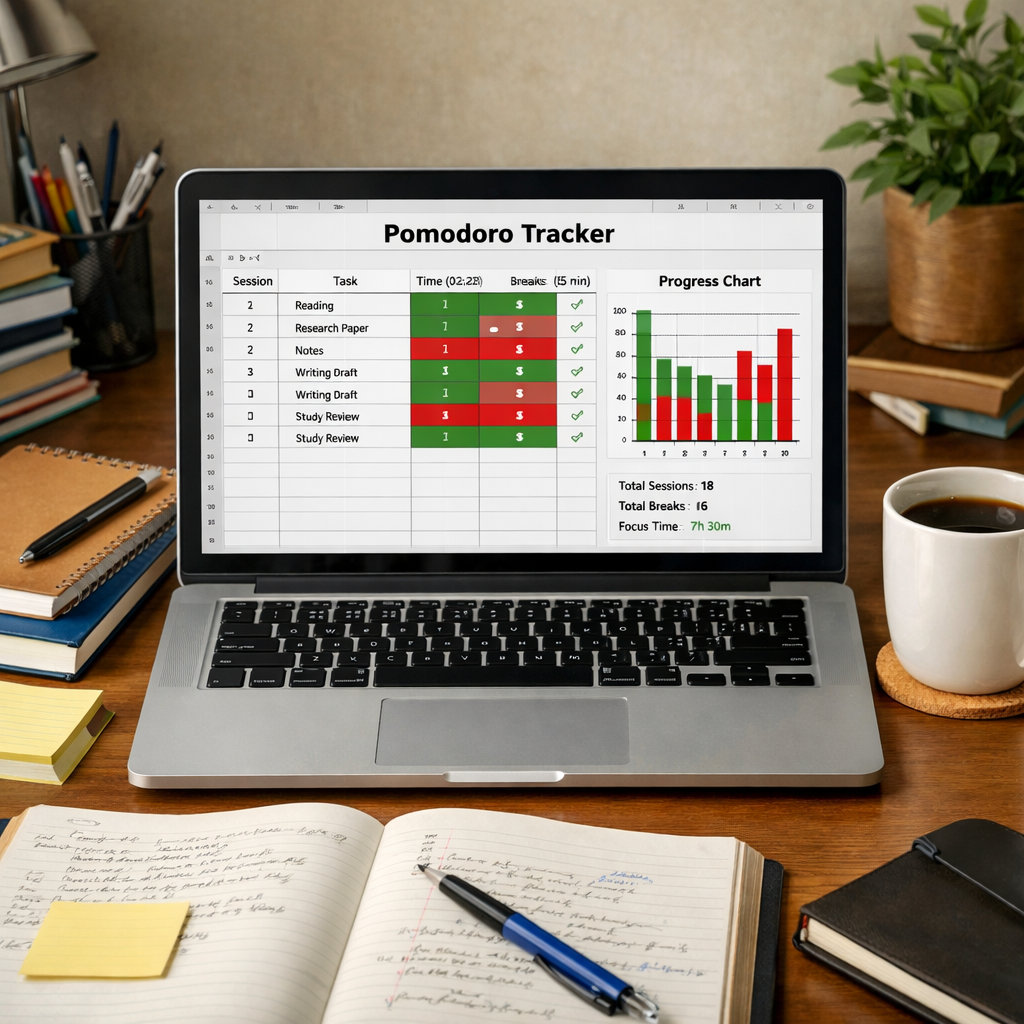
Your time blocking plan isn’t set in stone. It’s a living document, or, you know, a digital calendar. At the end of each day, take a few minutes to look back. What worked? What didn’t? Did you consistently underestimate how long a certain task took? Were you constantly interrupted during your deep work blocks? Jot down these observations. This feedback loop is key to making your plan more realistic and effective over time. You might find that planning only one day at a time works best for you, rather than trying to map out an entire week in advance. This allows for more flexibility and reduces the pressure if things don’t go exactly as planned. It’s all about finding what truly fits your workflow and helps you achieve your goals.
The goal isn’t to create a rigid schedule that makes you feel guilty when you deviate. It’s about creating a framework that guides you, helps you be more intentional with your time, and ultimately allows you to get more of what matters done without feeling completely overwhelmed.
Advanced Strategies for Your Time Blocking Daily Plan

Okay, so you’ve got the basics of time blocking down. You know how to set up your blocks, schedule breaks, and all that good stuff. But what happens when life throws you a curveball, or when your brain just doesn’t seem to cooperate? That’s where these advanced strategies come in. We’re going to look at how to make time blocking work even better, especially if you have specific challenges or want to integrate more personal well-being into your day.
Time Blocking with ADHD Considerations
If you’re someone who struggles with focus, impulsivity, or getting started on tasks, time blocking can be a real game-changer, but it needs a few tweaks. The key is to build in flexibility and structure that works with your brain, not against it. Don’t aim for rigid perfection; aim for functional progress.
Here are some ways to adapt:
- Break down tasks even further: Instead of a "Write Report" block, try "Outline Report," "Research Section 1," "Write Section 1 Draft." Smaller steps feel less daunting.
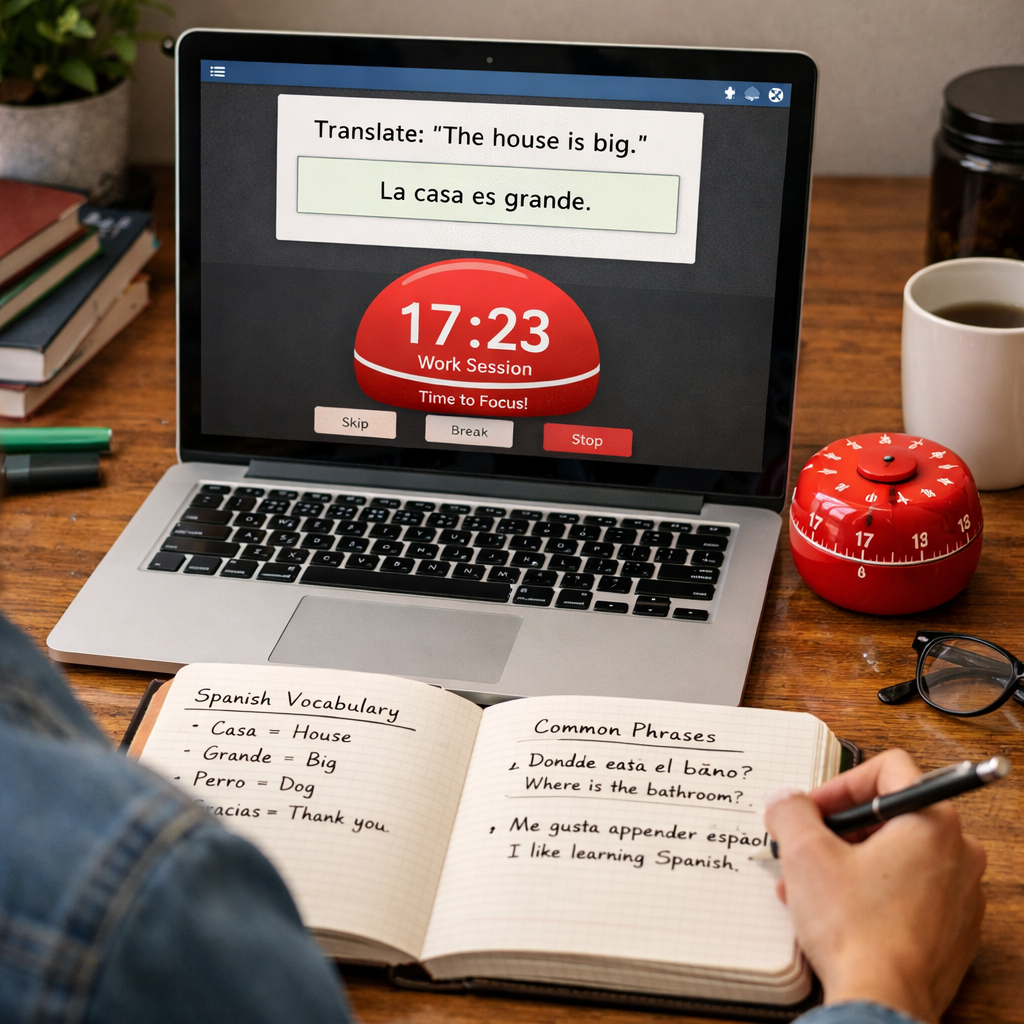
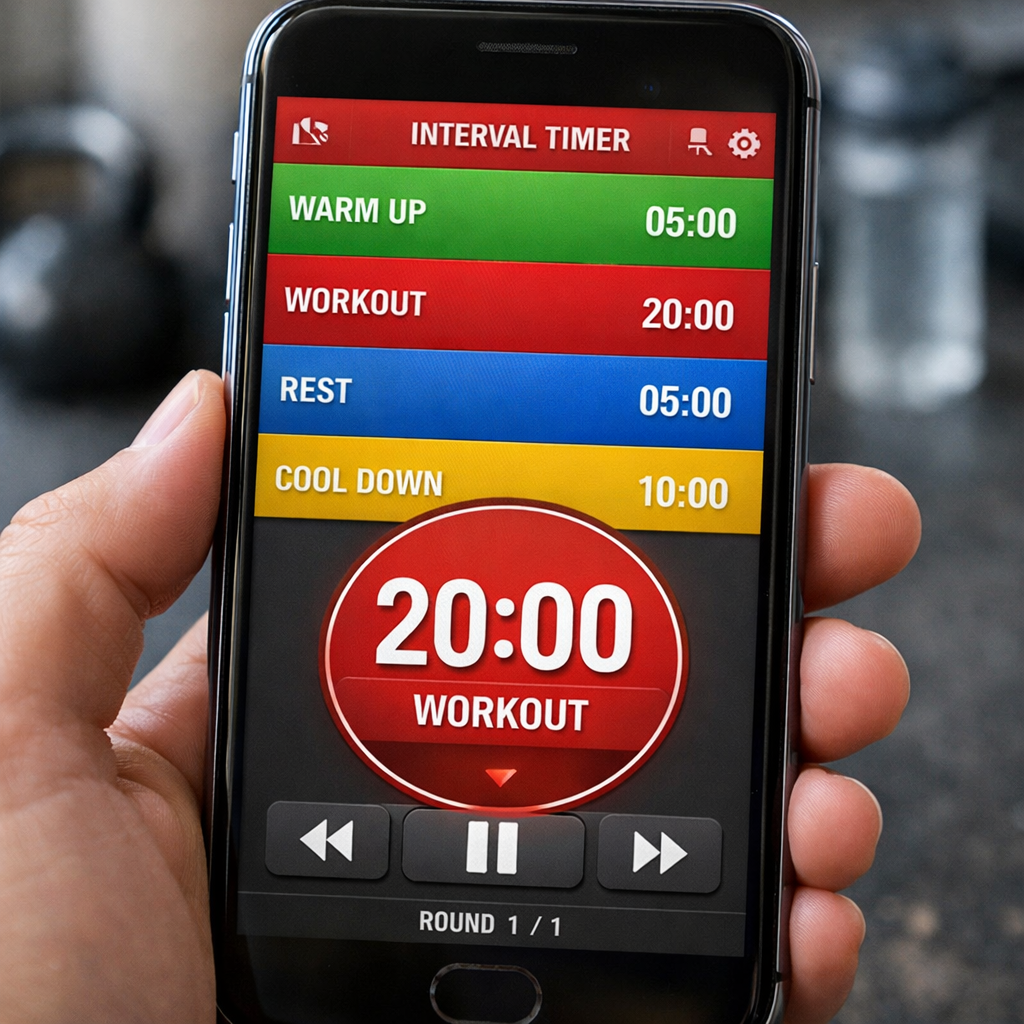
- Use visual timers: Seeing time tick down can be a powerful motivator and help you stay on track during a block. Apps like Forest or even a simple kitchen timer can help.
- Schedule transition time: Give yourself a few extra minutes between blocks to mentally switch gears. This prevents that feeling of being rushed or overwhelmed.
- Embrace novelty: If a task feels boring, try gamifying it or pairing it with something enjoyable, like listening to music (if it doesn’t distract you).
When planning for ADHD, remember that consistency is more important than intensity. Small, consistent efforts within structured blocks will yield better results than trying to force long, unbroken periods of focus that lead to burnout.
Integrating Self-Care into Your Schedule
Self-care isn’t a luxury; it’s a necessity for sustained productivity and well-being. Time blocking can help you intentionally carve out space for it, preventing it from being the first thing to get cut when things get busy. Think of it as scheduling essential maintenance for yourself.
Consider these ideas:
- Morning Routine Block: Dedicate time for quiet reflection, stretching, or a healthy breakfast before the day’s demands kick in.
- Movement Breaks: Schedule short walks or quick exercises throughout the day. Even 5-10 minutes can make a difference.
- Mindfulness Moments: Block out 15-20 minutes for meditation, deep breathing, or simply sitting quietly with a cup of tea.
- Social Connection Time: If you’re feeling isolated, schedule a quick call with a friend or family member.
Leveraging Technology for Your Time Blocking Daily Plan
Technology can be a huge ally in making time blocking work. While a simple notebook is fine, digital tools offer features that can automate, remind, and sync your schedule across devices. This can be especially helpful for keeping track of multiple commitments or when you’re on the go.
Here are some ways tech can help:
- Calendar Apps: Tools like Google Calendar or Outlook Calendar allow you to create recurring blocks, set reminders, and color-code different types of activities. You can even use them to plan your day with specific time slots.
- Task Management Apps: Apps like Todoist or Asana can integrate with your calendar, helping you break down larger projects into smaller, time-blockable tasks.
- Focus Apps: Apps designed to block distracting websites or apps during your work blocks can be incredibly useful. Some even use gamification to keep you motivated.
By incorporating these advanced strategies, you can create a time blocking plan that’s not just effective, but also sustainable and supportive of your overall well-being.
Putting It All Together
So, we’ve talked about how to set up your day using time blocks. It’s not about filling every minute, but about giving yourself a clear path. Remember, the goal isn’t to be perfect, it’s to be more intentional with your time. Start small, maybe just block out a few key activities each day. See how it feels, and then adjust. Your schedule is a tool to help you, not a rulebook you have to follow perfectly. Give it a try, and you might just find yourself feeling more in control and getting more done, without all the stress.
Frequently Asked Questions
What exactly is time blocking?
Time blocking is like drawing a schedule for your day, but instead of just listing what you need to do, you actually set aside specific chunks of time for each task. Think of it as giving each activity its own special time slot on your calendar, so you know exactly what you should be doing and when.
Why should I use time blocking instead of just a to-do list?
A to-do list is great for knowing what needs doing, but time blocking helps you actually get it done. By assigning a time for each task, you’re more likely to focus on it and finish it. It helps you see if your list is realistic for the time you have and stops you from just staring at a long list feeling overwhelmed.
How do I know how much time to block for each task?
It’s smart to start by guessing how long you think a task will take, and then add a little extra time just in case. It’s better to finish a task early and have some free time than to run over and mess up the rest of your day. You’ll get better at guessing with practice!
What if I have tasks that are hard to put a time limit on, like creative work?
That’s totally fine! For things like creative projects or deep thinking, you can block out longer periods of ‘focus time.’ The main idea is to protect that time so you can concentrate without interruptions. You don’t have to fill every minute with a super specific task.
Is it okay to change my time blocks if something unexpected comes up?
Absolutely! Life happens. Time blocking is a tool to help you, not trap you. If something important pops up, just adjust your schedule. Maybe you swap a less important task or shorten another block. The goal is to be organized, but also flexible.
How often should I make my time blocking plan?
Many people find it works best to plan their time blocks each day, usually the night before or first thing in the morning. This keeps your plan fresh and focused on what you actually need to do that specific day. Planning too far ahead can sometimes feel overwhelming or unrealistic.