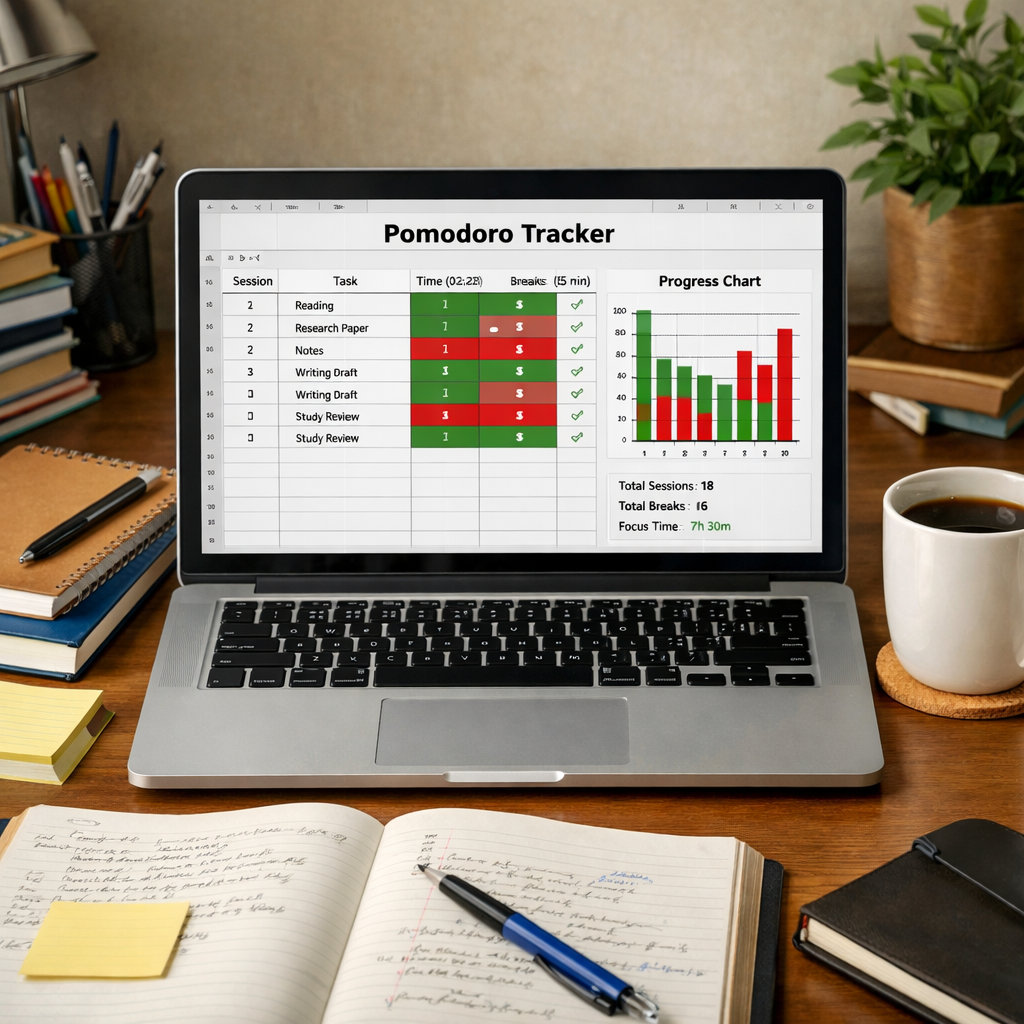

College life can be a whirlwind, right? Between classes, assignments, and trying to have some sort of social life, it’s easy to feel like you’re just treading water. A lot of students find that just showing up to lectures isn’t enough. You need a solid plan for actually getting the work done. That’s where a good study timer for college comes in. It’s not just about watching the clock; it’s about making every minute count and building habits that stick. Let’s look at how a study timer can really change things for you.
Key Takeaways
- Using a study timer for college helps you build a consistent study schedule and track your progress visually.
- Timed study sessions, like those used in the Pomodoro Technique, can significantly improve your focus and help you enter a flow state.
- Advanced study tracking features provide detailed statistics, allowing you to understand your study habits and identify your peak productivity hours.
- Motivation tools like streaks and badges can help you stay accountable, celebrate achievements, and prevent procrastination.
- A good study timer for college should sync across devices and offer customizable features for a personalized experience.
Master Your Study Routine with a Timer

Getting your study routine dialed in can feel like a puzzle, right? You’ve got classes, assignments, maybe a job, and somewhere in there, you’re supposed to actually learn stuff. That’s where a good study timer comes in. It’s not just about watching the clock; it’s about making every minute count.
Visualize Your Study Consistency
Seeing your progress laid out can be a huge motivator. Think of it like filling in a calendar. When you see those blocks of study time turn into completed sessions, it builds a visual representation of your effort. Apps often show this as a graph or a calendar grid. The more consistent you are, the more that grid fills up, showing you exactly how much you’ve put in. This visual feedback makes it easier to stick with it, even on days when you’d rather be doing anything else. It helps you build a habit that sticks, turning sporadic study sessions into a reliable part of your week. It’s a simple concept, but incredibly effective for building momentum.
Track Study Hours Effectively
Knowing how you spend your time is half the battle. A timer doesn’t just measure duration; it helps you categorize your efforts. You can log time spent on specific subjects or assignments. This way, you’re not just saying "I studied for three hours," but rather, "I spent two hours on calculus and one hour on my history paper." This level of detail is super helpful for understanding where your time is actually going. It’s like getting a report card for your study habits. You can see if you’re dedicating enough time to tougher subjects or if you’re spending too much time on easier ones. This kind of tracking is key to making sure you’re studying smart, not just hard. For example, you might find that you need to adjust your schedule to fit in more time for specific descriptive phrase that you’re finding challenging.
Build Momentum with Streaks
Streaks are a powerful psychological tool. Most study timer apps have a feature where they track consecutive days or sessions you’ve studied. Hitting a 7-day streak feels good, but aiming for a 30-day streak? That’s a whole different level of commitment. It creates a sense of accomplishment and a little bit of friendly competition with yourself. Breaking a streak can feel like a setback, so you’re more likely to push through and study even when you don’t feel like it, just to keep that streak alive. It’s a simple way to gamify your study process and make it more engaging.
Here’s a quick look at how streaks can add up:
- 3-Day Streak: You’re getting into the rhythm.
- 7-Day Streak: You’ve built a solid habit.
- 14-Day Streak: You’re a consistency champion!
- 30+ Day Streak: You’ve practically made studying a lifestyle.
The real power of a timer isn’t just in counting minutes, but in creating a framework for focused effort. It helps you break down large tasks into manageable chunks and provides a clear signal when it’s time to rest, preventing mental fatigue before it sets in.
Leverage a Study Timer for College Success
College is a whole different ballgame when it comes to managing your time. You’ve got lectures, labs, readings, assignments, and let’s not forget, a social life. Trying to keep all those plates spinning without a solid plan can feel overwhelming, fast. That’s where a study timer really steps in to help.
Optimize Focus with Timed Sessions
Ever find yourself staring at a textbook, but your brain is miles away, thinking about what to have for dinner or that meme your friend sent? Yeah, me too. A study timer helps you fight that. By setting specific blocks of time for focused work, you create a clear signal to your brain: "Okay, it’s study time, no distractions." It’s like giving your attention span a workout.
Here’s a simple way to start:
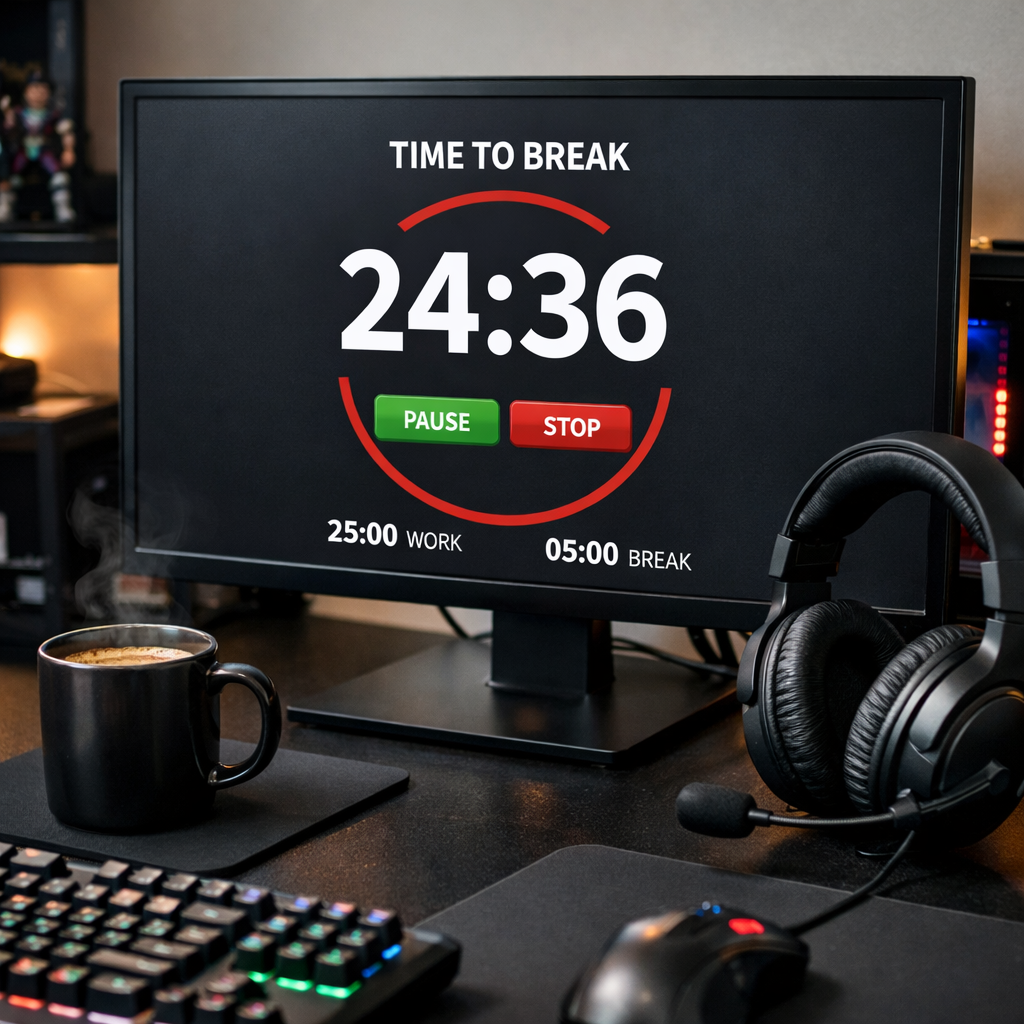
- Set a timer for 25 minutes. This is a classic starting point, often called a Pomodoro.
- Commit to focused work during that time. No checking your phone, no browsing random websites.
- Take a short 5-minute break. Stand up, stretch, grab some water.
- Repeat. After a few cycles, take a longer break.
This structured approach helps prevent burnout and makes those study hours feel more productive. You’re not just studying; you’re studying effectively.
Analyze Productivity Peaks
We all have those times of day when we just feel more switched on. For some, it’s the early morning quiet; for others, it’s late at night. A study timer isn’t just about counting minutes; it’s about understanding when those minutes are most effective for you. By tracking your study sessions, you can start to see patterns.
Consider this:
| Time of Day | Average Focus Score (1-5) | Tasks Completed |
|---|---|---|
| 8 AM – 10 AM | 4.5 | 2 Readings |
| 1 PM – 3 PM | 3.0 | 1 Assignment |
| 7 PM – 9 PM | 4.0 | 1 Chapter Review |
Looking at data like this, even if it’s just in your head or a simple notebook, can show you when you’re hitting your stride. Scheduling your most demanding tasks during these peak times can make a huge difference in how much you get done and how well you retain information.
Understanding your personal productivity rhythm is key. Don’t force yourself to tackle complex problems when your energy is low. Instead, use your timer to identify those golden hours and schedule your most important work then. It’s about working smarter, not just harder.
Manage Heavy Course Loads
College often means juggling multiple classes, each with its own set of demands. A study timer can be your secret weapon for keeping everything organized. Instead of just vaguely knowing you need to study for three different classes, you can allocate specific time blocks for each. This helps ensure that no single subject gets neglected and that you’re making steady progress across the board. It breaks down a massive workload into manageable chunks, making it feel less like an impossible mountain to climb and more like a series of achievable steps.
Enhance Concentration with Focus Timers

Sometimes, just sitting down to study feels like a battle, right? You’ve got a mountain of notes, a looming deadline, and a brain that seems determined to wander off to literally anywhere else. That’s where focus timers come in. They’re not just fancy clocks; they’re tools designed to help you actually get stuff done.
Utilize Pomodoro Technique
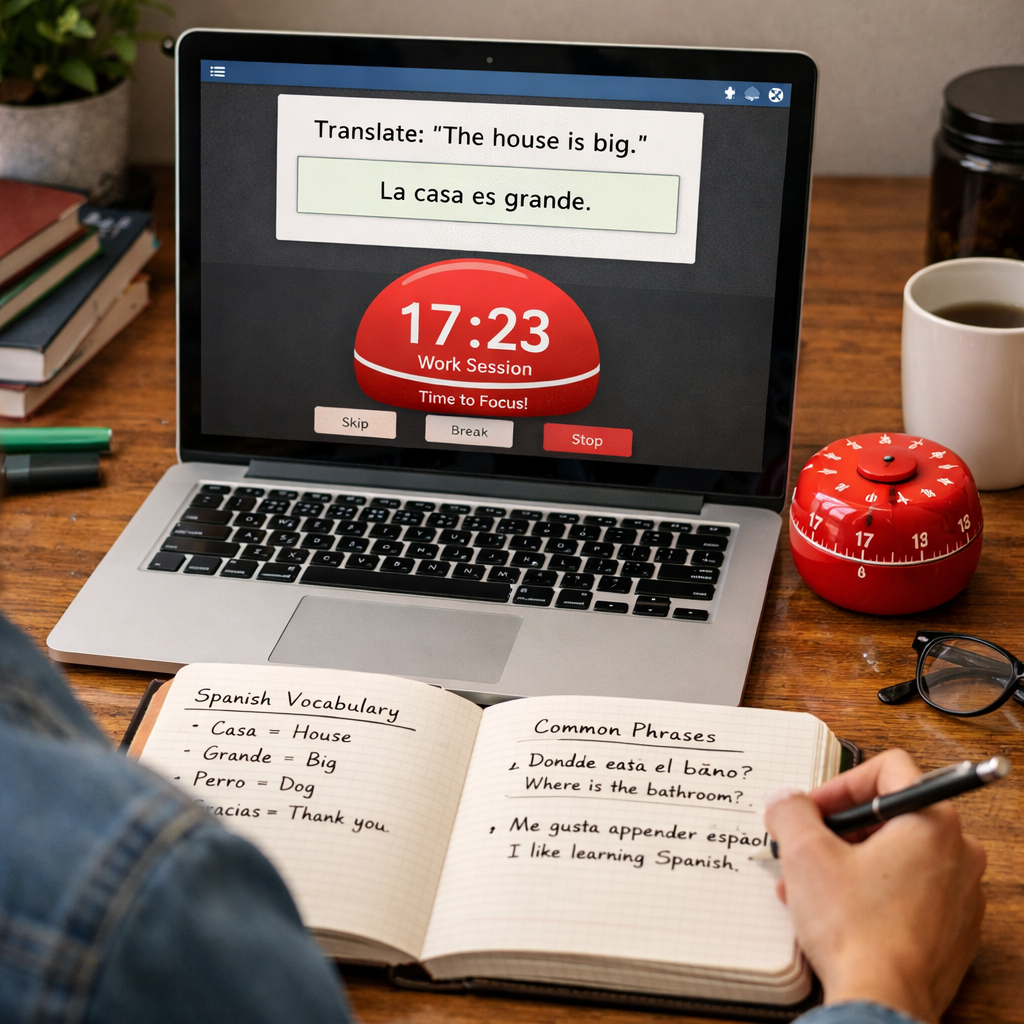
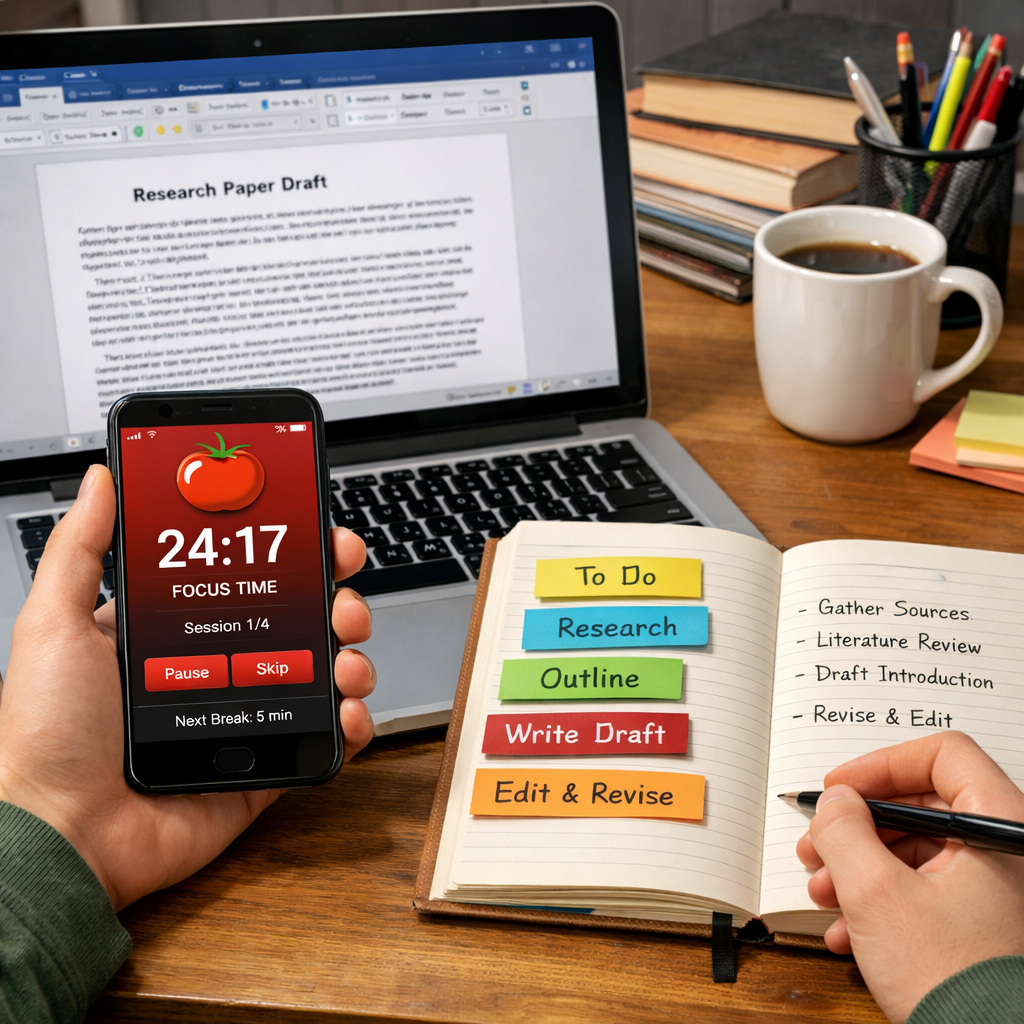
Ever heard of the Pomodoro Technique? It’s pretty simple but surprisingly effective. You work in focused bursts, usually 25 minutes long, followed by a short break, like 5 minutes. After a few of these cycles, you take a longer break. It breaks down big tasks into manageable chunks and gives your brain regular chances to reset. This method is great for keeping your energy up and preventing that feeling of being completely overwhelmed. Many apps, like The Study Zone, are built around this idea.
Here’s a basic breakdown:
- Work Interval: 25 minutes of focused study.
- Short Break: 5 minutes to stretch, grab water, or just zone out for a second.
- Long Break: After 4 work intervals, take a 15-30 minute break.
Enter Flow State with Fullscreen Timer
For those times when you really need to buckle down, a fullscreen timer can be a game-changer. It takes over your screen, blocking out everything else. No little notifications popping up, no tempting browser tabs peeking through. It creates a dedicated space for your work, helping you get into that zone where time just seems to fly by. It’s like putting blinders on for your computer, forcing you to concentrate on the task at hand. Apps like Athenify offer a fullscreen timer to help you get in the zone.
Minimize Distractions During Study
Distractions are the enemy of good study habits. Phones buzzing, social media notifications, even just the urge to check what’s happening outside your window. A focus timer helps you set boundaries. By committing to a timed session, you’re telling yourself, "Okay, for the next X minutes, this is all that matters." It’s a mental commitment that makes it easier to ignore the little things pulling at your attention.
Setting up a dedicated study environment, free from clutter and unnecessary noise, can significantly amplify the effectiveness of any focus timer you choose to use. It’s about creating a physical space that supports your mental effort.
Using a timer isn’t just about counting minutes; it’s about training your brain to focus. It helps you build discipline and makes those long study hours feel more productive and less draining. Give it a shot, and you might be surprised at how much more you can accomplish.
Gain Insights with Advanced Study Tracking
Monitor Progress with Detailed Statistics
Looking at raw numbers can be a bit much sometimes, but when you break it down, it’s super helpful. A good study tracker doesn’t just log your time; it shows you what that time actually means. Think about seeing a graph that fills up with color as you hit your study goals each day. It’s way more satisfying than just a list of times. You can see how many hours you put into each subject, which ones you’re spending the most time on, and where you might be falling a bit short.
Here’s a quick look at what you might see:
- Total Study Hours: Your overall commitment.
- Hours Per Subject: Where your time is actually going.
- Goal Completion Rate: How often you’re hitting your targets.
- Longest Streak: Your consistency over time.
Understand Study Habits Over Time
It’s easy to think you’re studying consistently, but data doesn’t lie. Tracking your study habits over weeks and months reveals patterns you might not even notice. Maybe you’re a weekend warrior, or perhaps you do your best work in short bursts during the week. Seeing this laid out helps you figure out what’s working and what’s not. This kind of self-awareness is key to making real improvements.
You might find that certain subjects consistently take longer than you expect, or that you tend to procrastinate on specific types of assignments. Recognizing these tendencies is the first step to changing them. Instead of just guessing, you have concrete information to work with.
Identify Peak Productivity Hours
Everyone has times of day when they feel more alert and focused. A smart study timer can help you pinpoint these golden hours. Instead of forcing yourself to study tough material when you’re tired, you can schedule your most demanding tasks for when you’re naturally at your best. This makes studying feel less like a chore and more like an efficient use of your energy. You can even see how your productivity changes throughout the semester, as your schedule and stress levels shift.
Stay Motivated and Accountable
Keeping up with your studies can feel like a marathon sometimes, right? It’s easy to start strong but then lose steam. That’s where building in some motivational tools and accountability measures really pays off. Think of it as giving yourself a little nudge when you need it most.
Celebrate Achievements with Badges
Who doesn’t love a little recognition? Gamifying your study process with badges can make a big difference. You earn them for hitting study goals, maintaining streaks, or completing challenging tasks. It’s like collecting trophies for your hard work. Seeing that collection grow is a pretty good feeling and a clear sign of your progress.
Here’s a look at how badges might be awarded:
- Bronze Medal: Study for over 2 hours in a single session.
- Silver Medal: Study for over 3 hours in a single session.
- Gold Medal: Study for over 4 hours in a single session.
- Consistency Badge: Maintain a study streak for a full week.
Maintain Consistency with Daily Goals
Consistency is king when it comes to studying. Setting small, achievable daily goals helps you build momentum without feeling overwhelmed. Instead of thinking about the mountain of work ahead, focus on the step you need to take today. This approach makes the whole process feel much more manageable and less daunting. It’s about showing up, even if it’s just for a short period. This consistent effort is key to long-term success and helps you master your study routine.
The power of showing up consistently, even for short bursts, cannot be overstated. It builds a habit that becomes almost automatic, reducing the mental energy required to start studying each day.
Prevent Procrastination and Burnout
Procrastination is the enemy of progress, and burnout is the consequence of ignoring your limits. A good study timer helps you break down tasks into manageable chunks, making them less intimidating. By scheduling regular breaks, you also prevent mental fatigue. This structured approach ensures you’re working efficiently without draining yourself completely. It’s about finding that sweet spot between pushing yourself and taking care of yourself.
Integrate Your Study Timer Seamlessly
Making your study timer a regular part of your college life shouldn’t feel like a chore. The best tools work with you, not against you. Think about how much easier it is when your planner, your notes, and your timer all talk to each other. That’s the goal here – to make your study tracking so smooth, you barely notice it’s happening.
Sync Data Across Devices
Life as a student means you’re probably not tied to just one computer. You might be working on your laptop in the library, then jotting down notes on your tablet in class, or checking your progress on your phone between lectures. A good study timer needs to keep up. This means your study sessions, your progress, and your goals should be available no matter which device you pick up. No more manually transferring data or wondering if you’re looking at the most up-to-date stats. It’s all there, in real-time, from your desktop to your phone.
Customize Your Dashboard
Everyone studies differently, and your study tracker should reflect that. A one-size-fits-all dashboard just doesn’t cut it. You should be able to arrange the information that matters most to you front and center. Maybe you care most about your daily streaks, or perhaps you want to see your progress on a specific tough subject. You might want to see your upcoming deadlines right next to your focus timer.
Here’s what you might want to see on your personalized dashboard:
- Current Study Streak: How many days in a row have you hit your study goals?
- Time Spent Today: A quick look at your current study hours for the day.
- Upcoming Deadlines: A reminder of what’s due soon.
- Subject Progress: How much time have you dedicated to each course?
- Peak Productivity Hours: When do you focus best?
Access Study Tools Anywhere
Your study timer shouldn’t be confined to a single application or computer. Whether you’re on campus, at home, or even traveling, you need access to your tools. This means having the ability to start a focus session, log your hours, or check your stats from any internet-connected device. Some apps even offer offline modes, so you can keep tracking even if your Wi-Fi is spotty. It’s about making sure your study routine is always within reach, whenever inspiration strikes or duty calls.
The best study tools are the ones that fade into the background, letting you focus on the actual studying. When your timer syncs automatically, your dashboard shows what you need, and you can access it from anywhere, it stops being a distraction and starts being a genuine help.
Wrapping Up Your Study Game Plan
So, we’ve talked about how using a study timer can really change things up for the better. It’s not just about watching the clock, you know? It’s about actually seeing where your time goes and making sure you’re putting it to good use. Tools like these help you build better habits, stay focused when it counts, and honestly, just feel more in control of your schoolwork. Give one of these timers a try – you might be surprised at how much of a difference it makes in getting those grades where you want them.
Frequently Asked Questions
What exactly is a study timer, and how can it help me?
Think of a study timer as a helpful tool that keeps you focused. It’s like having a coach who tells you when to study hard and when to take a break. Using a timer can help you concentrate better, get more done in less time, and stop you from getting sidetracked by other things.
How can a timer help me manage my schoolwork better?
A timer is great for juggling all your classes and assignments. You can use it to set aside specific times for each subject, making sure you give enough attention to everything. It helps you see how much time you’re actually spending studying and if you’re on track to finish everything on time.
What’s the Pomodoro Technique, and is it useful?
The Pomodoro Technique is a popular way to use a timer. You study really hard for about 25 minutes, then take a short 5-minute break. After a few of these cycles, you take a longer break. It’s a fantastic way to keep your brain fresh and avoid getting tired.
Can a study timer really help me avoid putting things off?
Absolutely! When you know you have a set amount of time to work, it’s easier to just start. The timer creates a sense of urgency, and seeing your progress can be super motivating. Plus, many timers have features like ‘streaks’ that encourage you to study every day so you don’t break your winning pattern.
How do I know if I’m studying at the right times?
Some study timers can actually track when you’re most focused. By looking at the data, you can figure out if you study best in the morning, afternoon, or evening. Then, you can plan to tackle your toughest subjects during those peak times for the best results.
Can I use a study timer on my phone and computer?
Yes, many of the best study timer apps let you sync your information across all your devices. This means you can track your study time on your laptop at home and then check your progress on your phone when you’re at the library, without missing a beat.