Feeling like your to-do list is a mile long and you’re barely making a dent? I get it. Sometimes, the biggest hurdle to getting things done isn’t the task itself, but how we approach it. That’s where a simple pomodoro timer can really make a difference. It’s a straightforward method that helps you focus, work in bursts, and actually get stuff done without feeling totally drained. Let’s look at how this little tool can change your whole work game.
Key Takeaways
- The Pomodoro Technique uses timed work intervals and short breaks to improve focus.
- A simple pomodoro timer helps you stick to these work and break periods without fuss.
- Keeping your timer and workspace minimal helps you concentrate better.
- Adjusting work and break times to fit your personal rhythm makes the technique more effective.
- Using a simple pomodoro timer regularly can lead to better focus, less burnout, and a greater sense of accomplishment.
Understanding The Pomodoro Technique
What Is The Pomodoro Technique?
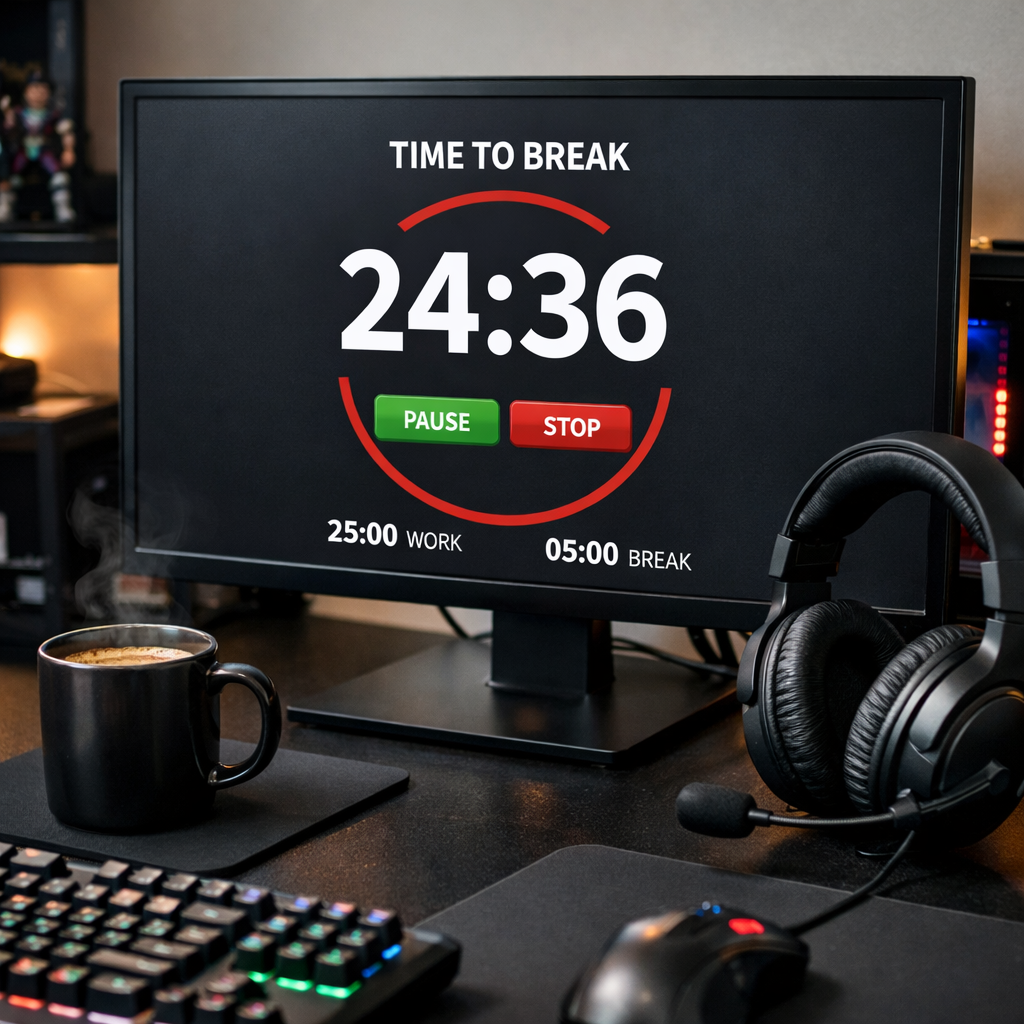
The Pomodoro Technique is a time management method that uses a timer to break down work into focused intervals, traditionally 25 minutes long, separated by short breaks. Think of it like this: you decide on a task, set a timer for 25 minutes, and work on that task without any interruptions until the timer goes off. Once it rings, you take a short break, usually about 5 minutes. After you’ve completed four of these work intervals, you take a longer break, maybe 15 to 30 minutes. It’s a pretty straightforward system, really.
The Origin Of The Tomato Timer
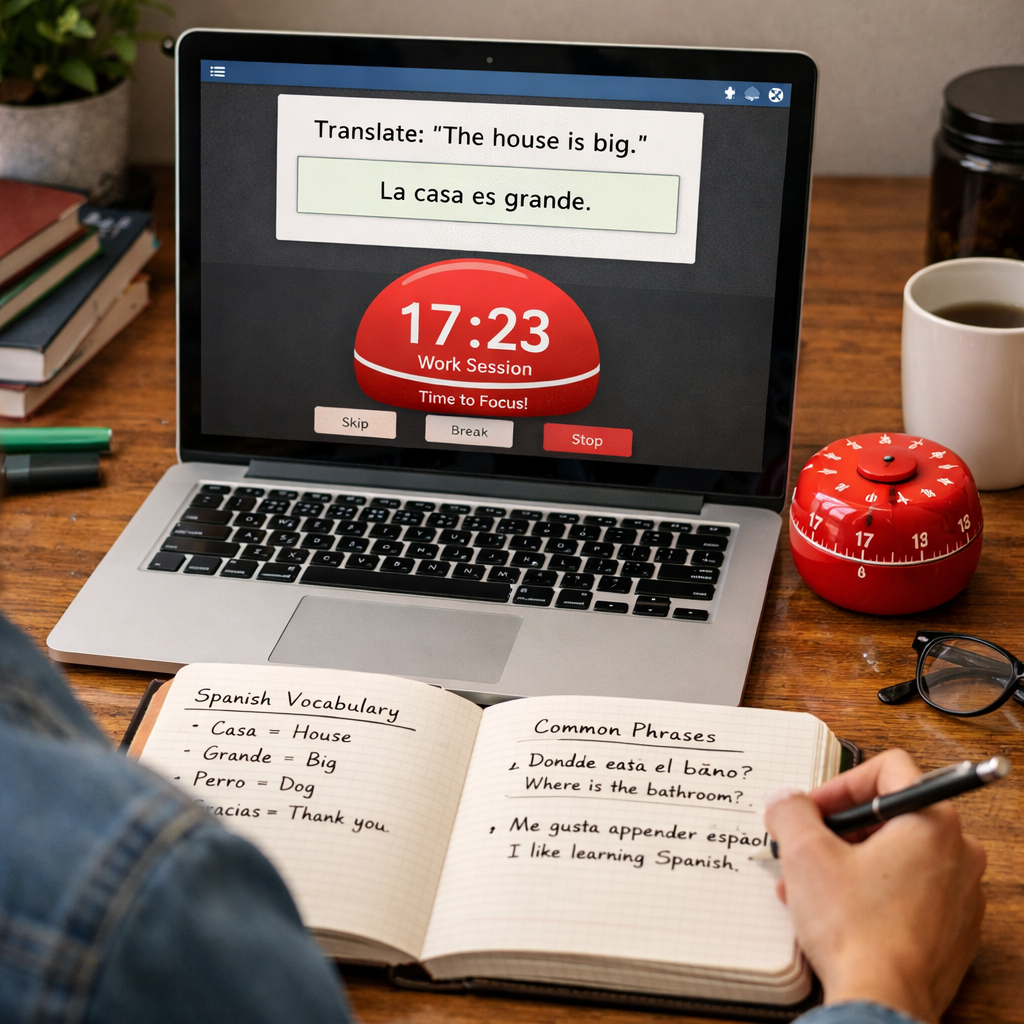
This whole thing started back in the late 1980s with Francesco Cirillo. He was a university student who found it hard to concentrate on his studies. So, he grabbed a kitchen timer, shaped like a tomato (which is ‘pomodoro’ in Italian), and decided to use it to break his study sessions into manageable chunks. It worked so well that the name stuck, and the method spread. It’s kind of funny how a simple kitchen gadget inspired such a popular productivity system, right?
How The Technique Boosts Productivity
So, how does this actually help you get more done? Well, it tackles a few common productivity killers head-on. By breaking work into short, manageable bursts, it makes even large tasks seem less daunting. You’re not staring down an eight-hour workday; you’re just focusing on the next 25 minutes. This structure helps you:
- Improve focus: Knowing you only have to concentrate for a set period makes it easier to avoid distractions.
- Prevent burnout: Regular short breaks give your brain a chance to rest and recharge, stopping you from getting completely drained.
- Increase awareness: You start to notice how long tasks actually take and where your time goes, which is pretty eye-opening.
The core idea is that focused work, combined with planned rest, is more effective than trying to power through for hours on end. It’s about working smarter, not just longer.
Here’s a quick look at the basic cycle:
- Choose a task.
- Set the timer for 25 minutes.
- Work on the task until the timer rings.
- Take a 5-minute break.
- After four work intervals, take a longer break (15-30 minutes).
- Repeat.
Choosing Your Simple Pomodoro Timer
So, you’re ready to give the Pomodoro Technique a whirl. Awesome! But before you start timing those work sprints, you need a timer. And not just any timer – you want one that actually helps you focus, not distracts you. Think of it like picking the right tool for a job; a fancy, complicated gadget might look cool, but sometimes, a simple, well-made one is all you really need.
Minimalist Design For Maximum Focus
When you’re trying to concentrate on a task, the last thing you want is a timer that’s cluttered with buttons, flashing lights, or annoying sounds. The best Pomodoro timers are usually the ones that just work. They have a clean look, making it easy to see the time remaining without any fuss. This simplicity is key. It means you spend less time fiddling with settings and more time actually doing the work. A good timer should fade into the background, letting your task take center stage.
Customizable Intervals For Your Workflow
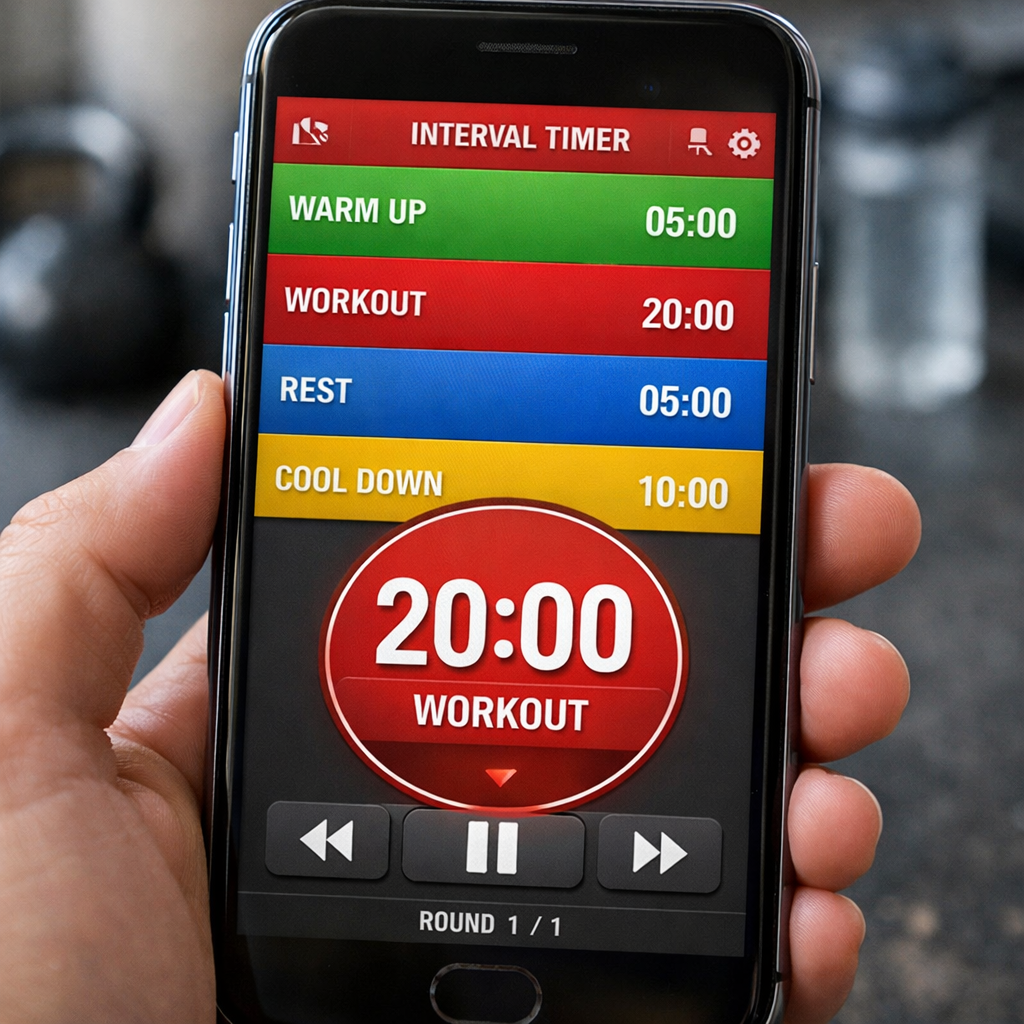
While the classic Pomodoro setup is 25 minutes of work followed by a 5-minute break, everyone’s different. Maybe you find you can focus for longer stretches, or perhaps shorter bursts work better for you. A good timer lets you tweak these times. You might want to set 45-minute work sessions with 10-minute breaks, or maybe even 15-minute sprints if you’re tackling something really tough. Being able to adjust the intervals means the timer fits your rhythm, not the other way around.
Here’s a quick look at how interval customization can help:
- Longer Work Intervals: Good for deep work or complex tasks where you need sustained concentration.
- Shorter Work Intervals: Useful for breaking down very large tasks or when your attention span tends to wander.
- Flexible Break Times: Allows you to match breaks to your energy levels or the demands of your work.
Cross-Platform Accessibility
Your work doesn’t always happen at your desk. You might be using a laptop at home, a tablet on the train, or even your phone while waiting for an appointment. The ideal Pomodoro timer is one you can access wherever you are. This could mean a web-based timer that works in any browser, a desktop app, or a mobile app. The important thing is that it’s readily available, so you can jump into a focus session without a second thought, no matter your device.
Choosing the right timer is more than just picking a clock. It’s about selecting a tool that supports your focus, adapts to your personal work style, and is available when and where you need it. A simple, well-designed timer can make a surprising difference in how effectively you use the Pomodoro Technique.
Implementing A Simple Pomodoro Timer

So, you’ve got your timer ready, maybe it’s a sleek digital one or even a physical tomato-shaped gadget. Now what? It’s time to actually put this thing to work. The beauty of the Pomodoro Technique is its straightforwardness. You don’t need a complex setup or a degree in time management to get started. The core idea is to break your work into manageable chunks, separated by short, refreshing breaks.
Here’s a simple breakdown of how to get going:
- Decide On Your Task: Before you even touch the timer, know what you’re going to focus on. Is it writing that report, coding a specific feature, or studying for an exam? Having a clear objective prevents you from wasting precious timer minutes figuring out what to do.
- Set The Timer For A Work Interval: The classic Pomodoro interval is 25 minutes. This is often called a "pomodoro." Pick a task and set your timer. During this time, your only job is to work on that single task. No checking emails, no social media scrolling, just pure focus.
- Take Scheduled Breaks: Once the timer rings, stop working. Seriously, stop. This is where the magic happens. Take a short break, usually 5 minutes. Get up, stretch, grab some water, or just stare out the window. This short reset is vital for preventing mental fatigue.
- Repeat For Enhanced Focus: After your short break, start another 25-minute work interval. After completing four of these work intervals (four pomodoros), take a longer break, typically 15-30 minutes. This longer break helps you truly recharge before diving back into more work.
The key is consistency. Even if you don’t finish a task within one interval, that’s okay. The goal is to train your brain to focus for set periods and to build a rhythm. You’ll find that over time, you get better at estimating how long tasks will take and how many pomodoros you’ll need.
This structured approach helps you tackle larger projects by making them seem less daunting. It’s all about building momentum, one focused work session at a time. You can find various online tools to help you manage these intervals, like TomatoTimers.
Here’s a quick look at the typical cycle:
| Work Interval (Pomodoro) | Break Interval |
|---|---|
| 25 Minutes | 5 Minutes |
| 25 Minutes | 5 Minutes |
| 25 Minutes | 5 Minutes |
| 25 Minutes | 15-30 Minutes |
Remember, these times are guidelines. Feel free to adjust them slightly to fit your personal workflow, but try to stick close to the principle of focused work followed by a real break.
Maximizing Your Pomodoro Sessions
Eliminate Distractions During Work Intervals
This is where the rubber meets the road, so to speak. You’ve got your timer set, your task is clear, and you’re ready to go. But then, bam! Your phone buzzes, an email pops up, or someone walks into your office. These little interruptions can completely derail your focus, making that 25-minute interval feel like an eternity. The key is to create a distraction-free zone before you even start the timer. Turn off notifications on your phone and computer. If you’re in a shared space, let people know you’re in a focus block and can’t be disturbed. Close unnecessary browser tabs. Think of it as building a temporary fortress around your attention span.
Utilize Breaks Effectively
Those short breaks aren’t just for catching your breath; they’re a vital part of the Pomodoro cycle. Don’t just scroll through social media or check emails during your break. That’s not really resting your brain. Instead, try something that actually helps you recharge. Get up and stretch, walk around for a bit, grab a glass of water, or just stare out the window. The goal is to give your mind a complete change of pace from the task you were just working on. This mental reset is what allows you to come back to your next work interval feeling refreshed and ready to tackle it.
Here’s a quick guide to break activities:
- Physical Movement: A few stretches or a short walk can do wonders.
- Mindful Moments: Close your eyes and focus on your breathing for a minute or two.
- Hydration/Snack: Grab water or a healthy snack to refuel.
- Quick Tidy: Spend a minute tidying your immediate workspace.
Track Your Progress For Motivation
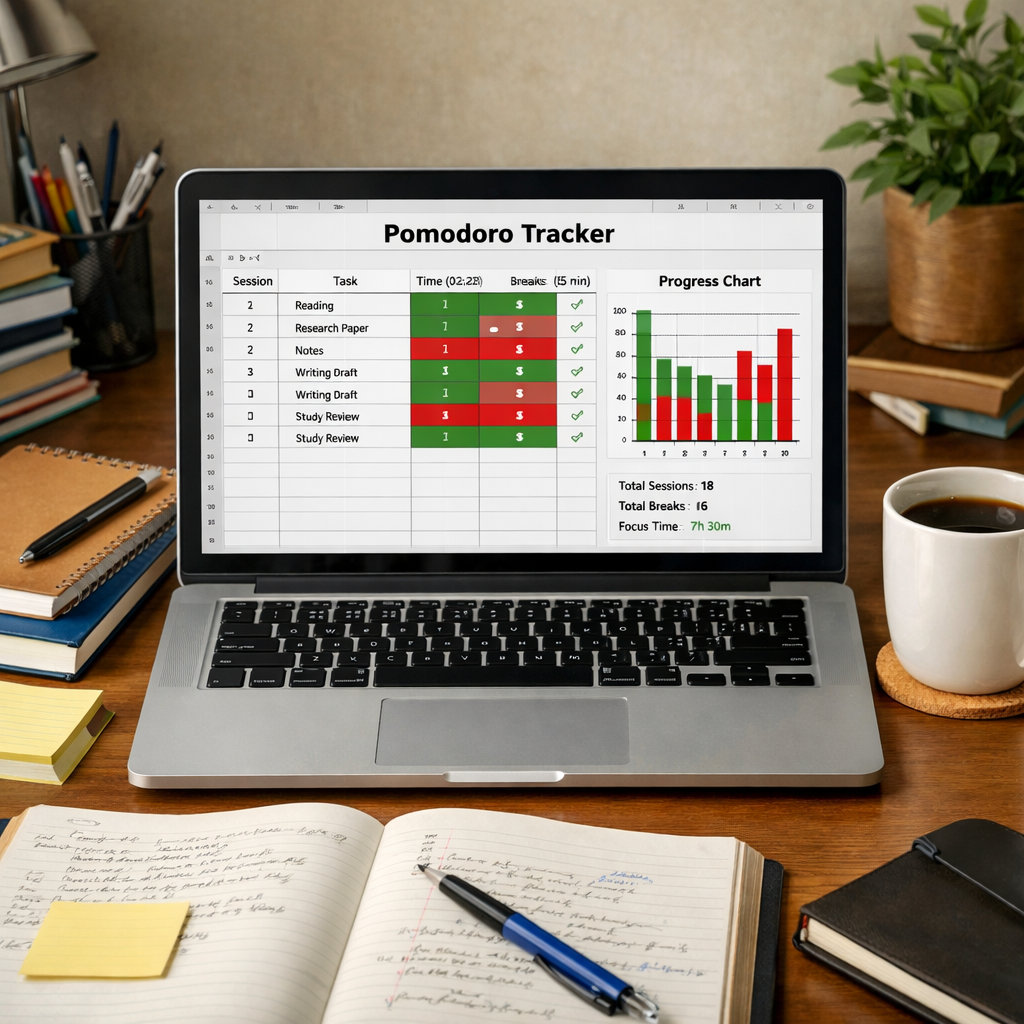
Seeing how much you’ve accomplished can be a huge motivator. Many simple Pomodoro timers have a feature where you can mark off completed work intervals. Don’t underestimate the power of these little checkmarks. Over time, you can see a pattern of focused work emerge. Some people like to keep a simple tally sheet or use a digital log. Seeing that you’ve completed, say, 12 Pomodoros in a week can be really satisfying. It shows you that you’re making tangible progress, even on days when it feels like you’re just slogging through.
Keeping a record of your completed Pomodoro sessions can provide a clear visual of your productivity. This data can help you identify patterns, understand your peak focus times, and adjust your schedule accordingly for even better results.
Benefits Of A Simple Pomodoro Timer
Improved Concentration and Focus
Using a simple Pomodoro timer can really help you zero in on what you’re doing. When you know you only have a set amount of time, like 25 minutes, to work on something without interruption, it’s easier to push distractions aside. It’s like a mini-challenge to yourself. This focused burst of work, followed by a short break, trains your brain to concentrate better over time. You’re not trying to power through for hours, which often leads to your mind wandering. Instead, you’re working in manageable sprints.
Reduced Burnout and Fatigue
Let’s be honest, staring at a screen for too long without a break is exhausting. The Pomodoro Technique, with its built-in short breaks, acts as a built-in reset button. These aren’t just random breaks; they’re scheduled pauses that give your eyes a rest, your mind a chance to wander (in a good way!), and your body a moment to move. This regular downtime prevents that heavy, tired feeling that creeps up when you’re working non-stop. It’s about working smarter, not just harder, to keep your energy levels up throughout the day.
Increased Sense of Accomplishment
There’s something really satisfying about seeing a list of tasks and being able to tick them off. When you use a Pomodoro timer, each completed work interval, or ‘pomodoro’, often corresponds to a chunk of progress on your task. You can literally see how many focused work sessions you’ve put in. This visual progress is a great motivator. It breaks down big projects into smaller, achievable steps, making them feel less overwhelming and giving you a regular sense of accomplishment as you move through your to-do list. It’s a simple way to feel productive and keep that momentum going.
The structured nature of the Pomodoro Technique, facilitated by a simple timer, helps to create a predictable rhythm for your workday. This rhythm can reduce the mental load of deciding when to work and when to rest, freeing up cognitive resources for the actual tasks at hand.
Wrapping Up
So, there you have it. The Pomodoro Technique isn’t some complicated system; it’s just a straightforward way to break up your work and get more done. Whether you use a fancy app or just a simple kitchen timer, the core idea is the same: focused work, followed by a short break. Give it a shot for a week. You might be surprised at how much more you can accomplish without feeling totally drained at the end of the day. It’s a small change that can make a big difference in your daily grind.
Frequently Asked Questions
What exactly is the Pomodoro Technique?
The Pomodoro Technique is a method for managing your time. It involves breaking your work into short, focused bursts, usually 25 minutes long, called ‘pomodoros.’ After each pomodoro, you take a short break. This helps you stay sharp and avoid getting tired too quickly.
Why is it called the ‘Pomodoro’ Technique?
The name comes from the Italian word for ‘tomato.’ The creator of the technique, Francesco Cirillo, used a tomato-shaped kitchen timer when he was a student. So, each work session became known as a ‘pomodoro’ after his timer.
How does using a simple timer help with productivity?
A simple timer keeps you focused on the task at hand. Knowing you only have a set amount of time, like 25 minutes, makes it easier to concentrate and avoid distractions. The scheduled breaks also prevent burnout, keeping you more productive over longer periods.
Can I change the work and break times?
Absolutely! While 25 minutes for work and 5 minutes for a break is the classic setup, you can adjust these times. Many people find that slightly different intervals work better for their personal style or the type of task they’re doing. The key is to find what helps you concentrate best.
What should I do during my breaks?
Breaks are for resting your mind and body. It’s best to step away from your work completely. You could stretch, walk around, grab a drink, or just close your eyes for a few minutes. Avoid doing anything too mentally demanding or that might pull you back into work mode.
How often should I take longer breaks?
After completing about four ‘pomodoros’ (four work intervals), it’s recommended to take a longer break. This could be 15 to 30 minutes. These longer breaks give you a chance to really recharge before starting another set of focused work sessions.