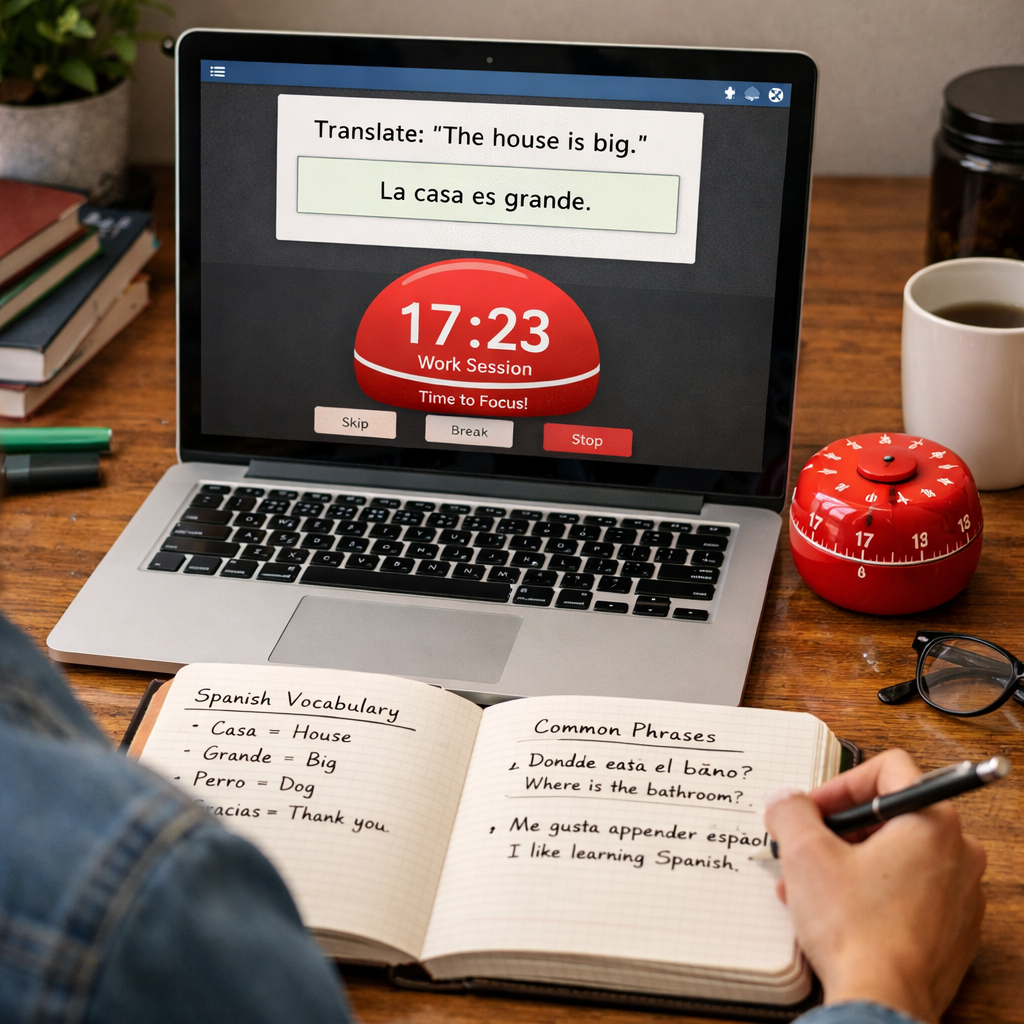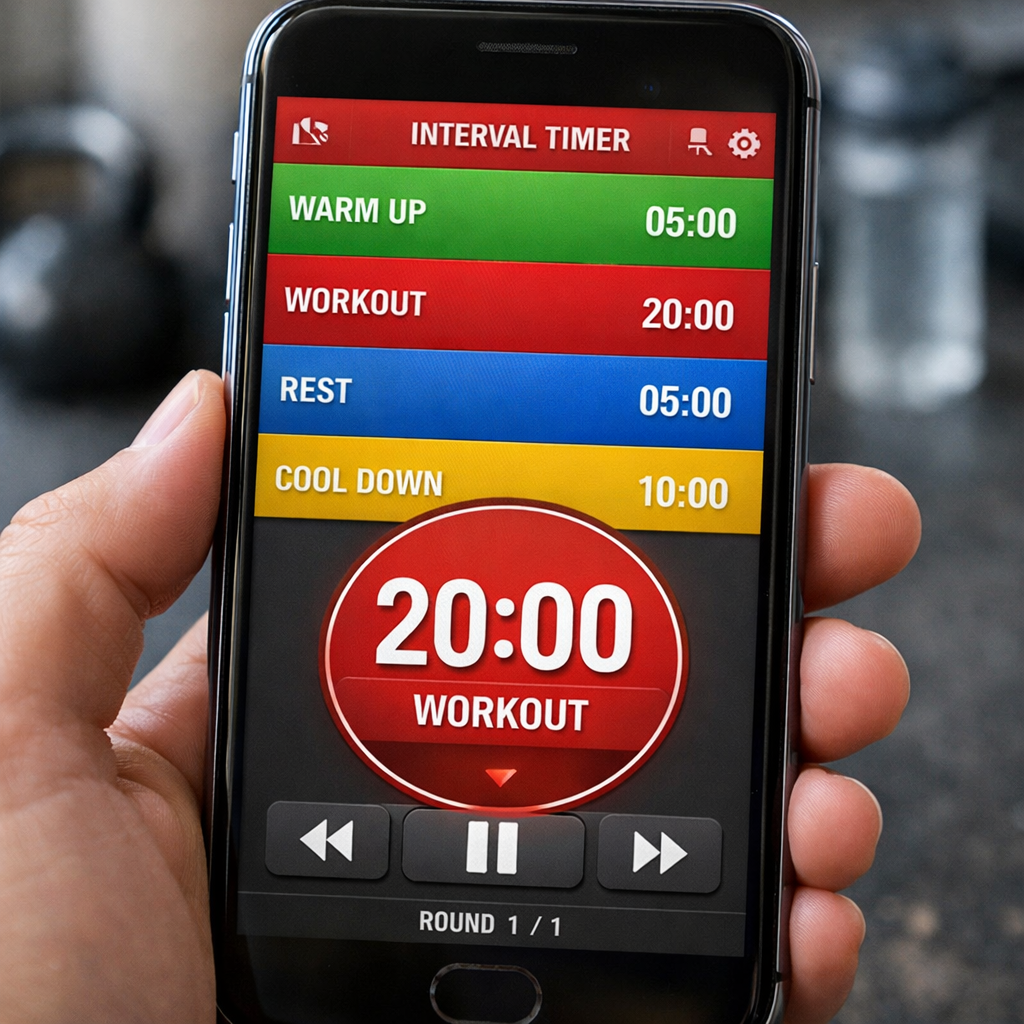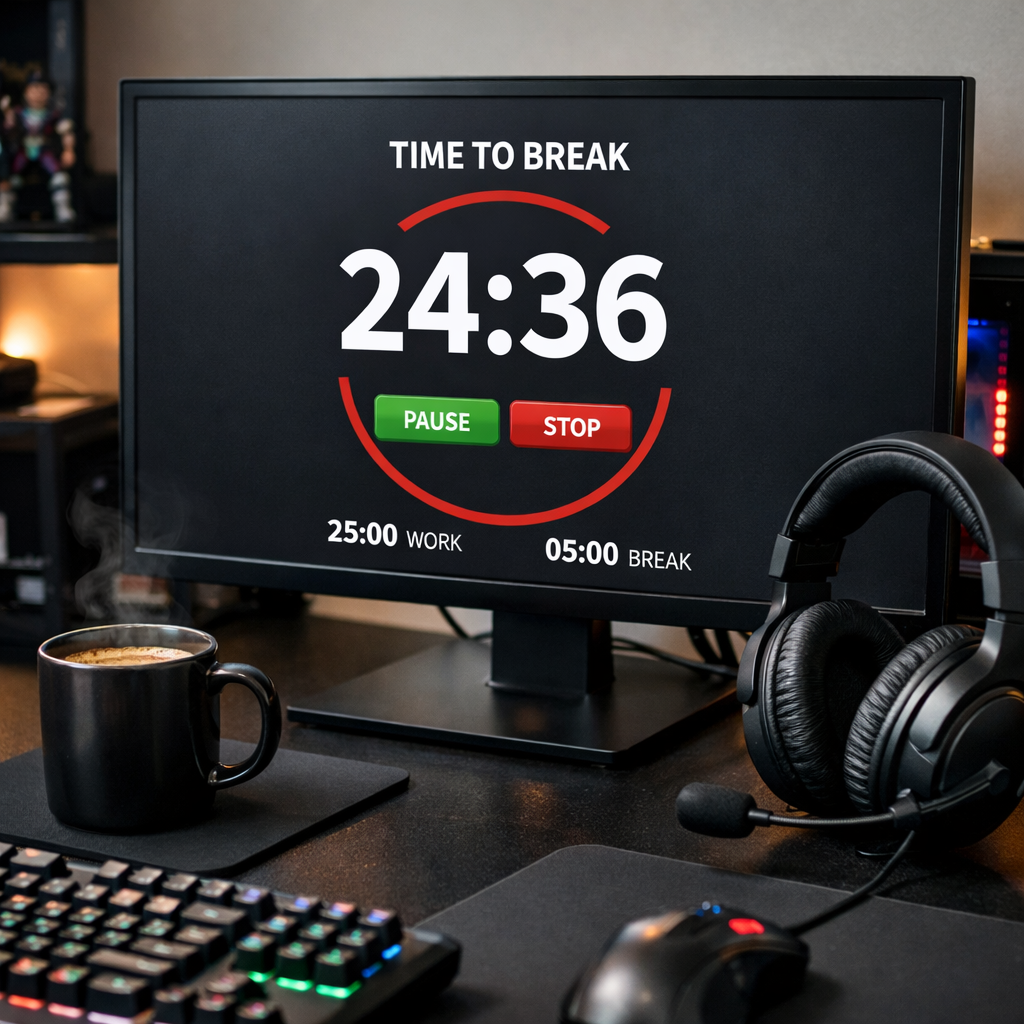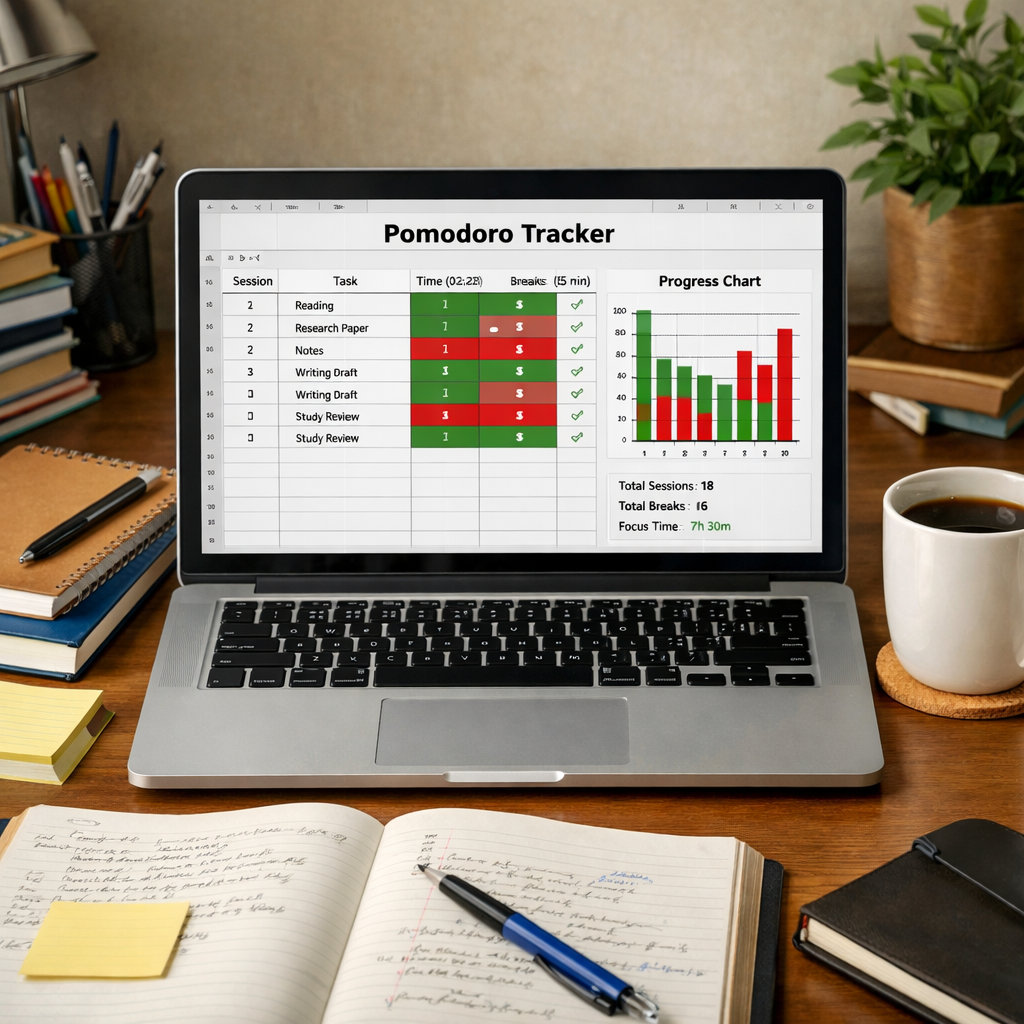

Feeling like your to-do list is a mile long and you can barely focus on one thing? Yeah, I get that. It feels like there’s always something pulling your attention away, right? That’s where the Pomodoro Technique comes in. It’s a simple way to break up your work into manageable chunks, kind of like using a timer for short bursts of focus. We’re going to look at some pomodoro tips that can really help you get more done without feeling totally wiped out. It’s not magic, but it’s pretty close.
Key Takeaways
- Get the basics down: Understand the 25-minute work, 5-minute break cycle. Pick one task for each work period. Make sure you have your timer and a way to list your tasks ready to go.
- Make your space work for you: Clear away clutter, use headphones if needed, and keep everything you need within arm’s reach so you don’t waste time looking for stuff.
- Work smarter, not just harder: You can tweak the work and break times to fit what you’re doing. Try grouping similar small tasks together to get them done faster.
- Handle interruptions: If your mind wanders, jot down the thought for later. If someone interrupts, politely say you’ll get back to them. If it’s urgent, pause your timer and restart when you can.
- Don’t skip breaks: Seriously, take them. Short breaks refresh your mind, and longer breaks after a few cycles help prevent burnout. Pay attention to how you’re feeling energy-wise and adjust.
Mastering The Pomodoro Technique Fundamentals
So, you want to get more done without feeling like you’re constantly running on fumes? The Pomodoro Technique is a pretty straightforward way to tackle that. It’s all about breaking your work into focused chunks, separated by short breaks. Think of it like sprinting, but for your brain. This method, created by Francesco Cirillo back in the day, uses a kitchen timer (hence the name, "Pomodoro" is Italian for tomato) to keep you on track.
Understand The Core Pomodoro Cycle
The basic idea is simple: you work intensely for a set period, then you take a short break. This cycle helps your brain stay sharp and prevents that dreaded burnout. It’s not about working longer, but working smarter.
Here’s the breakdown:
- Set your timer for 25 minutes. This is your "Pomodoro." It’s a short enough burst to feel manageable, even for tasks you’ve been putting off.
- Work on one task, no distractions. Seriously, put the phone away, close those extra tabs. Your only job is to focus on that one thing until the timer rings.
- When the timer goes off, stop. Even if you’re on a roll, take a 5-minute break. Stand up, stretch, grab some water. Just step away from your work.
- After four Pomodoros, take a longer break. This one should be 15 to 30 minutes. It’s your chance to really recharge before starting the next set of focused work.
This rhythm helps your brain work with its natural energy cycles, rather than fighting against them. It’s about sustainable productivity.
Choose Your Ideal Task For Each Session
Picking the right task for each 25-minute sprint is key. You don’t want to start a Pomodoro session only to realize the task is way too big or too small.
- Break down big projects: If "write report" is on your list, that’s too much for one Pomodoro. Instead, try "outline report introduction" or "research section 2." Make it specific.
- Avoid tasks that require constant context switching: Trying to answer emails, write code, and design a graphic all in one Pomodoro is a recipe for disaster. Stick to one thing.
- Consider your energy levels: Save the more demanding tasks for when you’re feeling most alert. Lighter tasks can fill in the gaps.
Gather Essential Tools For Success
You don’t need fancy equipment to get started. The most important tools are simple and probably already within reach.
- A Timer: This is non-negotiable. A simple kitchen timer, your phone’s timer app, or a dedicated Pomodoro app will work just fine. The physical act of setting a timer can be a good mental cue.
- A Task List: Whether it’s a notebook, a sticky note, or a digital to-do list, have a place to write down what you need to accomplish. This helps you stay organized and gives you a clear target for each Pomodoro.
- A "Distraction Pad": Keep a notepad or a digital document handy. When an unrelated thought or task pops into your head during a Pomodoro, jot it down here to deal with later. This gets it out of your head without derailing your current focus.
Optimizing Your Work Environment For Focus
Okay, so you’ve got the Pomodoro cycle down, but if your workspace is a chaotic mess, you’re fighting an uphill battle. Making your environment work for you, not against you, is a big deal. It’s about setting up your physical space so your brain can actually settle down and do the work.
Minimize Distractions In Your Workspace
This is probably the most obvious one, but it’s worth hammering home. Think about what pulls your attention away. Is it the pile of mail on your desk? The constant ping of notifications? The view out the window?
- Declutter your desk: Seriously, a clean space makes a difference. Get rid of anything that doesn’t directly relate to the task you’re about to tackle. A clear desk often leads to a clearer mind.
- Silence the digital noise: Turn off non-essential notifications on your computer and phone. If you can, close down any browser tabs that aren’t directly related to your current Pomodoro task. Even a quick glance at social media can throw you off for minutes.
- Communicate your focus time: If you share your space with others, let them know you’re entering a focus period. A simple sign on your door or a quick message can prevent unnecessary interruptions.
The goal here isn’t to create a sterile, boring environment, but rather one that supports your concentration. It’s about removing the friction that pulls you away from your work.
Utilize Sound To Enhance Concentration
Sound can be a double-edged sword. Loud, unpredictable noises are obviously bad, but sometimes complete silence can feel too intense. Finding the right audio environment can really help.
- Noise-canceling headphones: These are a lifesaver if you’re in a noisy office or home. They create a personal bubble of quiet.
- Focus music: Instrumental music, ambient sounds, or even white noise can mask distracting background sounds and help you get into a flow state. There are tons of playlists specifically designed for concentration.
- The power of quiet: For some, the best sound is no sound at all. If that works for you, embrace it! Just make sure your quiet space is truly free from disruptive noises.
Keep Necessary Tools Within Easy Reach
Imagine you’re in the zone, deep into a Pomodoro, and suddenly you realize you need a different pen or a specific file. Scrambling around to find it breaks your concentration and wastes precious minutes. Having everything you need at your fingertips is non-negotiable for smooth Pomodoro sessions.
Here’s a quick checklist:
- Task-specific items: If you’re writing, have your notebook, pens, and any reference materials ready. If you’re coding, make sure your IDE is open and any necessary documentation is accessible.
- Hydration and snacks: Keep a water bottle or a healthy snack nearby to avoid needing to get up mid-session.
- Digital tools: Ensure any software, apps, or websites you need are open and ready to go. Minimize the need to search for anything online.
By taking a few minutes before each Pomodoro to set up your environment and gather your tools, you’re setting yourself up for success. It’s a small investment of time that pays off big in focused, productive work.
Effective Strategies For Pomodoro Implementation
So, you’ve got the basics of the Pomodoro Technique down. That’s great! But how do you actually make it work for you and your specific workload? It’s not just about setting a timer and hoping for the best. You’ve got to be a bit strategic about it. Let’s talk about making this whole thing stick.
Customizing Time Intervals To Your Needs
The classic 25-minute work sprint with a 5-minute break is a good starting point, but honestly, it’s not a one-size-fits-all deal. Some days, 25 minutes feels like just enough time to get into the groove before you have to stop. Other times, you might be deep in concentration and a 5-minute break feels more like an annoyance than a rest. Don’t be afraid to tweak things. Maybe you find that 40 minutes of focused work followed by a 10-minute break works better for your brain. Or perhaps for really tough, brain-draining tasks, you stick to the shorter 25-minute bursts to avoid feeling completely wiped out. The key is to experiment and find what keeps you productive without burning out. It’s all about working with your natural energy levels, not against them.
Applying Pomodoro Tips To Diverse Tasks
People sometimes think the Pomodoro Technique is only for coding or writing. Nope! It’s surprisingly flexible. Think about it:
- Creative Work: Stuck on a design or trying to brainstorm ideas? Pomodoro can help you get into a flow state without getting overwhelmed by the sheer size of the project. Just focus on one aspect for your timed session.
- Admin Stuff: Got a pile of emails or expense reports? Breaking these often tedious tasks into timed chunks can make them feel less daunting and help you power through.
- Meetings: Yes, even meetings! You can use timed sessions for specific agenda items, followed by short breaks to discuss progress or just stretch. It keeps everyone more engaged.
Batching Similar Tasks For Efficiency
This one’s a game-changer. Instead of checking your email every time a notification pops up, or jumping between different types of small tasks, try grouping them. Dedicate a specific Pomodoro session (or two) just for emails, or just for making quick phone calls. This way, you’re not constantly switching gears, which really drains your mental energy. It helps you get into a rhythm and power through a whole category of tasks more effectively. You can find some great apps to help manage these timed work sessions if you want to get fancy.
The goal isn’t to rigidly follow a set of rules, but to use the structure of timed work and breaks to build a more focused and sustainable way of getting things done. It’s about finding what makes your productivity soar.
Navigating Interruptions During Work Sprints
Interruptions are a part of life, especially when you’re trying to get things done. The Pomodoro Technique isn’t about pretending the world stops; it’s about having a plan for when it inevitably intrudes on your focus time. The goal is to handle disruptions without completely derailing your progress.
Managing Internal Distractions Effectively
Sometimes, the biggest interruptions come from inside your own head. A sudden brilliant idea, a nagging worry, or just a random thought can pull you away from your task. When this happens, don’t just let it float around. Grab a notepad or open a digital note and quickly jot down whatever popped into your mind. This act of writing it down frees up your mental space, letting you return to your Pomodoro knowing you won’t forget it. You can then revisit these notes during a break or after your work session.
Handling External Interruptions Politely
When someone else interrupts, whether it’s a colleague, a family member, or a notification, try to be polite but firm. If it’s not urgent, a simple "I’m in the middle of something right now, but I can help you in about [X] minutes when my timer is up" usually works. For truly urgent matters that can’t wait, you’ll need to pause your Pomodoro. Acknowledge the interruption, deal with it, and then decide whether to restart the timer from scratch or resume where you left off. Restarting is often best to maintain the integrity of the focus block.
Restarting Pomodoros After Urgent Issues
If an interruption was significant enough to pull you away for a while, it’s often best to restart the Pomodoro. This isn’t a failure; it’s a practical adjustment. Trying to pick up exactly where you left off after a major disruption can be difficult and might not lead to effective focus. Restarting the timer gives you a clean slate, allowing you to re-engage with the task with fresh concentration. Think of it as hitting a reset button to get back on track.
Here’s a quick guide for handling interruptions:
- Internal Thoughts: Jot them down on a separate list to address later.
- Non-Urgent External: Politely defer the interaction until your Pomodoro ends.
- Urgent External: Pause the timer, address the issue, and then restart the Pomodoro.
Remember, the Pomodoro Technique is a tool to help you focus, not a rigid rulebook. Flexibility is key. If an interruption forces you to stop, don’t beat yourself up. Just reset and get back to it.
Sustaining Momentum With Breaks

Breaks are where the magic happens, honestly. It sounds counterintuitive, right? You’re trying to get more done, so you should work more. But with the Pomodoro Technique, it’s the opposite. Those short pauses are what keep you from burning out and actually help you focus better when you return to your work. Think of it like this: your brain isn’t a machine that can run at full speed forever. It needs little pit stops to refuel.
The Importance Of Short, Refreshing Breaks
These aren’t just random pauses; they’re planned moments to step away. After a solid 25-minute sprint, your brain has been working hard. A 5-minute break is your chance to reset. What should you do? Anything that isn’t work. Stand up, stretch, grab a glass of water, or just stare out the window for a bit. The key is to completely disconnect from your task. Avoid checking emails or scrolling through social media, as that can actually drain your mental energy instead of restoring it. It’s about giving your mind a quick breather so it’s ready for the next focused work session.
Leveraging Longer Breaks For Deeper Rest
After about four Pomodoro sessions, you get a longer break, usually 15 to 30 minutes. This isn’t just a slightly longer version of the short break; it’s for more substantial recovery. Use this time to really step away. Go for a short walk, do some quick exercises, or listen to a song. It’s a chance to recharge more deeply, which is super important if you’re tackling a big project or have a long day ahead. Skipping these longer breaks is a fast track to feeling drained.
Listening To Your Energy Levels
While the standard 25/5 minute split is a great starting point, don’t be afraid to tweak it. Some days, you might find that 25 minutes is just too long, and you’re losing focus halfway through. Other days, you might be in a deep flow and could easily go for 40 minutes. Pay attention to how you feel. If you’re consistently struggling to focus for the full 25 minutes, try shortening your work intervals to 20 minutes. If you’re finding yourself hitting your stride at the 20-minute mark, maybe extend to 30 minutes. The goal is to find a rhythm that works for you and your current energy levels. It’s not about rigidly sticking to a timer, but about using the timer as a tool to manage your focus and energy effectively.
The Pomodoro Technique is built around cycles of work and rest. These breaks aren’t a sign of slacking off; they are an integral part of the process designed to maintain high performance over time. Treat them as seriously as you treat your work intervals.
Avoiding Common Pomodoro Pitfalls
It’s easy to get excited about the Pomodoro Technique and then trip over a few common mistakes that can really mess with your flow. Let’s talk about how to sidestep these issues so you can actually get more done.
Preventing Overloading Your Work Sessions
Sometimes, we look at a task and think, "Yeah, I can totally finish this in 25 minutes." Then, 25 minutes later, we’re nowhere near done, and we feel a bit defeated. This happens a lot when you’re new to Pomodoro or when a task is just bigger than you initially thought. The trick here is to break things down. Instead of putting "Write report" on your list, try "Outline report introduction" or "Research section 2." Small, achievable steps feel way better and actually move you forward.
Committing Fully To Scheduled Breaks
This one’s a biggie. You’re in the zone, the timer goes off, and you think, "Just five more minutes, I’m on a roll!" But here’s the thing: those breaks are not optional. They’re the whole point. Skipping them is like trying to run a marathon without stopping for water – you’ll just burn out. Make sure you actually step away. Get up, stretch, look out the window, grab a coffee. Your brain needs that reset.
Avoiding Multitasking During Focus Time
Pomodoro is all about single-tasking. Trying to answer emails, scroll through social media, and work on your main task all at once during a 25-minute sprint is a recipe for disaster. You end up doing a bunch of things poorly instead of one thing well. If a random thought or a new task pops into your head, just jot it down on a piece of paper nearby and deal with it later. Keep your eyes on the prize for those 25 minutes.
Giving The Technique Sufficient Time
Don’t expect miracles overnight. Like any new habit, Pomodoro takes a little while to stick. Some people try it for a day or two, don’t see massive changes, and then ditch it. That’s a shame! Give it at least a week. Track how many Pomodoros you complete and how you feel. You’ll start to notice patterns and improvements. Adjust the timings if needed, but give it a real shot before deciding it’s not for you.
The Pomodoro Technique is a tool, not a magic wand. Its effectiveness comes from consistent application and a willingness to adapt it to your own rhythm. Don’t let minor slip-ups derail your progress; learn from them and keep going.
Tracking Progress And Adapting Your Approach
So, you’ve been using the Pomodoro Technique, which is great! But how do you know if it’s actually working for you? That’s where tracking your progress comes in. It’s not just about setting a timer and working; it’s about looking at what you’ve done and figuring out how to do it even better.
Monitoring Your Pomodoro Completion
Keeping tabs on how many Pomodoros you finish is a simple yet effective way to see your output. Think of it like collecting points for each focused work session. You can use a notebook, a simple spreadsheet, or even a dedicated app for this. Just a quick checkmark or a tally mark after each completed session adds up.
Here’s a basic way to track it:
| Day | Planned Pomodoros | Completed Pomodoros | Notes |
|---|---|---|---|
| Monday | 8 | 7 | Got interrupted during session 3 |
| Tuesday | 8 | 8 | Felt very focused all day |
| Wednesday | 8 | 6 | Afternoon slump hit hard |
| Thursday | 8 | 7 | Task 2 took longer than expected |
| Friday | 8 | 8 | Productive end to the week |
Seeing these numbers grow can be a real motivator. It shows you tangible proof of your focused effort.
Reviewing Productivity Patterns
Once you’ve been tracking for a bit, it’s time to look for trends. Are you more focused in the morning? Do you hit a wall around 3 PM? Maybe certain types of tasks always take more Pomodoros than you initially thought.
- Morning vs. Afternoon: Notice if your focus levels differ significantly between morning and afternoon sessions.
- Task Difficulty: Identify which tasks consistently require more or fewer Pomodoros than planned.
- Distraction Impact: See if specific times of day or types of interruptions lead to more unfinished Pomodoros.
- Break Effectiveness: Reflect on whether your breaks are truly refreshing or if you’re tempted to skip them.
Understanding these patterns is key. It’s not about judging yourself, but about gathering information to make smarter choices about your work schedule and how you approach different tasks.
Adjusting Your Schedule For Peak Performance
Based on what you discover from tracking and reviewing, you can start tweaking things. The Pomodoro Technique isn’t set in stone; it’s a flexible tool. If you consistently find yourself losing focus every afternoon, maybe schedule your most demanding tasks for the morning and lighter ones for the afternoon. If a particular task always runs over, perhaps allocate two Pomodoros to it next time, or break it down into smaller steps. Don’t be afraid to experiment with slightly different work/break intervals if the standard 25/5 isn’t quite hitting the mark for a specific type of work. The goal is to make the technique work for you, not the other way around.
Keep It Going
So there you have it. The Pomodoro Technique isn’t some magic bullet, but it’s a really solid way to get more done without burning yourself out. It’s all about working smarter, not just harder, by breaking things down into manageable chunks and actually taking those breaks. Give it a shot, play around with the timings if you need to, and see how it fits into your day. You might be surprised at how much more you can accomplish when you’re focused and refreshed. Happy working!
Frequently Asked Questions
What exactly is the Pomodoro Technique?
Think of it like a special way to work that uses a timer. You focus really hard on one task for a short time, like 25 minutes. Then, you take a quick break. You do this a few times, and then take a longer break. It’s named after a tomato-shaped kitchen timer!
Why is it called ‘Pomodoro’?
The guy who invented this method, Francesco Cirillo, used a tomato-shaped kitchen timer when he was a student. ‘Pomodoro’ is Italian for tomato. So, he named his time-management trick after his timer!
Can I change the timer times?
Yes, you can! While 25 minutes of work and 5 minutes of break is the usual way, you can adjust it. If 25 minutes feels too short or too long for a task, try 30 or 40 minutes. The main idea is to work in focused bursts and then rest.
What if I get interrupted during a work session?
It happens! If a thought pops into your head, quickly write it down to deal with later. If someone interrupts you, politely tell them you’re in a focused work session and will get back to them when your timer is done. If it’s super urgent, you might have to pause your timer and restart it later.
How do I know if it’s working for me?
Try it for a week! Keep track of how many work sessions (Pomodoros) you finish and how you feel. You might notice you get more done and feel less tired. If something isn’t working, like the timer length, don’t be afraid to tweak it a bit.
Is the Pomodoro Technique good for group work?
It sure can be! You can use it for team projects or meetings. Break down the work into focused time slots, then take breaks to talk about what you’ve done. It helps everyone stay focused without getting worn out.