Trying to get work done can feel like a battle sometimes, right? Distractions pop up, motivation dips, and before you know it, hours have passed with little to show for it. That’s where a pomodoro timer with sounds can really make a difference. It’s a simple approach to time management, but adding sound can take it to a whole new level, helping you stay on track and get more done.
Key Takeaways
- The Pomodoro Technique breaks work into focused intervals, typically 25 minutes, followed by short breaks, helping manage time and prevent burnout.
- A pomodoro timer with sounds adds an auditory layer to the technique, using specific soundscapes to aid concentration and create a productive environment.
- Customizing work/break times and selecting personalized soundscapes, like Baroque music or rain sounds, allows users to tailor the experience to their focus needs.
- Sounds like Baroque music are thought to boost cognitive function, while nature sounds like rain can create a calming atmosphere, both contributing to deeper focus.
- Integrating a pomodoro timer with sounds involves choosing alerts, adjusting volumes, and using features like ticking sounds to support a consistent workflow.
Understanding The Pomodoro Timer With Sounds
What Is The Pomodoro Technique?
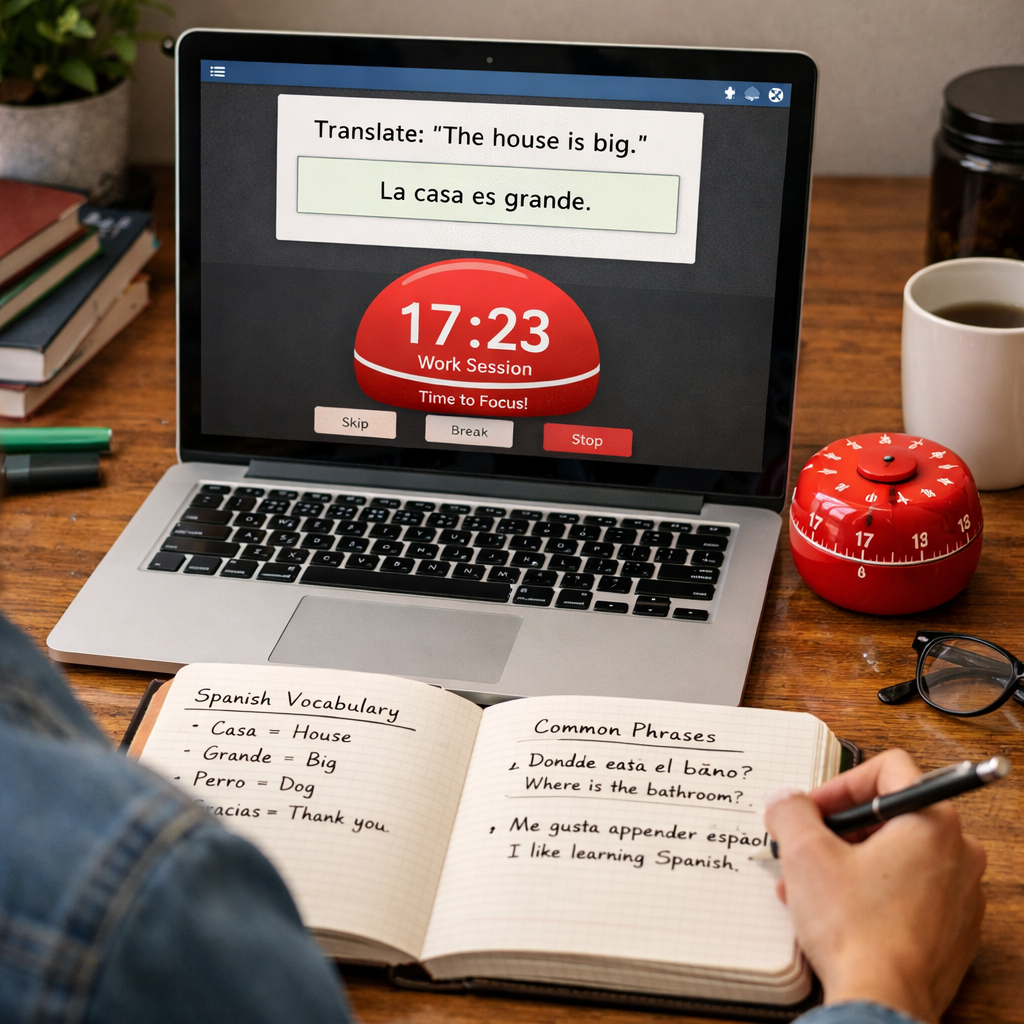
The Pomodoro Technique is a time management method that breaks down work into focused intervals, typically 25 minutes long, separated by short breaks. It was developed by Francesco Cirillo in the late 1980s. The name comes from the Italian word for ‘tomato’ because Cirillo used a tomato-shaped kitchen timer when he was a student. The idea is simple: dedicate a block of time to a single task, work on it without interruption until the timer rings, take a short break, and then repeat. After a few of these work cycles, you take a longer break. This structured approach helps make tasks feel less daunting and keeps your mind fresh.
How A Pomodoro Timer Enhances Productivity
A Pomodoro timer is your best friend when it comes to getting things done. It provides a clear structure for your workday, making it easier to start and finish tasks. By setting a timer, you create a sense of urgency and commitment to the task at hand. This helps combat procrastination and keeps you focused on what needs to be done. The regular breaks are just as important; they prevent mental fatigue and allow you to return to your work with renewed energy. It’s a simple yet effective way to manage your time and boost your output. Many apps, like Focus To-Do, integrate scheduling and timing to help you manage projects with multiple steps.
The Role Of Sounds In Focus Enhancement
Sounds play a surprisingly big role in how well we can concentrate. For some people, complete silence is best, but for others, a little background noise can actually help drown out distracting sounds and create a more focused environment. This is where a Pomodoro timer with sound features comes in handy. It’s not just about the timer itself, but also about the audio cues and ambient sounds that can accompany your work sessions. These sounds can signal the start and end of work periods, provide a calming backdrop, or even help mask disruptive noises from your surroundings. The right soundscape can transform your workspace into a productivity haven.
Using sounds effectively means understanding what works for you. It’s about creating an audio environment that supports, rather than hinders, your concentration. Experimenting with different types of sounds is key to finding your perfect focus mix.
Customizing Your Pomodoro Timer With Sounds
So, you’ve got the basic idea of the Pomodoro Technique down, and you’re ready to make it your own. That’s where customization comes in. It’s not just about setting a timer; it’s about creating a focus environment that actually works for you. Think of it like tailoring a suit – you want it to fit perfectly, right? The same goes for your productivity tools.
Adjusting Work And Break Intervals
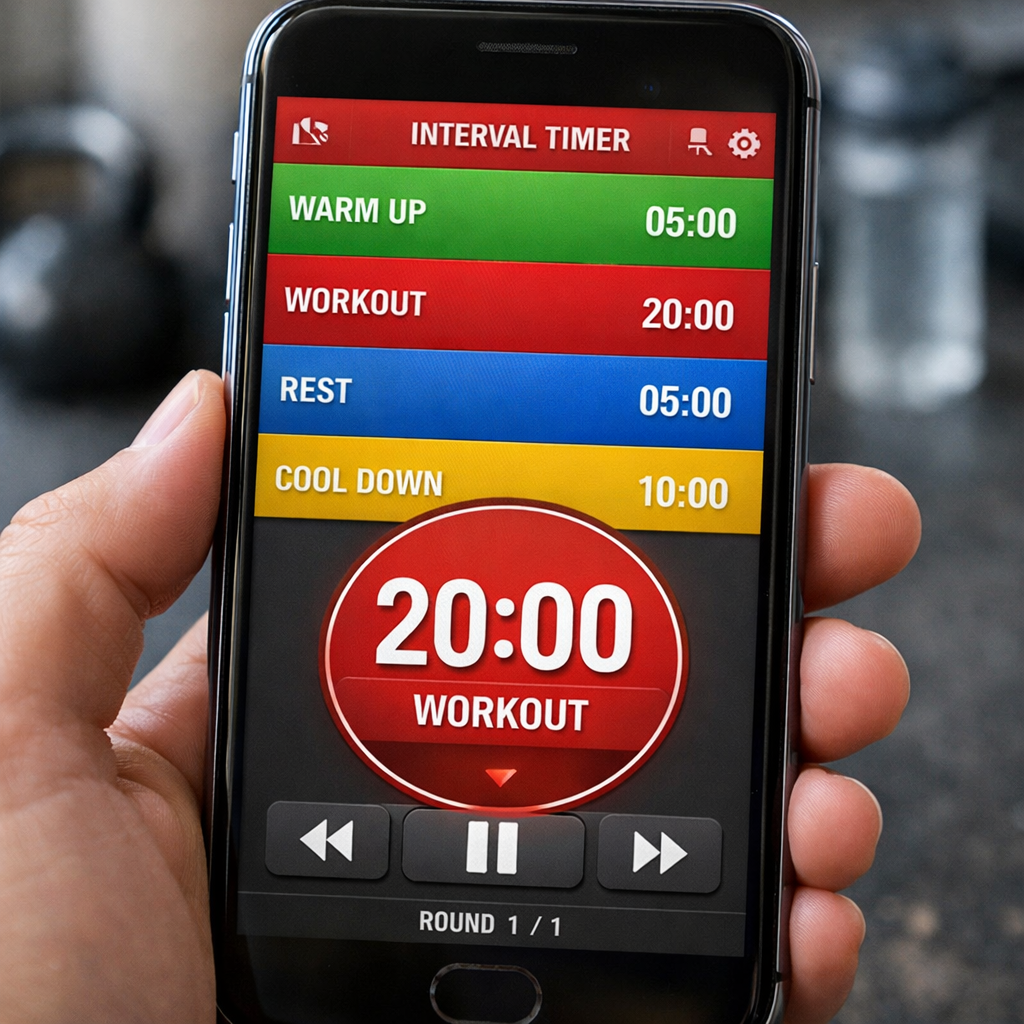
This is the heart of making the Pomodoro Technique fit your rhythm. The classic 25-minute work, 5-minute break is a great starting point, but it’s not a one-size-fits-all solution. Some people find they can concentrate for longer stretches, maybe 45 or even 50 minutes, before needing a breather. Others might do better with shorter bursts, like 15 or 20 minutes, especially if they’re tackling really demanding tasks or are easily distracted.
Here’s a quick look at how different intervals might suit various needs:
| Scenario | Work Interval | Short Break | Long Break | Notes |
|---|---|---|---|---|
| Deep Work / Coding | 50 minutes | 10 minutes | 20 minutes | For sustained concentration |
| Creative Tasks / Writing | 25 minutes | 5 minutes | 15 minutes | Shorter bursts can spark new ideas |
| Studying / Learning New Info | 20 minutes | 5 minutes | 10 minutes | Good for absorbing information |
| Easily Distracted Individuals | 15 minutes | 3 minutes | 10 minutes | Frequent resets can maintain focus |
Don’t be afraid to experiment. Try a few different combinations over a week and see which one leaves you feeling most productive and least drained. It’s all about finding that sweet spot where you’re getting work done without feeling like you’re burning out.
Personalizing Your Soundscapes
Now, let’s talk about the fun part: the sounds! This is where a Pomodoro timer with sound features really shines. The right audio environment can make a huge difference in your ability to concentrate. It’s not just about blocking out distractions; it’s about creating a positive, focused atmosphere.
- Music Choice: Are you someone who needs a bit of energy from music, or do you prefer something more subtle? Some timers let you choose genres, like classical or ambient electronic, while others offer specific playlists designed for focus.
- Nature Sounds: For many, the gentle patter of rain, the chirping of birds, or the sound of a flowing stream can be incredibly calming and help to mask distracting background noise.
- White Noise/Ambient: Sometimes, a simple, consistent sound like white noise, brown noise, or even the hum of a fan can create a steady auditory backdrop that helps your brain settle down.
The goal here is to find sounds that fade into the background, becoming part of your environment rather than a distraction themselves. What works for one person might be irritating to another, so personal preference is key.
Selecting Ambient Backgrounds
Beyond just the sounds, many customizable timers also let you change the visual theme or background. This might seem less important than the audio, but our eyes play a role in our mood and focus too. A cluttered or jarring visual can be just as distracting as a loud noise. Choosing a clean, minimalist, or nature-inspired background can contribute to a more serene workspace. Some apps even offer animated backgrounds, like a slowly moving forest scene or a calm ocean view, which can add a touch of visual interest without being overwhelming. It’s about creating a holistic sensory experience that supports your concentration.
Leveraging Sounds For Deeper Concentration
Sometimes, just the ticking of a clock isn’t enough to really get into the zone. That’s where specific audio environments come in handy. We’re talking about using sounds that are actually designed to help your brain focus, not just distract it.
The Power Of Baroque Music For Focus
It might sound a bit old-fashioned, but Baroque music, especially pieces from the Largo period, has a reputation for helping people concentrate. Think of the intricate melodies and steady rhythms – they seem to create a sort of mental scaffolding. It’s not about being entertained; it’s about having a consistent, non-intrusive soundscape that keeps your mind from wandering. Studies have actually looked into this, suggesting that the structure of this music can positively affect cognitive functions. It’s like having a gentle, intellectual hum in the background.
Creating Serenity With Rain Sounds
For many, the sound of rain is incredibly calming. It’s a natural white noise that can mask other, more jarring sounds in your environment. Whether it’s a gentle drizzle or a steady downpour, these sounds can create a peaceful atmosphere. This kind of auditory environment is great for reducing stress and making your workspace feel more like a sanctuary. It helps to quiet the mental chatter, allowing you to concentrate on the task at hand without feeling overwhelmed.
Blending Music And Nature Sounds
Why choose just one when you can have both? Combining Baroque music with rain sounds can create a really unique and effective focus environment. You can adjust the intensity of each, perhaps having the rain as a base layer and the music weaving through it. This blend can offer the structured focus of the music with the calming, masking effect of nature sounds. It’s about building a personalized audio bubble that works for you.
Experimenting with different sound combinations is key. What works for one person might not work for another, so don’t be afraid to play around with volume levels and the mix of sounds until you find your perfect concentration soundtrack. It’s a personal journey to auditory productivity.
Here’s a quick look at how different sound types might help:
- Baroque Music: Steady rhythm, complex but structured, can aid cognitive function.
- Rain Sounds: Natural white noise, masks distractions, promotes calm.
- Combined: Offers a layered approach, balancing structure with serenity.
Integrating Sounds Into Your Workflow
So, you’ve got your work and break times set, and you’ve picked out some nice ambient sounds. That’s great! But how do you actually make these sounds work for you, not just around you? It’s all about the little details, the finishing touches that really make a Pomodoro timer with sounds a powerful tool.
Choosing Timer Completion Alerts
When a work interval ends, or a break is over, you need a clear signal. This isn’t just about a beep; it’s about a sound that gently pulls you out of your task without jolting you. Some apps let you pick from a few alarm sounds. Think about what works best for you. Do you prefer a soft chime, a gentle bell, or maybe something a bit more distinct? It’s a good idea to try a few out to see which one reliably gets your attention without making you jump out of your skin.
Adjusting Sound Volumes
This is a big one. The background sounds, like rain or music, should be just that – background. They should be present enough to mask distractions but quiet enough that they don’t become a distraction themselves. You want to find that sweet spot. Then there are the alert sounds. These need to be loud enough to hear, even if you’re engrossed in something, but not so loud they’re jarring. Most timers let you adjust the volume for both the background ambiance and the alerts separately. It might take a little fiddling to get it right, but it’s worth it.
Utilizing Chronometer Ticking Sounds
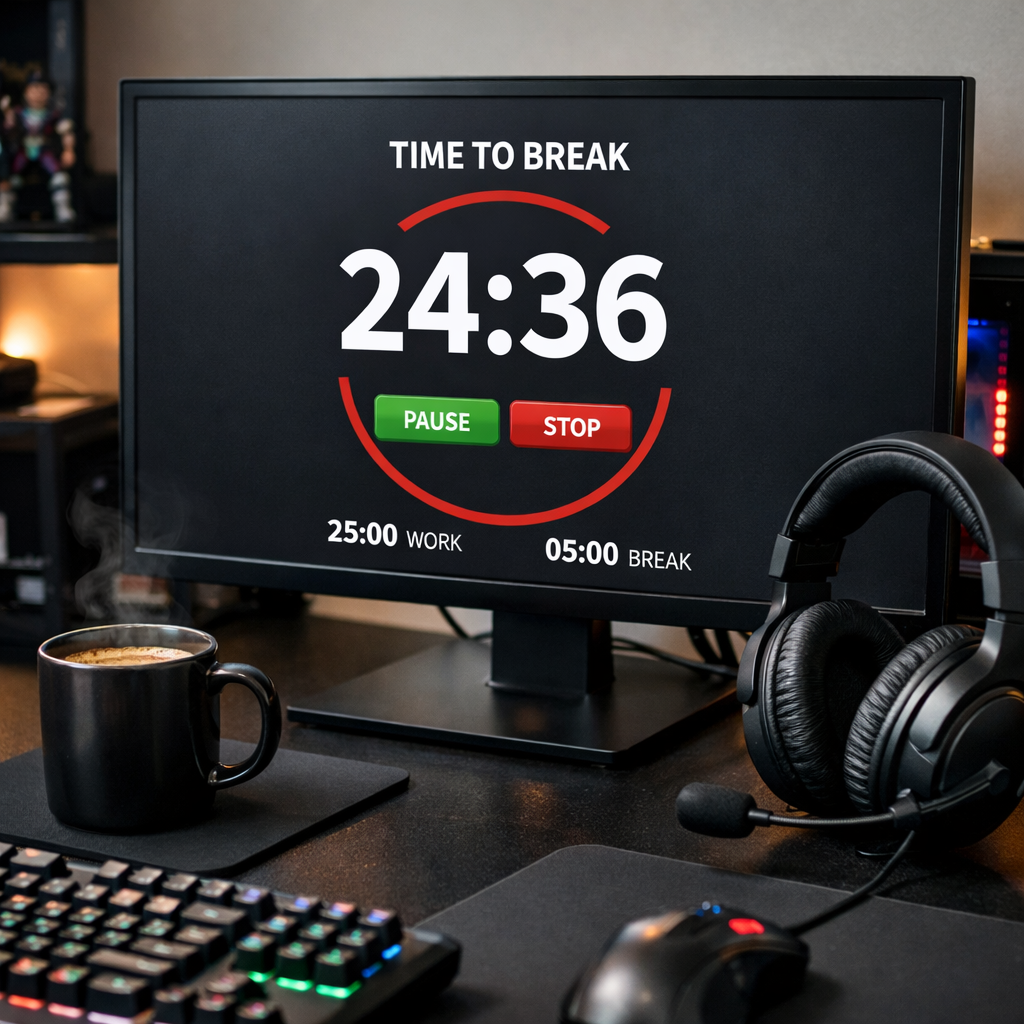
Some timers offer a ticking sound, like an old-fashioned clock. This can be surprisingly effective for some people. It provides a constant, rhythmic auditory cue that time is passing. You can often adjust the frequency of the tick – making it faster or slower – and its volume. For some, this steady beat helps them stay grounded and aware of the time without needing to constantly check the clock. Others might find it annoying, so it’s definitely a feature to experiment with. If it helps you stay on track, great! If not, just turn it off.
The goal with these sound settings is to create an auditory environment that supports your focus, not competes with it. It’s about subtle cues and a consistent backdrop that helps you stay in the zone.
Benefits Of A Pomodoro Timer With Sounds
Using a Pomodoro timer with sounds isn’t just about tracking time; it’s about actively shaping your work environment for better results. This method, rooted in the Pomodoro technique, offers a structured way to tackle tasks that can genuinely make a difference in your day-to-day productivity and overall well-being.
Boosting Productivity and Creativity
When you set up a Pomodoro timer, you’re essentially creating dedicated blocks of focused work. The consistent rhythm helps train your brain to concentrate during those work intervals, making it easier to get into a flow state. This focused attention often leads to completing tasks faster and with fewer errors. Plus, the scheduled breaks are just as important. They give your mind a chance to rest and recharge, which can actually spark new ideas and improve your creative thinking when you return to your work. It’s like giving your brain little mini-vacations throughout the day.
Preventing Burnout and Maintaining Motivation
One of the biggest challenges with long work or study sessions is hitting a wall, feeling drained, and losing motivation. A Pomodoro timer with sounds combats this directly. By breaking down large projects into smaller, manageable chunks (the Pomodoros), the work feels less overwhelming. The short, regular breaks prevent that feeling of being stuck in a rut. You know a break is coming soon, which makes it easier to push through the current work interval. This consistent cycle of work and rest helps maintain a steady level of energy and motivation, stopping you from getting completely burnt out.
Supporting Focus for Various Needs
This approach is surprisingly adaptable. Whether you’re a student trying to get through a study session, a writer battling a blank page, or a programmer deep in code, the structure can help. The addition of sounds, like ambient noise or specific music, can further tailor the experience. Some people find that certain types of music, like Baroque compositions, help them concentrate, while others prefer the calming effect of rain sounds. The ability to customize these soundscapes means you can create an audio environment that best suits your personal focus style and the task at hand. It’s about building a personalized productivity zone.
The real magic happens when the timer’s gentle alert signals a break. It’s not just a pause; it’s a permission slip to step away, stretch, grab some water, or just clear your head. This intentional downtime is what allows you to return to your work refreshed and ready to go, preventing mental fatigue before it even sets in.
Advanced Features For Enhanced Focus
Task Management Integration
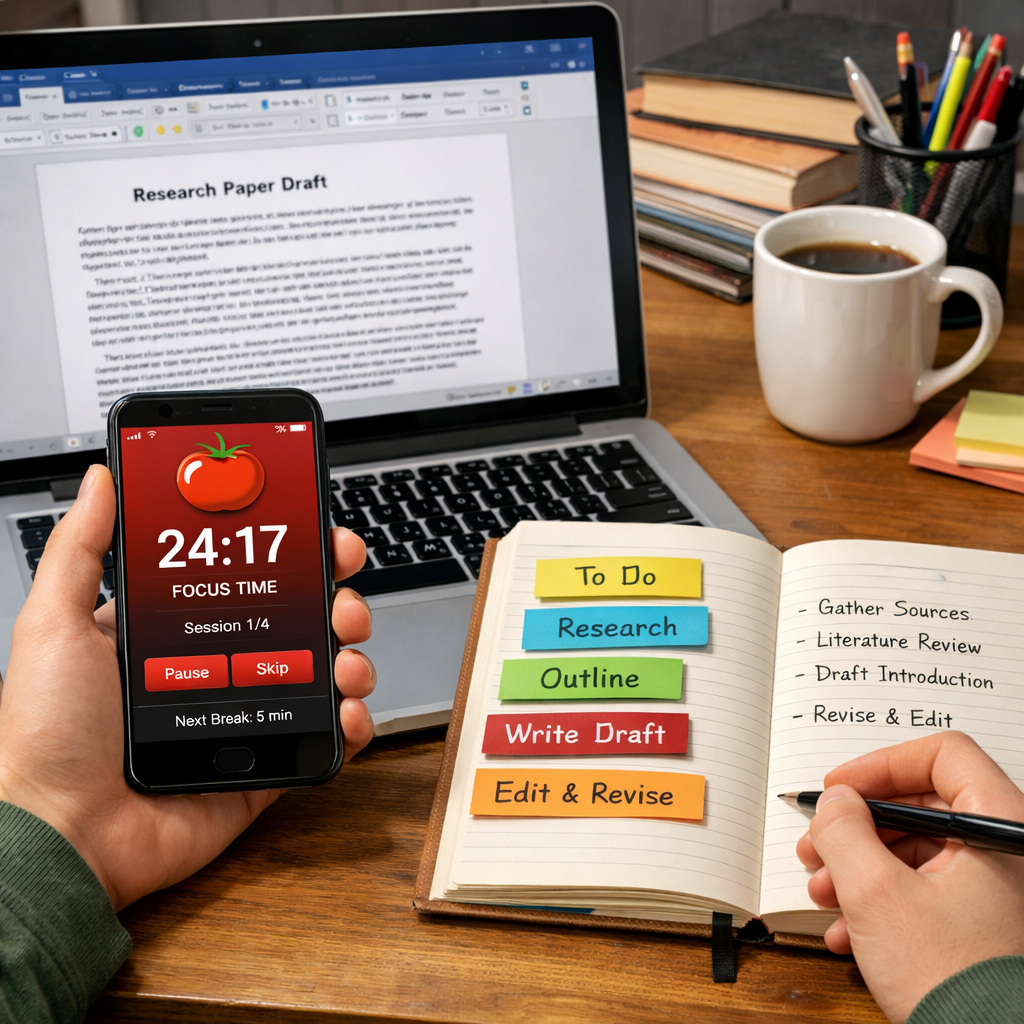
Beyond just timing your work sessions, a good Pomodoro app can actually help you organize what you’re working on. Think of it like a digital assistant that keeps your to-do list tidy and your focus sharp. You can create tasks, add little notes to them, maybe even set deadlines if you’re feeling ambitious. Some apps let you sort tasks with tags or filters, which is super handy when you’ve got a lot going on. You can even paste in lists from other apps, saving you a bunch of typing.
- Create and manage your tasks.
- Add notes and due dates.
- Organize tasks using tags and filters.
- Import task lists from other applications.
Progress Tracking And Reports
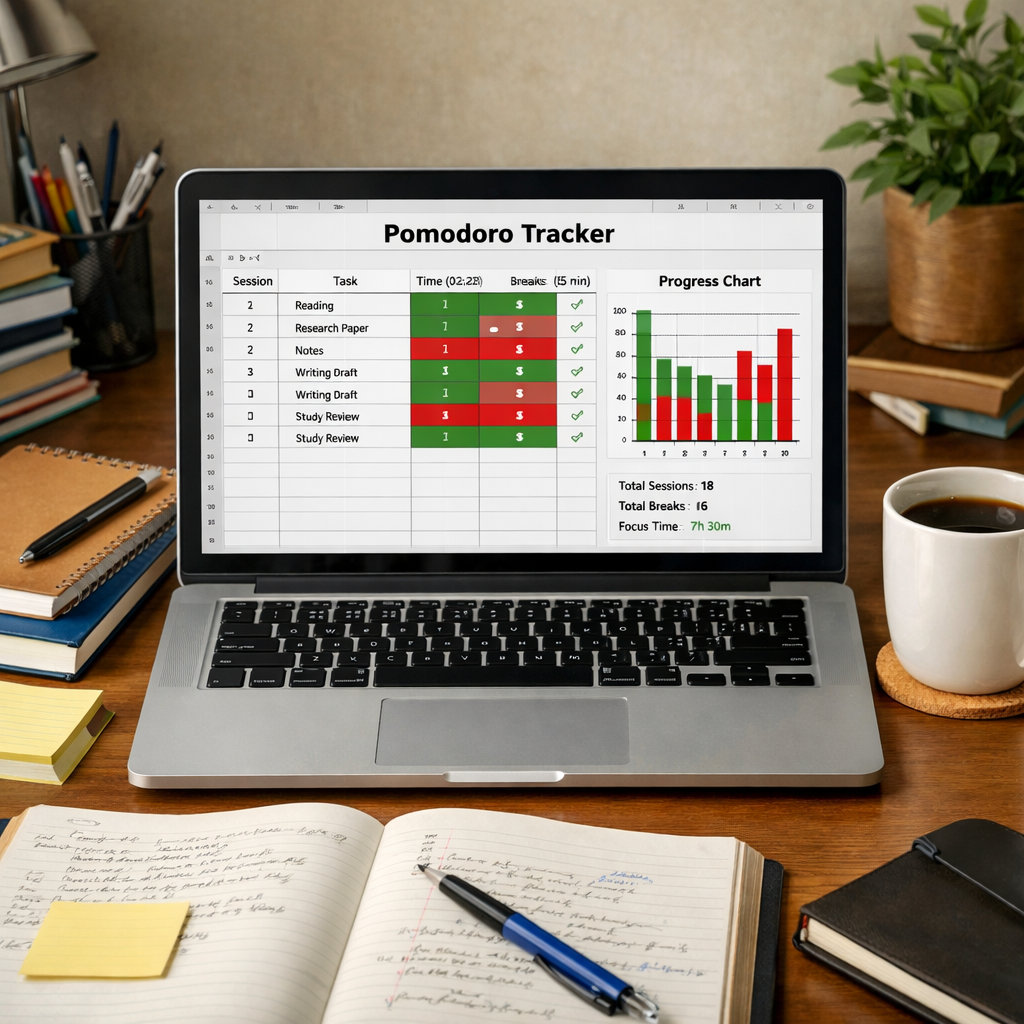
It’s one thing to use a timer, but it’s another to see how you’re actually doing. Many advanced Pomodoro timers offer detailed reports. These reports can show you how many work intervals you’ve completed, how long you spent on specific tasks, and maybe even how consistent you’ve been. It’s like getting a little report card for your focus. Some apps let you export this data, maybe as a CSV file, so you can look at it later or use it for other planning.
Seeing your progress laid out can be a real motivator. It shows you what you’ve accomplished and where you might be able to improve, all without being judgmental.
Cross-Device Synchronization
If you use multiple devices – say, a phone and a laptop – having your Pomodoro timer sync across them is a game-changer. You start a work session on your computer, and it shows up on your phone, or vice versa. This means your tasks, your timer settings, and your progress reports are always up-to-date, no matter which device you’re using. It makes switching between devices much smoother and keeps your workflow consistent. This is especially useful if you have tasks that you work on in different places or at different times.
- Syncs tasks and timer settings across iPhone, iPad, and Mac.
- Ensures your progress is always current on all devices.
- Allows for a consistent workflow regardless of the device used.
Wrapping Up Your Focus Journey
So there you have it. Using a Pomodoro timer, especially one with sounds, can really make a difference in how you get things done. It’s not some magic bullet, but it’s a solid way to break down big tasks and keep your brain from wandering off. Whether you’re studying for a big test, trying to finish a work project, or just want to get more done around the house, giving this method a shot is worth it. You can tweak the times, pick sounds that work for you, and just generally make it your own. Give it a try and see if it helps you get into that flow state more often.
Frequently Asked Questions
What exactly is the Pomodoro Technique?
Think of it like a secret weapon for getting stuff done! The Pomodoro Technique uses a timer to break your work into short, focused bursts, usually 25 minutes long. After each burst, you take a quick break. It’s named after a tomato-shaped kitchen timer, which is pretty neat!
How can sounds help me focus better?
Certain sounds, like calming rain or specific types of music (think classical), can create a peaceful atmosphere. This helps block out distracting noises and signals to your brain that it’s time to concentrate, making it easier to get into the zone.
Can I change how long my work and break times are?
Absolutely! Most Pomodoro timers let you customize the lengths of your work sessions and breaks. This way, you can set it up to match your own rhythm and how long you can best focus.
What kind of sounds are best for concentration?
Many people find that gentle sounds like rain, or certain classical music like Baroque pieces, work wonders. These sounds are often not too distracting and can help create a steady, focused environment without being annoying.
Is using a Pomodoro timer with sounds helpful for everyone?
It can be super helpful for lots of people! Whether you’re studying, working on a project, or just need to get through a task, the structure and sounds can boost your focus, keep you motivated, and prevent you from feeling overwhelmed.
What happens when the timer goes off?
When a work session ends, you’ll usually hear a sound to let you know it’s time for a break. Similarly, a sound will signal the end of your break and the start of your next work period. Some timers let you choose these sounds!