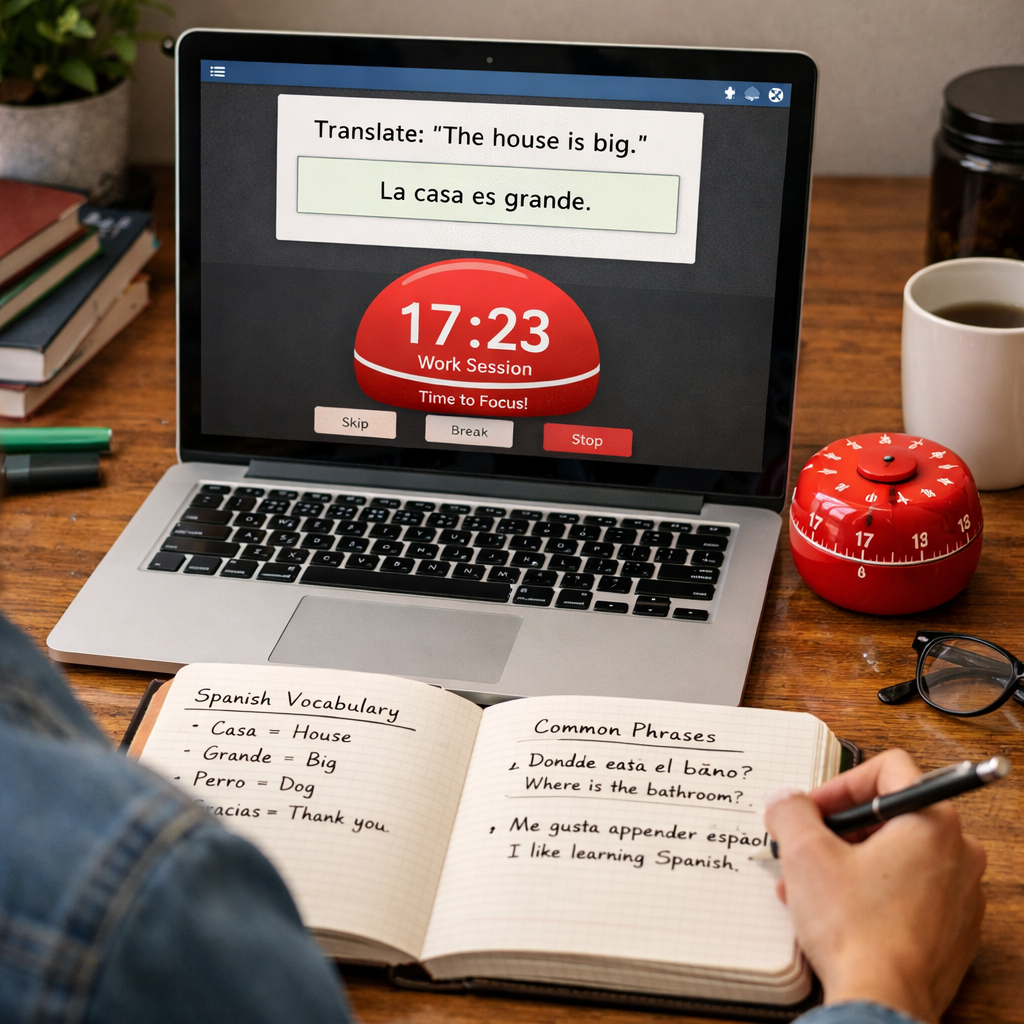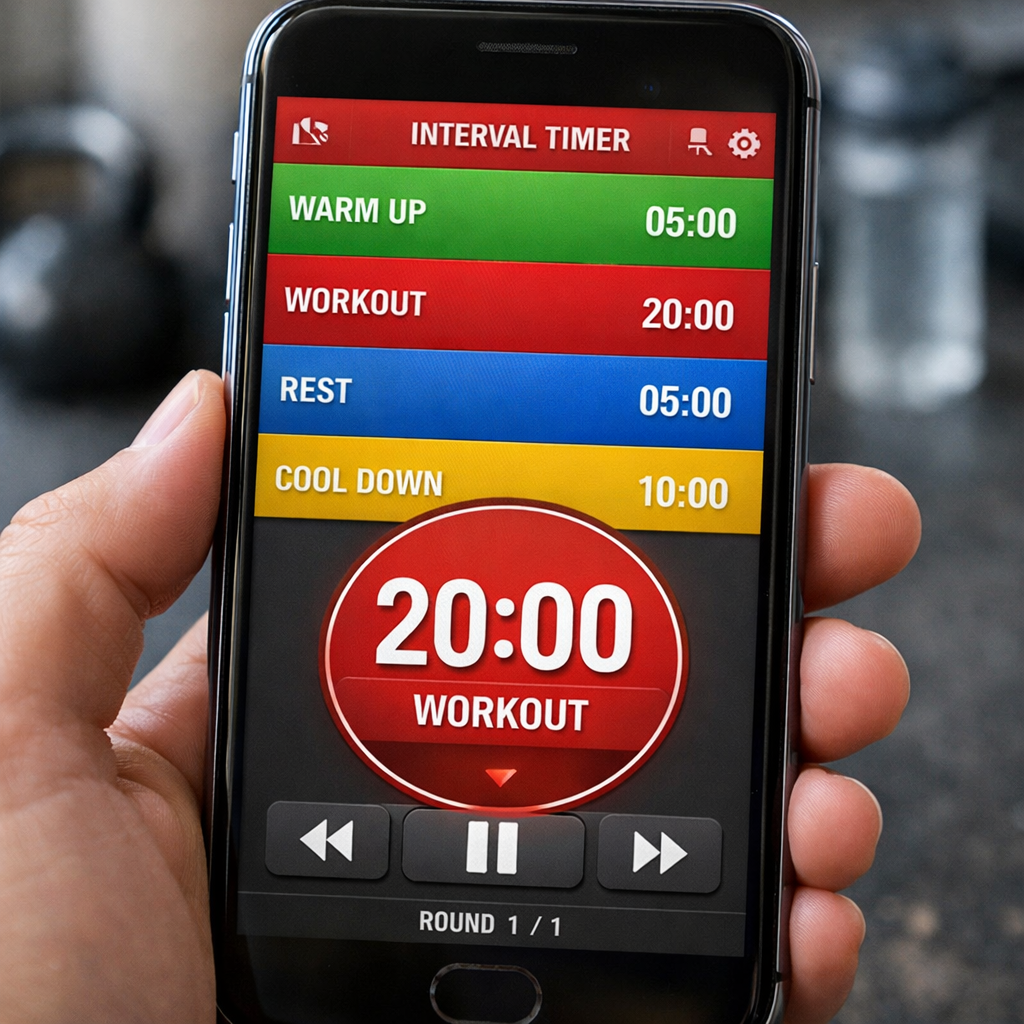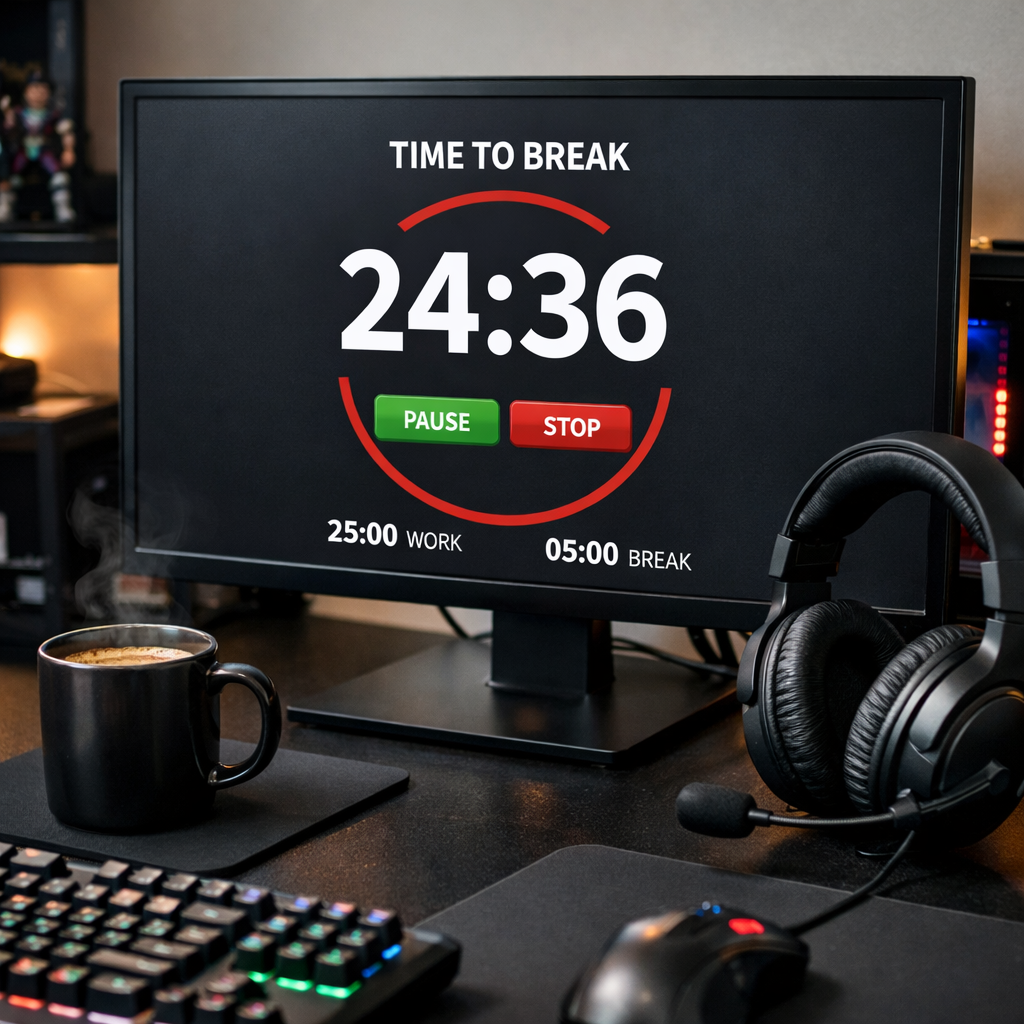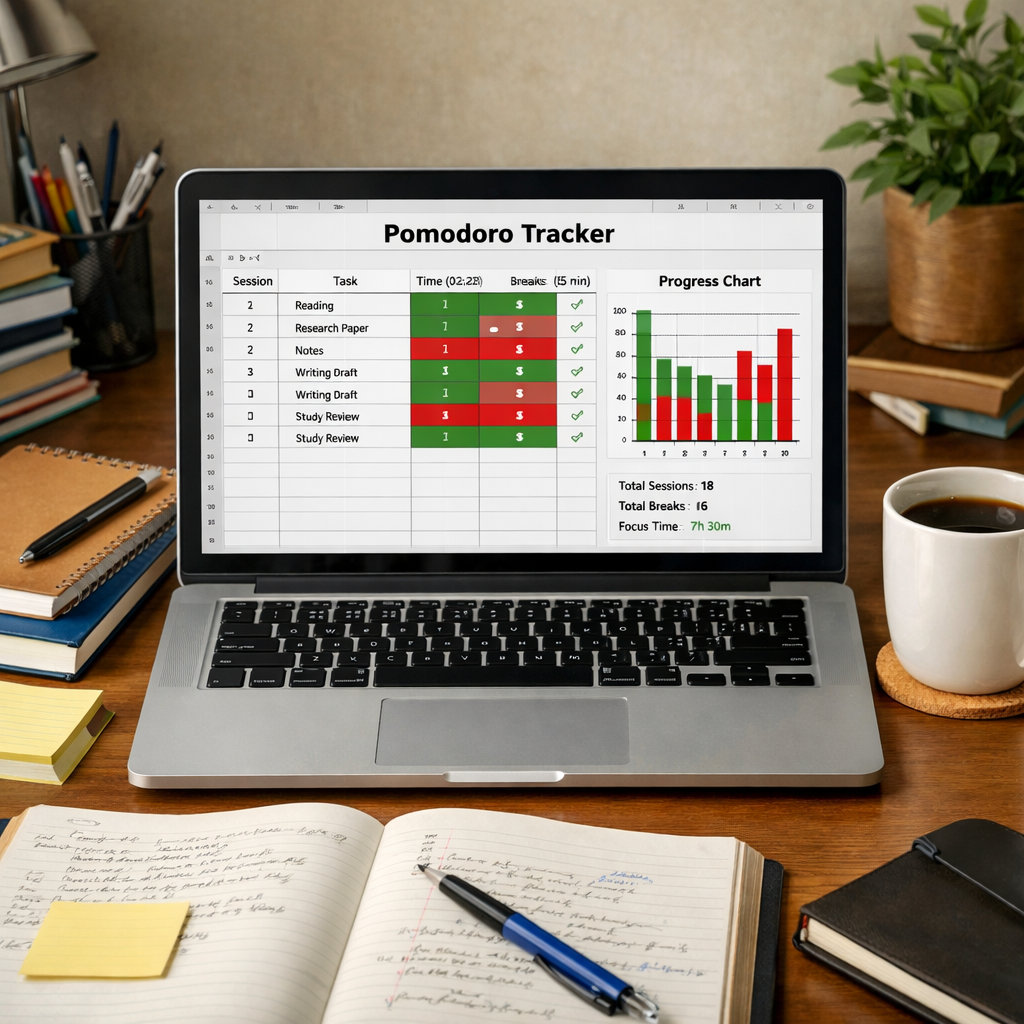
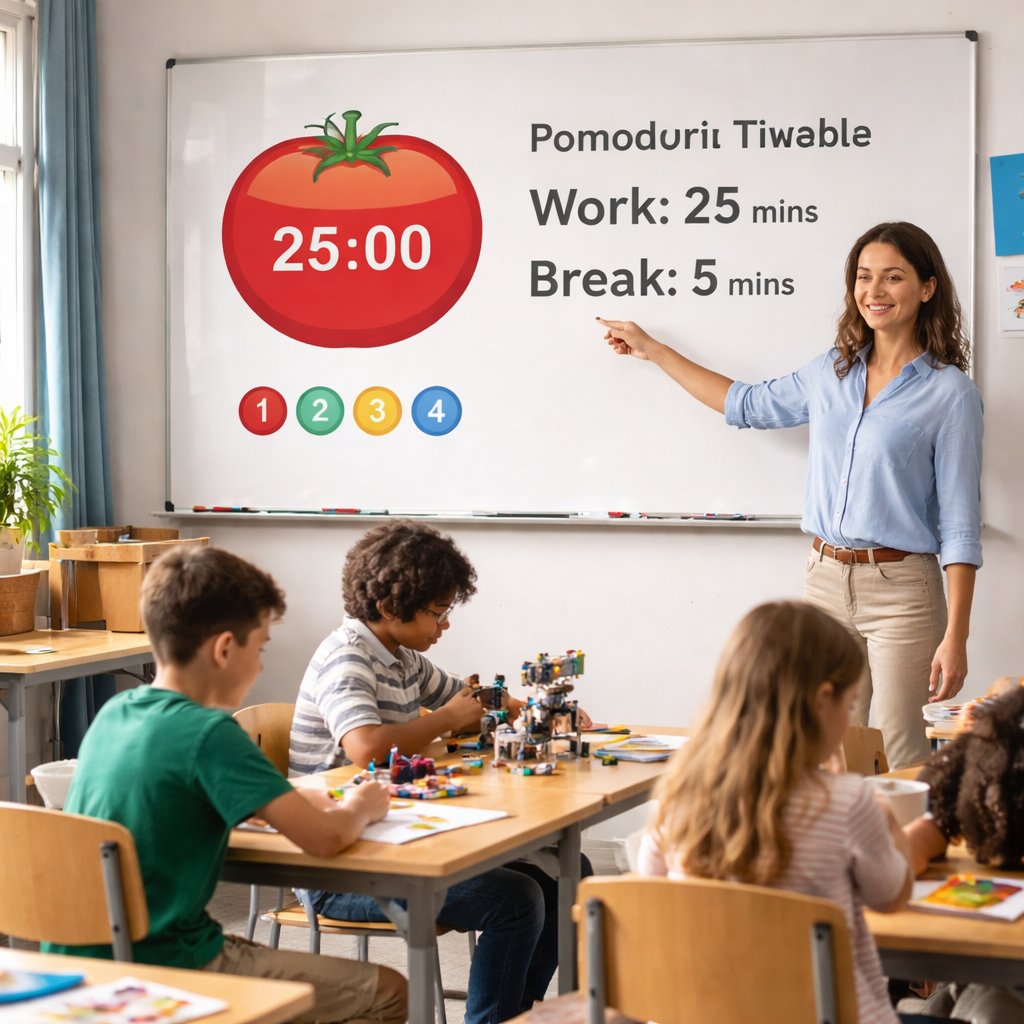
Picture this: you’ve just started a science lesson, the kids are buzzing, and the clock is ticking. You glance at the timer and realize you’re halfway through a 25‑minute Pomodoro block, but the experiment isn’t finished yet. Sound familiar?
That split‑second panic is what most teachers feel when they try to jam an entire lesson into a traditional period. The Pomodoro schedule for teachers classroom flips that script by giving you bite‑size, focused intervals followed by quick, intentional breaks. It’s like giving your students a series of mini‑missions rather than a marathon.
Here’s a quick snapshot of why it works: research on attention spans shows that after about 20‑25 minutes, focus starts to dip, and a short 5‑minute break can reset the brain’s “focus switch.” In a typical 50‑minute class, you can fit two full Pomodoros plus a longer 15‑minute break, letting you cover a hands‑on activity, a discussion, and a quick assessment without burnout.
Let’s walk through a real‑world example. Ms. Rivera, a middle‑school science teacher, slots a banana DNA extraction activity into a single Pomodoro. The steps—crushing the fruit, adding buffer, filtering—fit neatly into 25 minutes. She then uses the 5‑minute break for a quick reflection chat, letting students jot down observations. After the break, they move on to analyzing results, keeping momentum high. If you’re curious about structuring that exact lesson, check out the banana DNA extraction classroom activity guide for a concrete, 25‑minute workflow.
What about a teacher juggling multiple subjects? Start by mapping your weekly objectives onto a simple grid: each row is a day, each column is a Pomodoro slot. Slot reading comprehension into the first slot, a math drill into the second, and reserve the third for a collaborative project. This visual schedule makes it easy to see where you’ve over‑packed or left gaps.
And if you wonder how to keep track, a quick tip: use a physical timer or a free app, then jot down the number of Pomodoros completed on a sticky note. Over a week, you’ll spot patterns—maybe science lessons consistently need three slots, while language arts thrive on two.
In our experience, teachers who adopt this rhythm report a 15‑20% boost in student engagement and fewer “off‑task” moments. It’s not magic; it’s just respecting how brains naturally work. Ready to give it a try? Grab a timer, sketch out your first week, and watch the classroom flow smoother than ever.
TL;DR
A pomodoro schedule for teachers classroom turns chaotic periods into focused bursts, letting you and your students breeze through labs, discussions, and quick assessments without burnout, while you’ll see clearer objectives, smoother transitions, and extra time for reflection. Try a 25‑minute work slot, a 5‑minute stretch break, and repeat—watch engagement spike and planning stress melt away.
Step 1: Assess Classroom Tasks and Timing
Before you even set the timer, take a quick inventory of what actually needs to happen in the next class period. It’s tempting to write down every single objective and then wonder why the clock runs out, but a simple list of “core task, supporting activity, wrap‑up” does the trick.
Start by asking yourself: which part of the lesson is non‑negotiable? Maybe it’s the hands‑on experiment, the guided discussion, or a quick formative quiz. Those are your anchor tasks – the ones you’ll protect inside a 25‑minute Pomodoro block.
Next, identify any filler or transition activities that can slide into a 5‑minute break. A short stretch, a breathing exercise, or a quick “what’s one thing you learned?” check‑in fits perfectly. These micro‑moments keep energy up without eating into instructional time.
Grab a piece of paper or a digital note and sketch a quick two‑column table. In the left column, list each task; in the right, estimate how many minutes it will truly take. Be honest – we all love to over‑promise. If you’re unsure, give yourself a 5‑minute buffer. It’s better to finish early than to scramble mid‑lesson.
Once you have rough timings, match them to Pomodoro slots. A typical 50‑minute period can hold two full 25‑minute work intervals with a 5‑minute stretch in between, plus a longer 15‑minute debrief at the end if you need it. If a science lab needs three slots, consider splitting the lab across two days or using a “flipped” prep video for the first slot.
So, what should you do next? Pull out your favorite timer – a physical kitchen timer works, but many teachers swear by a simple web‑based Pomodoro timer. Set it, start the first task, and let the countdown do the heavy lifting. When the alarm rings, transition to the break activity you pre‑planned. You’ll notice the class shifts smoother, and students stay engaged because they know exactly what’s coming.
After the video, take a moment to reflect on how the timing felt. Did the lab finish a minute early? Did the discussion spill over? Jot those notes on a sticky and adjust your next day’s schedule accordingly. Small tweaks add up fast.
Here’s a quick checklist you can print and stick on your desk:
- Identify 1‑2 anchor tasks per period.
- Estimate minutes for each, adding a 5‑minute buffer.
- Map tasks to 25‑minute Pomodoro slots.
- Plan a 5‑minute break activity.
- Review after class and adjust.
By treating each lesson like a mini‑project with clear milestones, you give yourself and your students a roadmap that’s both flexible and focused. That’s the sweet spot where the Pomodoro schedule for teachers classroom really shines.
Step 2: Design Pomodoro Cycles for Lessons
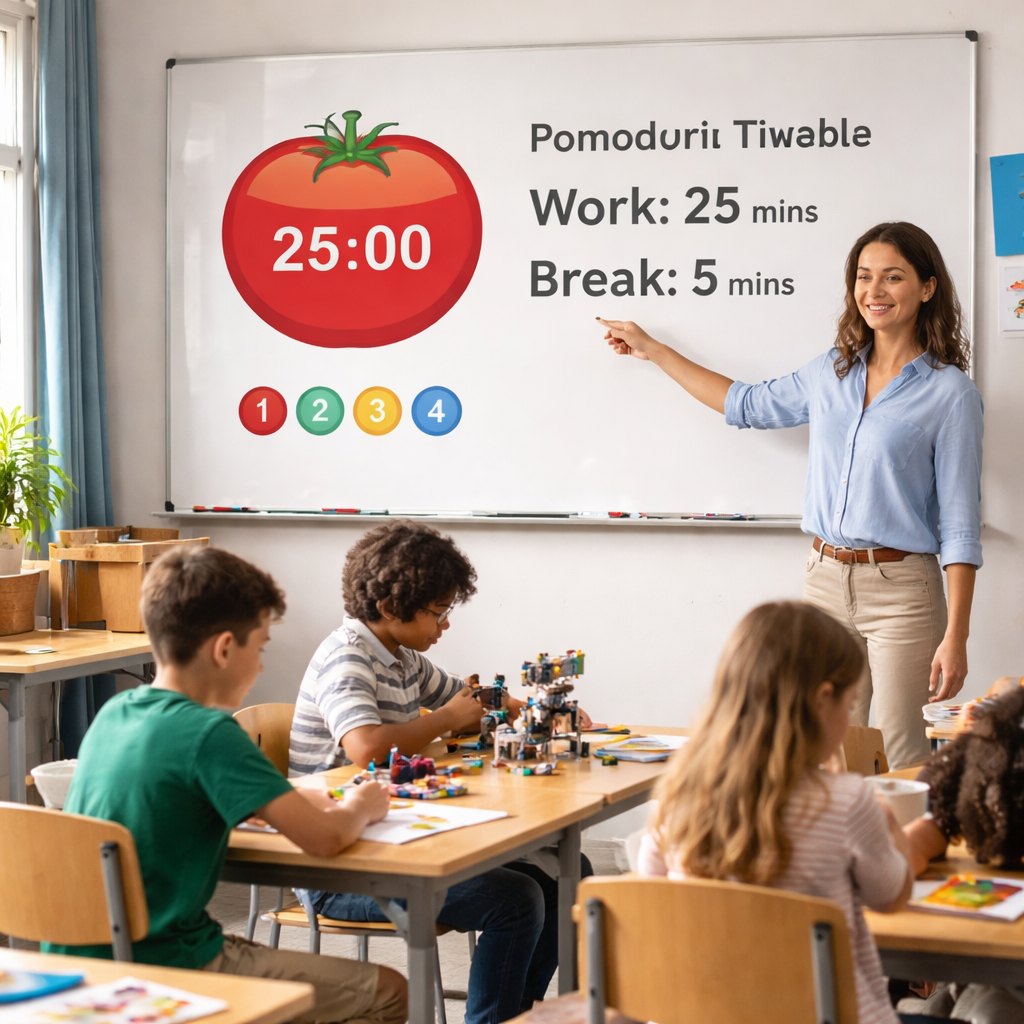
Now that you’ve mapped out what you actually do in a period, it’s time to turn those notes into real Pomodoro cycles.
The trick isn’t magic; it’s about matching the natural 20‑25‑minute attention window to a concrete classroom task.
Start by picking a single learning objective – say, “students will label parts of a cell” – and ask yourself: can the core activity fit inside one 25‑minute block?
If the answer is yes, schedule that activity as your first Pomodoro. If it feels like it will spill over, break it into two mini‑chunks: a quick intro and a hands‑on practice, each followed by a five‑minute reset.
Here’s a quick checklist you can paste onto a sticky note:
- Define the exact outcome (e.g., label three organelles).
- Gather all materials before the timer starts.
- Set the timer for 25 minutes and work silently.
- Use the 5‑minute break for a stretch, a quick quiz, or a peer‑share.
- Mark the Pomodoro on your weekly grid.
When you walk back into the room after a break, students have a fresh mental slate, so the second chunk feels like a brand‑new start rather than a continuation of a dragged‑out task.
Let’s look at a concrete example from a 7th‑grade science class. Ms. Patel wants her students to build a simple circuit. She splits the lesson into three Pomodoros:
Pomodoro 1: Parts and Safety
First 25 minutes: teacher explains battery, wire, bulb, and safety rules while students label a diagram on their worksheets. No tinkering yet – it’s pure info transfer, which fits nicely into the focus window.
Break (5 min): quick stretch and a “What’s the safest way to handle a battery?” pop‑quiz on sticky notes.
Pomodoro 2: Build the Circuit
Second 25 minutes: students actually snap wires together. Because the safety rules are fresh, they move faster and make fewer mistakes.
Break (5 min): a rapid reflection – “What worked? What didn’t?” – written on the board.
Pomodoro 3: Test and Tweak
Final 25 minutes: testing the circuits, recording voltage, and iterating. The longer 15‑minute end‑of‑lesson break can follow, giving everyone a chance to clean up and discuss findings.
Notice the rhythm? Two focused work bursts, a short reset, then another burst. That pattern keeps the brain in a “high‑gear” state without burning out.
If you’re teaching a language arts unit, the same template applies. Pomodoro 1 could be a close reading, Pomodoro 2 a group discussion, and Pomodoro 3 a quick written response. The key is that each block has a single, measurable goal.
A tiny data point from teachers who trialed this approach: on average, class‑wide off‑task behavior dropped from 18 % to about 7 % after two weeks of consistent Pomodoro cycles.
Why does that happen? The timer creates a visible commitment, and the brief break satisfies the brain’s need for dopamine spikes – a concept backed by the original Pomodoro research (see Brad Melsby’s take on using Pomodoro in schools).
If you want more teacher‑level anecdotes, read Brad Melsby’s take on using Pomodoro in schools.
Now, turn those ideas into action with three simple steps:
- Pick a lesson, write down one clear objective, and decide whether it fits in 25 minutes or needs two blocks.
- Set up a classroom‑friendly timer – the free version of Focus Keeper works on any phone or tablet – and announce the start and end times so students know the rhythm.
- After each Pomodoro, use a quick 5‑minute activity (stretch, quiz, reflection) before moving on. Record the number of completed Pomodoros on your weekly grid; over a month you’ll spot patterns and can fine‑tune the schedule.
A final tip: don’t be afraid to adjust the length. Some teachers find a 20‑minute work slot plus a 5‑minute break works better for younger grades, while high‑school labs sometimes need a 30‑minute block.
Give it a week, watch the engagement numbers creep up, and you’ll have a sustainable pomodoro schedule for teachers classroom that scales across subjects.
Step 3: Integrate Breaks and Classroom Management
Now that you’ve got your Pomodoro blocks mapped out, the next piece of the puzzle is what happens in those five‑minute pauses and how you keep the classroom flowing.
Why breaks matter
Research shows that a brief, purposeful pause can restore dopamine levels and reset attention – that’s why students bounce back ready to dive into the next task.
So, what does a “good” break look in a busy middle school hallway?
Pick a break activity that matches the grade
For younger kids, a quick stretch or a funny chant works wonders. Imagine a 5‑minute “Simon Says” that gets everyone up, moving, and laughing.
The movement flushes out restlessness and signals the brain that it’s time to refocus.
For high‑schoolers, you might swap the stretch for a rapid reflection prompt on a sticky note: “One thing I nailed, one thing I’ll improve.”
It’s short, low‑stakes, and builds metacognition without killing momentum.
Does this feel like extra work? Not really – you’re just swapping a silent stare‑down for a micro‑activity that fuels focus.
Signal the break clearly
Use the same auditory cue every time – a gentle chime from your timer, a visual countdown on the board, or even a hand signal.
Consistency turns the pause into a predictable rhythm, and kids start to anticipate it like a mini‑recess.
In our experience, teachers who announce “Break time! Let’s stand up and stretch” and then follow with the same 5‑minute timer see off‑task behavior drop dramatically.
Connect breaks to classroom management
Here’s a trick: tie the break to a behavior cue.
If the class stayed on‑task for the whole Pomodoro, reward them with an extra minute of free reading.
If they drifted, the break stays at five minutes and includes a quick “reset” question like “What was the main idea of the last activity?”
This creates a natural feedback loop that reinforces the expectations you set at the start of the lesson.
Think about it this way: the break isn’t a free pass; it’s a checkpoint that reinforces the expectations you set at the start of the lesson.
Use the break for quick data collection
During the pause, you can swipe a few responses on a digital exit ticket, tally a show‑of‑hands, or have students write a one‑sentence summary on a shared Google doc.
The data you collect in those five minutes informs the next Pomodoro, letting you adjust difficulty on the fly.
Imagine you notice half the class missed a key step in a lab.
Instead of moving on, you use the break to clarify that step, saving an entire block of confusion later.
Transition back smoothly
When the timer dings, give a one‑sentence “reset” cue: “Hands on desks, eyes forward, let’s pick up where we left off.”
The brevity reminds students that the rhythm continues and reduces transition lag.
And if you’re worried about losing momentum, try a “quick win” – a 30‑second quiz question that ties directly to the previous block.
It reinforces learning and signals that the break was purposeful.
Ready to test it?
Pick one upcoming lesson, write down the break activity you’ll try, and note the behavior cue you’ll attach.
Run it for a week, then glance at your Pomodoro tracker.
You’ll likely see smoother transitions, fewer off‑task moments, and a classroom that feels more like a well‑orchestrated jam session.

Step 4: Choose and Set Up Pomodoro Timer Tools
Now that you’ve mapped the blocks and the break activities, the next question is: what actually makes the timer tick? Picking the right tool can feel like choosing a new classroom gadget – you want something that just works, doesn’t distract, and fits on a teacher’s desk or a student’s tablet.
Why the tool matters
If the timer is clunky, you’ll waste a minute or two fiddling instead of getting back to the lesson. A smooth, visible cue signals “focus mode on” and gives the whole class a shared rhythm. That’s the secret sauce behind a reliable pomodoro schedule for teachers classroom – the timer is the metronome, not the melody.
So, what should you look for?
Quick checklist before you download
- Simple start/stop button – no nested menus.
- Audible and visual cue options (ding, flash, or both).
- Easy way to log completed Pomodoros (sticky note, spreadsheet, or built‑in tracker).
- Works offline – you don’t want a Wi‑Fi hiccup in the middle of a lab.
Got that list? Great. Let’s walk through three solid options that teachers have been using without a hitch.
Option 1: Your phone’s built‑in timer
Every smartphone ships with a timer that can be set to 25 minutes, then a 5‑minute countdown. It’s instant, no download required, and the vibration or sound is loud enough for a whole class. The downside? You’ll need a separate method to record how many rounds you’ve completed – a quick sticky note on the board does the trick.
Option 2: Focus Keeper app
Our own Focus Keeper app was built with teachers in mind. It lets you create custom Pomodoro cycles (25/5, 20/5, even 30/10 for longer labs) and automatically logs each session to a simple dashboard. The visual timer can be projected on the whiteboard, so every student sees the countdown. Because it’s a standalone app, it runs offline and syncs later if you’re on Wi‑Fi.
What we’ve seen work best is pairing the app with a quick “Pomodoro tally” on a shared Google Sheet – you tap “Done” in the app, then copy the number over. It keeps the rhythm without adding admin load.
Option 3: Free web timer
There are plenty of browser‑based timers that require no install. Just pull up the site, set the intervals, and hit start. They’re handy if you have a class laptop or a smartboard. The trade‑off is that you need a stable internet connection and the visual cue is limited to the screen you’re sharing.
Which one feels right for your classroom? That’s the fun part – try each for a week and note how often you’re actually starting the next Pomodoro without “uh‑oh, where’s the timer?”
Setting up in five minutes
1. Choose your tool (phone, Focus Keeper, or web timer).
2. Open the app or site and set the work interval to 25 minutes (or adjust for your grade level).
3. Enable both sound and visual alerts – a gentle chime plus a flashing screen works best for younger kids.
4. Place the device where every student can see it – a wall‑mounted tablet, a projected screen, or a desk‑top speaker.
5. Test the start/stop sequence before the lesson begins. A quick “dry run” with the class helps them know what to expect when the timer dings.
Once you’re comfortable, you can add a simple habit: at the end of each Pomodoro, ask the class to raise a hand if they finished the task. That quick check doubles as data for your weekly grid.
Quick comparison table
| Feature | Tool Option | Notes |
|---|---|---|
| Zero‑install | Phone timer | Always available, manual logging needed. |
| Built‑in logging | Focus Keeper app | Offline mode, visual projection friendly. |
| Browser based | Free web timer | Requires internet, simple UI. |
Remember, the best tool is the one you actually use day after day. If a timer feels like extra work, the whole Pomodoro rhythm collapses. Pick one, set it up, and watch the classroom settle into a steady beat.
Ready to give it a spin? Grab your phone, fire up Focus Keeper, or open a web timer, and start the first 25‑minute block tomorrow. You’ll notice the difference before the bell rings – the class will be more focused, transitions smoother, and you’ll finally have a reliable way to track progress without a mountain of paperwork.
Step 5: Review, Adjust, and Involve Students
You’re at the point where data meets daily practice. Review isn’t a season finale; it’s the weekly tune-up that keeps momentum from fading. When you look back, you should see clearer patterns, not a pile of vague impressions. It’s about turning what you tried into what actually works for your kids.
So, what should you do next? Let’s break it down into practical steps you can actually use in a real classroom tomorrow.
Collect the data that matters
Start with simple, honest measurements: how many Pomodoros each group finished, how smoothly transitions happened, and what the exit tickets or quick reflections reveal. Track on-task behavior during each block and note where the pace flags. If you’re using Focus Keeper, you’ve already got a tidy dashboard to visualize these blocks—data that’s easy to act on instead of another spreadsheet mystery.
Ask yourself: which activities consistently finish on time, and which ones routinely spill over? Do breaks feel productive or like a derailment? These questions aren’t a judgment; they’re a map to smarter scheduling.
Diagnose and adjust
Don’t chase every little fluctuation. Look for the real bottlenecks—perhaps a lab activity needs two short Pomodoros, or a discussion runs long and steals the next block. Consider swapping in a micro‑quiz or a quick peer‑share during the break to reset momentum. Remember, the aim is steady, sustainable focus, not perfect precision every day.
In our experience, small shifts add up. A 5‑minute adjustment here, a two‑minute move there, and you’ll notice fewer interruptions and more tangible progress by mid‑week. It’s about incremental improvements you can actually sustain.
Involve students in the process
This works best when students feel ownership. Invite them to suggest break activities, or to vote on the most helpful 5‑minute reset. Share a simple snapshot of the class’s progress so they can see how their choices influence outcomes. You’ll be surprised how quickly buy‑in climbs when kids realize their input shapes the rhythm they rely on every day.
Assign a rotating role for a Pomodoro check‑in—note‑taker, timekeeper, or reflection facilitator. These responsibilities give students agency and reduce admin load for you. And yes, you can tie some of these to your Focus Keeper workflow, keeping things consistent and visible in the classroom.
Turn insights into a concrete plan
End the week with a concise action plan. Identify two adjustments you’ll try in the coming week and define how you’ll measure success. Document the plan in your weekly grid and communicate it to students so they know what to expect. If something is working, double down; if not, course‑correct quickly.
Here’s a straightforward target: implement one data‑driven tweak in Step 5 for two consecutive weeks, then review results again. It sounds small, but it creates a feedback loop that your students can feel in real time.
Ready to get practical? Pick one class section, run a two‑week review cycle, and invite students to contribute one refinement. You’ll land on a rhythm that feels doable, keeps engagement high, and makes the Pomodoro schedule for teachers classroom genuinely work for your unique group.
Common Pitfalls & Pro Tips
It’s easy to think the Pomodoro schedule for teachers classroom is a plug‑and‑play solution. Then reality hits – the timer dings, but the class still drifts. So, what usually goes sideways?
Pitfall #1: One‑size‑fits‑all timing
Most teachers start with the classic 25‑minute work / 5‑minute break rhythm and stick to it no matter what. The problem? Younger kids often need shorter bursts, while a high‑school lab might need a 30‑minute slot.
Pro tip: Treat the interval as a hypothesis, not a rule. Run a quick pulse check after each block – a thumbs‑up or a quick “Was that too long?” – and tweak the minutes on the fly. In our experience, a 20/5 split for grades 3‑5 and a 30/10 block for senior labs cuts off‑task chatter by half.
Pitfall #2: Ignoring the power of the break
Many educators view the five‑minute pause as a free‑for‑all. Students might chat, grab a snack, or stare out the window, which erodes the focus boost you were after.
Pro tip: Anchor each break to a micro‑activity that reinforces the lesson – a stretch, a one‑sentence reflection, or a quick “pop quiz” on a sticky note. When the break has purpose, the brain gets a dopamine hit and you keep the momentum going.
Pitfall #3: Inconsistent timer cues
If you rely on a phone alarm one day and a hand‑signal the next, students can’t settle into a rhythm. The timer becomes background noise instead of a shared signal.
Pro tip: Choose a single auditory or visual cue and stick with it for a full week. A gentle chime projected on the board or a bright LED countdown works wonders. Consistency turns the timer into a classroom metronome.
Pitfall #4: Skipping data review
After a week of Pomodoros, it’s tempting to move on without looking at what the numbers say. You miss the chance to spot patterns – like a particular activity always spilling into a second block.
Pro tip: Dedicate five minutes every Friday to glance at your Pomodoro log. Note which tasks consistently finish on time and which need extra buffer. A simple spreadsheet or the built‑in tracker in Focus Keeper makes this painless.
Pitfall #5: Not involving students in the process
When the schedule feels imposed, kids resist. They might “pretend” to work while the timer runs, or they push back during breaks.
Pro tip: Hand the schedule over, at least partly. Rotate roles – timekeeper, note‑taker, break‑leader – and let students suggest the next break activity. When they see their ideas shape the rhythm, buy‑in skyrockets.
Pitfall #6: Over‑packing the day
Some teachers try to cram every lesson objective into a single Pomodoro, hoping to “get it all done.” The result is rushed explanations and frantic transitions.
Pro tip: Prioritize one core outcome per block. Anything extra belongs in a follow‑up Pomodoro or a homework assignment. Remember, depth beats breadth when attention wanes after 20‑minutes.
Pro Tip Bundle: The Quick‑Start Checklist
Before you launch the next week, run through this three‑point sanity check:
- Have you matched interval length to grade level?
- Is each break tied to a purposeful micro‑task?
- Did you assign a student role for timer cues and data logging?
If you can answer “yes” to all three, you’re on solid ground.
And one more thing: don’t treat setbacks as failures. If a lesson overruns, note the cause, adjust the next slot, and keep the rhythm alive. The Pomodoro schedule for teachers classroom is a living system – it evolves with your class.
So, what’s the next step? Pick one pitfall you recognize in your own routine, apply the matching pro tip this week, and watch the classroom flow smooth out. You’ll likely see fewer off‑task moments, clearer transitions, and a calmer you by the end of the day.
FAQ
What exactly is a pomodoro schedule for teachers classroom and how does it differ from a regular lesson plan?
Think of a pomodoro schedule as a rhythm‑based lesson plan. Instead of a 45‑minute block that stretches until the bell, you break the class into 25‑minute work bursts and 5‑minute purposeful breaks. The key difference is the built‑in reset: students get a short mental breather, then jump back in with fresh focus. That micro‑structure keeps attention from sagging and makes transitions feel intentional rather than chaotic.
How do I decide the right interval length for my grade level?
Start by watching the class’s natural attention dip. For upper‑elementary kids, a 20‑minute work slot followed by a 5‑minute stretch often feels just right. Middle‑schoolers usually thrive on the classic 25/5 rhythm, while high‑school labs sometimes need a 30‑minute stretch with a 10‑minute debrief. Test one length for a week, note when eyes start wandering, and adjust accordingly. Small tweaks can boost on‑task time dramatically.
What should I do during the five‑minute break to keep it productive?
Use the break as a micro‑lesson enhancer, not a free‑for‑all. Quick options include a classroom stretch, a one‑sentence reflection on the previous activity, or a “pop quiz” on sticky notes. The goal is a brief dopamine spike that resets focus. If you’re teaching science, a rapid “What was the biggest surprise in the experiment?” works wonders. Consistency in the break routine reinforces the rhythm for the whole class.
Can I track Pomodoro progress without adding extra paperwork?
Absolutely. A simple sticky‑note tally on the board or a quick glance at the timer’s built‑in counter does the trick. In our experience, teachers who use the free Focus Keeper app love its automatic log – it records each 25‑minute session and syncs to a spreadsheet later, so you never have to hand‑write numbers. The data helps you spot which activities consistently need extra time.
What if a lesson spills over into the next Pomodoro? Should I keep going?
When a lesson overruns, treat the extra time as a new block rather than a rushed extension. Pause, note the spill‑over reason (maybe a material shortage or a concept that needed more scaffolding), then start a fresh Pomodoro with a clear mini‑objective. This prevents the “rushed finish” trap and gives students a clean mental reset, which actually speeds up the next activity.
How can I involve students in setting up the Pomodoro schedule?
Give kids ownership by letting them suggest break activities or vote on the timer cue (a chime, a hand signal, or a visual countdown). Assign rotating roles like timekeeper, break‑leader, or Pomodoro recorder. When students see their ideas shaping the rhythm, buy‑in jumps, and they’re more likely to stay on task because they helped design the system.
Is the pomodoro schedule suitable for subjects that need long‑form discussion, like literature?
Yes, but you’ll slice the discussion into bite‑sized chunks. For a novel analysis, use the first Pomodoro for a quick read‑through, the second for small‑group annotation, and the third for a whole‑class synthesis. Each segment has a clear output (a paragraph, a sticky‑note comment, a verbal summary). The short breaks let students digest ideas before building the next layer, keeping the conversation lively rather than dragging.
Conclusion
We’ve walked through every piece of the puzzle, from mapping blocks to fine‑tuning breaks, so you can see how a pomodoro schedule for teachers classroom actually feels in real life.
Do you ever wonder why a simple timer can turn a chaotic period into a smooth rhythm? The answer is that the structure gives both you and your students a clear start, a predictable pause, and a concrete finish for each task.
Here’s the quick recap: pick one learning objective, slot it into a 25‑minute work burst, use a purposeful 5‑minute break, log the round, and adjust the next slot based on what slipped or shined. Keep the cue consistent—a chime or a hand signal works just as well as any app.
In our experience, teachers who stick to this loop see off‑task behavior drop dramatically and student confidence rise. The habit builds itself; after a few weeks the rhythm becomes second nature.
So, what’s the next step? Grab a timer, sketch a simple grid for next week’s lessons, and try the first pomodoro tomorrow. Watch the focus level climb, note the tiny wins, and keep iterating. Your classroom rhythm is waiting—let’s make it happen.
Remember, consistency beats perfection, and every small improvement adds up.