
Coding can feel like a constant battle against distractions and looming deadlines. You’re probably juggling multiple tasks, trying to stay focused, and sometimes just feeling stuck. What if there was a simple, proven way to get more done without burning out? Enter the Pomodoro Technique. It’s not some complex new methodology, but a straightforward approach that can seriously change how you code. We’ll break down how this time management trick, often called ‘pomodoro for programmers,’ can help you get into a groove, finish tasks, and actually enjoy your work more.
Key Takeaways
- The Pomodoro Technique involves working in focused bursts, typically 25 minutes, followed by short breaks, helping programmers manage their time and attention.
- Setting up your coding environment to minimize distractions is key to making the pomodoro for programmers approach effective.
- Breaking down large coding projects into smaller, manageable tasks makes them less intimidating and easier to tackle within Pomodoro intervals.
- Regular breaks are not a sign of slacking; they are essential for maintaining concentration and preventing mental fatigue during long coding sessions.
- Consistent application of the Pomodoro Technique can build better coding habits, reduce procrastination, and contribute to a healthier work-life balance.
Mastering Your Coding Workflow With Pomodoro
Let’s talk about getting more done when you’re coding, without feeling like you’re constantly running on fumes. The Pomodoro Technique isn’t some magic bullet, but it’s a really solid way to structure your work, especially for us programmers who deal with complex problems and endless lines of code. It’s all about breaking things down and focusing.
Understanding The Pomodoro Technique For Programmers
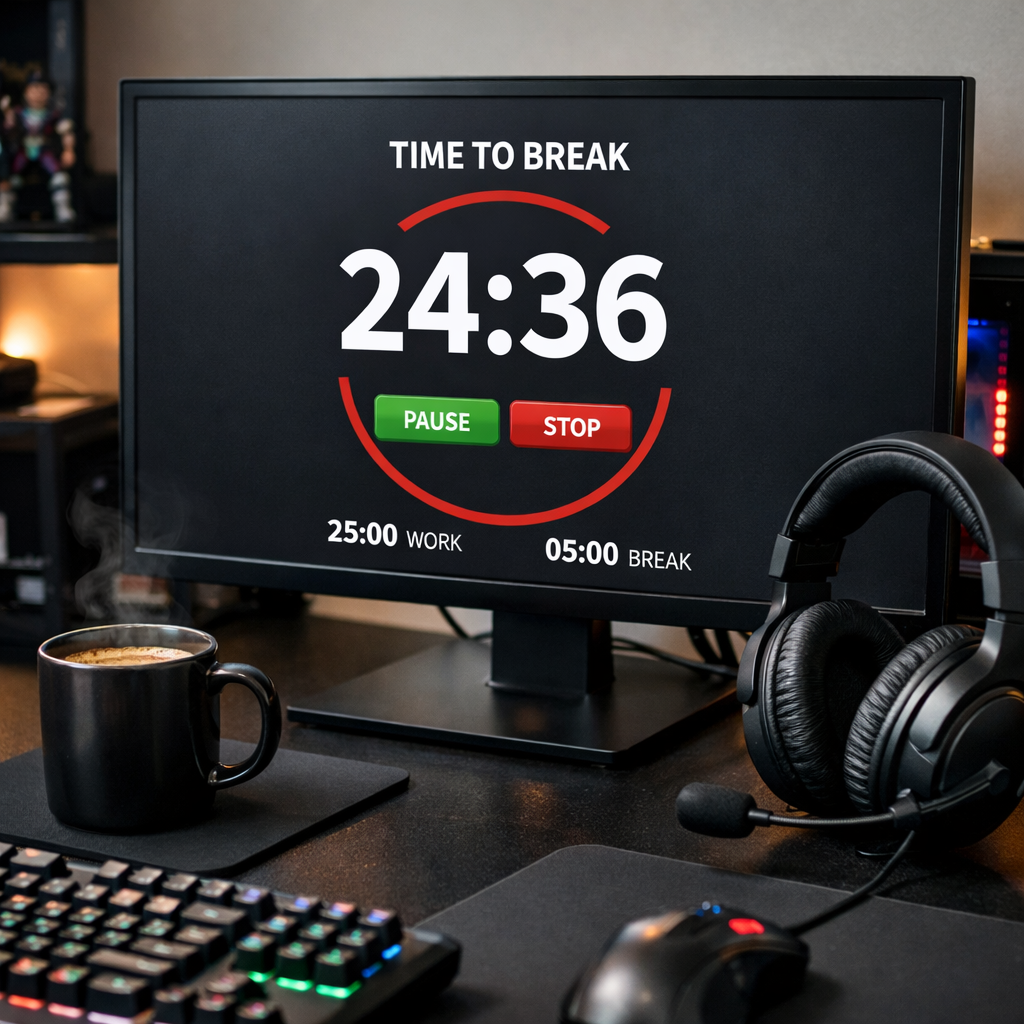
The core idea is simple: work in focused bursts, separated by short breaks. You pick a task, set a timer for 25 minutes, and work on only that task until the timer rings. Then, you take a 5-minute break. After about four of these "pomodoros," you take a longer break, maybe 15-30 minutes. It sounds almost too simple, right? But for coding, this structure can be a game-changer. It helps you tackle big projects by making them feel less overwhelming, one 25-minute sprint at a time. It also trains your brain to concentrate for set periods, which is pretty much a superpower in our field.
Setting Up Your Pomodoro Environment
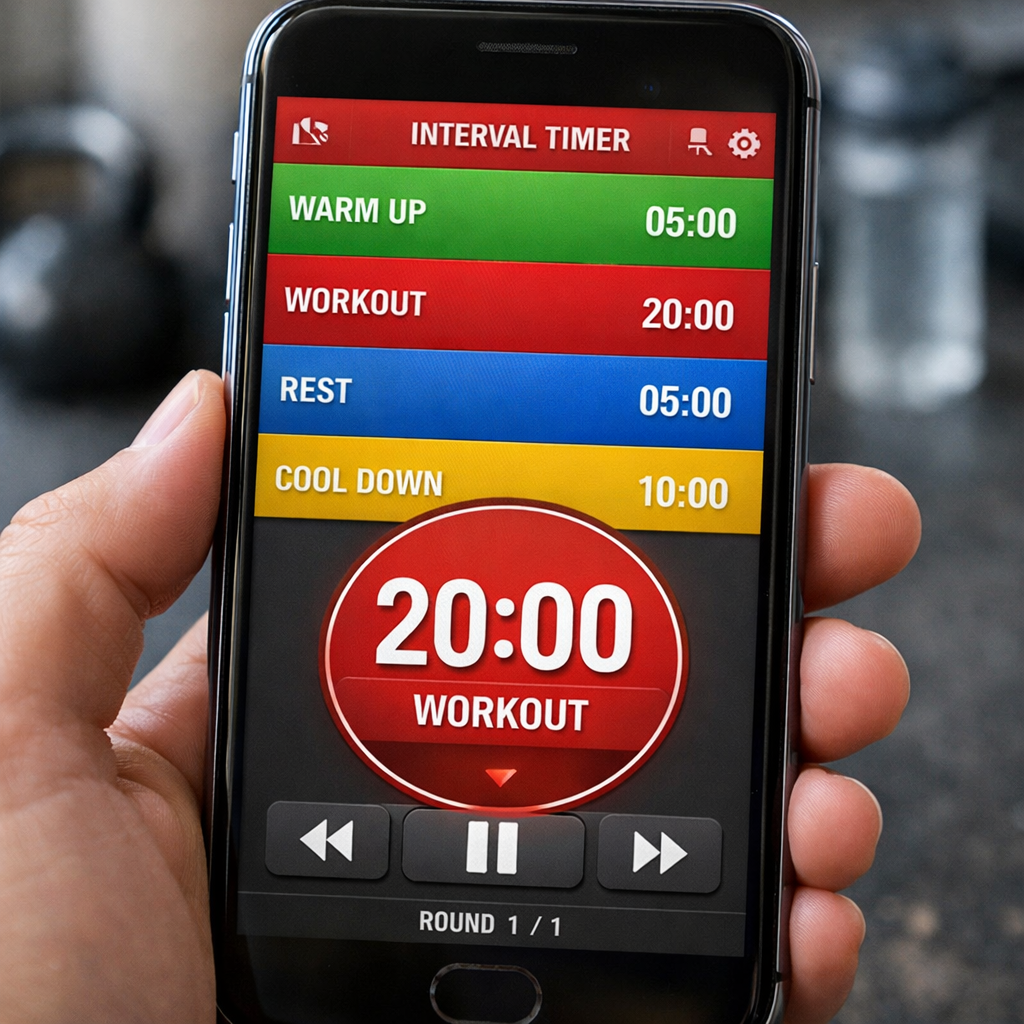
To make this work, you need to set yourself up for success. This means minimizing distractions before you even start your first pomodoro. Think about your physical space – is it quiet? Is your desk clear? More importantly, think about your digital space. Turn off notifications on your phone and computer. Close unnecessary tabs and applications. If you’re working from home, let your family or roommates know you’ll be in focused work mode for the next 25 minutes. Having a dedicated timer, whether it’s an app or a physical one, also helps create a mental cue that it’s time to focus.
The key is to create a ritual around starting and ending your work intervals. This ritual signals to your brain that it’s time to concentrate, and then it’s time to rest.
Integrating Pomodoro Into Your Daily Coding Schedule
So, how do you actually fit this into a typical day? It’s not about rigidly sticking to the clock if you’re deep in thought, but more about using it as a guide. Start by estimating how many pomodoros a task might take. For example, debugging a tricky issue might be two pomodoros, while writing a new feature could be five. You can plan your day around these estimates. If you have a meeting, you can even use that time to plan your next set of pomodoros. It’s about building a rhythm that works for you, not forcing yourself into a box. Some days might be more pomodoro-heavy than others, and that’s perfectly fine.
Enhancing Focus And Deep Work

Achieving Flow State Through Focused Intervals
Ever get so into coding that the hours just melt away? That’s the ‘flow state,’ and it’s where the magic happens. It’s that sweet spot where your skills perfectly match the challenge in front of you. Think of it like playing a video game where the levels are just right – not too easy to be boring, not too hard to be frustrating. When you’re in flow, coding feels less like work and more like playing. To get there, you need uninterrupted time. The Pomodoro Technique helps by breaking your work into focused sprints, making it easier to dive deep without getting pulled out.
Minimizing Distractions During Coding Sprints
Distractions are the enemy of flow. Your phone buzzing, email notifications popping up, or even just a stray thought can break your concentration. During your Pomodoro sprints, it’s vital to create a distraction-free zone. This means turning off notifications on your computer and phone. If you’re in an open office, consider using headphones, even if you’re not listening to anything, as a visual cue that you’re busy.
Here’s a quick checklist to prep your environment:
- Silence all non-essential notifications.
- Close unnecessary browser tabs and applications.
- Inform colleagues or family members that you need uninterrupted time.
- Keep your workspace tidy to avoid visual clutter.
The biggest hurdle to deep work isn’t external noise, but the internal chatter of your own mind. Learning to quiet that noise is key.
The Role Of Breaks In Sustaining Concentration
It might seem counterintuitive, but breaks are just as important as the work intervals themselves. They prevent burnout and help you maintain focus over longer periods. Short breaks (usually 5 minutes) after each Pomodoro are for resting your eyes and mind. Longer breaks (15-30 minutes) after four Pomodoros are for stepping away completely, maybe grabbing a snack or stretching. These pauses allow your brain to reset, making you more productive when you return to your coding.
Regular breaks are not a sign of weakness, but a strategic tool for sustained mental performance.
Overcoming Programming Challenges With Pomodoro
Programming isn’t always smooth sailing. You hit roadblocks, get stuck on bugs, and sometimes, the sheer size of a project can feel overwhelming. The Pomodoro Technique can actually help you push through these tough spots.
Tackling Large Projects With Small, Manageable Tasks
Big projects can seem impossible to start. You stare at the requirements, and your brain just freezes. The trick here is to break it all down. Instead of thinking about "build the entire user authentication system," think "create the user model." Then, "write the signup form HTML." Each Pomodoro session is a chance to complete one of these tiny steps. This makes the whole project feel less daunting and gives you a constant sense of progress. It’s like eating an elephant, one bite at a time, but with coding.
- Identify the smallest possible action you can take towards a larger goal.
- Dedicate a Pomodoro to just that one action.
- Repeat.
This approach helps you avoid getting stuck before you even begin. It’s a way to get momentum going, which is half the battle.
Combating Procrastination And Getting Unstuck
We all know procrastination. That feeling of needing to do something important but finding a million other things to do instead. The Pomodoro Technique is a great weapon against this. The commitment to work for just 25 minutes can be enough to get you started. Often, once you begin, you find yourself wanting to continue. For those moments when you’re truly stuck on a bug or a problem, a Pomodoro can be used to focus solely on that issue. Sometimes, just dedicating a short, focused burst of time to a problem is enough to see it from a new angle or remember a solution you’d forgotten. It’s about making progress, however small.
The Zeigarnik effect suggests our minds dwell on unfinished tasks. By breaking down work and writing down next steps, we can signal to our brain that things are under control, freeing up mental space.
Managing Interruptions Effectively During Work Sessions
Interruptions are a programmer’s nightmare. A Slack message, an email, a colleague stopping by – they all break your concentration and can derail your progress. When using Pomodoro, you train yourself to treat your 25-minute sprints as sacred. If an interruption happens, you have a few options:
- Quickly jot down the interruption (e.g., "Reply to Sarah about API docs") and get back to your task immediately. You can address it during your break.
- If it’s urgent, pause your Pomodoro, deal with it, and then decide whether to restart the Pomodoro or abandon it and start a new one later.
- Politely defer non-urgent requests by saying, "Can I get back to you in about 20 minutes? I’m in the middle of something." This sets expectations and protects your focus time. The 50/10 Pomodoro technique also offers a structured way to manage these interruptions by building them into longer work cycles.
By actively managing interruptions, you protect your valuable coding time and make your Pomodoro sessions much more effective.
Leveraging Pomodoro For Sustainable Productivity

Building Consistent Coding Habits
The Pomodoro Technique isn’t just a quick fix; it’s a framework for building solid, repeatable coding habits. By consistently dedicating focused blocks of time to your work, you train your brain to enter a productive state more easily. Think of each Pomodoro session as a small win, a building block for larger accomplishments. Over time, these short bursts of intense focus accumulate, leading to significant progress without the burnout that often comes with marathon coding sessions. It’s about creating a rhythm that works with your natural energy levels, not against them.
Balancing Work And Personal Life
One of the biggest wins with Pomodoro is how it helps you draw a line between work and life. Those scheduled breaks aren’t just for resting your eyes; they’re your designated time to step away completely. Use them to stretch, grab a coffee, chat with someone, or just stare out the window. This intentional separation prevents work from bleeding into your personal time. When a Pomodoro ends, you’re encouraged to stop, reset, and recharge. This discipline helps avoid the "always on" mentality that can quickly lead to exhaustion and dissatisfaction. It’s about working smarter, not just longer, so you have energy left for the things you enjoy outside of coding.
Continuous Improvement Of Your Coding Process
Pomodoro also offers a built-in mechanism for reflection and adjustment. After a few Pomodoros, or at the end of your coding day, take a moment to review. What went well? Were your tasks well-defined? Did you get interrupted often? Were your breaks effective? This isn’t about judgment; it’s about gathering data to make your next sessions even better. You might find that 25 minutes is too short for certain tasks, or that you need longer breaks. Or maybe you discover that turning off notifications for the first 15 minutes of a Pomodoro is key.
The beauty of Pomodoro is its adaptability. It’s not a rigid set of rules, but a flexible system you can tweak to fit your unique workflow and personal needs. The goal is to find what makes you most effective and happy in the long run.
Here’s a quick look at how you might structure a typical coding day:
- Morning Session: Tackle complex problems or new feature development.
- Midday Break: A longer break after 4 Pomodoros to eat and fully disconnect.
- Afternoon Session: Focus on bug fixes, code reviews, or documentation.
- End-of-Day Review: Briefly assess progress and plan for tomorrow.
Wrapping Up
So, there you have it. The Pomodoro Technique isn’t some magic bullet, but it’s a pretty solid tool for getting more done without burning yourself out. It’s all about breaking things down, focusing for short bursts, and actually taking those breaks. Give it a shot for a week, see how it feels. You might be surprised at how much more you can tick off your to-do list. Remember, it’s not about working harder, it’s about working smarter, and this technique can definitely help you do that. Happy coding!
Frequently Asked Questions
What exactly is the Pomodoro Technique?
It’s a time management method where you break your work into short, focused bursts, usually 25 minutes long, called ‘pomodoros’. After each pomodoro, you take a short break. This helps you stay focused and avoid getting tired.
Why is it called the ‘Pomodoro’ Technique?
The name comes from the Italian word for ‘tomato’. The creator used a tomato-shaped kitchen timer to keep track of his work intervals when he first developed the method. So, ‘pomodoro’ is just a fun reminder of its origin!
How can this help me as a programmer?
Coding requires a lot of concentration. The Pomodoro Technique helps you tackle big coding tasks by breaking them into smaller, manageable chunks. It also helps you fight off distractions and stay in the zone, making your coding sessions more productive.
What should I do during my breaks?
Your breaks are important! Use them to step away from your screen. You can stretch, grab a snack, walk around, or just relax your eyes. The goal is to refresh your mind so you’re ready for the next coding sprint.
What if I get interrupted during a pomodoro?
If something urgent comes up, you might need to stop your pomodoro. However, try to handle minor interruptions by noting them down and addressing them during your break or after your work session. This keeps your focus intact for the task at hand.
Can I adjust the timing of the pomodoros?
Absolutely! While 25 minutes is the standard, you can experiment. Some people find longer or shorter work intervals work better for them. The key is to find a rhythm that helps you maintain focus and energy throughout your workday.