
Feeling like your day runs you instead of the other way around? It’s a common problem, especially when you’ve got a million things to do. We’re all trying to get more done, right? Well, there’s a way to make your schedule work for you, not against you. This is all about using a planning and timer workflow. It sounds fancy, but it’s really just about being smart with your time. We’ll look at how to set things up so you can actually get stuff done without feeling totally overwhelmed. It’s not about working harder, it’s about working smarter.
Key Takeaways
- Time blocking means assigning specific time slots for tasks, turning your day into a clear plan and reducing the need to constantly decide what’s next.
- Techniques like the Pomodoro Technique (short work bursts with breaks) and task batching (grouping similar jobs) help you focus and work more efficiently.
- Structure your day with a productive morning routine, a steady midday pace, and an evening plan for the next day to keep momentum going.
- Using apps for task management and timers can make your planning and timer workflow much smoother and easier to stick to.
- Regularly checking how your schedule is working and making changes is important for keeping your planning and timer workflow effective over time.
Mastering Your Schedule with a Planning and Timer Workflow
Feeling like your day is a runaway train, always a step ahead of you? You’re not alone. Many of us struggle to keep up, bouncing from one thing to the next without really getting much done. That’s where a solid planning and timer workflow comes in. It’s not about cramming more into your day, but about making the time you have count. Think of it as building a sturdy frame for your day, so things don’t just fall apart.
Understanding the Power of Time Blocking
Time blocking is basically assigning specific chunks of your day to particular tasks or activities. Instead of a vague to-do list, you’re saying, ‘From 9 to 10 AM, I’m working on Project X.’ This approach helps you focus deeply on one thing at a time, cutting down on the mental drain of constantly switching gears. It also makes it harder to put things off because you’ve already set aside the time for them. It’s like giving each task its own dedicated space to live and breathe.
The real magic of time blocking isn’t just about filling your calendar; it’s about creating intentionality. It forces you to think about what’s truly important and allocate your energy accordingly, rather than just reacting to whatever pops up.
Setting Clear Goals and Priorities
Before you can block out time, you need to know what you’re blocking it for. What are you trying to achieve today, this week, this month? Break down your big goals into smaller, manageable steps. Then, figure out which of those steps are the most important. You can use a simple system to rank them:
- High Priority: Must be done today, has a significant impact.
- Medium Priority: Important, but can be moved if absolutely necessary.
- Low Priority: Nice to do, but not critical.
Knowing your priorities helps you decide where to put your most valuable time blocks, especially when you’re feeling fresh.
Allocating Specific Time Blocks for Tasks
Once you have your goals and priorities sorted, it’s time to map them onto your day. Look at your typical schedule and identify where you can realistically fit in focused work. Consider your energy levels – are you a morning person who can tackle complex tasks first thing, or do you hit your stride later in the day?
Here’s a sample breakdown:
| Time Block | Activity |
|---|---|
| 8:00 – 8:30 AM | Review Schedule & Emails |
| 8:30 – 10:00 AM | Deep Work: Project Alpha |
| 10:00 – 10:15 AM | Short Break / Walk |
| 10:15 – 11:30 AM | Meetings / Client Calls |
| 11:30 AM – 12:30 PM | Admin Tasks / Respond to Emails |
Remember, this isn’t set in stone. The goal is to create a structure that guides you, not traps you. Flexibility is key, and you’ll adjust these blocks as you learn what works best for you.
Implementing Effective Time Management Techniques
Okay, so you’ve got your schedule mapped out, but how do you actually do the work without getting sidetracked? That’s where these techniques come in. They’re not magic bullets, but they’re pretty darn close for keeping you on track.
The Pomodoro Technique for Focused Intervals
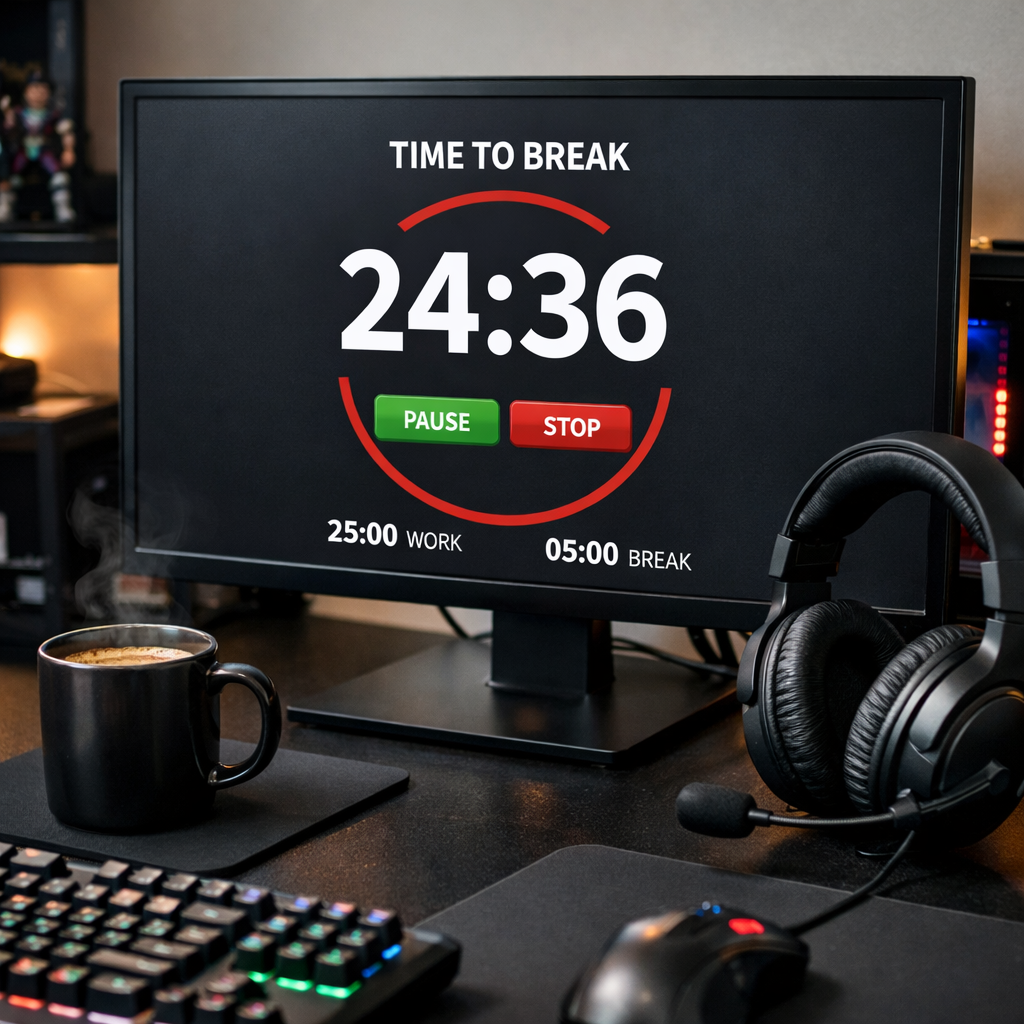
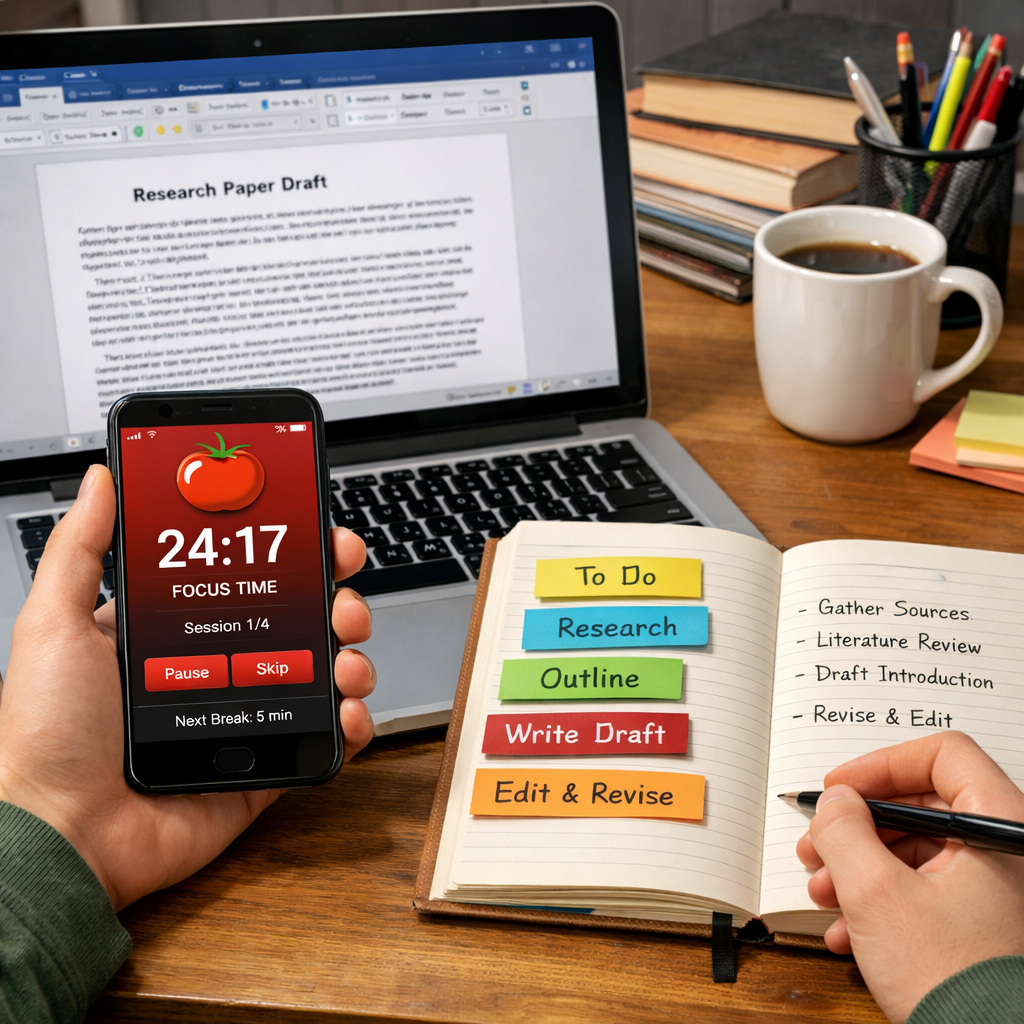
This one’s a classic for a reason. The idea is simple: work in focused bursts, then take a break. You set a timer for 25 minutes, hammer away at one task, and when the timer goes off, you take a 5-minute break. After about four of these "Pomodoros," you take a longer break, maybe 15-30 minutes. It sounds almost too simple, but it really helps train your brain to concentrate and stops you from feeling totally drained.
- Pick one task. Don’t try to juggle multiple things during a Pomodoro.
- Set the timer. 25 minutes is the standard, but you can adjust it.
- Take your break. Seriously, step away from your work.
- Repeat. Build up those focused work sessions.
This method helps build a sense of urgency and prevents that feeling of being overwhelmed by a huge task. It’s like eating an elephant one bite at a time, but with a timer.
Task Batching for Grouped Activities
Ever find yourself switching between writing an email, then looking up a file, then answering a quick Slack message? That’s called context switching, and it’s a productivity killer. Task batching means grouping similar tasks together and doing them all at once. So, instead of checking emails every hour, you set aside a specific block of time, say, twice a day, just for emails. Same goes for making phone calls, doing expense reports, or any other repetitive tasks. It cuts down on the mental gymnastics your brain has to do.
Time Boxing for Defined Task Durations
This is a bit like time blocking, but with a stricter focus on individual tasks. With time boxing, you assign a fixed amount of time to a specific task before you start it. Let’s say you have a report to write. You might decide, "I’m going to spend exactly 90 minutes on this report, and that’s it." If you finish early, great. If you don’t, you either have to stop or consciously decide to extend the box, which makes you think twice about whether it’s worth it. It’s a great way to avoid perfectionism and just get things done. You can find some helpful tools to audit your current habits and see where your time is actually going, which is a good first step before you start boxing your time.
Structuring Your Day for Peak Performance
So, you’ve got your tasks sorted and you know your priorities. Now, how do you actually make your day flow without feeling like you’re constantly reacting to things? It’s all about building a structure that works with your natural energy levels, not against them. Think of it like designing a good road trip – you need planned stops, scenic routes, and maybe a few unexpected detours, but you still need a general direction.
Optimizing Your Morning Routine
This is prime time, folks. Your brain is usually freshest in the morning, so this is the spot to put your most demanding work. Forget checking emails or scrolling through social media right away. Instead, block out the first couple of hours for that big project, strategic thinking, or anything that needs your full brainpower. By tackling your most important task first, you get a huge win right out of the gate. This sets a positive tone and makes sure the critical stuff actually gets done before the day’s chaos kicks in.
Maintaining Midday Momentum
Let’s be real, most of us hit a bit of a slump after lunch. Trying to force deep concentration then is usually a losing battle. Instead, use this time for less mentally taxing activities. This could be responding to emails, making calls, attending meetings, or doing some light administrative work. Grouping these kinds of tasks together can actually make them feel less like a chore. It’s about keeping the wheels turning without burning yourself out.
Evening Wrap-Up and Planning for Tomorrow
Don’t just shut your laptop and forget about work. Spend the last 15-30 minutes of your workday doing a quick review. What did you accomplish? What’s still on the plate? Jot down the top 1-3 things you need to focus on tomorrow. This simple act does wonders for your peace of mind. You can leave work feeling accomplished and go home knowing exactly where to start the next day, which seriously cuts down on morning decision fatigue.
A structured day isn’t about being rigid; it’s about being intentional. It’s about making conscious choices about where your time and energy go, so you’re working smarter, not just harder. This intentionality frees up mental space and reduces the constant feeling of being overwhelmed.
Leveraging Tools for Your Planning and Timer Workflow

Alright, so we’ve talked a lot about how to plan and manage your time, but let’s get real for a second. Doing all this manually can feel like a chore, right? Luckily, there’s a whole bunch of tech out there designed to make our lives easier. Using the right tools can seriously change the game for your productivity.
Choosing the Right Task Management Apps
First off, you need a solid place to keep track of everything. Forget sticky notes all over your monitor; we’re talking digital organization. There are tons of apps out there, and the best one for you really depends on what you need. If you’re just starting out and want something simple, apps like Todoist or Microsoft To Do are great for making straightforward lists and setting reminders. They’re pretty easy to get the hang of. For those who like a bit more structure or are working on bigger projects, something like Trello or Asana might be more your speed, offering visual boards to see where everything stands. And if you’re someone who likes to keep notes, ideas, and tasks all in one spot, apps like Notion can be a real lifesaver.
The key is to pick a tool that fits your brain, not the other way around. Don’t get bogged down trying to use the fanciest app if it just confuses you. Simplicity often wins.
Utilizing Timer Features Effectively
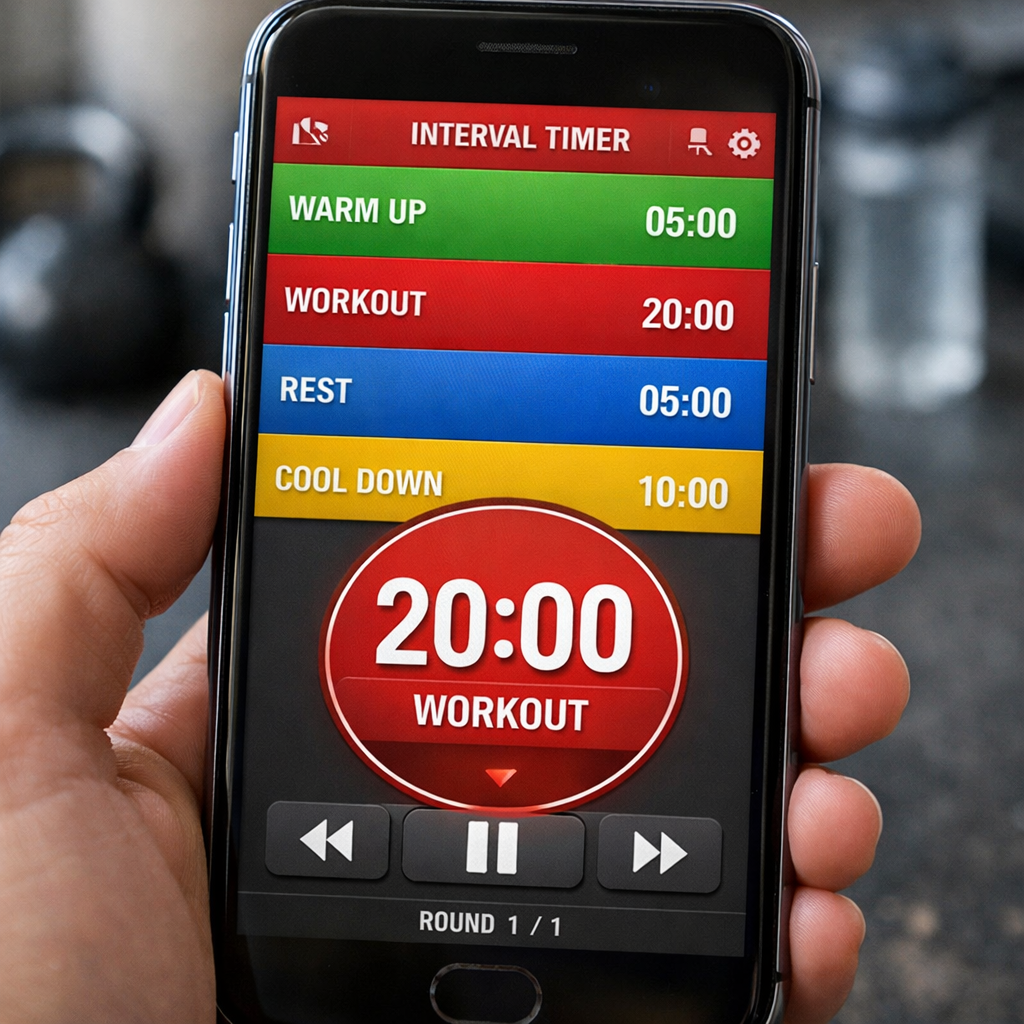
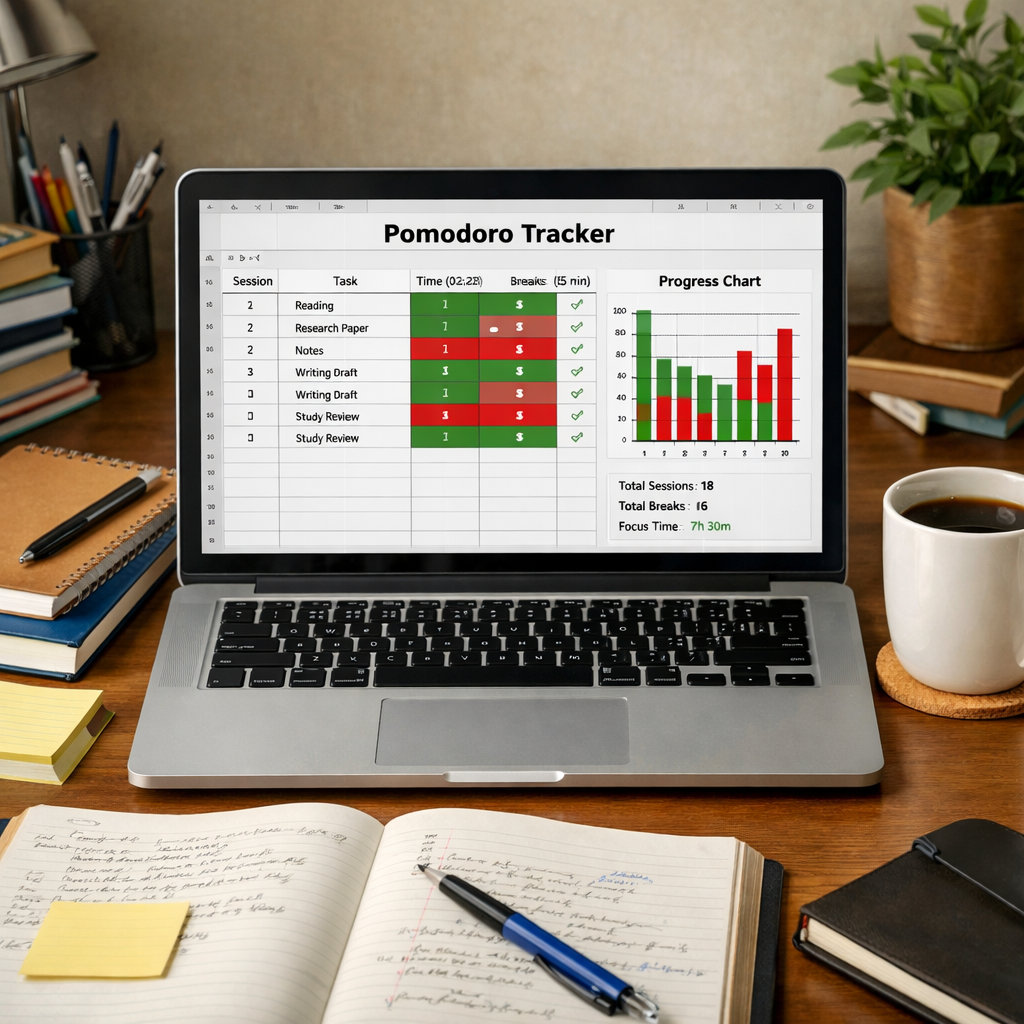
Now, about those timers. They’re not just for cooking pasta! Many task management apps have built-in timers, or you can use standalone apps. The Pomodoro Technique, which we touched on earlier, relies heavily on timers. You set it for a focused work interval, say 25 minutes, and then take a short break when it rings. This helps you stay on task without burning out. Some apps even let you track how much time you spend on different projects, which is super useful for seeing where your day actually goes. It’s a simple way to build focus and create a sense of urgency.
Here’s a quick look at how timers can fit into your day:
- Focused Work Sprints: Use a timer for dedicated work blocks (like Pomodoros) to maintain concentration.
- Scheduled Breaks: Set timers for your breaks too, so you don’t accidentally work through them.
- Time Tracking: Log your work sessions to understand your time usage better.
Integrating Tools for Seamless Workflow
Okay, so you’ve got your task app and your timer. How do you make them play nice together? The goal is to create a workflow that feels natural, not like you’re juggling a dozen different things. Many modern apps can sync with your calendar, so when you block out time for a task, it shows up there. Some even integrate with other tools you might use for communication or document storage. The idea is to minimize the friction between planning, doing, and tracking. If your tools talk to each other, you spend less time switching screens and more time actually getting stuff done. It’s about making your digital workspace work for you, not against you. Finding that sweet spot can really make a difference in how smoothly your day runs. You can find some great options for task management that balance power and simplicity to help manage tasks effectively.
Refining Your Workflow Through Regular Review
So, you’ve set up your time blocks, you’re using your timers, and things are humming along. That’s awesome! But here’s the thing: a workflow isn’t a ‘set it and forget it’ kind of deal. It needs a little TLC, a bit of tweaking, to keep it working for you. Think of it like tuning up a car; you wouldn’t just drive it forever without checking the oil or tire pressure, right? Your planning system needs that same attention.
Conducting a Weekly Schedule Assessment
Every week, maybe on a Friday afternoon or Sunday evening, take about 30 minutes to look back at how your schedule actually played out. Don’t just glance; really dig in. What worked well? What felt like a constant struggle? Were there tasks that consistently ran over their allotted time? Or maybe some blocks where you felt super productive, and others where you just couldn’t get going?
Here’s a quick way to break down your assessment:
- Task Completion Rate: How many of your planned tasks did you actually finish?
- Time Accuracy: Did your time estimates match reality? Note down any big discrepancies.
- Energy Levels: When did you feel most focused? When did you hit a wall?
- Distraction Audit: What pulled you off track most often?
This isn’t about judgment; it’s about gathering data. You’re collecting intel to make your next week even better. It’s a key part of effective workflow management.
Adapting Your Time Blocks as Needed
Once you’ve done your assessment, it’s time to make changes. If you noticed that your ‘deep work’ blocks are always getting interrupted, maybe you need to shift them to a time when you’re less likely to be disturbed, or perhaps shorten them and add more buffer time. If a particular type of task consistently takes longer than you thought, adjust the time block for it. Maybe you need to break down larger tasks into even smaller chunks, or perhaps you need to allocate more time for creative thinking if that’s a common part of your work.
Don’t be afraid to experiment. What works for someone else might not be perfect for you. The goal is to create a system that genuinely supports your way of working and your energy cycles.
Analyzing Time Usage for Optimization
Looking at where your time actually goes is eye-opening. Did you spend more time than planned on emails? Did that ‘quick’ meeting run long? Tools that track your time can be incredibly helpful here, showing you patterns you might not even realize exist. You might discover that certain activities, while seemingly productive, aren’t actually moving the needle on your most important goals. This analysis helps you make informed decisions about where to cut back and where to invest more time. It’s about making sure your effort aligns with your objectives, not just staying busy.
By consistently reviewing and adjusting, your planning and timer workflow becomes a dynamic tool, not a rigid cage. It evolves with you and your responsibilities, keeping you on track and productive.
The Core Benefits of a Structured Workflow

So, you’ve put in the work to set up a planning and timer system. That’s awesome! But what’s the actual payoff? Why go through the trouble of blocking out time and using timers? Well, it turns out there are some pretty solid reasons why this approach can really change how you get things done.
Boosting Productivity with Focused Blocks
This is probably the most obvious win. When you set aside specific chunks of time for particular tasks, you’re essentially telling your brain, "Okay, for the next hour, this is all that matters." It cuts down on that constant switching between tasks that drains your energy. You’re not just busy; you’re actually making progress on what’s important. Think of it like this:
- Deep Work Sessions: Dedicate uninterrupted blocks to complex projects that need your full attention.
- Routine Task Completion: Group similar, smaller tasks into a single block to knock them out efficiently.
- Learning and Development: Schedule time for reading, online courses, or skill-building activities.
By giving each task its own dedicated space, you minimize distractions and get into a flow state much faster. It’s about working smarter, not just harder.
Improving Well-being with Scheduled Breaks
It might seem counterintuitive, but scheduling breaks is just as important as scheduling work. When you’re constantly pushing without a pause, you burn out. A structured workflow includes planned downtime. These aren’t just random moments to check your phone; they’re intentional pauses to rest your mind and body.
Taking regular, short breaks can actually make you more productive in the long run. It helps prevent mental fatigue and keeps your focus sharp when you return to your tasks.
These breaks can be anything from a quick walk around the block to a few minutes of stretching or just staring out the window. The key is that they are planned, so you don’t feel guilty about stepping away. This mindful approach to rest helps maintain your energy levels throughout the day and prevents that mid-afternoon slump.
Minimizing Procrastination and Decision Fatigue
Ever stare at your to-do list and feel completely paralyzed, not knowing where to start? That’s decision fatigue kicking in. A structured workflow tackles this head-on. When you’ve already decided what you’re working on and when, you remove a huge mental hurdle.
- Clear Action Steps: Your schedule tells you exactly what to do next.
- Reduced Overwhelm: Breaking down big projects into smaller, timed tasks makes them feel more manageable.
- Momentum Building: Completing one timed task often gives you the motivation to start the next.
This system helps you bypass the urge to procrastinate because the decision of what to do has already been made. You just need to follow the plan. It’s like having a roadmap for your day, guiding you smoothly from one task to the next without getting lost in indecision.
Your Day, Your Rules
So, we’ve walked through how to really take charge of your schedule, moving past just making lists and into actually getting things done. Remember, it’s not about being a robot with a rigid timetable. It’s about giving yourself a clear path, knowing what’s next, and making sure you’re spending your energy on what truly matters. Whether you’re trying out time blocking, the Pomodoro Technique, or just a bit of smart task batching, the goal is to find what clicks for you. Don’t be afraid to tweak things as you go. The best plan is the one you’ll actually stick with. Start small, be consistent, and you’ll see a real difference in how much you accomplish and how much less stressed you feel doing it. Here’s to mastering your day, one well-planned block at a time.
Frequently Asked Questions
What exactly is time blocking?
Think of time blocking like drawing lines on your day’s calendar. Instead of just writing down what you need to do, you actually set aside specific chunks of time for each task. So, you might block out 9 AM to 10 AM for answering emails, then 10 AM to 12 PM for working on a big project. It helps you focus on one thing at a time.
Why is time blocking better than just a to-do list?
A to-do list can be overwhelming, and it’s easy to jump from one thing to another without really finishing anything. Time blocking makes you commit to spending a certain amount of time on a task. It helps you get into a focused groove and prevents you from getting sidetracked by distractions or constantly switching tasks, which wastes a lot of mental energy.
How do I figure out how much time to block for each task?
It takes a little practice! Start by guessing how long you think a task will take. Then, use a timer while you work. After a week or so, look back at how much time you actually spent versus how much you planned. You’ll start to get a better idea of realistic times for different kinds of work. Don’t be afraid to adjust your blocks as you learn.
What’s the Pomodoro Technique, and how does it fit in?
The Pomodoro Technique is a way to work in focused bursts. You set a timer for 25 minutes and work hard on one thing. When the timer goes off, you take a short 5-minute break. After about four of these work bursts, you take a longer break. It’s great for staying focused during your time blocks and preventing burnout.
Should I schedule breaks too?
Absolutely! Breaks are super important. Scheduling short breaks helps your brain rest and recharge, so you can come back to your work feeling fresh and focused. Skipping breaks can lead to getting tired and making more mistakes. So, yes, put those breaks right into your time blocks!
What if something unexpected comes up and I can’t stick to my blocks?
That’s totally normal! Life happens. The goal isn’t to be a robot, but to have a plan. If something urgent pops up, just adjust your blocks for the rest of the day or week. Maybe you need to move a less important task to tomorrow or shorten a block. The key is to be flexible and get back on track as soon as you can.