
Late nights can feel like the only time you can really get things done, right? The world quiets down, and suddenly, your brain feels more awake. But studying when the clock is ticking past midnight can be tough. You need to find ways to keep your brain sharp and avoid just zoning out. This article is all about those little tricks and tips to help you make the most of your night study sessions, so you can actually learn stuff and feel good about it.
Key Takeaways
- Set up a study spot that’s just for studying. Make sure it’s comfy, has good light, and doesn’t have too much going on to distract you.
- Plan your study time. Break it down into chunks with short breaks in between. This helps you stay focused and not get too tired.
- Keep your body and mind fueled. Drink water and have healthy snacks ready. Be smart about caffeine – it can help, but too much can make you jittery.
- Use tools to help you concentrate. Think about playing quiet music or using apps that block distracting websites.
- Remember that sleep is super important. Even though you’re studying late, try to get enough rest so your brain can actually remember what you studied.
Crafting Your Ideal Night Study Environment
Alright, let’s talk about setting up your space for those late-night study sessions. It’s not just about having a desk; it’s about making that desk work for you when the rest of the world is winding down. Think of it as building your own personal productivity bubble.
Designate A Distraction-Free Study Zone
First things first, pick a spot. This could be a corner of your room, a specific table, or even a quiet nook in your home. The key is that it’s your study zone, and you train your brain to associate it with focus. When you sit down there, it’s study time, period. This means putting away anything that screams ‘leisure’ – no random books for fun, no gaming controllers, and definitely no piles of laundry. Keep it clean and organized. A cluttered desk can lead to a cluttered mind, and that’s the last thing you need when you’re trying to absorb complex information.
Optimize Lighting And Comfort For Late Hours
Nighttime study calls for different lighting than daytime. Harsh overhead lights can feel jarring and even make you feel more tired. Instead, try softer, warmer lighting. A good desk lamp is your best friend here. You can even experiment with colored bulbs – some people find a soft amber or warm white light helps them relax and focus. Make sure your chair is comfortable, but not too comfortable that you’ll fall asleep. You want to be alert, not lounging. Consider the temperature too; a room that’s too warm can make you drowsy, while too cold can make you restless.
Minimize Digital And Auditory Interruptions
This is a big one. Your phone is probably the biggest culprit. Put it on ‘do not disturb’ mode, or better yet, put it in another room entirely. If you need it for research, use specific apps that block distracting websites and social media. For auditory distractions, think about what works for you. Some people thrive in complete silence, while others need a bit of background noise. If silence is too much, consider instrumental music, ambient sounds, or even white noise. Noise-canceling headphones can be a game-changer if you live in a noisy household or dorm.
Creating a dedicated study space, even a small one, signals to your brain that it’s time to focus. It’s about building a routine and a physical boundary between your study life and your downtime.
Strategic Time Management For Night Owls
When the world quiets down, that’s often when your brain really kicks into gear. But just because you’re a night owl doesn’t mean you can skip out on planning. In fact, good time management is probably even more important when you’re studying late. You’ve got to make every hour count, right?
Implement Time-Blocking Techniques
Think of time-blocking like drawing lines on your calendar for specific tasks. Instead of just saying ‘study chemistry,’ you’d block out ‘7:00 PM – 8:00 PM: Review Chemistry Chapter 5’ or ‘8:00 PM – 8:30 PM: Practice Chemistry Problems’. This makes your study goals super clear and helps you avoid just drifting from one thing to another. It’s a solid way to make sure you’re actually getting through your material. You can find some great examples of how to structure these blocks online, which can be a real help when you’re starting out.
Schedule Regular Short Breaks
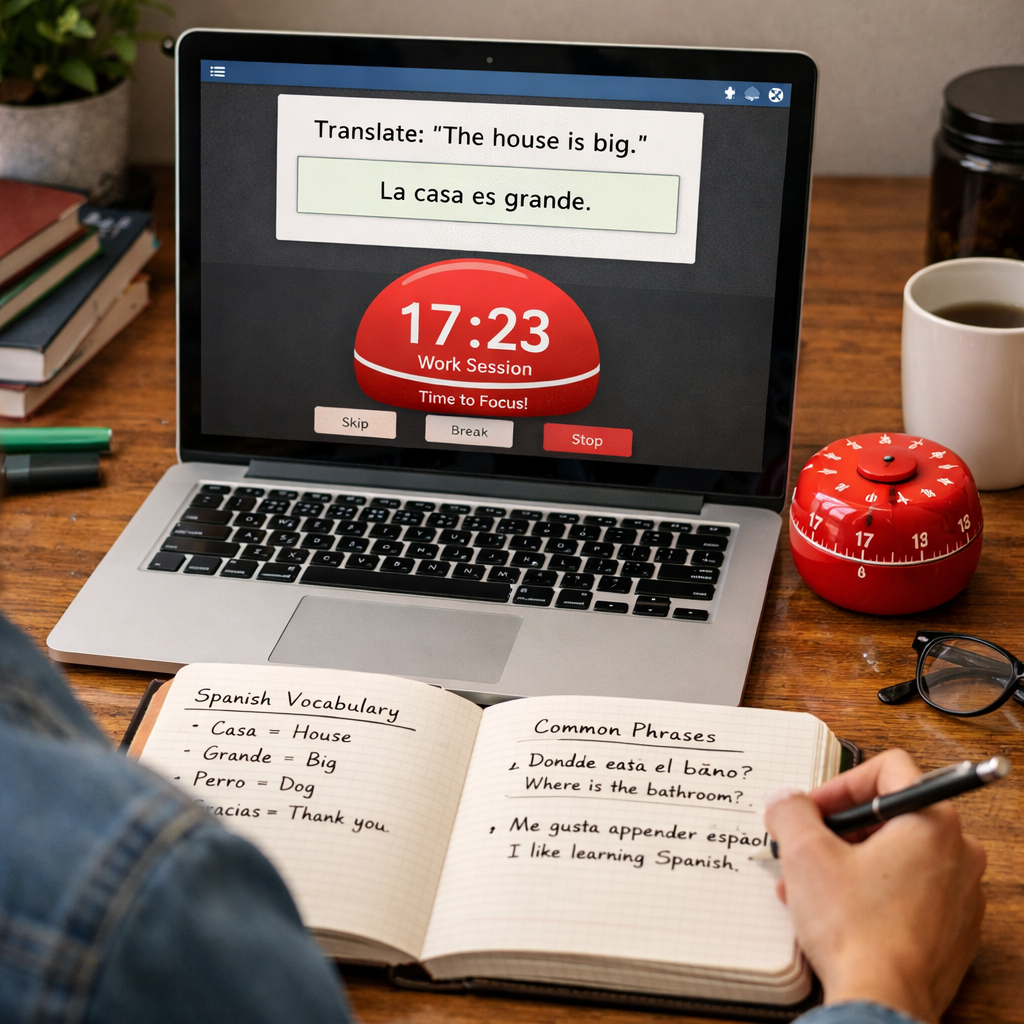
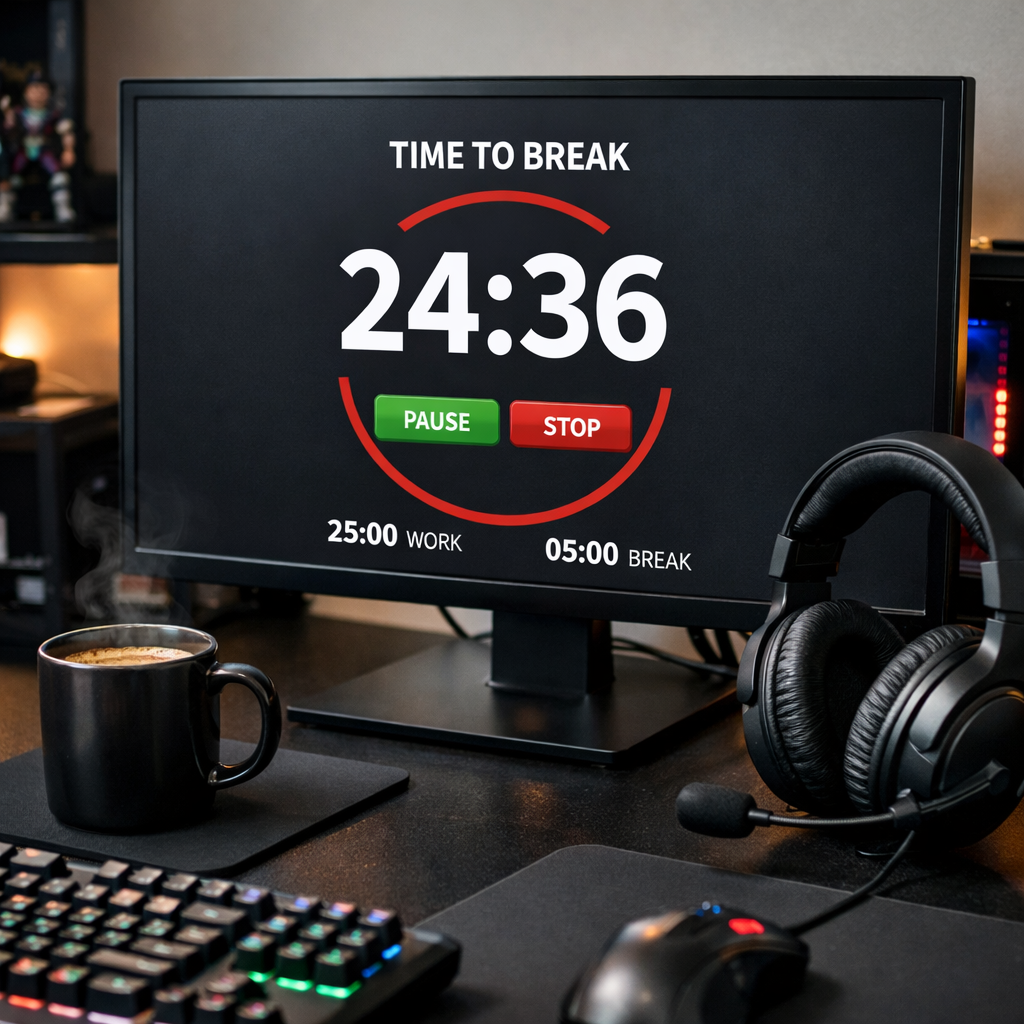
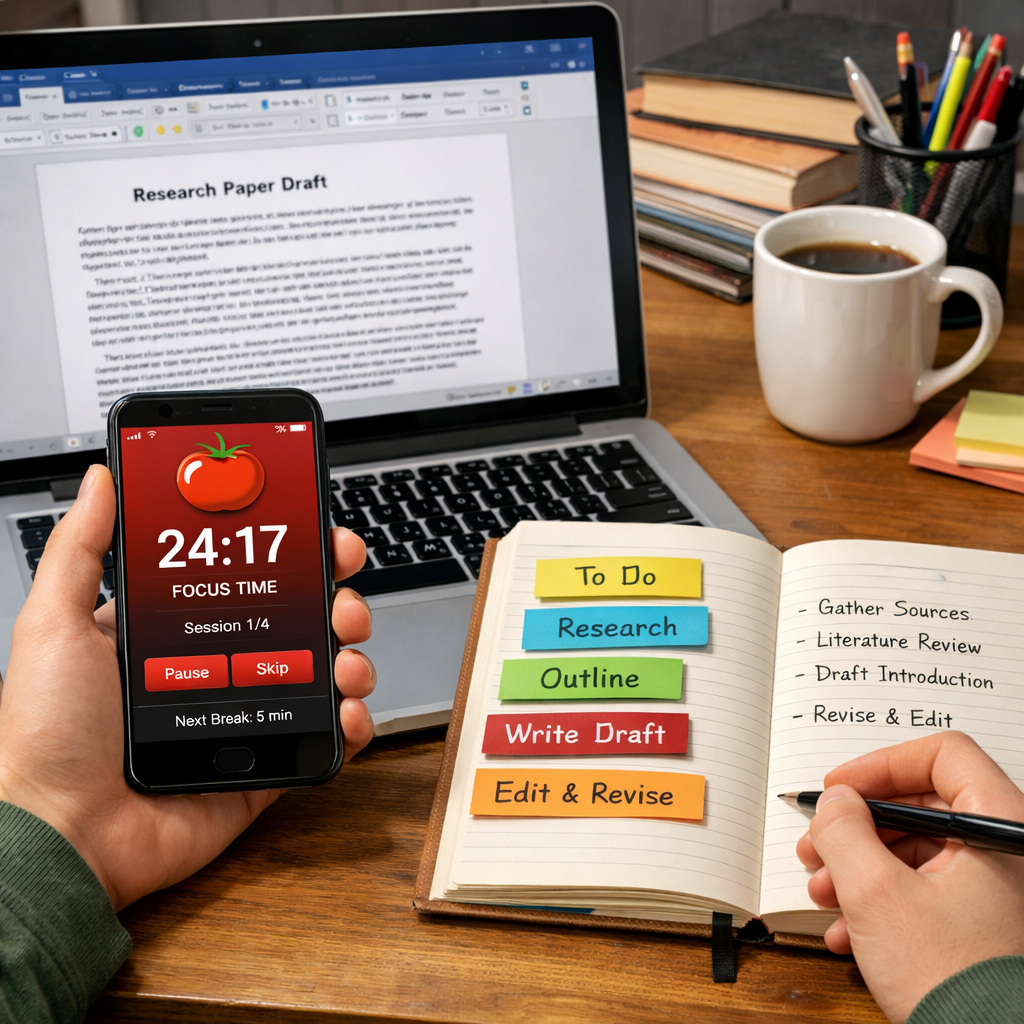
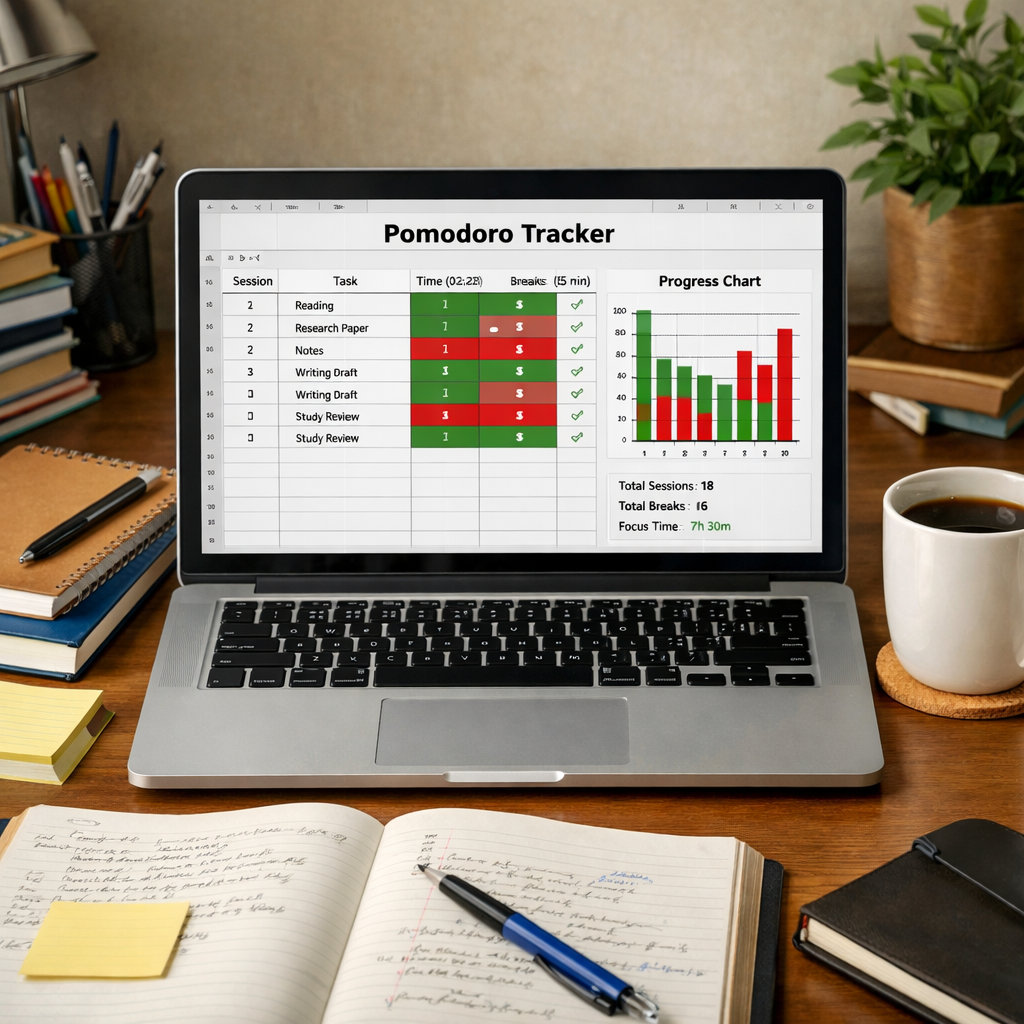
It sounds counterintuitive, but taking breaks actually helps you study better. Trying to power through for hours on end is a recipe for burnout. A good rule of thumb is the Pomodoro Technique: study for 25 minutes, then take a 5-minute break. After a few of these cycles, take a longer break, maybe 15-20 minutes. During these breaks, get up, stretch, grab some water, or just look away from your screen. It helps reset your brain so you can come back to your work feeling more refreshed and ready to focus. It’s amazing how much more you can get done when you’re not completely drained.
Prioritize Tasks Based On Urgency
Not all study tasks are created equal. Some things are due tomorrow, while others can wait. Before you even start your study session, take a few minutes to figure out what absolutely needs to get done and what can be pushed back. You can use a simple system like A, B, C priorities, or just list them from most to least important. Tackling the most urgent or difficult tasks first, when your mind is freshest, can make a huge difference. It’s a smart way to make sure you’re not scrambling at the last minute.
Managing your time effectively when studying late is about working smarter, not just longer. By breaking down your study periods and knowing what to focus on, you can turn those quiet night hours into your most productive time. It’s about creating a rhythm that works for you and sticking to it, even when you’re tired.
Here’s a quick look at how you might structure a study block:
- Task: Review Biology Lecture Notes
- Time Block: 9:00 PM – 9:45 PM
- Goal: Summarize key concepts in own words
- Break: 9:45 PM – 9:50 PM
- Task: Complete Math Homework Problems
- Time Block: 9:50 PM – 10:30 PM
- Goal: Solve 10 assigned problems
- Break: 10:30 PM – 10:35 PM
- Task: Read History Chapter
- Time Block: 10:35 PM – 11:15 PM
- Goal: Identify main arguments and supporting evidence
- Break: 11:15 PM – 11:20 PM
Fueling Your Focus Through The Night

When the sun goes down and the world quiets, your brain might actually hit its stride. But even night owls need to keep their engines running smoothly. Think of your late-night study sessions like a marathon, not a sprint. You wouldn’t run a marathon without proper hydration and fuel, right? Your brain is no different.
Hydration and Smart Snacking Strategies
Staying hydrated is surprisingly important for keeping your mind sharp. Dehydration can make you feel sluggish and foggy, which is the last thing you want when you’re trying to absorb complex information. Keep a water bottle nearby and sip on it regularly. Avoid sugary drinks that lead to a quick crash later on. For snacks, aim for things that give you sustained energy. Think nuts, seeds, fruits like apples or bananas, or some Greek yogurt. These provide a steady release of energy without the jitters or the subsequent slump.
- Water: Your primary go-to. Aim for at least 8 ounces every hour.
- Nuts and Seeds: Almonds, walnuts, pumpkin seeds offer healthy fats and protein.
- Fruits: Berries, apples, and bananas provide natural sugars and fiber.
- Dark Chocolate: A small piece can boost mood and focus without a sugar overload.
The Role Of Caffeine And Its Alternatives
Coffee or tea can be a lifesaver for late-night study sessions. Caffeine is a stimulant that can temporarily boost alertness and concentration. However, it’s a balancing act. Too much caffeine can lead to anxiety, jitters, and difficulty sleeping later, which defeats the purpose of studying effectively. Pay attention to how your body reacts. If you’re sensitive, consider smaller doses or opt for green tea, which has less caffeine and contains L-theanine, an amino acid that can promote calm focus.
For those who want to avoid caffeine altogether, there are other options. Herbal teas like peppermint or ginger can be invigorating. Even a brisk walk or some light stretching can help wake you up. Some people find certain supplements, like ginseng or rhodiola, helpful, but it’s always best to talk to a doctor before trying new supplements.
Mindful Consumption For Sustained Energy
It’s not just about what you eat and drink, but how and when. Try to avoid heavy meals right before or during your study time. A large meal can make you feel sleepy as your body diverts energy to digestion. Instead, stick to smaller, more frequent snacks. Also, be mindful of your caffeine intake. If you’re having coffee at 10 PM, don’t be surprised if you’re still wired at 2 AM. Try to cut off caffeine intake at least 6 hours before you plan to sleep. Listening to your body is key; if you feel a crash coming, it might be time for a short break or a different kind of fuel.
Your brain needs consistent, clean energy to perform at its best during those late hours. Think of it as providing high-quality fuel for a high-performance engine. Skipping meals, relying solely on sugar, or overdoing stimulants can lead to burnout and reduced effectiveness, making your study time less productive than it could be.
Leveraging Tools For Enhanced Concentration

Sometimes, you just need a little extra help to keep your brain on track when the clock ticks past midnight. Luckily, there are some pretty neat tools out there that can make a big difference in keeping you focused.
Utilize Calming Music Or White Noise
Ever notice how some sounds just make you zone out, while others pull you right back in? For studying, we’re aiming for the former. Background noise can actually help block out more distracting sounds, like a car horn or a roommate’s TV. Think of it as creating a sound bubble around yourself.
- Ambient Music: Look for instrumental tracks, lo-fi beats, or classical music. Anything without lyrics is usually best because words can pull your attention away from your books.
- White Noise: This is basically a steady, consistent sound that masks other noises. You can find apps or websites that offer white noise, or even just the sound of rain or a fan.
- Nature Sounds: Some people find the sounds of rain, waves, or a forest really help them relax and concentrate.
Experiment to see what works for you. What one person finds soothing, another might find annoying. It’s all about personal preference and what helps you get into that study zone.
Consider Blue Light Filters Or Glasses
Staring at screens for hours, especially late at night, can really mess with your eyes and your sleep cycle. That bright light tricks your brain into thinking it’s still daytime. Using blue light filters on your devices or wearing blue light blocking glasses can help.
- Device Settings: Most phones and computers have a built-in ‘night mode’ or ‘blue light filter’ you can turn on. It makes the screen look warmer, less harsh.
- Apps: There are also apps that can automatically adjust your screen’s color temperature based on the time of day.
- Glasses: If you spend a lot of time in front of a screen, especially for long study sessions, a pair of blue light blocking glasses might be worth looking into. They’re not magic, but many people report less eye strain.
It’s not just about comfort; it’s about helping your body wind down so you can actually get some decent sleep later, which, as we’ve talked about, is super important for learning.
Explore Productivity Apps And Software
Beyond just blocking distractions, there are apps designed to help you manage your time and tasks more effectively. These can be lifesavers when you’re trying to stay on track.
- Task Management: Apps like Todoist or Asana can help you break down big projects into smaller, manageable steps. You can set deadlines and track your progress.
- Focus Timers: Tools like Forest or Focus@Will use gamification or curated playlists to keep you engaged and working for set periods. Forest, for example, lets you grow a virtual tree while you focus; if you leave the app, your tree dies.
- Distraction Blockers: Apps like Freedom or Cold Turkey can temporarily block access to distracting websites and apps across all your devices. This is a pretty serious way to cut down on temptation.
The key is to find tools that genuinely support your workflow without becoming another distraction themselves. Start simple and add complexity only if you find you really need it. Sometimes, the best tool is the one you actually use consistently.
Remember, these tools are there to assist you, not replace your own effort. They’re like a helpful study buddy, but digital. Finding the right combination can make those late-night study sessions feel a lot less like a battle and more like productive work. If you’re finding it hard to switch off or calm your mind, resources like stress relief tools might offer some alternative approaches to consider.
Cultivating A Productive Night Study Mindset
It’s easy to feel like your brain just shuts off when the sun goes down, but there’s a whole different kind of energy that comes with the quiet of the night. Instead of fighting it, let’s figure out how to work with it. Thinking of the night as a special, quiet time for focused work can really change things. It’s not just about being awake late; it’s about making that time count.
Embrace The Quiet Hours As An Advantage
The world slows down at night. Fewer emails ping, fewer social media notifications pop up, and the general hustle and bustle fades away. This stillness can be your secret weapon. It’s a chance to really get into the zone without constant interruptions. Think of it as having a private study hall, just for you. This lack of external noise can help you concentrate better on complex topics or creative tasks that need your full attention.
Set Achievable Goals For Each Session
Trying to tackle too much when you’re tired is a recipe for frustration. Break down your study tasks into smaller, manageable chunks. Instead of saying "study for the history exam," aim for something like "review chapters 3 and 4" or "complete 10 practice problems." This makes the workload feel less overwhelming and gives you a clear target for each study block. It’s like climbing a staircase one step at a time, rather than trying to leap to the top.
Here’s a simple way to set goals:
- Identify the main topic for the session.
- Break it into smaller sub-topics or tasks.
- Estimate a realistic time for each task.
- Write down the specific goal for the session (e.g., "Understand concept X and complete 5 practice questions").
Incorporate A Reward System For Milestones
Let’s be honest, studying late can be a drag. A reward system can make it feel more like a game you can win. Plan small rewards for yourself when you hit those achievable goals you set. It doesn’t have to be anything big – maybe it’s a 10-minute break to watch a funny video, a favorite snack, or just a few minutes of scrolling through social media. These little treats act as positive reinforcement, making you more likely to stick with your study plan.
Consider this simple reward structure:
| Milestone Achieved | Reward |
|---|---|
| Completed one study block | 5-minute stretch and water break |
| Finished a chapter review | 15 minutes of your favorite podcast/music |
| Mastered a difficult concept | A small, tasty snack (e.g., chocolate) |
| Completed all planned tasks | A longer break or a fun activity |
Shifting your perspective to see the night as a time of opportunity, rather than a burden, is key. By setting clear, small goals and rewarding yourself along the way, you can build momentum and make your late-night study sessions genuinely productive and even enjoyable.
Refining Your Night Study Focus Tips
So, you’ve been trying out different strategies for your late-night study sessions, and that’s awesome. The real magic happens when you start tweaking things to fit you. It’s not about blindly following advice; it’s about figuring out what actually makes your brain tick when the rest of the world is asleep.
Reflect On What Works Best For You
Think about your last few study nights. What felt good? What felt like a struggle? Maybe that playlist you thought was perfect actually made you zone out, or perhaps the specific snack you chose gave you a sugar crash. Jotting down quick notes after each session can be super helpful. Was the lighting just right? Did you actually take those breaks, or did you just keep pushing through? Paying attention to these details is how you build a study routine that sticks. It’s like fine-tuning an instrument – small adjustments make a big difference in the final sound.
Adjust Strategies Based On Performance
Based on your reflections, it’s time to make some changes. If you noticed your focus dipping around 1 AM, maybe try shifting your most demanding tasks to an earlier slot, say 10 PM to midnight. Or, if you found yourself getting sleepy, perhaps a short walk outside or a quick stretch routine could be more effective than another cup of coffee. Experimenting with different study methods, like switching from reading to active recall or using flashcards, can also keep things fresh. Remember, what works one night might not work the next, so staying flexible is key. You can find some great ideas for optimizing your study time if you’re looking for new approaches.
Prioritize Sleep For Long-Term Success
This might sound counterintuitive when we’re talking about late-night studying, but sleep is non-negotiable. Pulling all-nighters regularly might seem like a badge of honor, but it really messes with your ability to learn and remember things. Aim for consistency in your sleep schedule as much as possible, even on weekends. If you have a particularly intense study night, try to catch up on sleep the next day rather than just powering through on fumes. Your brain needs that downtime to consolidate information and recharge. Think of sleep not as lost study time, but as an investment in your future study sessions.
The goal isn’t just to study late, but to study effectively late. This means being honest with yourself about what helps and what hinders your concentration. It’s a continuous process of learning and adapting, ensuring your late-night efforts actually pay off.
Wrapping Up Your Night Study Game
So, we’ve gone over a bunch of ways to make those late-night study sessions actually work for you. Remember, it’s not just about staying awake, it’s about being smart with your time and your brain. Setting up a good spot, taking breaks, and maybe even using those blue light glasses can make a real difference. Don’t forget to see what works best for you and adjust as you go. Keep at it, and you’ll find your rhythm for conquering those late nights.
Frequently Asked Questions
What’s the best way to set up my study space at night?
Make your study spot super comfy and quiet! Pick a place where you won’t be bothered by noise or people. Make sure the light is good so you don’t strain your eyes, and have all your books and supplies ready so you don’t have to get up a lot.
How can I stay focused when studying late?
Try breaking your study time into chunks. For example, study hard for 25 minutes, then take a 5-minute break. This helps your brain stay fresh. Also, put your phone away or turn off notifications so you’re not tempted to scroll.
What should I eat and drink to keep my energy up?
Drink plenty of water to stay hydrated! For snacks, choose things like fruits, nuts, or yogurt that give you steady energy. Avoid sugary snacks that can make you crash later. A little bit of caffeine can help, but don’t overdo it, especially close to bedtime.
Are there any apps or tools that can help me study better at night?
Yes! You can use apps that play calming music or white noise to help you concentrate. Some apps can also help you block distracting websites. Wearing blue light glasses can also make screen time easier on your eyes late at night.
How do I avoid feeling sleepy and unmotivated when studying late?
Think of the quiet night as your secret study time! Set small, doable goals for each study session. When you reach a goal, give yourself a small reward, like a favorite snack or a short break to stretch. This makes studying feel less like a chore.
Is it really okay to study late at night?
It’s best to get enough sleep! While studying late can work sometimes, your brain learns best when you’re well-rested. Try to study smart during those late hours, but always make sure you’re getting good sleep overall. Reflect on what study times work best for you.