
So, you’re in med school. It’s a lot, right? Between lectures, labs, and trying to remember what feels like a million new things every day, it’s easy to get swamped. I’ve been there, and honestly, sometimes just staring at your notes feels impossible. That’s where the med school pomodoro technique comes in. It’s not some magic bullet, but it’s a pretty solid way to break down the mountain of information into bite-sized chunks. We’re going to look at how this simple time management trick can actually make a difference when you’re deep in the trenches of medical studies.
Key Takeaways
- The Pomodoro Technique involves working in focused bursts, typically 25 minutes, followed by short breaks, helping to maintain concentration and prevent burnout during intense med school study periods.
- Setting up a dedicated, distraction-free study environment is crucial for maximizing the effectiveness of your med school pomodoro sessions.
- Breaking down complex medical topics into smaller, manageable study goals for each Pomodoro session makes the learning process less overwhelming.
- Regular, strategic breaks are vital to avoid mental fatigue and burnout, ensuring sustained productivity throughout the demanding med school curriculum.
- Experimenting with different Pomodoro interval lengths and adapting the technique to various subjects can significantly boost learning efficiency for medical students.
Understanding The Pomodoro Technique For Med School
What Is The Pomodoro Technique?
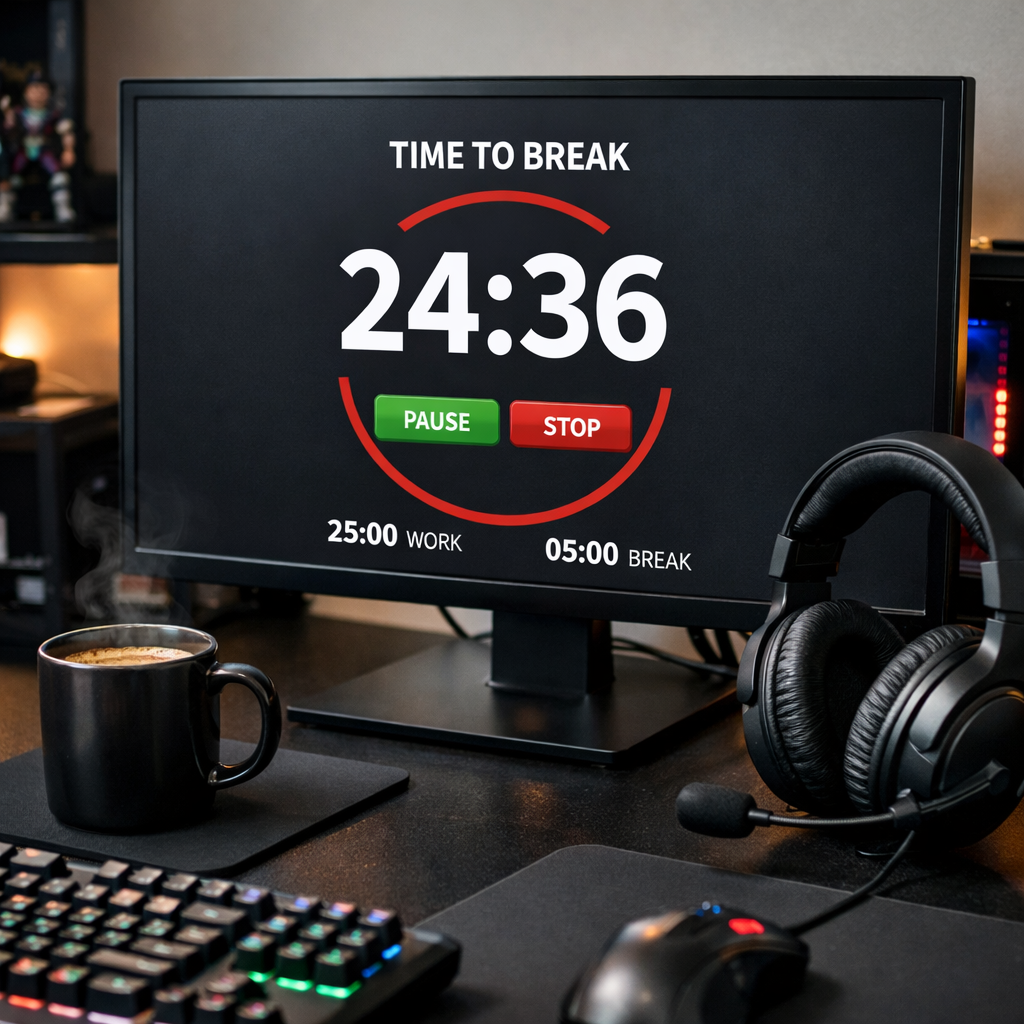
So, you’re in medical school, and the sheer volume of information feels like a tidal wave, right? You’re probably looking for any edge you can get to stay on top of it all. That’s where the Pomodoro Technique comes in. It’s a time management method that breaks your study time into focused bursts, separated by short breaks. Think of it like this: instead of trying to marathon through hours of dense textbook chapters or complex lectures, you tackle them in manageable sprints. Each sprint, traditionally 25 minutes long, is called a "Pomodoro." After each Pomodoro, you take a short 5-minute break. It sounds simple, but this structure can make a huge difference in how much you absorb and how long you can maintain focus without feeling completely drained.
The Origins Of The Pomodoro Technique
This whole thing started back in the late 1980s with a university student named Francesco Cirillo. He was struggling to concentrate on his studies, which, let’s be honest, sounds pretty familiar to anyone in med school. In a moment of wanting to just get something done, he grabbed a tomato-shaped kitchen timer – a "pomodoro" in Italian – and challenged himself to study for just 10 minutes. That small experiment grew into the technique we know today. Cirillo refined it, settling on the 25-minute work interval as a sweet spot for focused effort. It’s a testament to how a simple, practical idea, born out of personal struggle, can become a widely adopted method for improving productivity.
Key Benefits For Medical Students
Why should you, a busy medical student, care about this tomato timer thing? Well, the benefits are pretty significant for the demands of medical school:
- Improved Focus: Those 25-minute blocks are short enough to keep your attention sharp. You know a break is coming, so you’re more likely to resist distractions and really dig into the material.
- Reduced Burnout: Medical school is a marathon, not a sprint, but even marathons have aid stations. The frequent short breaks prevent that overwhelming feeling of fatigue that can creep in during long study sessions.
- Better Time Management: By working in timed intervals, you start to get a real sense of how long tasks actually take. This helps you plan your study schedule more realistically and avoid underestimating the time needed for complex topics.
- Increased Motivation: Checking off completed Pomodoros can provide a surprising sense of accomplishment. It breaks down daunting tasks into smaller, achievable wins, which can be a huge motivator when you’re facing mountains of information.
The core idea is to work with time, not against it. By acknowledging that our focus naturally wanes, the Pomodoro Technique uses short, intense periods of work followed by deliberate rest to keep our minds fresh and our productivity high. It’s about working smarter, not just longer.
Implementing The Pomodoro Technique In Your Medical Studies
Alright, so you’ve heard about the Pomodoro Technique and its potential to make your med school life a bit less chaotic. Now, let’s talk about actually making it happen. It’s not just about setting a timer; it’s about creating a system that works for you and the mountain of information you’re dealing with.
Setting Up Your Study Environment
First things first, your study space needs to be a sanctuary from distractions. Think about it: if your phone is buzzing every two minutes or your roommate keeps popping in, that 25-minute Pomodoro is toast before it even begins. So, find a quiet spot. This might be a corner of the library, a dedicated desk in your room, or even a coffee shop if you can tune out the background noise. Make your study area a place where your brain knows it’s time to focus.
Here are a few things to consider:
- Minimize visual clutter: A messy desk can lead to a messy mind. Keep only what you need for your current study session.
- Control auditory distractions: Use noise-canceling headphones if needed. Let people you live with know your study schedule.
- Ensure comfort: Good lighting and a comfortable chair are surprisingly important for long-term focus.
Your study environment is the first line of defense against interruptions. A well-prepared space sets the stage for successful, focused work sessions.
Structuring Your Pomodoro Sessions
The classic Pomodoro is 25 minutes of work followed by a 5-minute break. For medical school, this might feel a bit short sometimes, but it’s a great starting point. The key is consistency. You’re training your brain to concentrate for that specific block of time.
Here’s a basic structure:
- Choose Your Task: Before you start, know exactly what you’re going to tackle. Is it reviewing lecture notes on cardiology? Practicing anatomy labeling? Reading a chapter on pharmacology?
- Set the Timer: Start your 25-minute Pomodoro.
- Work with Intense Focus: No checking emails, no scrolling social media. If a thought pops up that’s not related to your task, jot it down quickly to address later.
- Take Your Short Break: When the timer rings, step away. Stretch, grab some water, look out the window. Don’t start another task or get sucked into your phone.
- Repeat: Do this four times, then take a longer break (15-30 minutes).
Breaking Down Complex Medical Topics
Medical school is notorious for its dense material. Trying to
Maximizing Productivity With Med School Pomodoro
So, you’ve got your study environment set up and you’re ready to tackle those dense medical textbooks. Now, let’s talk about making those study sessions actually count. It’s not just about putting in the hours; it’s about making those hours sharp and effective. This is where we really dial in the Pomodoro Technique to get the most bang for your buck.
Effective Use Of Pomodoro Intervals
The magic of Pomodoro isn’t just the timer; it’s how you use those focused bursts. Think of each 25-minute interval as a mini-sprint. You’re not trying to run a marathon in that time, just a really fast, focused sprint. This creates a sense of urgency that helps push through distractions and keeps your brain from wandering off to think about what’s for lunch.
- Set Clear Goals: Before you even hit start on your timer, know exactly what you want to accomplish in that 25-minute block. Is it reading a specific chapter section? Reviewing a set of flashcards? Solving a few practice questions? Vague goals lead to vague results.
- Single-Tasking is Key: Resist the urge to multitask. During a Pomodoro, you’re doing one thing and one thing only. Close unnecessary tabs, silence your phone (unless it’s your timer!), and let people know you’re in a focus zone.
- Embrace the Timer: Let the timer be your guide. When it rings, you stop. No
Customizing Pomodoro For Medical School Demands

Adapting Intervals For Different Subjects
Look, med school isn’t a one-size-fits-all kind of deal, and neither should your Pomodoro sessions be. Some subjects, like anatomy with all its memorization, might benefit from shorter, more frequent bursts. Think 15-20 minute Pomodoros. You can really lock in on specific structures or pathways without your brain feeling like it’s going to melt. Other subjects, maybe something more conceptual like physiology or pharmacology, might need a bit longer. You could try stretching those to 30 or even 40 minutes, especially if you’re working through complex diagrams or problem sets. The key here is experimentation. Don’t just stick to the standard 25 minutes if it’s not clicking for a particular topic.
Here’s a quick way to think about it:
- High Memorization (e.g., Anatomy, Histology): Shorter, focused bursts (15-20 min) with frequent checks.
- Conceptual/Problem-Solving (e.g., Physiology, Pathology): Slightly longer sessions (30-40 min) to allow for deeper thought.
- Review/Practice Questions: Standard 25 min, or adjust based on the difficulty of the question set.
Integrating Pomodoro With Active Recall
So, you’ve done a 25-minute Pomodoro session on, say, cardiac physiology. Now what? Just closing the book isn’t going to cut it. This is where active recall comes in, and it fits perfectly into the Pomodoro structure. Instead of just passively re-reading, use the end of your Pomodoro session, or even the beginning of the next one, to test yourself.
Here’s a simple way to do it:
- End of Pomodoro: Close your notes. Try to write down or verbally explain everything you just learned about the topic. What were the key hormones? What’s the sequence of events?
- Start of Next Pomodoro: Before diving into new material, spend the first 5 minutes reviewing what you wrote or recalled from the previous session. Did you miss anything? Were there any gaps in your knowledge?
This active recall step is where the real learning happens, turning passive study into an engaged process. It makes those Pomodoro sessions much more effective than just staring at pages.
Pomodoro Variations For Long Study Sessions
Med school often means marathon study sessions, especially when exams loom. Sticking to rigid 25-minute blocks can feel impossible when you’re deep into a massive chapter or a practice exam. That’s where variations come in handy.
Consider these options:
- The ‘Super Pomodoro’: If you’re really in the zone and a 25-minute session feels too short to even get going, try extending it to 45 or 50 minutes. Just make sure your break afterward is a bit longer too, maybe 10-15 minutes, to really let your brain reset.
- The ‘Micro Pomodoro’: For those days when focus is really hard to find, or you’re tackling something incredibly dense, don’t be afraid to go shorter. Try 10 or 15-minute work intervals. It might feel like you’re not getting much done, but stringing together several of these can be surprisingly productive and less intimidating than a full 25 minutes.
The trick with long study periods isn’t just about pushing through; it’s about smart pacing. Think of it like interval training for your brain. You need periods of intense effort followed by recovery, and the length of those efforts and recoveries can change based on what you’re doing and how you’re feeling.
Tools And Resources For Your Med School Pomodoro Journey
Alright, so you’re ready to get serious with the Pomodoro Technique for med school. That’s awesome! But let’s be real, sometimes just staring at a clock isn’t enough to keep you locked in. Luckily, there are some pretty neat tools out there that can seriously level up your study game. Think of them as your trusty sidekicks in the fight against procrastination and distraction.
Recommended Pomodoro Apps And Timers
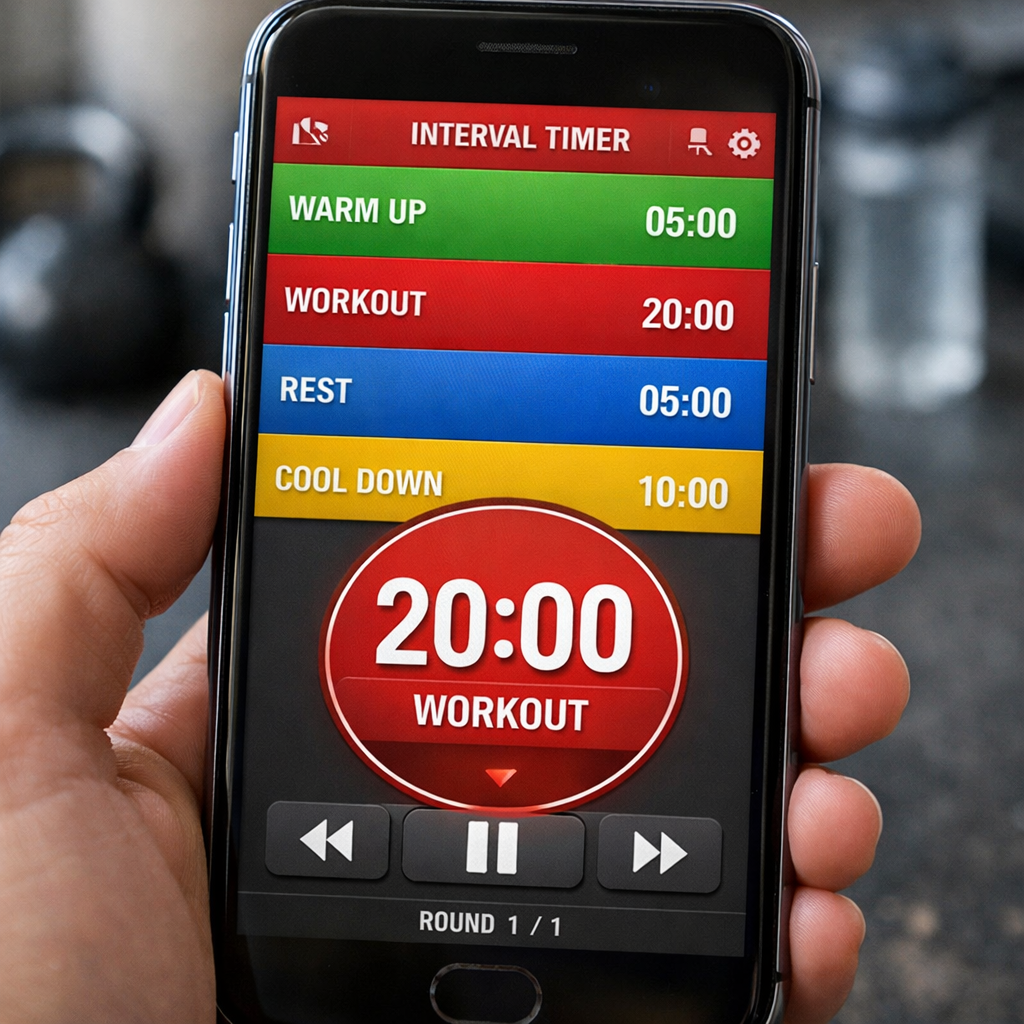
There’s a whole bunch of apps and timers designed to make this whole Pomodoro thing easier. You don’t need anything super fancy, but having something dedicated can really help. Here are a few popular options:
- Pomodor: This is a simple web-based timer. It’s great if you’re just starting out because you can easily set your work and break times. No fuss, just pure focus.
- Otto: This is a browser extension that actually helps you get into a flow state faster. It’s got a free plan that lets you do unlimited Pomodoro sessions, which is pretty sweet. Check out Otto’s productivity features if you want to amp things up.
- Forest: This one’s a bit more fun. It’s a mobile app where you plant virtual trees. If you leave the app to check social media, your tree dies. It sounds silly, but it actually works for a lot of people.
- Session: If you’re a Mac user, this app is pretty slick. It syncs across your devices and has features like analytics to see how you’re spending your time, plus it can block apps.
Utilizing Digital Tools For Focus
Beyond just timers, there are other digital tools that can help create your ideal study environment. Think about apps that block distracting websites or social media for set periods. Some timers even integrate with task management systems, so you can tick off tasks as you complete them within a Pomodoro session. This visual progress can be super motivating.
Setting up your digital space is just as important as your physical one. Minimize notifications, close unnecessary tabs, and use tools that actively help you stay on track rather than just passively timing you.
Leveraging Technology For Better Study Habits
Using technology wisely means it supports your goals, not hinders them. For example, you can use apps to track how many Pomodoros you complete each day or week. This data can show you patterns in your productivity and help you adjust your schedule. Maybe you find you’re most focused in the morning, or perhaps certain subjects take more Pomodoros than you initially thought. Tracking your progress is key to refining your Pomodoro strategy. Don’t be afraid to experiment with different apps and features until you find what clicks for you. The goal is to make studying more efficient and less of a grind.
Overcoming Challenges With The Pomodoro Technique

Even with the best intentions, sticking to the Pomodoro Technique in med school isn’t always a walk in the park. Life, and especially medical school life, has a way of throwing curveballs. Let’s talk about how to handle some of the common roadblocks.
Dealing With Interruptions During Study
Interruptions are practically a given in med school. Whether it’s a classmate needing help, a notification popping up, or just your own brain deciding it’s time to worry about something else, they can really derail a focused session. The key here is to acknowledge them without letting them take over. If an interruption is brief and you can handle it quickly, do so, but then immediately try to get back into your Pomodoro. For bigger interruptions, it’s often better to pause your Pomodoro, deal with the issue, and then restart the Pomodoro from the beginning. This might feel like wasted time, but it preserves the integrity of your focused work session. Tracking these interruptions can also be helpful. Are they mostly external, or are they internal thoughts? Knowing this can help you develop strategies to minimize them in the future.
Maintaining Motivation Through Long Programs
Med school is a marathon, not a sprint. There will be days, weeks, even months where the material feels endless and your motivation dips. The Pomodoro Technique can actually help here by breaking down that overwhelming mountain of information into manageable 25-minute chunks. Focusing on completing just one Pomodoro at a time makes the overall task feel less daunting. Celebrate the small wins – finishing a Pomodoro, understanding a tough concept, or getting through a planned study block. Sometimes, just knowing a break is coming in 10 minutes can be enough to push through a difficult section.
Avoiding Burnout With Strategic Breaks
Burnout is a real threat for medical students. Your breaks aren’t just downtime; they’re essential recovery periods. Don’t just scroll through social media during your short breaks. Try to do something that actually refresues your mind and body. This could be:
- Stretching or doing a few quick exercises.
- Stepping outside for some fresh air.
- Grabbing a healthy snack or a glass of water.
- Doing a quick mindfulness exercise.
During your longer breaks after four Pomodoros, really disconnect. Step away from your study space entirely. The goal is to return to your next Pomodoro feeling genuinely refreshed, not just like you’ve switched from one screen to another. If you consistently feel drained even with breaks, it might be a sign that your study schedule is too packed, and you need to re-evaluate how many Pomodoros you’re trying to fit into a day. It’s better to do fewer Pomodoros well than to push through many and end up exhausted.
Wrapping Up Your Study Game Plan
So, we’ve gone over how the Pomodoro Technique works and why it’s a pretty neat trick for getting through med school study sessions. It’s not some magic bullet, but it does give you a solid way to break down big study tasks and keep your brain from totally checking out. Remember, the key is to play around with it. Maybe 25 minutes is too long, or maybe you need longer breaks. Find what makes your study time actually productive. Don’t be afraid to tweak the timers, try different break activities, or even use an app to keep you honest. The goal here is to make studying feel less like a marathon and more like a series of manageable sprints. Give it a shot, stick with it for a bit, and see how it changes your study game. You might just surprise yourself with how much you can get done.
Frequently Asked Questions
What exactly is the Pomodoro Technique?
Think of it like a study game! You set a timer for a short period, like 25 minutes, and focus super hard on one thing. When the timer rings, you take a quick break, maybe 5 minutes. It’s like taking little sprints while studying to keep your brain from getting tired.
Why is it called the ‘Pomodoro’ Technique?
The person who came up with it, Francesco Cirillo, was a student. He used a tomato-shaped kitchen timer to keep track of his study times. ‘Pomodoro’ is the Italian word for tomato, so the name just stuck!
How can this help me in medical school?
Medical school is tough! This technique helps you focus better on complex topics, prevents you from getting totally worn out, and makes you feel like you’re actually getting things done. It’s great for managing all the information you need to learn.
What if I get interrupted during a study session?
If something pulls you away, like a friend asking a question or a notification popping up, the idea is to pause that study session. You can either try to get back to it later or just start a fresh one. The goal is to keep those study times really focused.
Can I change the timer times?
Absolutely! The standard is 25 minutes of work and 5 minutes of break, but you can totally switch it up. If 25 minutes feels too long, try 20 or even 15. The most important thing is finding what helps *you* concentrate the best.
Are there any apps that can help me use this technique?
Yes, there are tons of apps and websites that have built-in Pomodoro timers! Some even block distracting websites for you. Searching for ‘Pomodoro timer app’ will give you lots of options to try out.