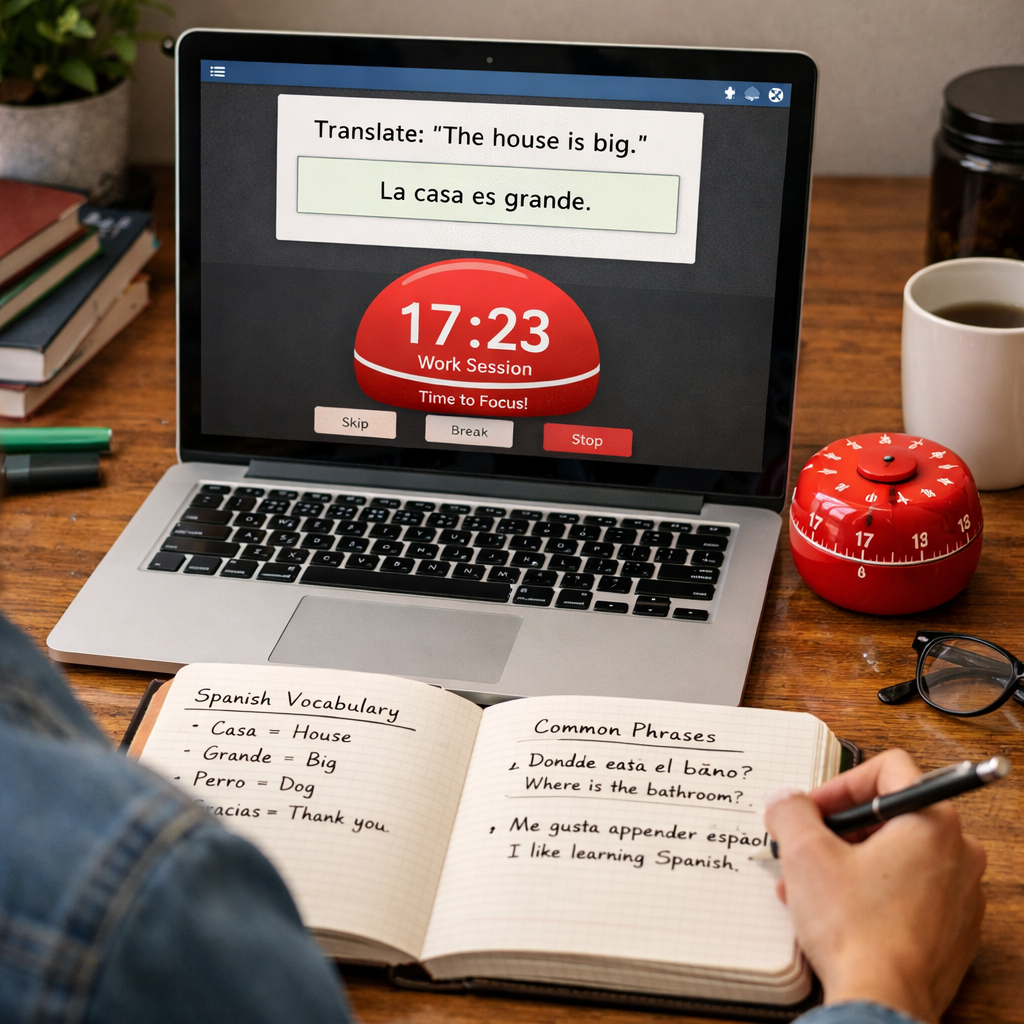

Feeling swamped by all the new words and grammar rules when trying to learn a new language? It’s a common thing. You might have heard about the Pomodoro Technique. It’s a simple time management trick that can really help make your study sessions feel less like a chore and more like progress. We’re going to look at how this method, focusing on short bursts of work and breaks, can seriously boost your language study.
Key Takeaways
- The Pomodoro Technique uses timed work intervals (usually 25 minutes) followed by short breaks to improve focus and prevent burnout during language study.
- Setting up a dedicated study zone and defining clear, achievable goals for each session is vital for effective language study pomodoro.
- Strategic use of breaks, incorporating varied active and passive learning methods, and adapting the technique to your learning style are key to maximizing effectiveness.
- Various apps and tools, including Spaced Repetition Systems, can support and enhance your language study pomodoro sessions.
- Overcoming distractions, managing motivation, and consistently reviewing your progress are important for long-term success with the language study pomodoro.
Understanding The Pomodoro Technique For Language Study
Ever feel like you’re staring at a textbook, but nothing’s really sinking in? Or maybe you start a study session with good intentions, only to find yourself scrolling through your phone minutes later? Yeah, me too. Learning a new language is a big undertaking, and sometimes it feels like there’s just too much to tackle. That’s where this thing called the Pomodoro Technique comes in. It’s not some magic bullet, but it’s a pretty neat way to make your study time actually work for you.
What Is The Pomodoro Technique?
Basically, the Pomodoro Technique is a time management system. It was invented by a guy named Francesco Cirillo back in the late 1980s. He used a tomato-shaped kitchen timer (that’s "pomodoro" in Italian) to keep track of his work. The core idea is simple: you break your work into short, focused bursts, usually 25 minutes long, and then you take a short break. After a few of these work-and-break cycles, you take a longer break. It’s all about working with your brain’s natural attention span, not against it.
Benefits For Language Learning
So, why is this good for learning a language? Well, think about it. Language learning involves a lot of memorization, grammar rules, and practice. It can be pretty mentally demanding. The Pomodoro Technique helps because:
- It boosts concentration: Those 25-minute blocks are short enough that you can really focus without feeling overwhelmed. It’s like telling your brain, "Just 25 minutes, you can do this!"
- It helps you remember stuff: The short breaks between study sessions give your brain a chance to process what you just learned. This can really help move new words and grammar from your short-term memory to your long-term memory.
- It fights procrastination: Knowing you only have to focus for a short period makes it easier to get started. Plus, the breaks act as little rewards.
The Pomodoro Technique turns a daunting task into a series of manageable steps, making consistent progress feel achievable.
How The Pomodoro Technique Works
Getting started is pretty straightforward. Here’s the basic rundown:
- Pick a task: Decide what you’re going to work on for your language study. Maybe it’s learning 20 new vocabulary words, doing a grammar exercise, or practicing pronunciation.
- Set your timer: Set a timer for 25 minutes. This is your "Pomodoro." During this time, you focus only on your chosen task. No checking emails, no social media, nothing else.
- Take a short break: When the timer goes off, take a 5-minute break. Get up, stretch, grab some water, look out the window – just step away from your study materials.
- Repeat: After your break, start another 25-minute Pomodoro. Do this four times.
- Take a longer break: After you’ve completed four Pomodoros, take a longer break, usually 15 to 30 minutes. This is your chance to really relax before starting the next set of Pomodoros.
Implementing The Pomodoro Technique In Your Language Study

So, you’ve heard about the Pomodoro Technique and how it can help with language learning. That’s great! But how do you actually get started? It’s not rocket science, honestly. It’s more about setting up a little system that works for you. Think of it like preparing your workspace before you start a big project – you wouldn’t just jump in, right? You’d clear your desk, gather your tools, and maybe put on some background music. This section is all about getting that foundation right for your language study.
Setting Up Your Timer And Study Zone
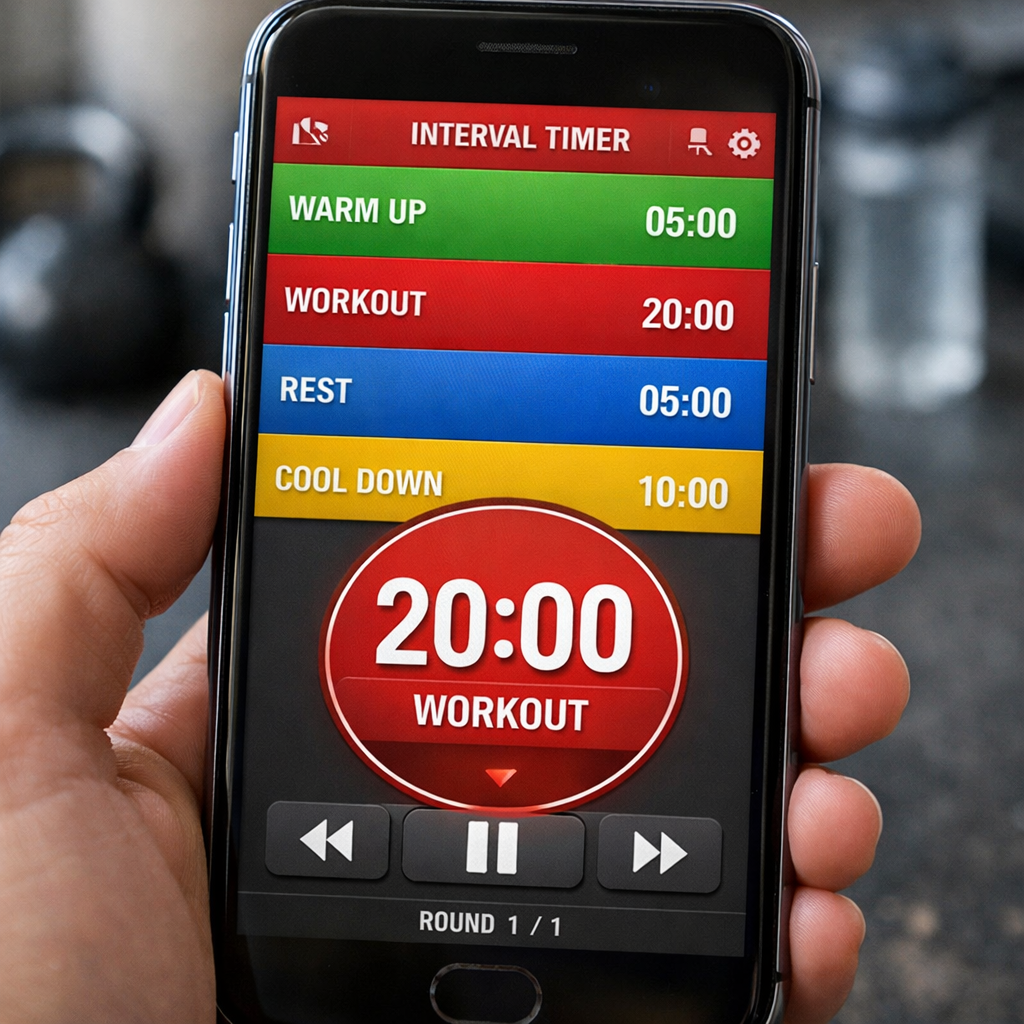
First things first, you need a timer. It doesn’t have to be fancy. That tomato-shaped kitchen timer that gave the technique its name? Totally works. Or, you can grab one of the many apps out there designed specifically for Pomodoros. The key is that it’s easy to set and has a clear sound when the time is up. Once you’ve got your timer sorted, think about your study space. This is where you’ll be doing your focused work, so make it a place where you can actually concentrate. That might mean finding a quiet corner in your house, heading to the library, or even just putting on noise-canceling headphones. Whatever it takes to minimize interruptions for those 25-minute bursts is worth it. Tell yourself, "I can check my phone later." It’s just for a short while.
Defining Clear Language Learning Goals
Before you even hit ‘start’ on your timer, you need to know what you’re going to do during that 25-minute session. Just saying "I’m going to study Spanish" is too vague. What does that even mean? Instead, get specific. Maybe your goal is to learn 10 new vocabulary words related to food, or perhaps you want to practice conjugating verbs in the past tense. You could also focus on listening comprehension by watching a short video clip or reading a news article. Having a clear, achievable goal for each Pomodoro session makes a huge difference. It gives you a target to aim for and a sense of accomplishment when you hit it.
Here’s a quick way to think about your goals:
- Vocabulary: Learn 5 new words and their meanings.
- Grammar: Complete 10 practice exercises on a specific tense.
- Listening: Watch a 5-minute news segment and identify the main topic.
- Speaking: Practice saying 3 new phrases aloud 10 times each.
Engaging In Focused Study Sessions
This is the core of the technique. When that timer starts, it’s time to work. No social media scrolling, no checking emails, no getting up to make a snack. Just focus on the language task you defined. It might feel tough at first, especially if you’re used to multitasking or getting easily sidetracked. But remember, it’s only 25 minutes. You can do anything for 25 minutes. Think of it as a sprint, not a marathon. The intensity of these short, focused bursts is what makes the Pomodoro Technique so effective for language learning. You’re training your brain to concentrate, which is a skill in itself.
The magic of the Pomodoro Technique isn’t just about the timer; it’s about creating a dedicated space and time for focused effort. By setting clear intentions before each session, you’re telling your brain exactly what to do, making those 25 minutes incredibly productive. It’s about quality over quantity, ensuring that every minute spent studying is a minute well-spent.
Maximizing Language Study Pomodoro Effectiveness

So, you’ve got your timer set and your goals defined. That’s great! But how do you make sure those 25-minute bursts really count? It’s not just about sitting there; it’s about how you use that focused time and, just as importantly, how you use your breaks. Making smart choices during your study and rest periods is key to getting the most out of the Pomodoro Technique for language learning.
Strategic Use Of Breaks For Mental Recovery
Breaks aren’t just downtime; they’re active recovery for your brain. Think of them as essential pit stops. During your short 5-minute breaks, try to completely disconnect from your study material. Stand up, stretch, walk around the room, grab a glass of water, or just look out the window. Avoid checking your phone or getting pulled into anything that requires intense mental effort. The goal is to give your brain a real chance to reset so you can come back to your language task feeling refreshed, not just slightly less tired.
After completing four Pomodoros, you get a longer break, usually 15-30 minutes. This is your chance for a more substantial recharge. You could step outside for some fresh air, listen to a song, or do a quick chore. The idea is to step away from the language learning environment entirely for a bit. This prevents mental fatigue and helps you maintain focus for the next set of Pomodoros.
Incorporating Active And Passive Learning
Language learning isn’t just one thing; it’s a mix of different skills. You don’t want to spend all your Pomodoros just drilling vocabulary. Mix it up! Dedicate some sessions to active learning, where you’re producing language. This could be speaking aloud to yourself, writing sentences, or even having a short conversation with a language partner if possible. Active engagement helps solidify what you’re learning.
Then, sprinkle in some passive learning too. This might involve listening to a podcast, watching a short video in your target language, or reading an article. While it might feel less productive than speaking, passive learning is super important for absorbing grammar, vocabulary in context, and improving your listening comprehension. The trick is to match the activity to the Pomodoro goal.
Varying Language Learning Activities
To keep things interesting and cover all your bases, rotate through different language skills during your study sessions. You don’t have to do the same thing every time. Here’s a sample schedule for a couple of hours:
- Pomodoro 1: Vocabulary flashcards (active recall)
- Pomodoro 2: Listening to a short news clip and summarizing it (passive listening, active writing)
- Pomodoro 3: Grammar exercises focusing on a specific tense (active practice)
- Pomodoro 4: Reading a short story and identifying new words (passive reading, active note-taking)
This kind of variety prevents boredom and ensures you’re working on all aspects of your language skills – reading, writing, listening, and speaking. It keeps your brain engaged and makes each study session feel productive and dynamic.
The key is to be intentional. Don’t just drift from one task to another. Have a plan for which skills you want to focus on during a block of Pomodoros, and then choose activities that fit those goals. This structured approach makes your learning much more efficient.
Leveraging Tools And Resources For Language Study Pomodoro
Okay, so you’ve got the Pomodoro Technique down, you’re setting your timers, and you’re ready to get serious about learning that language. But how do you make sure you’re getting the most out of those focused bursts? That’s where the right tools and resources come in. Think of them as your trusty sidekicks in this language-learning adventure.
Recommended Pomodoro Technique Apps
While a simple kitchen timer works, there are tons of apps out there designed specifically for the Pomodoro Technique. These can really help keep you on track and add a bit of polish to your study sessions. Some apps let you customize the work and break times, which is great if you find the standard 25/5 minute split isn’t quite hitting the mark for you. Others have built-in task lists, so you can plan out your Pomodoros for the day right within the app. It’s all about finding one that clicks with how you like to work.
Here are a few popular options:
- Forest: This app gamifies your focus. You plant a virtual tree when you start a Pomodoro, and if you leave the app before the time is up, your tree dies. It’s surprisingly motivating!
- Focus Keeper: A straightforward app with a clean interface that makes it easy to start and manage your Pomodoro sessions.
- Marinara Timer: A web-based timer that’s super simple to use and can be customized to your liking.
Utilizing Spaced Repetition Systems
When you’re learning a language, remembering all those new words and grammar rules can feel like a mountain to climb. That’s where Spaced Repetition Systems (SRS) come in. SRS are smart tools that show you information right before you’re about to forget it. This is a game-changer for vocabulary retention. You can use SRS apps during your Pomodoro sessions to review flashcards or practice new words. The system figures out when you need to see a word again based on how well you remembered it last time. It’s way more efficient than just randomly reviewing things.
Some popular SRS tools include:
- Anki
- Quizlet
- Memrise
Integrating With Task Management Tools
To really make the Pomodoro Technique work for language learning, it helps to have a clear plan. Task management tools can help you break down your language learning goals into smaller, manageable tasks. You can then assign these tasks to specific Pomodoro sessions. For example, instead of just writing "study Spanish," you could have tasks like "review 20 new vocabulary words," "complete one grammar exercise on past tense," or "listen to a 10-minute podcast segment and summarize it." This makes your study sessions more focused and gives you a clear sense of accomplishment when you tick off a task.
Think about using tools like:
- Todoist
- Trello
- Asana
By combining the focused bursts of the Pomodoro Technique with smart apps and a good organizational system, you can make your language study sessions much more effective and, dare I say, even enjoyable.
Adapting The Pomodoro Technique For Your Learning Style
Look, the Pomodoro Technique is a great starting point, but it’s not some rigid rulebook. It’s more like a flexible framework. What works for one person might not be the best fit for another, and that’s totally okay. The real magic happens when you tweak it to match how you learn best. Think of it as customizing your study toolkit.
Experimenting With Timings And Intervals
The classic 25-minute work, 5-minute break cycle is a solid default, but it’s not set in stone. Some people find they can focus for longer, maybe 45 or even 50 minutes, before needing a break. Others might need shorter bursts, like 15 or 20 minutes, especially when tackling really challenging material. The key is to pay attention to your own energy levels and focus. When do you start to feel your mind wandering? That’s usually a sign a break is due, or maybe it’s time to switch tasks.
Here’s a quick look at how different timings might feel:
| Session Length | Break Length | Best For |
|---|---|---|
| 25 minutes | 5 minutes | General focus, new learners |
| 45 minutes | 10 minutes | Experienced learners, complex tasks |
| 15 minutes | 3 minutes | Short, repetitive tasks, low energy days |
Don’t be afraid to play around with these. You might discover that 30 minutes of focused grammar drills followed by a 7-minute break works wonders for you. Or maybe you prefer longer, 20-minute breaks after every two Pomodoros instead of the standard four.
Tailoring Sessions To Specific Skills
Language learning isn’t just one big blob; it’s made up of different skills: listening, speaking, reading, writing, grammar, vocabulary. You probably have strengths and weaknesses in each. You can use the Pomodoro Technique to target these areas specifically. For instance, you might dedicate a few Pomodoros to intensive listening practice, followed by a couple focused on writing exercises. Or, if you’re really struggling with a particular grammar point, you might break down your 25-minute session into smaller chunks within that topic.
- Vocabulary Building: Use a Pomodoro to learn 10 new words, then use the break to quickly review them. Repeat.
- Grammar Drills: Focus on one specific verb tense or sentence structure for a full session.
- Listening Comprehension: Watch a short video clip or listen to a podcast segment, then spend the next Pomodoro summarizing what you heard.
- Speaking Practice: Record yourself speaking for 25 minutes on a given topic, then use the break to listen back and identify areas for improvement.
Consistency And Regular Review
Once you’ve found a rhythm that feels good, the most important thing is to stick with it. Consistency is way more impactful than trying to cram for hours sporadically. Even if you only manage two or three Pomodoros a day, doing it regularly builds momentum and makes language learning a habit. Also, don’t forget to build in time for review. Maybe your last Pomodoro of the day, or one session each week, is dedicated to going over what you covered in previous sessions. This spaced repetition really helps cement new information in your brain.
The Pomodoro Technique is a tool, not a master. Its effectiveness comes from how you adapt it to your personal workflow and learning needs. Don’t be afraid to experiment and find what truly helps you focus and progress.
Remember, the goal is progress, not perfection. If you miss a session or your timings are a bit off, just get back on track with the next one. It’s all part of the learning process.
Overcoming Challenges In Language Study Pomodoro
Even with a great technique like Pomodoro, language learning can throw some curveballs. It’s totally normal to hit a few bumps along the way. The good news is, most of these challenges have pretty straightforward solutions. Let’s talk about how to smooth out those rough patches so your study sessions stay productive and, dare I say, even enjoyable.
Minimizing Distractions During Sessions
Distractions are the arch-nemesis of focused study. Your phone buzzing, a roommate asking a question, or even just your own wandering thoughts can derail a perfectly good Pomodoro. The key here is proactive defense. Before you even start your timer, create a ‘distraction-free zone’. This might mean:
- Putting your phone on airplane mode or using an app that blocks distracting websites and notifications.
- Finding a quiet spot where you’re less likely to be interrupted. If that’s not possible, noise-canceling headphones can be a lifesaver.
- Letting people you live with know you’re in a study session and asking them to avoid interrupting unless it’s an emergency.
Think of it like this: you’re building a temporary fortress around your study time. It only needs to last 25 minutes, so it’s a manageable task.
Preventing Burnout With Effective Breaks
It sounds counterintuitive, right? Breaks are supposed to prevent burnout. But if you’re not taking them correctly, they can actually make you feel more drained. A common mistake is to use your short break to scroll through social media or check emails. While it feels like a break, your brain is still processing information, just a different kind. True mental recovery happens when you disconnect completely from the task.
Here’s how to make your breaks count:
- Get Physical: Stand up, stretch, do a few jumping jacks, or walk around the room. Moving your body helps refresh your mind.
- Hydrate or Snack: Grab a glass of water or a healthy snack. This simple act can boost your energy levels.
- Mindful Moment: Close your eyes and just breathe for a minute, or look out the window and let your mind wander without a specific focus.
Avoid anything that requires intense mental effort or keeps you tethered to a screen. The goal is to give your brain a genuine rest.
Maintaining Motivation Through Small Victories
Language learning is a marathon, not a sprint. It’s easy to get discouraged when you don’t see progress immediately. The Pomodoro Technique helps combat this by breaking down big goals into small, achievable chunks. Each completed 25-minute session is a small victory.
Celebrate these wins! Acknowledge that you stuck to your plan, you focused, and you learned something, even if it was just one new word or a better understanding of a grammar rule. This consistent reinforcement builds momentum and keeps you going when motivation dips. Tracking your completed Pomodoros can also be a visual reminder of your effort and progress.
Wrapping Up Your Language Journey
So, there you have it. The Pomodoro Technique isn’t some magic bullet, but it’s a really solid way to make your language studying feel less like a chore and more like something you can actually stick with. By breaking things down into those short, focused bursts, you can stop feeling so overwhelmed and actually get stuff done. Give it a shot for a week or two, see how it feels, and maybe you’ll find it makes a big difference in how you learn. Happy studying!
Frequently Asked Questions
What exactly is the Pomodoro Technique?
The Pomodoro Technique is like a study timer trick! You set a timer for 25 minutes to focus hard on one thing, like learning new Spanish words. Then, you take a short break, maybe 5 minutes, to chill out. After a few of these work-and-break cycles, you take a longer break. It helps you focus better and not get too tired.
How does this timer trick help with learning a language?
Learning a language can feel like a lot! This technique breaks it down into small, manageable chunks. Because you’re only focusing for 25 minutes at a time, it’s easier to stay concentrated. Plus, those short breaks help your brain remember what you just studied, making learning stick better.
What should I do during my short breaks?
Your breaks are for resting your brain, not for more studying! You can stand up and stretch, grab a quick drink of water, look out the window, or just close your eyes for a minute. The main idea is to step away from your language task so you can come back feeling refreshed and ready to go.
Can I change the 25-minute study time?
Absolutely! The 25-minute rule is just a suggestion. If you find you can focus for longer, or maybe you need shorter bursts, that’s totally fine. You can experiment with different times for your study sessions and your breaks to see what feels best for you and your learning style.
What if I get distracted during a 25-minute study session?
It happens to everyone! If you get a notification or think of something else you need to do, try to jot it down quickly and then get right back to your language study. The goal is to minimize interruptions, but don’t beat yourself up if it’s not perfect. Just try to get back on track for the next Pomodoro.
Are there any apps that can help me use this technique?
Yes, there are tons of helpful apps! Some popular ones are Forest, Focus Keeper, and Pomodone. These apps have built-in timers, can help you track your progress, and sometimes even block distracting websites or apps during your study time. They make it super easy to keep track of your Pomodoros.