Getting ready for the IELTS exam can feel like a lot, right? You’ve got different sections, specific timings, and a whole lot of information to get through. It’s easy to feel overwhelmed. But what if I told you that a simple tool, like an IELTS study timer, could make a huge difference? It’s not about magic, it’s about practice and knowing where your time goes. This guide will walk you through how to use an IELTS study timer effectively to get you prepped and feeling confident.
Key Takeaways
- Understanding the time limits for each IELTS section (Listening, Reading, Writing, Speaking) is the first step to managing your exam time.
- Practicing with an IELTS study timer helps you get used to the pace needed for each section, just like simulating exam conditions.
- Using an IELTS study timer during practice sessions allows you to review where your time is going and identify areas needing improvement.
- Simple tools like a basic watch or digital apps can be used as an IELTS study timer, both during practice and on exam day.
- Developing a personal study schedule that includes timed practice sessions with your IELTS study timer is vital for consistent progress.
Understanding The IELTS Exam Structure
Alright, let’s break down the IELTS exam. Knowing what you’re up against is half the battle, right? The whole thing is split into four main parts: Listening, Reading, Writing, and Speaking. Each section has its own time limits, and you really need to get a handle on these to do well. It’s not just about knowing the answers; it’s about showing what you know within a set timeframe. The Listening and Speaking parts are the same whether you’re going for the Academic or General Training module, but the Reading and Writing sections have some differences depending on your goal.
Listening Section Time Allocation
The Listening test is about 30 minutes long. You’ll listen to four recordings and answer 40 questions. If you’re taking the paper-based test, you get an extra 10 minutes at the end to transfer your answers to the answer sheet. This might sound like a lot of time, but the recordings only play once, so you have to be sharp.
Reading Section Time Allocation
For the Reading section, you get a solid 60 minutes to tackle three different texts and answer 40 questions. This is the same for both Academic and General Training modules, though the texts themselves will vary. Importantly, there’s no extra time for transferring answers here, so you need to fill them in as you go. This is where speed and efficiency really matter.
Writing Section Time Allocation
The Writing section also gives you 60 minutes, but you have to complete two distinct tasks. Task 1 usually involves describing visual information (like a graph or chart) or writing a letter, and Task 2 is an essay. A common recommendation is to spend about 20 minutes on Task 1 and 40 minutes on Task 2, since Task 2 carries more weight in your score. Planning your time between these two tasks is super important.
Speaking Section Time Allocation
Finally, the Speaking test is a face-to-face interview with an examiner. It typically lasts between 11 and 14 minutes. It’s broken down into three parts: an introduction and interview, a long turn where you speak for about two minutes on a given topic, and a follow-up discussion. Even though it’s short, it’s your chance to show off your conversational skills. You can find more details about the IELTS exam structure online.
Understanding these time constraints isn’t just about knowing the numbers; it’s about internalizing them so they become second nature during your practice. This knowledge forms the bedrock of your time management strategy.
Here’s a quick look at the timings:
- Listening: ~30 minutes (+ 10 mins transfer time for paper-based)
- Reading: 60 minutes (no transfer time)
- Writing: 60 minutes (for two tasks)
- Speaking: 11-14 minutes
Getting comfortable with these timings means you won’t be caught off guard on test day. It allows you to build a realistic study plan.
Mastering Time Management Through Practice
Okay, so you know the IELTS exam has different sections, and each one has its own time limit. That’s great. But just knowing the times isn’t enough, right? You actually have to get good at working within those limits. This is where practice really comes in. It’s not just about knowing the answers; it’s about knowing them fast enough.
Simulating Exam Conditions
To really get a feel for how you’ll perform on test day, you need to recreate the exam environment as closely as possible when you study. This means finding a quiet spot where you won’t be interrupted – no phone buzzing, no family members popping in. Set a timer for each section, just like it will be in the actual test. This helps you get used to the pressure and pace.
Here’s a quick way to set up your practice sessions:
- Find your quiet zone: Pick a place where you can focus without distractions.
- Get a timer: Use a simple stopwatch or an app, but make sure it’s just a timer, no fancy features.
- Stick to the clock: Treat the timer like the real exam. When it stops, you stop.
Utilizing An IELTS Study Timer
An IELTS study timer is more than just a clock; it’s a tool to help you understand your pacing. You can use it to break down your study time. For example, you might decide to spend 20 minutes on a Reading passage, or 40 minutes on a Writing Task 2 essay. Seeing the time tick down can feel intense at first, but it trains you to work efficiently.
The goal isn’t to rush through everything, but to develop a steady rhythm. You want to be able to complete tasks thoroughly without feeling like you’re constantly looking over your shoulder at the clock.
Regular Timed Practice Sessions
Consistency is key here. Don’t just do timed practice once in a while. Make it a regular part of your study routine. Try to do at least one full timed practice test a week, or even just timed sections if a full test is too much. This builds stamina and helps you identify where you’re losing time.
Performance Review After Practice
After you finish a timed practice session, don’t just pack up and forget about it. Take some time to look back at how you did. Where did you spend too much time? Were there questions you couldn’t finish? What felt rushed? Jotting down these observations helps you see patterns and figure out what you need to work on. It’s like reviewing game footage after a match – you learn from your mistakes and successes.
Strategic Approaches For Each Section

Alright, let’s talk about how to actually tackle each part of the IELTS exam without letting the clock get the better of you. It’s not just about knowing the answers; it’s about getting them down efficiently.
Prioritizing Questions Effectively
When you’re faced with a section, especially Reading or Listening, you’ll notice some questions are quicker wins than others. Don’t get bogged down on the first tough one you see. It’s way smarter to grab the points you can get easily first. If a question looks like it’s going to take ages or you’re just not sure, make a quick note of it and move on. You can always circle back if you have a few minutes left at the end. This way, you’re not leaving easy marks on the table because you got stuck.
Skimming and Scanning Techniques For Reading
The Reading section can feel like a marathon, but you don’t have to read every single word. Think of skimming as a quick once-over to get the gist of a paragraph or the whole passage. You’re looking for the main idea. Scanning is more targeted; you’ve got a specific piece of information you need to find, so you’re looking for keywords from the question in the text. Mastering these two techniques is your secret weapon against the clock.
Managing Time In The Listening Section
Listening is fast-paced, and you only get one shot. The key here is to use the time they give you before each audio track starts. Look at the questions, try to predict what kind of answer you’ll need (a name, a number, a date?), and jot down any keywords. During the audio, focus on catching the answers. After the audio finishes, you get a bit of time to transfer your answers. Use this time wisely, but don’t start second-guessing everything. If you missed something, it’s gone; focus on the next question.
Optimizing Writing Task Allocation
This is where a solid plan really pays off. You have 60 minutes for two tasks, and Task 2 is worth more. A good split is about 20 minutes for Task 1 and 40 minutes for Task 2. But don’t just start writing. Spend about 5 minutes before each task just planning what you’re going to say. What are your main points? What examples will you use? Then, in the last 5 minutes of the whole writing section, quickly read over what you’ve written to catch any silly mistakes. It makes a big difference.
Planning your approach for each section beforehand, and practicing these strategies regularly, will make you feel much more in control on exam day. It’s about working smarter, not just harder.
Essential Tools For Time Management
When you’re prepping for IELTS, having the right tools can make a big difference in how you manage your time. It’s not just about knowing the clock is ticking; it’s about having ways to keep track of it effectively, both during your study sessions and on the actual exam day.
Using A Simple Watch During The Exam
First off, you can totally wear a watch during the IELTS exam. But, it has to be a basic one. Think analog or a simple digital watch. No fancy smartwatches with apps, no alarms that beep, and definitely no noisy ticking. The idea is to help you keep an eye on the time without distracting yourself or others. It’s a good backup to the clock in the room, giving you a bit more personal control over your pacing.
Leveraging Digital IELTS Study Timer Apps
For your study sessions, digital timers are your best friend. There are tons of apps out there designed specifically for IELTS prep. These apps can be super helpful because they often let you:
- Set timers for specific sections (like 60 minutes for Reading).
- Track your progress over time.
- Simulate the pressure of exam conditions.
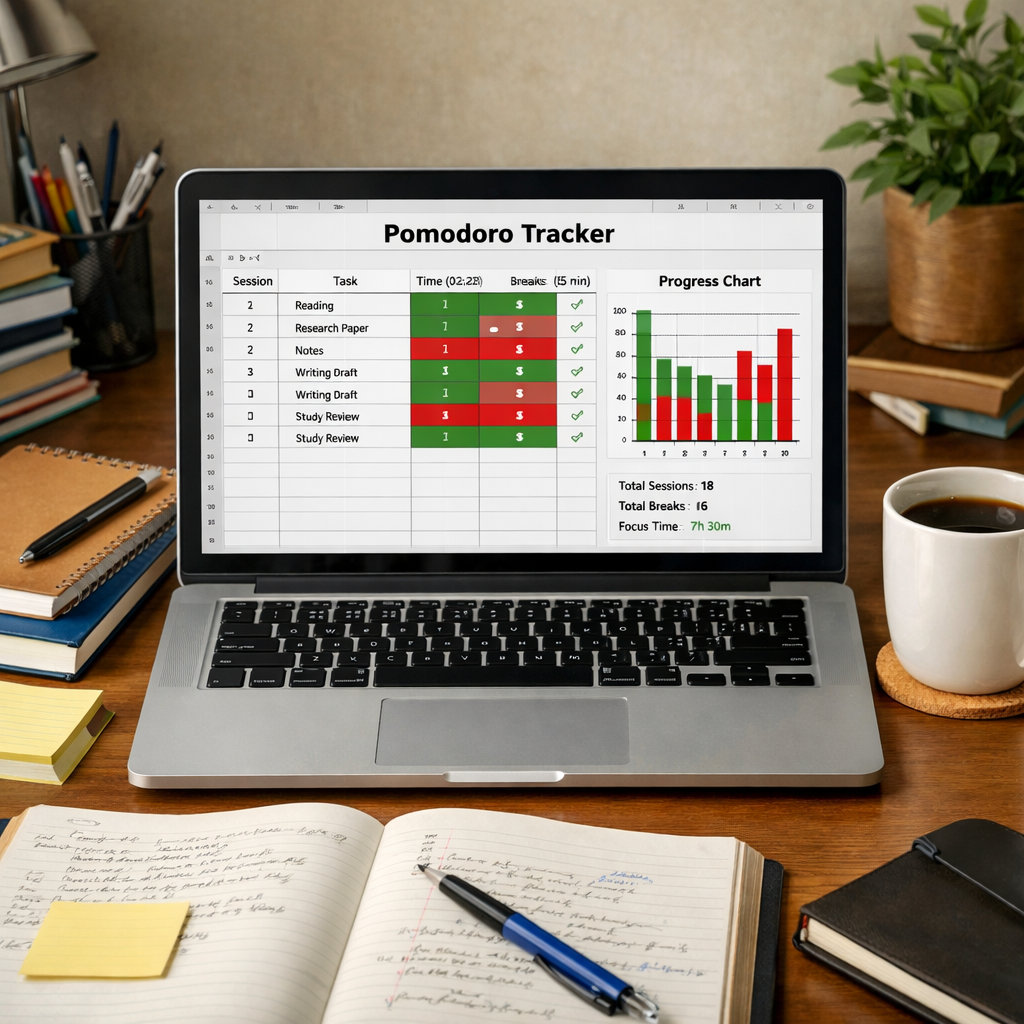
- Provide different study modes, like Pomodoro timers.
Using these apps regularly helps you get used to working under timed constraints, which is a big part of doing well on the IELTS.
Setting Alarms For Study Sessions
Beyond just using a timer during practice, setting alarms for your overall study schedule is a smart move. It helps you stick to your plan and ensures you’re dedicating enough time to each skill. You can set alarms for:
- When to start a study block.
- When to switch to a different subject.
- When to take short breaks.
- When to wrap up your study for the day.
This structured approach prevents procrastination and makes sure your study time is productive. It’s like having a personal assistant keeping you on track, making sure you don’t spend too long on one thing and forget about another.
The key isn’t just having a timer; it’s about building the habit of checking it and adjusting your pace accordingly. Treat every practice session like the real exam, and you’ll be much better prepared when the day comes.
Maintaining Composure Under Pressure
It’s easy to feel the heat when the clock is ticking during the IELTS exam. That moment when you realize you’re running short on time can be a real panic-inducer. But here’s the thing: freaking out doesn’t help anyone, least of all you. Staying calm is actually a skill you can practice, just like vocabulary or grammar. It’s about keeping your head when things get a bit intense.
Deep Breathing For Anxiety Relief
When you feel that knot of anxiety tightening in your chest, the simplest thing you can do is just breathe. Seriously, take a moment. Close your eyes for a second if you need to, and take a few slow, deep breaths. Inhale through your nose, hold it for a beat, and then exhale slowly through your mouth. It sounds almost too simple, but it really does help to slow down your heart rate and clear your head. It’s like hitting a mini-reset button for your brain.
Refocusing On The Current Task
Sometimes, when you’re stressed, your mind starts racing ahead, thinking about all the questions you haven’t answered or the time you’ve already lost. This is where you need to pull yourself back. Focus only on the question in front of you, right now. Don’t worry about the next question or the one after that. Just deal with the one you’re on. Break it down into smaller steps if you have to. What’s the actual question asking? What information do you need? Tackle it one piece at a time.
Avoiding Rushed Answers
Making mistakes because you’re rushing is a common pitfall. It’s better to answer fewer questions correctly than to rush through many and get them wrong. This is especially true for the Listening and Reading sections where you can’t go back. If you’re feeling the pressure, try to maintain a steady pace rather than speeding up erratically. Think of it like a marathon, not a sprint. You need to pace yourself to finish strong.
The exam environment can be stressful, but remember that everyone else is in the same boat. Your preparation has equipped you with the tools to succeed. Trust your practice and focus on what you can control: your effort and your attitude in the moment.
Developing A Personalized Study Schedule
Alright, so you’ve got the IELTS exam structure down and you’re starting to get the hang of managing your time during practice. That’s great! But to really nail this thing, you need a plan that’s all your own. Think of it like building a custom study routine, not just following someone else’s generic advice. It’s about figuring out what works best for you and your specific needs.
Diagnostic Testing To Identify Weaknesses
Before you even think about scheduling, you gotta know where you stand. Trying to study without knowing your weak spots is like trying to fix a leaky faucet without knowing where the drip is coming from. It’s just a waste of time and effort. So, the very first thing you should do is take a full, timed practice test. Seriously, set aside about three hours, find a quiet spot, and treat it like the real exam. No breaks, no distractions, just you and the test. This isn’t about getting a perfect score right away; it’s about getting a clear picture of your current abilities.
After you finish, don’t just look at the score. You need to do some serious digging. Grade your test and then create what you can call an "Error Journal." For every single question you got wrong, jot down:
- The question number.
- What the correct answer was.
- Why you missed it. Was it a spelling mistake? Did you run out of time? Did you just not understand what the question was asking? Be honest here.
This journal is gold. It tells you exactly where to focus your energy. Maybe your Listening section is shaky, or perhaps your Reading speed is way off. Whatever it is, that’s your main target.
Structuring Daily Study Blocks
Once you know your weak areas, you can start building your daily schedule. It’s not about studying for eight hours straight; that’s a recipe for burnout. Instead, break your study time into focused blocks. For example, if Reading is your biggest challenge, dedicate a solid hour to it, but make sure it’s a timed hour. You might do one full Reading practice test, then spend another 30 minutes focusing on a specific question type you struggle with, like True/False/Not Given.
Here’s a possible way to structure a study day, assuming you have a few hours to dedicate:
- Morning Block (e.g., 9:00 AM – 11:00 AM): Focus on your identified weak area. If it’s Reading, do timed practice tests and analyze your mistakes. If it’s Writing, work on planning and writing Task 1 or Task 2 within the time limits.
- Midday Break (e.g., 11:00 AM – 11:30 AM): Step away. Get some fresh air, grab a snack. Give your brain a rest.
- Late Morning/Early Afternoon Block (e.g., 11:30 AM – 1:00 PM): Work on a secondary weak area or practice a different section. Maybe focus on Listening strategies or review vocabulary related to common IELTS topics.
- Afternoon Review (e.g., 1:00 PM – 1:30 PM): Go over your Error Journal from the morning session. What did you learn? What mistakes are you still making?
Remember, consistency is key. It’s better to do 2-3 focused hours every day than to cram for 8 hours once a week.
Incorporating Timed Practice Into Your Routine
This is non-negotiable. You absolutely must practice under timed conditions regularly. It’s the only way to get comfortable with the pressure and pace of the actual exam. Don’t just do practice questions whenever you feel like it. Schedule them. Treat them like appointments you can’t miss.
Try to simulate the exam environment as much as possible. This means:
- No phone notifications. Turn it off or put it on silent and out of reach.
- No interruptions from family or roommates. Let them know you need this time.
- Use a timer. A simple watch or a timer app on your phone (set to airplane mode!) will do. Stick to the official time limits for each section – 30 minutes for Listening, 60 for Reading, and 60 for Writing.
After each timed practice session, take a few minutes to review. Did you finish on time? Where did you feel rushed? What could you have done differently? This reflection is just as important as the practice itself. It helps you adjust your strategy for the next time.
Building a personalized study schedule isn’t about rigid adherence to a pre-set plan. It’s about creating a flexible framework that acknowledges your individual strengths and weaknesses, allowing you to allocate your time and energy where they will have the most impact. This targeted approach ensures that your preparation is efficient and effective, leading to better results on test day.
Wrapping It Up
So, that’s the rundown on using a timer to get a better handle on your IELTS exam. It’s not about rushing through things, but more about getting a feel for the pace and making sure you don’t get stuck on one part for too long. Practicing with a timer, knowing how much time to give each section, and just staying a bit more focused can really make a difference. You’ve got this! Just keep practicing, and you’ll be much more comfortable when test day rolls around.
Frequently Asked Questions
How long do I have for each part of the IELTS test?
The Listening part takes about 30 minutes. The Reading part gives you 60 minutes. For Writing, you also get 60 minutes. And the Speaking part is usually between 11 to 14 minutes long. Knowing this helps you plan your study time better.
What’s the best way to manage time during the Reading section?
The Reading section has 40 questions and you have 60 minutes. A good plan is to spend about 20 minutes on each of the three reading passages. Try to read quickly to get the main idea and then find the specific answers. Don’t get stuck on one hard question; keep moving!
How should I split my time for the Writing section?
You have two tasks in Writing. It’s a good idea to spend about 20 minutes on Task 1 (like describing a graph) and 40 minutes on Task 2 (writing an essay). Always try to save a few minutes at the end to check your work for any mistakes.
Can I wear a watch during the IELTS exam?
Yes, you can wear a watch! But it has to be a simple one, like a regular watch with hands or a basic digital one. It can’t have any smart features, alarms, or make noise. This way, you can easily check the time.
What if I feel stressed or run out of time during the test?
If you feel stressed, take a few slow, deep breaths to calm down. It’s better to answer questions steadily than to rush and make mistakes. If you can’t answer a question, just move on to the next one and come back to it later if you have time.
How do timers help me prepare for the IELTS?
Using a timer when you practice is super important! It helps you get used to the speed needed for the real test. Practicing with a timer shows you if you’re spending too much time on certain questions or sections, so you can fix that before the actual exam.