
Feeling like you’re always on the go and never quite catching up? It’s easy to fall into the trap of thinking that more work equals more results. But honestly, that’s not really how it works. Pushing yourself non-stop can actually backfire, leaving you feeling drained and less effective. This guide is all about figuring out how to take effective breaks, the kind that actually help you get more done and feel better doing it. We’ll look at why breaks are so important, some simple ways to actually take them, and how to make them a normal part of your day.
Key Takeaways
- Breaks aren’t a sign of slacking off; they’re vital for sustained focus and preventing burnout.
- Structured methods like the Pomodoro Technique can help you build consistent break habits.
- Different types of breaks, like moving your body or doing something you enjoy, can recharge you in different ways.
- Treat your breaks like important appointments in your schedule to make sure they happen.
- Making breaks a regular part of your routine is more effective than taking long, infrequent ones.
Understanding The Importance Of Breaks

Why Productivity Isn’t About Constant Work
It’s a common misconception that being productive means working non-stop. We often feel guilty stepping away from our desks, thinking every minute counts. But honestly, that’s not how our brains are wired. Trying to push through for hours on end without a pause is like trying to run a marathon without any water breaks – you’ll eventually hit a wall, and it won’t be pretty. Our focus naturally wanes, and our ability to think clearly diminishes the longer we go without a breather. True productivity comes from working smarter, not just harder. It’s about managing your energy and attention effectively, and that absolutely includes taking breaks.
The Dangers of Burnout
Pushing yourself too hard for too long without breaks is a fast track to burnout. Burnout isn’t just feeling tired; it’s a state of emotional, physical, and mental exhaustion caused by prolonged stress. When you’re burnt out, your motivation plummets, your creativity dries up, and even simple tasks can feel overwhelming. It can lead to cynicism, detachment from your work, and a general feeling of being ineffective. Recovering from burnout can take a significant amount of time and effort, impacting not just your work but your entire life.
Creating Space for What Matters
Breaks aren’t just about resting your eyes or grabbing a coffee. They’re opportunities to step back, gain perspective, and recharge. Think of them as strategic pauses that allow you to come back to your tasks with renewed focus and a clearer mind. This space can also be used for activities that matter outside of the immediate task at hand, like a quick walk to clear your head, a brief chat with a colleague, or even just a moment to stretch. These small moments can prevent errors, spark new ideas, and ultimately make your working hours much more effective and enjoyable.
Strategies For Effective Break-Taking

Okay, so we know breaks are good, but how do we actually do them without just scrolling through social media for an hour? It’s about being smart with your downtime. Think of it like this: you wouldn’t just randomly stop exercising mid-set, right? You’d have a plan. Breaks are the same. They need a bit of strategy to really work their magic.
The Pomodoro Technique for Structured Breaks
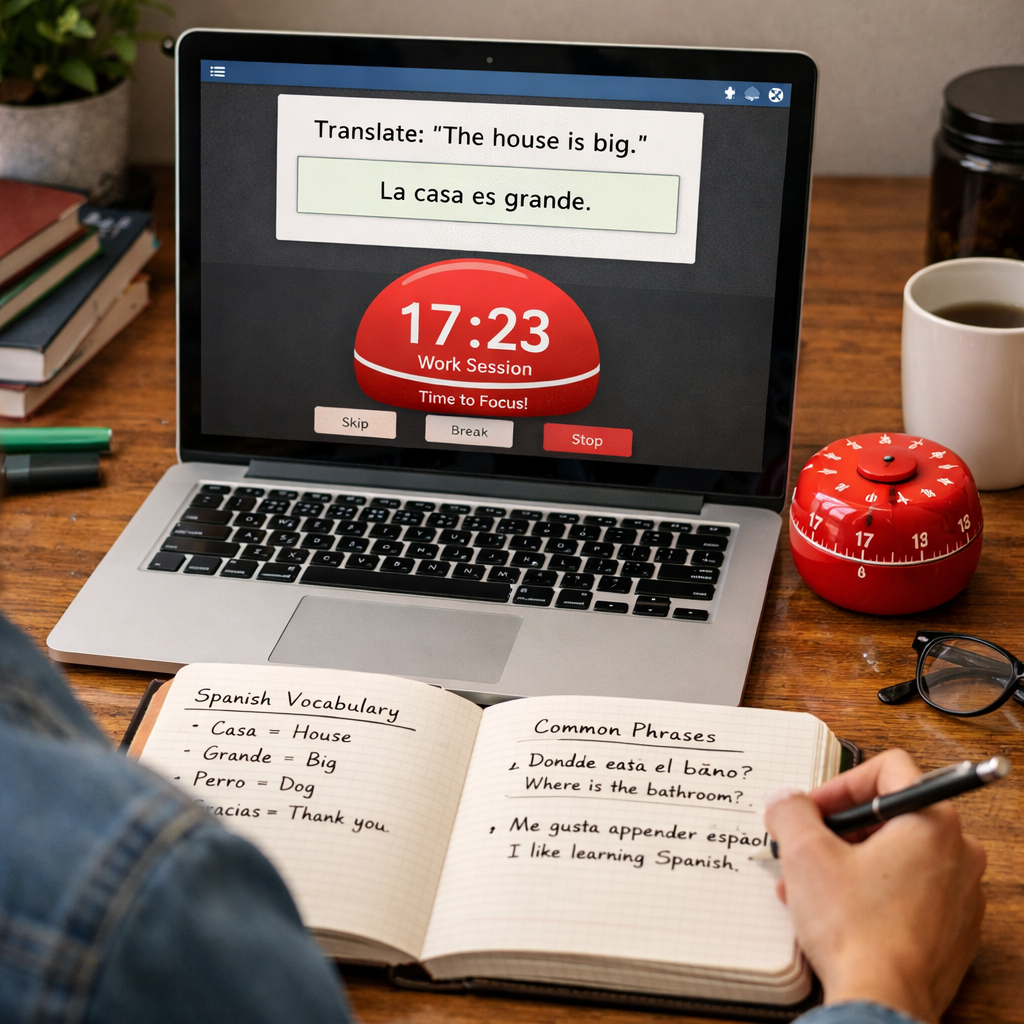
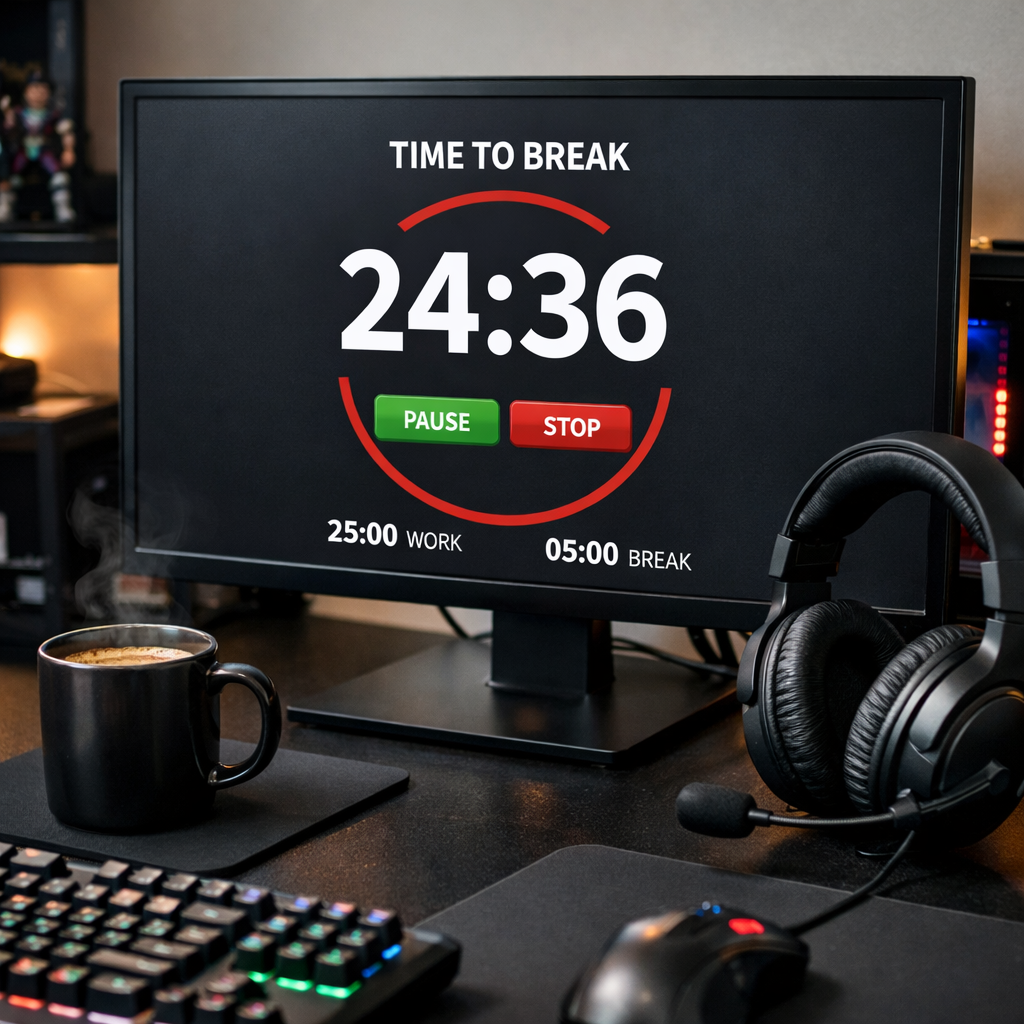
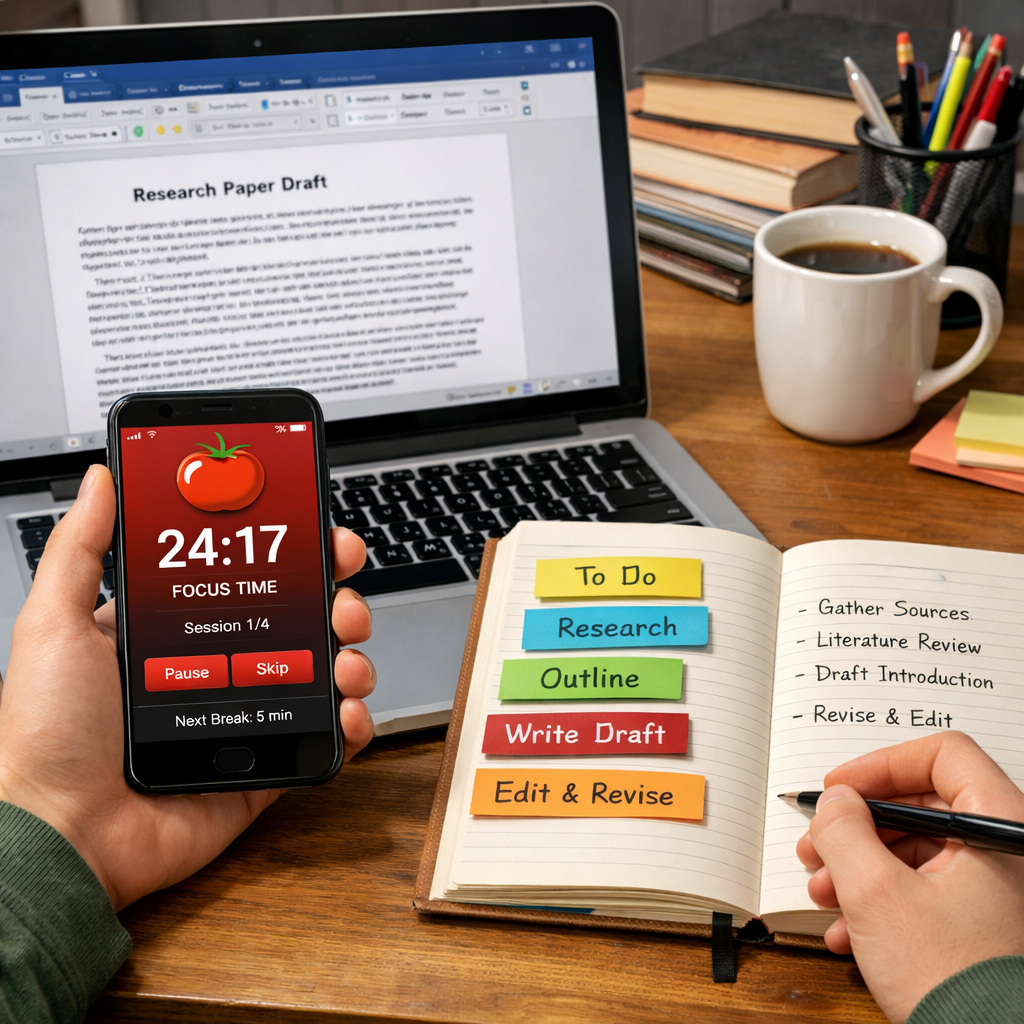
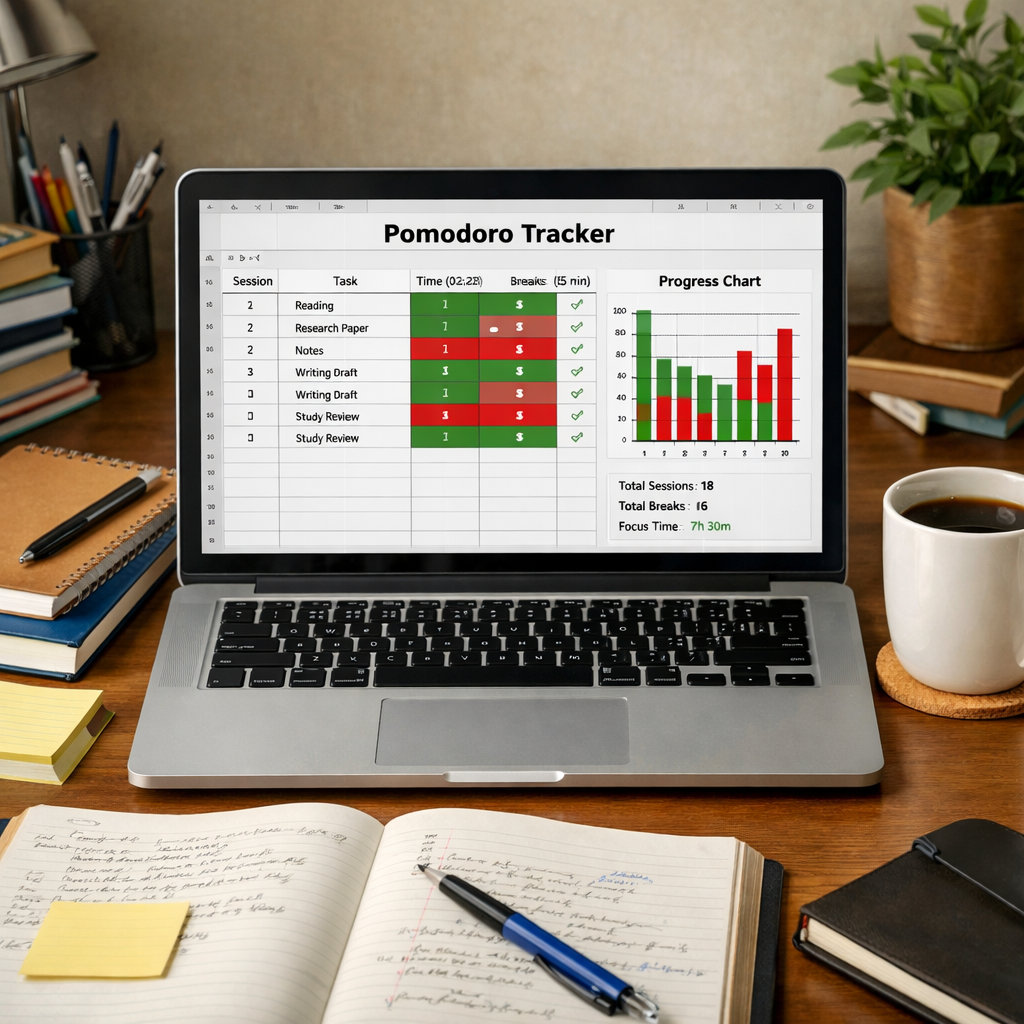
This one’s pretty popular, and for good reason. The Pomodoro Technique is all about working in focused bursts, followed by short, scheduled breaks. You set a timer for 25 minutes of work, and then you take a 5-minute break. After about four of these work-study cycles, you take a longer break, maybe 15 to 30 minutes. It sounds simple, but it really helps you stay on track and prevents that feeling of being overwhelmed. It’s like giving your brain little rewards along the way.
Here’s a quick rundown:
- Work Interval: 25 minutes of focused work.
- Short Break: 5 minutes to step away.
- Repeat: Do this four times.
- Long Break: 15-30 minutes after the fourth interval.
Mindful Pauses Throughout The Day
Sometimes, you don’t need a whole structured system. You just need to hit the pause button for a minute. This is where mindful pauses come in. It’s not about doing anything specific, but more about just being present for a moment. You could close your eyes, take a few deep breaths, or just look out the window and notice what’s happening. The goal is to disconnect from whatever you were just doing and give your mind a chance to reset, even if it’s just for 60 seconds. It’s amazing how much difference a tiny moment of calm can make.
These short moments of intentional quiet can act as mini-resets, clearing the mental clutter and preparing you for the next task with a fresher perspective.
The 20-20-20 Rule for Eye Strain
If you spend a lot of time staring at screens – and let’s be honest, who doesn’t these days? – your eyes are probably screaming for a break. The 20-20-20 rule is super straightforward and specifically targets eye fatigue. Every 20 minutes, you look at something that’s 20 feet away for at least 20 seconds. That’s it. It’s a simple habit to build, and it can make a big difference in preventing that gritty, tired feeling in your eyes by the end of the day. Your eyes will thank you for it.
Types Of Restorative Breaks
Sometimes, just stepping away from your screen isn’t enough. You need a break that actually helps you recharge, not just pause. Think of it like giving your brain and body a mini-vacation from the demands of your work. These aren’t just about killing time; they’re about actively restoring your energy and focus.
Physical Movement and Stretching
Sitting for hours on end is rough on your body. It can lead to stiffness, aches, and even long-term issues. A quick break to move your body can make a huge difference. It gets your blood flowing, wakes up your muscles, and can even clear your head.
- Gentle stretching: Focus on areas that get tight from sitting, like your neck, shoulders, and back. Simple neck rolls or shoulder shrugs can do wonders.
- Short walk: Even a five-minute walk around your office or home can break up the monotony and get your legs moving.
- Desk exercises: Things like calf raises or arm circles can be done right at your workspace without needing much space.
Even a few minutes of movement can combat the negative effects of prolonged sitting.
Mental Recharge Through Mindfulness
Your brain works hard all day, processing information and making decisions. Sometimes, it just needs a moment of quiet. Mindfulness and meditation aren’t about emptying your mind; they’re about bringing your attention to the present moment without judgment. This can help reduce stress and improve your ability to focus when you return to your tasks.
- Deep breathing exercises: Taking a few slow, deep breaths can calm your nervous system. Try inhaling for four counts, holding for four, and exhaling for six.
- Body scan meditation: Briefly focus your attention on different parts of your body, noticing any sensations without trying to change them.
- Mindful observation: Spend a few minutes just noticing your surroundings – the sounds, the sights, the feeling of your feet on the floor. It pulls you out of your head and into the present.
Taking a few minutes to just be present can reset your mental state more effectively than scrolling through social media.
Engaging in Short, Enjoyable Activities
Sometimes, the best way to recharge is to do something you genuinely enjoy, even if it’s just for a few minutes. This isn’t about productivity; it’s about happiness and stress relief. It reminds you that there’s more to life than work.
- Listen to a favorite song: Put on a track that always lifts your spirits and just enjoy it.
- Quick chat with a friend or family member: A brief, non-work-related conversation can be a great mood booster.
- Read a few pages of a book or magazine: Escape into a different world for a short while.
- Play a quick game: A simple puzzle or a short mobile game can offer a fun distraction.
Integrating Breaks Into Your Workflow
Okay, so we’ve talked about why breaks are good and some cool ways to take them. But how do you actually make them happen when you’ve got a mountain of work staring you down? It’s all about fitting them into your day-to-day grind, not just hoping they magically appear. Think of it like this: you wouldn’t skip a client meeting, right? Well, your breaks should be just as important. They’re not a reward for finishing work; they’re part of the work itself, helping you stay sharp.
Scheduling Breaks Like Important Tasks
This is where things get real. If it’s not on the calendar, it’s probably not happening. Treat your breaks like you would any other appointment. Block out time for them. Seriously, put them in your digital calendar, set reminders. It sounds a bit rigid, but it works. You can use a simple time-blocking method, dedicating specific slots for focused work and then specific slots for your breaks. This way, you’re proactively building rest into your day, rather than reactively trying to find it when you’re already exhausted.
Here’s a quick look at how you might structure a few hours:
| Time Slot | Activity |
|---|---|
| 9:00 – 10:30 AM | Focused Work Block 1 |
| 10:30 – 10:45 AM | Break: Stretch & Hydrate |
| 10:45 – 12:15 PM | Focused Work Block 2 |
| 12:15 – 1:00 PM | Lunch Break |
Identifying Your Personal Break Needs
Not all breaks are created equal, and what works for Brenda in accounting might not work for you. You’ve got to figure out what actually recharges you. Are you someone who gets restless and needs to move? Maybe a quick walk around the block is your jam. Or perhaps you’re more of a mental drain, and you need quiet time to just zone out for a bit. Pay attention to your own energy levels and focus throughout the day. When do you start to feel that slump? That’s your cue. It might take a little experimentation, but finding your personal break rhythm is key to making them effective.
- Physical Cues: Notice when your eyes feel tired, your shoulders tense up, or you’re fidgeting. These are signals your body is sending.
- Mental Cues: Are you rereading the same sentence? Finding it hard to concentrate? That’s your brain telling you it needs a breather.
- Emotional Cues: Feeling irritable or frustrated? A short break can often reset your mood.
Setting Boundaries for Uninterrupted Work
This one’s a bit tougher, especially if you work in a busy environment or with a team. But you need to protect your focused work time and your break time. That means communicating with colleagues about when you’re in deep work mode and shouldn’t be disturbed. It also means resisting the urge to check emails or Slack messages during your scheduled breaks. If you’re constantly dipping back into work mode, you’re not really resting. It’s about creating clear lines between ‘on’ and ‘off’ periods. This helps prevent workflow management from becoming a constant, overwhelming stream of tasks without any breathing room.
Protecting your time, both for work and for rest, is a skill. It requires practice and sometimes saying ‘no’ to things that aren’t a priority in that moment. It’s about being intentional with your schedule and your energy.
Maximizing Your Break Time
So, you’ve figured out that breaks are good, maybe even scheduled them. That’s a solid start. But how do you make sure those few minutes away from your desk actually do something for you, instead of just being a time when you stare blankly at your phone? It’s about being intentional, not just taking a pause.
Disconnecting From Work-Related Stimuli
This is a big one. When you take a break, really take a break. That means stepping away from your screen, yes, but also trying to shift your mental gears. If your work involves a lot of reading, maybe don’t spend your break reading a news article. If it’s coding, don’t just switch to browsing tech forums. The goal is to give your brain a different kind of input, or ideally, no input at all for a few minutes.
- Physically move away from your workspace. Even if it’s just to another room or a different chair.
- Avoid checking work emails or messages. Seriously, resist the urge. It’s a break, not a ‘quick check-in’.
- Put your phone on silent or airplane mode if you find yourself mindlessly scrolling through work-related content or even just getting sucked into social media.
The most effective breaks are those where you actively disengage. Think of it like hitting a reset button for your focus.
Hydration and Nourishment During Pauses
It sounds simple, but forgetting to drink water or grab a snack can really impact how you feel. When you’re dehydrated or hungry, your concentration tanks, and you might feel more tired than you actually are. Use your break time to refuel your body.
- Keep a water bottle handy and take sips throughout the day, especially during breaks.
- Have healthy snacks available – think fruits, nuts, or yogurt. Avoid sugary treats that lead to a crash later.
- Try to eat mindfully, even if it’s just a quick snack. Pay attention to the taste and texture instead of just shoving it down while thinking about your next task.
Reflecting on Progress and Adjusting
Breaks aren’t just about stopping work; they’re also a chance to briefly check in with yourself. How are you feeling? Are you on track with what you wanted to accomplish? This isn’t about deep analysis, just a quick mental scan.
- Take a moment to acknowledge what you’ve completed since your last break. A little self-recognition goes a long way.
- Consider if your current approach is working. If you’re stuck on something, maybe this brief pause is the perfect time to think about a different angle.
- Adjust your plan for the next work block if needed. Maybe you underestimated how long a task would take, or perhaps you’re feeling more energetic than expected.
Making your breaks count means being deliberate about what you do during them. It’s not just about stopping work, but about actively recharging so you can return to your tasks with renewed energy and focus.
Building Sustainable Break Habits
Consistency Over Intensity
Look, nobody’s going to be a productivity machine 24/7. Trying to be perfect all the time is a fast track to feeling like you’re failing. Instead of aiming for these epic, marathon work sessions followed by days of exhaustion, it’s way smarter to aim for steady progress. Think of it like training for a race – you wouldn’t run 20 miles the first day and then collapse, right? You build up to it. The same goes for breaks. Small, regular breaks are much better for your brain and body than one huge one that you might not even enjoy.
Learning From Your Productivity Patterns
So, how do you figure out what works for you? It’s all about paying attention. Keep a little log, maybe just a few notes at the end of the day, about when you felt most focused and when you started to drag. Did that quick walk outside after lunch really help you power through the afternoon? Or did checking social media for five minutes just suck you in for twenty?
Here’s a simple way to track it:
- Time Block: Note down when you worked and when you took a break.
- Energy Level: Jot down how you felt before and after your break (e.g., "tired," "refreshed," "anxious").
- Task Focus: Briefly mention what you were working on and how well you focused.
After a week or two, you’ll start to see patterns. Maybe you hit a wall around 3 PM every day, or perhaps you find that short, frequent breaks are better than longer, less frequent ones. This isn’t about judgment; it’s about gathering data to make your work life smoother.
The goal isn’t to find a magic bullet that works for everyone. It’s about becoming your own productivity detective, figuring out the rhythm that keeps you going without burning out. Small adjustments based on what you observe can make a huge difference over time.
The Long-Term Benefits of Regular Breaks
Sticking with a break routine might seem like a hassle at first, but the payoff is huge. When you consistently give your brain and body a chance to reset, you’re not just avoiding burnout; you’re actually building a more resilient and effective way of working. You’ll likely find that you make fewer mistakes because you’re not constantly fatigued. Your creativity might even get a boost because you’re giving your mind space to wander and connect ideas. Plus, consistently taking breaks helps you maintain a healthier perspective on your work, preventing it from taking over your entire life. It’s about working smarter, not just harder, and that’s a habit that pays off for years to come.
Wrapping Up: Making Breaks Work for You
So, we’ve talked a lot about getting stuff done, but honestly, the real trick is knowing when to stop for a bit. It’s not about working non-stop until you’re wiped out. Taking smart breaks, whether it’s a quick walk or just staring out the window for five minutes, actually helps you get more done in the long run. Think of it like this: you wouldn’t run a marathon without stopping for water, right? Same idea here. By building these little pauses into your day, you’ll find you’re less tired, more focused, and probably a lot happier doing your work. Give it a shot, and see how much better your days can feel.
Frequently Asked Questions
Why are breaks important for getting work done?
Think of your brain like a muscle. You can’t lift weights all day without getting tired, right? Your brain works the same way. Taking breaks helps your brain rest and recharge. This makes you better at focusing and solving problems when you go back to your work. It’s like giving your brain a quick nap so it can be stronger and sharper.
What is the Pomodoro Technique?
The Pomodoro Technique is a cool way to manage your time. You work hard for a set amount of time, like 25 minutes, and then you take a short break, usually 5 minutes. After you do this a few times, you take a longer break. It helps you stay focused because you know a break is coming soon.
How can I avoid getting tired eyes from looking at a screen?
Looking at screens for too long can make your eyes tired. The 20-20-20 rule is a simple trick. Every 20 minutes, look at something that’s 20 feet away for at least 20 seconds. This gives your eyes a little break and helps prevent strain. It’s like blinking, but for your eyes’ focus.
What’s a good way to use my break time?
The best way to use your break is to do something totally different from your work. Get up and move around, stretch your body, or go for a short walk. You could also close your eyes and just breathe for a few minutes, or listen to some music you like. The goal is to give your brain and body a real rest.
How often should I take breaks?
There’s no single answer for everyone, but it’s good to take breaks regularly. For example, using the Pomodoro Technique means you take a short break every 25 minutes. For eye strain, the 20-20-20 rule is helpful. Listen to your body – if you feel tired or can’t focus, it’s probably time for a break.
What happens if I don’t take breaks?
If you don’t take breaks, you might start to feel really tired and stressed, which is called burnout. Your work might not be as good, and you might make more mistakes. You could also feel grumpy or lose interest in your work. Taking breaks helps you avoid this and stay happy and productive in the long run.