
In today’s world, it feels like our attention is constantly being pulled in a million directions. Between phone notifications, endless emails, and the general hum of digital life, just sitting down and focusing on one thing can be a real challenge. If you’ve ever found yourself staring at a screen, mindlessly scrolling, or struggling to get through a task, you’re not alone. This article is all about figuring out how to focus longer and get more done, without feeling completely overwhelmed. We’ll look at some simple, practical ways to train your brain and make concentration work for you, not against you.
Key Takeaways
- Train your brain to concentrate better by cutting out distractions and practicing mindfulness. Simple things like silencing your phone or taking a few deep breaths can make a big difference.
- Stop trying to do everything at once. Multitasking might feel productive, but it actually makes it harder to focus on any single task.
- Take care of your body to take care of your mind. Getting enough sleep, moving your body regularly, and eating good food all help your brain work better.
- Set up your workspace so it helps you focus. Keep it tidy, use timers for work periods, and know what your main goal is for the day.
- Give your brain breaks and new things to think about. Sometimes a short walk outside or listening to calm music can help you come back to your work with fresh eyes.
Cultivate Deep Focus In A Distracting World
It feels like everywhere you look, there’s something trying to grab your attention. Phones buzzing, emails piling up, social media feeds constantly updating – it’s a lot. Honestly, just trying to get through a simple task without getting sidetracked can feel like a full-time job itself. The digital age has really changed how our brains work, making it tougher to just sit and concentrate on one thing for a decent stretch. But here’s the thing: focus isn’t some magical talent you’re either born with or not. It’s more like a muscle. The more you train it, the stronger it gets.
Understand Why Focus Is Harder In The Digital Age
Think about it. Our brains are constantly being trained to expect quick hits of information and instant gratification. Every notification, every new post, every clickable link is designed to pull you away from what you were doing. This constant switching between tasks, or what we call multitasking, actually makes us less efficient and more prone to errors. It’s like trying to juggle too many balls at once – eventually, something’s going to drop. Studies have even shown that just having your smartphone nearby, even if it’s turned off, can reduce your cognitive capacity. It’s always there, a silent temptation waiting to be picked up.
The modern world bombards us with stimuli, training our brains to crave novelty and immediate rewards. This makes sustained attention on a single, less stimulating task incredibly challenging.
Train Your Attention For Enhanced Concentration
So, how do we fight back? We need to actively train our attention. This means consciously choosing where to direct your focus and practicing bringing it back when it wanders. It’s about building mental discipline, one small step at a time. Think of it like going to the gym for your brain. You wouldn’t expect to lift heavy weights on your first day, right? Same with focus. Start small, be consistent, and gradually increase the demands on your attention.
Here are a few ways to start training:
- Single-tasking practice: Dedicate 15-20 minutes to doing only one thing. No checking email, no scrolling social media. Just focus on that one task.
- Mindful observation: Pick an everyday object and just observe it for a few minutes. Notice its details, textures, and colors. This simple exercise trains your ability to pay attention.
- **Scheduled
Implement Proven Strategies To Focus Longer
In today’s world, it feels like distractions are everywhere, right? Emails pinging, social media notifications buzzing, and the constant urge to check what’s happening elsewhere. It’s tough to get anything done without your mind wandering off. But here’s the good news: you can actually train yourself to focus better and for longer periods. It’s not about having some magical ability; it’s about using smart techniques that work.
Eliminate Distractions With Time Blocking
This is a big one. If you’re constantly getting pulled away by little things, you’ll never get into a deep work groove. Time blocking is like drawing a line in the sand for your attention. You literally schedule blocks of time in your day for specific tasks and commit to only working on that one thing during that block. No checking emails, no scrolling through feeds, just pure focus. It sounds simple, but putting your phone on silent and out of sight can make a surprising difference. Studies have shown that just not seeing your phone can help your brain perform better.
Reduce Multitasking For Better Concentration
We often think multitasking makes us more productive, but it’s usually the opposite. Jumping between tasks means your brain is constantly switching gears, which is tiring and leads to more mistakes. Trying to listen to a podcast while writing an important report? Or answering texts while on a work call? That’s multitasking, and it really hurts your ability to concentrate on any single thing. It’s better to finish one task before starting another.
Practice Mindfulness And Meditation Daily
This might sound a bit out there if you’re not used to it, but mindfulness and meditation are seriously helpful for focus. When you meditate, you’re essentially training your brain to calm down and pay attention. Focusing on your breath, for example, is a simple way to bring your mind back when it starts to drift. The more you practice, the better you get at noticing when your attention wanders and gently guiding it back to what you’re supposed to be doing. It’s like a workout for your brain’s attention muscles.
Here’s a quick look at how these strategies can help:
- Time Blocking: Creates dedicated, distraction-free work periods.
- Single-Tasking: Allows for deeper engagement with one activity.
- Mindfulness: Trains your brain to return focus when it wanders.
Getting control of your attention isn’t about willpower alone. It’s about setting up your environment and your habits so that focus becomes the easier path, not the harder one. Small, consistent changes can lead to big improvements over time.
Optimize Your Lifestyle For Sustained Attention

Sometimes, the biggest hurdles to staying focused aren’t distractions from our phones or emails, but rather how we’re treating our bodies and minds overall. Think of it like trying to run a marathon on an empty stomach with no sleep – it’s just not going to happen. Our brains need the right fuel and rest to perform at their best. Making a few smart choices in your daily routine can make a huge difference in how long you can concentrate and how sharp you feel.
Prioritize Quality Sleep For Mental Clarity
Getting enough good sleep is probably the most important thing you can do for your brain. When you’re sleep-deprived, everything feels harder. Your thoughts get fuzzy, you make more mistakes, and focusing on even simple tasks becomes a struggle. It’s like trying to run a computer with a low battery – it just slows down.
- Aim for 7-9 hours of sleep each night. This is the general recommendation for adults.
- Stick to a regular sleep schedule. Going to bed and waking up around the same time, even on weekends, helps regulate your body’s internal clock.
- Create a relaxing bedtime routine. This could involve reading a book, taking a warm bath, or doing some light stretching. Avoid screens for at least an hour before bed, as the blue light can mess with your sleep hormones.
Your brain does a lot of important ‘cleaning’ and organizing while you sleep. If you skip out on sleep, you’re basically telling your brain to work with a messy desk and a pile of unfinished tasks.
Incorporate Regular Exercise For Brain Health
It might seem odd, but moving your body actually helps your brain work better. Exercise gets blood flowing, which means more oxygen and nutrients reach your brain cells. This can lead to better memory, sharper thinking, and yes, improved concentration.
- Aerobic exercise: Activities like brisk walking, running, swimming, or cycling are great for overall brain health.
- Strength training: Lifting weights or doing bodyweight exercises also has benefits for cognitive function.
- Consistency is key: Even short bursts of activity throughout the day can help. Try taking a walk during your lunch break or doing some jumping jacks when you feel your focus waning.
Nourish Your Brain With A Healthy Diet
What you eat directly impacts how your brain functions. Think of food as fuel. Junk food might give you a quick energy spike, but it often leads to a crash, leaving you feeling sluggish and unfocused. A balanced diet, on the other hand, provides sustained energy and the nutrients your brain needs to stay sharp.
Here’s a quick look at some brain-friendly foods:
| Food Group | Examples |
|---|---|
| Fatty Fish | Salmon, mackerel, sardines |
| Berries | Blueberries, strawberries, raspberries |
| Nuts & Seeds | Walnuts, almonds, chia seeds, flaxseeds |
| Leafy Greens | Spinach, kale, broccoli |
| Whole Grains | Oats, quinoa, brown rice |
Making these lifestyle changes might seem like a lot, but even small steps can lead to significant improvements in your ability to focus.
Structure Your Work For Maximum Concentration
Okay, so you’re trying to get stuff done, but the world keeps throwing distractions your way. It’s like trying to read a book in a bouncy castle. We need to set up our work environment and habits so our brain can actually focus. It’s not about having superhuman willpower; it’s about making it easier for your brain to do its job.
Create A Dedicated And Clutter-Free Workspace
Think about it: if your desk looks like a tornado hit a stationery store, how are you supposed to find your train of thought? Having a specific spot just for work helps your brain switch into ‘focus mode’ when you sit down. It doesn’t have to be fancy, just yours and clear of junk.
- Clear the decks: Get rid of anything that doesn’t directly relate to what you’re working on right now. Piles of old papers, random gadgets, or even just too many pens can be visual noise.
- Organize what’s left: Use simple organizers for the things you do need. A place for pens, a spot for your notepad, and a clear area for your computer.
- Make it comfy (but not too comfy): Good lighting is a must. Make sure your chair is okay for your back. You want to be comfortable enough to work, but not so cozy that you’re tempted to nap.
Your workspace is like a signal to your brain. When it’s tidy and set up for work, your brain gets the message: ‘Okay, time to concentrate.’ If it’s messy, your brain might just get confused and wander off.
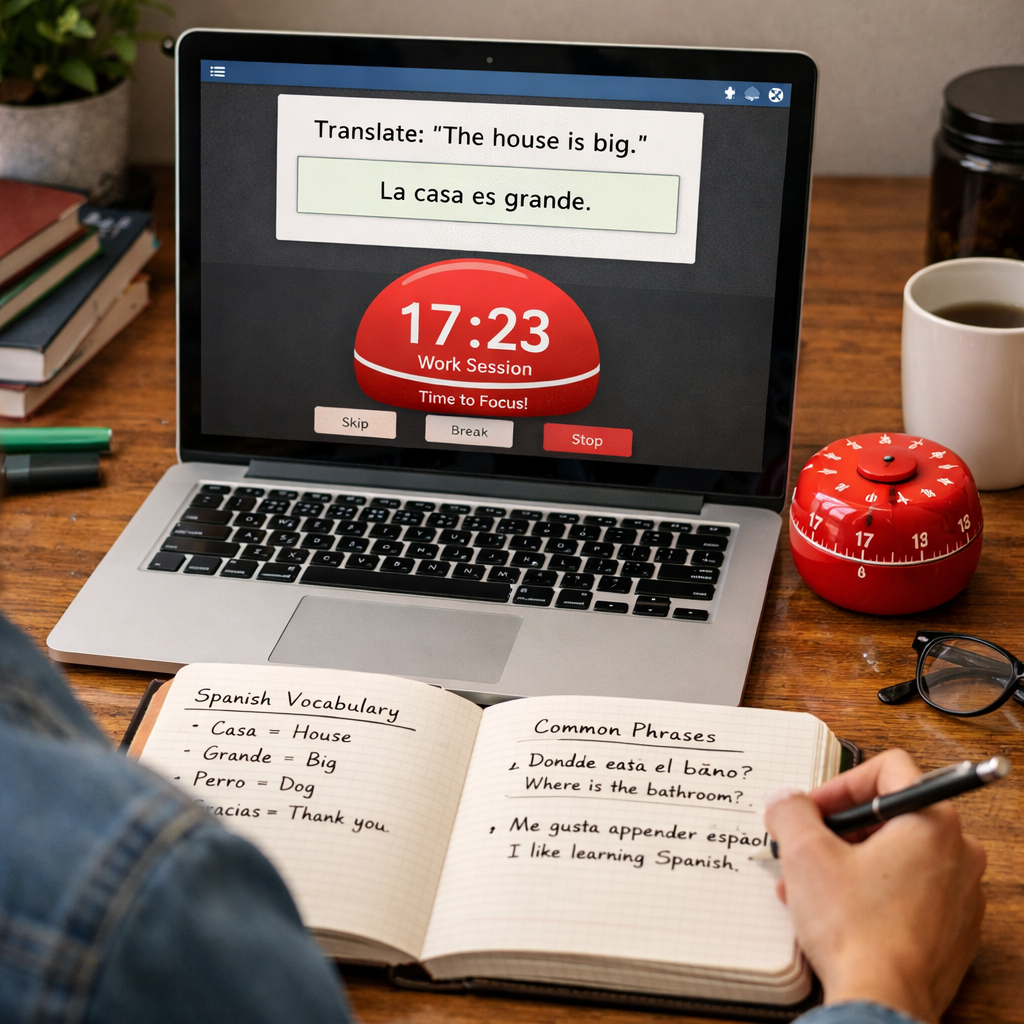
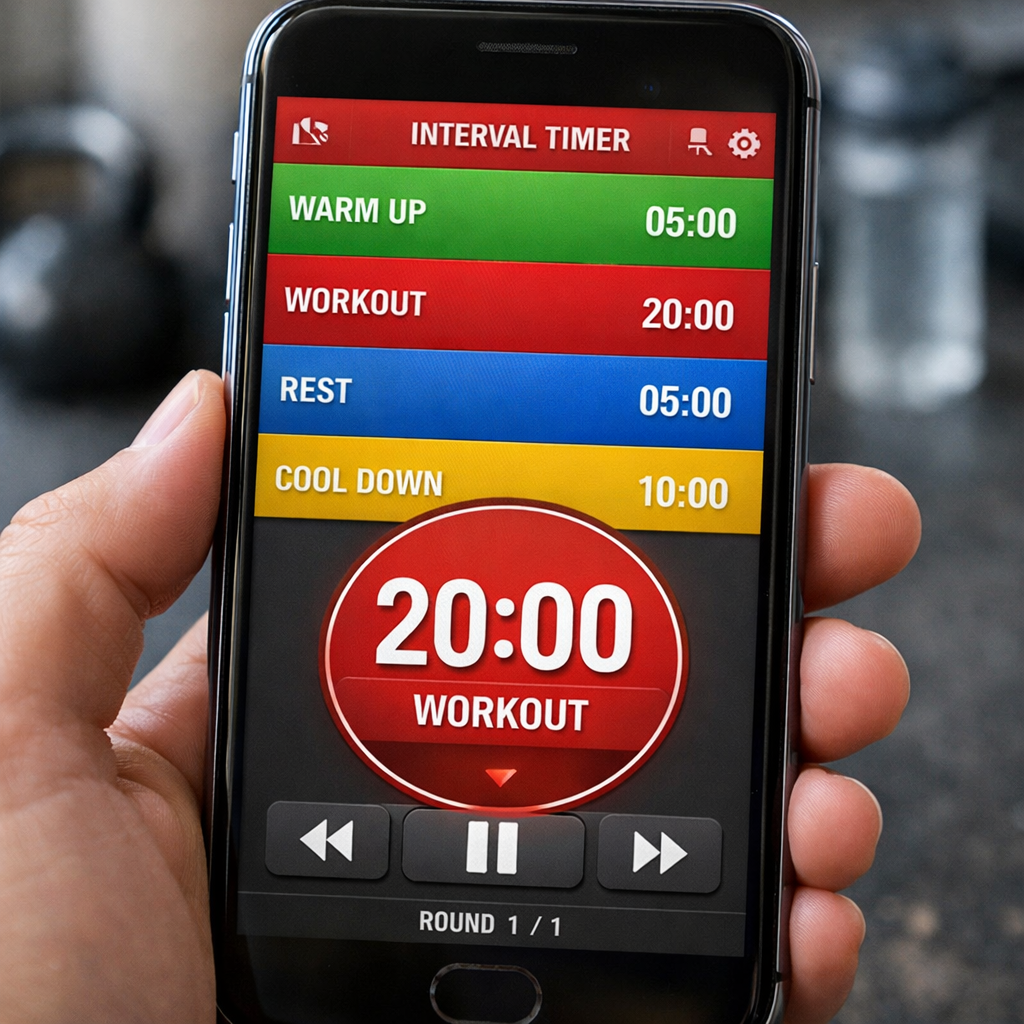
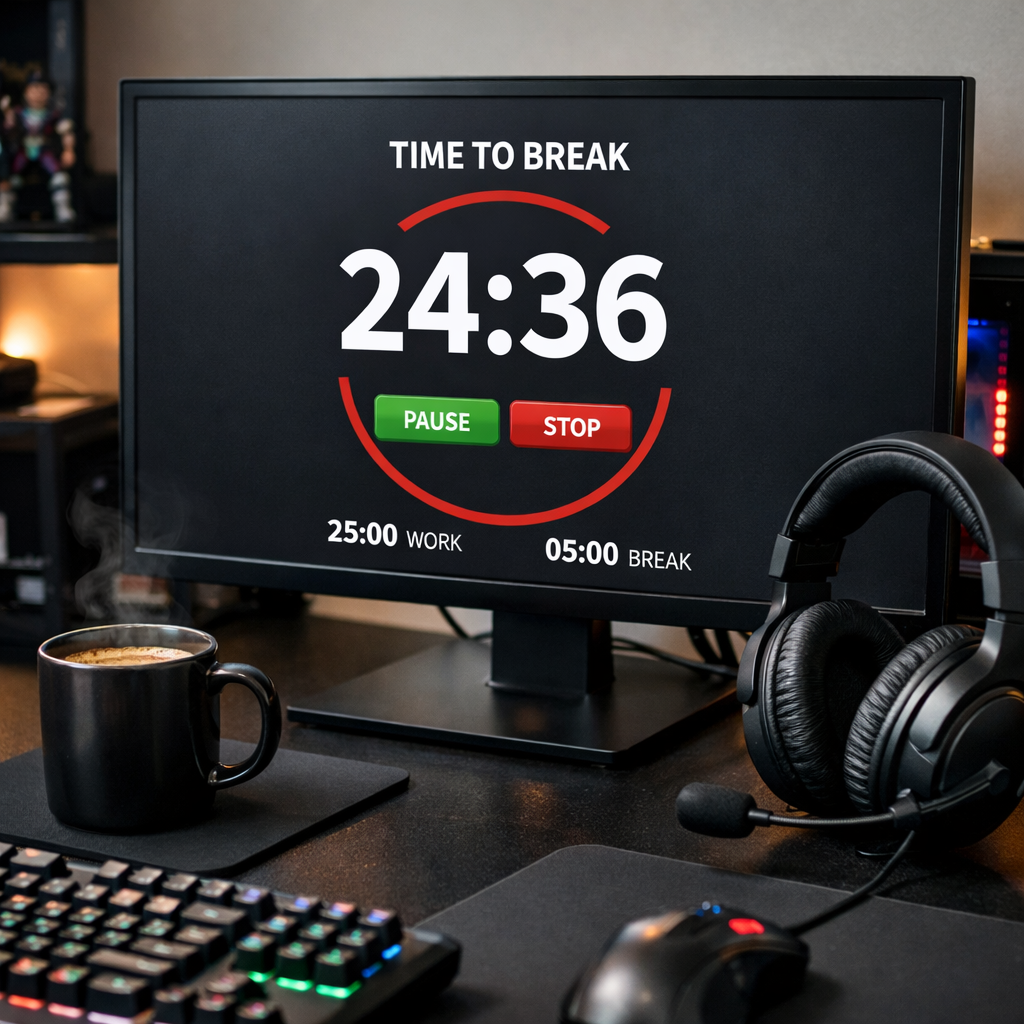
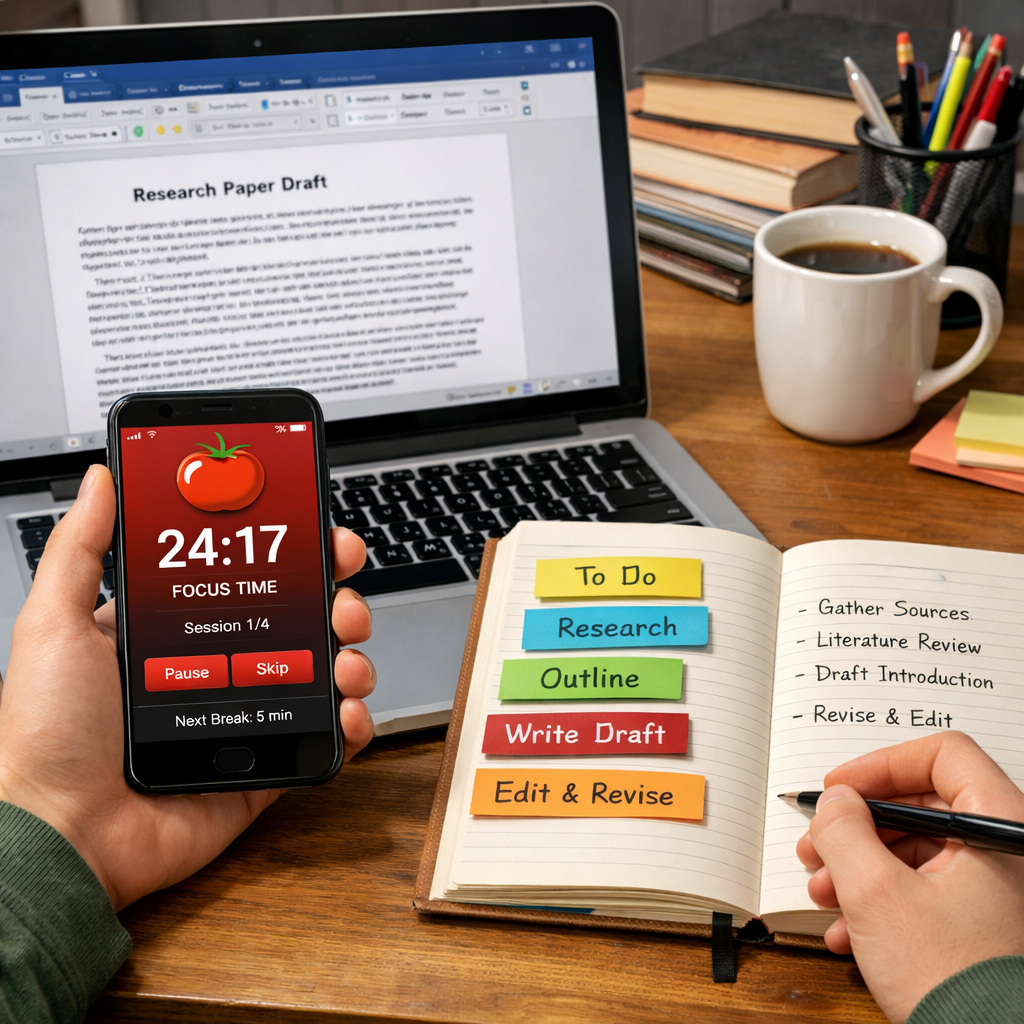
Utilize Timers For Focused Work Sessions
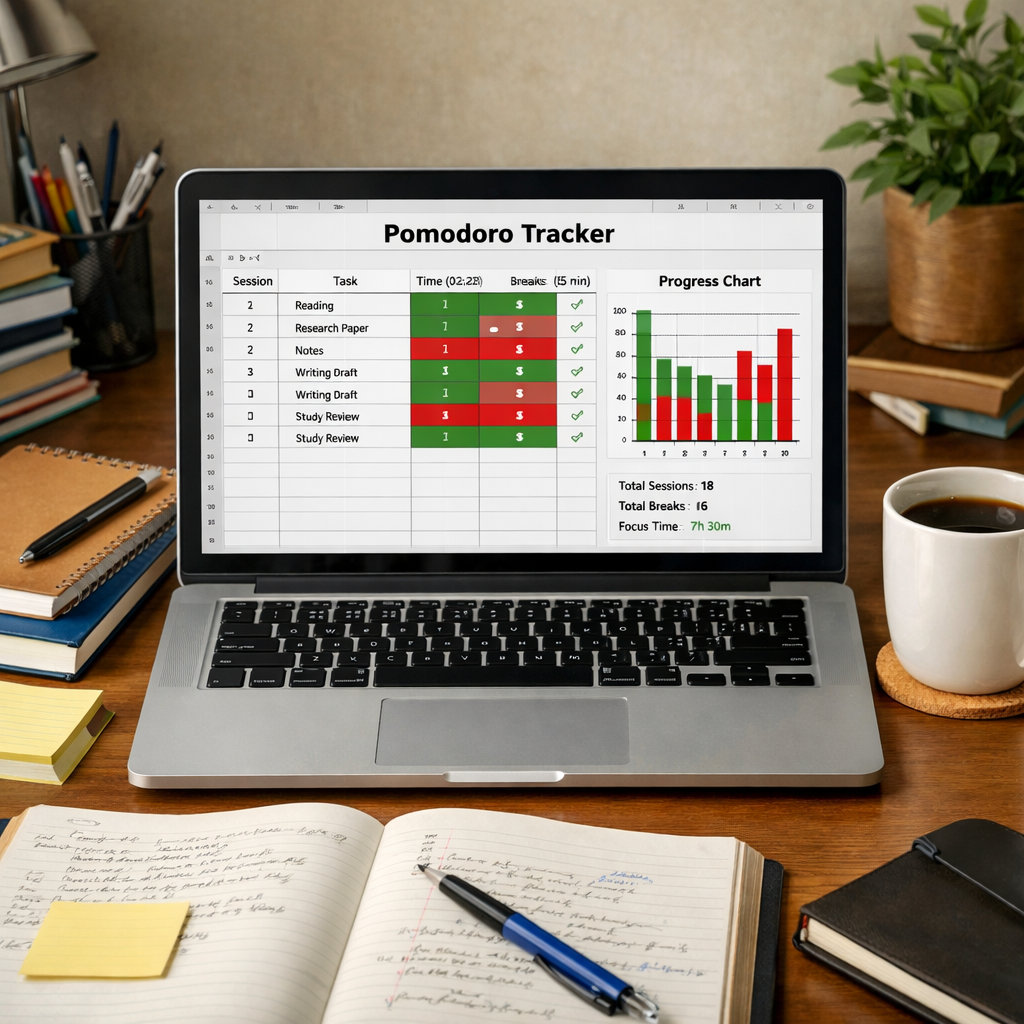
This is where the Pomodoro Technique (or something like it) really shines. It’s basically breaking your work into manageable chunks with built-in breaks. It sounds simple, but it’s surprisingly effective.
Here’s a basic rundown:
- Pick a task: Decide what you’re going to work on.
- Set a timer: Aim for about 25 minutes of focused work. No checking your phone, no peeking at emails.
- Work like crazy: Just focus on that one task until the timer goes off.
- Take a short break: Five minutes. Stand up, stretch, grab some water. Don’t start a new task or get sucked into social media.
- Repeat: Do this a few times, and then take a longer break.
This method helps you avoid burnout and makes big tasks feel less overwhelming. It trains your brain to focus intensely for short bursts.
Set Daily Priorities To Guide Your Efforts
Every day, you’ve got a million things you could do. But what do you need to do? Figuring this out beforehand is key. If you don’t know what’s most important, you’ll just bounce around.
- Identify your ‘big rocks’: What are the 1-3 most important things you need to accomplish today? These are the tasks that will move the needle.
- Tackle them first: Try to do your most important work when your energy and focus are highest, usually earlier in the day.
- Break down big tasks: If a priority feels too huge, chop it into smaller, more manageable steps. This makes it less scary and gives you little wins along the way.
Engage Your Mind With Stimulating Activities
Sometimes, your brain just needs a little nudge to get back on track. If you’re feeling that mental fog roll in, trying something new or engaging can really help.
Play Brain Training Games To Sharpen Focus
Think of brain games as a workout for your mind. Just like hitting the gym strengthens your muscles, these activities can make your attention muscles stronger. Games that involve puzzles, strategy, or memory can really get your brain firing on all cylinders. They’re not just for kids, either. Adults can see real benefits in their ability to concentrate and even their memory skills. It’s a fun way to keep your mind sharp.
Listen To Music Or Nature Sounds For Concentration
Ever notice how some music just makes you zone out, while other kinds help you get stuff done? It’s a real thing. Generally, instrumental music, like classical pieces, or ambient sounds like rain or ocean waves, tend to be pretty good for focus. They create a background hum that can help block out other distractions without demanding too much of your attention. Music with lyrics or a strong beat can sometimes pull your focus away, so it’s worth experimenting to see what works best for you. There are tons of apps and websites that offer curated soundscapes specifically designed for concentration.
Connect With Nature To Refresh Your Mind
Getting outside, even for a short while, can do wonders for your focus. Think about it: when you’re stuck inside staring at a screen, your brain can get a bit overloaded. Stepping out into nature, whether it’s a walk in the park or just sitting by a window with a view of trees, gives your mind a chance to reset. It’s like hitting a refresh button. This break can help you come back to your tasks with a clearer head and renewed energy. Even a few minutes spent observing the natural world can make a difference in your ability to concentrate later.
Here are a few ideas:
- Take a short walk outdoors during a break.
- Listen to nature sounds while you work.
- Spend a few minutes looking out a window at trees or the sky.
- If possible, eat lunch outside.
Sometimes, the best way to get back into a task is to step away from it for a bit. Engaging in a different, often more relaxing, activity can clear your head and make it easier to return to your work with fresh eyes. It’s not about avoiding work, but about managing your mental energy effectively.
Master Your Mindset For Lasting Focus

It’s easy to get caught up in the external stuff – blocking distractions, using timers, all that. But honestly, a lot of where we focus (or don’t focus) starts right here, in our heads. If your mind is a mess, your attention is going to be a mess too. Your mindset is the foundation for sustained concentration.
Think about it. If you believe you’re just not a focused person, or that every little interruption is a personal attack on your productivity, you’re setting yourself up for failure. It’s like trying to build a house on shaky ground. You need to shift your perspective.
Embrace A Growth Mindset For Attention
This is a big one. Instead of thinking your ability to focus is fixed – like you’re either born with it or you’re not – try seeing it as a skill you can actually develop. It’s like learning to ride a bike. You probably fell a few times, right? But you got back up, adjusted, and eventually, you were cruising. Your attention works the same way. Every time you bring your focus back to a task after getting sidetracked, you’re strengthening that mental muscle.
- Recognize that focus isn’t a talent: It’s a skill that improves with practice.
- View challenges as opportunities: When you get distracted, see it as a chance to practice refocusing, not as a sign of failure.
- Celebrate small wins: Acknowledge when you manage to stay focused for a bit longer than usual. This positive reinforcement helps build momentum.
Focus On The Present Moment To Reduce Stress
So much of our mental energy gets drained by worrying about the future or replaying the past. This constant mental chatter makes it impossible to concentrate on what’s right in front of you. Learning to anchor yourself in the present can really clear the mental fog.
When your mind wanders to what-ifs or what-was, gently guide it back to what-is. This isn’t about ignoring problems, but about not letting them hijack your attention when you need it for something else. It’s about being where your body is, and doing what your hands are doing.
Take Strategic Breaks To Recharge Your Focus
This might sound counterintuitive, but taking breaks is actually key to focusing longer. Pushing yourself non-stop is a fast track to burnout and diminished attention. Your brain needs downtime to reset and consolidate information. The trick is to make these breaks intentional and effective.
Here’s a simple way to think about breaks:
- Short, frequent breaks: Think 5-10 minutes every hour. Get up, stretch, look out a window, grab some water. Avoid jumping onto social media, which can be more draining than refreshing.
- Longer, restorative breaks: After a few hours of focused work, take a longer break, maybe 20-30 minutes. This is a good time for a short walk, a quick chat with someone, or just some quiet time.
- Mindful breaks: Instead of just zoning out, try to be present during your break. Notice your surroundings, focus on your breathing for a minute. This helps you return to your task feeling more centered.
Putting It All Together
So, we’ve talked about a bunch of ways to get better at focusing. It’s not like there’s one magic trick, right? But by trying out things like cutting down on distractions, taking short breaks, getting enough sleep, and maybe even doing some brain games, you can definitely start to see a difference. Remember, focus is a skill, not something you’re just born with. It takes practice, and that’s okay. Start small, pick one or two things that seem doable, and stick with them. Over time, you’ll build up that mental muscle and find yourself getting more done with less stress. You’ve got this.
Frequently Asked Questions
Why is it so hard to focus these days?
It feels like there are a million things pulling at our attention! Phones buzzing, endless social media, and constant notifications make it tough to stay focused on one thing. Our brains are used to quick bursts of information, so sitting still and concentrating for a long time feels extra challenging now.
How can I train my brain to focus better?
Think of your focus like a muscle. You can make it stronger with practice! Simple things like doing puzzles, playing memory games, or even just paying close attention to your breathing for a few minutes can help. The more you practice focusing, the better you’ll get.
What’s the best way to get rid of distractions?
The easiest way is to make a plan for your time. Try ‘time blocking,’ where you set aside specific times for specific tasks. During that time, turn off notifications, close extra tabs on your computer, and put your phone away. Even just hiding your phone can make a big difference!
Is multitasking really bad for my focus?
It might feel like you’re getting more done, but multitasking actually makes it harder to focus. When you try to do too many things at once, your brain is just jumping between tasks really fast. This means you can’t give your full attention to any one thing, and your work might not be as good.
How much sleep do I really need to focus?
Getting enough quality sleep is super important for your brain! When you’re tired, it’s much harder to concentrate. Aim for about 8 hours of sleep each night. Try to go to bed and wake up around the same time every day to help your body get into a good rhythm.
Can taking breaks actually help me focus more?
Yes, it totally can! It might seem strange, but stepping away from a task for a short break can actually refresh your mind. When you feel your focus slipping, take a 5-minute break to stretch, walk around, or just look out the window. You’ll likely come back feeling more ready to concentrate.