
Feeling like your brain is a browser with too many tabs open? You’re not alone. In today’s world, staying focused can feel like a superpower. But guess what? It’s not magic, it’s a skill. This guide is all about how to build concentration, breaking down simple, practical steps so you can actually get things done without your mind wandering off.
Key Takeaways
- Create a quiet space for work and turn off phone alerts to cut down on distractions.
- Use methods like time blocking or the Pomodoro Technique to work in focused bursts.
- Focus on one task at a time instead of trying to do many things at once.
- Get enough sleep, move your body regularly, and eat foods that help your brain.
- Try mindfulness, nature walks, or specific music to help your mind settle and focus.
Cultivate a Focused Environment
It’s easy to get sidetracked these days, right? Between buzzing phones and open office plans, finding a quiet moment to actually get something done can feel like a quest. But honestly, setting up your space to help you concentrate is a game-changer. It’s not about being a monk, it’s just about making it easier for your brain to do its thing.
Minimize Digital and Physical Distractions
Think about all the little things that pull your attention away. That notification ping? The email pop-up? Even just seeing your phone sitting there can be a mental tug. It’s like having a tiny, persistent salesperson trying to sell you on checking something else, every few minutes. And don’t even get me started on physical clutter. A messy desk can feel like a messy mind, making it harder to zero in on what’s important.
- Turn off non-essential alerts: Go through your phone and computer settings. Only allow notifications from apps that are absolutely critical for your immediate work. For everything else, silence is golden.
- Put your phone away: If you can, put your phone in another room or at least out of sight. Studies have shown that just seeing your phone can reduce your cognitive capacity.
- Clear your workspace: Take a few minutes before you start working to tidy up. Put away papers, pens, and anything else that doesn’t directly relate to the task at hand.
The constant barrage of digital pings and visual clutter chips away at our focus. By proactively managing our environment, we create a sanctuary for concentration, allowing our minds to settle and engage more deeply with our tasks.
Establish a Dedicated Workspace
Having a specific spot just for work, even if it’s just a corner of a room, can really help signal to your brain that it’s time to focus. It’s like having a mental switch. When you’re in that space, you’re working. When you leave it, you’re not. This separation helps prevent work from bleeding into your personal time and vice versa.
- Designate a zone: Whether it’s a full desk or just a specific chair, claim a spot that is primarily for work. Try to keep it free from personal items or things that might distract you.
- Make it comfortable and functional: Ensure you have good lighting and an ergonomic setup. If you’re constantly shifting to get comfortable, that’s another distraction.
- Keep it consistent: Use this space regularly for focused work. The more you associate this spot with concentration, the easier it will become to get into the zone when you sit down.
Silence Unnecessary Notifications
This one is huge. We’ve all been there, deep in thought, and then BAM – a notification pops up. It breaks your flow, and getting back into it can take ages. It’s not just about the sound; the visual cue is often enough to pull your attention away. Think of it like trying to read a book while someone keeps tapping you on the shoulder. It’s exhausting!
- Batch your checks: Instead of reacting to every ping, set specific times to check emails, social media, or messages. Maybe twice an hour, or even just once every few hours, depending on your job.
- Use ‘Do Not Disturb’ modes: Most phones and computers have these features. Learn how to use them effectively for your work periods.
- Communicate your needs: If you work with others, let them know when you need uninterrupted time. A simple sign on your desk or a quick message can go a long way.
Implement Strategic Work Habits

Sometimes, just showing up and trying to get things done isn’t enough. You need a plan, a way to actually make progress without getting sidetracked by every little thing. That’s where smart work habits come in. They’re like the scaffolding that holds up your focus when things get tough.
Embrace Time Blocking for Deep Work
This is all about giving yourself permission to really concentrate on one thing for a set period. Instead of just hoping you’ll find time to do that important project, you actually schedule it. Think of it like booking a meeting with yourself, but for focused work. You decide, "Okay, from 9 AM to 11 AM, I’m only working on the Q3 report. No emails, no calls, nothing else." It sounds simple, but it makes a big difference. When your calendar says "Deep Work: Report," it’s a lot harder to justify checking social media.
Utilize the Pomodoro Technique
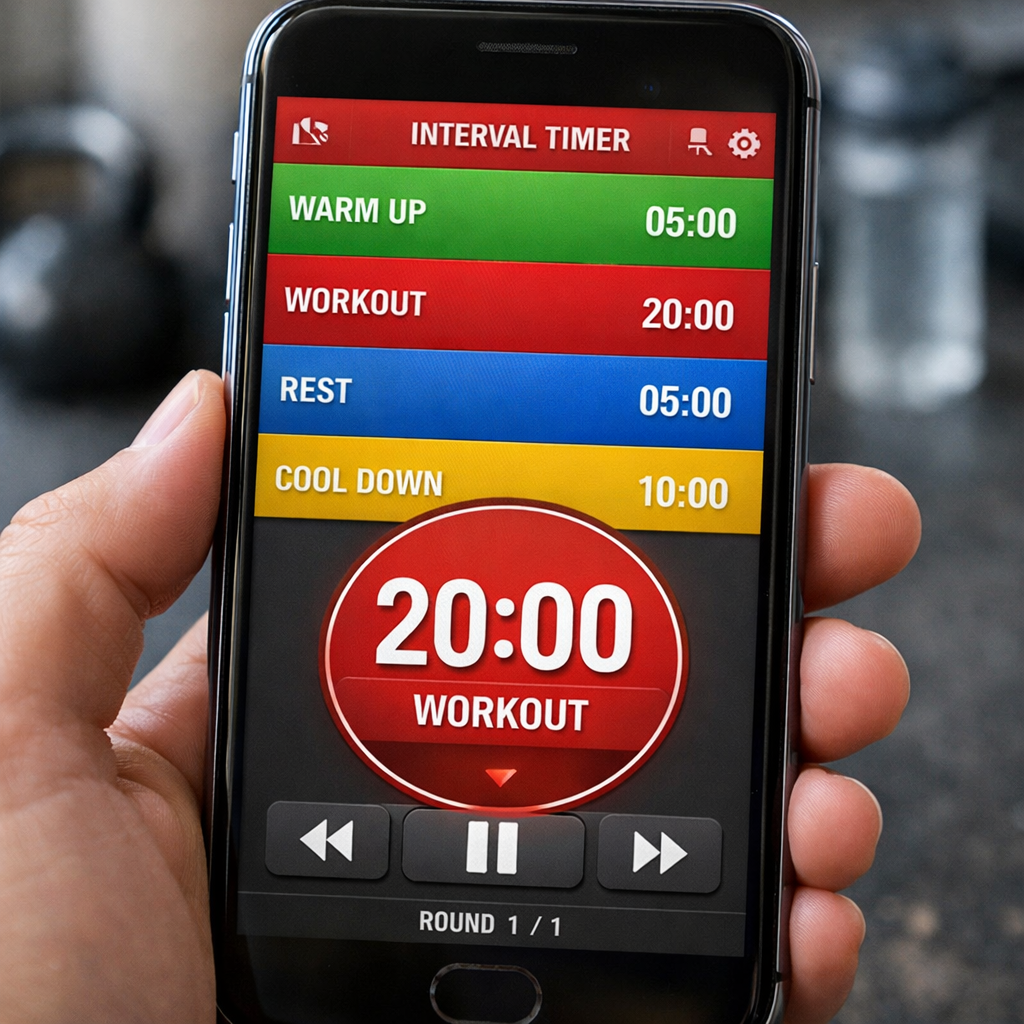
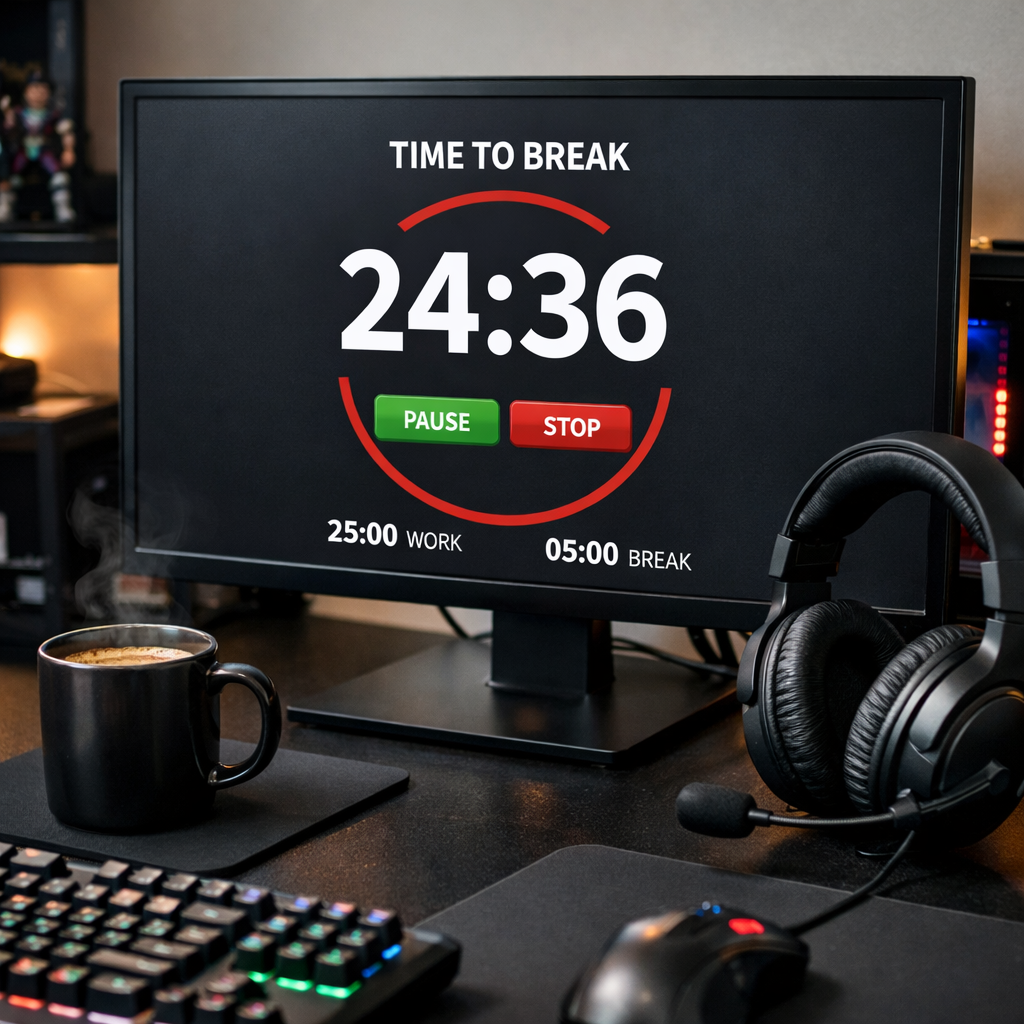
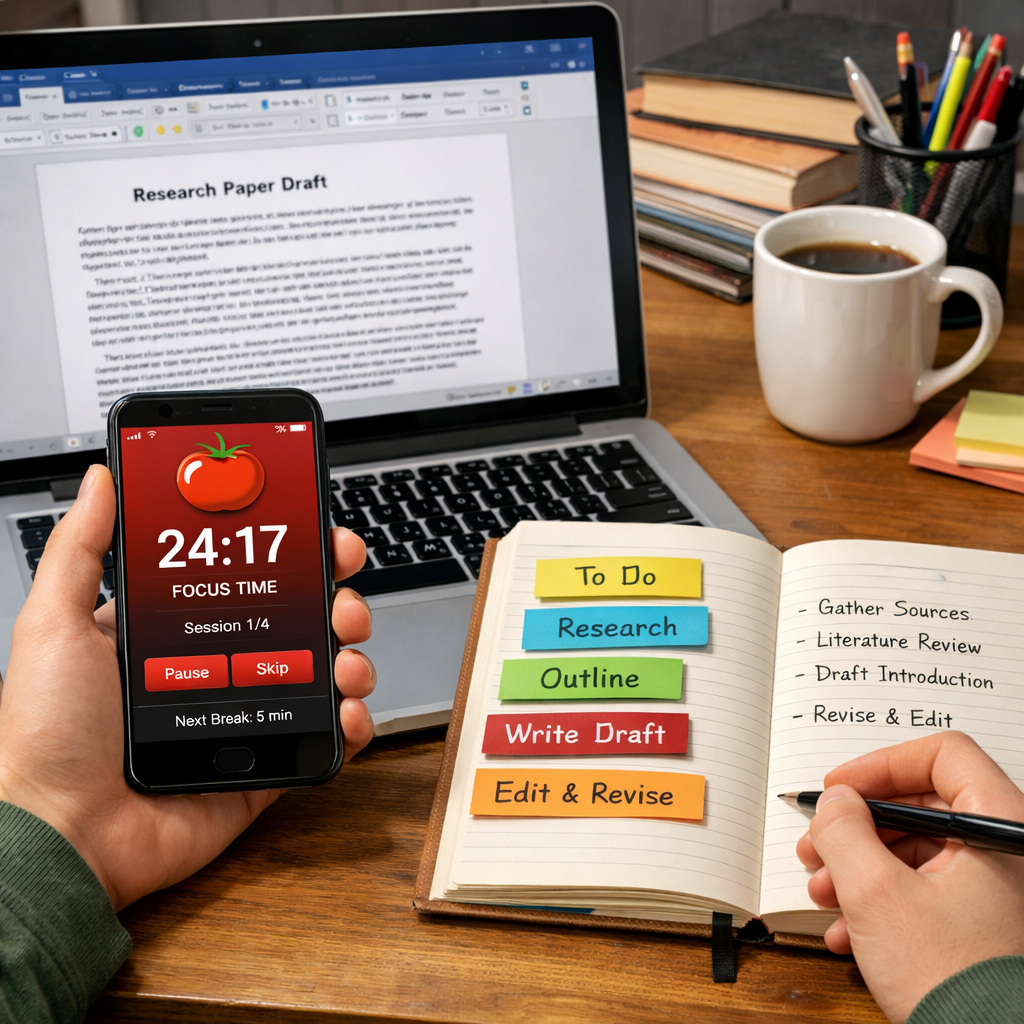
This is a popular method that breaks your work into manageable chunks. You set a timer for, say, 25 minutes, and you work intensely on one task until the timer goes off. Then, you take a short 5-minute break. After about four of these "Pomodoros," you take a longer break, maybe 15-30 minutes. It sounds a bit rigid, but it really helps prevent burnout and keeps your brain from getting fatigued. It’s like running sprints instead of a marathon – you can go harder for shorter bursts.
Prioritize Single-Tasking Over Multitasking
We often think we’re getting more done by juggling multiple things at once, but it’s usually the opposite. Trying to write an email while listening to a podcast or talking on the phone while working on a spreadsheet splits your attention. Your brain isn’t really doing both things well; it’s just switching back and forth really fast, which is tiring and leads to mistakes. Focusing on one task at a time allows you to give it your full mental energy, leading to better quality work and fewer errors. It might feel slower at first, but in the long run, you’ll be more efficient and produce better results.
The key is to be intentional about how you structure your work. Don’t just let the day happen to you; make a plan and stick to it as much as possible. Even small adjustments can lead to significant improvements in your ability to concentrate and get things done.
Nurture Your Brain and Body

You know, sometimes I forget that my brain and body are actually connected. It sounds obvious, but when I’m deep in a project, I tend to just push through, forgetting that what I eat, how much I sleep, and if I’ve moved at all that day really matters. Turns out, taking care of yourself isn’t just about feeling good; it’s a direct path to better focus.
Prioritize Quality Sleep for Cognitive Function
Getting enough sleep is like giving your brain a nightly tune-up. When you’re sleep-deprived, everything feels harder, right? Your thoughts get foggy, and concentrating on even simple tasks becomes a struggle. Aiming for 7-9 hours of quality sleep each night helps your brain consolidate memories and clear out waste products, making it ready to tackle the day. It’s not just about falling asleep; it’s about the quality of that sleep. Try to avoid screens right before bed – that blue light really messes with your body’s natural sleep signals. Creating a consistent bedtime routine can also make a big difference.
Engage in Regular Physical Activity
I used to think exercise was just for my muscles, but it’s a huge boost for my brain too. Even a brisk walk can get your blood flowing, delivering more oxygen to your brain. This can make you feel more alert and ready to focus. Studies show that regular movement can actually change your brain chemistry for the better, affecting things like attention and memory. It doesn’t have to be a marathon; finding ways to move your body daily is key. Maybe it’s a quick jog in the morning or a walk during your lunch break. Getting outside for some fresh air while you move is even better.
Fuel Your Mind with Nutritious Foods
What you eat directly impacts how well your brain works. Think of your brain like a high-performance car; it needs the right fuel. Sugary snacks might give you a quick burst, but they often lead to a crash, leaving you feeling sluggish and unfocused. Instead, focus on foods that provide steady energy. This includes plenty of fruits, vegetables, and whole grains. Healthy fats found in fish and nuts are also great for brain health. Eating balanced meals helps keep your blood sugar stable, which in turn helps maintain consistent concentration throughout the day. It’s amazing how much better I feel when I’m eating well. Nutrition, sleep, and exercise are really the foundation for everything else.
Sharpen Your Mental Acuity
Sometimes, it feels like your brain is just a busy highway with too many cars going in different directions, right? Getting it to focus on just one thing can be a real challenge. But just like you can train your muscles at the gym, you can train your brain to be sharper and more attentive. It’s not about having a ‘gift’ for focus; it’s about practicing specific techniques that help your mind settle down and pay attention.
Practice Mindfulness and Meditation
This is all about learning to be present. When your mind is constantly jumping between past regrets and future worries, it’s hard to concentrate on what’s happening right now. Mindfulness is basically paying attention to the current moment without judgment. Meditation is a way to practice this. Even just a few minutes a day can make a difference.
- Start small: Try focusing on your breath for just 5 minutes. Notice when your mind wanders (it will!) and gently bring your attention back to your breath.
- Body scan: Pay attention to the sensations in different parts of your body, from your toes to the top of your head.
- Mindful walking: When you walk, really notice the feeling of your feet on the ground, the air on your skin, and the sights and sounds around you.
The goal isn’t to empty your mind, which is pretty much impossible. It’s about noticing where your mind goes and learning to guide it back to where you want it to be. This practice builds a mental muscle that helps you stay focused when you need to.
Engage in Brain-Training Activities
Think of these as puzzles or games for your brain. They challenge your thinking skills and can help improve things like memory and problem-solving, which are all tied to concentration. You don’t need fancy apps; everyday activities can work wonders.
- Puzzles: Jigsaw puzzles, crosswords, or Sudoku require you to focus, analyze, and remember patterns.
- Strategy games: Chess or even certain video games that require planning and quick thinking can be great.
- Learning something new: Picking up a new skill, like a language or a musical instrument, forces your brain to create new connections.
Connect with Nature for Mental Clarity
It might sound simple, but spending time outdoors can really clear your head. Being in nature has a calming effect and can help reduce stress, which, as we know, is a major focus killer. Even small doses can help.
- Take a walk in a park: Notice the trees, the sky, the sounds. Just be present.
- Add plants to your workspace: Studies show that having plants around can boost mood and concentration.
- Sit by a window with a view: If a full nature walk isn’t possible, just looking at greenery can offer a small mental break.
Optimize Your Energy and Focus
Sometimes, it feels like our focus just up and leaves, doesn’t it? One minute you’re on a roll, the next you’re staring blankly at the screen, wondering what happened. A big part of keeping that focus sharp is understanding how your own energy levels work. It’s not just about managing time; it’s about working with your natural rhythms.
Align Tasks with Your Energy Levels
Think about when you feel most alert and ready to tackle tough stuff. For many people, this is in the morning, right after waking up. Your brain is fresh, and you haven’t yet been worn down by the day’s demands. This is the prime time for tasks that need deep thought, creativity, or complex problem-solving. Trying to write a report or brainstorm new ideas when you’re already tired is just setting yourself up for frustration. Instead, save those demanding tasks for when your energy is naturally high. Less demanding tasks, like answering emails or organizing files, can be pushed to times when your energy dips a bit. It’s about being smart with your personal productivity cycle.
- Morning: High energy, best for creative work, strategic planning, and complex tasks.
- Afternoon: Moderate energy, good for routine tasks, meetings, and administrative work.
- Evening: Lower energy, suitable for light reading, planning for the next day, or winding down.
Managing your energy, rather than just your time, can make a huge difference in how much you get done and how well you do it. It’s about working smarter, not harder, by syncing your activities with your body’s natural cycles.
Incorporate Strategic Breaks
Breaks aren’t a sign of weakness; they’re a vital part of maintaining focus. Pushing yourself for too long without a pause leads to burnout and a sharp drop in concentration. Short, planned breaks can actually help you improve your attention span. Think of them as a way to reset your mental batteries. Even a five-minute break to stand up, stretch, or look out a window can be incredibly effective. Longer breaks, like a proper lunch break away from your desk, are even better for a full mental refresh.
Choose Instrumental Music or White Noise
For some, silence is golden. For others, a bit of background sound can actually help block out distracting noises and create a more focused atmosphere. Instrumental music, especially classical or ambient tracks, can be great because it doesn’t have lyrics to pull your attention away. White noise or nature sounds can also work wonders by creating a consistent soundscape that masks sudden interruptions. Experiment to see what works best for you; it might just be the secret ingredient to staying in the zone.
Wrapping It Up
So, building better concentration isn’t some magic trick. It’s more like training for your brain. We talked about a bunch of stuff, from ditching distractions and not trying to do ten things at once, to getting enough sleep and even just taking a walk outside. Remember, it’s not about being perfect overnight. Start with one small change, like putting your phone away during work blocks or trying a quick meditation. Little steps add up. Over time, you’ll notice you can stick with tasks longer and get more done without feeling totally drained. Keep at it, and you’ll definitely see a difference.
Frequently Asked Questions
Why is it so hard to focus sometimes?
Lots of things can make focusing tricky! Our world is super noisy with constant alerts from phones and computers. Sometimes, feeling stressed or tired also makes it tough to pay attention to one thing. Plus, if you’re trying to do too many things at once, your brain gets confused and can’t focus well on any of them.
What’s the best way to get rid of distractions?
To really focus, try making a special spot just for your work or homework. Keep your phone away, maybe in another room, and turn off notifications on your computer. Closing extra tabs on your web browser also helps a lot. It’s like creating a quiet zone for your brain!
Is multitasking really bad for concentration?
Yes, it turns out multitasking is actually a big concentration killer! When you try to do several things at once, your brain is jumping around and doesn’t get to focus deeply on any one task. This often means you don’t do as good a job and it takes longer. It’s better to do one thing at a time.
How can I train my brain to focus better?
You can train your brain like a muscle! Simple things like playing brain games (like puzzles or Sudoku), practicing mindfulness (paying attention to your breath or what’s around you), and even getting enough sleep can make a big difference. Regular exercise also helps your brain work better.
Are breaks really helpful for concentration?
Absolutely! It might seem odd, but taking short breaks actually helps your brain recharge. When you feel your focus slipping, step away for a few minutes. Stretch, walk around, or look out the window. When you come back, you’ll likely find it easier to concentrate again.
Does what I eat affect my ability to focus?
Yes, definitely! Eating healthy foods that keep your energy steady, like fruits, veggies, and lean proteins, helps fuel your brain. Sugary snacks can make your energy crash, making it harder to focus. Staying hydrated by drinking enough water is also super important for keeping your mind sharp.