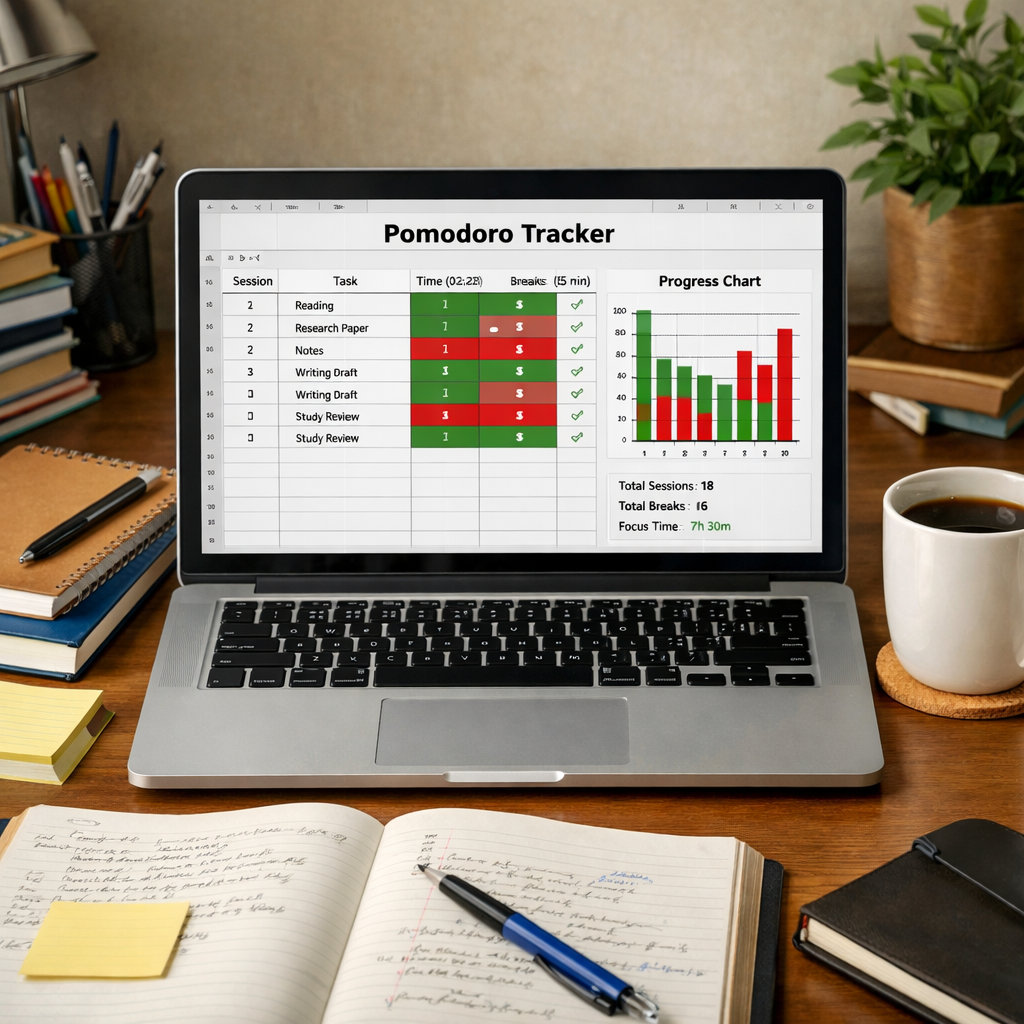
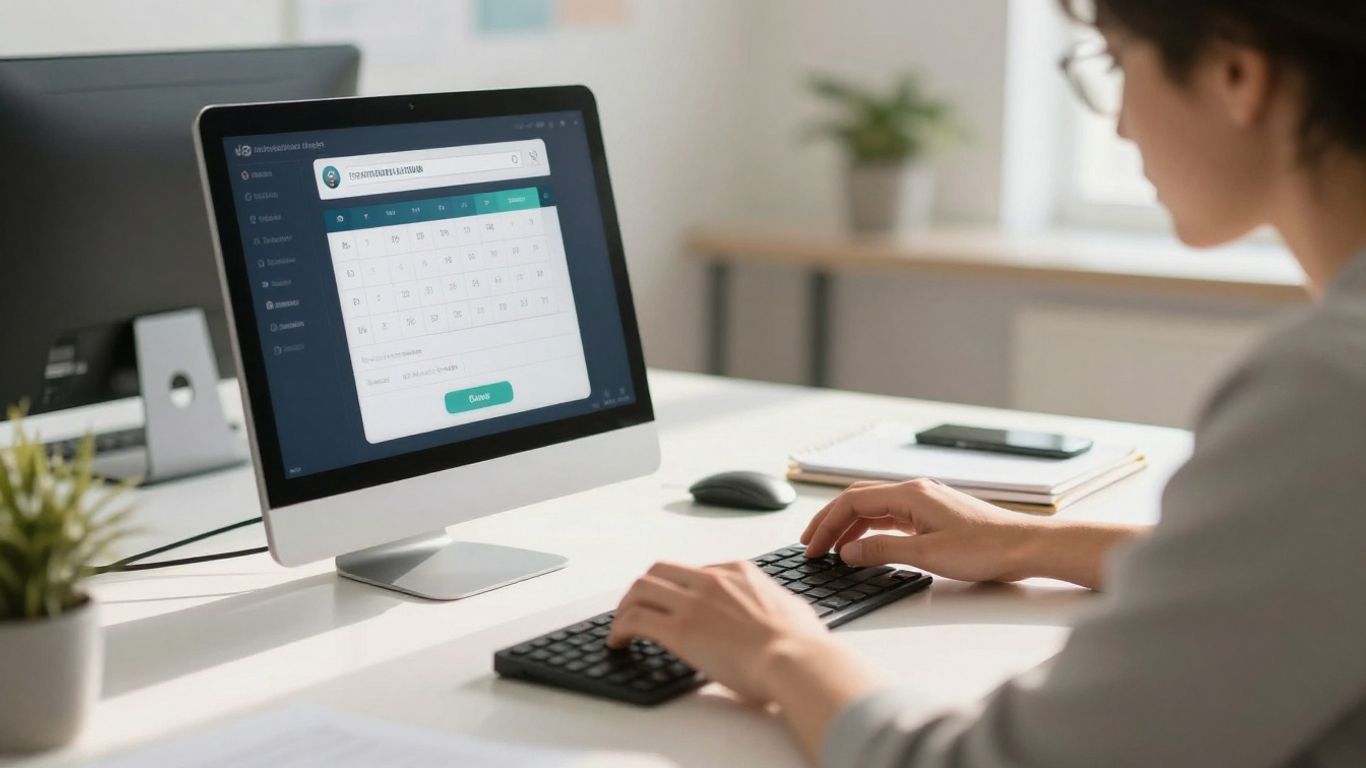
Trying to get more done can feel like a constant battle. You know you need to focus, but distractions are everywhere. What if there was a way to not only manage your work time better but also see how you’re actually spending it? That’s where a focus timer with stats comes in. It’s more than just a ticking clock; it’s a tool that helps you understand your work habits and improve them. Let’s explore how this simple concept can make a big difference in your daily grind.
Key Takeaways
- A focus timer with stats breaks your work into timed intervals, making tasks feel more manageable and helping you stay on track.
- Tracking your focus time shows you where your hours are really going, highlighting patterns you might not notice otherwise.
- Customizable timers and task integration allow you to tailor the focus timer with stats to your specific work style and projects.
- Analyzing your productivity data helps you identify your most productive times and adjust your schedule accordingly.
- Using a focus timer with stats can build better work habits, reduce procrastination, and lead to a greater sense of accomplishment.
Understanding The Focus Timer With Stats Concept
Ever feel like your workday just disappears without much to show for it? You’re not alone. Many of us struggle to stay on track, getting pulled in a million directions by emails, notifications, and the general chaos of daily life. That’s where a focus timer with stats comes in. It’s not just about telling time; it’s about building a smarter way to work.
The Power of Structured Work Intervals
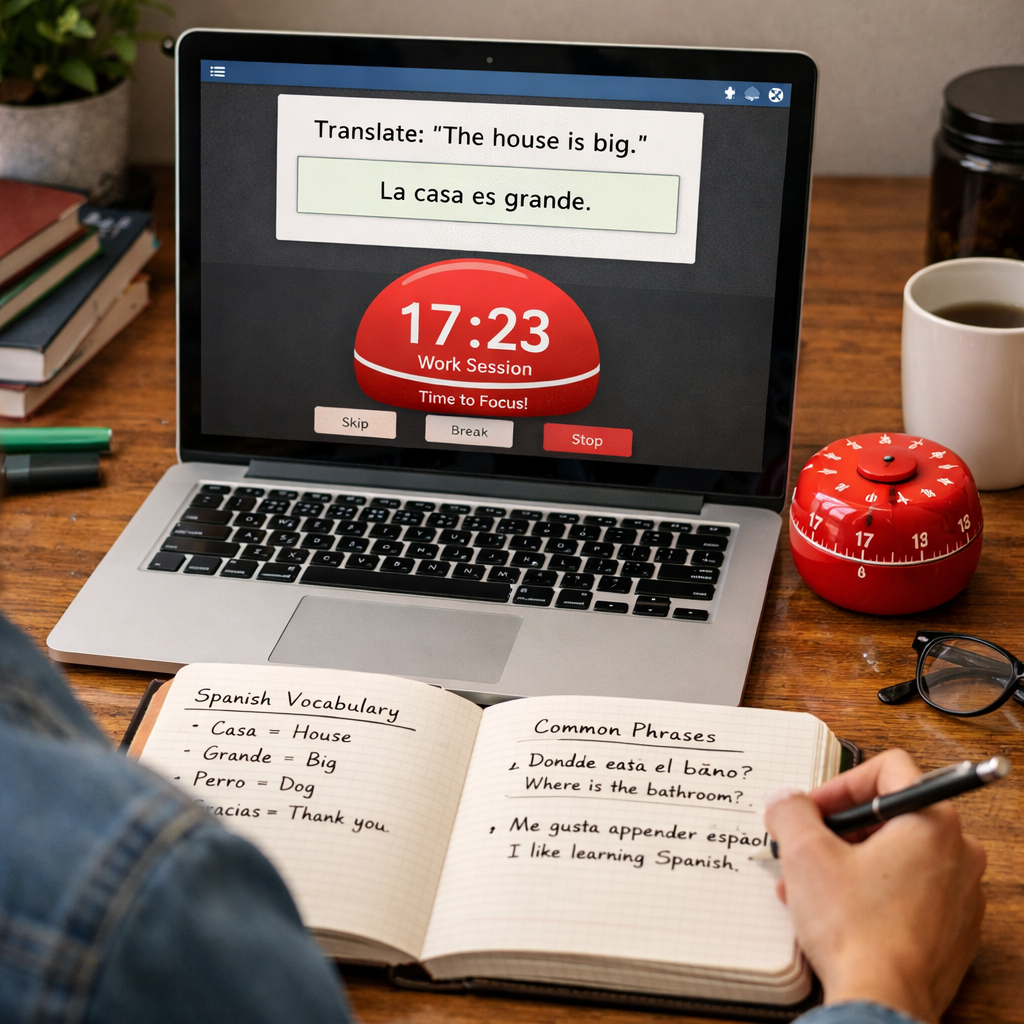
Think of it like this: instead of just working until you’re tired, you break your day into manageable chunks. The most popular method is the Pomodoro Technique. It’s pretty simple:
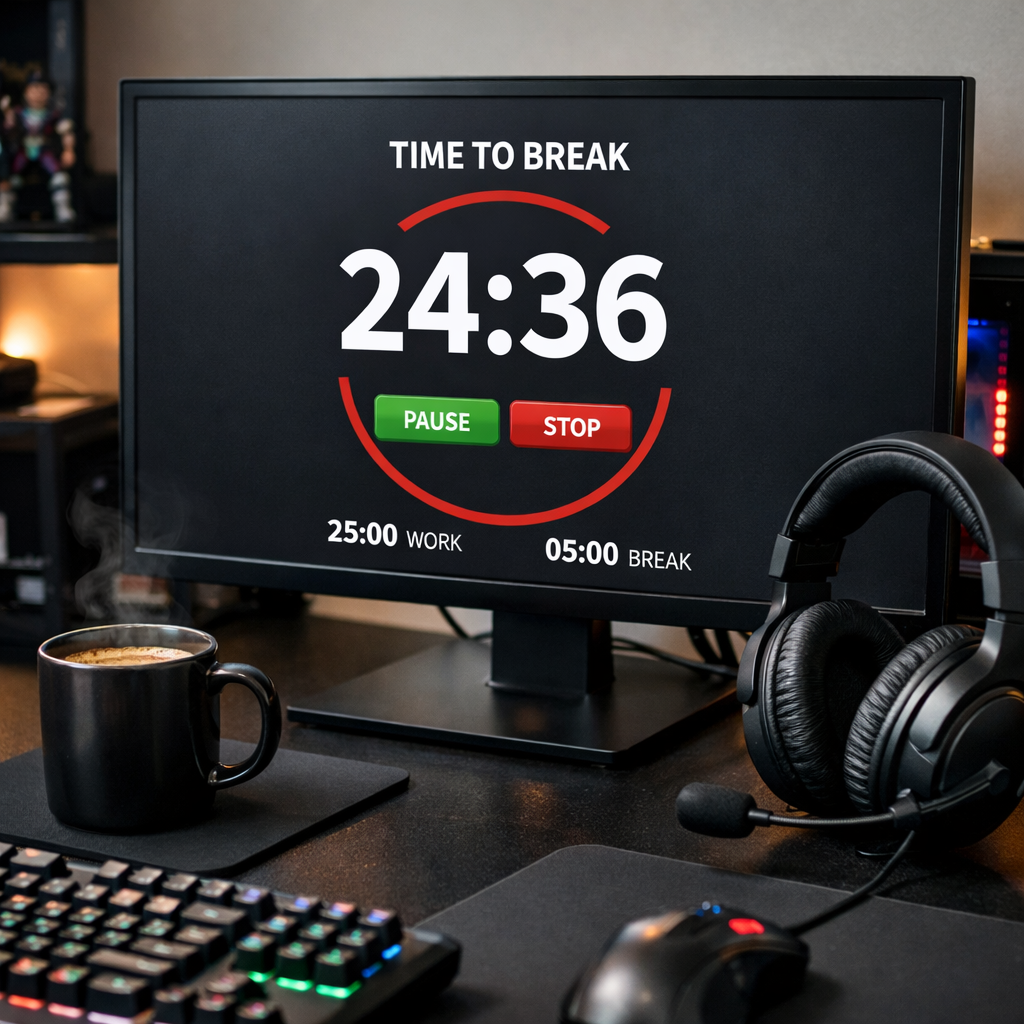
- Work intensely for a set period, usually 25 minutes.
- Take a short break, like 5 minutes, to step away.
- After a few of these work-break cycles, take a longer break.
This structure helps you avoid burnout and keeps your brain fresh. It makes big tasks feel less daunting because you’re just focusing on the next 25 minutes, not the whole project.
Why Tracking Your Focus Matters
Just using a timer is good, but knowing how you’re using it is even better. Tracking your focus time gives you real data about your work habits. You start to see patterns you might not have noticed otherwise. Are you more productive in the morning? Do certain types of tasks take longer than you thought? This information is gold for improving how you spend your time. Without tracking, you’re just guessing.
Integrating Focus Timers into Your Workflow
Getting started is easier than you might think. You don’t need a complicated setup. The basic idea is to pick a task, set your timer, and commit to focusing until it rings. When it does, you take your break. It’s about creating a routine.
The goal isn’t to be perfect from day one. It’s about building a consistent practice that helps you get more done with less stress. Small, regular efforts add up over time.
Over time, you can start linking these timed sessions to specific tasks or projects. This way, you’re not just tracking time spent; you’re tracking progress on what actually matters.
Key Features Of A Focus Timer With Stats
So, what makes a focus timer with stats actually useful? It’s not just about a ticking clock; it’s about what you can do with the information it gives you. These tools are built to be more than just a simple stopwatch. They offer ways to shape your work and understand how you’re spending your time.
Customizable Work and Break Durations
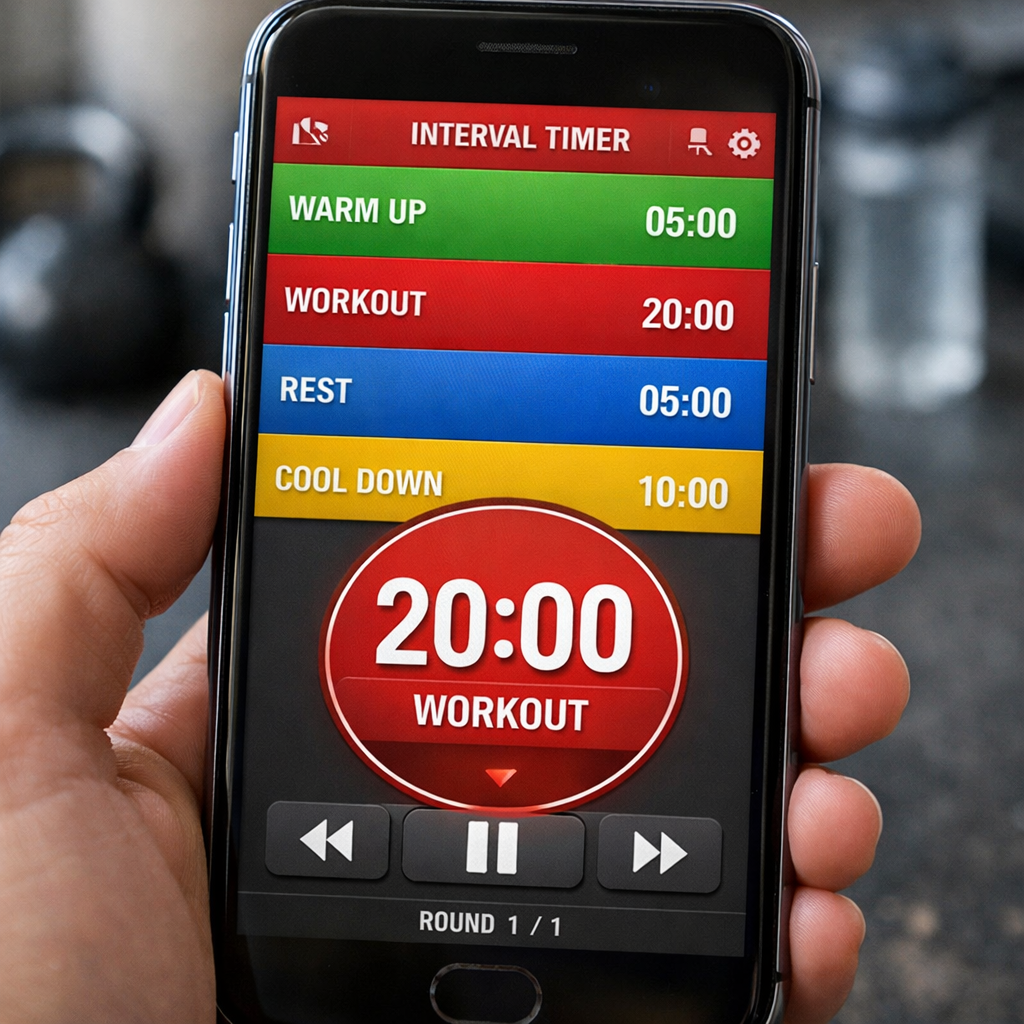
One of the biggest pluses is that you’re not stuck with a one-size-fits-all approach. Most good focus timers let you tweak how long your work sprints are and how long your breaks last. This is super handy because everyone’s concentration levels are different. Maybe you find you do your best work in 45-minute bursts, or perhaps 15 minutes is all you can manage before needing a breather. The same goes for breaks – some people need a quick stretch, others a longer mental reset.
- Work Intervals: Set these from as short as 5 minutes to over an hour.
- Short Breaks: Typically 1-5 minutes, perfect for grabbing water or stretching.
- Long Breaks: Usually 10-30 minutes, for a more substantial recharge after a few work sessions.
Being able to adjust these times means the timer works for your brain, not the other way around. It stops feeling like a rigid rule and starts feeling like a helpful guide.
Task Management Integration
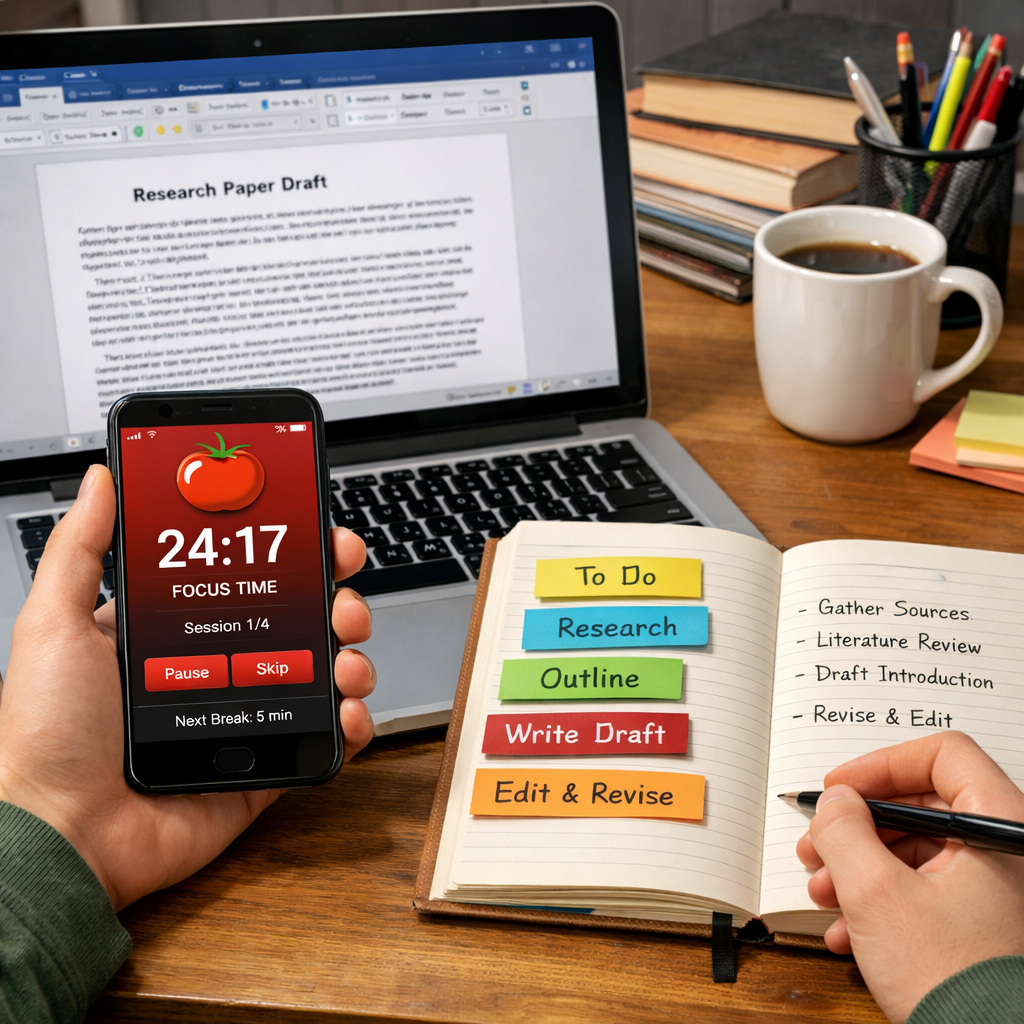
It’s one thing to track time, but it’s another to know what you were doing during that time. That’s where task management integration comes in. Instead of just starting a timer, you can assign it to a specific task or project. This way, you’re not just logging ‘focused time,’ you’re logging ‘focused time on writing the report’ or ‘focused time on coding feature X.’
This feature usually looks something like this:
- Create Tasks: List out what you need to get done.
- Assign Time: Link your focus sessions directly to these tasks.
- Track Progress: See how much time you’ve spent on each individual item.
This makes it easy to see where your effort is really going and helps you prioritize what’s most important.
Detailed Productivity Analytics
This is where the ‘stats’ part really shines. A good focus timer doesn’t just tell you how long you worked; it breaks it down. You can often see:
- Daily/Weekly/Monthly Totals: A clear overview of your focused time over different periods.
- Task Completion Rates: How many tasks you finished within a certain timeframe.
- Peak Productivity Times: When you tend to be most focused during the day.
| Metric | Example Data | Notes |
|---|---|---|
| Total Focus Time | 4h 32m | Today’s accumulated focused work |
| Tasks Completed | 5 | Number of tasks finished today |
| Longest Session | 55m | Your longest uninterrupted work period |
| Average Break Time | 4m 15s | Average duration of your short breaks |
These analytics are the real gold, helping you understand your work habits on a deeper level. By looking at these numbers, you can start to spot patterns, figure out what’s working, and make adjustments to be even more productive.
Leveraging Statistics For Enhanced Productivity
So, you’ve got your focus timer set up, you’re knocking out those work intervals, and taking your breaks. That’s awesome! But what do you do with all that data the timer is collecting? It’s not just about counting sessions; it’s about understanding yourself better. Looking at your productivity stats is like getting a report card for your focus.
Identifying Productivity Patterns
Think about it. Are you a morning person who crushes tasks before lunch, or do you hit your stride in the afternoon? Your focus timer data can show you this. You might notice you’re consistently more productive on Tuesdays, or that your focus dips significantly after 3 PM. This isn’t about judgment; it’s about information.
Here’s a quick look at what you might see:
| Day of Week | Average Focus Session Length | Total Focus Time | Tasks Completed |
|---|---|---|---|
| Monday | 23 minutes | 3 hours 15 mins | 5 |
| Tuesday | 25 minutes | 4 hours 30 mins | 7 |
| Wednesday | 20 minutes | 2 hours 45 mins | 4 |
| Thursday | 24 minutes | 3 hours 50 mins | 6 |
| Friday | 18 minutes | 2 hours 10 mins | 3 |
This kind of breakdown helps you see where your energy is highest and where you might need to adjust your schedule or expectations.
Setting and Achieving Daily Goals
Once you know your patterns, you can set smarter goals. Instead of just aiming to ‘work more,’ aim for something specific based on your data. Maybe your goal is to complete 5 focused work sessions before noon, or to hit a total of 3 hours of focused work on days you know you’re usually less productive. The stats give you a baseline to measure against.
- Review your previous day’s stats: What worked? What didn’t?
- Set a realistic target: Based on your patterns, what’s achievable today?
- Track your progress: Use the timer to stay on course and adjust if needed.
- Celebrate small wins: Acknowledge when you hit your daily target.
The real magic happens when you start using the data to make small, informed adjustments to your day. It’s not about forcing yourself into a rigid schedule, but about working with your natural rhythms.
Visualizing Your Progress Over Time
Seeing your progress laid out visually can be incredibly motivating. Most focus timers offer charts and graphs showing your focus time by day, week, or month. Watching that bar graph climb over weeks or months is a powerful reminder of how far you’ve come. It turns abstract effort into concrete, visible results. This visual feedback loop helps build momentum and makes sticking with the habit much easier. You can see trends, like how your focus time increased after you started a new project or decreased when you were particularly stressed. It’s a story your data is telling you about your work habits.
Choosing The Right Focus Timer With Stats
So, you’re sold on the idea of using a focus timer that also keeps track of your progress. That’s great! But with so many options out there, how do you pick the one that actually fits your life and helps you get more done? It’s not just about finding any timer; it’s about finding your timer. Think of it like picking a good pair of shoes – they need to feel right for the journey you’re taking.
Platform Compatibility
First things first, where do you do most of your work or studying? If you’re all-in on Apple devices, you might look at apps that sync across iPhone, iPad, and Mac. If you bounce between Windows and Android, you’ll need something that plays nice with both. Some tools are web-based, meaning you can access them from any browser, which is pretty handy if you switch computers a lot. Others are desktop apps or mobile-only. Make sure the timer you choose works where you work.
Ease of Use and Interface Design
Nobody wants to spend more time fiddling with an app than actually focusing. Look for a timer that’s straightforward. Can you start a session with just a couple of clicks? Are the stats easy to understand at a glance? A cluttered or confusing interface can be a real productivity killer. You want something that feels natural to use, almost like it disappears when you’re in the zone. A clean design often means a clearer mind, right?
Integration with Other Tools
This is where things can get really interesting. Does the focus timer connect with your to-do list app? Can it sync with your calendar? Some timers let you assign focus sessions to specific tasks or projects, which is super helpful for seeing where your time is actually going. If you’re already using a project management tool, check if your timer can talk to it. This kind of connection can save you a lot of manual data entry and give you a more complete picture of your day.
The best focus timer isn’t necessarily the one with the most features, but the one you’ll actually use consistently. Simplicity and accessibility often win out over complexity.
Here’s a quick rundown of what to consider:
- Customization: Can you adjust work and break times to fit your personal rhythm?
- Task Linking: Does it let you associate focus sessions with specific tasks or projects?
- Data Export: Can you get your stats out if you want to analyze them elsewhere?
- Notifications: Are they helpful without being annoying?
- Cross-Device Sync: Does it work across all the devices you use?
Maximizing Your Focus With Data-Driven Insights
So, you’ve got your focus timer set up, and it’s chugging along, collecting data. That’s great! But what do you actually do with all those numbers? Just having stats isn’t enough; you need to use them to get smarter about how you work. The real magic happens when you start interpreting this data to make actual changes to your routine.
Understanding Your Peak Performance Times
Ever feel like you’re a total rockstar at 10 AM but a zombie by 3 PM? Your focus timer’s stats can confirm or deny that feeling. Look at your daily activity logs. When do you tend to complete the most focus sessions? When do your sessions tend to be longer and more productive?
Here’s a quick way to see it:
| Time of Day | Average Focus Session Length | Completion Rate |
|---|---|---|
| 9 AM – 11 AM | 25 minutes | 95% |
| 11 AM – 1 PM | 20 minutes | 80% |
| 1 PM – 3 PM | 15 minutes | 60% |
| 3 PM – 5 PM | 22 minutes | 85% |
This kind of breakdown shows you when your brain is firing on all cylinders. For me, it’s usually the morning. So, I try to schedule my most demanding tasks during those peak hours.
Adjusting Your Schedule Based on Trends
Once you know your peak times, you can start tweaking your schedule. Don’t fight your natural rhythm; work with it. If you see that your focus dips significantly after lunch, maybe that’s the time for lighter tasks, administrative work, or even a longer break. Conversely, if you’re a night owl, schedule your deep work for the evening.
Here are some ways to adjust:
- Schedule demanding tasks: Block out your peak performance times for your most important, concentration-heavy work.
- Plan for breaks: Use your data to see when you tend to lose focus and schedule breaks before that happens.
- Batch similar tasks: Group tasks that require similar mental energy. If you’re in a
Advanced Features For Power Users
So, you’ve gotten the hang of the basic focus timer and you’re seeing some real improvements. That’s awesome! But what if you want to take things to the next level? For those of you who are really serious about optimizing your time, there are some pretty neat advanced features that can make a big difference. These tools go beyond just counting work sessions and breaks.
Project-Based Time Tracking
This is a game-changer if you juggle multiple projects or clients. Instead of just tracking general focus time, you can assign each work session to a specific project. This means you get a clear breakdown of where your time is actually going. You can see, for example, how many hours you spent on "Client A" versus "Internal Project B" in a given week. It’s super helpful for billing, planning future projects, and understanding which areas demand the most of your attention. Some apps even let you tag tasks within projects, giving you even finer control over your data. It’s a more detailed way to manage your work effectively.
Sharing Progress and Achievements
This might sound a bit like bragging, but sharing your progress can be a powerful motivator. Many advanced focus timers allow you to export your stats or even share milestones with colleagues or friends. Maybe you hit a personal best for focused work hours in a month, or completed a major project ahead of schedule. Seeing this kind of progress visually, and perhaps sharing it, can create a sense of accountability and friendly competition. It’s like having a virtual cheerleading squad for your productivity.
Automating Workflows with Integrations
This is where things get really interesting for power users. Advanced focus timers often play nicely with other apps and services you already use. Think about connecting your timer to your calendar, your to-do list app, or even project management software. For instance, when a focus session ends, it could automatically update a task status in your project manager, or log time against a specific client in your accounting software. This kind of automation saves you manual data entry and helps keep all your productivity tools in sync. It’s about making your focus timer work for you, in the background, without you having to think about it.
The real magic happens when your focus timer isn’t just a standalone tool, but a connected part of your entire digital workspace. It starts to feel less like a timer and more like an intelligent assistant, helping to streamline your day without you lifting a finger.
Wrapping Up
So there you have it. Using a focus timer that also keeps track of your stats might seem like a small change, but it can really add up. You get a clearer picture of where your time is actually going, which helps you make better choices about how you work. Plus, seeing those progress numbers can be a pretty good motivator. Don’t feel like you have to use it exactly by the book, though. The best system is the one that actually works for you, so play around with the settings and find what fits your routine. Give it a shot – you might be surprised at how much more you can get done.
Frequently Asked Questions
What is a focus timer with stats?
Imagine a timer that helps you work in short bursts, like 25 minutes at a time, and then gives you a break. A focus timer with stats does this and also keeps track of how much time you spend working and on breaks. It’s like a coach that shows you how well you’re doing so you can get even better.
Why should I use a focus timer?
Using a focus timer helps you concentrate better and avoid getting sidetracked. By working in short, planned periods, you can get more done without feeling tired or overwhelmed. It’s a great way to make sure you’re making progress on your tasks.
How do the stats help me be more productive?
The stats show you when you’re most focused and what times of day you get the most done. You can use this information to plan your work for when you’re at your best. It’s like having a map to your most productive self!
Can I change the timer settings?
Yes, most focus timers let you change how long you work and how long your breaks are. You can set them to fit your own style and what works best for you. Some even let you decide how many work sessions you do before a longer break.
Do I need to pay for a focus timer with stats?
Many focus timers offer a free version with basic features, which is often enough to get started. Some apps have paid versions with extra tools like more detailed reports or the ability to connect with other apps. You can usually try them out to see which one you like best.
How do I start using a focus timer?
It’s super easy! First, pick a timer app you like. Then, decide what task you want to work on. Set your timer for a work period (like 25 minutes), start it, and focus only on your task until the timer goes off. Take a short break, and then repeat!