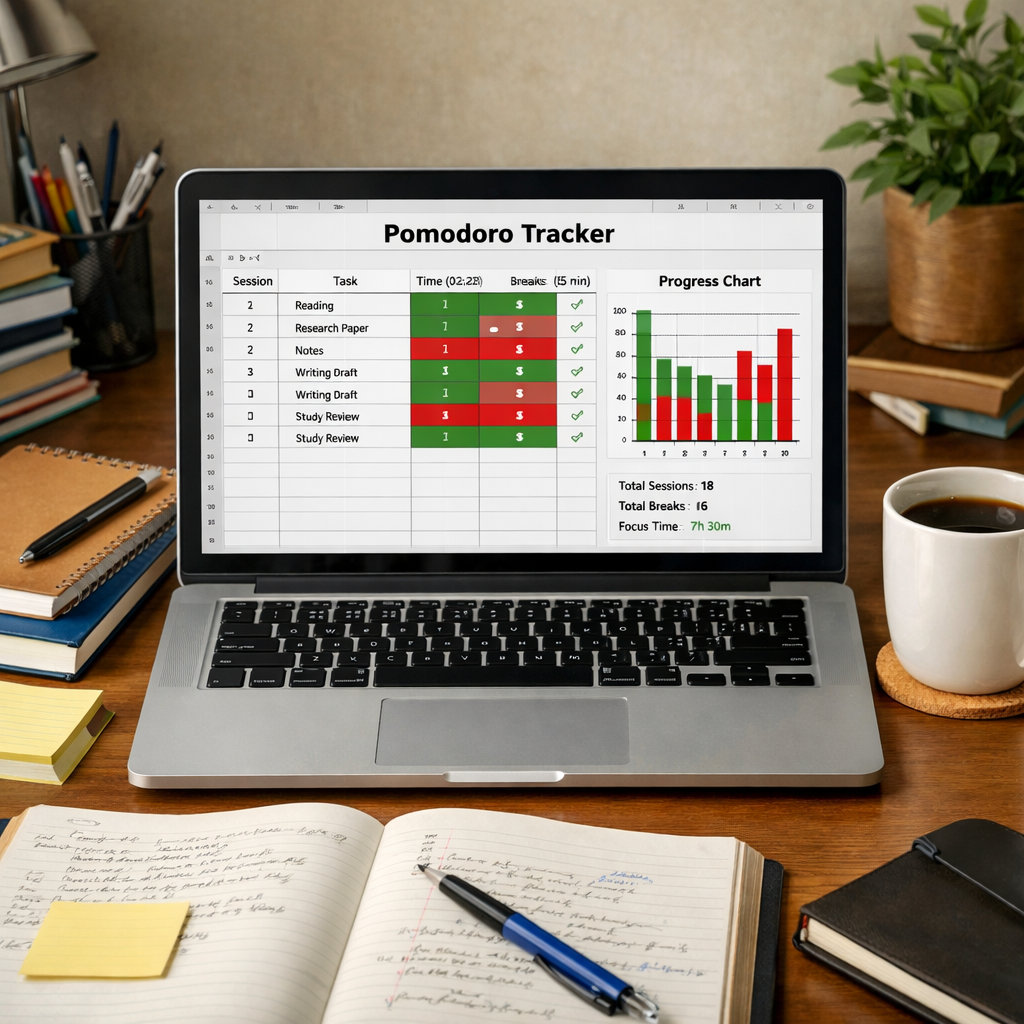
Coding can be tough, right? You sit down, ready to conquer that bug or build that feature, and suddenly, hours have passed, or you’re just staring blankly at the screen. It’s easy to get lost in the code or completely burn out. That’s where a good focus timer for coding comes in. Think of it as a helpful nudge, keeping you on track without overwhelming you. We’ll look at how these simple tools can make a big difference in your daily development life.
Key Takeaways
- Using a focus timer for coding helps break down work into manageable chunks, preventing burnout and keeping your mind fresh.
- Customizing timer sessions and break lengths allows you to match your personal workflow and energy levels.
- Ambient sounds can create a more immersive coding environment, helping to block out distractions.
- Advanced features like AI integration and cross-platform sync can further boost your productivity.
- Consistent use of a focus timer builds discipline, making your coding sessions more effective and transforming your workspace into a zone of deep concentration.
Understanding The Power Of A Focus Timer For Coding
Why Pomodoro Timers Are Essential For Developers
Look, coding isn’t just about typing fast. It’s about deep thinking, problem-solving, and often, staring at a screen for hours trying to figure out why that one semicolon is causing all the trouble. Without some kind of structure, it’s super easy to get lost, either by getting sidetracked by notifications or just zoning out. That’s where the Pomodoro technique, and by extension, focus timers, really shine for developers. It breaks down your work into manageable chunks, making those long coding stretches feel less daunting. Think of it like eating an elephant – you do it one bite at a time. For developers, these ‘bites’ are focused work intervals, usually around 25 minutes, followed by short breaks.
The Benefits Of Structured Coding Intervals
Using a timer for your coding sessions isn’t just about telling time; it’s about creating a rhythm. When you know you have a set amount of time to concentrate on a specific task, you tend to be more efficient. It helps you avoid the trap of
Choosing The Right Focus Timer For Your Workflow
Alright, so you’ve decided a focus timer is the way to go for your coding sessions. That’s a solid move. But not all timers are created equal, right? Picking the right one can make a big difference in how well it actually helps you get stuff done. It’s not just about a ticking clock; it’s about finding a tool that fits your brain and your coding habits.
Customizable Session And Break Lengths
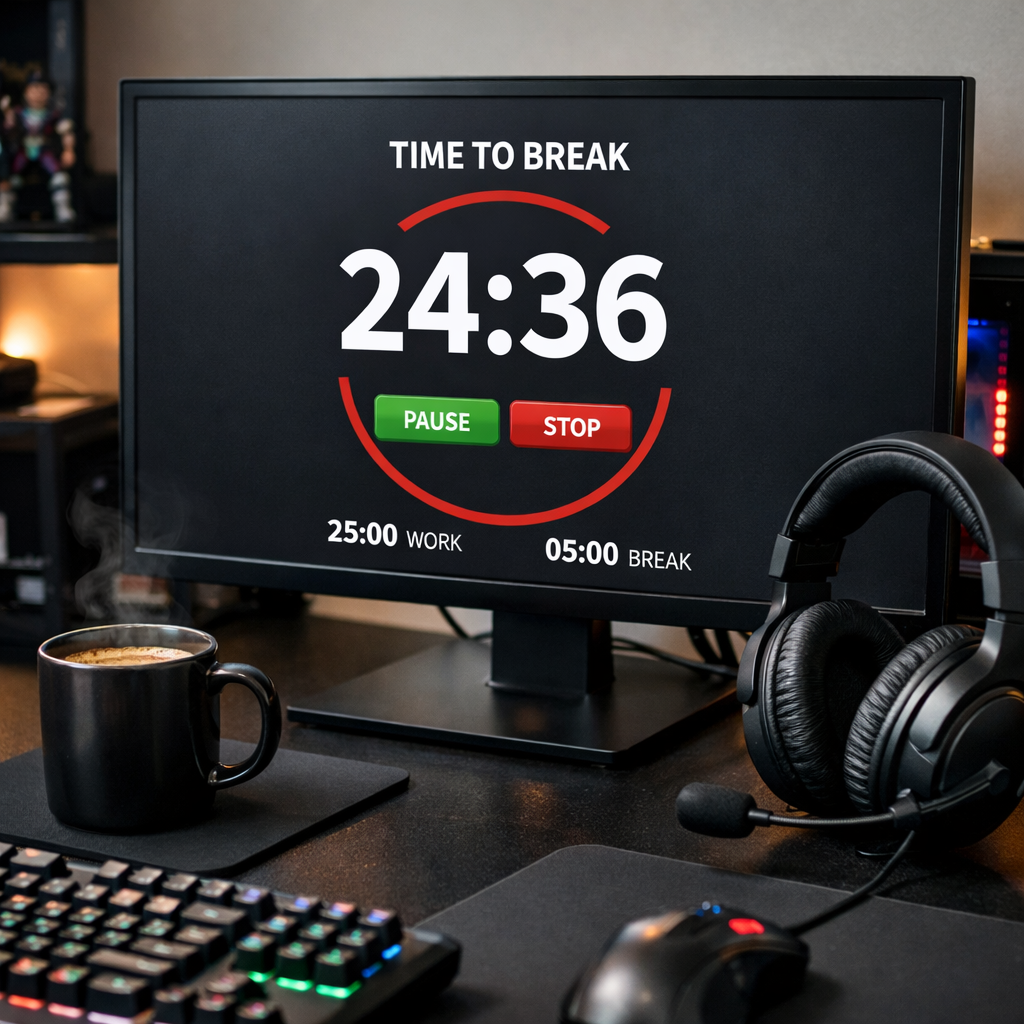
This is probably the most important part. The classic Pomodoro is 25 minutes of work and 5 minutes of break, but let’s be real, that’s not always going to work for every task or every person. Some days you’re in the zone and want to push for 45 minutes, maybe even an hour. Other times, you might need a break after just 15 minutes. A good timer lets you tweak these numbers. You should be able to set how long your work intervals are and how long your breaks last. It’s also handy if you can set different break lengths – a quick 5-minute stretch after a short session, and maybe a longer 15-20 minute break after a couple of those.
- Work Interval: How long you focus before a break.
- Short Break: A quick reset after a work interval.
- Long Break: A more substantial break after several work intervals.
Don’t feel pressured to stick to a rigid schedule if it doesn’t feel right. The goal is to find a rhythm that keeps you productive without burning you out. Experimentation is key here.
Integration With Task Management
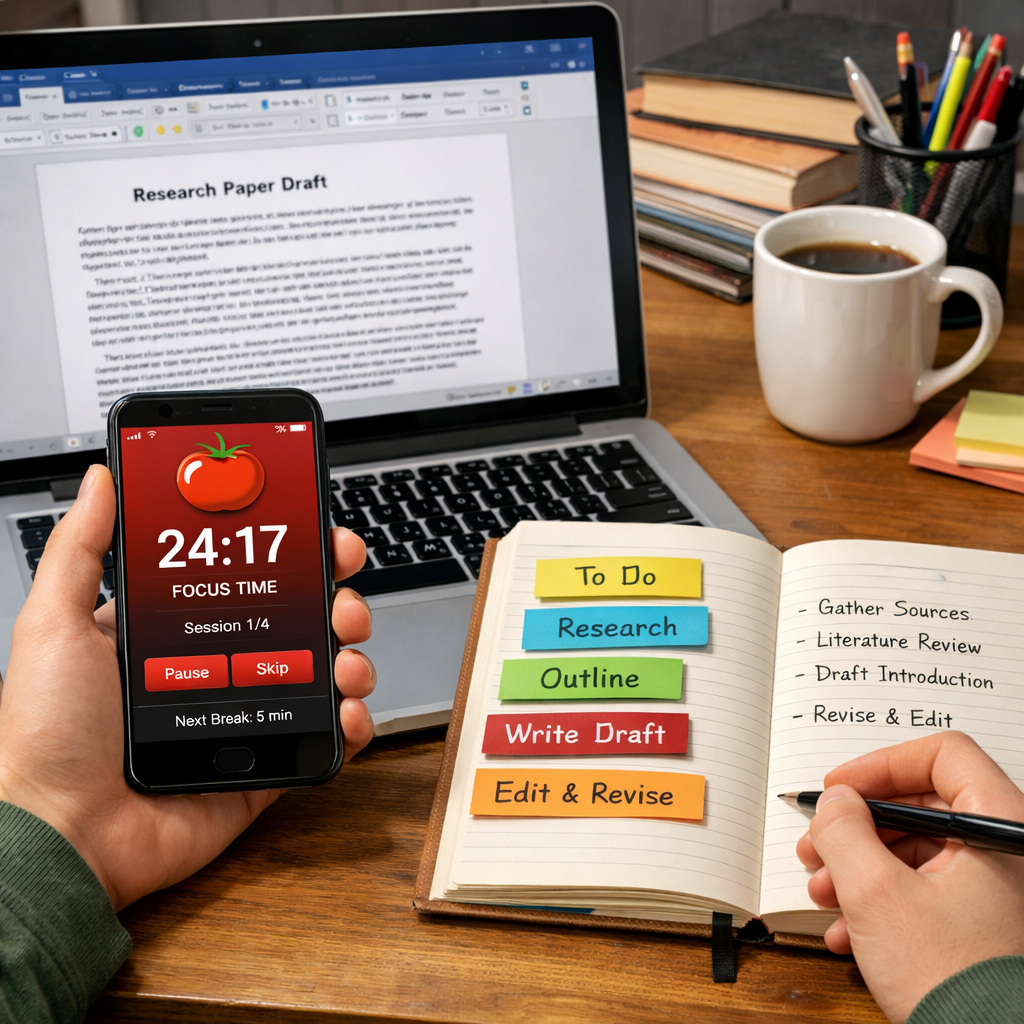
Just having a timer is one thing, but what if it could also help you keep track of what you’re supposed to be working on? Some timers can link up with your to-do list apps or have their own built-in task management. This means you can assign a specific task to a focus session. When the timer starts, you know exactly what you need to tackle. When it ends, you can mark it as done. This makes it super clear what you’ve accomplished and what’s next.
Here’s a quick look at how this can work:
| Feature | Benefit |
|---|---|
| Task Assignment | Focus on one item at a time. |
| Progress Tracking | See what you’ve completed during the day. |
| Session-Task Linking | Understand time spent on specific features. |
Ambient Soundscapes For Enhanced Concentration
This one is a bit more subjective, but for many coders, background noise can be a game-changer. Some timers come with built-in ambient sounds – think rain, coffee shop chatter, or white noise. These aren’t just for chilling; they can actually help mask distracting noises in your environment, especially if you work in a busy office or a shared living space. Plus, certain sounds can put you in a more focused or creative mood. Finding the right sound can make your coding sessions feel less like a chore and more like a flow state. If your timer doesn’t have this built-in, you might need a separate app, but it’s worth considering how sound plays a role in your focus.
- Masking Distractions: Drown out office chatter or street noise.
- Setting the Mood: Create a calm or energetic atmosphere.
- Improving Focus: Some sounds can help your brain tune out other stimuli.
Leveraging Ambient Sounds For Deeper Focus
Sometimes, the quietest environments can be the most distracting. That’s where ambient sounds come in. Think of it like this: instead of silence making you hyper-aware of every little creak or distant siren, a consistent, pleasant background noise can actually help your brain settle in and concentrate.
Creating An Immersive Coding Environment
Imagine you’re deep in a complex coding problem. You want to feel like you’re in your own zone, right? Ambient sounds can help build that bubble. Whether it’s the gentle hum of a coffee shop or the soft patter of rain, these sounds create a consistent audio landscape. This helps block out the random noises that pull your attention away. It’s about making your workspace feel like a dedicated sanctuary for coding. For instance, sounds from a place like Coffitivity can transport you to a productive cafe atmosphere without leaving your desk.
Masking Distractions In Shared Workspaces
Working in an open office or a busy co-working space? It can be tough to focus with all the chatter and keyboard clicks. Ambient soundscapes are a game-changer here. They act like a sonic shield, muffling the surrounding noise. This allows you to maintain your concentration without constantly being pulled out of your flow state by colleagues’ conversations or phone calls. It’s a simple yet effective way to reclaim your focus in a shared environment.
Boosting Creativity With Soundscapes
It’s not just about blocking noise; ambient sounds can actually spark new ideas. Certain sound environments are known to stimulate different parts of the brain. For example:
- Nature sounds: Often associated with calm and relaxation, which can be good for problem-solving.
- Cafe sounds: Provide a low level of background stimulation that can keep your mind alert and engaged.
- Abstract soundscapes: Can encourage more unconventional thinking and creative approaches.
The right ambient sound can shift your mental state, making you more receptive to new ideas and solutions. It’s about finding that sweet spot where you feel both relaxed and mentally active.
Experimenting with different types of ambient sounds can help you discover what works best for your personal coding style and the type of tasks you’re tackling. It’s a small change that can make a big difference in how productive and creative you feel during your coding sessions.
Advanced Features For Peak Productivity
AI-Powered Task Management Integration
Some focus timers go beyond just counting down minutes. They can actually help you manage what you’re working on. Think about a timer that can connect with your to-do list, maybe even using AI to figure out how long a task might take. This means you’re not just timing your work, but you’re also organizing it better. It’s like having a little assistant keeping track of everything. This kind of integration helps you see what’s next and how much time you’ve allocated for it, making your workflow much smoother. It’s a big step up from just a simple countdown.
Progress Tracking And Reporting
Knowing how you spend your time is half the battle. Advanced timers often come with ways to track your progress. You can see how many focus sessions you’ve completed, how much time you’ve spent on different projects, and even get reports that break it all down. This data can be really eye-opening. You might discover you spend more time on certain types of tasks than you thought, or see how consistent you’ve been with your focus intervals. This information helps you adjust your habits and get even better at managing your time. It’s all about making informed decisions based on real data.
Here’s a quick look at what you might track:
- Total focus hours per day/week/month
- Number of tasks completed
- Time spent on specific projects
- Consistency of focus sessions
Cross-Platform Synchronization
If you use multiple devices – say, a laptop for coding and a tablet for notes – you’ll want a timer that keeps up. Cross-platform synchronization means your timer settings, task lists, and progress reports are available everywhere. You start a focus session on your computer, and it’s reflected on your phone. This makes it easy to stay on track no matter where you are or what device you’re using. It removes the hassle of managing different settings on each device, letting you focus on your coding. This kind of continuity is a real game-changer for staying productive on the go. You can find tools that offer this kind of seamless synchronization across major platforms.
Having your focus timer sync across all your devices means you never lose your rhythm. Whether you’re at your desk or on the move, your progress and settings are always up-to-date, making it easier to maintain your productive flow without interruption.
Tailoring Your Focus Timer Experience
So, you’ve got your focus timer set up, maybe you’re even using those cool ambient sounds we talked about. But what if you want to make it really yours? It’s not just about hitting ‘start’ and hoping for the best. You can actually tweak things to fit how you work, not the other way around.
Personalizing Themes and Notifications
Let’s be honest, staring at the same old interface can get a bit dull. Many timers let you change the look – think dark mode for late-night coding, a bright theme for daytime, or even some fun colors if that’s your jam. It sounds minor, but a workspace that feels good can make a difference. And those notification sounds? You can usually swap them out too. Instead of a jarring beep, maybe a gentle chime or a subtle whoosh works better for you. It’s all about creating an environment that feels less like a chore and more like your personal productivity zone.
Adapting Timers For Specific Development Tasks
Not all coding tasks are created equal, right? Sometimes you’re deep in a bug hunt that needs intense, unbroken concentration. Other times, you’re just doing some light refactoring or planning out a new feature, where shorter bursts might be more effective. Your timer should be able to handle this. Maybe you need a 50-minute work block for a complex algorithm, followed by a 10-minute break. Or perhaps for quick code reviews, 15-minute sprints with 3-minute breaks are the way to go.
Here’s a quick look at how you might adjust:
- Deep Problem Solving: Longer work intervals (e.g., 45-60 mins) with slightly longer breaks (e.g., 10-15 mins).
- Routine Tasks (e.g., bug fixes, small updates): Shorter, more frequent intervals (e.g., 25 mins work, 5 mins break).
- Planning & Design: Flexible intervals, perhaps with a focus on completing a specific sub-task within a set time.
Utilizing Continuous Mode For Flow States
Ever get into that zone where the code just flows, and you completely lose track of time? That’s the ‘flow state,’ and it’s pure gold for developers. While the traditional Pomodoro is great for structure, sometimes it can interrupt that flow with its fixed breaks. Some timers offer a ‘continuous mode’ or a way to disable breaks temporarily. This lets you ride that wave of productivity without interruption. Just be mindful – you still need to step away eventually to avoid burnout. It’s about knowing when to let the timer guide you and when to let your focus take the lead.
The key is to experiment. What works for one developer might not work for another. Play around with different settings, sounds, and modes until you find the rhythm that makes your coding sessions feel productive and, dare I say, enjoyable.
Maximizing Your Coding Sessions With A Focus Timer
So, you’ve picked out a focus timer, maybe even one with some cool ambient sounds. That’s a great start. But how do you actually turn that tool into a productivity powerhouse? It’s not just about setting a timer and hoping for the best. It’s about building habits and making your coding environment work for you.
Building Discipline Through Consistent Use
This is where the real magic happens. Using your focus timer every single day, even when you don’t feel like it, is how you build that mental muscle. Think of it like going to the gym. You don’t get strong by going once a month; you get strong by showing up regularly. The same applies to your coding focus. Over time, your brain starts to associate the timer’s chime with deep work, making it easier to get into that zone without even thinking about it.
Here’s a simple way to start:
- Day 1-3: Commit to using the timer for at least two coding blocks each day. Don’t worry too much about perfection, just get the reps in.
- Day 4-7: Aim for three to four blocks. Start noticing when you feel most productive and try to schedule your timer sessions around those times.
- Week 2 onwards: Make it a non-negotiable part of your workday. If a task is taking longer than expected, resist the urge to just keep going. Take your break. This is key to avoiding burnout and maintaining long-term productivity.
Making Every Minute Count
When you know you only have a set amount of time for a specific task, you tend to be more efficient. It’s like having a deadline – suddenly, you can focus on what’s important and cut out the fluff. Your focus timer does this for you automatically. It forces you to prioritize and get things done within the allocated window. This structured approach helps you:
- Reduce procrastination: Knowing a break is coming soon makes it easier to start a task.
- Improve task estimation: You’ll get a better feel for how long different coding tasks actually take.
- Minimize context switching: Sticking to a timer helps you avoid jumping between too many things at once.
The goal isn’t to cram as much work as possible into each session, but rather to work with focused intensity and then truly rest. This balance is what prevents burnout and keeps your mind sharp for complex problem-solving.
Transforming Your Workspace Into A Haven
Your focus timer is just one piece of the puzzle. To truly maximize your coding sessions, you need to create an environment that supports deep work. This means:
- Minimizing physical distractions: Clear your desk, put your phone on silent (or in another room), and let others know you need uninterrupted time.
- Optimizing your digital space: Close unnecessary tabs and applications. Use browser extensions that block distracting websites if needed.
- Incorporating sensory elements: This is where those ambient sounds come in handy. Whether it’s rain, a coffee shop buzz, or lo-fi beats, find what helps you get in the zone and stick with it. It can create a mental barrier against outside noise and help you feel more immersed in your coding task.
Wrapping Up
So, that’s the lowdown on using focus timers for your coding. It’s not some magic bullet, but it really does help break down those big projects into bite-sized chunks. You get your work done, take breaks, and avoid that feeling of being totally fried. Plus, adding some background sounds can make the whole experience way more pleasant. Give it a shot, tweak the settings to fit how you work, and see if it makes a difference in your day. You might be surprised at how much more you can get done.
Frequently Asked Questions
Why is using a timer helpful when coding?
Coding needs lots of focus. A timer helps you stay on track by breaking your work into chunks. It also reminds you to take breaks, which stops you from getting too tired and helps you think more clearly. It’s like having a coach for your brain!
Can I change how long my work and break times are?
Yes, you totally can! Most good timers let you set your own times for working and resting. This means you can make them fit exactly how you like to work, whether you prefer shorter bursts or longer study sessions.
What are ambient sounds, and how do they help?
Ambient sounds are like background noises, such as rain, a coffee shop, or nature sounds. They can help by making your coding space feel more peaceful and blocking out annoying noises from other people or places. It’s like creating your own quiet zone.
Can a focus timer help with teamwork?
Definitely! Teams can use focus timers together. By all working in the same timed intervals, everyone stays on the same page and can be more productive as a group. It helps make sure everyone is working hard at the same time.
Are these focus timers hard to use?
Not at all! Many focus timers are made to be super simple and easy to use. They often have clear buttons and straightforward settings. The goal is to help you focus on coding, not to get confused by complicated software.
What’s the best way to start using a focus timer?
Just try it! Start with the usual timer settings (like 25 minutes of work and 5 minutes of break). Use it consistently every day. The more you use it, the more it will become a habit, and you’ll start to see how much better you can focus and get your coding done.