Ever feel like your day just disappears without much to show for it? You’re not alone. So many of us struggle to get things done, whether it’s studying for a big test, tackling a work project, or even just trying to read more. The good news is, there’s a simple tool that can really help: a custom focus timer. Think of it as your personal productivity coach, guiding you through your tasks and helping you stay on track. We’ll explore how a focus timer for any activity can make a real difference.
Key Takeaways
- A focus timer for study sessions can be tailored to academic needs, helping you manage tasks and visualize progress.
- Optimize work projects with a focus timer for deep work intervals, distraction blocking, and session analysis.
- Customize a focus timer for reading to set personal intervals, track consistency, and improve concentration.
- Structure exercise routines and maintain momentum using a focus timer for workout intervals and data review.
- Build consistent habits across all activities by using activity-specific timers and reflection notes.
Understanding The Focus Timer For Study Sessions
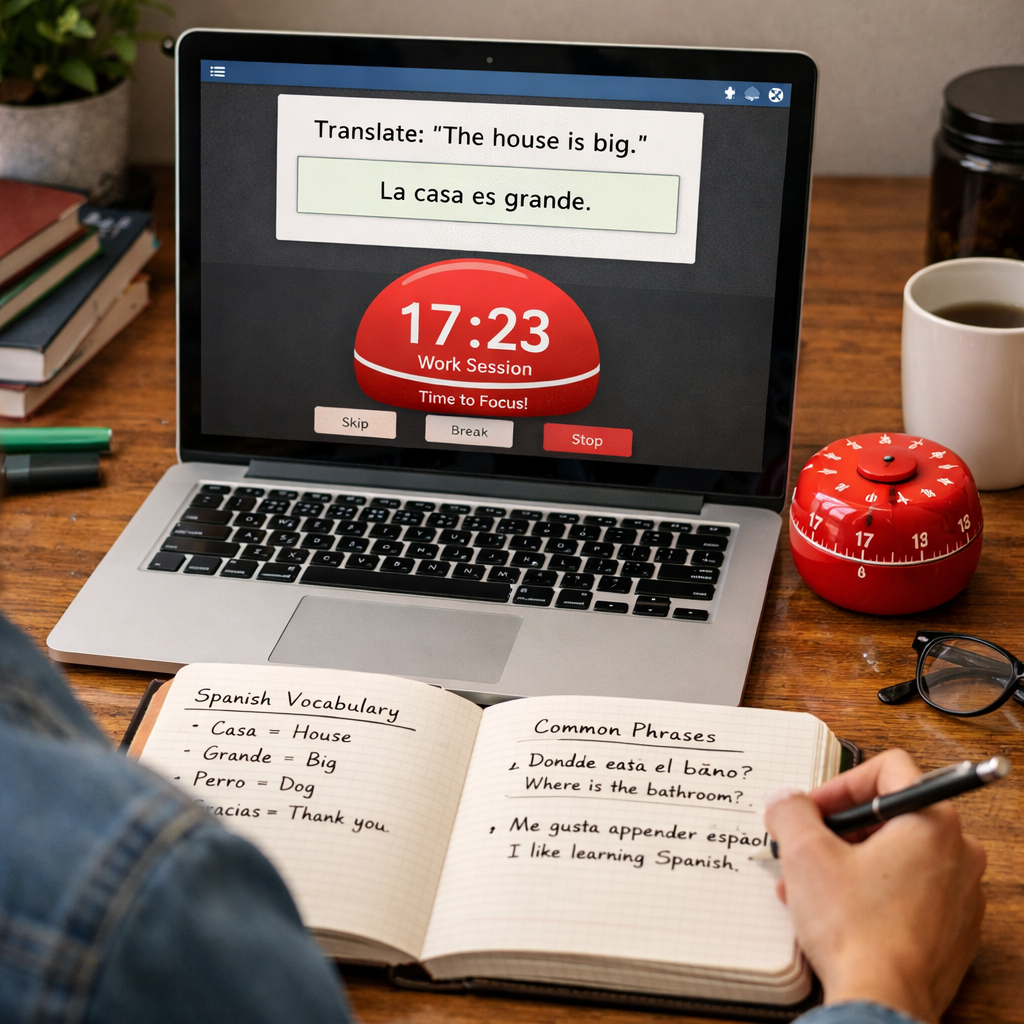
When you’re hitting the books, staying focused can feel like a battle. That’s where a custom focus timer really shines, especially for study sessions. It’s not just about setting a clock; it’s about creating a structured environment that works with how your brain learns best. Think of it as your personal study coach, guiding you through material without letting your mind wander off to what’s for dinner or that new show everyone’s talking about.
Tailoring Timers for Academic Success
Different subjects and study tasks need different approaches. Cramming for a history exam might require longer, sustained focus periods, while tackling a complex math problem could benefit from shorter, more intense bursts. A good timer lets you adjust these intervals. Maybe 45 minutes of reading followed by a 10-minute break works for your literature class, but for coding, you might find 25 minutes of intense problem-solving with a 5-minute breather is more your speed. Experimenting with these lengths is key to finding what clicks for you.
Integrating Study Timers with Task Management
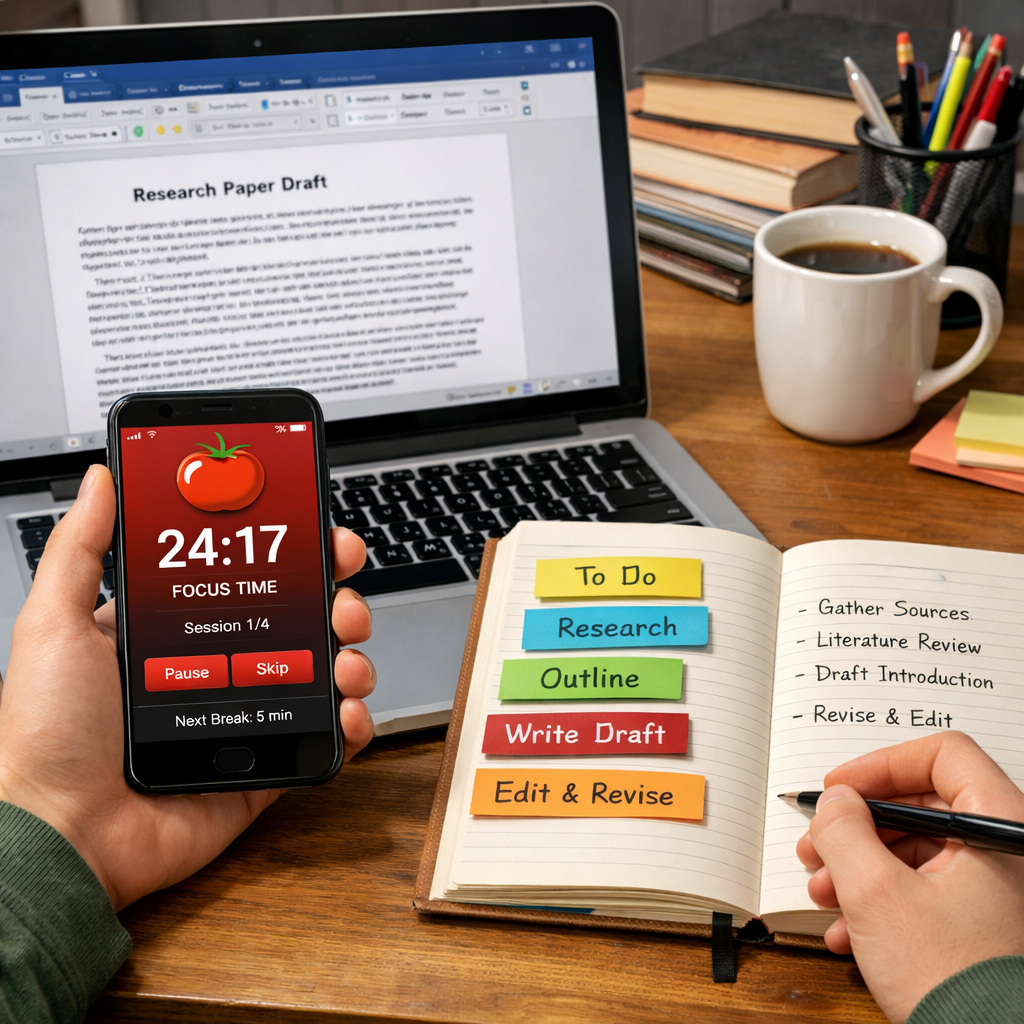
Just having a timer isn’t enough if you don’t know what you’re supposed to be doing during those focus periods. Linking your timer to a to-do list or a study plan makes it way more effective. You can break down a big assignment, like writing a research paper, into smaller chunks: ‘Find 5 sources,’ ‘Outline introduction,’ ‘Write first draft of section 1.’ Then, assign a focus timer to each small task. This way, when the timer starts, you know exactly what you need to accomplish, and when it ends, you can check it off. It feels good to tick things off, right?
Here’s a simple way to map tasks to timer sessions:
| Study Task | Estimated Time | Timer Interval | Break Time | Notes |
|---|---|---|---|---|
| Read Chapter 5 | 1.5 hours | 45 mins | 10 mins | Focus on key concepts |
| Solve Practice Problems | 1 hour | 25 mins | 5 mins | Work through examples without looking |
| Outline Essay | 30 mins | 30 mins | 5 mins | Just get the main points down |
| Review Flashcards | 20 mins | 20 mins | N/A | Quick recall practice |
Visualizing Study Progress and Habits
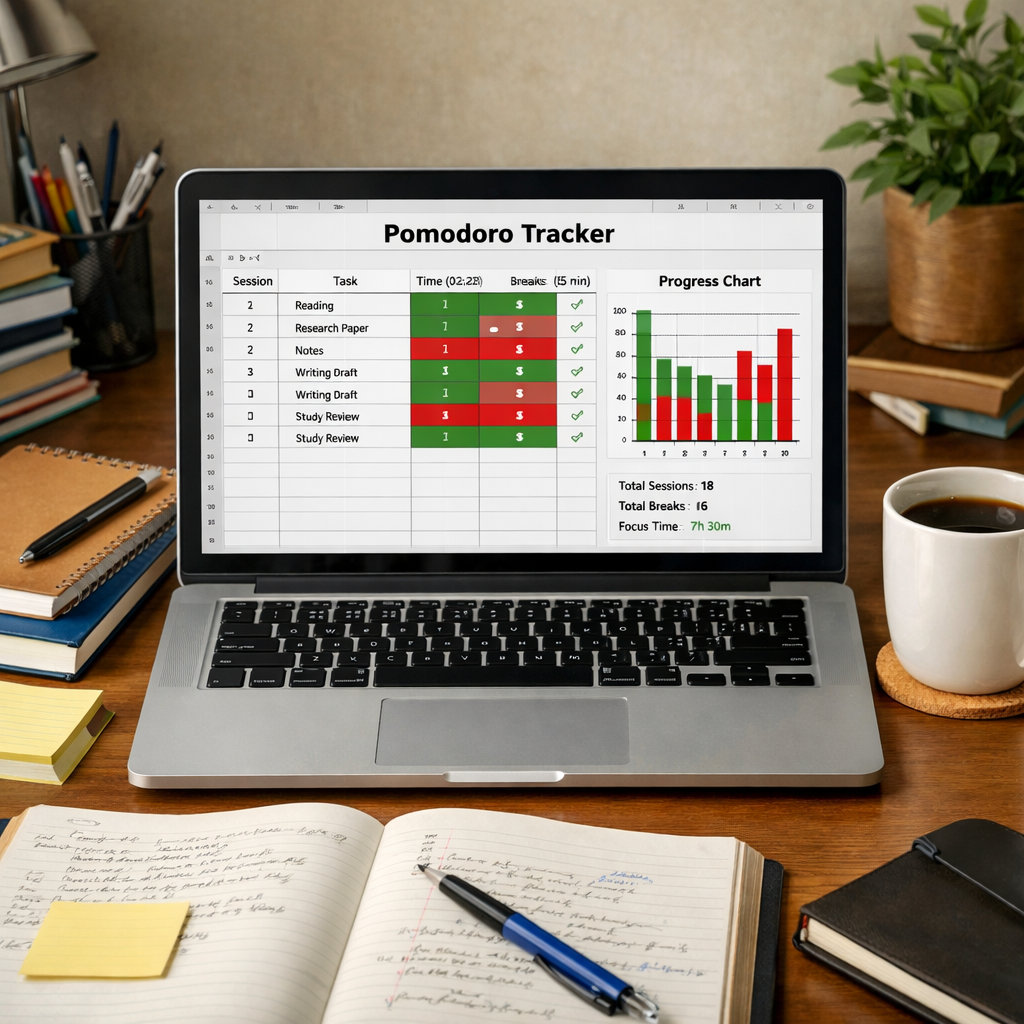
Seeing your progress can be a huge motivator. Many focus timer apps offer reports that show how much time you’ve spent studying, how many sessions you completed, and maybe even your consistency. Looking at a chart that shows you’ve hit your study goals for five days straight is pretty satisfying. It helps you see patterns, like maybe you’re most productive in the morning or that you tend to skip breaks on Fridays. This kind of feedback loop is what helps you build better study habits over time.
The real power of a focus timer for studying isn’t just about the minutes you spend working, but about training your brain to enter a state of concentration more easily and consistently. It’s a practice, like any other skill, that gets better with repetition and mindful application.
It’s easy to get lost in the weeds when you’re studying. You might start reading a chapter, then get sidetracked by a footnote, then find yourself researching something completely unrelated on your phone. A timer acts as a gentle but firm anchor, pulling you back to the task at hand. By setting clear start and end times for focused work, you create boundaries that help prevent those little distractions from snowballing into lost hours.
Optimizing Your Focus Timer For Work Projects
When you’re tackling work projects, staying on track can be a real challenge. A custom focus timer can really help you get into the zone and keep your momentum going. It’s not just about setting a timer; it’s about structuring your work in a way that makes sense for deep, productive effort.
Implementing Deep Work Intervals
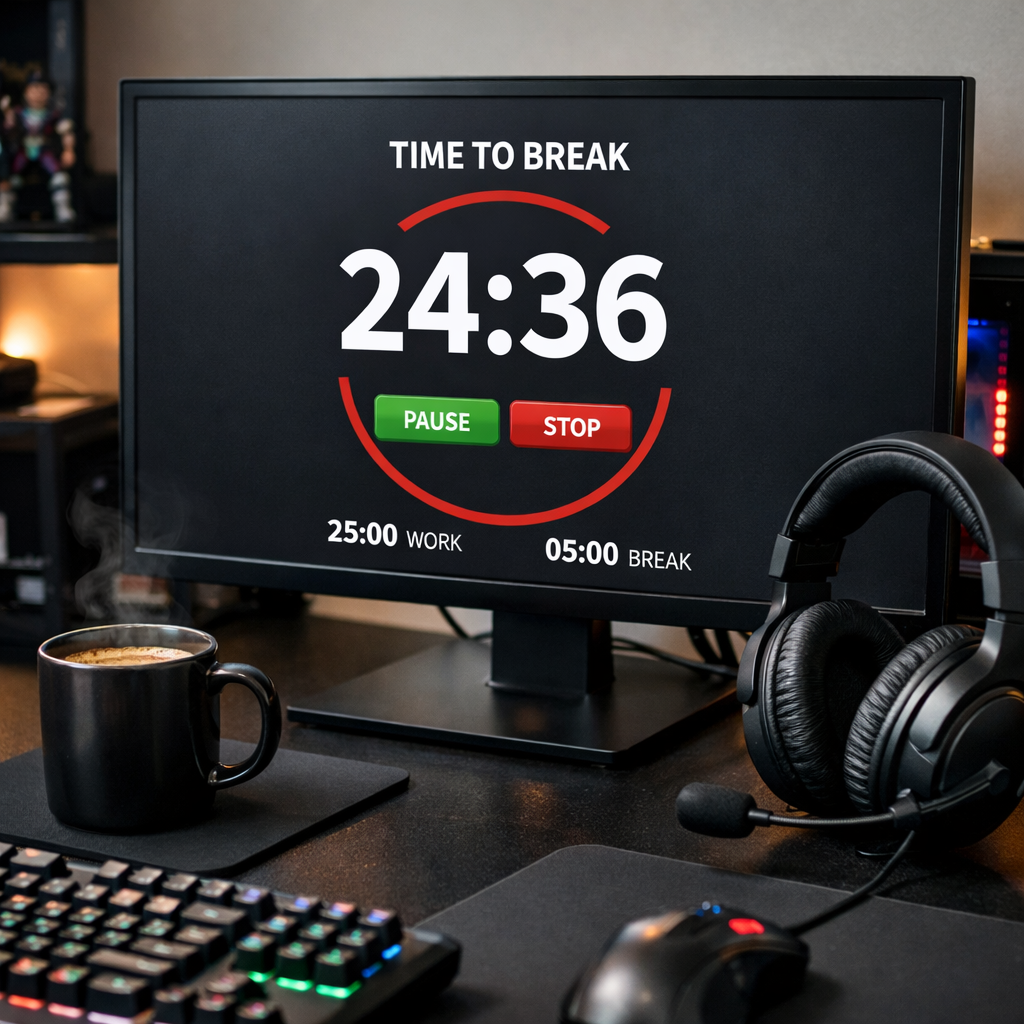
Deep work is that uninterrupted, focused concentration that allows you to produce your best results. Using a timer for these sessions means you’re committing to a block of time where distractions are minimized. Think of it like setting aside a specific time for intense problem-solving or creative thinking. Many people find that using intervals, like the ones suggested by the Pomodoro Technique, works well. This usually involves focused work periods followed by short breaks. For example, you might set your timer for 50 minutes of work and then take a 10-minute break. The key is to find an interval length that suits your personal concentration span and the demands of your task.
Here’s a sample structure you might try:
- Session 1: 50 minutes focused work
- Break 1: 10 minutes
- Session 2: 50 minutes focused work
- Break 2: 10 minutes
- Session 3: 50 minutes focused work
- Long Break: 20-30 minutes
This structure helps prevent burnout and keeps your mind fresh.
Blocking Distractions During Work Sprints
Distractions are the enemy of deep work. Your focus timer can be your ally here. Many timer apps have features that can help block distracting websites or notifications during your work sprints. If your app doesn’t have this built-in, you might need to use separate tools or simply commit to putting your phone on silent and closing unnecessary tabs. It’s about creating a dedicated space, both physically and digitally, for your work. Even small interruptions can break your flow, and it takes time to get back into it. So, actively blocking these out is a game-changer.
Actively managing your environment to minimize interruptions is as important as setting the timer itself. This proactive approach ensures that your focused intervals are truly productive.
Analyzing Work Session Effectiveness
Once you’ve completed a few work sessions, take a moment to look at the data. Most focus timer apps will provide reports on how much time you spent on specific tasks or projects. This information is gold. You can see patterns, like when you’re most productive or which types of tasks tend to take longer than expected. This analysis helps you refine your timer settings and your work habits. For instance, if you notice you’re consistently getting interrupted during a certain time of day, you can adjust your focus intervals to avoid that period or plan for more breaks.
Here’s a simple way to track your sessions:
| Project Name | Date | Focus Time | Breaks | Notes |
|---|---|---|---|---|
| Report | 2026-03-07 | 150 mins | 30 mins | Drafted introduction and main points |
| Presentation | 2026-03-06 | 100 mins | 20 mins | Created slides 1-5, outlined content |
| Coding | 2026-03-05 | 120 mins | 25 mins | Debugged critical function |
Customizing A Focus Timer For Reading Habits
Reading is one of those things that can be super rewarding, but also really easy to put off. You know you should read more, but then Netflix calls, or you get lost scrolling through social media. A focus timer can really help here. It’s not just about setting a timer and hoping for the best; it’s about making reading a deliberate, scheduled part of your day.
Setting Personalized Reading Intervals
Forget one-size-fits-all. Your reading sessions should fit you. Maybe you’re someone who can settle in for a solid hour, or perhaps you’re just starting out and 15 minutes feels more manageable. The key is to pick a duration that feels achievable but still pushes you a little. Start small if you need to. A 20-minute reading block, followed by a 5-minute break, can be a great way to build up your reading stamina without feeling overwhelmed. You can adjust these intervals as you get more comfortable.
Here’s a simple way to think about setting your intervals:
- Beginner: 15-20 minutes of reading, 5-minute break.
- Intermediate: 25-30 minutes of reading, 5-10 minute break.
- Advanced: 45-60 minutes of reading, 10-15 minute break.
The goal is consistency, not perfection.
Tracking Reading Consistency Over Time
Just setting timers isn’t enough if you don’t see how you’re doing. Tracking your reading sessions helps you spot patterns and stay motivated. Did you hit your reading goal three days in a row? Awesome! Did you miss a day? That’s okay, just get back on track tomorrow. Many timer apps let you log your sessions, and you can even jot down a quick note about what you read or how you felt. This data can be surprisingly insightful.
Consider a simple log like this:
| Date | Time Slot | Duration | Book/Article | Notes |
|---|---|---|---|---|
| 2026-03-07 | Morning | 25 min | Sci-Fi Novel | Felt focused, finished a chapter. |
| 2026-03-07 | Evening | 15 min | News Digest | A bit tired, skimmed through. |
| 2026-03-08 | Morning | 20 min | Sci-Fi Novel | Distracted by phone notifications. |
Enhancing Concentration During Reading
Distractions are the enemy of good reading. Your phone buzzing, a noisy environment, or even just your own wandering thoughts can derail a reading session. Using a focus timer can help by signaling to your brain that it’s time to concentrate. Some apps even have features to block notifications or other distracting apps during your focus intervals. Creating a dedicated reading space, even if it’s just a comfy chair in a quiet corner, also makes a big difference. The timer acts as a cue, telling you to put away distractions and get into the text.
Setting up your environment before you start the timer is half the battle. Make sure you have your book or reading material ready, a drink if you like, and that your phone is on silent or in another room. This preparation minimizes the chances of interrupting your flow once the timer starts ticking.
Leveraging A Focus Timer For Exercise Routines
Structuring Workout Intervals
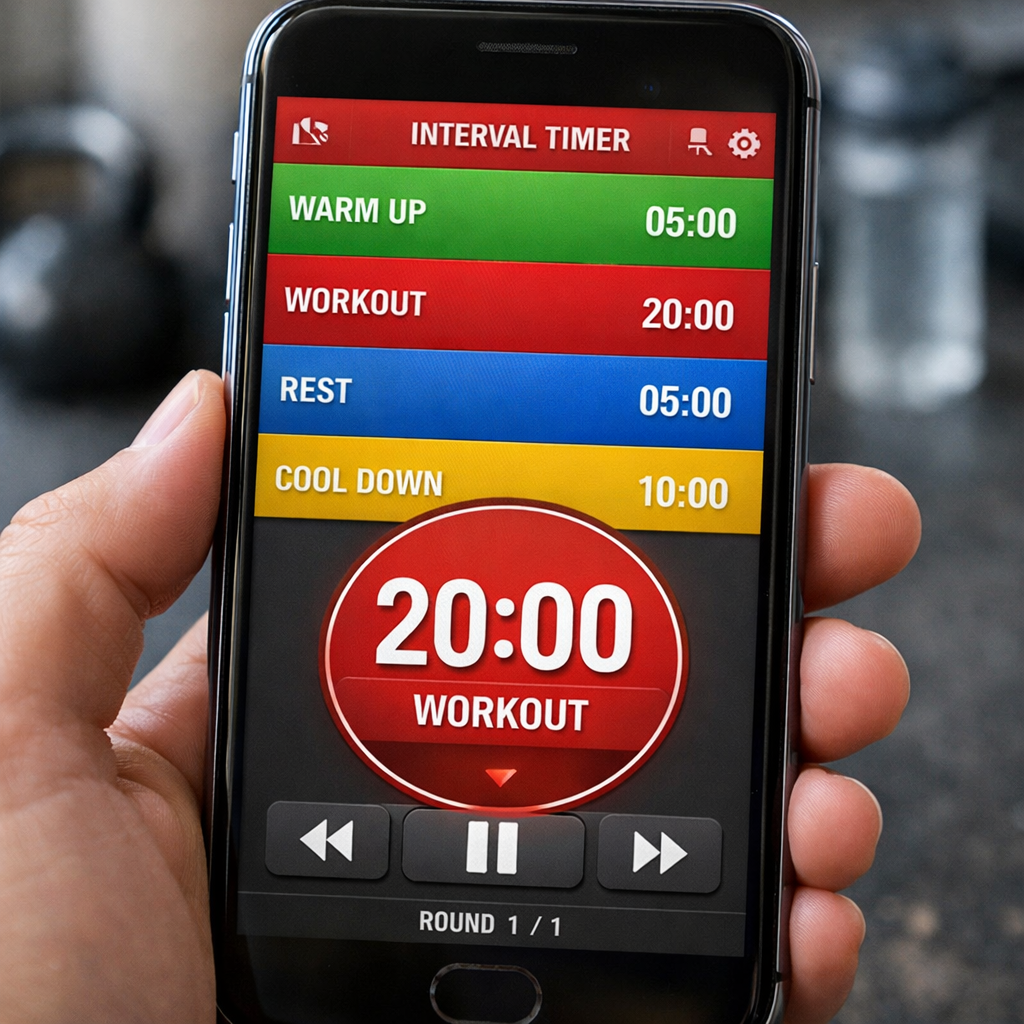
Getting your workouts dialed in with a timer can make a big difference. Instead of just winging it, you can set up specific work and rest periods. This is super helpful for things like High-Intensity Interval Training (HIIT), where short bursts of intense effort are followed by brief recovery. You can also use it for circuit training, making sure you move from one exercise to the next without too much downtime. Setting these intervals helps you push harder during the work phase and recover effectively during the rest phase.
Here’s a simple way to structure a HIIT workout:
- Work Interval: 30 seconds of maximum effort (e.g., burpees, sprints)
- Rest Interval: 15 seconds of complete rest or light movement
- Repeat: Cycle through these intervals 8-10 times
- Longer Rest: After each round, take a 60-90 second break before starting the next.
Maintaining Momentum During Fitness Activities
It’s easy to lose steam during a workout, especially if you’re doing something repetitive or challenging. A focus timer acts like a coach, keeping you on track. When you know your next work interval is coming up, you’re more likely to give it your all. The timer also helps break down a long workout into manageable chunks. Instead of thinking about a whole hour of exercise, you’re just focused on the next 30 seconds or the next 5 minutes. This makes the whole session feel less daunting.
Sometimes, the hardest part of exercise is just starting. Having a timer ready to go can remove that mental barrier. You just hit start and get moving, letting the timer guide you through the rest.
Reviewing Exercise Session Data
After your workout, taking a moment to log what you did and how you felt can be really insightful. Did you hit your target intervals? Did you feel stronger during the last round? A focus timer app can often store this information for you. You can see your consistency over time, track improvements, and identify patterns. Maybe you notice you perform better on certain days or after specific types of warm-ups. This data helps you adjust your routine to get the most out of your efforts.
Here’s what you might track:
- Workout Type: (e.g., HIIT, Strength Training, Cardio)
- Total Time: Including warm-up and cool-down
- Number of Intervals Completed: Against your target
- Perceived Exertion: A quick rating (1-10) of how hard it felt
- Notes: Any specific observations or feelings
Building Consistency With A Focus Timer For Any Activity
So, you’ve got your focus timer set up, maybe for studying, work, or even just reading. That’s a great start, but how do you actually make it stick? It’s not just about setting a timer; it’s about building a habit that lasts. This is where making your timer work for any activity really shines.
The Power of Activity-Specific Timers
Think about it. A 25-minute study sprint feels different from a 25-minute workout. Your brain is in a different mode, your energy levels are different, and what distracts you might change. That’s why having timers tailored to each activity is so useful. You can set up a specific interval for deep work, another for a quick reading session, and yet another for a short burst of exercise. This specificity helps your brain recognize what’s coming and get into the right mindset faster.
Here’s a quick look at how different activities might benefit:
- Studying: Longer focus blocks (e.g., 45-50 minutes) with shorter breaks, as academic tasks often require sustained concentration.
- Reading: Shorter, more frequent intervals (e.g., 20-25 minutes) to prevent mental fatigue and keep engagement high.
- Work Projects: Flexible intervals that can be adjusted based on task complexity, perhaps incorporating the Pomodoro Technique (25 min work, 5 min break).
- Exercise: Intervals that match workout structure, like 30 seconds on, 30 seconds off for HIIT, or longer blocks for steady-state cardio.
Utilizing Session Notes for Reflection
After each focus session, take a moment to jot down a few notes. What went well? What was challenging? Did you get distracted by something specific? This isn’t about writing an essay; it’s about quick, actionable insights. Over time, these notes become a goldmine for understanding your own productivity patterns.
Keeping a brief log after each session helps you spot recurring issues and celebrate small wins. It’s a simple feedback loop that guides you toward better focus habits.
For example, you might notice a pattern like this:
| Session Type | Date | Notes |
|---|---|---|
| Study | 2026-03-07 | Felt tired, struggled to concentrate. |
| Reading | 2026-03-07 | Got through chapter 3 easily. |
| Work | 2026-03-07 | Interrupted by emails twice. |
| Study | 2026-03-08 | Felt more alert, completed practice Qs. |
Achieving Daily Targets with Focused Intervals
Consistency is key, and a focus timer is your best friend here. By breaking down your day into manageable, timed intervals, you make large goals feel less overwhelming. Instead of thinking, "I need to write this entire report," you can focus on, "I will write for 45 minutes." This shift in perspective makes progress feel tangible and achievable. Regularly hitting these smaller targets builds momentum and reinforces the habit of focused work, leading you closer to your bigger objectives day by day.
Advanced Features For Your Focus Timer
Utilizing Focus Heatmaps for Concentration Insights
Ever wonder when you’re actually at your sharpest? Focus heatmaps can show you. Think of it like a weather map for your brainpower. It visually tracks your focus sessions over time, highlighting periods when you were most productive. You might notice you’re a morning person for deep work, or maybe late afternoons are your sweet spot for creative tasks. This isn’t just about pretty colors; it’s about understanding your personal productivity rhythm.
- Identify Peak Performance Times: Pinpoint your most focused hours and days.
- Spot Declining Concentration: See when your focus tends to dip, allowing you to adjust your schedule or take breaks.
- Visualize Habit Formation: Track how your focus consistency improves over weeks and months.
Leveraging Live Goal Sharing for Accountability
Sometimes, just knowing someone else is watching (in a good way!) can make all the difference. Live goal sharing lets you connect with friends or colleagues and share your timer status in real-time. It’s like having a virtual study buddy or accountability partner. You can see when they start a focus session, and they can see yours. It adds a layer of social motivation that can be surprisingly effective for pushing through tough tasks.
This feature turns solo work into a shared effort, making it harder to slack off when you know your progress is visible to others. It’s a simple concept, but it really works for staying on track.
Exploring Customizable Timer Options
Beyond the standard work/break intervals, advanced timers offer a lot more flexibility. You can often tweak almost every aspect to fit your unique workflow. This means setting custom durations for focus sprints, adjusting break lengths, or even creating entirely new timer presets for different types of activities. Maybe you need a 45-minute focus block for coding, followed by a 10-minute stretch break, and then a 20-minute block for email. Customization makes the timer truly yours.
Here’s a look at some common customization options:
- Interval Lengths: Set specific times for work periods and breaks.
- Sound Alerts: Choose from different notification sounds or opt for vibration.
- Session Reminders: Get a heads-up before a focus session ends or a break begins.
- App Blocking: Select specific apps to block during focus sessions for maximum distraction prevention.
Wrapping Up Your Focus Journey
So, there you have it. Building your own custom focus timer isn’t some super complicated tech project. It’s really about finding what works for you, whether that’s a simple app, a physical timer, or even just a set of rules you follow. The main thing is to experiment and see what helps you get in the zone. Don’t be afraid to tweak things until they feel just right. The goal is to make your work or study time smoother, not harder. Give it a shot, and you might be surprised at how much more you can get done.
Frequently Asked Questions
What is a focus timer and how can it help me?
A focus timer is like a special clock that helps you concentrate on one thing at a time. You set it for a certain amount of time, like 25 minutes for studying or 45 minutes for a work task. When the timer is on, you try your best not to get distracted. It helps you get more done by breaking your work into chunks and giving you short breaks in between.
Can I use a focus timer for different activities, not just studying?
Absolutely! The great thing about focus timers is that you can use them for almost anything. Whether you’re reading a book, working on a project, exercising, or even doing chores, you can set a timer to help you stay on track and get into a focused groove.
How does a focus timer help with distractions?
Focus timers encourage you to block out distractions during your work or study time. Some apps even have features that can temporarily block other apps or websites that might pull your attention away. This helps you train your brain to stay focused on the task at hand.
What is the ‘Pomodoro Technique’ I sometimes hear about?
The Pomodoro Technique is a popular way to use a focus timer. It usually involves working for 25 minutes and then taking a 5-minute break. After about four of these work-break cycles, you take a longer break. It’s a simple method to keep your mind fresh and prevent burnout.
How can I track my progress with a focus timer?
Many focus timer apps let you see how much time you’ve spent on different activities and how many focus sessions you’ve completed. This can be super helpful to see if you’re sticking to your goals and where you might need to improve. Some apps even show cool charts or ‘heatmaps’ of your focus times.
What if I need more than the standard timer settings?
That’s where customization comes in! You can often adjust the length of your focus sessions and breaks to fit what works best for you. Some advanced timers let you create specific settings for different activities, like longer focus times for deep work or shorter ones for quick tasks.