Feeling like your workday is a constant battle against distractions? You’re not alone. Many of us struggle to stay focused, but there’s a simple tool that can make a big difference: the focus music timer. Think of it as your personal productivity coach, guiding you through work sessions and breaks. This guide will walk you through how to pick and use a focus music timer to get more done.
Key Takeaways
- A focus music timer is a tool, often an app or website, that combines timed work sessions with music or ambient sounds to help you concentrate.
- Using a focus music timer can help you block out distractions, manage your time better, and build a more consistent work routine.
- When picking a focus music timer, consider different timer methods like Pomodoro, the types of sounds offered (music, nature sounds), and how much you can customize the experience.
- Integrating a focus music timer means structuring your day with dedicated work blocks and planned breaks, making the most of each session.
- Advanced users can sync timers across devices, use widgets for quick access, and analyze usage patterns to further improve their focus.
Understanding The Focus Music Timer
What is a Focus Music Timer?
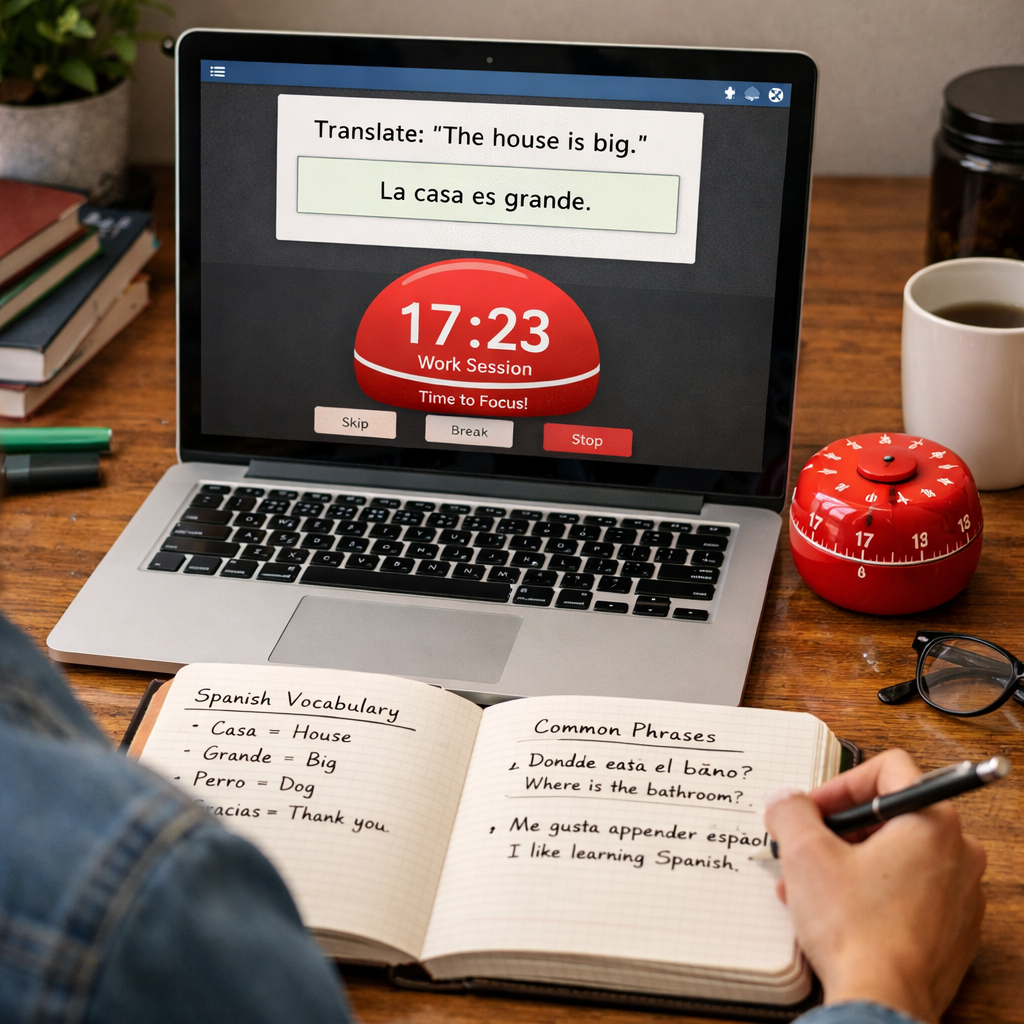
A focus music timer is basically a tool, often an app or a website, that helps you manage your work or study time by playing specific types of audio. Think of it as a digital assistant for your concentration. It combines a timer with curated soundscapes, like classical music or nature sounds, designed to keep you in the zone. The idea is pretty straightforward: you set a timer for a work period, the music plays, and when the timer goes off, you take a break. It’s not just about playing tunes; it’s about creating an environment that signals to your brain, "Okay, time to buckle down."
The core concept is to create a dedicated block of time for focused work, free from the usual digital distractions. The accompanying audio acts as a signal, helping to transition your mind into a state of concentration and then back out for a break.
Benefits of Using a Focus Music Timer
So, why bother with a special timer and music? Well, it turns out there are some pretty good reasons. For starters, it helps you actually start tasks, which is half the battle sometimes. By setting a clear work interval, you’re committing to a specific amount of time, making the task feel less overwhelming. Plus, the music itself can be a game-changer. Certain types of music, like Baroque compositions, are thought to help improve cognitive function and reduce mental fatigue. It’s like giving your brain a gentle nudge in the right direction.
Here are a few key advantages:
- Reduces Distractions: The curated sounds create a consistent audio environment, masking disruptive background noises.
- Improves Concentration: Specific music genres and ambient sounds can help quiet mental chatter and keep your focus steady.
- Structures Your Day: Timed work and break intervals provide a clear rhythm, preventing burnout and maintaining energy levels.
- Boosts Motivation: The act of starting a timed session can create a sense of urgency and accomplishment.
Key Features of Effective Focus Timers
Not all focus timers are created equal, of course. When you’re looking for one, there are a few things that really make a difference. First off, the timer itself needs to be flexible. You should be able to set custom durations for your work and break periods, because everyone’s workflow is different. Then there’s the sound. A good timer will offer a variety of audio options – maybe some calming instrumental music, nature sounds like rain, or even white noise. The ability to adjust the volume or even blend different sounds is a big plus.
Here’s what to look for:
- Customizable Timers: The ability to set your own work and break durations is non-negotiable. Some apps even let you set different times for different types of tasks.
- Diverse Sound Library: A good selection of music genres (like Baroque), nature sounds, or ambient noise to choose from.
- Adjustable Audio Settings: Options to control volume, blend sounds, or even choose specific tracks.
- Minimalist Interface: A clean, uncluttered design that doesn’t add to your distractions.
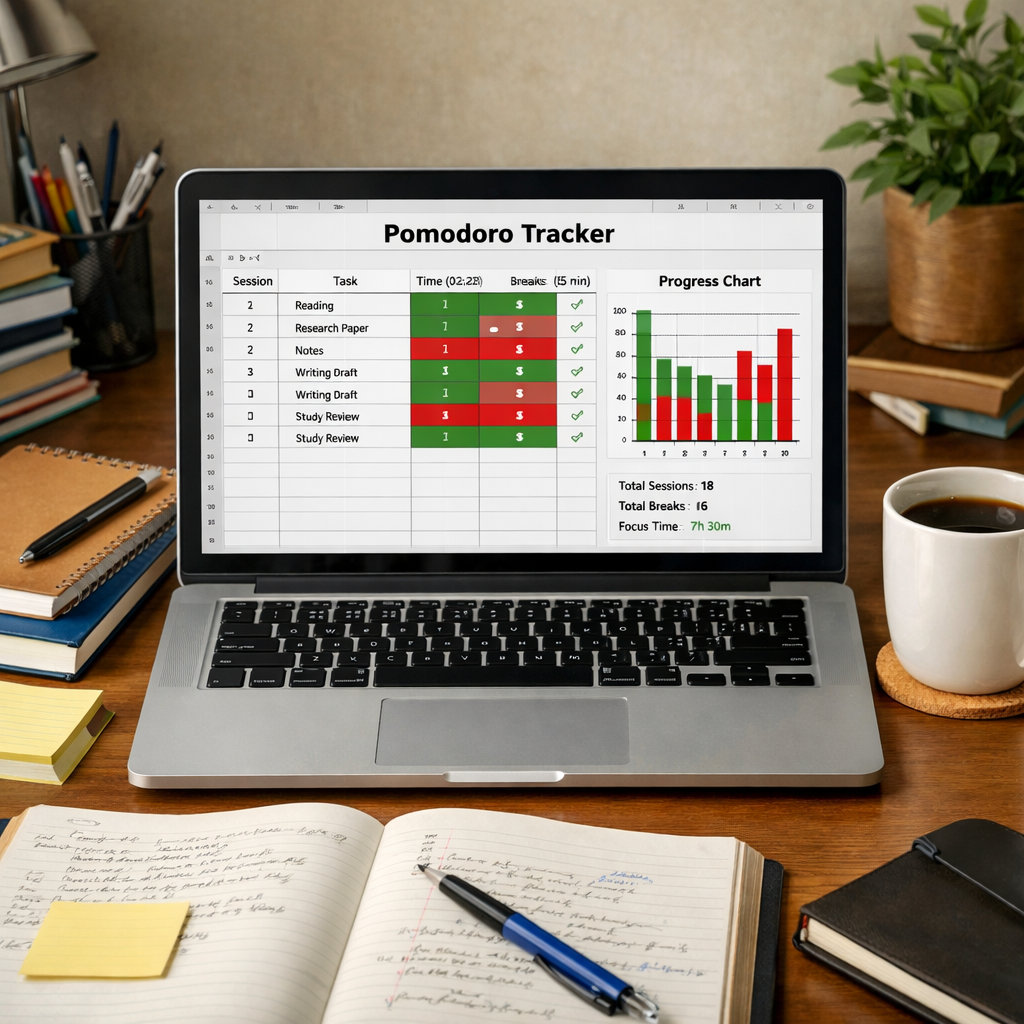
- Session Management: Features that allow you to track your sessions, perhaps with simple statistics, can be helpful for seeing your progress.
Choosing Your Ideal Focus Music Timer
So, you’ve decided a focus music timer is the way to go. Awesome. But with so many options out there, how do you pick the right one? It’s not just about hitting play; it’s about finding a tool that actually fits your brain and your workflow. Let’s break down how to find that perfect match.
Exploring Different Timer Techniques
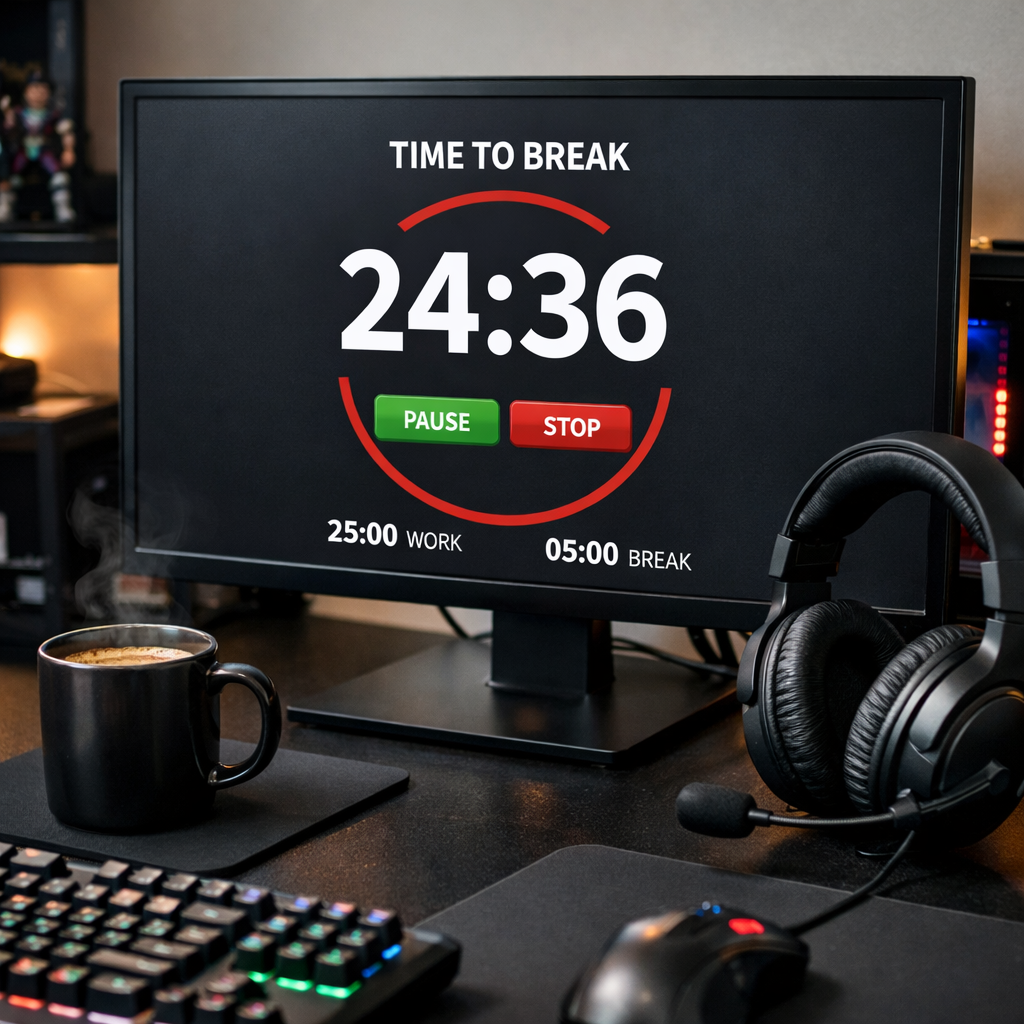
Not all timers work the same way. Some apps are built around specific time management methods. The most famous is probably the Pomodoro Technique. It involves working in focused bursts, usually 25 minutes long, followed by short breaks. After a few of these cycles, you take a longer break. It’s a solid way to keep burnout at bay and maintain steady progress.
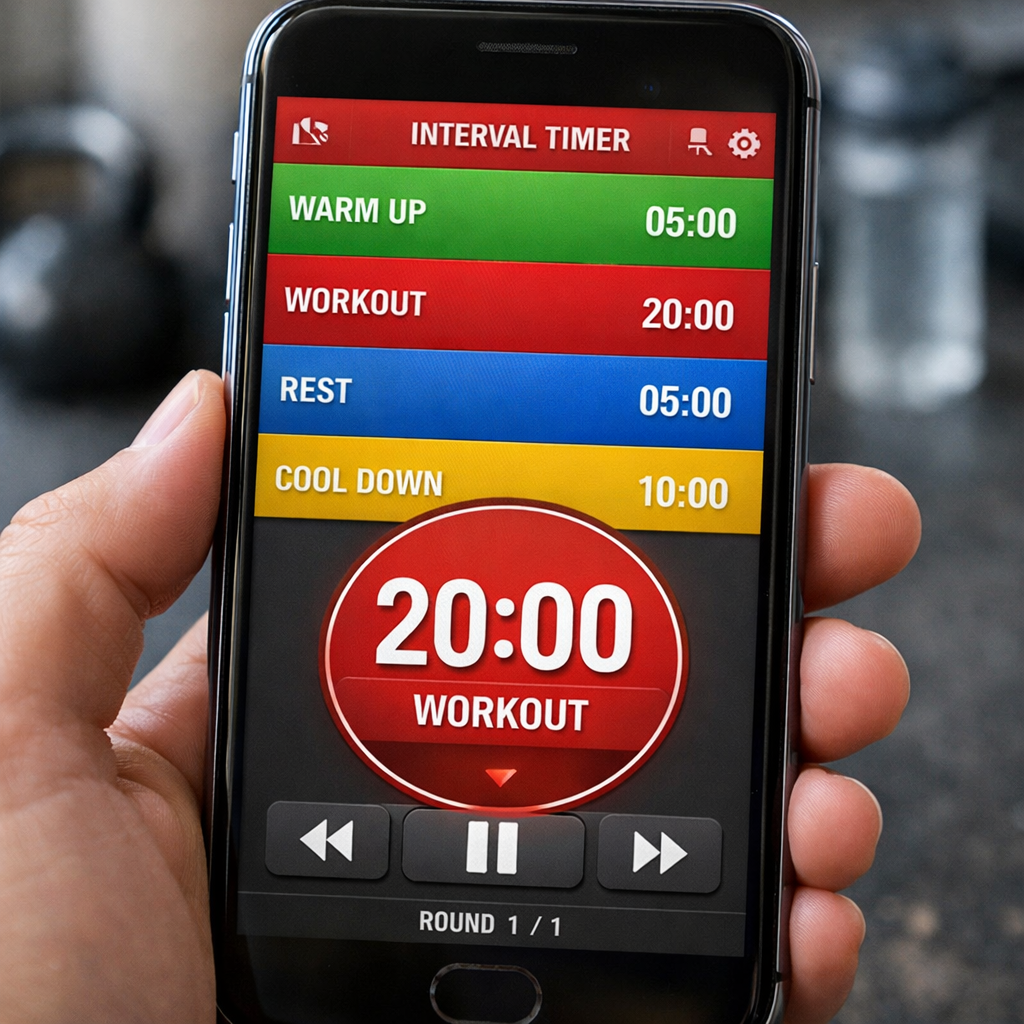
Other timers might be more flexible, letting you set custom work and break intervals. This is great if the standard Pomodoro length just doesn’t feel right for your tasks. You might find that longer focus sessions work better for deep work, or maybe shorter, more frequent bursts keep you engaged.
Here are a few common approaches:
- Pomodoro: Fixed work/break intervals (e.g., 25 min work / 5 min break).
- Custom Intervals: You set your own work and break lengths.
- Flowtime: Work for as long as you feel focused, then take a break. The timer starts when you feel ready to work and stops when you decide to break.
- Task-Based: Timers that reset for each individual task, allowing for varied durations.
Soundscapes for Enhanced Concentration
This is where the ‘music’ part comes in. The right background sound can make a huge difference. Some apps offer curated playlists, while others let you mix and match sounds.
- Classical Music: Specifically, Baroque music (think Bach or Vivaldi) is often cited for its ability to boost concentration. Its steady tempo and lack of jarring changes can create a calm, focused atmosphere.
- Nature Sounds: Rain, ocean waves, or forest ambiences are popular choices. They can mask distracting background noise and create a sense of peace.
- Ambient Electronic: Some people find instrumental electronic music with a consistent beat helpful for staying on task.
- White Noise/Brown Noise: These are less about music and more about creating a consistent sound floor that blocks out other noises.
The key is finding sounds that don’t demand your attention but rather fade into the background, supporting your focus. Experimentation is your best friend here. What works for one person might be distracting for another.
Customization Options for Personalized Sessions
Beyond just picking a timer length and a sound, good apps offer ways to tweak the experience. This personalization is what turns a generic timer into your productivity tool.
Look for features like:
- Adjustable Volume: Being able to control the volume of music and sound effects independently.
- Theme Options: Changing the visual appearance of the timer to something you find pleasing or less distracting.
- Alarm Sounds: Choosing from a variety of sounds to signal the end of a focus session or break.
- Session Management: The ability to create different timer profiles for different types of tasks (e.g., a ‘deep work’ profile and a ‘quick tasks’ profile).
Some apps even let you blend different soundscapes, like mixing rain sounds with classical music at varying intensities. This level of control means you can craft an audio environment that truly suits your mood and task at hand. It’s about making the timer work for you, not the other way around.
Finding the right focus music timer is a bit like finding the perfect pair of headphones. It needs to be comfortable, effective, and suit your personal style. Don’t be afraid to try out a few different apps or techniques until you land on something that feels just right for your workday. It might take a little trial and error, but the payoff in terms of focus and productivity is totally worth it.
Integrating Focus Music Timers Into Your Routine
So, you’ve picked out the perfect focus music timer and maybe even found some great soundscapes to go with it. That’s awesome! But how do you actually make it a regular part of your day without it feeling like another chore? It’s all about building it into your workflow, making it feel natural, and getting the most out of those focused bursts. The key is consistency, not perfection.
Structuring Your Workday with Timers
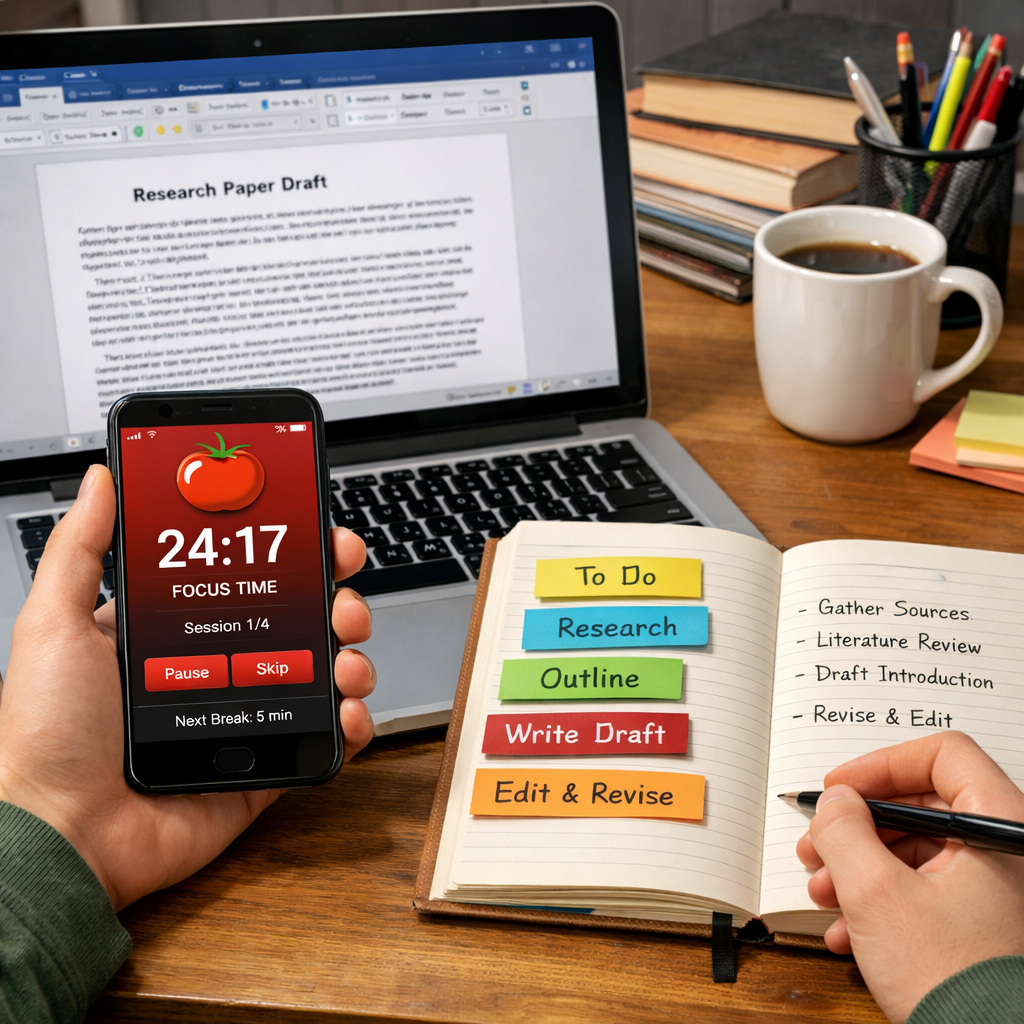
Think of your workday like a series of sprints. Instead of just working until you’re tired, you can use your timer to define these sprints. A common approach is the Pomodoro Technique, which involves working for a set period, say 25 minutes, followed by a short break. This helps break down big tasks into manageable chunks.
Here’s a simple way to start:
- Morning Block: Start your day with a 25-minute focus session on your most important task. Use your timer and music to get into the zone immediately.
- Mid-Morning Push: After a short break, tackle another task with a 50-minute focus session. You might find longer sessions work better for certain types of work.
- Afternoon Grind: Use shorter, 15-20 minute sessions for administrative tasks or checking emails, keeping your focus sharp.
It’s not about rigidly sticking to one timer length for everything. Experiment to see what feels right for different kinds of work. Some people find that longer, 90-minute focus blocks work better for deep creative tasks, while shorter bursts are ideal for repetitive jobs.
The goal isn’t to work non-stop, but to work effectively during your designated focus periods. When the timer is on, it’s go-time. When it’s off, you truly disconnect for that break.
Balancing Focus and Break Periods
This is where a lot of people stumble. You get into a groove, the timer goes off, and you think, "Oh, just five more minutes." Then those five minutes turn into fifteen, and suddenly your break is longer than your focus session. Or, you might be tempted to skip breaks altogether, thinking you’re being more productive. That’s a fast track to burnout.
Here’s a look at a balanced schedule:
| Activity | Duration | Frequency |
|---|---|---|
| Focus Session | 25 mins | 4 times daily |
| Short Break | 5 mins | After each session |
| Long Break | 15-20 mins | After 4 sessions |
During your breaks, really take a break. Get up, stretch, grab some water, or step outside for a few minutes. Avoid checking social media or emails, as that can pull you right back into work mode. The idea is to give your brain a genuine rest so it’s ready for the next focus session. Some apps even offer guided meditations or stretching routines for breaks, which can be a nice addition.
Maximizing Productivity with Session Management
Once you’ve got a basic structure, you can start refining how you manage your sessions. This involves being mindful of what you’re working on during each timer period and reflecting on how effective each session was. For instance, if you find yourself constantly getting distracted during a 25-minute session, maybe that task needs to be broken down further, or perhaps the music isn’t quite right. You might want to explore different timer techniques to see what fits your workflow best.
- Task Batching: Group similar tasks together. For example, dedicate a couple of focus sessions to responding to emails, another to writing reports, and another to creative brainstorming. This reduces context switching.
- Pre-Session Planning: Before you start a focus session, take a minute to clearly define what you aim to accomplish. Having a specific goal makes it easier to stay on track.
- Post-Session Reflection: Briefly note down what you achieved during the session. Did you meet your goal? What went well? What could be improved? This feedback loop is vital for optimizing your future sessions. Some advanced timers allow you to add notes or tags to sessions, which can be helpful for tracking progress on specific projects.
Advanced Focus Music Timer Strategies
Okay, so you’ve got your focus music timer set up and you’re feeling pretty good about it. But what if I told you there’s more you can do to really squeeze every last drop of productivity out of it? We’re talking about taking your timer game from ‘pretty good’ to ‘seriously impressive’.
Leveraging Analytics for Improvement
Most timer apps, even the simpler ones, collect data. It’s not just about how long you worked, but when you worked, what tasks you were doing, and maybe even how many breaks you took. Looking at this information can be a real eye-opener. You might notice you’re most productive in the morning, or that certain types of music really do help you power through a specific task. Some apps even give you reports. Don’t just ignore those stats; actually look at them.
Here’s a quick look at what you might track:
| Metric | What it tells you |
|---|---|
| Total Focus Time | Overall work output |
| Session Length | Ideal duration for your concentration |
| Break Frequency | How often you need to reset |
| Task Completion | Effectiveness of focus sessions for specific jobs |
Syncing Timers Across Devices
This one’s a game-changer if you use multiple devices. Imagine starting a focus session on your laptop and then needing to grab your tablet to look something up. If your timer syncs via iCloud or a similar service, your session continues uninterrupted. No more fumbling to restart or losing your place. It makes your workflow so much smoother, especially if you’re constantly switching between your phone, tablet, and computer.
Utilizing Widgets for Quick Access
Widgets are those little handy tools that live on your home screen or desktop. For focus timers, they can be super useful. You can often see your remaining focus time at a glance without even opening the app. Some widgets even let you start or stop a session with a single tap. It cuts down on those tiny bits of friction that can add up and pull you out of your zone. Think of it as having a mini-timer right where you can see it, always ready to go.
Sometimes, the smallest features make the biggest difference. Don’t underestimate the power of a well-placed widget or a simple data report. These tools are there to help you work smarter, not just harder. They offer insights that can genuinely change how you approach your work.
Troubleshooting and Optimizing Your Timer Experience
Even the best tools can hit a snag now and then, right? Dealing with distractions or finding that perfect sound balance can sometimes feel like a puzzle. Let’s sort out some common hiccups and make your focus timer work even better for you.
Addressing Common Distractions
Distractions are the enemy of focus, and sometimes they creep in even with a timer. It’s not always about the app itself, but how we use it and our environment. Think about what pulls your attention away. Is it notifications from other apps? A noisy room? Or maybe just the urge to check your phone?
- Silence the digital noise: Turn off non-essential notifications on your phone and computer. Most focus timer apps have a ‘do not disturb’ mode, so use it!
- Create a physical barrier: If possible, find a quiet space. If not, good quality headphones can be a lifesaver. Noise-canceling ones are great if your budget allows.
- Mindful breaks: Sometimes, the urge to get distracted comes during breaks. Try to keep breaks short and focused on resting your eyes or stretching, rather than diving into social media.
Sometimes, the biggest distraction isn’t external, but internal. If your mind is racing, a timer can only do so much. A quick mindfulness exercise or a short walk might be more effective than just staring at the timer.
Finding the Right Sound Balance
The soundscape you choose can make or break your focus session. Too loud, and it’s jarring. Too quiet, and you might not even notice it. It’s a delicate balance.
Here’s a quick guide to finding your sweet spot:
| Sound Type | Volume Level | Notes |
|---|---|---|
| Ambient Music | Low | Just enough to mask background noise. |
| Nature Sounds | Medium | Can be more immersive, adjust as needed. |
| White Noise | Medium | Consistent, good for blocking chatter. |
| Timer Alerts | High | Needs to be clear enough to hear easily. |
Experimentation is key here. What works for one person might not work for another. Try different combinations and volumes until you find what feels right for your brain.
Ensuring Seamless User Experience
A clunky or confusing timer app can actually reduce your productivity. You want something that’s easy to start, easy to manage, and doesn’t require a manual to operate.
- Intuitive Interface: The app should be straightforward. You should be able to start a session, set your time, and see your progress without much thought.
- Reliability: The timer needs to work consistently. Unexpected crashes or inaccurate timing are frustrating and disruptive.
- Customization: While not strictly ‘troubleshooting’, having options to tweak sounds, themes, and session lengths makes the app feel more personal and less like a chore to use. This personal touch can significantly improve your engagement.
If you’re constantly fighting with your timer app, it might be time to explore other options or check the app’s support resources. A smooth experience means less friction and more focus.
Wrapping Up Your Focus Journey
So, we’ve looked at a bunch of ways to use music and timers to get more done. Whether you’re into classical tunes, nature sounds, or just need a simple timer to keep you on track, there’s definitely something out there for you. Finding the right mix can really make a difference in how you tackle your tasks. Don’t be afraid to experiment a bit and see what works best for your own workflow. Happy focusing!
Frequently Asked Questions
What exactly is a focus music timer?
Think of a focus music timer as a special tool, like an app or a website, that helps you concentrate on your tasks. It usually plays calming music or nature sounds, like rain, and has a timer to keep you working for set periods. It’s designed to help you get more done without getting sidetracked.
Why should I use a focus music timer?
Using one can really boost how much you get done. The music and sounds help block out distracting noises, and the timer encourages you to stay focused for specific blocks of time. This can make you feel more productive and less stressed about your work or studies.
What kind of music or sounds work best?
Many people find classical music, especially Baroque pieces, very helpful for focus. Nature sounds, like rain or ocean waves, are also popular because they create a peaceful atmosphere. Some apps let you mix different sounds to find what works best for you.
Can I change how long the focus sessions last?
Absolutely! Most focus timers let you set your own work times. You can pick from common setups, like the Pomodoro Technique (25 minutes of work, 5 minutes of break), or create custom timers that fit your personal rhythm and how long you can concentrate best.
Are there timers that work on my phone and computer?
Yes, many focus timer apps offer synchronization across different devices. This means you can start a timer on your phone and continue it on your computer, or access your progress from anywhere. It keeps your focus routine consistent no matter what device you’re using.
What if I get distracted even with the timer?
It’s normal to get distracted sometimes! If it happens, try adjusting the sound volume or switching to a different type of soundscape. Some timers also have features to block distracting websites or apps. The key is to experiment and find what truly helps you stay in the zone.