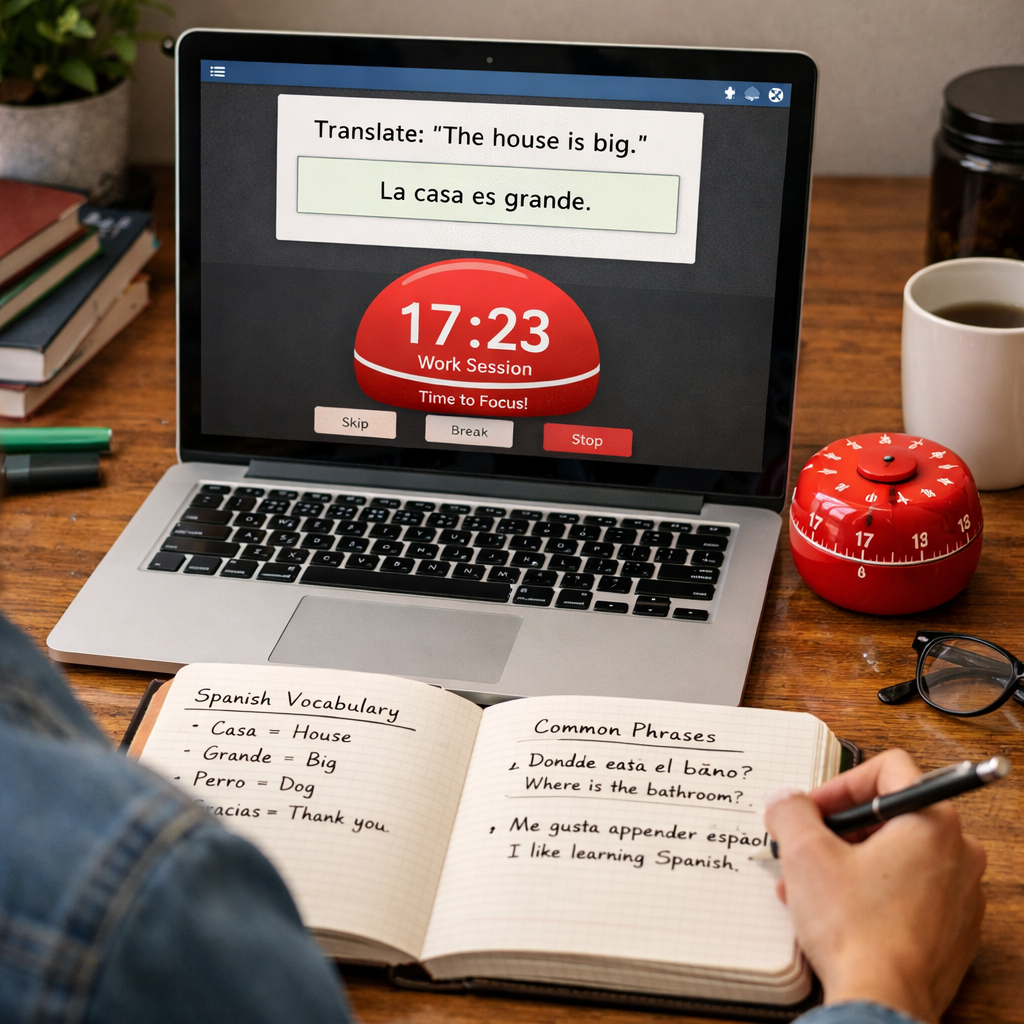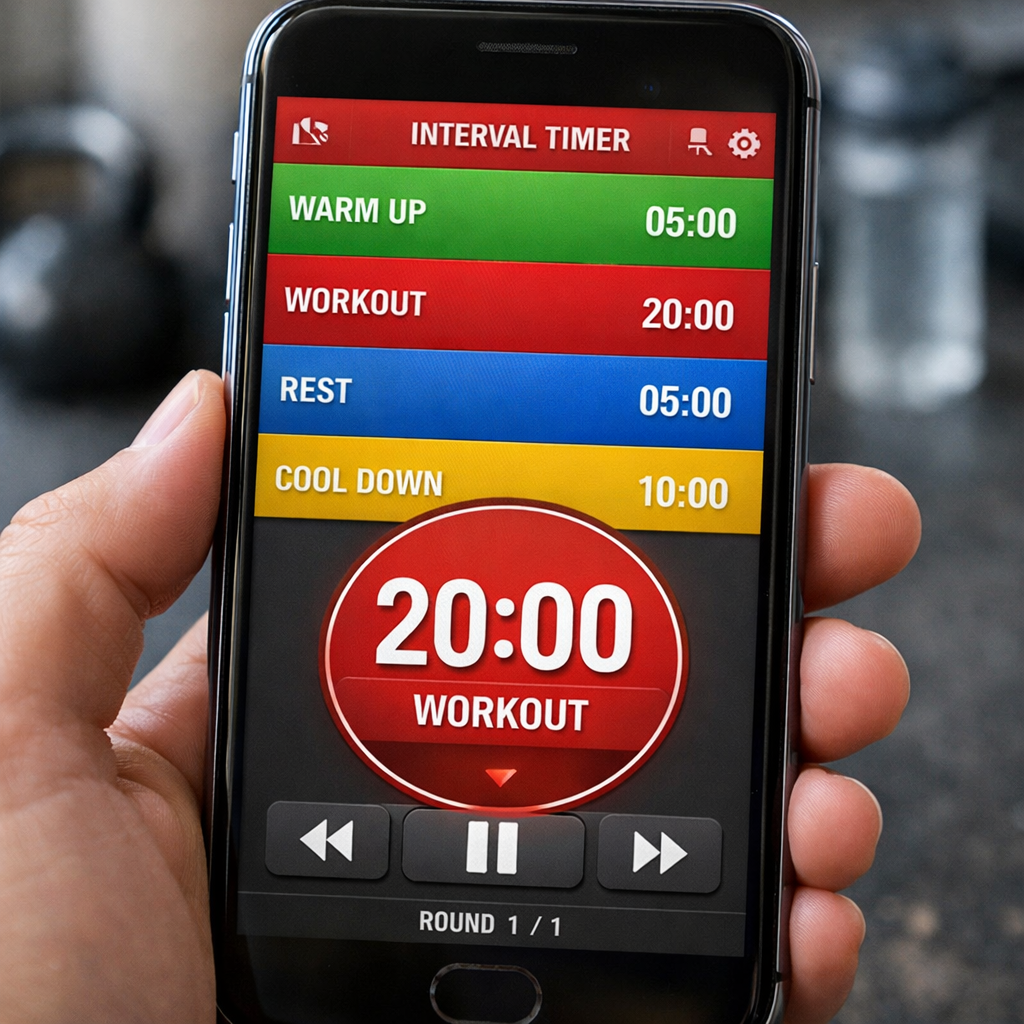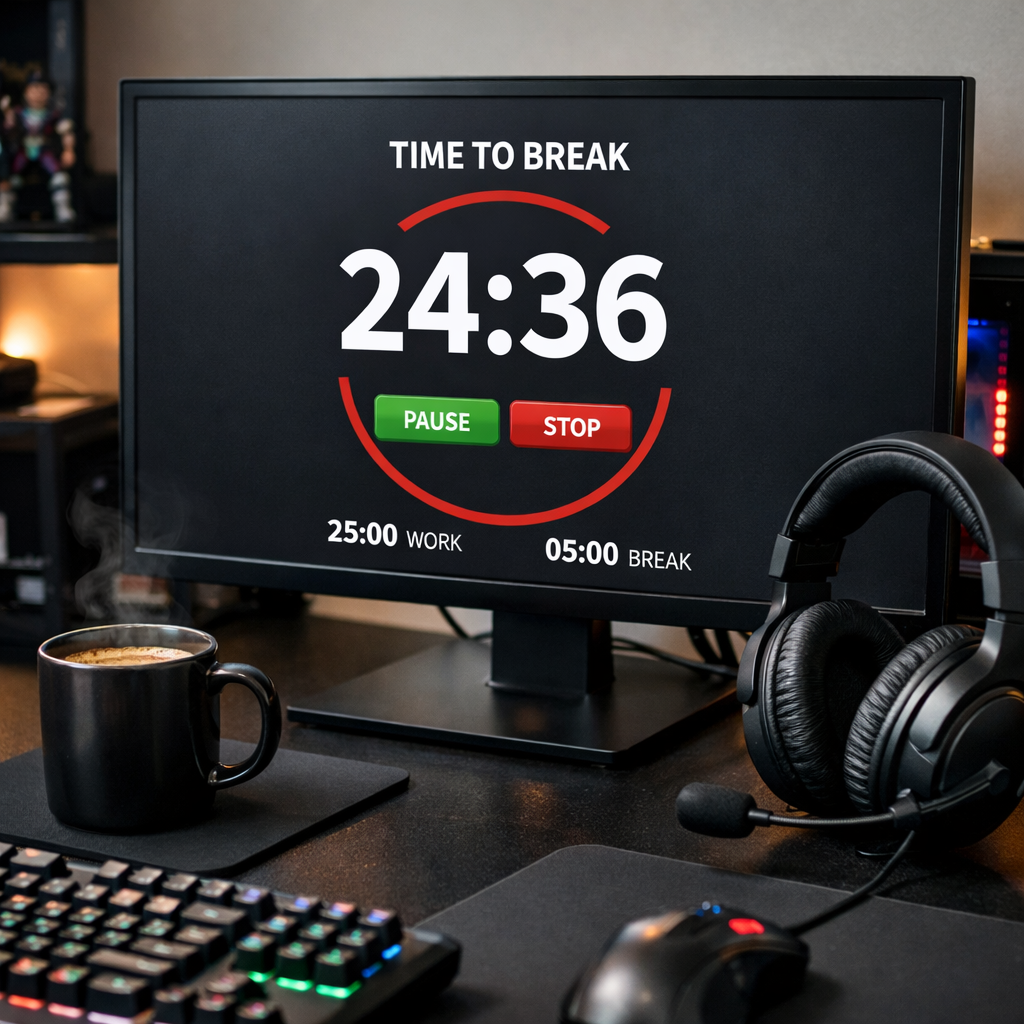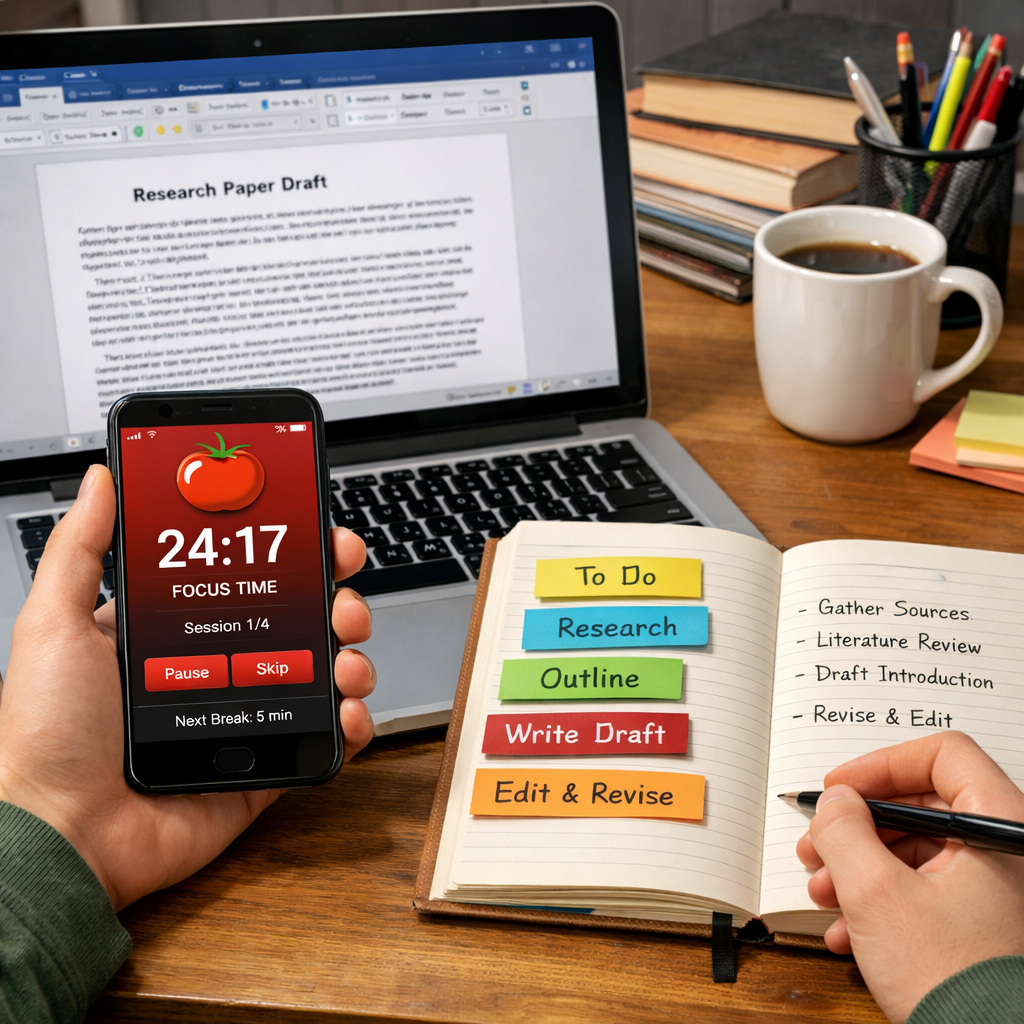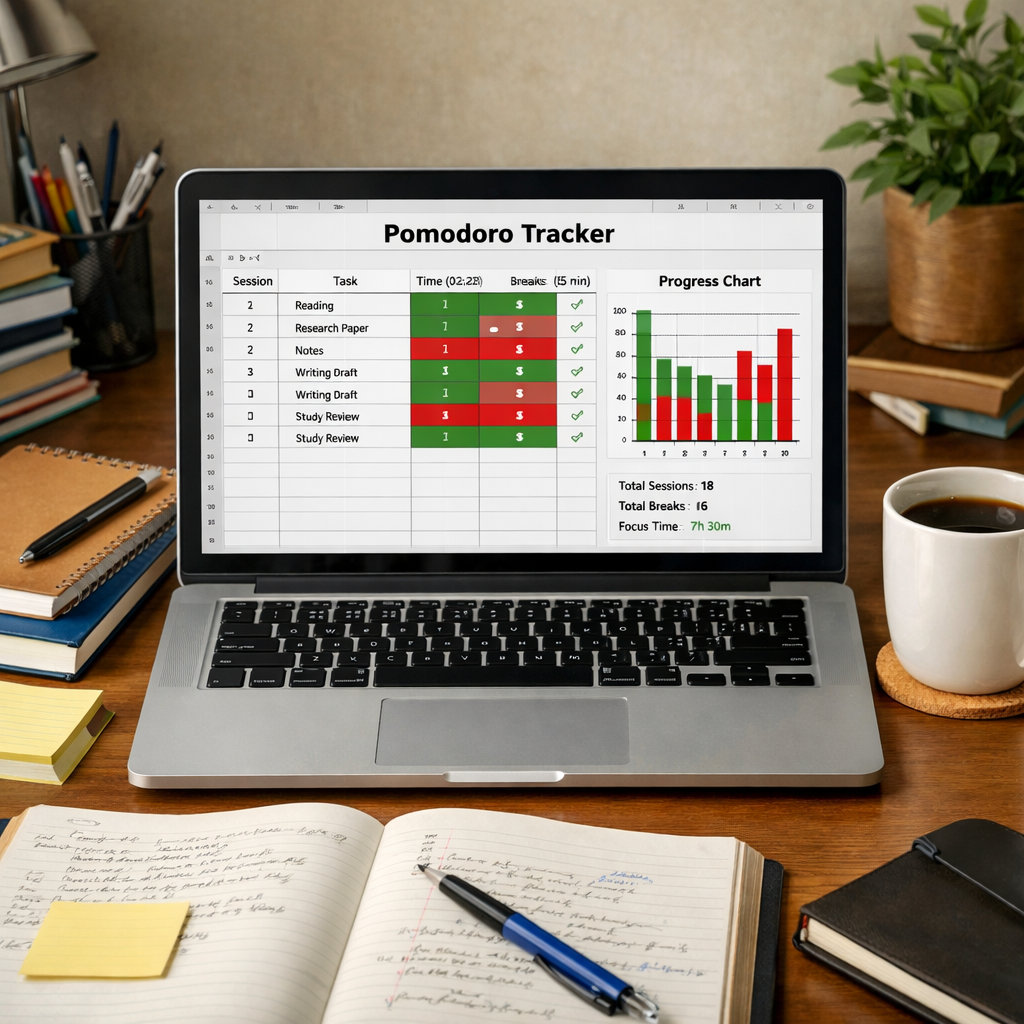
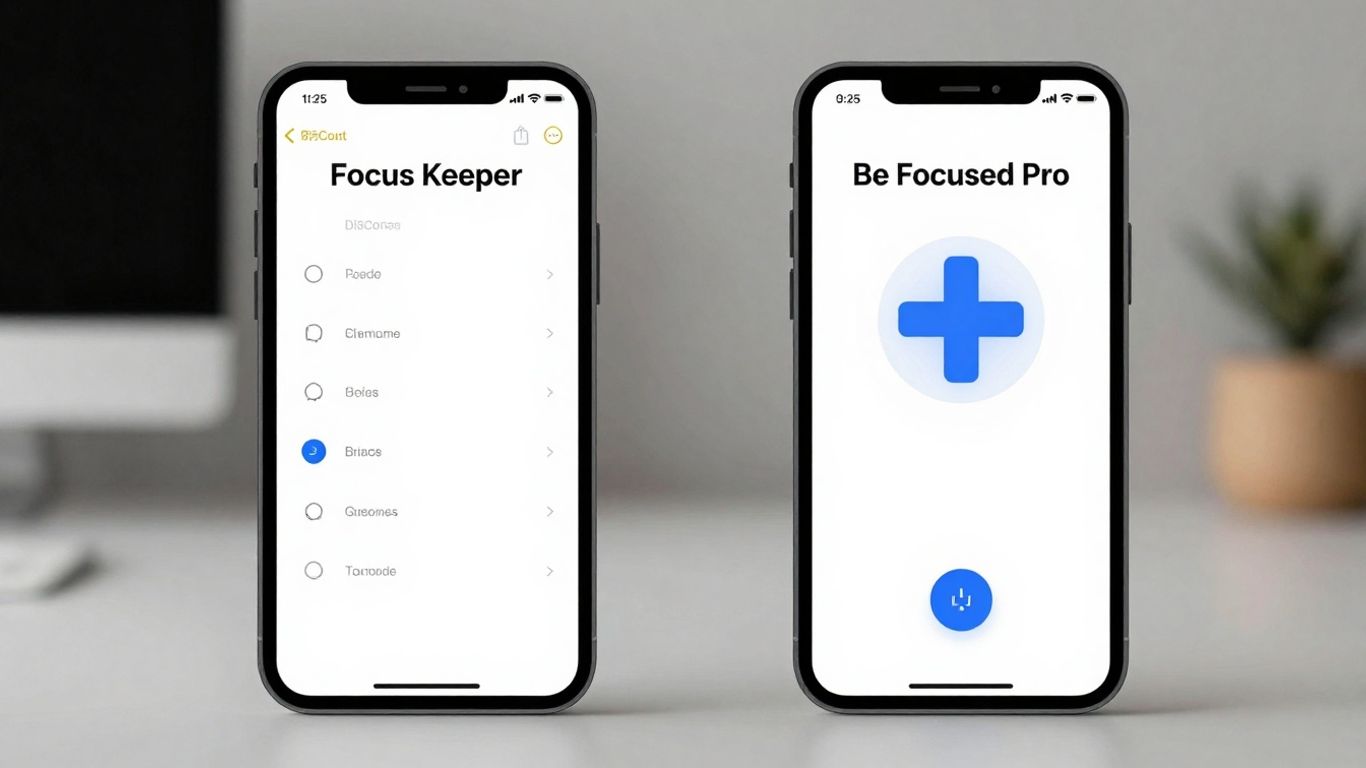
Trying to get work done can feel like a battle sometimes, right? You’ve got your to-do list, your coffee, and then… distractions. Two apps often pop up when people talk about staying focused using the Pomodoro Technique: Focus Keeper and Be Focused Pro. They both aim to help you get more done in timed bursts, but they aren’t exactly the same. So, which one is actually going to help you win the productivity war? Let’s break down Focus Keeper vs Be Focused Pro.
Key Takeaways
- Focus Keeper and Be Focused Pro both use the Pomodoro Technique to help you work in focused bursts, but they offer different experiences.
- Focus Keeper is known for its simple, straightforward approach, making it easy to jump right into timed work sessions.
- Be Focused Pro offers more detailed customization for your work and break times, along with reporting features for tracking your progress.
- When choosing between Focus Keeper vs Be Focused Pro, consider if you prefer a no-fuss app or one with more options to tweak.
- Both apps are generally user-friendly, but Be Focused Pro might have a slight edge for those who want to analyze their productivity patterns more deeply.
Core Functionality: Focus Keeper vs Be Focused Pro
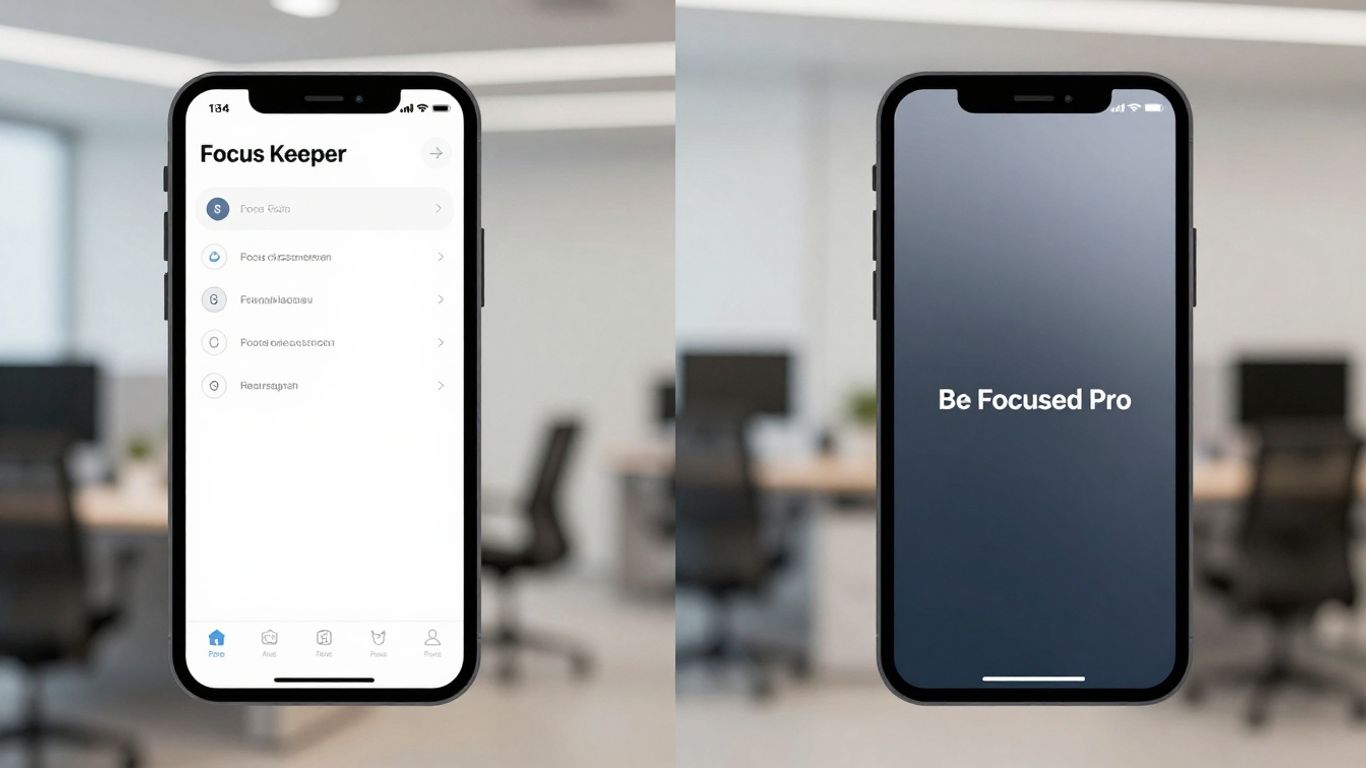
When you’re looking for a Pomodoro app, the first thing you’ll probably check is what it actually does. You know, the basics. Both Focus Keeper and Be Focused Pro have the core features you’d expect, but they go about them a little differently. It’s like comparing two different brands of coffee makers – they both brew coffee, but the taste and experience can be miles apart.
Task Management and Session Tracking
At their heart, these apps are about helping you manage your time using the Pomodoro Technique. This means setting work intervals and break intervals. Both apps let you do this, but how they handle tasks and track your sessions is where things get interesting.
- Focus Keeper: This app is pretty straightforward. You set your timer, and when it’s running, it’s just that – a timer. It doesn’t really have a built-in task list. You’re expected to manage your tasks separately, maybe in a notebook or another app. The focus here is purely on the timed sessions themselves. It keeps a log of how many Pomodoros you’ve completed, which is nice for seeing your progress over time.
- Be Focused Pro: This one feels a bit more like a mini-project manager. You can create tasks and assign Pomodoros to them. So, instead of just running a timer, you can say, "Okay, I’m going to work on ‘Write Report’ for two Pomodoros." This makes it easier to see which tasks are taking up your time and how many sessions you’ve dedicated to each. It’s a more integrated approach if you like having your tasks and your timer in one place.
Customization Options for Work and Break Intervals
Nobody’s Pomodoro needs are exactly the same, right? Some people like longer work sprints, others shorter breaks. Both apps let you tweak these settings, but again, there are nuances.
- Focus Keeper: It offers a good range of customization for your work and break lengths. You can set the duration for your main work sessions, short breaks, and long breaks. It also lets you decide how many Pomodoros you want to complete before a longer break kicks in. The interface for this is pretty simple, just sliders and number inputs.
- Be Focused Pro: This app also provides flexibility. You can adjust work and break times, and it has similar options for long breaks. What’s neat is that you can often set different profiles or task types with their own timer settings, though this might be more of a Pro feature. It feels like it gives you a bit more granular control over how your work periods are structured.
User Interface and Ease of Use
This is a big one. If an app is clunky or confusing, you’re just not going to use it, no matter how many features it has. Both apps aim for simplicity, but they achieve it in different ways.
- Focus Keeper: The interface is clean and uncluttered. It’s very much a "what you see is what you get" kind of app. The main screen shows your timer, and it’s easy to start, pause, or stop. Customizing settings is also pretty straightforward. It doesn’t try to do too much, which makes it really easy to pick up and use right away, even if you’ve never used a Pomodoro app before.
The goal of a Pomodoro app is to help you focus, not to become another distraction. A simple, intuitive design is key to making sure the tool actually helps you get work done.
- Be Focused Pro: This app also has a clean look, but because it incorporates task management, it has a bit more going on. You’ll see your task list alongside your timer. While it’s still easy to use, there’s a slight learning curve compared to Focus Keeper, just because there are more elements on the screen. However, for those who want their tasks and timer together, this layout makes a lot of sense and feels quite efficient once you get used to it. It strikes a good balance between being feature-rich and remaining user-friendly. The visual design is modern and pleasant, making the time spent in the app less of a chore.
Advanced Features for Enhanced Productivity
Beyond the basic timer functions, both Focus Keeper and Be Focused Pro pack some extra punch to really help you get things done. These aren’t just simple timers; they’re tools designed to give you a clearer picture of your work habits and help you stay on track.
Reporting and Analytics
This is where you really get to see how you’re spending your time. Both apps offer ways to track your completed Pomodoro sessions, but they go about it a bit differently. Be Focused Pro tends to give you a more detailed breakdown, showing you how much time you’ve spent on specific tasks or projects. Focus Keeper is a bit more straightforward, usually just showing total sessions and time.
- Be Focused Pro: Offers detailed reports on time spent per task or project.
- Focus Keeper: Provides a simpler overview of completed sessions and total time.
- Both: Allow you to see your progress over days, weeks, and months.
Understanding your work patterns is key. Seeing where your time actually goes can be a real eye-opener, helping you adjust your schedule or identify distractions you might not even realize are there.
Integration Capabilities
This is a big one if you’re already using other productivity tools. Some apps can connect with your to-do lists or project management software. Be Focused Pro, for instance, might have options to sync with things like your calendar or other task managers, making it easier to fit into your existing workflow. Focus Keeper is generally more of a standalone app, which can be good if you prefer simplicity, but less helpful if you want everything connected. It’s worth checking if these apps can link up with services you already use, like task management tools.
Notifications and Reminders
Sure, the timer itself is a reminder, but these apps often have extra notification settings. You can usually customize the sounds for starting and stopping work or break periods. Some apps might also offer gentle nudges if you’ve been off-task for too long, though this is less common in basic Pomodoro apps. The goal here is to keep you aware of your schedule without being overly intrusive. You’ll want to see what kind of alerts work best for your personal focus style.
Platform Availability and Pricing
When you’re looking at productivity tools, it’s not just about what they can do, but also where you can use them and what they cost. Let’s break down how Focus Keeper and Be Focused Pro stack up.
Device Compatibility
Both Focus Keeper and Be Focused Pro aim to be accessible across your devices, which is pretty important if you switch between a phone, tablet, and computer throughout the day. Generally, you’ll find these apps are available on the major mobile operating systems.
- Focus Keeper: Typically available on iOS and Android.
- Be Focused Pro: Also usually found on iOS and Android, with some versions potentially offering desktop integration.
It’s always a good idea to double-check the specific app store for the most current compatibility information for your particular device.
Cost of Focus Keeper
Focus Keeper often operates on a freemium model. This means you can download and use the basic version without paying anything. This free tier usually includes the core Pomodoro timer functionality, allowing you to get started with time management right away. If you want more advanced features, like detailed statistics or different themes, there’s usually an option to upgrade to a paid version, often through a one-time purchase or a subscription. The exact pricing can shift, but it’s generally positioned as an affordable option for individuals.
Cost of Be Focused Pro
Be Focused Pro, as the name suggests, often leans towards a more robust feature set, which can be reflected in its pricing. Similar to Focus Keeper, it might offer a free version with limited capabilities. However, to access the full suite of tools, including advanced reporting, task management integrations, or more customization, you’ll likely need to opt for the Pro version. This could be a subscription-based service or a single purchase. The pricing structure is designed to appeal to users who need more from their productivity app, potentially making it a bit pricier than the basic offering of Focus Keeper, but still competitive within the productivity app market. You can find a variety of top Pomodoro timer apps that offer different pricing tiers.
Choosing between apps often comes down to your budget and how much you’re willing to invest in your productivity tools. Sometimes, the free version of an app is perfectly sufficient, while other times, paying a bit more unlocks features that significantly improve your workflow. It’s worth considering what you truly need before committing to a purchase or subscription.
It’s worth noting that the app landscape changes, so checking the official app stores or websites for the most up-to-date pricing and feature lists is always the best bet before you decide.
User Experience and Design Philosophy
When you’re trying to get work done, the app you use shouldn’t be another distraction. It needs to feel right, you know? Like it just gets out of your way so you can focus on the task at hand. This is where the design philosophy of Focus Keeper and Be Focused Pro really starts to show its colors.
Minimalist Approach
Focus Keeper really leans into the whole ‘less is more’ idea. It’s super clean, almost stark. You open it up, and it’s pretty much just a timer. There aren’t a lot of buttons or fancy graphics to fiddle with. This is great if you just want to start a Pomodoro session without any fuss. The goal here is to remove any visual clutter that might pull your attention away from your work. It’s like a blank canvas for your productivity. You get the core function – the timer – and that’s about it. It’s straightforward, and for some people, that’s exactly what they need to stay on track.
Feature-Rich Design
Be Focused Pro, on the other hand, takes a different route. It’s not cluttered, mind you, but it definitely packs in more features right from the get-go. You can see your tasks, manage different projects, and tweak a bunch of settings. It feels more like a complete productivity hub than just a timer. If you like having all your tools in one place, this might be more your speed. It’s designed for people who want a bit more control and information readily available. Think of it like a well-organized workbench; everything has its place, and you can see all your options.
Visual Appeal and Aesthetics
Both apps have their own look, and it really comes down to personal taste. Focus Keeper’s minimalist vibe is very modern and clean. It uses simple colors and fonts that are easy on the eyes. Be Focused Pro has a bit more going on visually, with more distinct sections and icons. It’s still pretty polished, though. It feels a bit more like a traditional app, with a clear layout that guides you through its various functions. If you’re looking for an app that’s not just functional but also pleasant to look at, you’ll want to consider which style speaks to you more. It’s interesting how different design choices can impact how you feel about using an app day in and day out. For a deeper look at various app designs, you might want to check out top Pomodoro apps.
The way an app looks and feels can make a big difference in how often you actually use it. If it’s confusing or just plain ugly, you’re probably not going to stick with it, no matter how many features it has. It’s about finding that sweet spot between functionality and a user experience that makes you want to be productive.
Choosing the Right Pomodoro App for You
So, you’ve looked at Focus Keeper and Be Focused Pro, and now you’re wondering which one is actually going to help you get stuff done. It’s not always a clear-cut decision, right? Both apps do the Pomodoro thing, but they feel different, and that’s what matters when you’re trying to stay on task.
When Focus Keeper Shines
Focus Keeper is often the go-to for people who like things simple. If you’re just starting with the Pomodoro Technique or you find a lot of options overwhelming, this app is probably your jam. It’s got that clean, straightforward design that doesn’t get in your way. You set your work and break times, hit start, and that’s pretty much it. It’s great for:
- Beginners: If you’re new to timed work sessions, Focus Keeper offers an easy entry point.
- Minimalists: If you prefer an app that just does its job without a bunch of extra bells and whistles, this is it.
- Quick Setup: You can get a session going in seconds, which is handy when you just need to jump into work.
Sometimes, the best tool is the one you don’t have to think about. Focus Keeper leans into that idea, making the Pomodoro timer itself the star of the show.
When Be Focused Pro Excels
Be Focused Pro, on the other hand, is for those who want a bit more control and insight. It’s not just about timing; it’s about understanding your work habits. If you’re someone who likes to track progress, tweak settings, and maybe even integrate with other tools, Be Focused Pro has more to offer. It’s a better fit if you:
- Need detailed tracking: The reporting features give you a good look at how you’re spending your time.
- Like to customize: Adjusting sounds, setting specific task durations, and managing multiple projects are easier here.
- Want advanced features: Things like task management within the app and more robust notification options can be really helpful.
Making Your Final Decision
Ultimately, the ‘best’ app depends on you. Think about what you really need from a Pomodoro timer. Do you want a simple, no-fuss tool to get you started, or do you want something more robust that helps you analyze and refine your productivity over time?
- Choose Focus Keeper if: Simplicity and ease of use are your top priorities. You want a timer that gets out of your way and lets you focus on the work itself.
- Choose Be Focused Pro if: You’re looking for deeper insights into your work patterns, enjoy customizing your tools, and want features that go beyond basic timing.
Take a moment to consider your personal workflow and what kind of digital environment helps you concentrate best. Your choice will likely come down to whether you value a streamlined experience or a more feature-rich, analytical approach.
So, Which Pomodoro App Wins?
Alright, we’ve looked at Focus Keeper and Be Focused Pro, and honestly, picking a single winner feels a bit like choosing a favorite child. Both apps do a solid job of helping you get into that focused work groove using the Pomodoro technique. Focus Keeper is super straightforward, almost like a no-frills timer that just gets the job done. If you want something simple and don’t need a ton of bells and whistles, it’s a great pick. Be Focused Pro, on the other hand, offers a bit more depth with its task management and reporting features. It’s the better choice if you like to keep everything organized within one app and want to see where your time is actually going. Ultimately, the best app for you really comes down to what you need. Do you want pure simplicity, or do you want a bit more power to track your progress? Give them both a whirl and see which one clicks with your workflow.
Frequently Asked Questions
What is the main idea behind the Pomodoro Technique?
The Pomodoro Technique is a time management method where you break your work into focused intervals, usually 25 minutes long, separated by short breaks. After a few of these work sessions, you take a longer break. It’s like sprinting for short bursts and then resting to keep your energy up.
What are the basic things both Focus Keeper and Be Focused Pro do?
Both apps help you use the Pomodoro Technique. They let you set timers for work and break times, and they keep track of how long you work. Think of them as digital timers that guide you through your work sessions.
Can I change how long my work and break times are in these apps?
Yes, you can! Both Focus Keeper and Be Focused Pro let you adjust the length of your work periods and your breaks. This means you can make the technique fit your own rhythm and how long you can concentrate best.
Do these apps show me how productive I’ve been?
Many Pomodoro apps, including features in Focus Keeper and Be Focused Pro, offer reports. These reports can show you how many work sessions you completed, how much time you spent working, and other useful info to see your progress.
Are these apps hard to use?
Generally, Pomodoro apps are designed to be simple. Focus Keeper is often seen as very straightforward and easy to jump into. Be Focused Pro might have a few more options, but it’s usually still quite user-friendly, especially if you’re familiar with basic apps.
Which app should I choose if I’m just starting with Pomodoro?
If you want something super simple and easy to get started with right away, Focus Keeper might be a great choice. If you think you might want more detailed stats or extra features down the line, Be Focused Pro could be worth exploring.