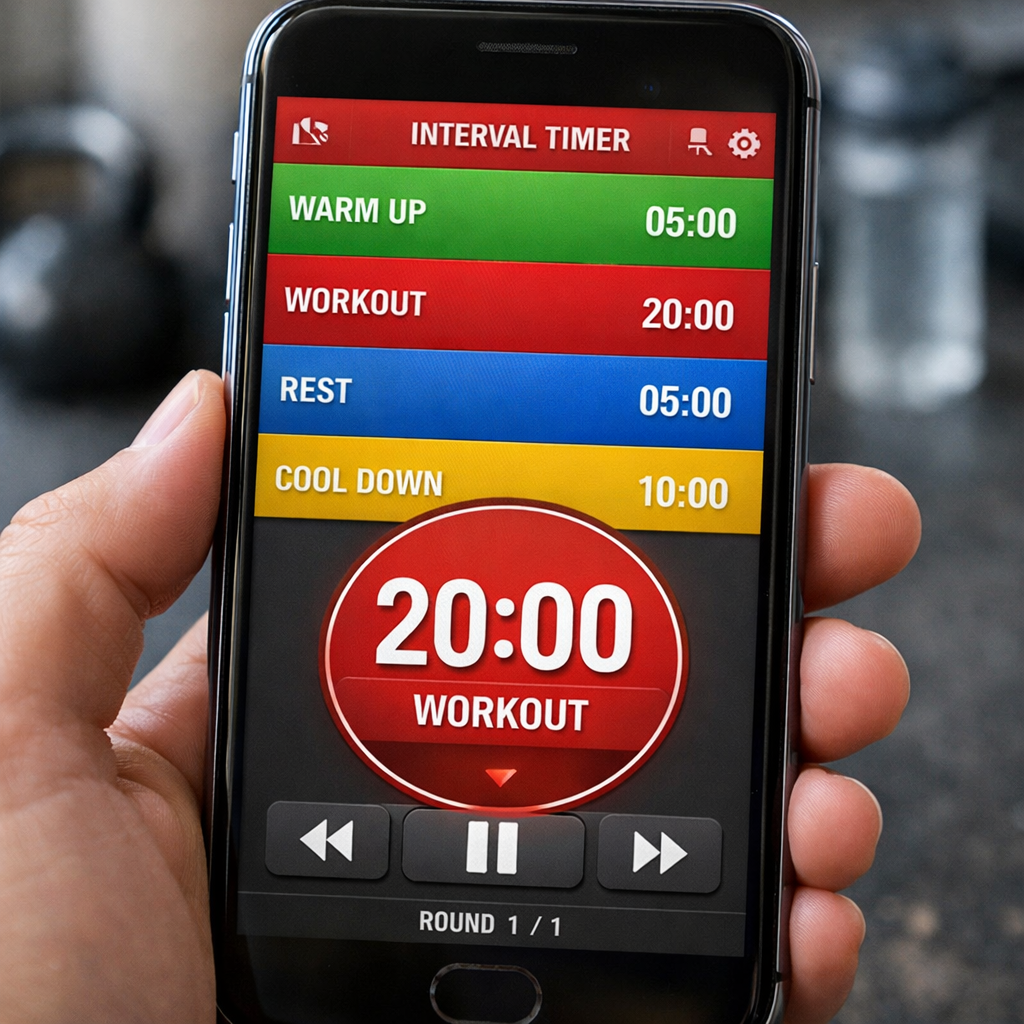

Feeling overwhelmed by exams? It happens to the best of us. You know you need to study, but figuring out *when* and *how* can be a real headache. That’s where a solid exam study schedule timer comes in handy. Think of it as your personal roadmap to getting through all that material without losing your mind. We’re going to break down how to build one that actually works for you.
Key Takeaways
- Creating a structured exam study schedule timer is important for staying organized and focused, but it needs to fit your personal life and needs.
- Using timers for focused study blocks, like the Pomodoro technique, and incorporating planned breaks can really help you concentrate better.
- A sustainable exam study schedule timer involves prioritizing subjects, balancing study with personal time, and sticking to a routine.
- Digital tools like calendar apps and dedicated timer apps, alongside old-school planners, can help you manage your exam study schedule timer.
- Be ready to adjust your exam study schedule timer for different times of day, limited time, or various exam types to stay productive.
Crafting Your Ideal Exam Study Schedule Timer

Understanding the Importance of a Structured Study Plan
Look, let’s be real. Trying to study for exams without a plan is like trying to bake a cake without a recipe. You might end up with something edible, but it’s probably not going to be your best work, and there’s a good chance you’ll miss a key ingredient or burn it. A structured study plan isn’t just about making lists; it’s about giving your brain a roadmap. It helps you see where you’re going, what you need to cover, and how much time you actually have. Without it, you’re just reacting to what feels urgent, which usually means cramming the night before. That’s not learning, that’s just survival.
Tailoring Your Schedule to Your Unique Needs
Nobody’s brain works exactly the same, right? Some people are morning larks, ready to tackle calculus at 6 AM. Others hit their stride after sunset. Your schedule needs to fit you, not the other way around. Think about when you’re most alert and focused. Are you someone who gets easily distracted if you sit for too long? Maybe shorter, more frequent study blocks are your jam. Or perhaps you can power through for a couple of hours straight. It’s also about what else is going on in your life. Work, family, that part-time job – these aren’t optional extras; they’re part of your reality. A schedule that ignores these things is doomed from the start.
Here’s a quick way to think about your personal study rhythm:
- Peak Alertness: When do you feel most sharp and ready to learn?
- Energy Dips: When do you tend to get tired or lose focus?
- Distraction Tolerance: How long can you realistically concentrate before needing a break?
- Life Commitments: What are your non-negotiable daily or weekly obligations?
Integrating Study Time with Daily Commitments
This is where the rubber meets the road. You can’t just carve out study time from a vacuum. You have to weave it into the fabric of your existing life. Think of it like fitting puzzle pieces together. You’ve got your work hours, your commute, family dinners, maybe even that gym session you’re trying to stick to. Where do the study blocks fit? Sometimes, it’s about finding those smaller pockets of time – 30 minutes before work, during your lunch break, or an hour after dinner. Other times, it might mean shifting something else around. The goal is to make study time a non-negotiable appointment with yourself, just like any other important commitment. It’s not about finding extra time; it’s about making time work for you.
Building a study schedule that actually works means being honest about your energy levels and your existing responsibilities. It’s not about creating a perfect, rigid plan that you’ll never stick to. It’s about making a realistic framework that you can adapt as needed, ensuring that studying becomes a consistent part of your routine without completely overwhelming your life.
Optimizing Study Sessions with Timers
So, you’ve got your schedule mapped out, but how do you actually make those study blocks count? This is where timers come in. They’re not just for telling you when to stop; they’re powerful tools for shaping how you study.
The Power of Focused Study Blocks
Think of your brain like a muscle. You can’t just work it out non-stop without getting tired. That’s why breaking your study time into focused blocks is so effective. Instead of staring at a textbook for hours, you aim for shorter, more intense periods of concentration. This approach helps prevent burnout and keeps your mind sharp. The key is to commit to being fully present during these dedicated times. It means putting away distractions and really digging into the material. Even short bursts of focused work can be incredibly productive when done right.
Incorporating Effective Break Strategies
Breaks aren’t a sign of weakness; they’re a strategic necessity. Trying to power through without breaks is like trying to run a marathon without stopping for water – you’ll eventually hit a wall. The goal is to make your breaks restorative, not distracting. Short, planned breaks can help reset your focus and prevent mental fatigue.
Here’s a simple way to structure your study and break times:
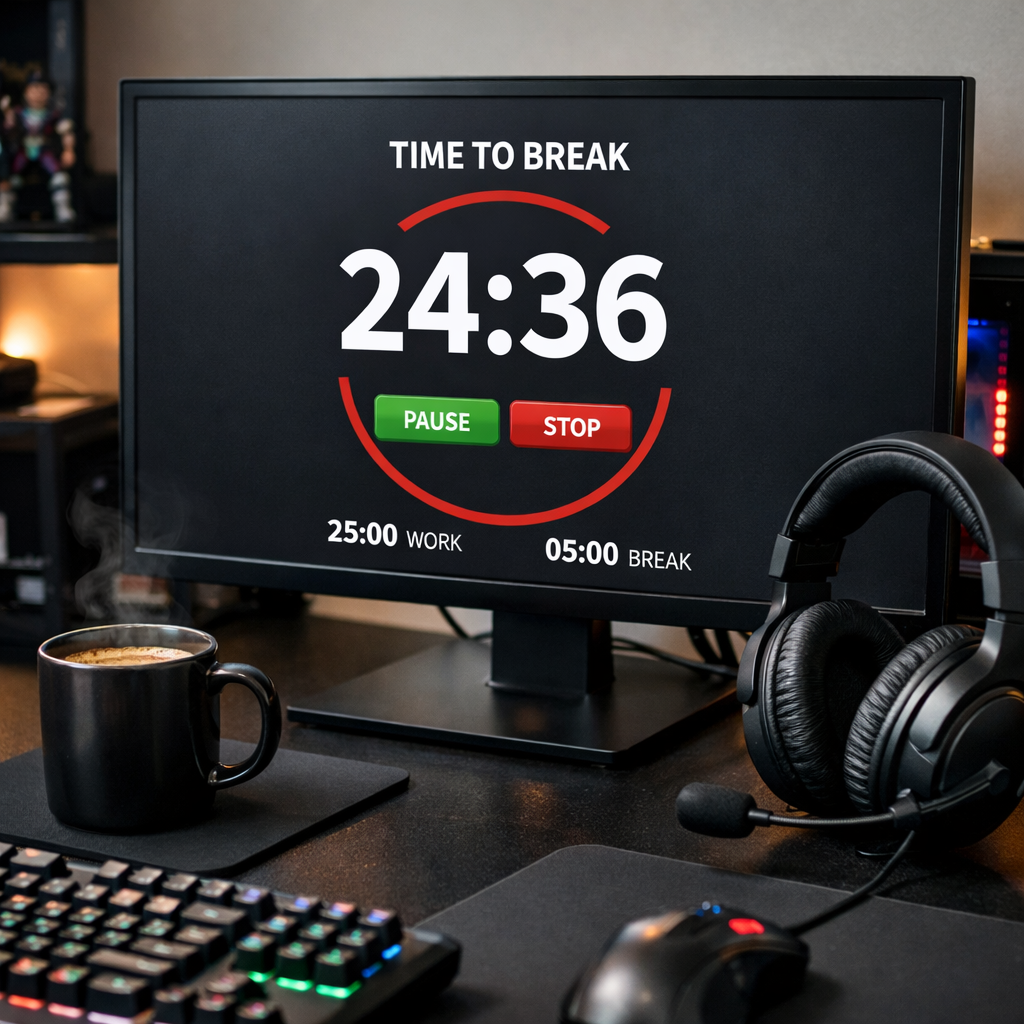
- Study Block: 25 minutes of focused work.
- Short Break: 5 minutes to stand up, stretch, or grab a drink.
- Repeat: Do this cycle a few times.
- Longer Break: After about four study blocks, take a 15-30 minute break to really recharge.
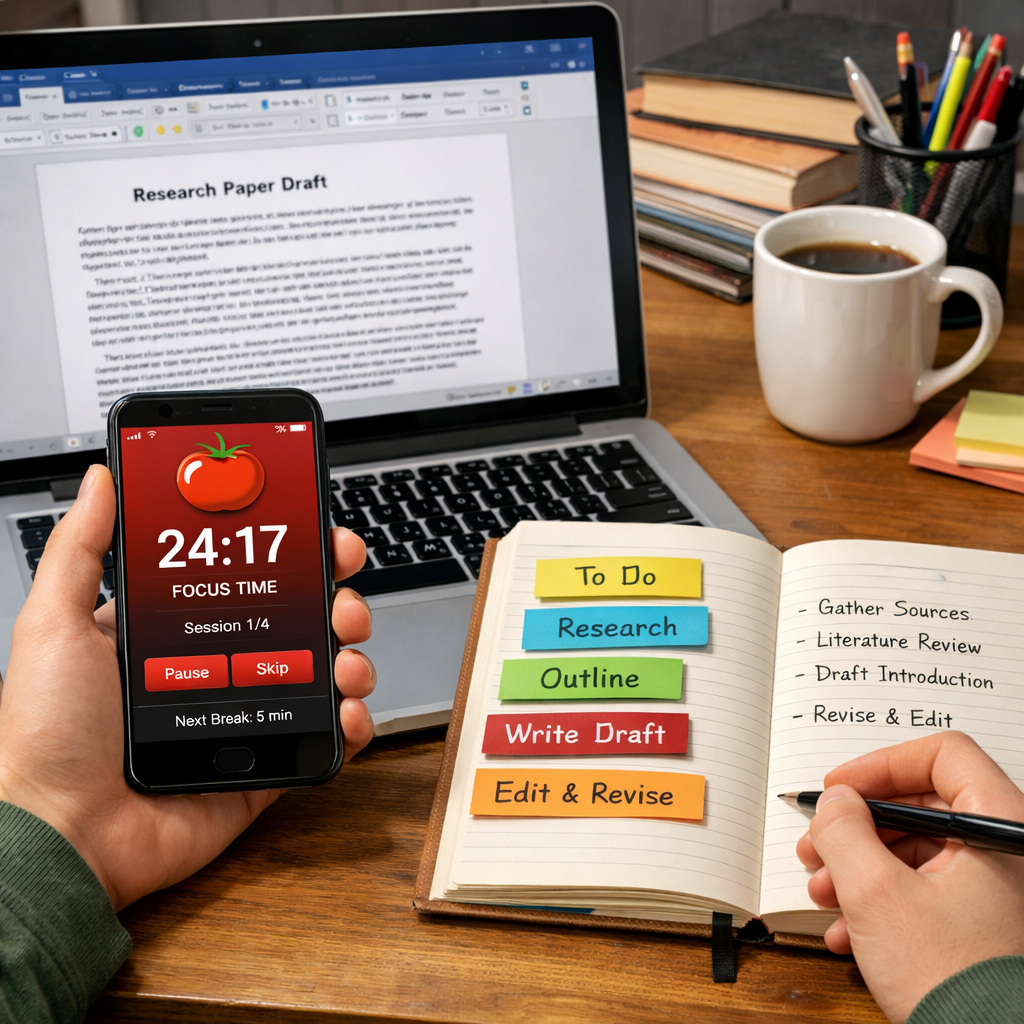
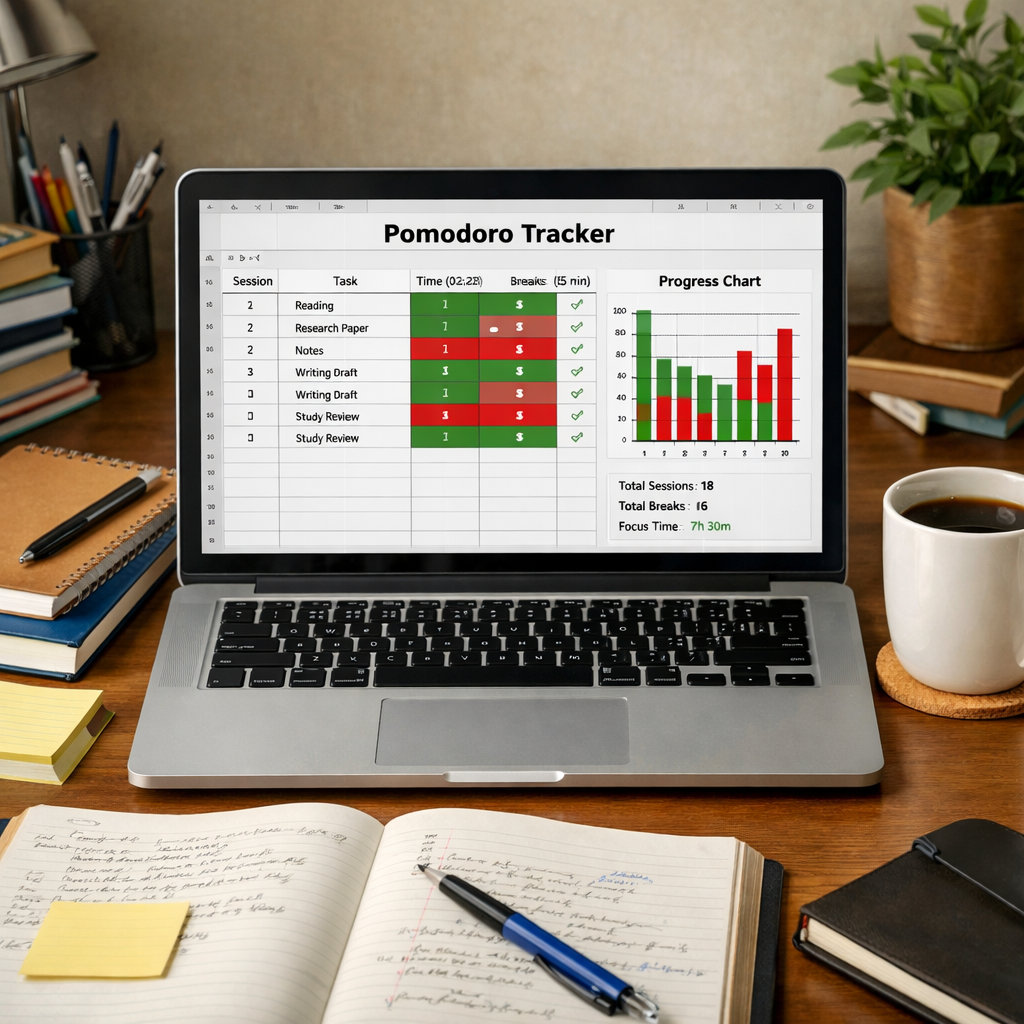
It’s important to use these breaks wisely. Avoid getting sucked into social media or TV shows, as that can make it harder to get back into study mode. A quick walk or listening to a song is usually a better bet. This structured approach is often called the Pomodoro Technique.
Utilizing Timers for Enhanced Concentration
Using a timer adds a sense of urgency and structure to your study sessions. It creates a clear beginning and end, which can help you stay on task. When you know you only have a set amount of time, you’re more likely to avoid procrastination and get straight to work.
Setting a timer can transform passive study time into active engagement. It forces you to be more mindful of how you’re spending your minutes and encourages you to make the most of each session.
Whether you use a physical timer, your phone’s stopwatch, or a dedicated app, the act of setting a timer signals to your brain that it’s time to focus. This simple act can significantly boost your concentration and productivity during your exam preparation.
Building a Sustainable Exam Study Schedule
Okay, so you’ve got your subjects listed and maybe even a rough idea of when you could study. Now, let’s talk about making this thing actually stick. Building a study schedule that doesn’t fall apart after a week is all about being realistic and, honestly, a little bit smart about how you use your time.
Prioritizing Subjects and Allocating Time
First things first, not all subjects are created equal when it comes to exam prep. You’ve got to figure out which ones need the most attention. Think about which exams are coming up soonest, which ones you find the hardest, or which ones carry the most weight for your overall grade. Make a quick list and rank them. This isn’t about liking one subject more than another; it’s about where your study time will make the biggest difference.
Once you know your priorities, it’s time to break down your available study hours. Don’t just block out huge chunks of time and hope for the best. Shorter, focused sessions are often more effective. Aim for blocks of about 30 to 45 minutes per subject. If you have a particularly tough subject, maybe give it a slightly longer block, but try not to go over an hour without a break. It’s better to have several shorter, productive sessions than one long, draining one.
Here’s a simple way to think about it:
- High Priority: Needs more time, maybe two 45-minute blocks per week.
- Medium Priority: Needs regular attention, one 45-minute block per week.
- Low Priority: Quick review, a 30-minute block every other week.
Balancing Academic Rigor with Personal Well-being
This is where a lot of people mess up. You can’t just study 24/7. Your brain needs downtime, and your life doesn’t stop just because exams are coming. You absolutely have to schedule in time for other things. Seriously, put it in your calendar.
Think about it like this:
- Sleep: Non-negotiable. Aim for 7-9 hours. Your brain consolidates information while you sleep, so skimping on it is counterproductive.
- Meals: Don’t skip meals or just grab junk food. Plan for proper nutrition; it fuels your brain.
- Movement: Even a short walk can clear your head and boost your energy. Try to fit in some physical activity.
- Social Time/Downtime: You need to see friends, relax, or do a hobby. This prevents burnout. Schedule short breaks for this, too.
Trying to cram everything in without breaks or personal time is like trying to run a marathon without water. You’ll hit a wall, and it won’t be pretty. A balanced schedule is a marathon-ready schedule.
Consistency in Your Study Routine
This is probably the most important part of making your schedule work long-term. Try to study at the same times and in the same places as much as possible. If you always study history on Tuesdays from 3 PM to 4 PM at the library, your brain will start to get into study mode automatically when that time rolls around. It builds a habit, and habits are way easier to stick to than willpower alone.
Don’t worry if you can’t hit your schedule perfectly every single day. Life happens. The key is to get back on track as soon as you can. If you miss a session, don’t beat yourself up. Just figure out when you can make it up and move on. Consistency over perfection is the name of the game here.
Leveraging Tools for Your Exam Study Schedule Timer
Okay, so you’ve got this awesome study schedule mapped out, but how do you actually make it happen? That’s where tools come in. Think of them as your personal assistants, keeping you on track and making sure you’re actually doing the studying you planned.
Digital Planners and Calendar Applications
These are super handy for seeing your whole week or month at a glance. You can block out study times, set reminders, and even link to online resources. Most people already use these for appointments, so adding study sessions feels pretty natural.
- Google Calendar: Free, easy to share, and syncs across devices. You can color-code study blocks for different subjects.
- Outlook Calendar: Great if you’re already in the Microsoft ecosystem. Offers robust reminder options.
- Apple Calendar: Simple and effective for Apple users, integrates well with other Apple devices.
The big win here is the automatic reminders. No more
Adapting Your Exam Study Schedule Timer
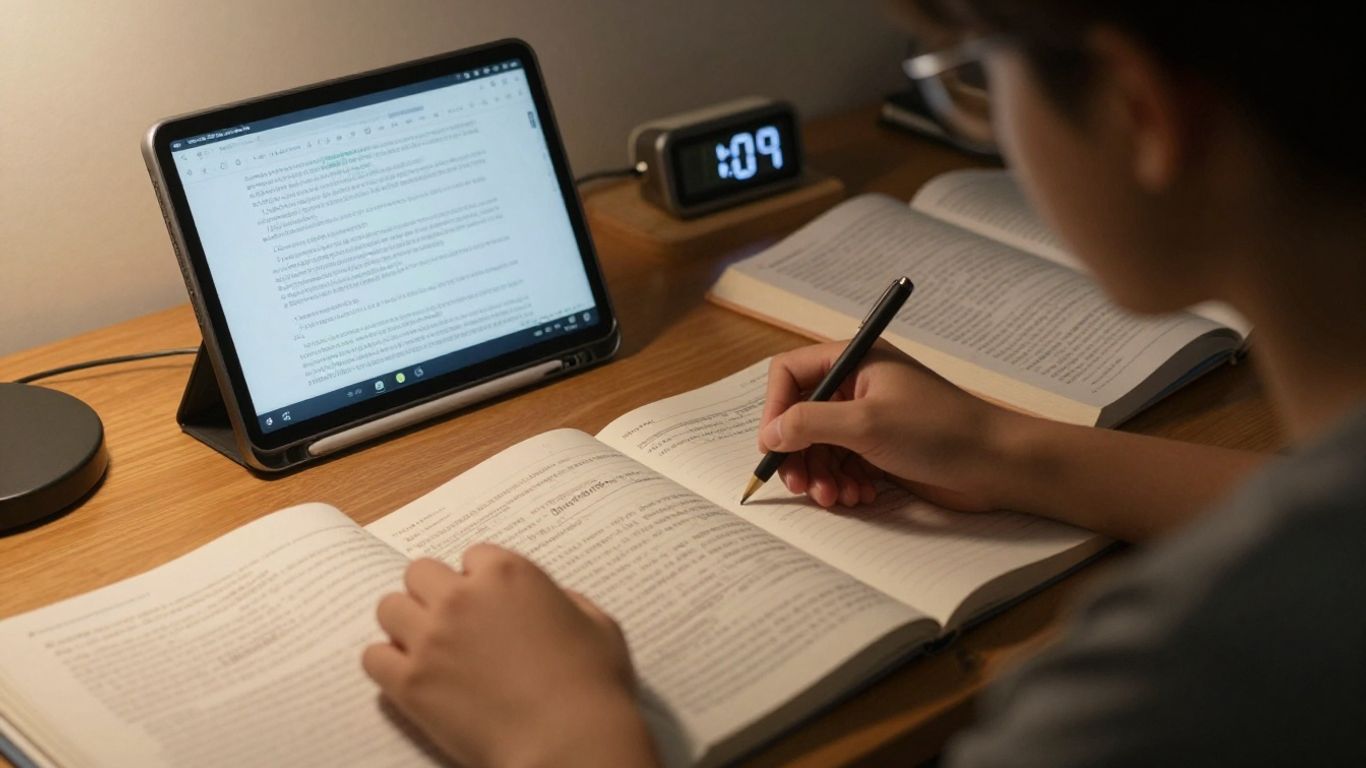
Okay, so you’ve got a study schedule down, but life happens, right? It’s not always a straight line. Your study schedule needs to be a living document, not set in stone. This means being ready to tweak things when your usual routine gets a shake-up or when you realize a certain approach just isn’t cutting it.
Adjusting for Night Owls and Early Birds
Not everyone’s brain fires on all cylinders at 8 AM. If you’re more of a night owl, forcing yourself into an early morning study block might feel like wading through mud. Conversely, if you’re an early bird, trying to focus late at night can be a real struggle. The key here is to align your most demanding study tasks with your peak productivity hours.
- Early Birds: Schedule your toughest subjects or complex problem-solving sessions for the morning when your mind is fresh. Use the afternoon for lighter review or group study.
- Night Owls: If you function best later in the day, plan your intensive study blocks from the afternoon into the evening. Just be mindful of not sacrificing sleep, as that’s counterproductive.
- Flexibility: Even if you have a preferred time, try to incorporate some shorter study sessions during other parts of the day. Those odd pockets of time between classes or appointments can be surprisingly productive for quick reviews.
Strategies for Limited Study Time
Sometimes, you just don’t have hours to dedicate. Maybe you’re juggling a part-time job, or you’ve got a packed social calendar. Don’t let limited time be an excuse to skip studying altogether. Instead, get smart about how you use it.
- Micro-Sessions: Break down your study goals into very small chunks. Instead of aiming for a two-hour block, try 25-minute focused sessions using a technique like Pomodoro. You can fit these into short breaks.
- Prioritize Ruthlessly: When time is tight, focus only on the most critical material. What’s absolutely essential for the exam? What are your weakest areas?
- Active Recall: Instead of passively rereading notes, use your limited time for active recall methods like flashcards or practice questions. This is a more efficient way to test your knowledge.
When you’re short on time, it’s easy to feel overwhelmed. The trick is to shift your mindset from "I don’t have enough time" to "How can I make the most of the time I have?" Even 15 minutes of focused study can make a difference if you’re intentional about it.
Modifying Your Schedule for Different Exam Types
Not all exams are created equal, and your study schedule shouldn’t be either. A multiple-choice test requires a different preparation strategy than an essay exam or a practical assessment.
- Multiple Choice: Focus on broad topic coverage, memorizing key terms, and understanding concepts. Practice tests that mimic the format are great.
- Essay Exams: Concentrate on understanding the underlying themes, developing arguments, and practicing writing out your responses under timed conditions. Outlining potential essay questions can be very helpful.
- Problem-Solving/Practical Exams: Dedicate more time to hands-on practice. Work through as many problems or scenarios as possible, focusing on the steps and logic involved. You might want to review your notes more frequently for these.
Remember, the goal is to create a study plan that works for you, not the other way around. Be prepared to adjust and adapt as you go.
Maximizing Productivity with Your Study Schedule
So you’ve got your schedule all mapped out, which is awesome. But how do you actually make sure you’re getting the most out of those study blocks? It’s not just about putting in the time; it’s about making that time count. Let’s talk about how to really crank up your study game.
Minimizing Distractions for Deep Work
Distractions are the enemy of focused studying. Think about your phone buzzing, social media notifications popping up, or even just random thoughts drifting into your head. These things pull you out of the zone and make it hard to get anything done. The trick is to create an environment where you can really concentrate.
- Turn off notifications: Seriously, put your phone on silent or airplane mode. Better yet, put it in another room.
- Close unnecessary tabs: If you’re studying on a computer, close anything that isn’t directly related to your current task.
- Find a quiet spot: This might mean a library, a quiet corner of your home, or even using noise-canceling headphones.
- Let others know: If you live with people, tell them you need uninterrupted study time. A simple sign on your door can work wonders.
The brain can only really focus intensely for about 45 minutes at a time. After that, your concentration starts to dip. Planning short, focused bursts of study followed by quick breaks is a smart way to work with your brain’s natural rhythm, not against it.
Active Learning Techniques Within Timed Sessions
Passive studying, like just rereading notes, isn’t very effective. You need to actively engage with the material. This means doing things that make your brain work a little harder to process and remember information. Using your timed sessions for these activities makes a huge difference.
Here are a few ideas:
- Practice questions: Instead of just reading, try answering questions related to the material. This is a great way to see what you actually know and where you need to review more.
- Summarize in your own words: After reading a section, try to explain it out loud or write it down without looking at your notes. This forces you to process the information.
- Teach it to someone else: Even if it’s just an imaginary friend or a pet, explaining a concept helps solidify your understanding.
- Create flashcards: This is a classic for a reason. Making and then testing yourself with flashcards is a very active way to learn.
Rewarding Progress and Maintaining Motivation
Studying can feel like a grind sometimes, so it’s important to keep your motivation up. One of the best ways to do this is by rewarding yourself for sticking to your schedule and achieving your goals. These rewards don’t have to be big; they just need to be something you look forward to.
Think about setting up a system like this:
| Goal Achieved | Reward |
|---|---|
| Completed a study block | 10-minute break for a snack or music |
| Finished a tough chapter | Watch one episode of your favorite show |
| Stuck to schedule for a week | A longer outing or a treat you like |
Remember, the key is to make sure the reward doesn’t derail your next study session. A quick break is great, but getting lost in a TV show might be counterproductive. Celebrate your wins, big or small, to keep that momentum going.
Wrapping It Up
So, there you have it. Creating a study schedule might seem like a lot at first, but honestly, it makes everything way less chaotic. It’s not about being perfect or sticking to a rigid plan every single second. It’s about giving yourself a roadmap so you know where you’re going and don’t end up cramming the night before. Remember, you can always tweak things as you go. The goal is to find what works for you, so you can actually learn the material without losing your mind. Give it a shot, and see how much smoother your study sessions become.
Frequently Asked Questions
Why is having a study schedule so important?
Think of a study schedule like a map for your learning journey. It helps you know exactly what you need to study, when you need to study it, and for how long. This way, you won’t waste time wondering what to do next, and you’ll be less likely to forget important topics. It’s like having a game plan to help you win your exams!
How can I make a study schedule that actually works for me?
Everyone is different! First, figure out what subjects need the most attention. Then, look at your daily life – when do you have free time? Maybe you’re a morning person, or maybe you focus best at night. Plug study times into those free slots, but also make sure to schedule in breaks and fun stuff so you don’t get burned out. It’s all about finding what fits your rhythm.
What’s the deal with study timers and short study blocks?
Using a timer, like for 25 or 45 minutes, helps you focus super hard during that time. It’s like a mini-challenge to get as much done as possible. After the timer goes off, you take a short break. This helps your brain rest and get ready for the next burst of studying. It’s way better than staring at your books for hours without a break!
How do I balance studying with other parts of my life?
It’s super important to not just study all the time! Your schedule should include time for friends, family, hobbies, and just relaxing. When you have fun things planned, you’ll be more motivated to finish your study tasks. Think of it like earning your playtime by getting your work done first.
What if I have very little time to study?
Even a little bit of time can be useful! If you only have 30 minutes, set a clear goal for that session, like reviewing a few flashcards or reading one chapter. Focus intensely during that short time. You can also use breaks between classes or during your commute to quickly review notes. Every little bit counts!
How can I stay motivated when sticking to my study schedule?
Motivation can be tricky! Try rewarding yourself after you complete a tough study session – maybe watch an episode of your favorite show or grab a snack. Also, remember why you’re studying in the first place. Seeing your progress, even small steps, can be a big motivator. And don’t forget to get enough sleep; it makes a huge difference!