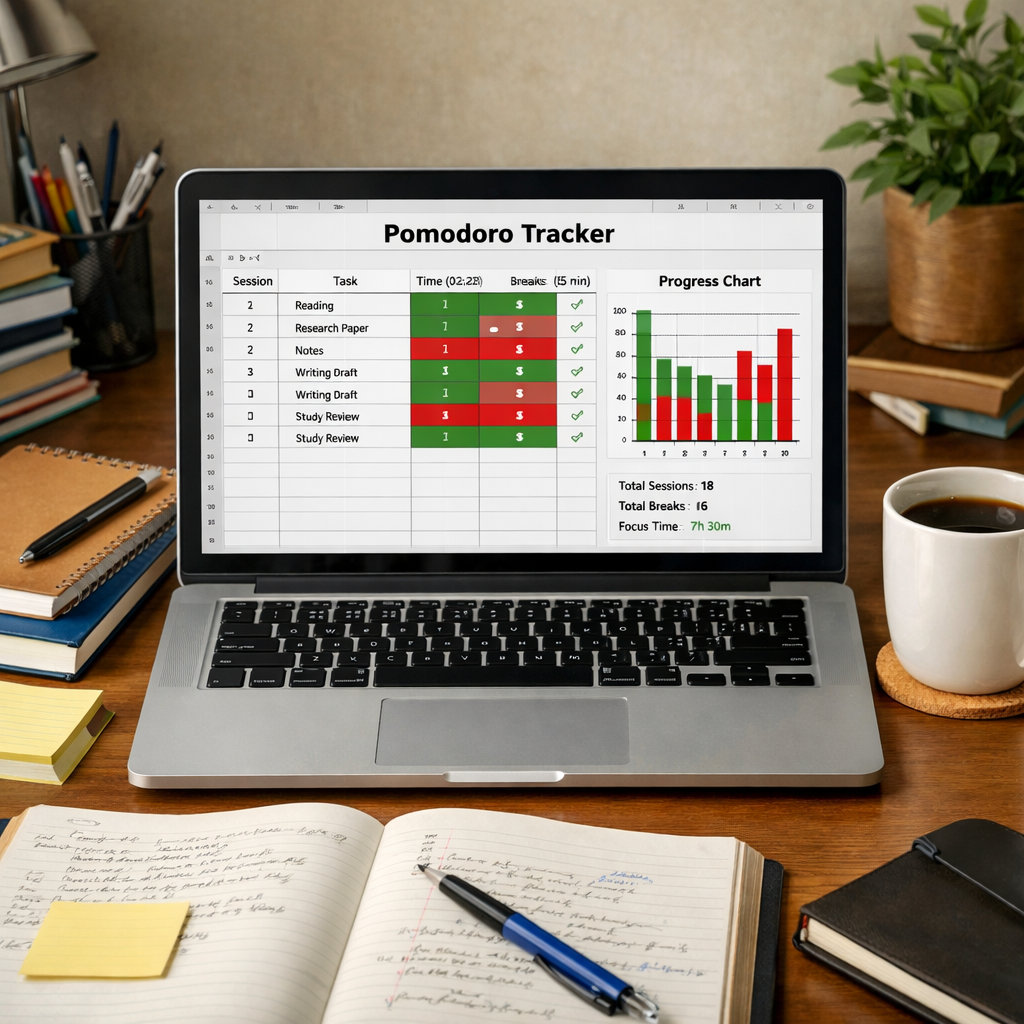

Feeling like your workday is a constant rush, with endless tasks and not enough hours? You’re definitely not alone. So many of us struggle to keep up with everything, which can be pretty stressful and make it hard to get the important stuff done. But what if you could actually get a handle on your time, focus better, and get way more accomplished? That’s where using deep work calendar blocks comes in. It’s a straightforward but really effective way to structure your time, making sure the things that matter most actually get your attention. Think of it as giving your calendar a clear plan, instead of just letting it fill up randomly.
Key Takeaways
- Using deep work calendar blocks means setting aside specific times on your schedule for certain tasks or activities, turning your to-do list into a concrete plan.
- This approach helps you concentrate on one thing at a time, cutting down on distractions and really boosting how much you get done.
- To get started, figure out what’s most important, guess how long tasks will take, and remember to add some extra time for unexpected things.
- Smarter methods like flexible blocking and setting aside specific times for meetings can help create schedules that are both structured and adaptable.
- Using digital tools and setting firm boundaries for your personal time are important for making deep work calendar blocks work for the long haul and avoiding burnout.
Understanding The Power Of Deep Work Calendar Blocks
What Is Calendar Time Blocking?
So, what exactly is calendar time blocking? Think of it like this: instead of just having a to-do list floating around, you’re actually assigning specific times on your calendar for each task. It’s about taking your daily or weekly tasks and slotting them into dedicated chunks of time. So, instead of a vague "work on project X" on your list, your calendar might say "9:00 AM – 10:30 AM: Draft Project X proposal." It’s a way to get really intentional about where your time goes, day by day.
Why Calendar Time Blocking Is Essential For Modern Professionals
In today’s world, our days can feel like a constant juggling act. Emails ping, messages pop up, and meetings seem to fill every available gap. It’s easy to feel like you’re busy all day but not actually getting the important stuff done. Time blocking helps cut through that noise. It’s a strategy that helps you regain control and focus on what truly matters, aligning your attention with your actual intentions. For many of us, it’s the difference between feeling overwhelmed and feeling in command of our workday. It’s particularly helpful if you find yourself trying to do too many things at once or if you just need a clearer picture of where your hours are disappearing.
When you start to see your calendar not just as a schedule of appointments, but as a map of your intentions, everything changes. It becomes a tool for directing your energy where it will have the most impact, both professionally and personally. This shift from passive acceptance to active direction is where the real power lies.
The Proven Benefits Of Intentional Scheduling
When you start scheduling your time with purpose, some pretty great things start to happen. You’re not just reacting to whatever comes your way; you’re proactively deciding what gets your attention and when. This can lead to a significant boost in how much you actually accomplish.
Here are some of the key advantages:
- Increased Focus: By dedicating specific blocks for tasks, you minimize distractions and can get into a state of deep work more easily.
- Better Prioritization: You’re forced to think about what’s most important and allocate time accordingly, rather than just tackling the easiest or loudest task first.
- Reduced Stress: Knowing what you need to do and when you’ll do it can significantly lower anxiety and the feeling of being constantly behind.
- Improved Work-Life Balance: You can actually schedule in personal time, breaks, and downtime, making sure those things don’t get pushed aside.
Mastering The Fundamentals Of Deep Work Calendar Blocks
So, you’ve heard about time blocking and you’re ready to give it a shot. That’s great! But before you start filling every single minute of your day, let’s talk about getting the basics right. It’s not just about drawing lines on a calendar; it’s about making those lines work for you. This method helps reduce context switching, protect focused work periods, and prevent burnout. By dedicating time to activities, you can improve efficiency and manage your workload more effectively. The resource offers tips, methods, and examples to implement time blocking.
Prioritizing Your Daily Tasks Effectively
First things first, you can’t block out time for tasks if you don’t know what’s actually important. Trying to schedule everything without a clear idea of priorities is like trying to pack a suitcase without knowing where you’re going. You’ll just end up stuffing random things in. So, before you even open your calendar, take a few minutes to figure out what absolutely needs to get done today. Think about your main goals for the week and what tasks directly contribute to them. Don’t just go by what feels urgent; focus on what’s truly important.
Estimating Task Durations Accurately
This is where a lot of people trip up. We tend to be overly optimistic about how long things will take. If you’re not sure, try tracking your time for a few days. You might be surprised. For example, if you think writing a report takes two hours, but it actually takes three, your whole schedule gets thrown off. It’s better to overestimate slightly than to underestimate. This helps you build a realistic plan.
Here’s a simple way to start thinking about it:
- Quick Tasks: Things that take less than 30 minutes.
- Medium Tasks: Tasks that take between 30 minutes and 2 hours.
- Large Projects: Tasks that require multiple blocks of time, often spread over days.
Auditing Your Calendar For Reclaimable Time
Take a good look at your current calendar. Are there meetings that could be shorter? Are there recurring tasks that could be batched together? Maybe you have a lot of small, unrelated tasks that eat up time. Look for opportunities to consolidate or eliminate things that aren’t serving your main goals. It’s okay to question your commitments and see if they still align with what you need to achieve. Sometimes, just identifying these time sinks is the first step to freeing up space for what matters.
Getting these fundamentals down means you’re building a solid foundation for a time-blocked schedule that actually helps you get more done, without feeling completely overwhelmed. It’s about making your calendar a tool for directing your energy where it will have the most impact.
Advanced Deep Work Calendar Blocks Techniques For Peak Performance
So, you’ve got the hang of basic time blocking. You’re putting tasks into your calendar, and it’s helping. But what if you want to really dial things up, get into that zone where you’re just crushing it? That’s where these advanced techniques come in. They’re not just about filling slots; they’re about making those slots work smarter for you.
Batching Similar Tasks To Minimize Context Switching
Switching between different types of tasks is like trying to run a marathon and then immediately doing a sprint. It’s exhausting and inefficient. Batching means grouping similar tasks together and doing them all at once. So, instead of checking emails every hour, you set aside a specific block for email. Same goes for administrative work, creative brainstorming, or even making phone calls. This allows your brain to stay in one mode for longer, which means you get more done, faster.
Here’s a quick look at how batching can work:
| Task Type | Batching Strategy |
|---|---|
| Email/Messages | 2-3 dedicated blocks per day |
| Admin Tasks | 1-2 blocks per week |
| Creative Work | Longer, protected blocks during peak energy times |
| Calls/Follow-ups | Grouped into a single block |
Dynamic Time Blocking For Adaptable Schedules
Rigid schedules are tough. Life happens, right? A client calls with an urgent issue, or a brilliant idea strikes that you just have to explore. Traditional time blocking can feel like a straitjacket when this occurs. Dynamic time blocking is the answer. It’s about building flexibility into your structure. Think of it like a river – it flows around obstacles, but it keeps moving forward. You protect your most important work, like deep focus sessions, but allow for more wiggle room with less critical tasks. This means if a meeting runs over or a task takes longer, you can adjust without your whole day falling apart.
The key here is to protect your high-priority deep work blocks fiercely, while allowing for some give in less critical, more reactive tasks. It’s about creating a resilient structure, not a brittle one.
Leveraging Digital Tools For Enhanced Calendar Time Blocking
Okay, so we’ve talked about the ‘why’ and ‘how’ of time blocking. Now, let’s get real about making it actually work in our busy lives. The truth is, just scribbling blocks on a paper calendar isn’t going to cut it for most of us anymore. We need tools that can keep up.
Designing Comprehensive Digital Planners:
Forget those basic calendar apps. We’re talking about digital planners that are basically command centers for your day. These aren’t just for scheduling meetings; they can link your tasks, track project progress, and even help you see how your time is allocated across different goals. Think of them as a way to manage your entire workflow, not just your appointments. Many of these planners let you switch views – see your day, your week, or even your month at a glance. This helps you spot where your time is going and if it lines up with what you want to be doing.
Key Components Of Effective Deep Work Calendar Blocks

So, you’ve got the idea of blocking out time for focused work. That’s great. But just drawing lines on a calendar isn’t enough. To really make these blocks work, you need to think about a few specific things. It’s like building a house – you need a solid foundation and the right materials.
Block Design
First off, how do you actually design these blocks? It’s not just about picking random times. You need to think about what you’re trying to achieve. Are you working on a big project that needs a solid chunk of time, or is it a smaller task? The design should match the goal. For really important, strategic work, you’ll want longer, uninterrupted blocks. For smaller, more focused tasks, shorter blocks might be better. The key is making the block’s length and timing fit the actual work you need to do.
Labeling & Priority
What do you call your blocks? Just writing "Work" isn’t very helpful. You need to be specific. Instead of "Admin," try "Process Invoices" or "Respond to Client Emails." This makes it clear what you’re supposed to be doing. It also helps you see if you’re spending too much time on low-value tasks. Assigning a priority level to each block can also be useful, especially if you have competing demands on your time. Think of it like this:
| Block Label | Priority | Expected Outcome |
|---|---|---|
| "Strategic Planning" | High | Draft Q3 Initiative Plan |
| "Team Sync – Project X" | Medium | Update on Milestones |
| "Review Team Performance" | High | Identify Development Needs |
Buffer & Transition Time
This is a big one that people often forget. You can’t just jump from a deep focus session straight into a noisy team meeting without some kind of break. Your brain needs time to switch gears. Adding short buffers, maybe 10-15 minutes, between different types of blocks can make a huge difference. This time can be used to quickly jot down notes from the previous block, grab a coffee, or just take a few deep breaths. It prevents that feeling of being constantly rushed and helps you maintain focus.
Stop Or Switch Rule
When you set a time block, especially for a specific task, you need a rule for when to stop. If you’ve allocated 45 minutes to "Research Competitor Pricing," you should aim to finish within that time. If you’re not done, you have a choice: either schedule another block to finish it, or decide that the progress you’ve made is good enough for now and move on. This rule helps prevent tasks from dragging on forever and eating into other important blocks. It forces you to be more decisive and realistic about how long things actually take.
Practical Application Of Deep Work Calendar Blocks

So, you’ve got the theory down. You know why deep work blocks are a game-changer and how to set them up. Now comes the part where we actually make it happen. This isn’t just about drawing lines on a digital calendar; it’s about making those blocks work in the real world, with all its messy interruptions and unexpected demands. It takes a bit of effort, but the payoff is huge.
Communicate And Protect Your Blocks
This is where a lot of people stumble. You’ve carved out that precious two-hour block for strategic planning, only to have it immediately filled by a last-minute meeting request. The key is to treat your deep work blocks like any other important appointment. That means telling your colleagues, your team, and even your boss about these times. Let them know that during these specific hours, you’re focusing on high-priority, uninterrupted work. It’s not about being unapproachable; it’s about setting clear expectations. If a request comes in that conflicts, don’t just cancel your block. See if it can be delegated, rescheduled for a less critical time, or handled by someone else. Consistency here signals discipline and respect for your own time and priorities. It’s about building a culture where focused work is valued.
Review Weekly And Refine
Your calendar isn’t a static document; it’s a living thing. What worked last week might not work this week. Set aside 30 minutes every Friday afternoon to look back at your calendar. Ask yourself: Did I stick to my deep work blocks? What got in the way? Were my time estimates accurate? Did I build in enough buffer time? Use these insights to adjust your blocks for the upcoming week. Maybe you need shorter blocks, or perhaps you need to be more aggressive about protecting them. This regular check-in is vital for making sure your time blocking system evolves with your needs and doesn’t become a rigid, outdated plan. It’s how you keep the system effective over time.
Real-World Tech Executive Example
Let’s look at a concrete example. Sarah, a VP of Engineering at a fast-growing software company, was feeling swamped. She implemented deep work blocks by scheduling two 90-minute sessions each morning for
Common Pitfalls And Solutions For Deep Work Calendar Blocks
So, you’ve set up your deep work blocks, feeling pretty good about it. But then, life happens, right? It’s easy to run into a few snags that can make your carefully planned schedule feel more like a suggestion that gets ignored. Let’s talk about some of the usual suspects and how to sidestep them.
Blocks Are Too Rigid In A Fast-Changing Environment
This is a big one, especially if your job involves a lot of unexpected requests or urgent issues. Trying to stick to a super-strict schedule when things are constantly shifting can feel like trying to hold water in your hands. You end up feeling frustrated because your plan didn’t account for reality.
Solution: Instead of blocking out huge chunks of time that are hard to protect, try using shorter, more focused sessions. Think 60 to 90 minutes for deep work. This makes it easier to defend that time. Also, build in a little bit of flexibility. Maybe you don’t fill every single minute, leaving some room to shift things if something truly urgent pops up. It’s about being adaptable, not rigid.
Underestimating Transition Costs
We often forget that moving from one task to another isn’t instant. You don’t just finish writing an email and immediately jump into complex problem-solving with a clear head. There’s a mental shift involved, and sometimes, a physical one too (like walking to a different room or grabbing a coffee).
Solution: Always add buffer time between your blocks. A 10-15 minute gap between a deep work session and a meeting, or between two different types of tasks, can make a world of difference. This buffer lets your brain reset and prepare for the next thing, reducing that feeling of being rushed or scattered.
Failing To Review Or Adapt Regularly
Your calendar isn’t a set-it-and-forget-it kind of thing. What worked last month might not work this month. If you’re not looking back at how your blocks are actually playing out, you’re missing out on chances to improve.
Solution: Make time for a weekly review. Seriously, put it on your calendar! Every Friday afternoon, spend 15-30 minutes looking at the past week. Did you stick to your blocks? What got in the way? Why? Use these insights to tweak your schedule for the upcoming week. Maybe a certain type of task needs a longer block, or perhaps you need more buffer time before your afternoon meetings.
Using Blocks As Filler Rather Than Purpose-Driven Time
Sometimes, we just fill empty calendar slots with vague tasks like "Work on Project X" or "Admin." This can lead to procrastination because there’s no clear goal for that block. It feels like busywork rather than productive effort.
Solution: Be super specific about what you want to achieve in each block. Instead of "Strategy Meeting," try "Outline Q3 Marketing Strategy." For deep work, define the tangible outcome. For example, "Draft first chapter of the report" or "Debug the user authentication module." This gives you a clear target and makes it easier to know when you’re actually done.
The biggest mistake is treating your calendar as a passive record of what happened, rather than an active tool for directing your energy. If your blocks don’t have a clear purpose and a defined outcome, they’re just pretty colors on a screen. Get specific, get intentional, and watch your productivity climb.
Putting It All Together
So, we’ve gone over how to set up time blocks, why they’re a game-changer for getting stuff done, and even some fancy ways to make them work even better. It might seem like a lot at first, but honestly, just starting with one or two blocks a day can make a huge difference. Remember, the goal isn’t to fill every second, but to make sure the time you do spend is on the things that actually matter. Give it a try, see what works for you, and don’t be afraid to tweak it as you go. You’ve got this.
Frequently Asked Questions
What exactly is time blocking?
Time blocking is like making a plan for your day using your calendar. Instead of just having a list of things to do, you actually put specific times on your calendar for each task. So, you might block out 9 AM to 10 AM for ‘Write Report’ or 2 PM to 3 PM for ‘Answer Emails’. It helps you decide exactly where your time will go.
Why is time blocking good for people who work a lot?
In today’s world, there are so many things competing for our attention, like emails and messages. Time blocking helps you focus on what’s really important. It’s a way to take back control of your day and make sure you’re working on the things that matter most, instead of just reacting to whatever comes up.
How can I figure out what tasks are most important to block time for?
Before you start blocking time, you need to know what’s most important. Think about what absolutely needs to get done today. Try to pick just 1-3 main goals for the day. If a task is really big, break it down into smaller steps that you can schedule more easily.
What if my tasks take longer than I thought they would?
It’s common for tasks to take more time than we expect. A good tip is to add a little extra time to your estimates, just in case. Also, it’s smart not to fill your whole day with blocked tasks. Leave some empty space, like 10-20%, for unexpected things or tasks that run over. This is like a safety net.
I have a lot of meetings. How can time blocking help?
Time blocking can help you see where your meetings are taking up time. You can also try ‘batching’ similar tasks. This means grouping things like answering emails or making phone calls into specific blocks instead of doing them all day. You can also try setting up ‘meeting lanes,’ which are specific times of the day for meetings, so they don’t interrupt your focused work.
What if my schedule changes a lot? Is time blocking too strict?
It’s true that schedules can change. That’s why ‘dynamic time blocking’ is useful. It means building some flexibility into your plan. You protect the most important work, but allow for some wiggle room with other tasks. If something unexpected happens, you can adjust your schedule without your whole day falling apart. It’s about being organized but also adaptable.