Feeling scattered and like your to-do list is just a suggestion? You’re not alone. So many of us struggle to really lock in and get work done. But what if there was a simple way to break free from distractions and actually make progress? That’s where a customizable pomodoro timer comes in. It’s not just another app; it’s a tool to help you work smarter, not harder.
Key Takeaways
- A customizable pomodoro timer lets you set your own work and break times, fitting your personal workflow.
- You can link your tasks directly to focus sessions, making it easier to track what you’re doing and what’s next.
- Personalizing the timer’s look, like themes, can make your workspace feel more inviting and help you stay motivated.
- Advanced features such as progress reports and cross-device syncing can give you a clearer picture of your productivity habits.
- Choosing the right customizable pomodoro timer means looking at what features matter most to you and how it works on your devices.
Understanding the Customizable Pomodoro Timer

Ever feel like your workday is just a blur of tasks with no real structure? You’re not alone. That’s where the Pomodoro Technique comes in, and a customizable timer takes it to the next level. It’s a simple yet powerful way to manage your time and get more done without burning out.
The Core Principles of the Pomodoro Technique
The Pomodoro Technique, developed by Francesco Cirillo, is built on a straightforward idea: break your work into focused intervals, traditionally 25 minutes long, separated by short breaks. These work intervals are called "pomodoros." After completing four pomodoros, you take a longer break. This method is all about working with time, not against it. It helps you stay present with your task and gives your brain regular opportunities to rest and reset. It’s a proven way to boost your efficiency.
Benefits of Structured Work Intervals
Why bother with these timed sessions? Well, the benefits are pretty significant. For starters, it really helps with focus. Knowing you only have to concentrate for a set period makes it easier to avoid distractions. Plus, those regular breaks are key to preventing mental fatigue. Instead of pushing through until you’re exhausted, you’re working in sustainable bursts. This structured approach can lead to:
- Improved Concentration: Short, focused bursts make it easier to stay on task.
- Reduced Mental Fatigue: Regular breaks prevent burnout and keep your mind fresh.
- Better Time Awareness: You start to get a real feel for how long tasks actually take.
- Increased Output: Working smarter, not just longer, often means getting more done.
How a Customizable Pomodoro Timer Enhances Focus
While the basic Pomodoro Technique is great, a customizable timer is where things get really interesting. Not everyone works best with a strict 25-minute timer. Maybe you have a task that requires 45 minutes of deep concentration, or perhaps you find a 5-minute break isn’t quite enough to recharge. A customizable timer lets you tweak these durations to fit your personal workflow and the specific demands of your tasks. You can adjust work periods, break lengths, and even the number of pomodoros before a long break. This flexibility is what makes the technique truly adaptable and effective for a wide range of people and jobs.
The real power of a customizable timer lies in its ability to adapt to you. It’s not about forcing your work into a rigid structure, but about building a structure that supports your natural working style and helps you achieve your goals more effectively.
Tailoring Your Focus Sessions
The standard Pomodoro timer is great, but what if your tasks don’t fit neatly into 25-minute blocks? That’s where customization comes in. A good Pomodoro app lets you tweak the settings to match your workflow, not the other way around. This flexibility is key to making the technique truly work for you.
Customizing Work and Break Durations
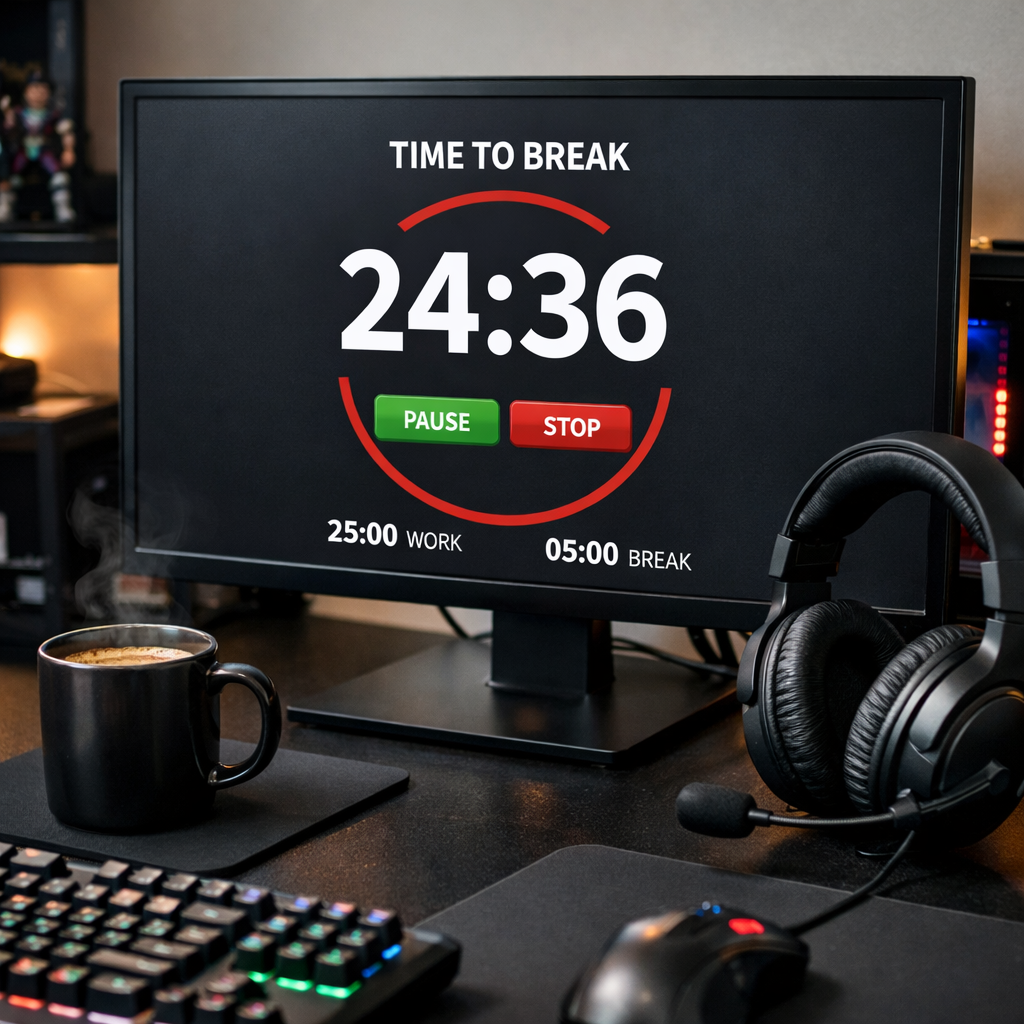
Most Pomodoro apps come with default settings – usually 25 minutes of work and 5 minutes of break. But what if you find yourself really getting into a groove and want to extend that focus time? Or maybe you need shorter bursts for quick tasks. Being able to adjust these durations is a game-changer.
Here’s a look at how you might set things up:
- Longer Focus Blocks: For deep work like writing a report or coding, you might set your work intervals to 45 or even 50 minutes.
- Shorter Bursts: For tasks that require quick, sharp focus, like answering emails or making calls, 15-20 minute intervals might be more effective.
- Break Lengths: Similarly, you can adjust break times. A 5-minute break is good for a quick stretch, but a longer 10-15 minute break might be better after a particularly long work session.
It’s all about finding what keeps you engaged without burning out.
Personalizing Session Lengths for Any Task
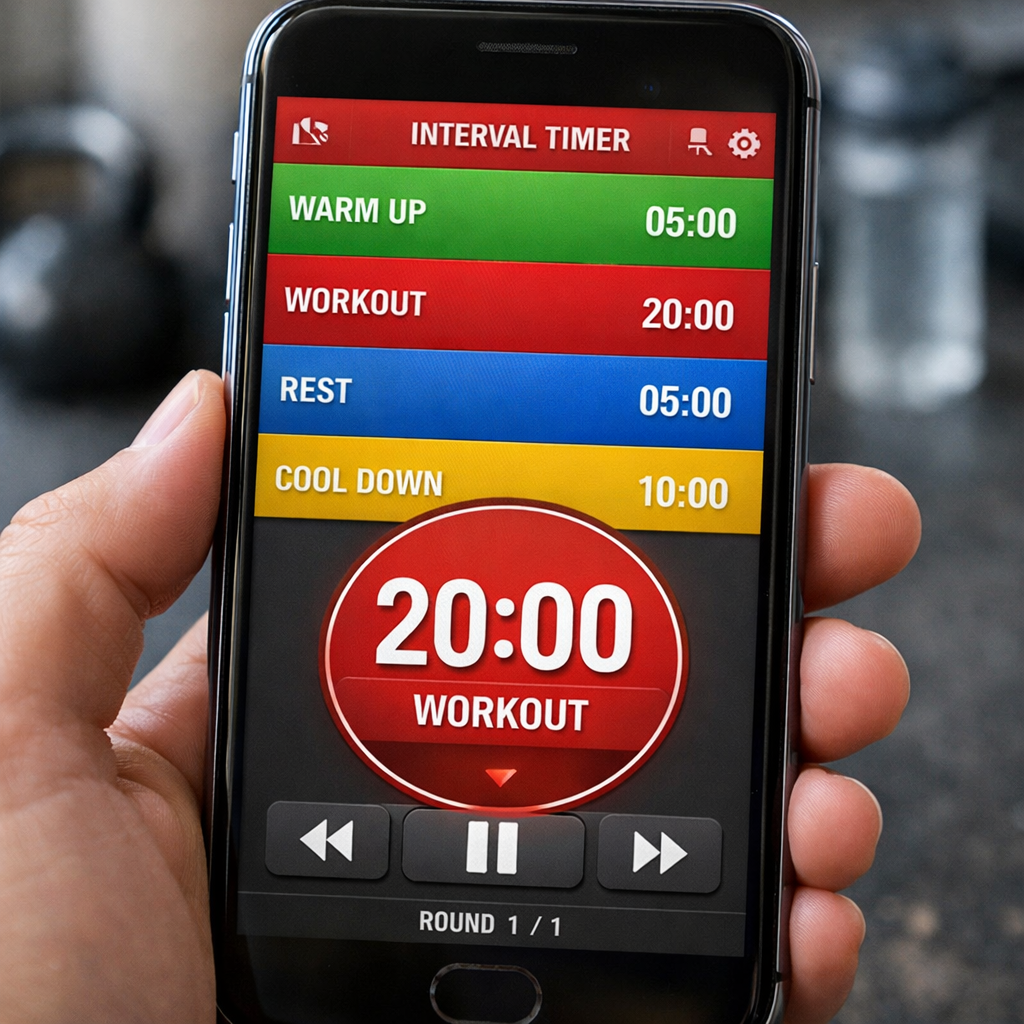
Think about the different kinds of work you do. A complex project requires a different approach than a simple to-do list item. A customizable timer acknowledges this. You can set up different timer profiles for different types of tasks. For instance, you could have a ‘Deep Work’ profile with 50-minute focus sessions and 10-minute breaks, and a ‘Quick Tasks’ profile with 15-minute sessions and 3-minute breaks.
The beauty of a customizable timer is that it adapts to your life, not the other way around. Instead of forcing yourself into a rigid structure, you build a structure that supports your natural working style and the demands of your tasks.
Adjusting Timers to Your Unique Rhythm
Everyone has a different energy cycle throughout the day. Some people are morning larks, others are night owls. A timer that you can adjust allows you to work with your natural rhythm. If you find your focus dips after lunch, maybe you schedule shorter work intervals during that time. If you hit a peak in the late afternoon, you can extend your focus sessions then. Experimentation is key here. Try different combinations and see what feels most productive and sustainable for you over the long haul.
Integrating Task Management with Your Timer

So, you’ve got your Pomodoro timer set up, and you’re ready to buckle down. But what exactly are you supposed to be working on during those focused bursts? That’s where bringing your to-do list into the mix really makes a difference. It’s not just about timing yourself; it’s about timing the right things.
Organizing Tasks Alongside Focus Blocks
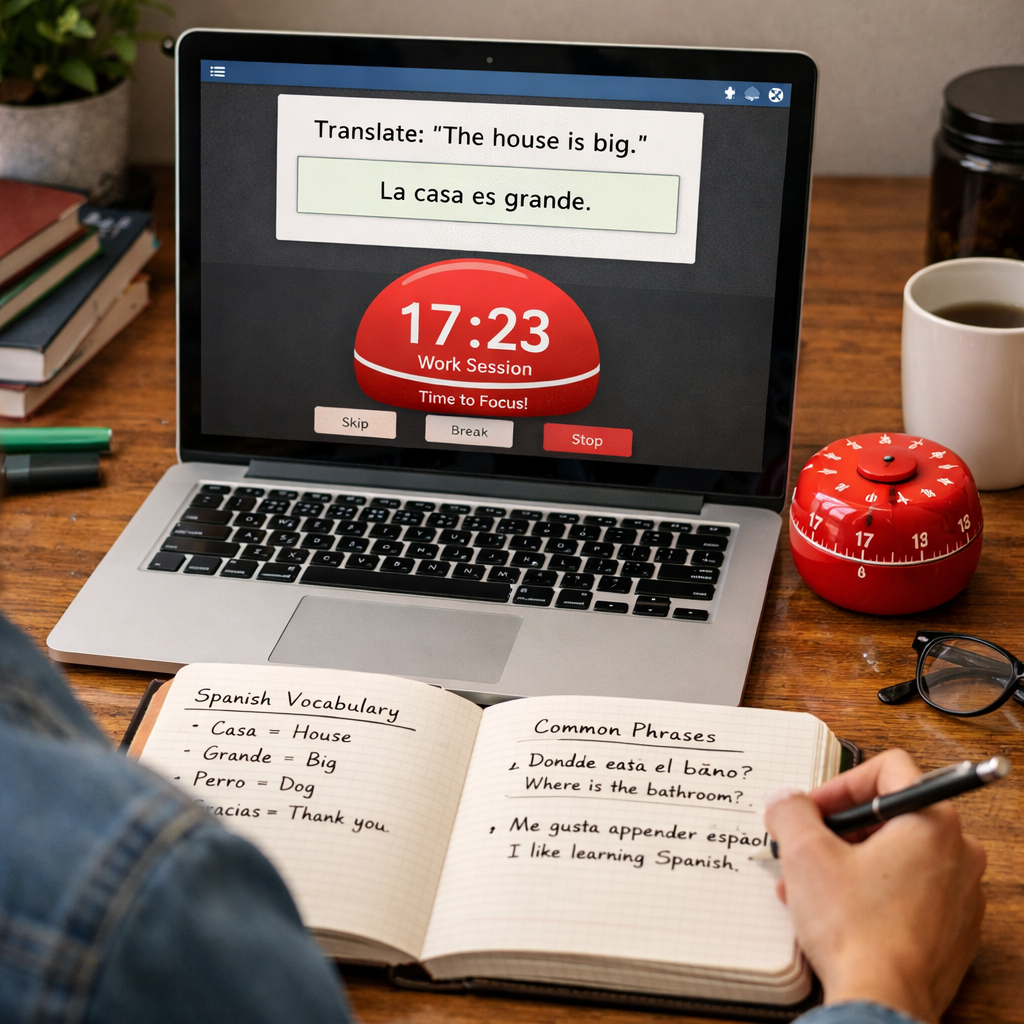
Think of your Pomodoro timer as the engine and your task list as the fuel. Without a clear list of what needs doing, those 25-minute sprints can feel a bit aimless. Most customizable Pomodoro apps let you jot down tasks right inside the app. This means you can pick your next task, set the timer, and dive right in, all without switching between different programs. It keeps everything in one place, which honestly, is a lifesaver when you’re trying to stay on track.
Here’s a simple way to get started:
- List everything: Before you start your day, or even your week, write down all the tasks you need to accomplish. Don’t worry about order yet.
- Prioritize: Figure out which tasks are most important or urgent. You can often use color-coding or simple labels for this.
- Assign tasks to Pomodoros: Look at your list and decide which tasks fit into one or two Pomodoro sessions. Bigger tasks might need several sessions.
- Start the timer: Pick a task, start your Pomodoro, and focus only on that one thing until the timer goes off.
Tracking Progress with To-Do Lists
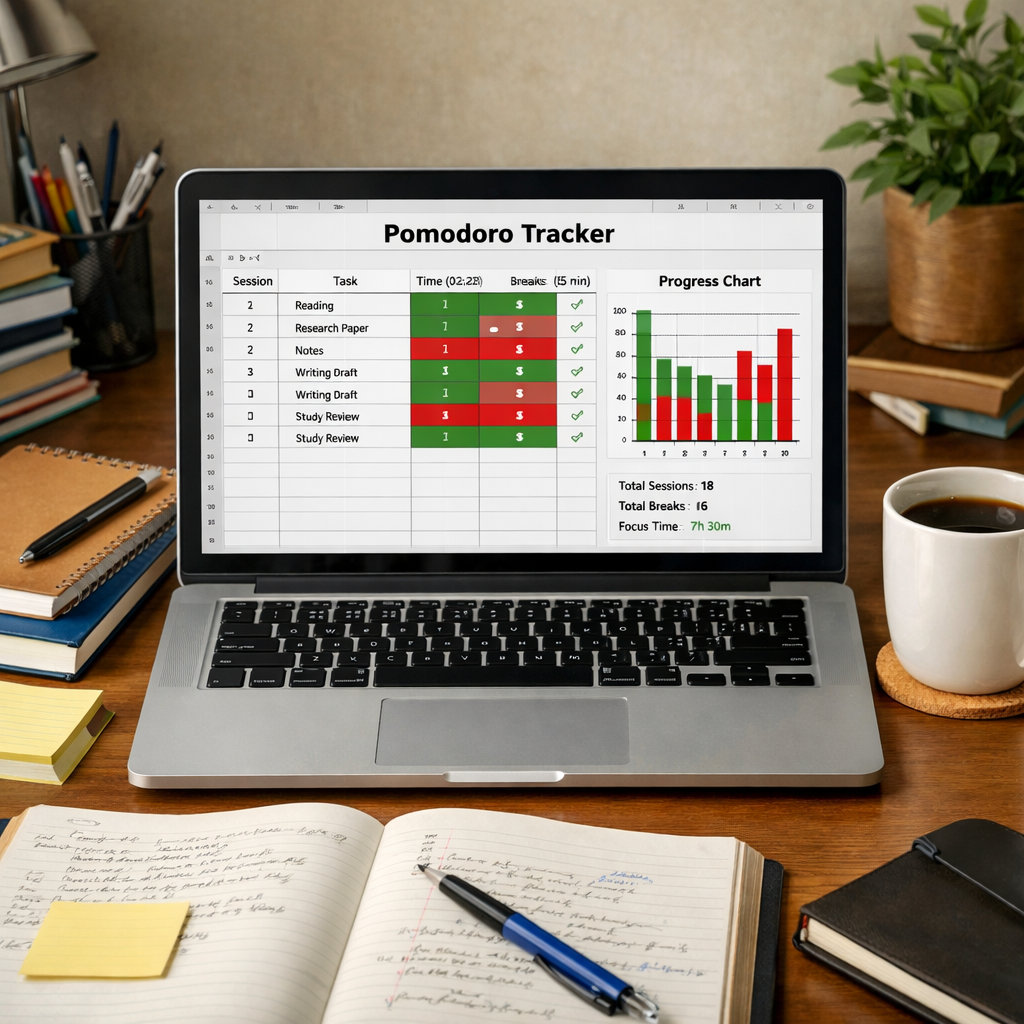
Seeing what you’ve accomplished is a huge motivator. When you finish a task or a Pomodoro session dedicated to a task, marking it off your list provides a little hit of satisfaction. It’s a visual cue that you’re making progress. Some apps even let you see how many Pomodoros you’ve spent on specific tasks, giving you a clearer picture of your workload and how long things actually take.
Managing Projects and Sub-tasks Effectively
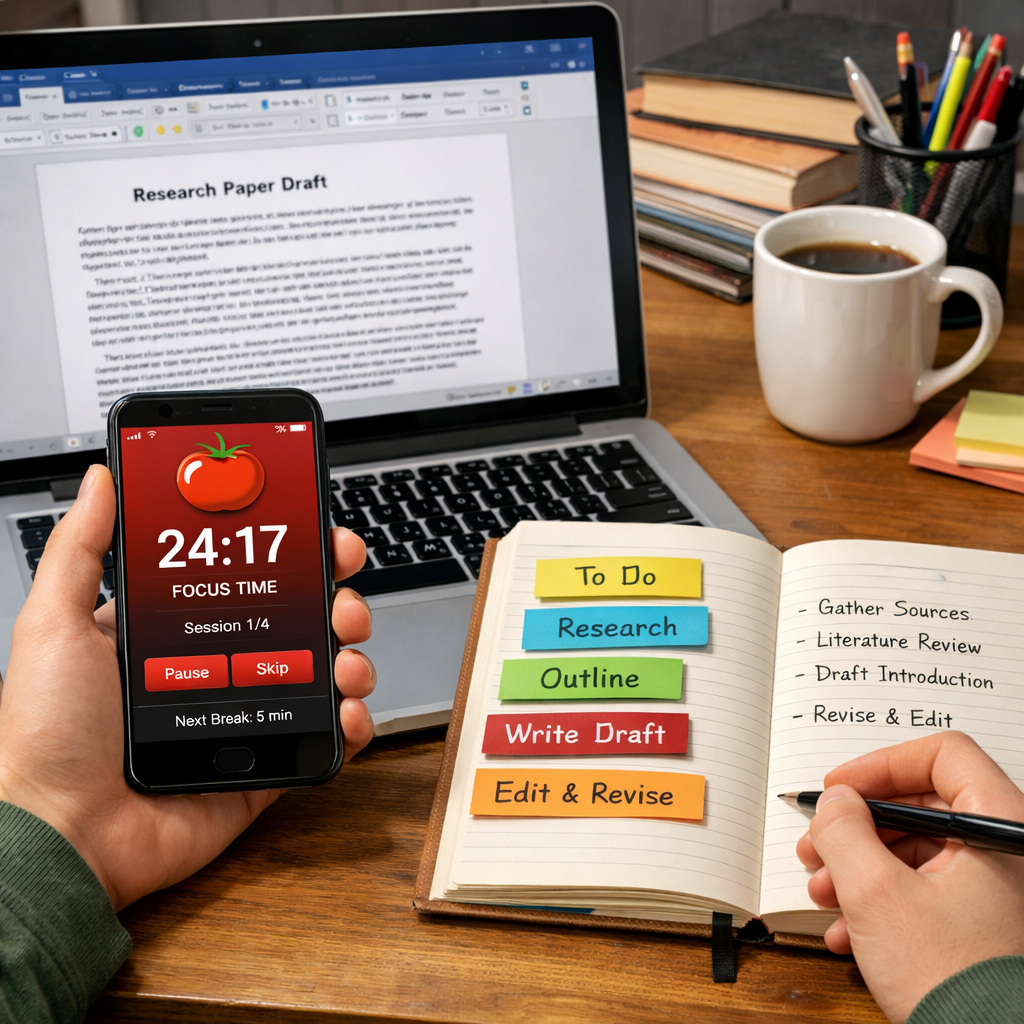
For bigger projects, breaking them down is key. You can’t just ‘write a report’ in one Pomodoro. But you can ‘outline the report’ or ‘write the introduction’. Many apps allow you to create sub-tasks or checklists within a main task. This makes daunting projects feel much more manageable. You can then assign individual Pomodoro sessions to these smaller, actionable steps. It’s like eating an elephant one bite at a time, but with a timer keeping you honest.
When you combine a timer with a task list, you’re not just managing your time; you’re actively directing your energy towards what matters most. It turns vague intentions into concrete actions, making productivity feel less like a struggle and more like a system.
This integration means you’re always clear on your next step, reducing that mental load of trying to remember what you should be doing. It’s a straightforward way to get more done without feeling overwhelmed.
Enhancing Your Workspace with Personalization
Making your Pomodoro timer app feel like your own can really make a difference in how you approach your work. It’s not just about the timer ticking away; it’s about creating an environment that feels good to be in. Think about it – if your workspace, even a digital one, is visually appealing and matches your mood, you’re probably going to be more inclined to actually use it.
Choosing Themes for a Motivating Environment
Many customizable Pomodoro apps let you change the look and feel. This isn’t just for show; it can actually impact your mindset. Some apps offer a range of color palettes, from calming blues and greens to energetic reds and oranges. Picking a theme that suits your personality or the type of task you’re doing can make a big difference. For instance, a bright, vibrant theme might be great for tackling a creative project, while a more subdued, minimalist theme could be better for deep, focused work.
Visualizing Productivity Through App Features
Some apps go a step further by adding visual elements that represent your progress. One cool idea is a virtual plant that grows the more focused sessions you complete. It’s a simple concept, but seeing that little plant flourish can be surprisingly motivating. It turns your productivity into something tangible, a little reward for sticking to your schedule. Other apps might show progress bars or completion streaks, giving you a clear picture of your accomplishments.
Creating an Enjoyable and Engaging Workspace
Ultimately, personalizing your timer app is about making the process of working more enjoyable. When you have control over how things look and feel, it stops being just another tool and starts feeling like a part of your personal workflow. This can lead to better habits and, yes, more productivity. It’s about making the time you spend working feel less like a chore and more like a focused, rewarding activity.
The little touches matter. When an app allows for personalization, it acknowledges that everyone works differently and has different preferences. This flexibility can turn a functional tool into a genuinely pleasant part of your day.
Maximizing Productivity with Advanced Features
Beyond just setting a timer, many customizable Pomodoro apps offer features that really help you get more done. These aren’t just bells and whistles; they can actually change how you work.
Utilizing Reminders and Motivational Nudges
Sometimes, you just need a little nudge to get back on track or to take that much-needed break. Good apps will let you set up reminders not just for when a work session ends, but also for when a break is over. Some even offer motivational messages that pop up, which can be surprisingly effective when you’re feeling stuck. It’s like having a little coach in your pocket.
Analyzing Performance with Detailed Reports
Ever wonder where all your time goes? Advanced timers often come with reporting tools. These can show you:
- How many Pomodoros you completed in a day or week.
- Which tasks took the most focus time.
- Your average work session length.
- Your break patterns.
Looking at this data can help you spot trends and figure out where you can improve. Maybe you’re taking breaks that are too long, or perhaps certain types of tasks consistently take more focus than you thought.
Leveraging Cross-Platform Synchronization
If you use multiple devices – say, a phone and a laptop – synchronization is a game-changer. It means your task list and your timer progress are updated everywhere. You can start a Pomodoro on your computer and then check its status on your phone without missing a beat. This keeps your workflow smooth, no matter where you are.
The real power of these advanced features lies in their ability to provide feedback and continuity. Without them, a Pomodoro timer is just a countdown. With them, it becomes a tool for self-improvement and consistent progress.
Choosing the Right Customizable Pomodoro Timer
So, you’re ready to get serious about your focus and productivity using a Pomodoro timer. That’s great! But with so many options out there, how do you pick the one that actually fits you? It’s not just about finding any timer; it’s about finding one that feels right and helps you get into your flow.
Evaluating Timer Features for Your Needs
When you’re looking at different timers, think about what you really need. Do you just want a simple countdown, or are you looking for something with more bells and whistles? Here are some things to consider:
- Customization Options: Can you change the work and break times? This is key for tailoring the technique to your personal rhythm.
- Task Management Integration: Does it let you list your tasks and check them off as you go? Some timers have built-in to-do lists, which can be super handy.
- Reporting and Analytics: Do you want to see how you’re spending your time? Some apps offer reports that break down your focus sessions.
- Visual Appeal and Motivation: Does the app have themes or features that make it more engaging? Think about things like growing plants or progress visualizations.
- Reminders and Nudges: Does it offer gentle prompts to keep you on track or remind you to take breaks?
Exploring Options for Desktop and Mobile
Where do you usually work or study? That’s a big factor in deciding between a desktop app, a mobile app, or even a web-based timer.
- Desktop Apps: These are great if you spend most of your time at your computer. They often have more robust features and can be less distracting than having your phone nearby. Some can even block distracting websites.
- Mobile Apps: Perfect for when you’re on the go or prefer using your phone or tablet. They’re convenient for quick sessions or when you’re not at your desk. Look for ones with good notification systems.
- Web-Based Timers: These are super accessible. You just open them in your browser, no installation needed. They’re often simple and straightforward, good for trying out the technique without commitment.
Understanding In-App Purchase Options
Many customizable Pomodoro timers are free to start, which is awesome for trying them out. But sometimes, the really cool features are behind a paywall. It’s worth knowing what you might be paying for:
- Advanced Customization: Unlocking more options for work/break intervals, sounds, or themes.
- Detailed Analytics: Access to in-depth reports on your productivity trends.
- Cloud Sync: The ability to sync your settings and tasks across multiple devices.
- Ad Removal: Getting rid of any advertisements in the free version.
Before you pay for anything, really try out the free version. See if the core functionality works for you. Sometimes, the simplest timers are the most effective, and you don’t need all the fancy extras to get the job done. Think about what will genuinely help you focus, not just what looks cool.
Wrapping Up Your Focus Journey
So, there you have it. Using a Pomodoro timer, especially one you can tweak to fit your own needs, can really make a difference in how much you get done. It’s not some magic bullet, but it’s a solid way to break down big tasks and keep yourself from getting totally overwhelmed. Give it a shot, play around with the settings, and see if it helps you find your flow. You might be surprised at how much more you can accomplish when you work with focused bursts and take those well-deserved breaks. Happy focusing!
Frequently Asked Questions
What exactly is the Pomodoro Technique?
Imagine you have a big project. The Pomodoro Technique is like breaking that project into small, manageable chunks. You work super hard for a short time, like 25 minutes, and then you take a quick break. It’s named after a tomato-shaped timer people used a long time ago!
How does a customizable Pomodoro timer help me focus?
A regular timer is fine, but a customizable one is better because you can change the work and break times to fit *you*. Maybe you can focus for 30 minutes, or maybe you need longer breaks. This timer lets you set it up so it works best for your brain, helping you stay on track without getting tired.
Can I use this timer for different kinds of tasks?
Absolutely! Whether you’re studying for a test, writing a report, or even doing chores, you can adjust the timer. For a quick task, you might use shorter work periods. For something that needs deep thought, you can make the work times longer. It’s all about making it work for whatever you’re doing.
How does linking tasks to the timer help?
It’s like having a to-do list right next to your timer. As you finish a work session, you can check off a task. This way, you see what you’ve accomplished and what’s next. It helps you stay organized and feel good about making progress.
What if I get bored with the look of the timer?
Some timers let you change how they look! You can pick different colors or themes to make your workspace feel more exciting. A nice-looking timer can make you feel more motivated to use it and get work done.
Are there advanced features that can help even more?
Yes! Some timers offer cool extras like reminders to keep you going, or reports that show you how much time you spent on different tasks. Some can even sync across all your devices, so your progress is saved everywhere you go.