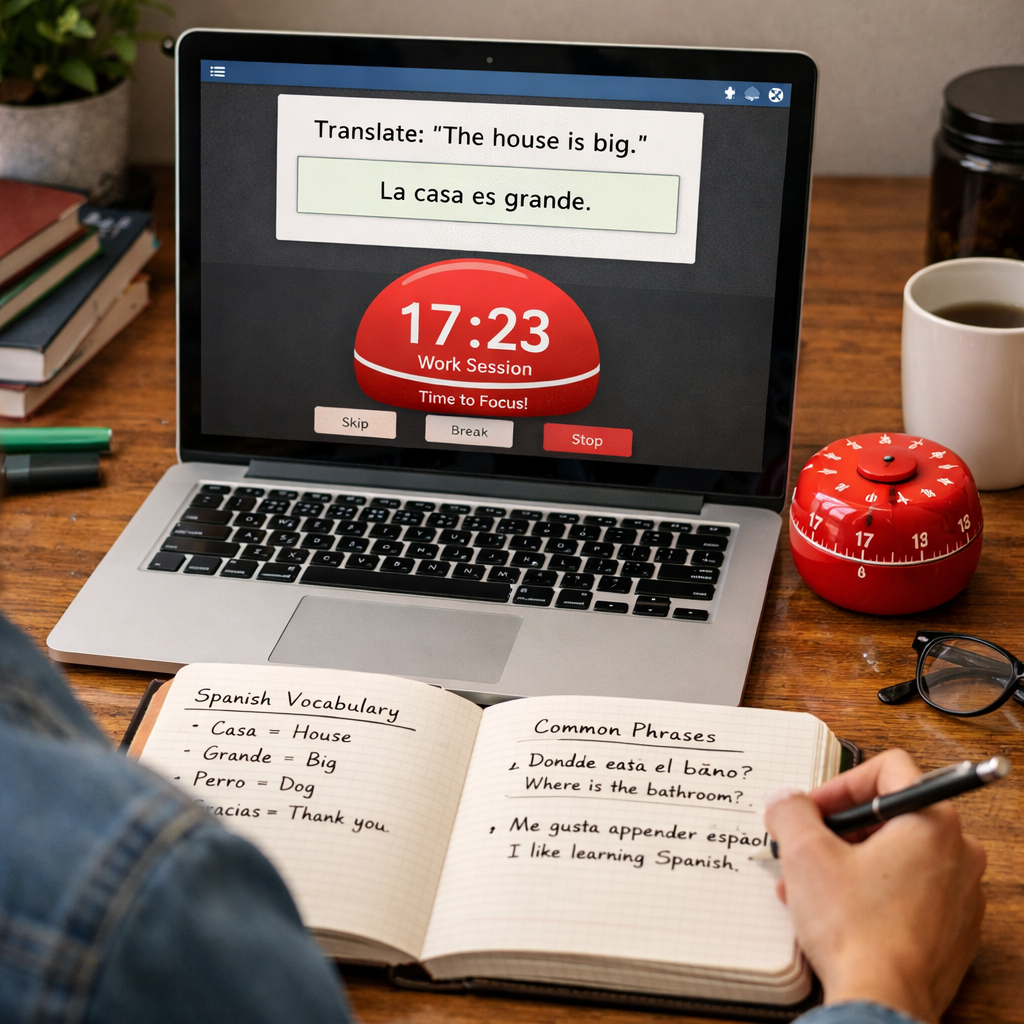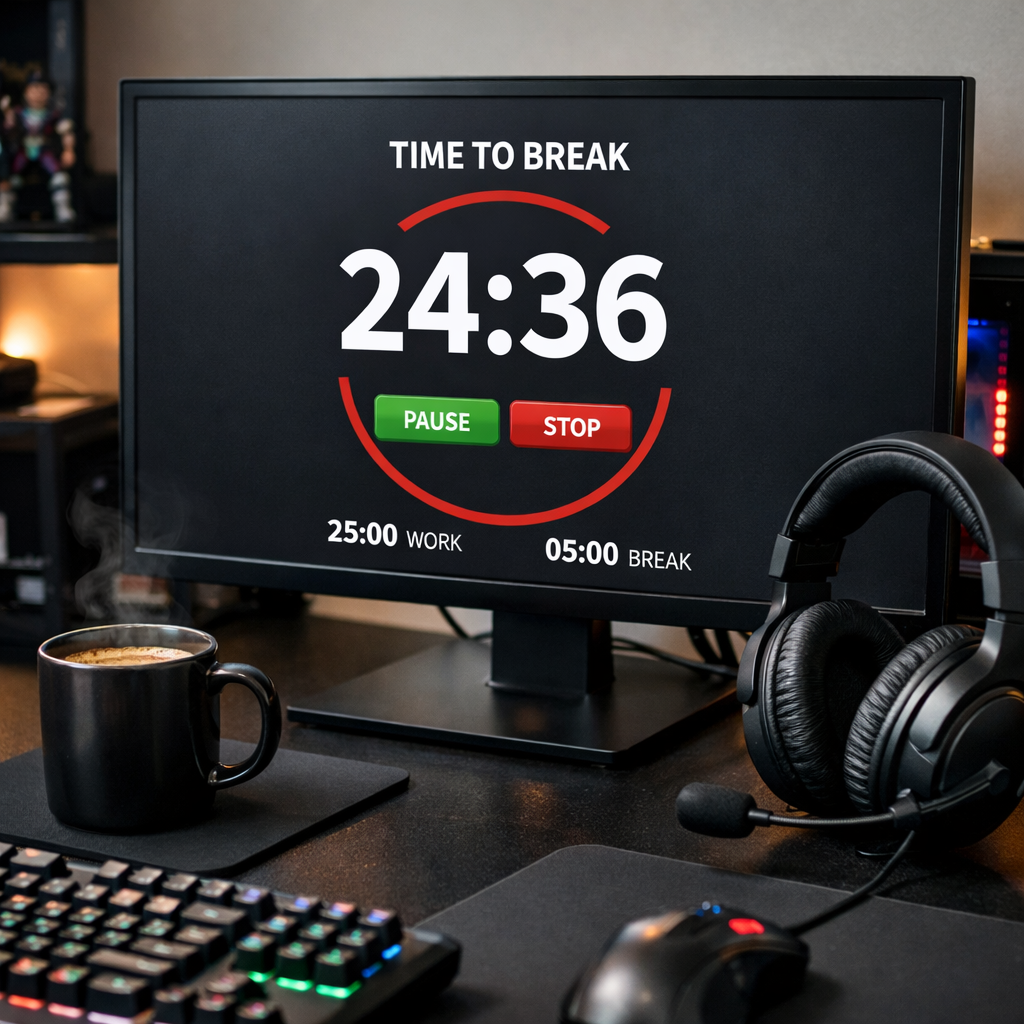

Writing a research paper can feel like a mountain. You sit, you stare, you wait for ideas. The pomodoro timer for research papers can cut that mountain into small, doable hills. In this guide you’ll see how to set up a schedule, pick the right tool, fit the timer into your study flow and track your results.
Here’s the hook from a recent study. An analysis of 7 Pomodoro timer apps across 4 sources reveals that the most platform‑rich tool, Focus To‑Do, actually offers the most limited free tier, while the simplest web‑only apps are completely free , a twist that upends the usual assumption that broader availability means better value.
| Name | Customizable Intervals | Task Tagging | Built‑in Analytics | Platform Support | Free Tier | Best For | Source |
|---|---|---|---|---|---|---|---|
| Focus Keeper (Our Pick) | yes | — | yes | — | yes | Best overall | focuskeeper.co |
| Focus To‑Do | yes | yes | yes | Windows, Mac, iOS, Android, Chrome, Apple Watch | yes – basic version free | Best multi‑platform coverage | routinery.app |
| Forest | yes | yes | yes | iOS, Android, Chrome | yes – Android free, iOS paid | Best mobile integration | scribecount.com |
| Otto | yes | — | yes | Windows, Chrome | Free for basic Pomodoro functionality | Best desktop‑browser combo | zapier.com |
| TomatoTimer | yes | — | — | Web | yes – completely free | Best web‑only simplicity | scribecount.com |
| Pomodor | yes | — | — | Web | Free | Best minimal web app | zapier.com |
| Pomodone App | yes | yes | — | — | yes – free tier with basic features | Best task‑tagging without platform limits | scribecount.com |
Methodology: Search terms “pomodoro timer research paper” and “best pomodoro apps” were used. A total of 7 product pages were scraped from 4 distinct domains (focuskeeper.co, routinery.app, scribecount.com, zapier.com) between March‑April 2026. Key fields captured: customizable intervals, task tagging, built‑in analytics, platform support, and free‑tier availability. Sample size: 7 items analyzed.
Step 1: Set Up Your Pomodoro Schedule for a Research Paper
First, write down every part of your paper. Think of intro, lit review, method, results, discussion and references. Break each part into bite‑size tasks. For example, “write intro paragraph 1” or “collect 5 sources for lit review”.
Next, decide how many pomodoros each task needs. A 25‑minute block works for most writing. If a task feels big, plan two blocks. If it feels tiny, plan one block and use the extra time for a quick edit.
Now create a simple timetable. Put the date, time slot and task in a table. Here’s a quick example you can copy:
| Day | Time | Task |
|---|---|---|
| Mon | 9:00‑9:25 | Draft intro hook |
| Mon | 9:30‑9:55 | Outline lit review headings |
| Tue | 10:00‑10:25 | Find 3 sources on method |
And remember to add a short 5‑minute break after each block. Use that break to stretch, sip water or glance at your phone , but not to start a new task.
When you finish a block, mark it with a check. Seeing the ticks grow gives you a sense of progress. If you finish early, use the spare minutes for a quick proofread or a citation check.
Bottom line: Write a task list, assign pomodoros, and add breaks , that’s the foundation of a pomodoro timer for research papers.
Step 2: Choose the Right Pomodoro Timer Tool
Now that you have a schedule, you need a timer that won’t distract you. The best tools let you set custom intervals, add a task label and show a simple countdown.
One popular option is the app highlighted by Zapier. It auto‑switches between work and break, tracks how many pomodoros you finish and lets you add tags. You can read more about its features on the Zapier blog.
Another simple web‑only choice is TomatoTimer. It runs in any browser, needs no download and is completely free. The site also explains the classic pomodoro cycle in plain words.
Our pick, Focus Keeper, beats both on analytics. It logs each session, gives you a focus rating and lets you see totals per week. That data helps you spot when you work best.
“The best time to start building backlinks was yesterday.”
Here’s how to test a tool. Open the app, set a 25‑minute work slot, type a task name like “write intro paragraph”, and hit start. When the timer dings, note how easy it was to pause and log the result.
Try two tools for a day each. Compare how easy it is to add tags, how clear the countdown looks and whether the analytics feel useful. If one feels clunky, switch.
And if you need a mobile app, look for iOS or Android support. Focus Keeper works on both, so you can switch devices without losing data.
Bottom line: The right pomodoro timer tool makes your schedule smooth and gives you data to improve.
Step 3: Integrate Pomodoro Sessions with Your Academic Workflow
Now link the timer to the way you actually write. Most students use a note‑taking app, a reference manager and a word processor. The pomodoro timer for research papers should sit on top of those tools, not replace them.
Start each session by opening the document you’ll work on. Then open your timer and type the exact task name , for example, “draft methods paragraph”. This keeps the focus narrow.
During the work block, silence notifications. Both Windows and macOS have a “focus assist” mode. Turn it on before you hit start.
When the break rings, close the document for a moment. Stand up, stretch, and maybe glance at a flashcard. This physical shift helps your brain reset.

After the break, reopen the document and continue where you left off. If you finish the task early, use the extra minutes to polish a sentence or add a citation.
For reference management, keep a separate list of sources you still need. Tag each source with the pomodoro block that will handle it. For example, “add 3 citations for lit review , pomodoro 4”. This keeps the whole paper in one visual map.
And if you work on a group project, share a screen with teammates. Everyone sees the same countdown and can sync breaks.
Bottom line: Integrating the pomodoro timer into your existing workflow keeps you in the zone and makes every sprint count.
Step 4: Review, Adjust, and Track Your Productivity
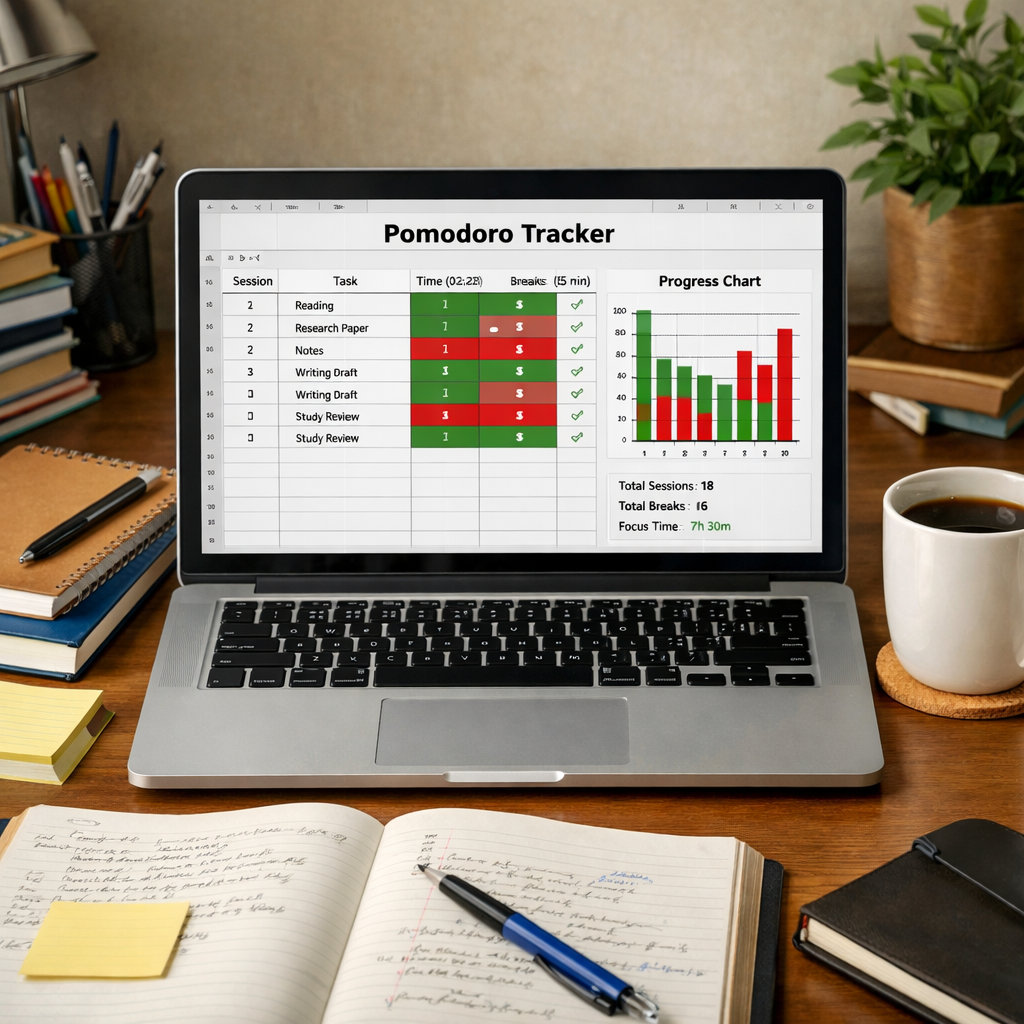
Tracking is the secret sauce. Without data you can’t see what works. The pomodoro timer for research papers gives you raw numbers , how many blocks you did, which tasks you finished and how you felt.
Start a simple spreadsheet. Columns can be Date, Task, Pomodoros Used, Focus Rating (1‑5) and Notes. Fill a row after each break.Here’s a quick template you can copy:
| Date | Task | Pomodoros | Focus Rating | Notes |
|---|---|---|---|---|
| 2026‑04‑18 | Intro hook | 1 | 4 | Good flow, no distraction |
| 2026‑04‑18 | Lit review outline | 2 | 3 | Needed more sources |
After a week, look for patterns. Maybe you rate lower on afternoons. That tells you to move heavy writing to the morning.
Adjust your intervals if needed. If you constantly finish early, add five minutes to the work block. If you often run out of time, cut the block to 20 minutes.
Focus Keeper’s built‑in analytics show a graph of pomodoros per day. Compare that graph to your spreadsheet. When the line climbs, you know you’re in a good rhythm.
Don’t forget to log break compliance. Did you take the full 5‑minute break? If you kept scrolling, note it. Over time you’ll see if break‑over rates affect focus ratings.
Bottom line: Review your logs, spot trends, and fine‑tune intervals for steady improvement.
Conclusion
Using a pomodoro timer for research papers isn’t a magic hack. It’s a simple system that breaks a big task into small, timed bursts, adds short breaks and gives you data to improve. You set up a schedule, pick a tool , our pick Focus Keeper shines with analytics , blend the timer into your writing flow and then track what works. Follow the steps, stay consistent and you’ll finish papers faster, with less stress and clearer thoughts.
If you want a ready‑made schedule, check out the Pomodoro Timer for Studying: A Step‑by‑Step Guide. It shows how to map tasks, set intervals and keep a log. Start today, and watch your research progress one pomodoro at a time.
FAQ
What is a pomodoro timer for research papers and how does it work?
A pomodoro timer for research papers is a countdown that splits writing into focused bursts , usually 25 minutes , followed by a short 5‑minute break. You pick a tiny task, start the timer, work until it dings, then rest. The cycle repeats, giving you steady progress without burnout.
How long should my pomodoro intervals be for a literature review?
Start with the classic 25‑minute work slot. If you find the review needs deeper focus, stretch to 30 minutes. If you feel the mind wander before the end, trim to 20 minutes. Test each length for a week and note which gives a focus rating of 4 or higher.
Can I use a pomodoro timer for research papers on a laptop and a phone?
Yes. Choose a tool that syncs across devices. Focus Keeper does this for free, so you can start a block on your laptop, finish on a phone in the library, and keep all the data together.
How do I track progress without a spreadsheet?
Many pomodoro apps, including our pick, have built‑in analytics. Open the stats view at the end of each day to see total pomodoros, focus rating and which tasks you completed. That quick glance replaces a manual sheet.
What if I get interrupted during a pomodoro?
Pause the timer immediately. Add a short tag like “email” or “call” in the notes field. After the break, resume the timer and finish the original task. Over time the log shows which interruptions happen most, so you can block them out.
How many pomodoros should I aim for each day when writing a paper?
A solid target is five to seven pomodoros , about 125‑175 minutes of focused work , split between morning and afternoon. Adjust up if you feel fresh, or down if you hit fatigue early.
Do I need a special pomodoro timer for citations?
No special timer is needed. Just label a pomodoro “add citations for methods”. The regular timer works for any sub‑task, big or small.
Is the pomodoro technique good for data analysis sections?
Yes. Data analysis can be intense. Use a longer block like 30 minutes if you need uninterrupted coding time, then take a 5‑minute break to stretch and clear your head.