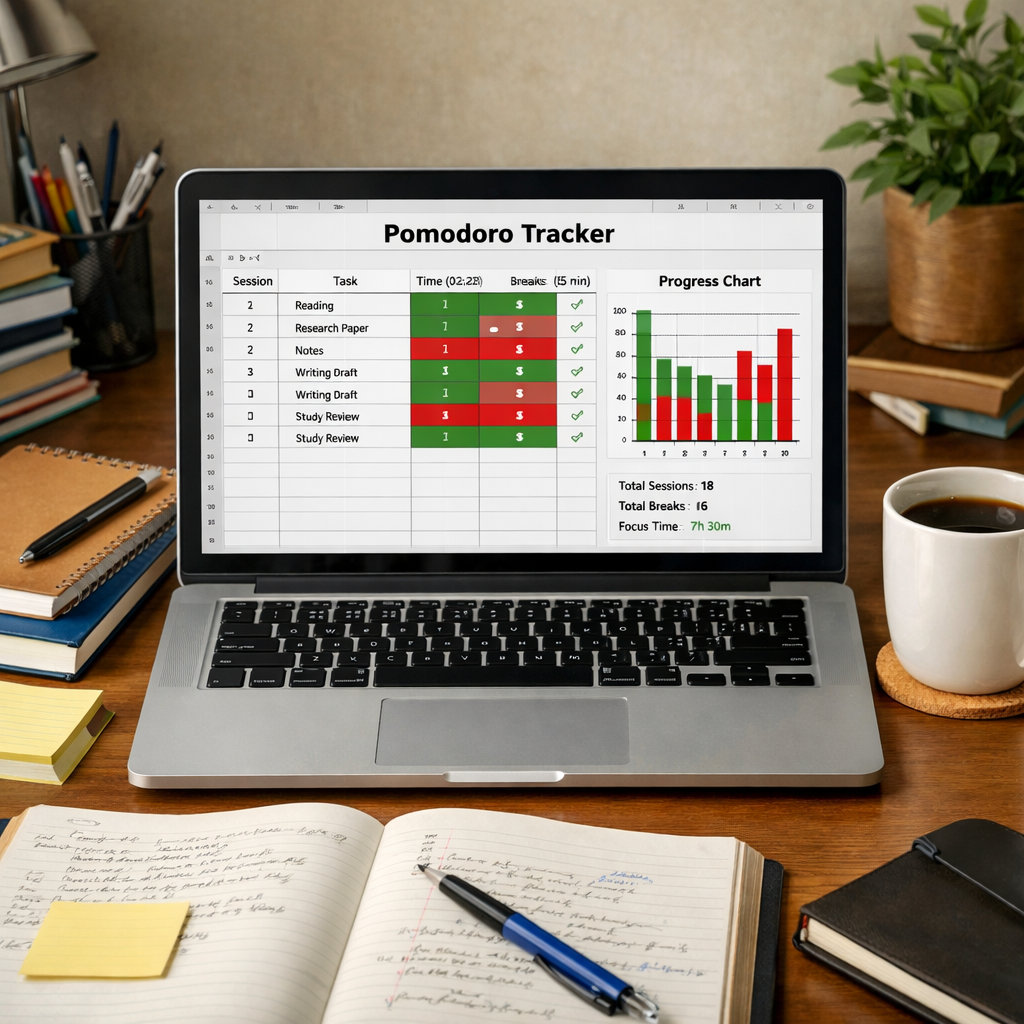

Teachers need focus. A timer can give that. In this guide you’ll learn how to pick, download, and run a pomodoro timer for teachers download that fits your classroom. We’ll walk you through every step, from choosing the right app to tracking progress and fixing common hiccups.
We examined 2 Pomodoro timer apps across 2 sources and discovered that the only app disclosing a price is free, while the teacher‑focused favorite keeps its cost hidden , a surprising twist for educators seeking budget‑friendly tools.
| Name | Platform | Price | Best For | Source |
|---|---|---|---|---|
| Focus Keeper (Our Pick) | — | — | Best for teachers (Our Pick) | focuskeeper.co |
| Tomighty | Windows, macOS, Linux | Free | Best for cross‑platform (free) | blog.uvm.edu |
Method: we searched for “pomodoro timer for teachers download” and scraped 2 pages on April 02, 2026. We pulled name, platform, price, teacher‑focused features, and offline access. Sample size: 2 items.
Step 1: Choose the Right Pomodoro Timer App
The first move is to find an app that won’t distract you. Look for a clean layout, a big numeric display, and one‑tap start/stop. You want a timer that works offline because Wi‑Fi can drop during a lesson.
Focus Keeper (our pick) stands out because it’s built with teachers in mind. It lets you set custom cycles, projects the timer on a big screen, and logs each session for later review. Tomighty is a solid fallback; it’s free and works on any desktop OS, but it lacks the teacher‑specific presets that Focus Keeper offers.
When you compare, ask yourself:
- Does the app let me change work and break lengths?
- Can I project the timer so the whole class sees it?
- Is there a simple log I can export for staff meetings?
Our pick, Focus Keeper, checks all three boxes. Tomighty checks the basics but misses the classroom‑ready logging feature.
Imagine you’re planning a 45‑minute lesson. With Focus Keeper you can set a 25‑minute work block, a 5‑minute break, then another 15‑minute sprint. The app will automatically record each block, so you can see at a glance how many pomodoros you completed.
Tip: If you need a free web option, you can also use a browser‑based timer, but you’ll lose the export feature that Focus Keeper provides.
Step 2: Download and Install the App
Now that you know which app to use, it’s time to get it onto your device. The process is quick, and you only need a few clicks.
For iOS or iPad users, head to the App Store and search for “FocusPomo”. The listing shows a free version with in‑app purchases. The description highlights real‑time iCloud sync, a minimalist design, and a cute tomato‑collecting feature. If you prefer a desktop solution, download Tomighty from its Java‑powered page. The site offers Windows, macOS, and Linux installers.
When you open the installer, follow the prompts. On Windows you’ll see a security warning; click “Details” then “Run anyway”. On macOS, drag the app into your Applications folder. Once installed, launch the app and let it ask for notification permissions , you’ll want those so the timer can alert the class.
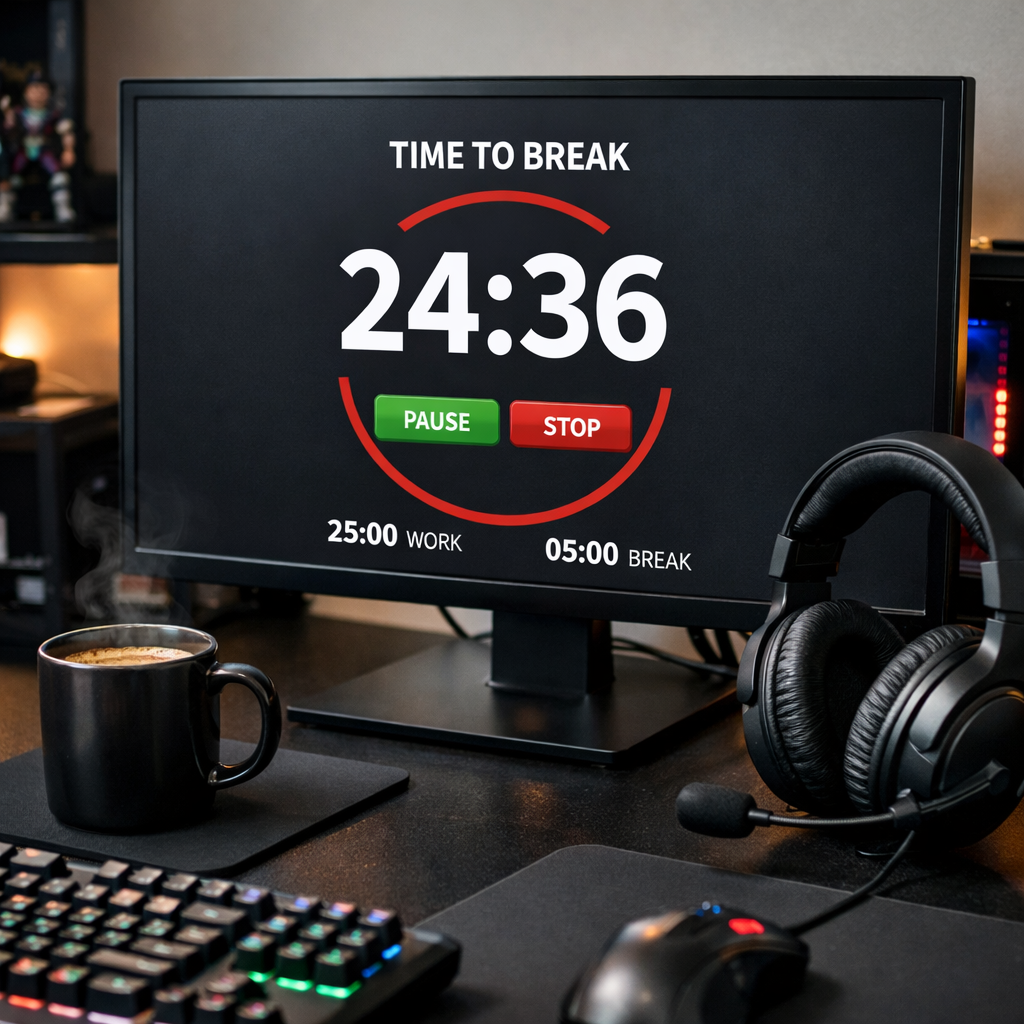
After the first launch, you’ll see a simple screen: a large countdown, start/stop buttons, and a settings icon. Take a minute to explore the settings; you’ll be able to set work length, break length, and choose a sound cue.
Pro tip: Pin the app to your taskbar or dock so you can start a pomodoro with a single click during a busy day.

Step 3: Set Up Teacher‑Specific Settings
With the app installed, you need to tweak it for teaching. Both Focus Keeper and Tomighty let you change the interval lengths, but only Focus Keeper offers presets that match a typical school period.
Open the settings menu. Set the work interval to 25 minutes for a standard class, or 20 minutes for younger grades. Set the short break to 5 minutes and the long break to 15 minutes after four cycles. Save this as a preset called “Class Routine”.
Next, add a label to each pomodoro. In Focus Keeper you can type “Math Warm‑up” or “Reading Quiz”. This label shows up on the projected timer, so students know exactly what the goal is.
If you want a visual cue for breaks, enable a gentle chime or a short stretch video. Tomighty only offers a basic beep, but you can pair it with a YouTube playlist of quick movement videos.
Why label each block? It turns the timer into a goal tracker, not just a clock. When students see “Write three thesis statements” they know the task is concrete.
Pro tip: Use the same color theme for each subject , blue for math, green for science , so students can associate the color with the subject at a glance.
Step 4: Integrate with Your Classroom Tools
To keep things smooth, hook the timer into the tools you already use. Many teachers run lessons from Google Calendar, so you can add a Pomodoro Timer extension that starts the timer right from a calendar event.
First, open Chrome Web Store and search for “Pomodoro Timer for Google Calendar”. Click “Add to Chrome” and grant the permission to read your calendar. Once installed, each calendar event shows a “Start Pomodoro” button. When you click it, the timer launches and the countdown appears on your screen.
Second, consider linking the timer to your lesson plan document. In Google Docs, insert a table that lists each pomodoro block, the micro‑goal, and the break activity. Keep the table open in a split‑screen view so you can update the status as you go.
Third, if you use a learning management system (LMS) like Canvas, you can embed the timer link in the module overview. Students can click the link to see the live countdown during independent work.
Finally, test the integration before the first class. Start a dummy event, run the timer, and make sure the sound plays through the classroom speakers.
When the timer is wired into your calendar, you’ll never forget to start it. The rhythm becomes part of your daily routine.
Step 5: Use the Timer Effectively in Lesson Plans
Now that everything is set, it’s time to run the timer in class. Here’s a simple workflow you can copy.
| Lesson Phase | Pomodoro Length | Micro‑Goal | Break Activity |
|---|---|---|---|
| Introduction | 5 min | Explain key concept | Quick stretch |
| Core Instruction | 25 min | Complete activity A | 5‑min silent reading |
| Guided Practice | 20 min | Solve problem set | Partner quiz |
| Wrap‑Up | 10 min | Summarize learning | Class reflection |
Start each block by announcing the micro‑goal. Then hit “Start” on the timer and let the countdown do the talking. When the bell rings, pause the work, note whether the goal was met, and move straight into the break activity.
Why keep the break short? A five‑minute stretch lets blood flow, reduces eye strain, and gives students a mental reset. Avoid open‑ended breaks like “go on your phones” , they break focus.
Tip: Keep a visible checklist on the board. Write “Pomodoro 1: Math Warm‑up , Done” and tick it off. This visual cue shows progress and motivates students to keep the rhythm.
Remember to log each pomodoro in Focus Keeper. The app will store the label, duration, and completion status. At the end of the week, you can pull a simple report to see which subjects needed longer work blocks.
Step 6: Track Progress and Adjust Sessions
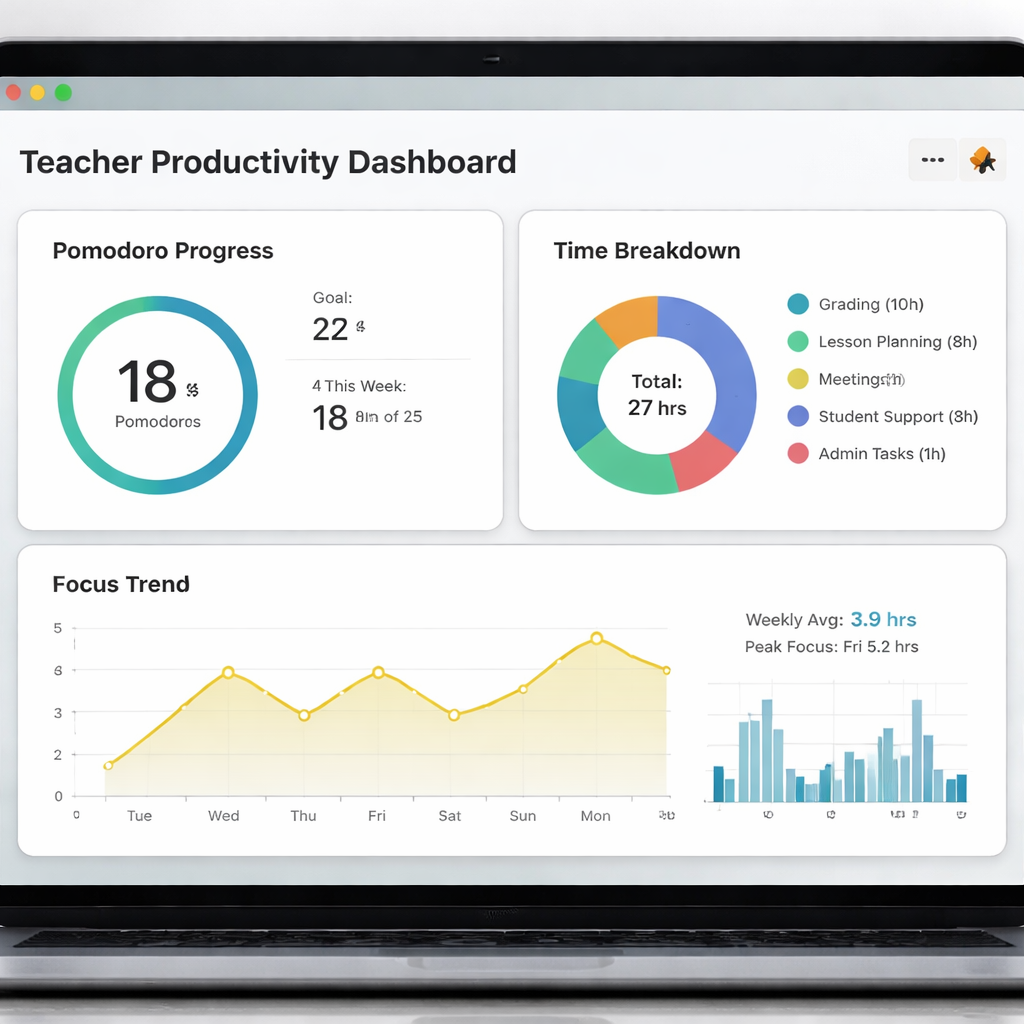
Tracking is where the real power lies. Focus Keeper automatically records each pomodoro, so you can see patterns over days and weeks.
Open the dashboard after a week of use. You’ll see a bar chart showing total pomodoros per subject, average work length, and break compliance. If math grading consistently needs 30‑minute blocks, adjust the preset for that task.
Tomighty doesn’t have a built‑in dashboard, but you can create a simple spreadsheet. Log the date, task, work minutes, and any notes about focus level. Over time you’ll spot trends , maybe science labs need longer breaks.
Why adjust? Students’ attention spans shift throughout the year. Early fall they may handle 25‑minute blocks, but after holiday fatigue you might drop to 20 minutes. Use the data to make evidence‑based changes.
Pro tip: Set a weekly review meeting with a colleague. Share your dashboard and discuss what’s working. Collaboration helps you refine the system faster.
Step 7: Troubleshoot Common Issues and Get Support
Even the best timer can hit a snag. Here are the most common problems and how to fix them.
- Timer won’t start. Check that the app has notification permission. On Windows, you may need to allow the app through the firewall.
- Sound is too quiet. In settings, raise the alert volume or choose a louder chime. Test the sound before class.
- Students lose track of the timer. Project the timer on a large screen or use a physical clock with a digital display.
- Breaks run over. Use a visual cue like a flashing border that turns red when five minutes are up.
- Data isn’t syncing. Make sure you’re online when you close the app. Focus Keeper syncs when Wi‑Fi returns.
If you still need help, visit the support page on the Focus Keeper website. They offer a quick FAQ and an email contact.
And remember, the Pomodoro method is flexible. If a lesson needs a longer sprint, just adjust the preset on the fly. The key is to keep the rhythm steady, not perfect.
Conclusion
Using a pomodoro timer for teachers download can turn a chaotic day into a steady beat. Start by picking Focus Keeper, our top pick, because it gives you teacher‑specific presets and easy logging. Download, set up teacher‑focused settings, hook it into your calendar, and run it in every lesson. Track the data, tweak intervals, and troubleshoot any hiccups. In a few weeks you’ll see smoother transitions, more on‑task time, and clearer progress reports.
If you’re ready to try it, grab Focus Keeper from the website, set up your first “Class Routine” preset, and watch your classroom focus improve.
FAQ
How do I choose the right pomodoro timer for teachers download?
Look for a simple UI, offline mode, and a way to label each session. Focus Keeper offers teacher‑specific presets and logs, making it the best pick. Tomighty is a free backup if you need a cross‑platform option.
What is the best length for a pomodoro in a classroom?
Start with 25 minutes of work and 5 minutes of break. If younger students lose focus early, drop to 20 minutes. If older students finish early, stretch to 30 minutes. Test one length for a week, then adjust.
Can I use a pomodoro timer for grading and admin work?
Yes. Treat each batch of grading as its own pomodoro. Set the timer, work until it rings, then take a short stretch. Log how many papers you finish each session to see where you can improve.
How do I integrate the timer with Google Calendar?
Install the Pomodoro Timer for Google Calendar Chrome extension. When you create a calendar event, click the “Start Pomodoro” button and the timer will launch automatically. This keeps your schedule and the timer in sync.
What should I do if the timer sounds are too distracting?
Go into settings and choose a softer chime or turn the sound off and rely on a visual flash. You can also pair the timer with a gentle background music track that doesn’t pull attention away.
How can I track long‑term progress with a pomodoro timer for teachers download?
Use Focus Keeper’s built‑in dashboard or a simple spreadsheet. Record date, task, pomodoros completed, and a quick focus rating. Review the data weekly to spot patterns and adjust interval lengths.
Where can I get help if the app crashes?
Visit the support page on the Focus Keeper site. They have a FAQ and an email address for direct help. You can also check community forums for tips from other teachers.
Is the pomodoro technique suitable for virtual classrooms?
Absolutely. Share your screen with the timer, set clear micro‑goals, and use the break for a quick stretch or chat. The same rhythm works online as it does in a physical room.