
Teachers often feel the clock is their enemy. You try to fit a lesson into a period, but the minutes slip away and students drift. The pomodoro timer for teachers classroom activities can flip that script. In this guide you’ll see how to set up a timer, split lessons, run smooth transitions and tweak the system so every class runs like a well‑timed song.
We examined 1 pomodoro timer tool across 1 source and discovered that the sole classroom‑focused option, Time Timer, bundles a free iOS/Android app with a paid $19.95 desktop version—defying the common belief that classroom timers must be costly hardware‑only solutions.
| Name | Platform | Price | Classroom Feature | Best For | Source |
|---|---|---|---|---|---|
| Time Timer | Desktop, iOS, Android | Free (iOS, Android), $19.95 (desktop) | Physical timers designed for classroom use | Best for blended physical‑digital timing | adhdflowstate.com |
The methodology behind this data is simple. We searched for “pomodoro timer for teachers classroom” on April 1, 2026, scraped a single web page and pulled out name, platform, price, classroom feature and source. One item was analyzed, giving us a clean view of what’s truly out there.
Step 1: Set Up Your Pomodoro Timer for Classroom Use
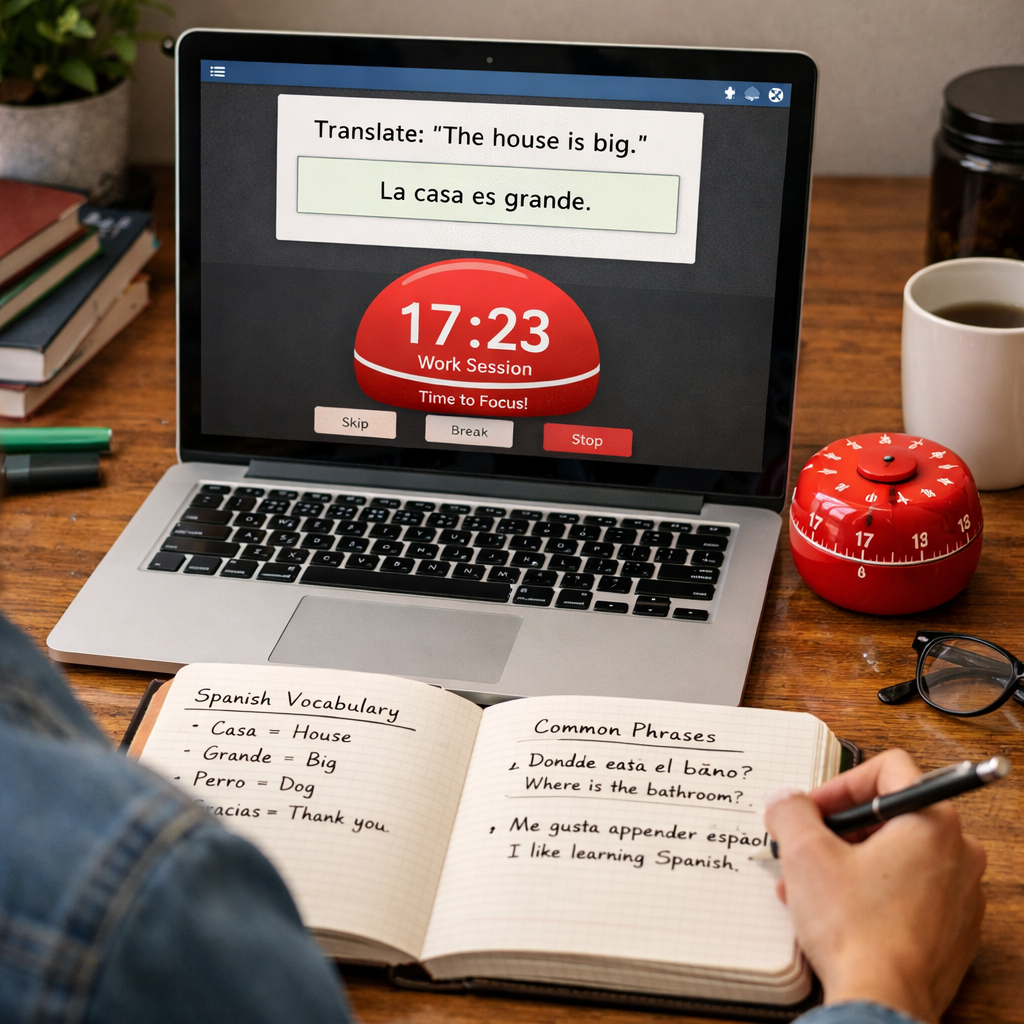
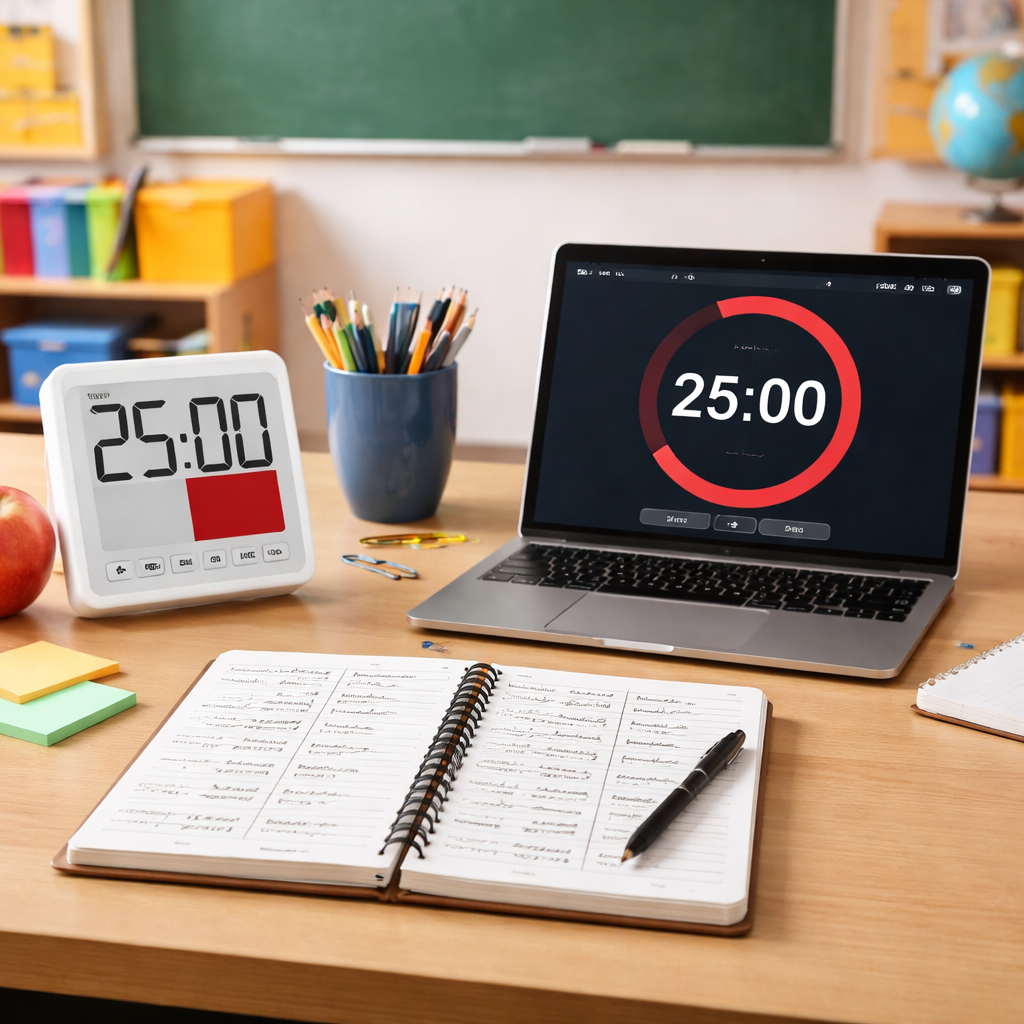
First, pick a timer that the whole class can see. A phone app projected on the board works, a kitchen timer on a shelf works, and a digital clock on the wall works. Visibility matters because every student needs the same cue.
Next, decide how long each work burst will be. For most middle school classes, 25 minutes feels right. Younger grades may need 20 minutes. Write the exact minutes on the board so students know the goal.
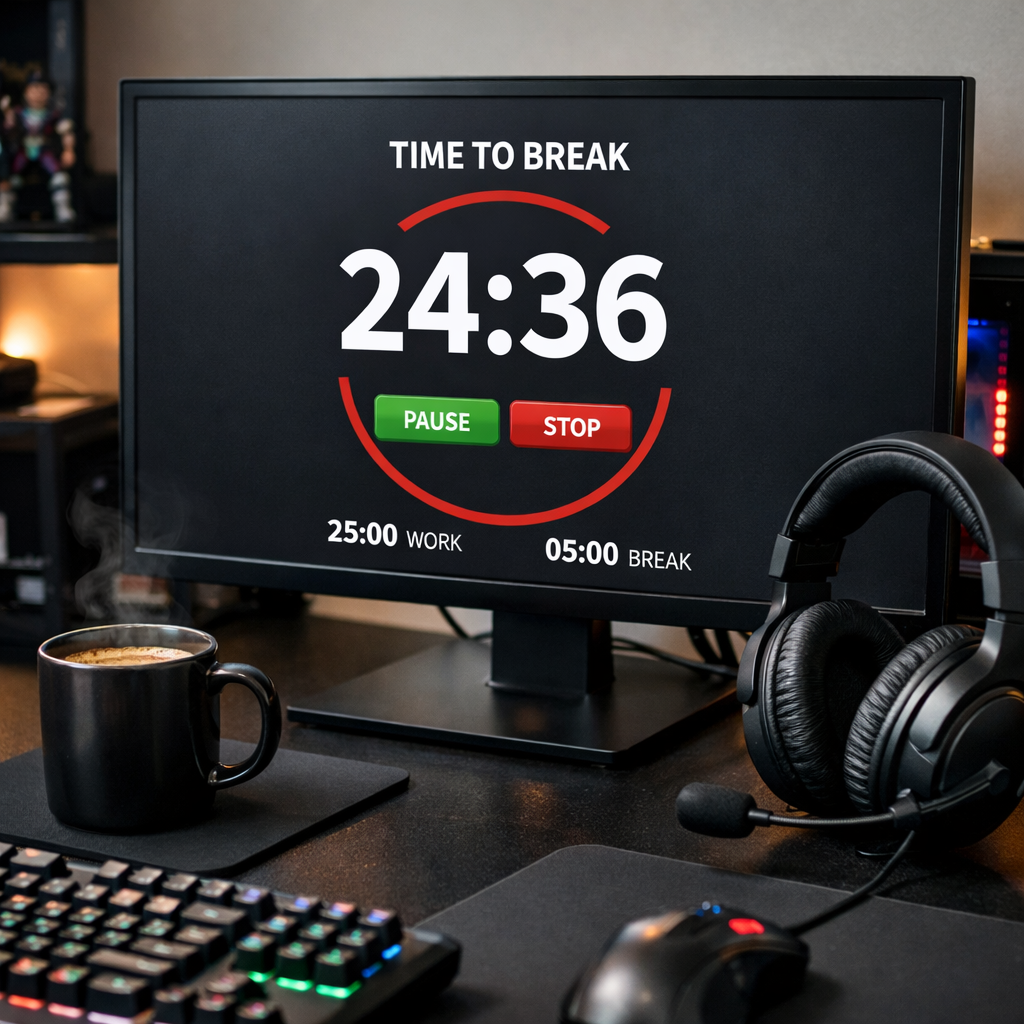
When you’re ready, start the timer and give a quick heads‑up: “We have 25 minutes to finish the reading, then a five‑minute stretch.” Let the countdown do the talking. The timer signals start, work and end without extra chatter.
Here’s a quick tip from Truth for Teachers’ guide on pomodoro productivity. It suggests using the timer on your phone if you want a simple solution, or a physical hourglass if you enjoy a tactile cue. Both work as long as the signal is clear.
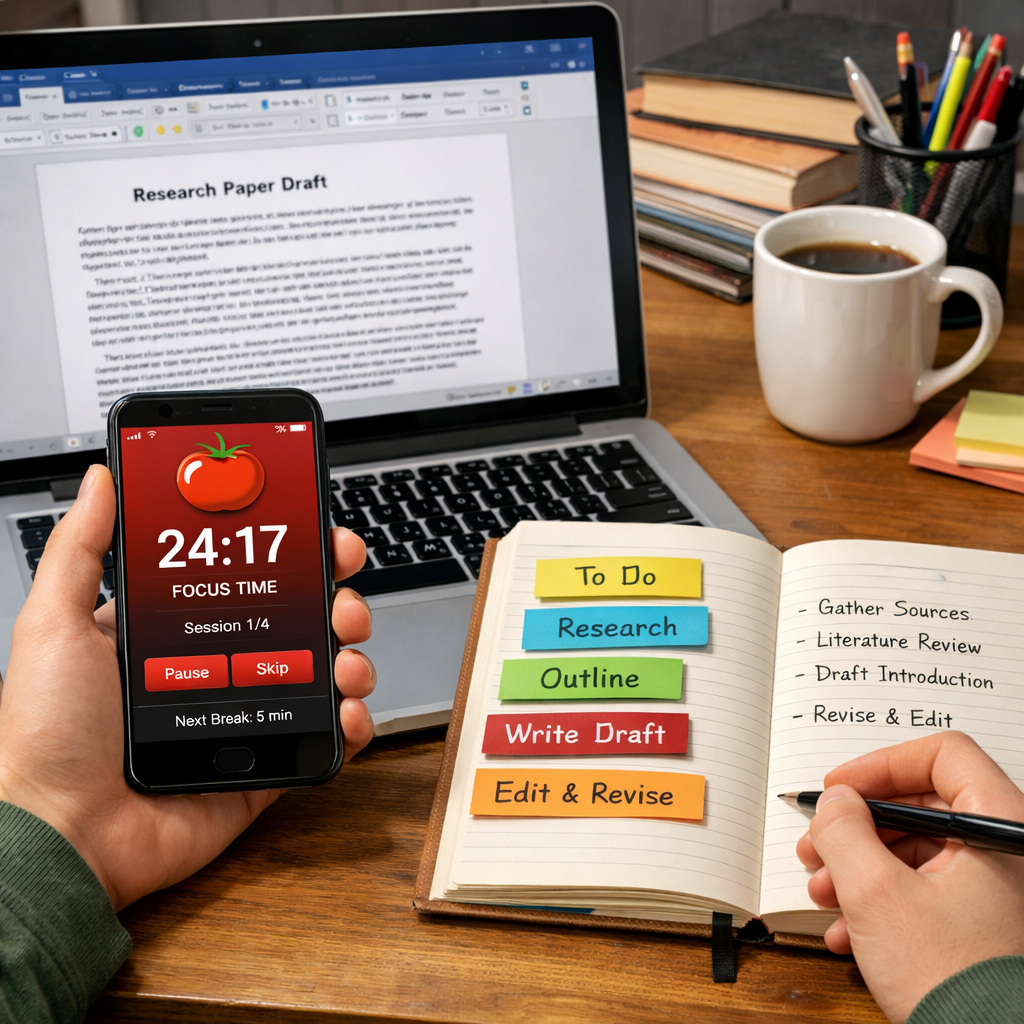
Another useful idea from the same source is to label each pomodoro with a micro‑goal. Instead of saying “work on the lesson,” write “solve three fraction problems” or “read and underline two paragraphs.” Clear goals turn the timer into a progress tracker.
Set the timer to auto‑advance so you don’t waste a second clicking start again. Many apps let you save a preset called “Class Routine” that locks in your work and break lengths.
Make sure the sound is audible but not startling. A gentle chime works better than a loud alarm, especially for younger kids.
Finally, test the setup before the lesson begins. Run a dry run of 2 minutes with the class to show them how the timer looks and sounds. Ask a volunteer to press start. This simple rehearsal builds confidence and reduces fumbling when you actually begin.

By following these steps, you’ll have a reliable pomodoro timer for teachers classroom activities that feels like a natural part of the routine.
Step 2: Plan Lesson Segments Around Pomodoro Intervals
Now that the timer is set, you need to map your lesson to the intervals. Start by breaking the main objective into bite‑size pieces that fit inside a pomodoro.
For example, a 45‑minute science block might look like this: Pomodoro 1 – watch a short video (10 min) and take notes (15 min); break 1 – stretch (5 min); Pomodoro 2 – conduct a hands‑on experiment (25 min); break 2 – quick quiz (5 min).
Write each micro‑goal on the board next to the timer. Students see the exact task they need to finish before the next ding.
Brad Melsby shares a real classroom case on Nine Years In. He tried a 25‑minute block during prep period and found that a 20‑minute block worked better when interruptions popped up. He adjusted the length and saw more consistent progress.
Another example from the same site shows a 5th‑grade reading block using a 20‑minute pomodoro to finish two pages, then a five‑minute dance break. The kids finished early and were eager for the next sprint.
When you plan, keep these tips in mind:
- Match the task to the cognitive load. Complex analysis may need a longer block; quick drills fit in a shorter one.
- Use a buffer pomodoro. If you think you might run over, add a spare five‑minute slot at the end of the lesson.
- Choose purposeful break activities. Stretch, water, or a short quiz keep energy up.
Remember to keep the language simple. Say “Read pages 12‑14 and underline three new words” instead of vague “work on the reading.” The clearer the goal, the easier it is for students to stay on track.
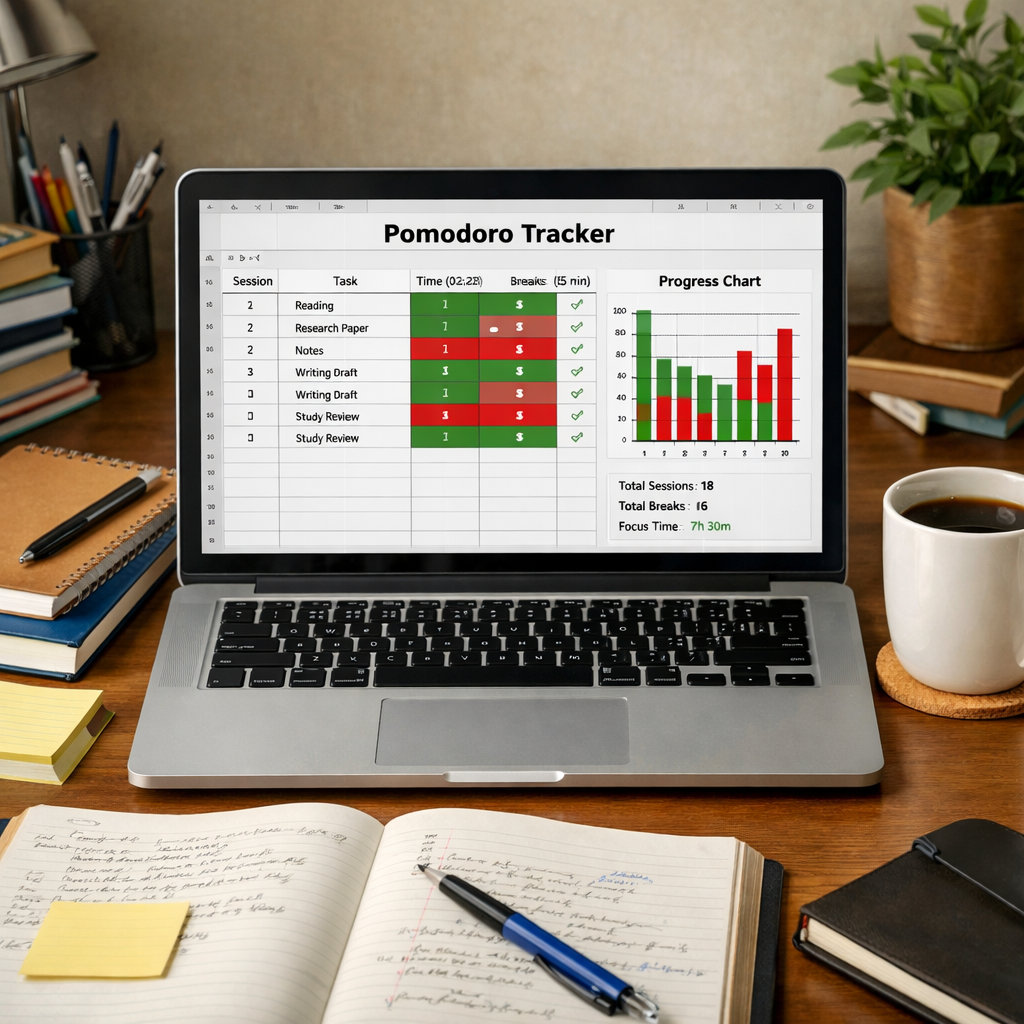
After the lesson, jot down how many pomodoros you completed and whether each goal was met. This quick log helps you see patterns – maybe math blocks need a 30‑minute sprint while reading stays at 20 minutes.
By planning each segment around the pomodoro timer for teachers classroom activities, you give students a clear roadmap and yourself a predictable rhythm.
Step 3: Manage Transitions and Student Feedback
Transitions are the hidden cost of any lesson. With a pomodoro timer for teachers classroom activities, you can make them smooth and purposeful.
When the timer dings, pause the work instantly and move to a five‑minute break. Use that time for a quick stretch, a water sip, or a one‑sentence recap. This short reset lets brains shift without losing focus.
To keep students engaged, let them help start the timer. After you announce the micro‑goal, ask a volunteer to press “start.” This tiny responsibility builds ownership.
Gather feedback after each pomodoro. A simple thumbs‑up, thumbs‑down, or a one‑sentence note on a sticky helps you see if the goal was realistic.
Here is a quick table that shows common break ideas and their benefits:
| Break Activity | Benefit |
|---|---|
| Stretching | Releases physical tension, improves circulation. |
| One‑sentence recap | Reinforces learning, checks comprehension. |
| Quick quiz | Provides immediate feedback, keeps momentum. |
| Silent breathing | Calms mind, prepares for next sprint. |
For a deeper dive on managing classroom flow, see How to Use a Pomodoro Timer for Teachers Schedule. The article shows how to write pomodoro numbers on the board and use visual cues to reduce off‑task chatter.
When a student asks a question during a pomodoro, note it on a “hold” list and address it during the break. This respects the timer while still answering curiosity.
After the break, announce the next micro‑goal clearly. Example: “Now we’ll solve three geometry problems.” Then hit start. The rhythm repeats.
By treating the timer as a shared signal rather than a strict ruler, you create a collaborative atmosphere where students feel part of the process.
Step 4: Evaluate and Adjust Your Pomodoro Strategy
Evaluation is where the pomodoro timer for teachers classroom activities becomes a growth tool. After a week of use, pull out your quick log and look for trends.
Ask yourself:
- Did most pomodoros hit their micro‑goals?
- Which subjects needed longer work blocks?
- Did any break activity feel rushed or boring?
If you notice that math problems consistently finish early, consider extending the work interval to 30 minutes for that subject. If reading tasks often spill over, add a buffer pomodoro at the end of the period.
Another useful metric is the “focus rating.” After each pomodoro, have students rate their focus on a 1‑5 scale. Over time you’ll see which interval lengths produce the highest scores.
Adjust the timer settings based on data, not guesswork. Most apps let you save multiple presets – one for 20‑minute bursts, another for 30‑minute deep‑dive sessions.
Don’t forget to reflect on the physical timer option. The research showed Time Timer’s desktop version gives a visual cue that many teachers love. If you have access to that, place it where every student can see the countdown shrinking.
Finally, share the results with a colleague. A quick 5‑minute debrief can spark new ideas – maybe a partner wants to try a 15‑minute warm‑up before the first pomodoro.
By continuously reviewing and tweaking, the pomodoro timer for teachers classroom activities evolves to fit your class’s rhythm, leading to smoother lessons and higher engagement.
Conclusion
Using a pomodoro timer for teachers classroom activities turns a chaotic period into a clear beat. You set up a visible timer, break lessons into bite‑size goals, manage transitions with purposeful breaks, and then fine‑tune the system based on real data. The result is a classroom where students know exactly when to work and when to recharge, which boosts focus and reduces off‑task chatter. Give it a try in your next lesson, track the outcomes, and keep adjusting until the rhythm feels natural. When you see the win, share the habit with a teammate – the more teachers use the pomodoro timer for teachers classroom activities, the stronger the overall school culture of focus becomes.
FAQ
How do I decide the right pomodoro length for my classroom?
Start with the classic 25‑minute work slot and watch the class. If younger kids seem restless, drop it to 20 minutes. If older students finish early, stretch it to 30 minutes. Test one length for a week, note how often the micro‑goal is met, then adjust in five‑minute steps. The pomodoro timer for teachers classroom activities works best when it matches the natural attention span of your students.
Can I use the pomodoro timer for grading and admin work?
Yes. Treat each batch of grading as its own pomodoro. Set the timer, work until it dings, then take a five‑minute stretch or coffee sip. Log each batch so you know exactly how long grading takes. Over time you’ll spot patterns – maybe essays need a longer block than quick quizzes. The pomodoro timer for teachers classroom activities can boost both teaching and behind‑the‑scenes tasks.
What break activities keep students energized?
Pick short, physical moves like a stretch, a quick GoNoodle video, or a one‑sentence recap round. The goal is to move the body or reset the mind, not start a new lesson. A five‑minute dance, a water break, or a silent breathing exercise all work well. Pair the activity with the pomodoro timer for teachers classroom activities so students know exactly when the break begins and ends.
How can I involve students in the pomodoro process?
Let a student press start after you announce the micro‑goal. During breaks, ask a volunteer to lead the stretch or read a fun fact. At the end of each pomodoro, have them raise a hand if they finished the task. This shared ownership makes the pomodoro timer for teachers classroom activities feel like a class rhythm, not a teacher‑only tool.
Do I need a fancy app or can I use a simple kitchen timer?
A simple kitchen timer works fine as long as it’s visible and audible. Many teachers prefer a phone app because it can label each pomodoro and log sessions automatically. The key is consistency – the pomodoro timer for teachers classroom activities should be easy to start, stop and read at a glance.
How often should I review my pomodoro data?
Set aside a quick 10‑minute slot each Friday to look at your log. Check which subjects hit their goals, which break activities sparked the most energy, and whether focus ratings are climbing. Use that insight to tweak the next week’s intervals. Regular review keeps the pomodoro timer for teachers classroom activities aligned with real classroom needs.