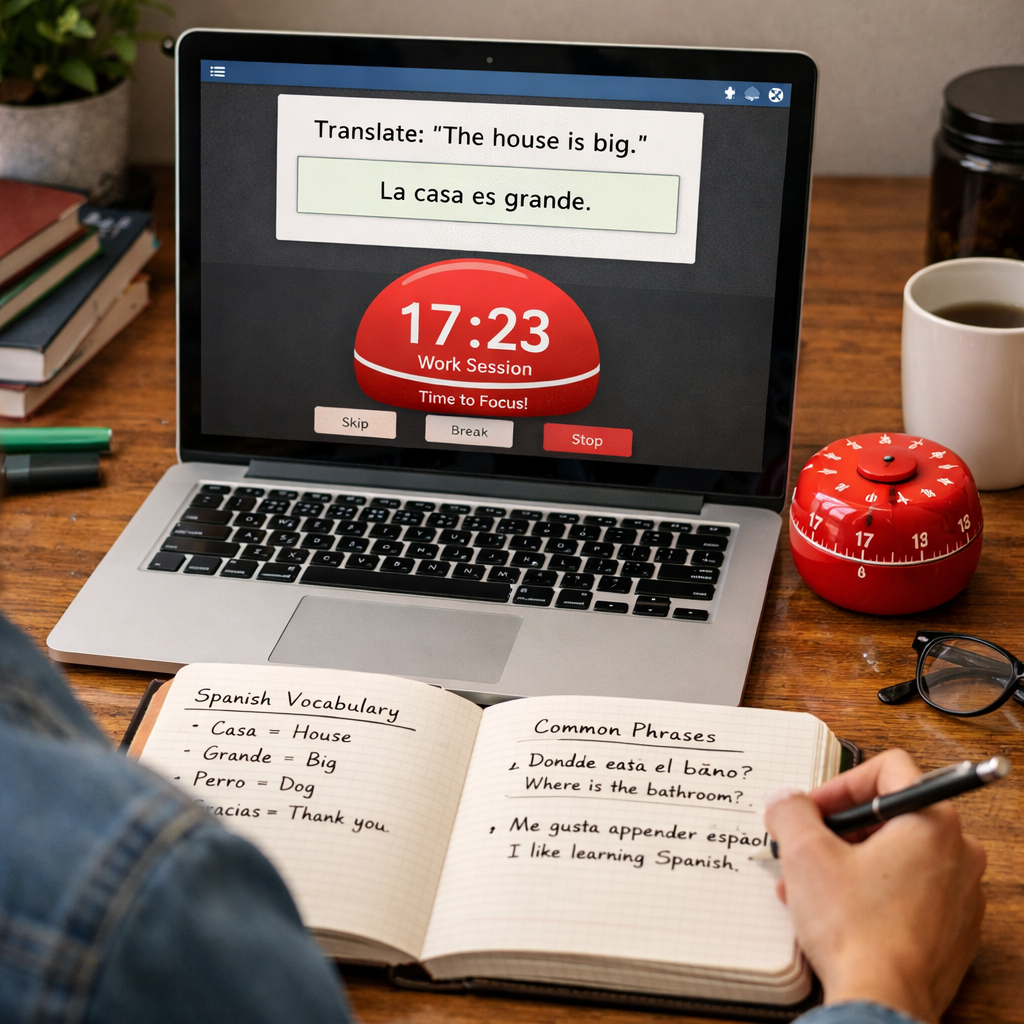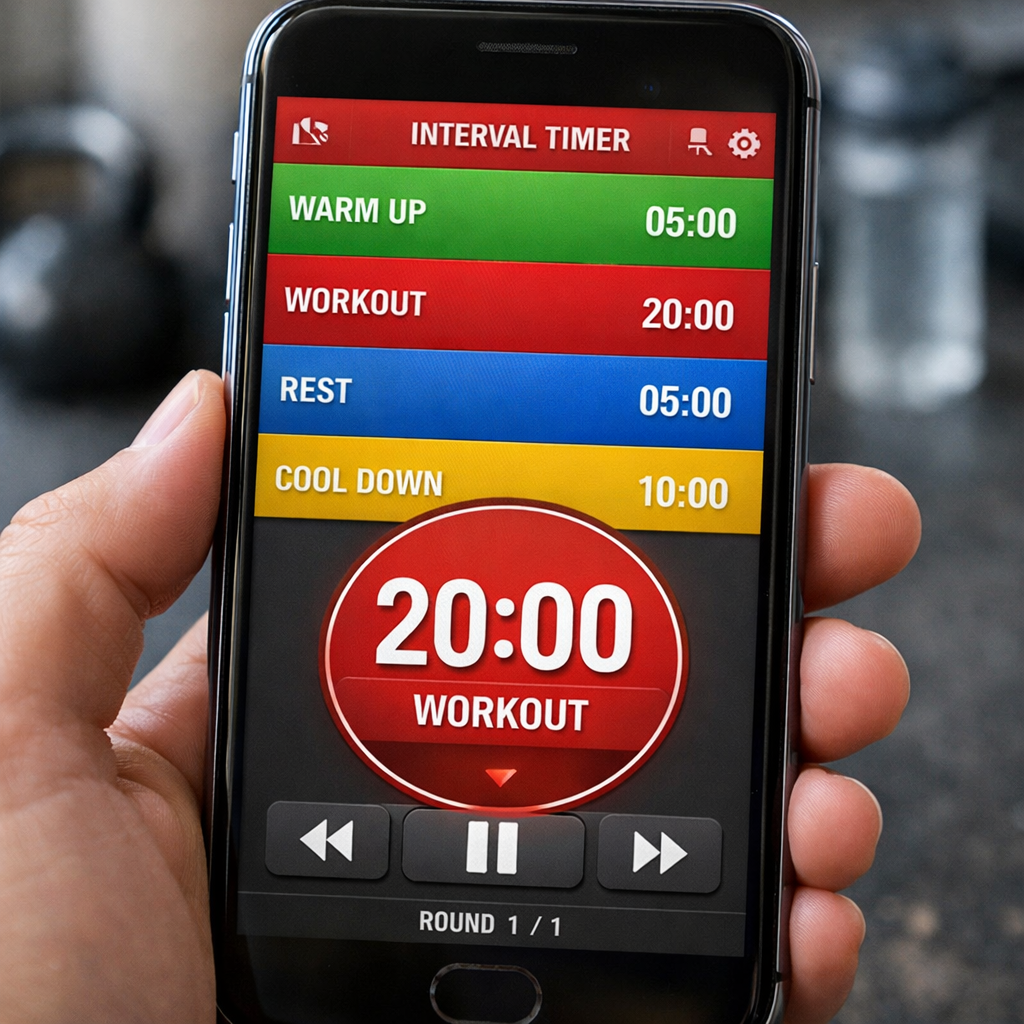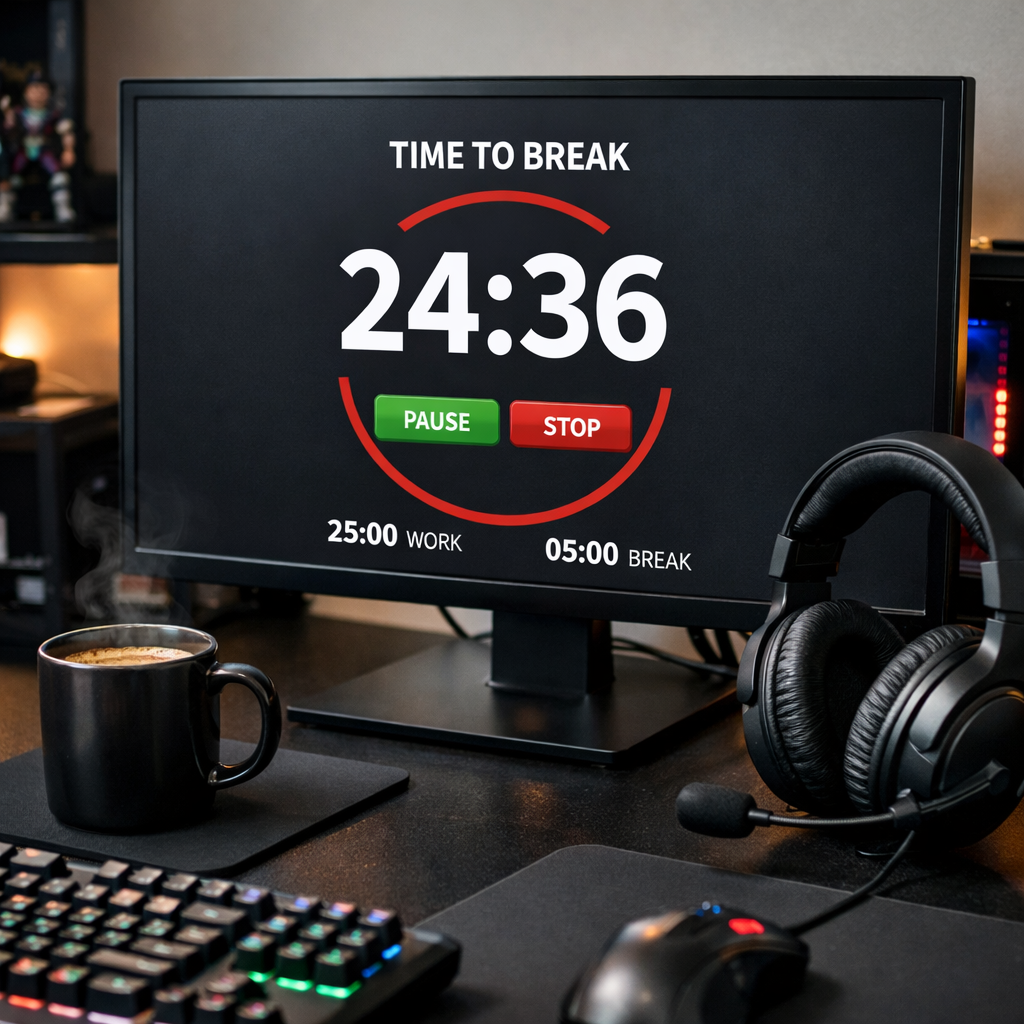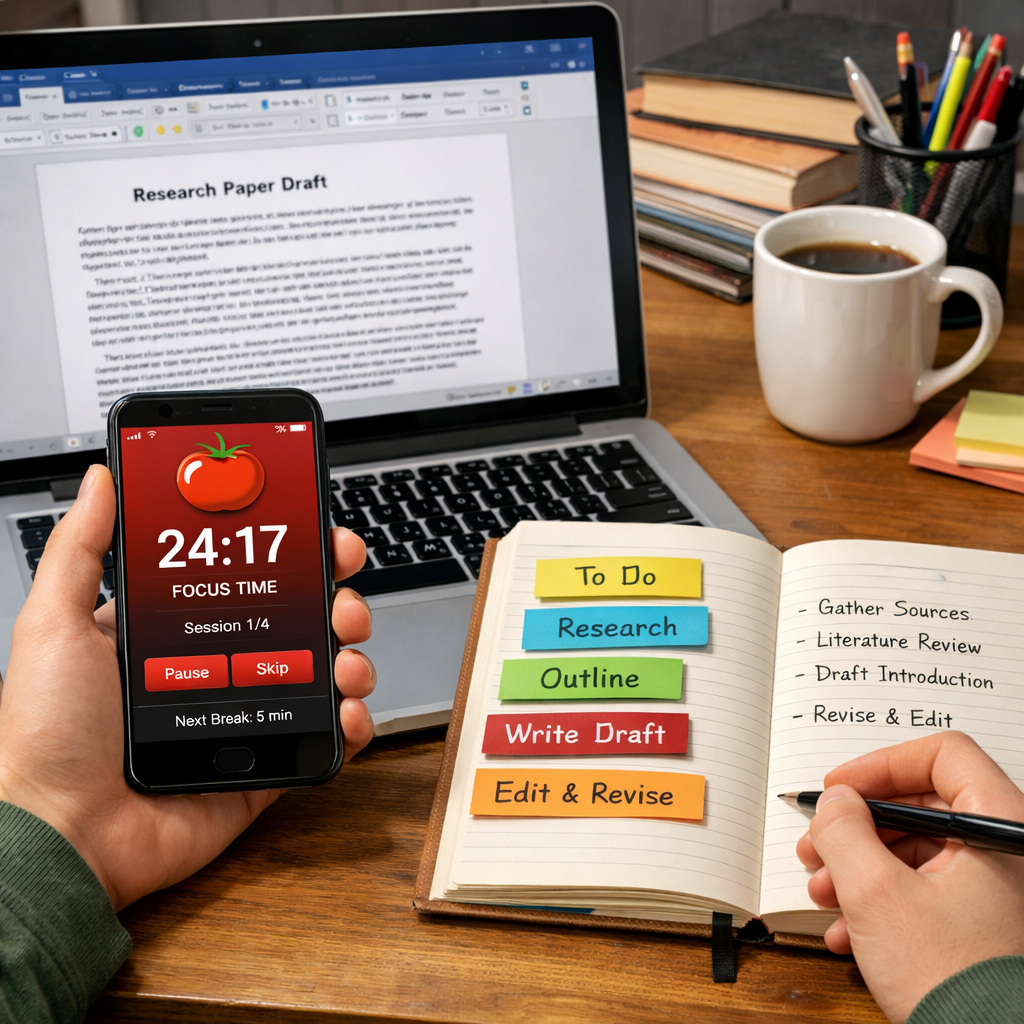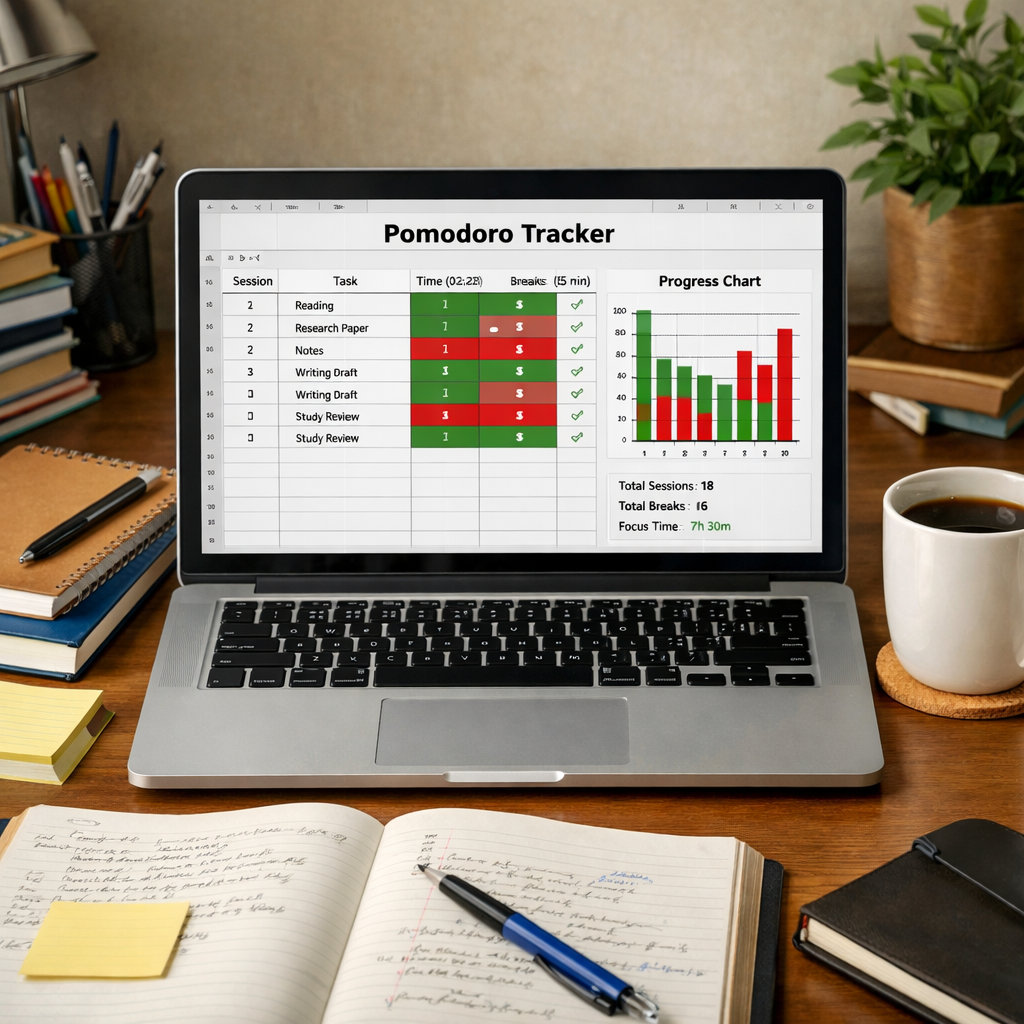

Teachers lose hours every week to drifting lessons, off-task students, and endless interruptions. A pomodoro timer for teachers lesson timers can cut that chaos in half by creating focused work bursts followed by purposeful breaks. We examined 7 top Pomodoro timer apps across 5 sources and discovered that the only native app—Focus Keeper—wins despite having no listed price, while the sole paid option isn’t the top choice for teachers.
| Name | Platform | Price | Best For | Source |
|---|---|---|---|---|
| Focus Keeper (Our Pick) | app | — | Best for dedicated app | focuskeeper.co |
| Pomofocus | Web | Free with ads; $3/month, $18/year, $54 lifetime | Best for flexible pricing | mindfulsuite.com |
| Be Focused | iOS, iPadOS, macOS | — | Best for Apple ecosystem | mindfulsuite.com |
| Focus Tomato | — | Free | Best for classroom ambience | apps.apple.com |
| Focus Booster | Web | — | Best for simple web timer | mindfulsuite.com |
| Pomodoro Timer | Web | Free | Best for free web timer | apix-drive.com |
| Rbpomodoro | Web | Free | Best for open-source web | rbpomodoro.com |
In this guide you’ll learn how to set up a pomodoro timer for teachers lesson timers, structure your classroom activities around focused work bursts, keep students engaged during breaks, and pick the best timer tool for your teaching style. By the end you’ll have a clear system that cuts wasted minutes and boosts on-task behavior.
Understanding the Pomodoro Technique for Teaching
The Pomodoro Technique breaks work into focused intervals, typically 25 minutes, followed by short breaks. Francesco Cirillo developed this time management method in the 1980s to help students work smarter, not harder. For teachers, this means turning chaotic lesson periods into predictable rhythms that keep both you and your students on track.
Think about your typical class period. Students start strong, but attention drifts after about 20 minutes. They fidget, check phones, or zone out completely. The pomodoro timer for teachers lesson timers gives you a built-in reset point before that drift happens.
Here’s how it works in practice. Set a visible timer for 25 minutes and announce a clear micro-goal like “read pages 12-14 and underline three key terms.” When the timer rings, everyone stops for a 5-minute stretch or quick discussion. Then you start the next pomodoro with a fresh objective.
The beauty lies in the structure. Students know exactly when they’ll get a break, so they can push through challenging material without feeling trapped. You get natural transition points to check understanding, adjust pace, or switch activities.
Research shows that breaks aren’t just rest periods. When students step away from studying, their brains enter what neuroscientists call the default mode network. This is when the brain consolidates new information, making sense of what was just learned and strengthening memory connections.
Short breaks also reduce cognitive fatigue by giving the prefrontal cortex a chance to recover. Without breaks, this area becomes overworked, leading to mental exhaustion, reduced productivity, and frustration. When students return from a break, their brains are better equipped to focus, problem-solve, and retain information more effectively.
Let’s look at three practical classroom examples. For reluctant writers, break essay writing into 25-minute sprints. After each sprint, let them stretch or chat for five minutes. This prevents burnout and makes writing feel manageable instead of overwhelming.
In biology classes with heavy memorization, divide lessons into two pomodoros. Use the first for studying key concepts like cell structures or the respiratory system. Take a five-minute break, then test understanding with quizzes or flashcards in the second session. This structured approach helps reinforce learning and retention.
For long reading assignments, have students read for 25 minutes, take a short break, then do a quick discussion or quiz. This keeps them engaged and improves comprehension compared to trying to power through 30 pages in one sitting.
The key is teaching students to use this technique beyond your classroom. Show them how to break homework into focused chunks. Help them identify their peak focus times. Give them permission to take breaks instead of forcing marathon study sessions.
Even though Focus Keeper doesn’t list a price, it outperforms Pomofocus—the only app with a paid tier up to $54—showing that a native app matters more than cost for teachers. Focus Keeper’s dedicated features make it ideal for classroom use without the distraction of web browsers or premium upgrade prompts.
When you introduce the pomodoro timer for teachers lesson timers to your students, you’re giving them a life skill. Whether in your classroom or at home, this method makes learning more structured, effective, and manageable. The timer becomes their silent partner, helping them focus without the stress of endless, unstructured work time.

Step 1: Choose the Right Pomodoro Timer for Your Classroom
The first step in implementing a pomodoro timer for teachers lesson timers is picking the right tool. You need something visible to the entire class, easy to operate, and reliable enough for daily use. Let’s break down your options and help you choose the best fit.
Visibility is your top priority. Every student needs to see the countdown from their seat. A phone timer tucked in your pocket won’t work. Neither will a tiny desktop clock that only the front row can read. You need something big, bright, and central.
Your best options include projecting a web-based timer on your smartboard, using a large digital clock mounted on the wall, or displaying a timer app through your computer’s screen sharing. Many teachers find success with simple YouTube timer videos that show a large countdown with optional background music.
Let’s examine the features that matter most for classroom use. First, you need customizable intervals. While 25 minutes works for most activities, younger students might need 20-minute blocks, and lab work could require 30-minute sessions. Your timer should let you adjust both work periods and break lengths.
Second, look for clear audio alerts. The timer should produce a gentle but audible signal when work time ends and break time begins. Harsh buzzing can startle students, while sounds too soft get missed during active group work.
Third, consider automation features. The best classroom timers automatically switch between work and break periods without you having to reset manually. This keeps the flow smooth and prevents you from getting distracted by timer management during instruction.
| Timer Type | Visibility | Cost | Setup Time | Best For |
|---|---|---|---|---|
| Projected Web Timer | Excellent | Free | 2 minutes | Most classrooms |
| YouTube Timer Video | Excellent | Free | 1 minute | Quick setup |
| Wall-Mounted Digital Clock | Good | $20-50 | 10 minutes | Permanent solution |
| Kitchen Timer | Poor | $10-20 | 30 seconds | Small groups only |
| Smartphone App | Poor | Free-$5 | 30 seconds | Personal use |
Our pick, Focus Keeper, stands out as the only native app designed specifically for productivity timing. Unlike web-based alternatives that run in browsers with potential distractions, Focus Keeper provides a clean, dedicated interface perfect for classroom projection. The app’s simplicity means less time fumbling with settings and more time teaching.
For Apple-centric classrooms, Be Focused offers seamless integration across iOS, iPadOS, and macOS devices. This makes it easy to start a timer on your iPad and have it sync to your MacBook for projection. The consistent interface across devices reduces the learning curve for tech-savvy teachers.
If you’re working with a tight budget, Pomodoro Timer delivers solid web-based functionality without cost. While it lacks the polish of dedicated apps, it provides reliable countdown features that work in any browser. The only product with a classroom-specific feature, Focus Tomato, is free, highlighting that free tools can still offer unique educational benefits.
Consider your classroom’s technology setup when choosing. If you have a reliable projector and computer, web-based timers work great. If your WiFi is spotty, a dedicated app with offline functionality might be better. For classrooms with minimal tech, a large digital clock provides visibility without depending on internet connectivity.
Test your chosen timer before using it with students. Run through a complete cycle to check volume levels, visibility from the back of the room, and ease of operation. Make sure students can see the timer clearly and understand what the different signals mean.
Remember that only 57% of the tools are free, yet the average price across the dataset is just $3.0, meaning most teachers can adopt a timer without breaking the budget. Whether you choose a free web timer or invest in a dedicated app, the key is consistent use that becomes part of your classroom routine.
Step 2: Set Up Your Lesson Timer Structure
Once you’ve chosen your timer tool, the next step is structuring your lessons around focused work periods. The pomodoro timer for teachers lesson timers works best when you match timer intervals to specific learning objectives rather than randomly chopping up class time.
Start by analyzing your typical lesson plan. Look at the major components: introduction, direct instruction, guided practice, independent work, and wrap-up. Each of these can become its own pomodoro or be combined depending on the activity’s complexity and your students’ attention spans.
For a standard 45-minute period, you might structure it like this: one 25-minute pomodoro for the main lesson content, a 5-minute break for movement or quick discussion, then a 15-minute pomodoro for practice or application work. This gives you natural checkpoints to assess understanding and adjust pace.
The key is writing micro-goals for each pomodoro. Instead of vague objectives like “work on math,” be specific: “solve problems 1-5 on page 47” or “read the first two paragraphs and identify the main idea.” Clear targets help students see progress and give you concrete measures of success.
Consider the cognitive load of different activities when setting timer lengths. Dense reading or complex problem-solving might need the full 25 minutes, while review activities or simple practice could work in 15-20 minute chunks. Lab work or creative projects might require longer 30-35 minute periods.
Build flexibility into your structure. If a discussion is going well and students are engaged, you can extend the current pomodoro by a few minutes and adjust the next one accordingly. If students finish early, use the extra time for quick review questions or preview the next topic.
Plan your break activities as carefully as your work periods. Five minutes isn’t long enough for students to leave the classroom, but it’s perfect for stretching, bathroom breaks, quick partner discussions, or brain breaks. Keep break activities purposeful rather than letting students drift into phone scrolling or off-topic chatting.
Document what works and what doesn’t. Keep a simple log noting which activities fit well into 25-minute blocks and which need adjustment. Over time, you’ll develop a sense of natural lesson rhythms that align with the pomodoro structure.
For younger students, consider shorter work periods. Elementary students often do better with 15-20 minute work blocks followed by 3-5 minute breaks. High school students can typically handle the full 25-minute periods and might even benefit from occasional 30-minute deep work sessions.
Subject matter also influences timing. Math problems with clear start and end points work well in standard pomodoros. Creative writing might need longer periods to get into flow. Science experiments require flexibility to accommodate setup, observation, and cleanup phases.
Use the timer structure to improve your pacing. If you consistently run over time during direct instruction, you know to either shorten your presentation or split it across two pomodoros. If students always finish independent work early, you can add extension activities or increase the challenge level.
The goal isn’t rigid adherence to the timer but using it as a framework for more intentional lesson design. When you plan with specific time blocks in mind, you naturally create more focused, purposeful learning experiences that respect both your teaching objectives and your students’ attention spans.
Step 3: Introduce the Timer System to Students
Successfully implementing a pomodoro timer for teachers lesson timers depends heavily on how well you introduce the system to your students. They need to understand not just what you’re doing, but why it will help them learn better and feel less overwhelmed by long class periods.
Start with a simple explanation that connects to their experience. Ask students how they feel during long study sessions or homework marathons. Most will mention getting tired, distracted, or frustrated. Explain that the timer system gives their brains regular rest periods, just like athletes take water breaks during practice.
Demonstrate the system before using it for real lessons. Set a 10-minute timer and have students work on a simple task like listing everything they know about a topic. When the timer rings, take a 2-minute stretch break, then discuss what they accomplished. This gives them a concrete feel for the rhythm without the pressure of important content.
Be transparent about what the timer means for classroom behavior. Explain that when the timer is running, it’s focused work time with minimal talking or movement. When it rings, they get a designated break for stretching, bathroom visits, or quick conversations. This clarity prevents confusion and helps students self-regulate.
Address common concerns upfront. Some students worry they won’t finish tasks in the allotted time. Reassure them that unfinished work can continue in the next pomodoro or that you’ll adjust timing based on what you observe. Others might feel rushed by visible countdowns. Explain that the timer is a helper, not a stressor, designed to prevent work from dragging on endlessly.
Involve students in setting micro-goals for each pomodoro. Instead of dictating objectives, ask them what they think they can reasonably accomplish in 25 minutes. This builds ownership and helps them develop realistic time estimation skills. Write their agreed-upon goals on the board so everyone can see the target.
Teach students to use break time effectively. Five minutes isn’t enough for deep socializing or complex activities, but it’s perfect for physical movement, hydration, or mental reset activities. Model good break behavior by standing up, doing a few stretches, or taking deep breaths yourself.

Create visual cues that reinforce the system. Use different colored cards or slides to signal work time versus break time. Develop simple hand signals that remind students of expectations without interrupting the flow. Consider having students help manage the timer by taking turns being the “timekeeper” who announces transitions.
Practice the transition routine multiple times. Students need to know exactly what to do when the timer rings for a break and when break time ends. Smooth transitions prevent lost instructional time and maintain the system’s effectiveness. The best Pomodoro timers offer automatic alternating between work and break periods, which helps maintain consistent transitions.
Expect an adjustment period. Some students will test boundaries by trying to extend breaks or continue working past the timer. Others might feel anxious about the visible countdown. Stay consistent with expectations while remaining flexible enough to make small adjustments based on what you observe.
Celebrate early successes. When students complete their micro-goals within the time limit, acknowledge their focus and effort. When they use break time appropriately and return ready to work, praise their self-management. Positive reinforcement helps establish the pomodoro timer for teachers lesson timers as a helpful tool rather than another rule to follow.
Connect the classroom system to their independent study habits. Show students how they can use similar timing techniques for homework, test preparation, or personal projects. This extends the benefits beyond your classroom and gives them a lifelong productivity tool.
Step 4: Implement Effective Break Periods
The success of your pomodoro timer for teachers lesson timers depends as much on well-planned breaks as on focused work periods. Effective breaks aren’t just time fillers; they’re strategic pauses that refresh minds, prevent burnout, and set students up for success in the next work cycle.
Physical movement should be your first priority during break periods. After 25 minutes of sitting and concentrating, students’ bodies need to move and their eyes need to refocus. Simple stretches, walking around the classroom, or even standing and sitting a few times can boost circulation and alertness.
Keep break activities short and purposeful. Five minutes isn’t enough time for complex games or deep conversations, but it’s perfect for quick energizers. Try having students do jumping jacks, touch their toes, or rotate their shoulders. These simple movements help reset both body and mind for the next work period.
Consider incorporating mindfulness techniques into your breaks. A minute of deep breathing, a quick gratitude share, or a brief meditation can help students center themselves and reduce stress. Research shows that intentional breaks improve focus and reduce mental resistance to challenging tasks.
Use breaks for quick formative assessment. Ask students to share one thing they learned, one question they have, or one connection they made during the work period. This gives you immediate feedback on understanding while keeping students mentally engaged with the content.
Hydration and bathroom breaks are practical necessities that fit perfectly into pomodoro breaks. Encourage students to drink water, use the restroom, or simply rest their eyes by looking out the window. These basic self-care activities help maintain physical comfort and concentration.
Avoid activities that are hard to stop or that might overstimulate students. Social media scrolling, video watching, or intense games can make it difficult to refocus when break time ends. Instead, choose activities that naturally wind down and leave students ready to re-engage with learning.
Plan different types of breaks for different parts of the day. Morning breaks might focus on energizing movement, while afternoon breaks could emphasize relaxation and refocusing. Match break activities to your students’ energy levels and the demands of upcoming work periods.
Model good break behavior yourself. When you tell students to stretch, stretch yourself. When you suggest deep breathing, take a few breaths. Your participation shows that breaks are valuable for everyone, not just a concession to student needs.
Set clear expectations for break endings. Students need to know exactly when break time is over and work time resumes. Use a gentle but consistent signal, and expect immediate attention when the next pomodoro begins. Consistency here prevents breaks from stretching too long and disrupting your lesson flow.
After three or four pomodoros, consider implementing a longer break of 15-20 minutes. This extended pause allows for more substantial movement, deeper conversations, or even a quick snack. Longer breaks help sustain focus through extended class periods or double-block schedules.
Track which break activities work best for your students. Some classes respond well to movement breaks, while others prefer quiet reflection time. Pay attention to how different break activities affect focus and behavior in subsequent work periods, then adjust your break menu accordingly.
Remember that breaks serve different students in different ways. Extroverted students might benefit from brief social interaction, while introverted students might prefer quiet individual activities. Offering a few break options can help meet diverse needs while maintaining the overall structure of your pomodoro system.
Adapting Timer Intervals for Different Age Groups and Subjects
Not every classroom needs the same pomodoro timer for teachers lesson timers setup. Age, subject matter, and activity type all influence the optimal timing structure. Understanding how to adjust intervals ensures your timer system enhances rather than hinders learning.
Elementary students typically need shorter work periods than the standard 25-minute pomodoro. Their attention spans naturally peak around 15-20 minutes, making these shorter intervals more effective. Try 15-minute work periods with 3-5 minute breaks for grades K-2, and 20-minute periods with 5-minute breaks for grades 3-5.
Middle school students can usually handle the classic 25-minute structure, but they benefit from more frequent movement breaks. Their developing brains and changing bodies need regular physical activity to maintain focus. Consider adding brief movement moments within longer work periods or extending break times to 7-8 minutes.
High school students often thrive with longer work intervals, especially for complex tasks. Advanced classes might use 30-35 minute work periods for research projects, essay writing, or lab work. However, maintain the break structure to prevent fatigue during longer class periods.
Subject matter significantly impacts optimal timing. Math classes with discrete problems work well with standard 25-minute intervals. Students can complete several problems, check answers, and feel a sense of accomplishment before the break.
Language arts classes might need more flexibility. Reading comprehension could follow standard timing, but creative writing often benefits from longer periods to achieve flow. Consider 35-40 minute writing sessions followed by 10-minute sharing or reflection breaks.
Science classes require adaptation based on activity type. Lecture periods work with standard timing, but lab work needs longer intervals to accommodate setup, experimentation, observation, and cleanup. Plan 30-45 minute lab pomodoros with extended breaks for discussion and cleanup.
Social studies classes benefit from varied timing based on activity. Document analysis might need 20-minute focused periods, while group discussions could extend to 30-35 minutes to allow ideas to develop fully. Map work or timeline creation might require longer uninterrupted periods.
Art and creative classes often need the most flexibility. Initial instruction might follow standard timing, but creative work periods should extend to 40-50 minutes to allow students to enter flow states. Cleanup and reflection can serve as natural break periods.
Physical education classes can use pomodoro principles for skill instruction and practice. Break complex sports skills into 15-20 minute focused practice sessions with brief water and instruction breaks. This prevents fatigue while maintaining learning momentum.
Special education classrooms might need highly individualized timing. Some students benefit from very short 10-minute work periods with frequent breaks, while others can handle standard intervals. Observe individual responses and adjust accordingly.
Consider the time of day when adapting intervals. Morning classes often handle longer work periods well, while afternoon classes might need shorter bursts with more frequent breaks. Post-lunch periods almost always benefit from movement-heavy breaks to combat drowsiness.
Seasonal factors also matter. Students typically have shorter attention spans during the weeks before holidays or at the end of the school year. Hot weather can reduce focus, calling for shorter work periods and more frequent hydration breaks.
Test different interval lengths systematically. Try one timing structure for a full week, noting student engagement, task completion, and behavior during transitions. Then adjust one variable at a time until you find the optimal rhythm for each class.
Remember that flexibility is key to successful implementation. While consistency helps establish routines, rigid adherence to timing can interfere with natural learning moments. Use the pomodoro timer for teachers lesson timers as a framework, not a straitjacket, adapting as needed to serve your students’ learning needs.
Frequently Asked Questions
How do I choose the right interval length for my pomodoro timer for teachers lesson timers?
Start with the classic 25-minute work period and observe your students’ engagement levels. If you notice attention dropping before the timer rings, reduce to 20 minutes. If students consistently finish tasks early, try extending to 30 minutes. Age matters too: elementary students typically need 15-20 minute intervals, while high schoolers can handle 25-30 minutes. Test one interval length for a full week before making adjustments, and always consider the cognitive demand of your activities when setting times.
What should students do during the 5-minute break periods?
Effective break activities include physical movement like stretching or walking around the classroom, hydration and bathroom breaks, brief discussions about the lesson content, or simple mindfulness exercises like deep breathing. Avoid activities that are hard to stop, like social media or videos. The goal is to refresh minds and bodies without overstimulation. Model good break behavior yourself and rotate between different types of activities to keep breaks engaging and purposeful throughout the day.
How can I handle students who don’t finish tasks within the pomodoro timer for teachers lesson timers?
First, reassure students that unfinished work isn’t failure but information about pacing and task complexity. You can extend the current interval by a few minutes if most students need more time, continue the task in the next pomodoro, or adjust future timing based on what you observe. Help students break large tasks into smaller chunks that fit the intervals better. Track completion rates to identify whether your micro-goals are realistic for the time allotted.
Can I use different timer lengths for different subjects or activities?
Absolutely. Math problems might work well in 25-minute blocks, while creative writing could need 35-40 minutes to achieve flow. Science labs often require 30-45 minute periods for setup and experimentation. Reading comprehension might need 20 minutes for focused analysis, while group discussions could extend to 30 minutes. The key is matching interval length to the cognitive demands and natural rhythm of each activity while maintaining the break structure that makes the system effective.
How do I introduce the pomodoro timer for teachers lesson timers to students who resist structure?
Start by explaining the benefits in terms students care about: less overwhelming homework sessions, clearer expectations, and regular breaks that prevent burnout. Demonstrate with a low-stakes activity first, like brainstorming or review games. Involve students in setting micro-goals for each interval so they feel ownership rather than imposed control. Address concerns directly and be willing to adjust based on feedback. Emphasize that the timer is a tool to help them succeed, not another rule to follow.
What’s the best way to track progress with classroom pomodoro sessions?
Keep a simple log noting the date, subject, interval length, micro-goal, and whether students met the objective. Track completion rates, engagement levels during work periods, and behavior during breaks. Note which activities work well within standard intervals and which need adjustment. After a few weeks, review patterns to optimize your timing structure. Many teachers use a basic chart on the wall where students can see their collective progress, building motivation and accountability.
How should I adapt the pomodoro timer for teachers lesson timers for online or hybrid learning?
Online learning actually enhances pomodoro effectiveness because screen fatigue makes regular breaks essential. Use breakout rooms for small group work during intervals, and encourage students to stand, stretch, or step away from screens during breaks. Share your timer screen so all students see the countdown simultaneously. For hybrid classrooms, ensure both in-person and remote students can see the timer and participate in break activities. Consider shorter intervals for online sessions since sustained screen attention is more challenging than in-person focus.
What are common mistakes teachers make when implementing pomodoro timers in the classroom?
The biggest mistake is rigid adherence to timing when flexibility would better serve learning. Other common errors include setting vague micro-goals that don’t give students clear targets, allowing breaks to extend too long and disrupt flow, choosing timer lengths that don’t match student attention spans, and failing to model good break behavior themselves. Some teachers also try to cram too much content into each interval or use the timer as a punishment rather than a helpful tool. Success comes from treating the timer as a flexible framework that adapts to student needs.
Conclusion
The pomodoro timer for teachers lesson timers transforms chaotic classroom periods into focused, productive learning experiences. By breaking lessons into 25-minute work bursts followed by purposeful 5-minute breaks, you create a rhythm that respects both your teaching objectives and your students’ natural attention spans.
We’ve walked through choosing the right timer tool, structuring lessons around focused intervals, introducing the system to students, implementing effective breaks, and adapting timing for different ages and subjects. The key is starting simple with clear micro-goals and consistent expectations, then adjusting based on what you observe in your specific classroom context.
Remember that Focus Keeper stands out as our top pick for its dedicated app design and classroom-friendly features. Whether you choose a free web timer or invest in a specialized app, the most important factor is consistent use that becomes part of your daily teaching routine.
The benefits extend beyond improved focus and time management. Students learn valuable self-regulation skills, develop better time estimation abilities, and experience less stress during long work periods. You gain natural checkpoints for formative assessment, smoother transitions between activities, and more intentional lesson pacing.
Start tomorrow with just one class period. Choose a simple activity, set a 25-minute timer with a clear micro-goal, and implement a purposeful 5-minute break. Observe how students respond, note what works well, and make small adjustments as needed. Within a week, you’ll see the difference this simple system can make in classroom dynamics and learning outcomes.
The pomodoro timer for teachers lesson timers isn’t just about managing time; it’s about creating sustainable learning environments where both teachers and students can thrive. Give it a try and watch your classroom transform into a more focused, energized, and productive space for learning.