
Working from home as a parent feels like juggling a circus while trying to keep the plates from crashing.
The pomodoro timer for parents working from home gives you a clear rhythm: 25 minutes of focused work, then a short break to stretch, check on a child, or grab a snack.
One practical way to start is to set a timer for a single task—answering emails, writing a report, or grading a homework sheet. When the timer rings, stand up, walk to the kitchen, and give yourself a real break before the next round.
If you also homeschool, the Pomodoro Technique for Homeschool Parents guide shows how to pair study blocks with family time, so you don’t lose the flow of either work or teaching.
Here’s a quick checklist you can try today:
- Pick three top tasks for the morning.
- Set the timer for 25 minutes and turn off notifications.
- When it ends, take a 5‑minute move‑break, stretch, do a quick tidy, or sip water.
- Repeat four times, then take a longer 15‑minute pause.
Remember that focus isn’t just mental; your body needs fuel. Pairing the pomodoro rhythm with short movement or nutrition tips can keep energy up. For a holistic health boost, check out XLR8well, which offers proactive health guidance.
With this simple loop you’ll find more work gets done, the kids stay happy, and the house feels less like a battlefield.
Give it a week and see the difference in calm and completed tasks.
Step 1: Choose a Pomodoro Timer That Fits a Busy Home Office
When the house is loud and the inbox is full, the timer you pick can make or break your day.
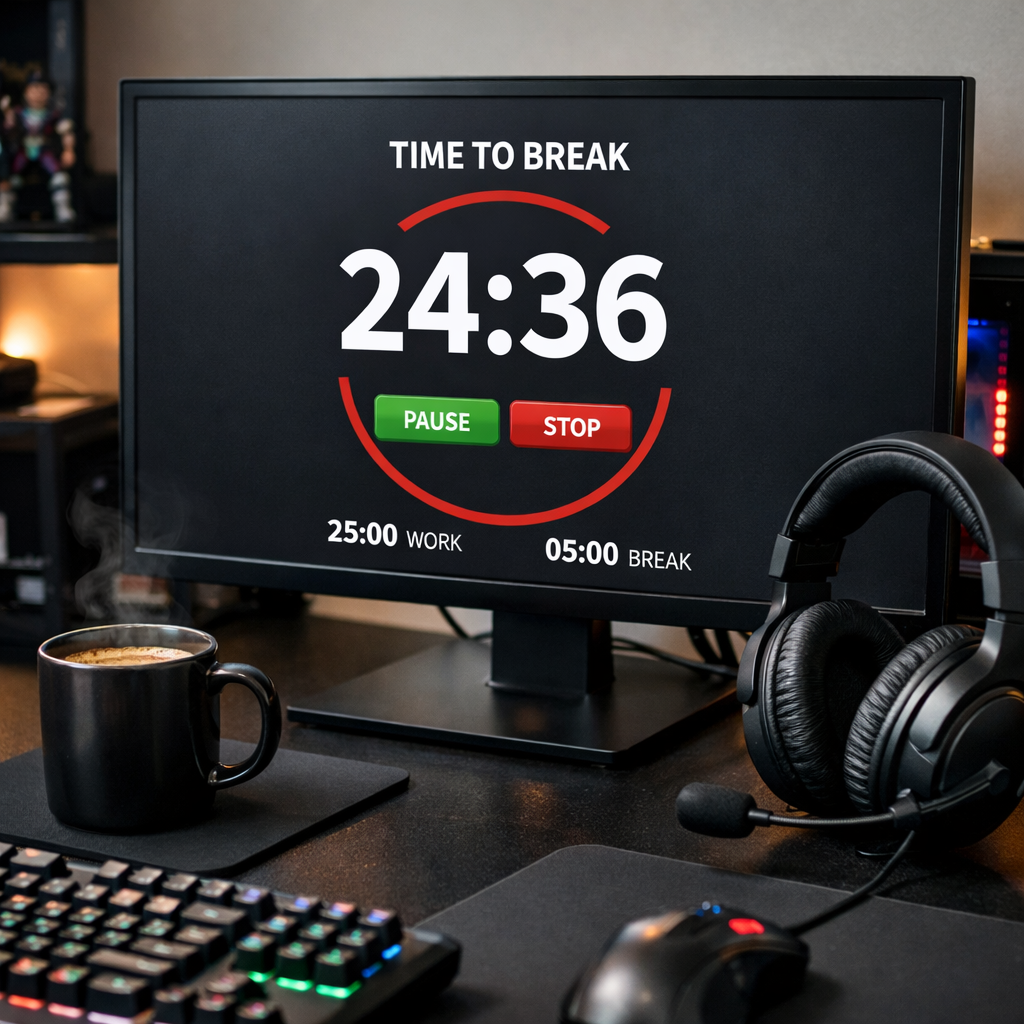
First, look for a timer that’s easy to start and stop. A single tap should launch a 25‑minute block without you hunting through menus.
Next, think about sound. Some parents need a gentle chime so the kids aren’t startled. Others prefer a silent visual cue that flashes on the screen.
If you work on a laptop and a phone, pick a tool that syncs across devices. That way you can move from the kitchen table to the home office without losing your count.
Many busy parents love the way Focus Keeper keeps the UI clean and lets you tag each pomodoro with a task name – like “grade papers” or “client call.”
Don’t forget your body. A quick stretch or a sip of water at the end of each round helps you stay sharp. For extra health tips, check out XLR8well for simple wellness guidance.
If you’re looking for a boost of nutrition while you work, Exuvital offers easy vitamin plans that fit into short breaks.
And when the timer rings, a kid‑friendly snack can turn a break into a win for everyone. ChickenTutor has quick recipe ideas that keep the little ones happy and the kitchen tidy.
Here’s a quick checklist you can copy:
- Pick a timer with one‑tap start.
- Choose a sound that works for your family.
- Make sure it syncs on phone and computer.
- Use it with short stretch or snack breaks.
Watch the short video below for a visual walk‑through of setting up a timer that works for parents.
Now picture this: you’re at the desk, the timer buzzes, you stand, stretch, and grab a bite while the kids play nearby. That rhythm keeps work flowing and home calm.

Step 2: Design Pomodoro Intervals Around Your Kids’ Routines
Now that you have a timer you like, the next step is to fit its cycles into your family’s day.
Start by listing the moments when the house is naturally quiet. A morning nap, a school‑bus drop‑off, or a bedtime story are perfect anchors.
Match a 25‑minute work block to each quiet slot. If your child naps at 9 am, set the timer to start at 9:15 and work until 9:40. Then take a short 5‑minute break to check on the kids or stretch.
If the gap is shorter than 25 minutes, shrink the work period. A 15‑minute sprint still gives you focus without cutting into playtime.
Plan the longer 15‑minute break for a shared activity. A quick snack, a tidy‑up race, or a song‑and‑dance can reset both you and the kids.
Keep a visual cue in the kitchen. A sticky note with the next Pomodoro start time helps everyone know when you’ll be in deep work mode.
When the day shifts, be ready to move the blocks. If a surprise playdate pops up, pause the timer, note the missed slot, and slot it in later.

If a bedtime routine runs later than expected, simply shift the next Pomodoro by five minutes. The timer is flexible, so you can keep the flow without missing a beat.
A quick audit at the end of the day tells you what worked. Did you finish the planned cycles? Did a break feel rushed? Tweak the start times for tomorrow.
Remember, the goal isn’t to lock yourself into a rigid schedule. It’s to create a rhythm that respects your kids’ flow while giving you focused time. A little trial and error will land you on a pattern that feels natural.
Step 3: Use Breaks Effectively with Kids – Video Walkthrough
Breaks are the secret sauce that keeps both you and your kids from burning out.
Kids don’t need a full 5‑minute pause every time. Studies show a 3‑to‑5‑minute stretch, sip of water, or goofy dance keeps their brain fresh research on Pomodoro for children says.
Here’s a quick way to run a break:
- When the timer dings, stand up with a smile.
- Pick a movement that needs no setup – a quick stretch, a hop, or a silly face.
- Count to 30 seconds, then return to the task.
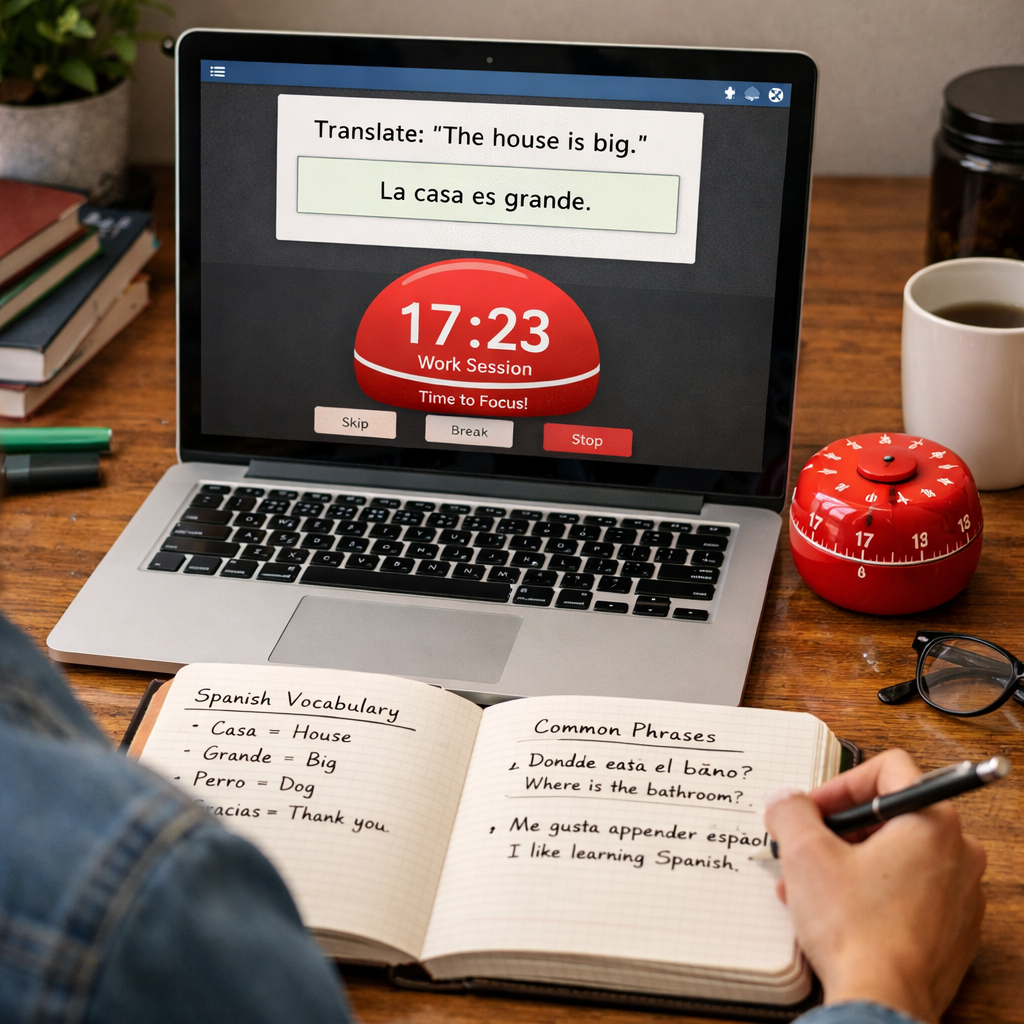
If you have a kitchen timer that looks like a tomato, let the kids watch it count down. Seeing the seconds disappear turns the pause into a game.
After three or four work blocks, give a longer 15‑minute break. Use this time for a snack, a story, or a mini‑cleanup race. The goal is to reset energy, not to start a new chore marathon.
Try this checklist before each break:
- Is the activity simple and safe?
- Will it get the kids moving a bit?
- Is it fun enough to make them want to start the next pomodoro?
Notice how the kids react. If they fidget or look bored, swap the activity for something more lively. If they grin and ask for more, you’ve hit the sweet spot.
Make the routine visible. Write “Break = 5 min” on a sticky note near the timer so everyone knows what’s coming next.
Play a short song while the break runs. When the tune ends, everyone knows it’s time to jump back in. You’ll find the rhythm settles after a few days.
Give it a try today. Set one pomodoro, run the break steps, and watch the mood shift. Small tweaks add up, and soon the whole house runs smoother.
Step 4: Track Progress and Adjust for Long‑Term Success
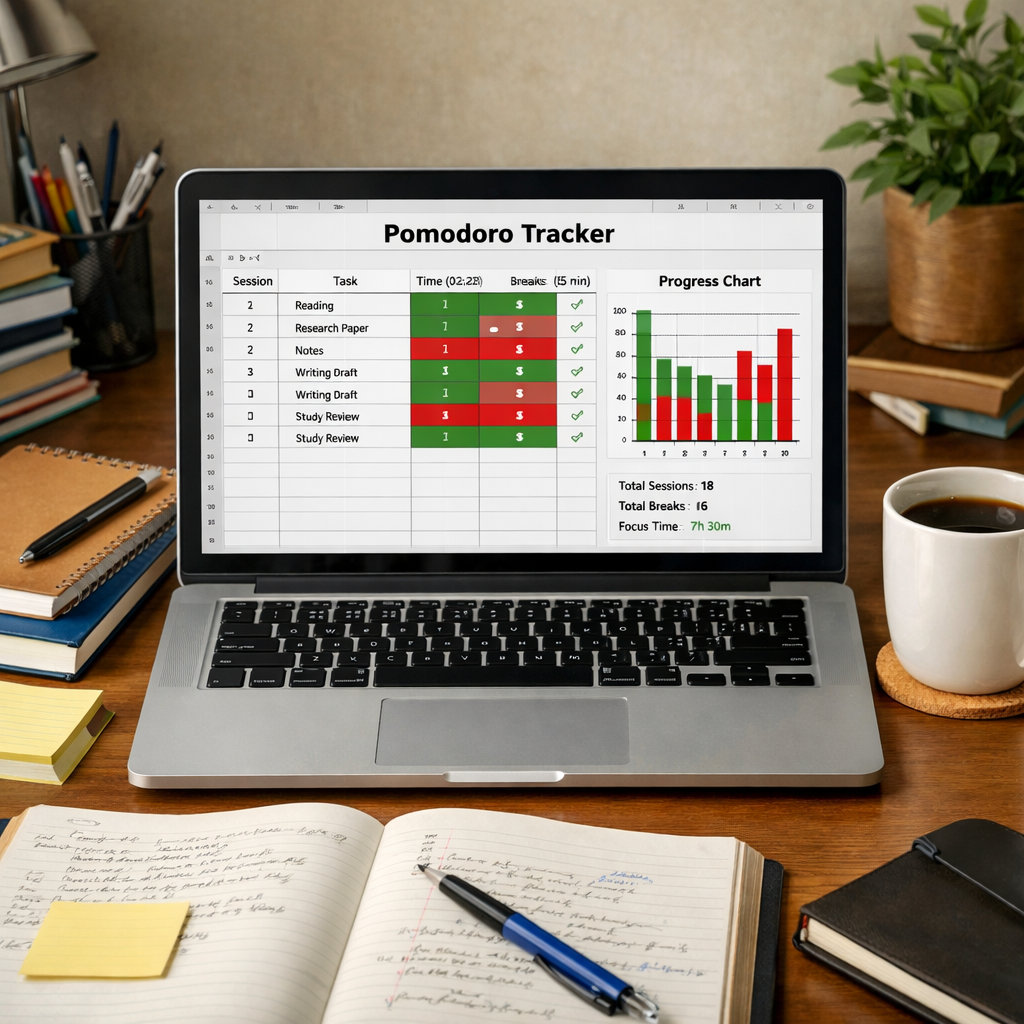
Tracking your Pomodoro cycles turns guesswork into a clear map of what works for you and your kids.
When you see which blocks spark focus and which leave you feeling drained, you can make tiny tweaks that add up to big gains.
Step 1: Log each session. After the timer dings, note the task, the start‑time, and how you felt. A quick notebook, a spreadsheet, or the built‑in history in most Pomodoro apps does the trick.
Step 2: Review at day’s end. Scan your notes. Did a 25‑minute work sprint right after snack time feel smooth? Did a 15‑minute break after school pick‑up leave you exhausted? Mark the ones that felt right.
Step 3: Spot patterns. Look for repeats – maybe you’re most alert in the morning, or a 30‑minute block works better when the kids nap.
Step 4: Adjust the next day. Shift the length, swap the break activity, or move the start time. Small changes keep the system alive and avoid the rut.
Many parents find that the short, regular breaks built into the Pomodoro method act like a safety valve for stress research on Pomodoro for busy parents supports.
Here’s a quick cheat‑sheet you can paste into a note app:
| What to Track | Why It Matters | How to Adjust |
|---|---|---|
| Block length (25 min, 30 min) | Shows when focus peaks | Try a longer block during nap time |
| Break type (stretch, snack, game) | Shows which reset works best | Swap a quiet stretch for a quick dance if energy is low |
| Energy rating (high, medium, low) | Highlights fatigue points | Move tough tasks to higher‑energy slots |
Set a five‑minute review tonight. Write down what worked, tweak one thing for tomorrow, and watch the rhythm get smoother.
Conclusion
Now you’ve got a rhythm that fits your home and work life.
The pomodoro timer for parents working from home gives you short bursts of focus, then real breaks that keep kids happy and you sane. When a block feels too long, trim it. When a break feels flat, swap a stretch for a quick dance.
One easy habit is to end each day with a five minute note: what worked, what felt rough, and one tweak for tomorrow. That tiny review turns trial into steady progress.
Remember, the tool is just a helper. Your own cues, like a sticky note, a kitchen timer, or a simple phone alarm, can do the job. If you like a ready made solution, Focus Keeper offers a clean interface that lets you set custom lengths and see your cycles at a glance.
Give the cycle a week, notice the calmer house and the extra tasks checked off, and keep fine tuning. You’ve got this.
FAQ
How do I pick the right pomodoro length when I have kids around?
Start with the classic 25‑minute work slot and a 5‑minute break. If your kids nap for 30 minutes, you can stretch the work time to 30 and keep the break short. The key is to match the timer to moments when the house is quiet. Test a few lengths and notice if you feel rushed or if the block slips away. Adjust in five‑minute steps until it feels natural.
Can I use a phone timer or do I need a special app?
You don’t need a fancy program. Any phone alarm, kitchen timer, or free web timer works as long as it lets you set work and break periods and gives a clear sound. Choose a tool that you can see from your desk without stopping what you’re doing. If you prefer a visual cue, a simple timer app that shows a countdown bar can help keep focus without extra clicks.
What should I do if a child interrupts a pomodoro block?
When a child walks in while the timer is ticking, pause the timer, give a quick acknowledgement, then resume. A 30‑second pause keeps the rhythm alive and shows the child you respect both work and family. If interruptions happen often, schedule short “parent check‑in” windows during your breaks so the kids know you’ll be available then. This way the pomodoro stays a tool, not a source of stress.
How many cycles are realistic for a busy parent in one day?
A realistic goal is two to three full cycles before lunch and another two in the afternoon. That gives you about four to six focused blocks without burning out. If you have a hectic morning, start with a single 15‑minute sprint and build up. Remember, the aim is steady progress, not marathon sessions. Adjust the count based on how many quiet slots you actually have each day.
Is it okay to mix work tasks with household chores in the same pomodoro?
Mixing chores with work can work if the task is simple and won’t break your focus. For example, folding laundry while listening to a recorded meeting is okay, but writing a report shouldn’t be done during a cleaning sprint. Keep the pomodoro’s purpose clear: a block of uninterrupted mental work. If a chore needs your full attention, treat it as its own pomodoro.
How can I track my progress without adding extra stress?
Use a simple notebook or a sticky note on your fridge to jot down the date, the task, and a quick energy rating (high, medium, low). Review the list at the end of the day and note any patterns like a certain time of day that feels hardest. This low-tech log gives you insight without adding another app to manage.