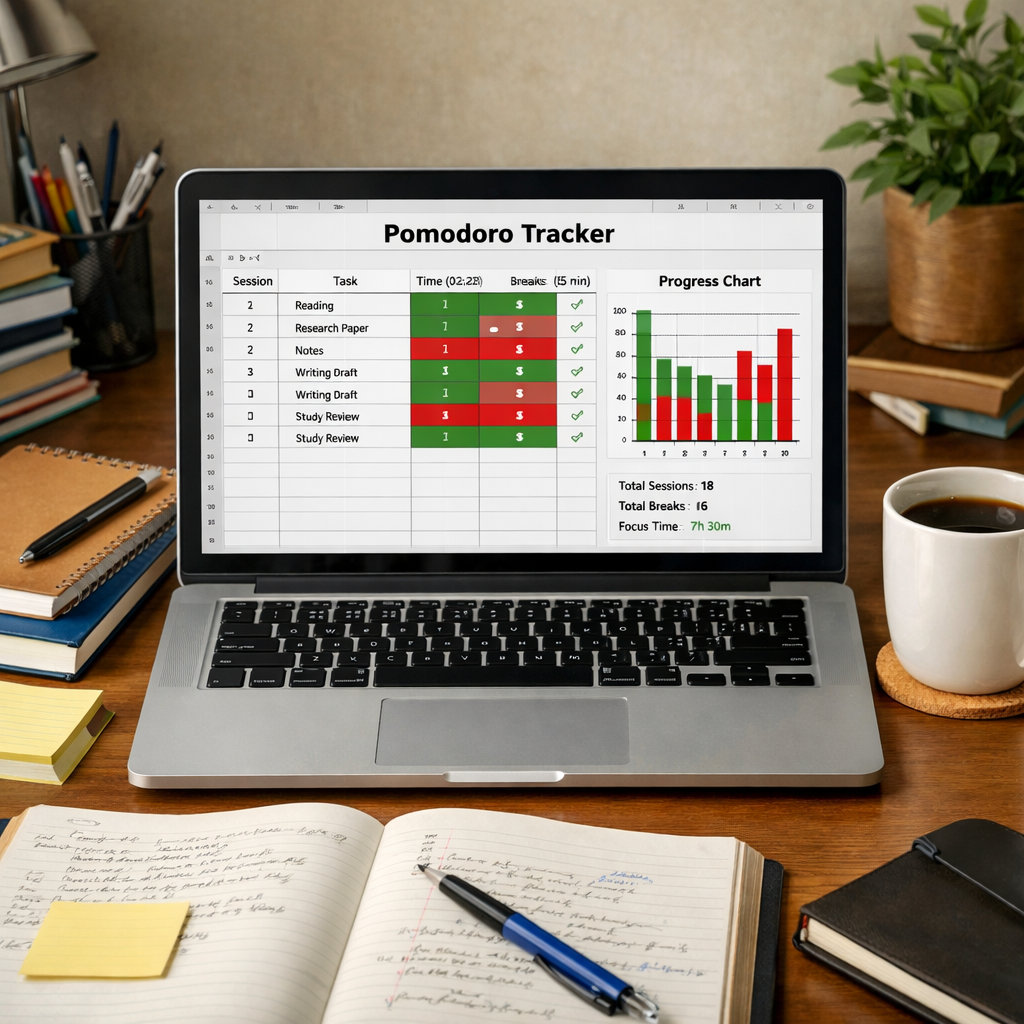

A pomodoro timer for teachers classroom management can cut wasted minutes in half.
You’ll see a clear rhythm that keeps kids on task and gives you a predictable cue to switch activities.
In the next few minutes we’ll show how to pick a visible timer, set micro‑goals for each 25‑minute burst, and use a five‑minute reset that re‑energises the class.
Our guide How to Use Pomodoro Timer in Classroom walks you through the set‑up step by step, so you can try it tomorrow.
When you add a timed drawing drill, a good pencil makes the work feel smoother; see the top picks at best graphite pencils for fine‑line drawing.
By the end of this article you’ll have three ready‑to‑use steps, a quick checklist, and the confidence to run a pomodoro rhythm in any classroom.
Imagine a 5th‑grade reading block. Set the timer for 25 minutes, ask students to annotate two pages, then use the five‑minute break for a quick stretch or a short quiz. The clear end point keeps them focused, and the break lets the brain reset.
You can track progress on a simple board. Write the lesson name, the pomodoro number, and a tick when the goal is met. After a week you’ll see which tasks fit the 25‑minute slot and which need a shorter burst.
The same rhythm works for remote lessons or hybrid classes. Project the timer on the screen, share the goal in the chat, and let the break be a chance for a quick poll. This keeps online students as engaged as those in the room.
Step 1: Set Up the Pomodoro Timer for Your Classroom
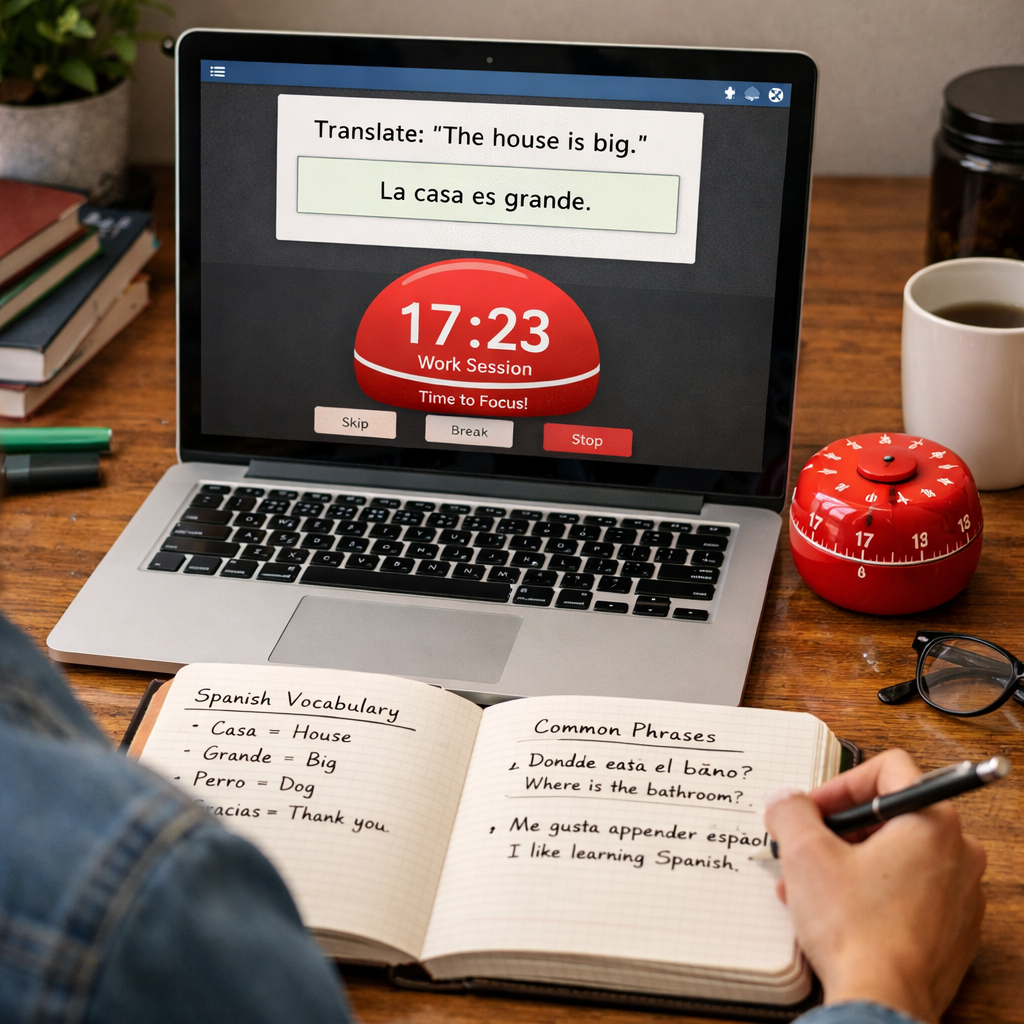
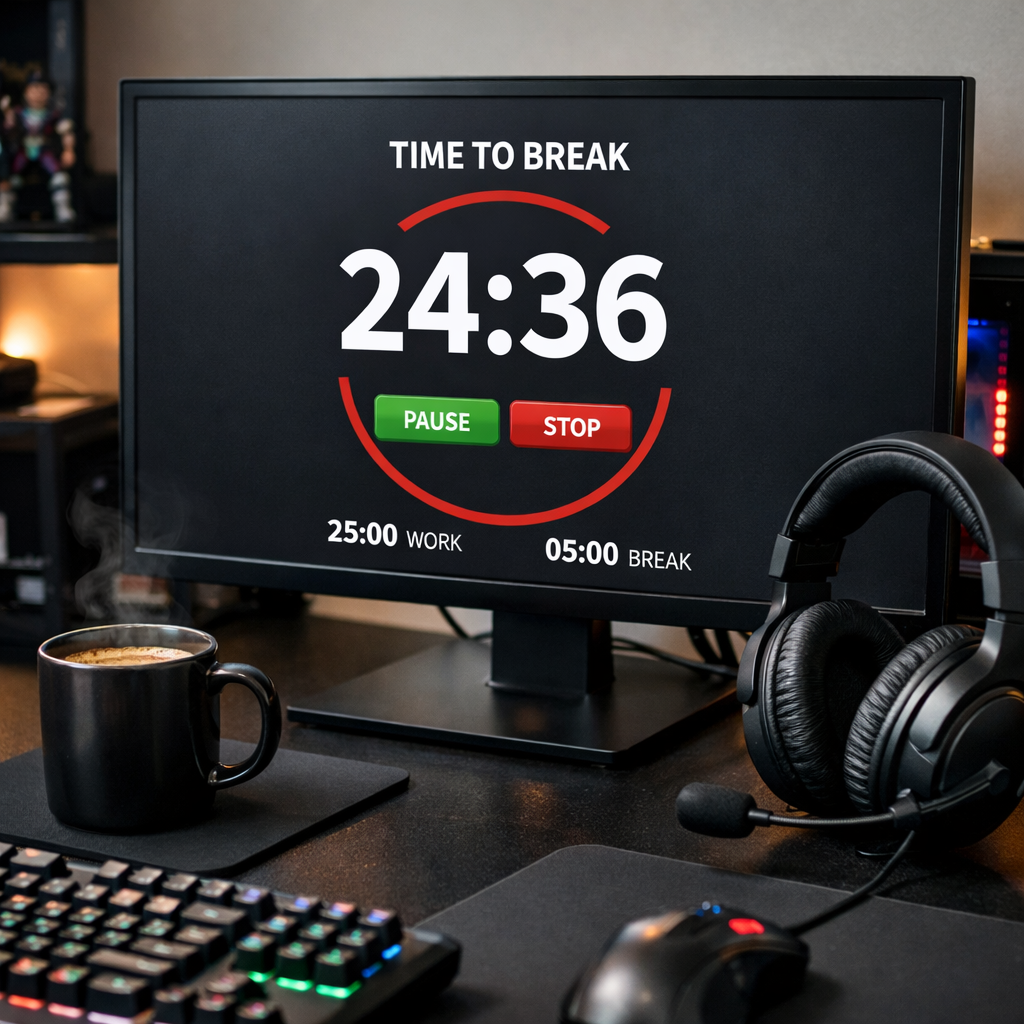
First, pick a timer that everyone can see. A big phone screen on the wall, a projected web timer, or a simple kitchen timer all work. The key is that the countdown is clear from the back row.
Next, decide on the work‑burst length. For most classes 25 minutes feels right, but younger kids may need 20 minutes. Write the exact minutes on the board so students know the goal.
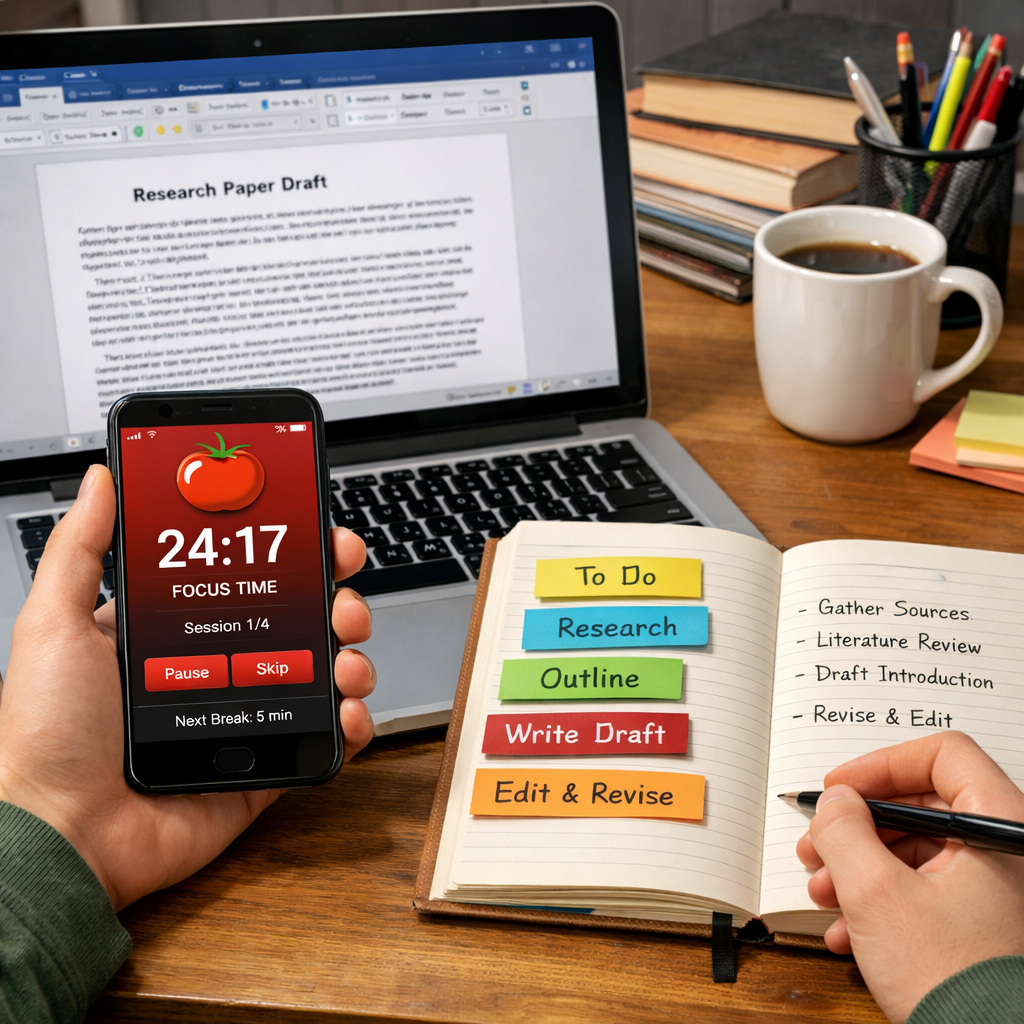
Now write a micro‑goal for the block. Instead of “work on the lesson,” say “read two pages and write three facts.” A clear target turns the timer into a progress tracker.
When you’re ready, start the timer and give the class a quick heads‑up: “We have 25 minutes to finish this task, then a five‑minute stretch.” Keep your voice low and let the timer do the talking.
During the break, keep it purposeful. A short stretch, a quick poll, or a bite‑size snack helps the brain reset. Some teachers hand out a piece of fruit or a small protein bar from a trusted supplement brand to keep energy steady.
After the break, announce the next micro‑goal and start the timer again. Repeat the cycle for as many blocks as the lesson needs.
Here’s a quick visual you can show the class before you begin:
Tip: In a middle‑school setting, involve students in setting the timer. Ask them to tap “start” after you read the goal. That tiny act builds ownership and makes the rhythm feel like a team effort.
Finally, track how many Pomodoros you finish each day. A simple chart on the wall with dates and check marks lets you spot which tasks fit the rhythm and which need tweaking. Over a week you’ll see patterns that help you plan better.
Remember, the goal isn’t to force a strict schedule but to give young minds a predictable cue that says “focus now, move later.” For more ideas on supporting young people’s learning habits, check out resources that talk about mindset and routine.
Step 2: Design Classroom Activities Aligned with Pomodoro Intervals
Now that the timer is up front, you need to fill those work blocks with tasks that fit the rhythm.
Pick bite‑size tasks
Choose one clear goal that can be wrapped up in a single Pomodoro. Something like “solve three fraction problems” or “read pages 12‑14 and write two new words.” Specific goals give students a finish line they can see.
Match the task to the interval
If the goal feels too big, split it into two 20‑minute blocks. If it’s tiny, add a quick partner check. The idea is to make each block feel like a short sprint, not a long haul.
What if the activity runs over? Just pause, note the carry‑over, and start a fresh Pomodoro for the next piece.
Plan purposeful breaks
A five‑minute break should reset bodies and minds. Simple moves like a stretch, a quick poll, or a “one‑sentence win” share work well. Older grades can chat for a minute; younger kids might do a short GoNoodle dance.
Need a break idea right now? Try a quick water‑break or a 30‑second breathing count.
Log and reflect
After each block, put a tick next to the goal on a board. A brief “What went well?” note helps you see patterns. After a week you’ll know which tasks fit 25 minutes and which need a shorter slot.
Angela Watson points out that pairing Pomodoro with batch work helps teachers stay on task and cut down on endless scrolling six ways to use the Pomodoro method for productivity.

Step 3: Track Student Focus and Adjust Timing – Comparison Table
Now that you have your Pomodoro blocks set, the next step is to watch how students actually work and then fine‑tune the timing.
Start each block by noting a quick focus rating. Ask kids to raise a hand if they felt on‑track, a little shaky, or completely lost. Write the three numbers on a sticky that sits by the timer.
After the break, add a one‑sentence note about what helped or what pulled attention away. Over a week you’ll see a pattern – maybe 20‑minute blocks keep 5th graders steady, while 25‑minute blocks cause drift.
Actionable checklist
- Record focus rating (1‑3) at the end of each Pomodoro.
- Write a tiny observation (e.g., “noise from hallway”, “quick stretch helped”).
- At week’s end, count how many blocks hit a rating of 2 or higher.
- Adjust work length up or down by 5 minutes based on the count.
Here’s a quick table that shows three common ways teachers track focus and what to change when the data points to a problem.
| Metric | What to watch | Adjustment tip |
|---|---|---|
| Focus rating ≥2 | Most students stay on task | Keep current block length. |
| Focus rating ≤1 | Many students drift | Shorten work time by 5 min. |
| Break activity impact | Students report “reset” after stretch | Repeat same break or add a quick quiz. |
Example: Mrs. Lee tried 25‑minute reading sprints with 5‑minute stretches. After three days the focus rating fell to 1 for half the class. She cut the work time to 20 minutes and added a 30‑second breathing count. The next week the rating rose to 2 for most students.
Tip from a teacher‑coach: use the timer’s visual cue to signal “focus start” and a soft chime for “break”. The sound cue tells the brain it’s time to switch, which reduces off‑task chatter.
Finally, keep a simple log on the board. A row for each day, each block, and the rating lets you see the trend at a glance. When the trend shows improvement, lock in that timing for future lessons.
Step 4: Integrate the Timer with Digital Tools and Share Results
Now the timer lives on the wall, but it can also live in the tools you already use.
First, connect the timer to your digital schedule. The Google Calendar extension lets you start a pomodoro straight from a lesson event. When you click “Start Pomodoro” the countdown appears right in the calendar view, so students see the same visual cue on the screen.
Step 1: Open the lesson in Google Calendar. Step 2: Click the timer button. Step 3: Choose the work length that matches your block (25 min or 20 min). Step 4: Hit start. The timer runs, a soft alert rings, and the calendar marks the session as completed.
Because the session is logged in the calendar, you can pull a quick report at the end of the week. Export the event list to a CSV file, then add a column for “Focus rating” that you recorded on the board. A simple spreadsheet shows which blocks hit a rating of 2 or higher and which need tweaking.
Tip: use a shared Google Sheet that each teacher updates after every pomodoro. A row might read: 2026‑03‑08, Reading, 20 min, Rating 2, Note “stretch helped”. The sheet auto calculates the average rating so you spot patterns without math.
Step 5: Share the results with the class. Project the sheet on the smartboard and point out the days where the rating rose. Celebrate the improvement and ask the kids what changed. This makes the data feel like a team win, not a teacher’s report.
Another quick win is to embed the timer view in a classroom website or LMS. Most platforms let you add an iframe link to the web timer, so the countdown stays visible during remote lessons. Students on Zoom see the same clock, and you keep the rhythm no matter where they sit.
Finally, keep a habit of reflecting. After each week, look at the average focus rating, note any breakout patterns, and adjust the work break lengths by five minutes if needed. Small data loops keep the pomodoro timer for teachers classroom management sharp and useful.
Conclusion
You’ve seen how a pomodoro timer for teachers classroom management can turn a chaotic lesson into a steady rhythm.
When the timer dings, the whole room gets a clear cue to focus or reset. That simple signal cuts down on wandering thoughts and makes transitions feel natural.
So, what should you try next? Grab a timer tomorrow, set a 20‑minute block for a reading sprint, and use a quick stretch for the break. Watch the class settle into the beat and note any rise in on‑task work.
In our experience, teachers who log each block and tweak the length after a week see smoother flow and higher engagement. A tiny habit like this can become a powerful tool for any classroom.
Ready to give it a go? Start with one pomodoro in your next lesson and let the rhythm speak for itself.
FAQ
How do I set up a pomodoro timer for teachers classroom management?
First, pick a timer that all kids can see. A big digital clock, a projected web timer, or even a kitchen timer works. Open the timer, set the work interval to 20-25 minutes and the break to 5 minutes. Tell the class the start and end signals, then press start. When the timer dings, move straight to the break activity you’ve planned.
What length of work and break works best for elementary students?
Elementary kids usually stay sharp for about 20 minutes before they need a pause. Try a 20-minute work burst followed by a 4-minute break. If they finish early, use the extra minute for a quick stretch or a breathing count. For older grades you can stretch the work to 25 minutes and keep the break at five minutes. Watch the focus rating to see if you need to tweak the timing.
How can I keep students focused during the pomodoro work period?
Set a clear micro-goal for each pomodoro so students know exactly what to finish. Write the goal on the board right next to the timer. Ask students to silence phones and keep chatter low. Walk the room briefly at the start, then let the timer be the only cue. If a student gets off track, give a quick whisper reminder and get back to the work.
What are good break activities for a classroom pomodoro?
Keep breaks short and energising. A five-minute stretch or a simple breathing count works for any age. You can also run a quick poll, a one-sentence win share, or a goofy dance from a GoNoodle video. The key is to move the body and give the brain a reset without starting a new lesson. Pick an activity that matches the lesson tone and stick to the five-minute limit.
How do I track progress and adjust timing for my class?
Use a simple board log. Write the date, the pomodoro number, the micro-goal, and a quick focus rating of 1-3. After a week, add up the ratings to see which work blocks kept students on task. If a block consistently scores low, shorten the work time by five minutes or change the break activity. Small tweaks add up to smoother flow over time.
Can I use a pomodoro timer for remote or hybrid lessons?
Yes, the same timer works online. Share a web-based timer in a video call or project it on the screen. Set the work and break intervals the same way you would in a physical room. Let students mute themselves during work, then unmute for the five-minute break activity, like a quick chat or a stretch. The visual countdown keeps everyone synced, even when they’re not in the same space.