
Ever feel like your to-do list is just a suggestion, and your workday is a chaotic mess? We’ve all been there. Trying to get things done can feel like a constant battle against distractions. But what if there was a super simple way to get more done, without all the stress? This is where a one tap pomodoro timer comes in. It’s a straightforward tool that can really change how you tackle your tasks, making you feel more in control and way more productive.
Key Takeaways
- Using a one tap pomodoro timer helps you break down your work into focused blocks, making big tasks feel less overwhelming.
- Short, planned breaks are key to avoiding burnout and keeping your mind sharp throughout the day.
- A one tap pomodoro timer makes it easy to stick to a schedule, helping you get more done consistently.
- You can often adjust the timer settings and add background sounds to make your work sessions more comfortable.
- By minimizing distractions and building a routine, a one tap pomodoro timer helps create better work habits over time.
Master Your Focus With A One Tap Pomodoro Timer
Feeling like your workday is a constant battle against distractions? You’re not alone. Many of us struggle to stay on task, jumping from one thing to another without really finishing anything. That’s where a simple tool, the one-tap Pomodoro timer, can make a surprising difference. It’s not about working harder, but smarter, by breaking your day into manageable chunks.
Understanding The Pomodoro Technique
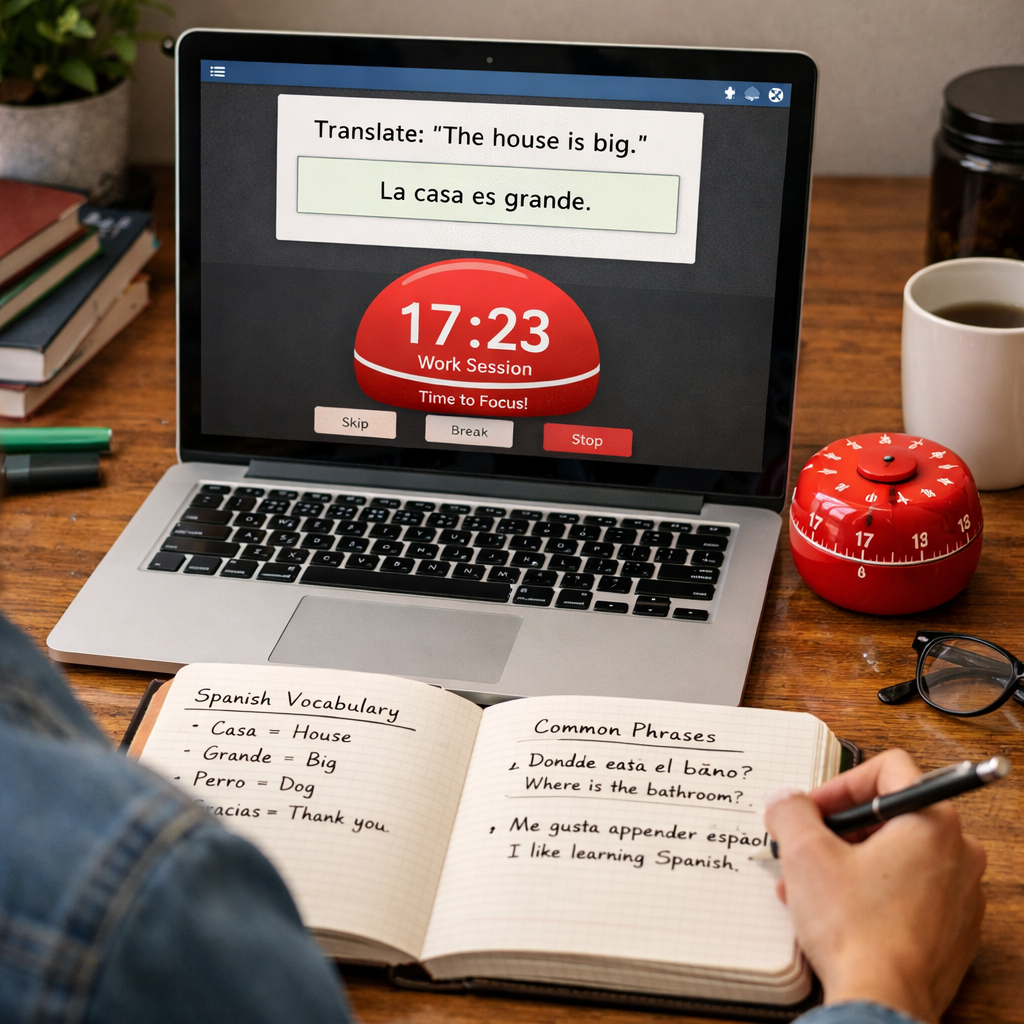
The Pomodoro Technique, developed back in the late 1980s, is a time management method that uses a timer to break down work into intervals. Traditionally, these intervals are 25 minutes long, separated by short breaks. Each 25-minute work period is called a ‘pomodoro,’ named after the tomato-shaped kitchen timer the creator used. The idea is to focus intensely on one task for that set period, then step away briefly to recharge.
The Benefits Of Focused Work Intervals
Working in focused bursts has some real advantages. For starters, it helps combat that feeling of being overwhelmed by large projects. By committing to just 25 minutes, the task ahead seems less daunting. This focused approach also trains your brain to concentrate better over time. You learn to push through distractions and stay on track, which is a skill that pays off in all areas of life. Plus, those short breaks are surprisingly effective at preventing burnout and keeping your mind fresh.
How A One Tap Pomodoro Timer Streamlines Your Day
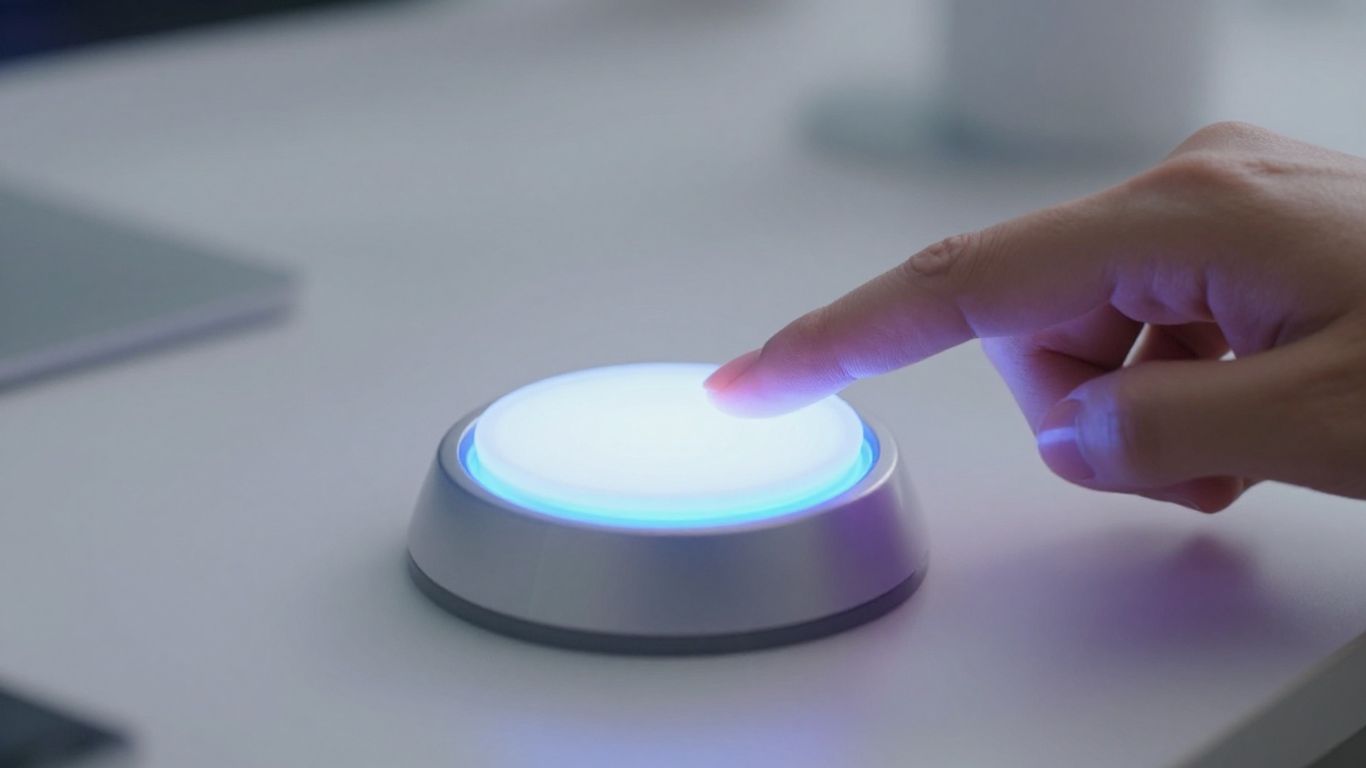
A one-tap Pomodoro timer takes this technique and makes it incredibly easy to use. Instead of fumbling with a physical timer or a complicated app, you just tap a button to start your work session. This simplicity is key. It removes any friction that might stop you from getting started. You can quickly set up your work and break times, and the timer handles the rest. This means less time spent managing your time and more time actually getting things done. It’s a straightforward way to build a more structured and productive day without a lot of fuss.
Enhance Productivity Through Structured Work Sessions
Sometimes, just diving into a task feels overwhelming, right? That’s where structuring your work sessions comes in handy. It’s not about working harder, but smarter. By breaking down your day into manageable chunks, you can actually get more done without feeling completely drained. A one-tap Pomodoro timer is perfect for this.
Breaking Down Tasks For Better Management
Big projects can feel like climbing a mountain. The trick is to focus on one step at a time. Think of it like this: instead of saying "write the report," you break it down into smaller pieces. Maybe it’s "research topic A," then "outline section 1," and so on. This makes the whole thing seem less daunting. This approach helps prevent that feeling of being stuck. Using a timer for each small task means you’re always moving forward.
The Role Of Short Breaks In Sustaining Focus
It might sound counterintuitive, but taking breaks actually helps you focus better. Our brains aren’t designed to concentrate for hours on end without a pause. Short breaks, like the ones in the Pomodoro technique, give your mind a chance to reset. You can grab a drink, stretch, or just look out the window for a few minutes. These little pauses help you come back to your work feeling refreshed and ready to go. It’s a simple way to avoid burnout and keep your concentration sharp throughout the day. You can find some great ideas for quick break activities.
Achieving More With Consistent Pomodoro Cycles
Sticking to a routine, even a simple one, can make a huge difference. When you consistently use your Pomodoro timer, you build a rhythm. You know that after a focused work period, a break is coming, and after a few of those, a longer break is due. This predictability helps your brain settle into a productive groove. Over time, you’ll notice you’re completing more tasks and feeling less stressed about your workload. It’s about building momentum and making progress, day after day.
The key is consistency. Even if you only manage a few Pomodoro cycles in a day, it’s better than none. Small, regular efforts add up significantly over time, leading to substantial progress on your goals.
Leveraging A One Tap Pomodoro Timer For Daily Success
Creating Effective To-Do Lists
You can’t work with focus if you don’t know what needs doing. Before starting your Pomodoro sessions, write down your tasks for the day. Try breaking them into small, clear actions instead of vague goals. For example, instead of just “work on report,” write “draft introduction,” “assemble research notes,” and “proofread first page.”
- List each task in order of importance.
- Estimate how many Pomodoro sessions you’ll probably need for each item.
- Cross off tasks or move them down the list once new priorities appear.
The act of breaking your day into clear, doable items eliminates the stress of not knowing where to start, making things feel much more approachable.
Scheduling Your Day With Pomodoro Intervals
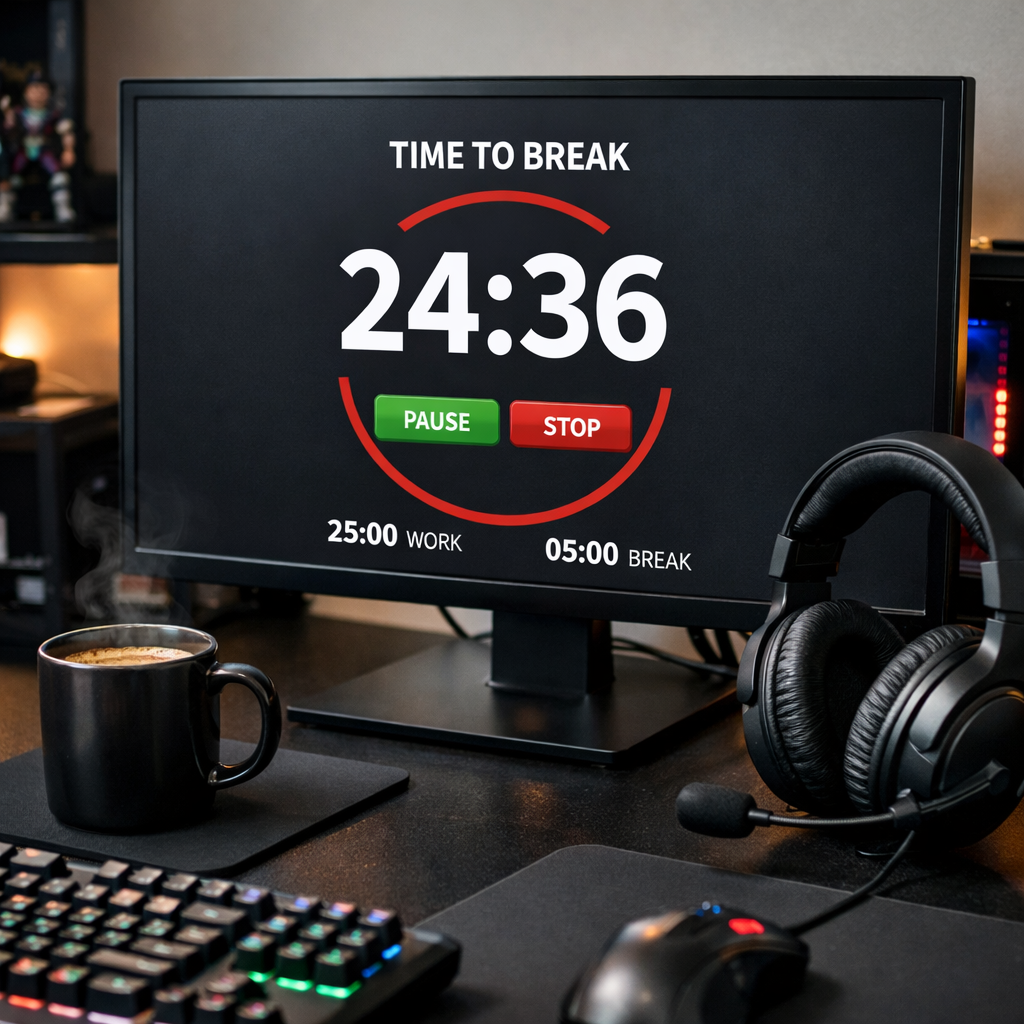
Once your task list is set, plug each item into your Pomodoro timer. A typical pattern is 25 minutes of focused work (a Pomodoro), then a 5-minute breather. Some apps let you set custom times, but start simple at first. Keeping a tight rhythm helps avoid procrastination.
| Task | Estimated Pomodoros | Scheduled Start |
|---|---|---|
| Draft Email Updates | 1 | 9:00 AM |
| Review Budget Sheet | 2 | 9:30 AM |
| Client Calls | 1 | 10:30 AM |
These structured slots help you stay on course and avoid distractions that usually mess up your whole morning.
Tracking Progress And Celebrating Achievements
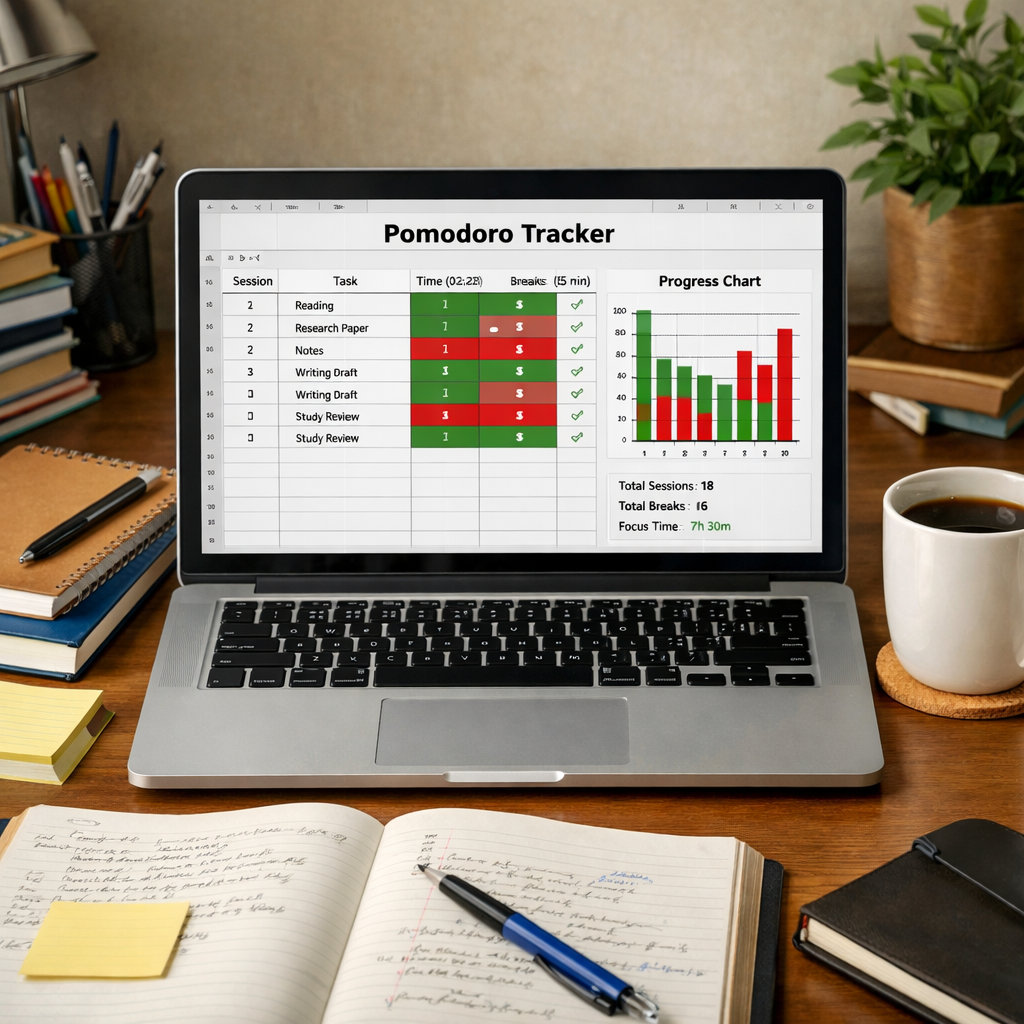
After each Pomodoro, mark your accomplishment. Most one-tap timer apps make this effortless. Some even toss in motivating stats or streak rewards to keep you driven. Don’t ignore these small wins—acknowledge your progress.
Here’s how to keep score:
- Check off completed Pomodoros in your app or notebook.
- At the end of the day, review which tasks were finished and move unfinished ones forward.
- If you meet your target Pomodoros, treat yourself—a coffee break or a walk outside can push motivation for tomorrow.
These tiny moments of recognition build motivation and keep procrastination at bay.
Finishing a set of Pomodoros feels rewarding, and seeing how much you actually get done in one day brings a real sense of momentum.
Customization And Features Of Your Pomodoro Tool
So, you’ve got your basic Pomodoro timer, and it’s doing its job. But what if you want to tweak it a bit? Most good Pomodoro tools aren’t just one-size-fits-all. They let you fiddle with settings to make them work for you.
Personalizing Timer Durations
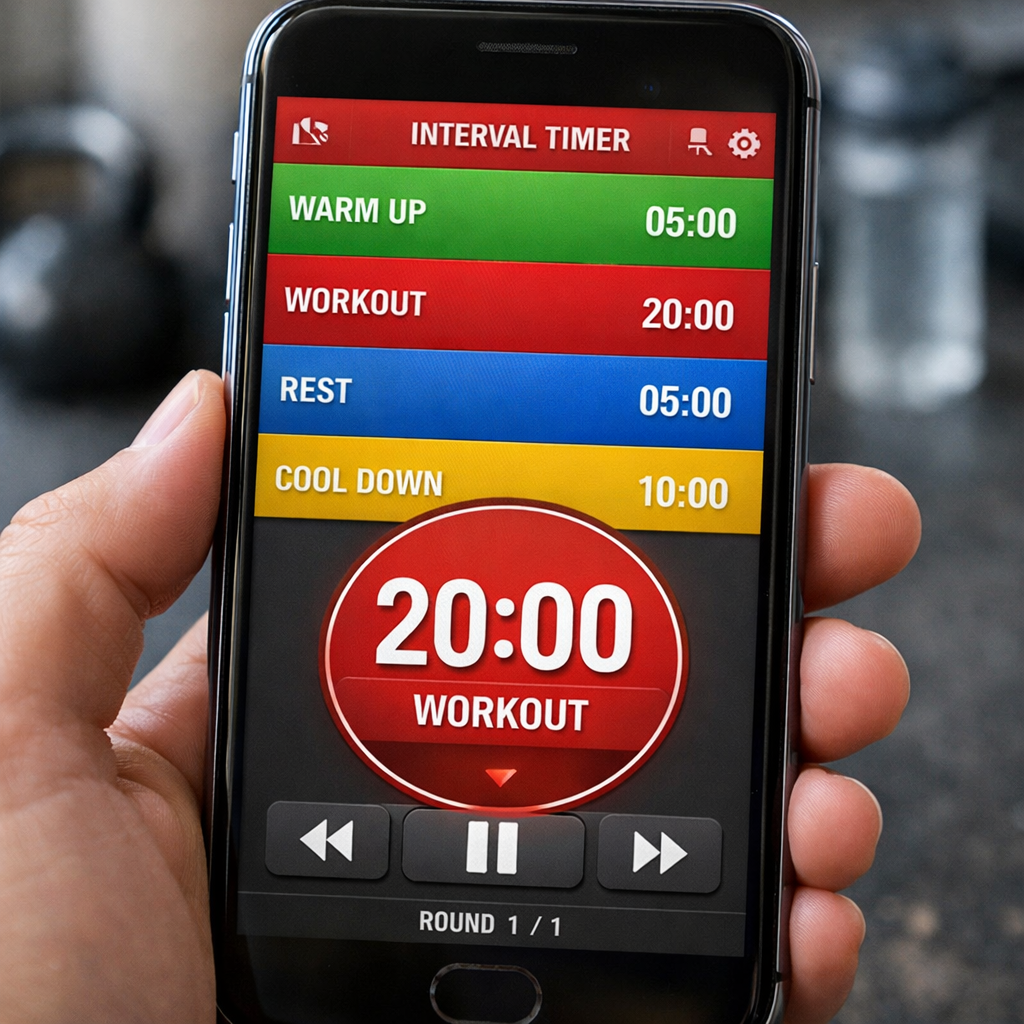
This is a big one. The classic Pomodoro is 25 minutes of work and 5 minutes of break, right? That’s a good starting point, but maybe you find 25 minutes flies by and you’re just getting into the groove when the alarm goes off. Or perhaps 25 minutes feels like an eternity when you’re tackling a really tough task. A good timer lets you adjust these. You might want to try 45-minute work sessions with 10-minute breaks, or maybe even shorter 15-minute bursts for quick tasks. Experimenting with different lengths is key to finding what keeps you focused without burning out.
Here’s a quick look at how you might adjust:
- Work Interval: The main focus period. Try 25, 30, 45, or even 50 minutes.
- Short Break: The quick refresh between work intervals. 5, 10, or 15 minutes are common.
- Long Break: The extended break after a set number of work intervals (usually 4). Aim for 15, 20, or 30 minutes.
Integrating Background Music For Ambiance
Some people find silence a bit too… silent. It can make you hyper-aware of every little noise. That’s where background music comes in. Many Pomodoro apps include options for ambient sounds or music. Think gentle rain, lo-fi beats, or white noise. The right soundscape can really help block out distractions and create a focused bubble. It’s not about listening to a playlist that gets you singing along; it’s about creating a consistent, unobtrusive audio environment that signals your brain it’s time to concentrate.
Utilizing Desktop Notifications For Alerts
Even when you’re in the zone, it’s easy to lose track of time. Desktop notifications are super handy for this. Instead of relying solely on the audible alarm (which might be disruptive in some environments), you can get a visual cue on your screen when a work interval ends or a break begins. This is especially useful if you’re working in a shared space or if you tend to put on headphones and might miss an audio alert. It’s a gentle nudge that keeps you on track without being jarring.
The goal of these features isn’t to complicate things, but to make the Pomodoro technique fit your personal workflow. A timer that adapts to you is far more likely to become a regular part of your day than one that forces you into a rigid structure.
Overcoming Distractions With A Dedicated Timer
It’s easy to get sidetracked. One minute you’re trying to finish that report, the next you’re deep down a rabbit hole of cat videos or scrolling through social media. A dedicated Pomodoro timer acts like a personal focus coach, helping you push back against the constant pull of distractions.
Minimizing Procrastination With Timed Sessions
Procrastination often stems from feeling overwhelmed or unsure where to start. The Pomodoro technique tackles this head-on. By breaking work into manageable 25-minute chunks, it makes tasks seem less daunting. You’re not committing to hours of work, just a short burst. This makes it easier to just start. The timer itself becomes a commitment device; once it’s ticking, you’re in work mode. The short duration also creates a sense of urgency, encouraging you to make the most of that focused time.
Maintaining Mental Clarity During Work
Our brains aren’t built for sustained, high-level focus for hours on end. Trying to force it leads to burnout and mistakes. The beauty of the Pomodoro timer is its built-in break system. These aren’t just random pauses; they’re structured opportunities to rest your mind. Think of it like interval training for your brain. Short bursts of intense focus followed by brief recovery periods help prevent mental fatigue. This allows you to return to your task refreshed and with a clearer head, ready to tackle it with renewed energy.
Here are some ideas for effective breaks:
- Move your body: Stand up, stretch, walk around the room, or do a few quick exercises. Getting blood flowing can really wake you up.
- Rest your eyes: Look away from your screen. Focus on something in the distance for a minute or two.
- Hydrate or snack: Grab a glass of water or a healthy snack. Avoid anything too heavy that might make you sleepy.
Building Sustainable Productivity Habits
Using a Pomodoro timer consistently helps rewire your approach to work. It trains you to recognize when you’re most productive and how to manage your energy effectively. Over time, you’ll find yourself naturally falling into focused work periods and taking intentional breaks. This isn’t about working harder; it’s about working smarter. The structure provided by the timer helps build discipline, making it easier to resist distractions and stay on track even when motivation wanes. It’s about creating a rhythm that supports long-term productivity without leading to burnout.
The consistent application of timed work intervals and short breaks trains your brain to enter a focused state more readily. This creates a positive feedback loop where completing tasks feels rewarding, reinforcing the habit and making future work sessions smoother.
The Science Behind Enhanced Concentration

Ever wonder why staring at a task for hours on end just doesn’t work? It’s not just you. Our brains aren’t really built for marathon focus sessions. Think of it like a muscle; it gets tired if you push it too hard without rest. That’s where the Pomodoro Technique really shines, and it’s all backed by some pretty solid science.
How Intervals Combat Mental Fatigue
Our brains have a natural rhythm. We can concentrate intensely for a period, but then our attention starts to wander. This is called attentional fatigue. The Pomodoro Technique, by breaking work into short, focused bursts (traditionally 25 minutes) followed by brief breaks, works with this natural rhythm instead of against it. These short breaks are like mini-recharges for your brain. They allow your prefrontal cortex, the part responsible for focus and decision-making, to recover. This prevents the build-up of mental exhaustion that leads to errors and decreased productivity. It’s a simple concept, but incredibly effective for sustained mental effort.
The Psychology Of Time Management
There’s a psychological element at play here too. When you commit to a short, defined work interval, it feels less overwhelming. Knowing that a break is just around the corner makes it easier to resist distractions and stay on task. This creates a sense of control and accomplishment as you tick off each completed Pomodoro. It taps into our desire for progress and reward. Plus, the structured nature of the technique helps combat procrastination. Instead of thinking "I have to work all day," you think "I just need to focus for 25 minutes." This shift in perspective can be a game-changer for getting started on difficult tasks. Learning about time management can really help.
Boosting Motivation Through Achievable Goals
Each completed Pomodoro is a small win. When you consistently hit these mini-goals, it builds momentum and reinforces your motivation. It’s like climbing a staircase; you focus on the next step, not the entire flight. This makes large projects feel much more manageable. You can track your progress by counting the number of Pomodoros completed, which provides tangible evidence of your effort and productivity. This visual feedback loop is a powerful motivator. It helps you see how much you’re actually getting done, even on days when you don’t feel super productive.
Here’s a quick look at how the intervals work:
- Work Interval: Typically 25 minutes of intense, focused work on a single task.
- Short Break: Usually 5 minutes. Get up, stretch, grab water – anything to step away from the screen.
- Long Break: After about four work intervals, take a longer break of 15-30 minutes to truly rest and reset.
The key is consistency. By regularly cycling through focused work and deliberate rest, you train your brain to be more efficient and less prone to burnout. It’s about working smarter, not just harder.
Wrapping Up Your Productivity Push
So, there you have it. Using a simple one-tap Pomodoro timer isn’t some complicated secret; it’s just a straightforward way to get more done. By breaking your work into focused bursts with short breaks, you can actually tackle your to-do list without feeling totally drained. It’s about working smarter, not just harder, and this little tool makes that super easy. Give it a try, see how it feels, and you might just find yourself finishing your tasks with time to spare. Happy focusing!
Frequently Asked Questions
What exactly is the Pomodoro Technique?
The Pomodoro Technique is a way to manage your time. You work hard on one thing for a short, set amount of time, like 25 minutes, and then take a short break. It’s like breaking a big job into small, easy-to-handle pieces. The name comes from a tomato-shaped kitchen timer someone used a long time ago!
How does a one-tap Pomodoro timer help me?
A one-tap timer makes it super easy to start your work sessions. Instead of fiddling with settings, you just tap and go! This helps you jump right into your tasks without wasting time, making it simpler to stick to your plan and get more done.
Why are short breaks important when I’m working?
Taking short breaks is like giving your brain a mini-rest. It helps stop you from getting tired and losing focus. When you come back after a break, you can concentrate better and work more effectively, which means you’ll actually finish more tasks.
Can I change how long the work and break times are?
Yes, many Pomodoro timers let you change the times to fit what works best for you. Some people might need longer work periods or shorter breaks. You can adjust them to match your own focus level and the type of work you’re doing.
What should I do during my short breaks?
During your breaks, do something relaxing that doesn’t use too much brainpower. You could stretch, grab a quick snack, listen to a song, or just close your eyes for a minute. The goal is to refresh yourself, not to start another task.
How can this timer help me avoid distractions?
The timer creates a clear signal that you’re in a focused work period. Knowing that your work time is limited can help you resist the urge to check your phone or get sidetracked. It trains your brain to stay on task for that set amount of time.