
It feels like everyone’s talking about focus these days, right? We’re all juggling so much, and sometimes it feels impossible to just zero in on one thing. Whether you’re trying to get through a big project for work, study for an exam, or even just finish a book, staying on track can be a real challenge. This guide is here to help you get a handle on your focus, especially with the help of a focus timer for {problem}. We’ll break down why it’s so tough to concentrate and give you some straightforward ways to improve it.
Key Takeaways
- Figure out what’s really stopping you from concentrating. Sometimes it’s not about not being able to focus, but about not knowing what to focus on in the first place. Multitasking often makes things worse, not better.
- Use a focus timer to work in short bursts. Try setting a timer for a specific work period, like 25 or 50 minutes, and then take a short break. This helps you stay engaged without burning out.
- Make your breaks count. When you take a break, really step away from your task. Look at something far away, stretch, or listen to calm music. Avoid checking your phone; the goal is to let your mind rest.
- Create a space that helps you focus. This means cutting down on distractions in your workspace. Find a quiet spot if you can, and make it a place where you only do focused work.
- Practice makes progress. Improving your focus isn’t an overnight thing. It takes consistent effort, like practicing mindfulness or using your focus timer regularly. Don’t forget that good sleep and some physical activity also play a big part.
Understanding Your Focus Challenges
It feels like everyone’s talking about focus these days, right? But what does it actually mean to be focused? It’s not just about staring at your screen for hours. True focus is the ability to direct your full attention to one thing, while intentionally ignoring everything else. Think of your attention like a spotlight. You can shine it brightly on one spot, making it super clear, or you can try to spread it thinly over a huge area, and then you only see vague shapes. When we try to do too many things at once, our attention gets spread too thin, and nothing gets our best effort.
What Is True Focus?
At its core, focus is about making a choice. It’s saying ‘yes’ to one task and, in that moment, saying ‘no’ to all the other possibilities. This doesn’t mean you can never do anything else, but for that specific period, you commit to one thing. This commitment is what allows you to actually get things done. Without it, you’re just flitting from one thing to another without making real progress.
Why You Struggle to Concentrate
Most of us aren’t incapable of focusing; we just struggle with making the decision to focus. We often tell ourselves that multitasking is the way to go, especially when faced with a mountain of tasks. It feels more efficient, doesn’t it? But in reality, our brains aren’t really built for juggling multiple demanding tasks simultaneously. When you try to do too much, your brain has to constantly switch gears, which is exhausting and leads to more mistakes.
The Ineffectiveness of Multitasking
Multitasking is a myth when it comes to deep work. It’s more like ‘task-switching,’ and each switch comes with a cost. You lose time and mental energy every time you jump from email to a report to a phone call. This constant switching makes it harder to get into a flow state where you’re really productive. Instead of getting more done, you often end up with lower quality work and a feeling of being overwhelmed.
The modern world bombards us with distractions. From notifications pinging on our phones to the constant hum of activity around us, it’s a challenge to find a quiet space for our minds. Recognizing these external and internal noise sources is the first step to managing them.
Here’s a quick look at why multitasking often backfires:
- Increased Errors: Switching between tasks means less attention to detail on each one.
- Reduced Productivity: The time spent switching tasks adds up, slowing you down.
- Higher Stress Levels: Constantly shifting focus can be mentally draining and lead to burnout.
- Lower Quality Output: Without sustained attention, the depth and quality of your work suffer.
Implementing Effective Focus Timer Strategies

Okay, so you know you need to focus, but how do you actually do it? It’s not just about sitting down and willing yourself to concentrate. We’ve got to be a bit smarter about it. This is where focus timers come in. They’re not magic wands, but they’re pretty darn close when you use them right.
The Power of Focused Work Sprints
Think of your brain like a muscle. You can’t just lift weights for hours straight without getting tired, right? Same with focusing. Trying to concentrate for super long stretches is a recipe for burnout. Instead, we want to work in short, intense bursts. These are often called ‘sprints’. You pick one task, give it your absolute all for a set amount of time, and then you stop. This focused effort is way more productive than trying to juggle a million things at once. It’s about quality over quantity when it comes to your attention.
Strategic Break-Taking for Rejuvenation
This is the part people often skip, but it’s super important. After a focused sprint, you need a break. Not just any break, though. You want to step away from what you were doing. Get up, stretch, walk around for a few minutes, maybe grab some water. The idea is to give your brain a real rest, not just switch to checking social media (which is still work for your brain!). These short breaks help reset your attention so you can come back to your next sprint feeling refreshed and ready to go.
Here’s a simple way to structure your work and breaks:
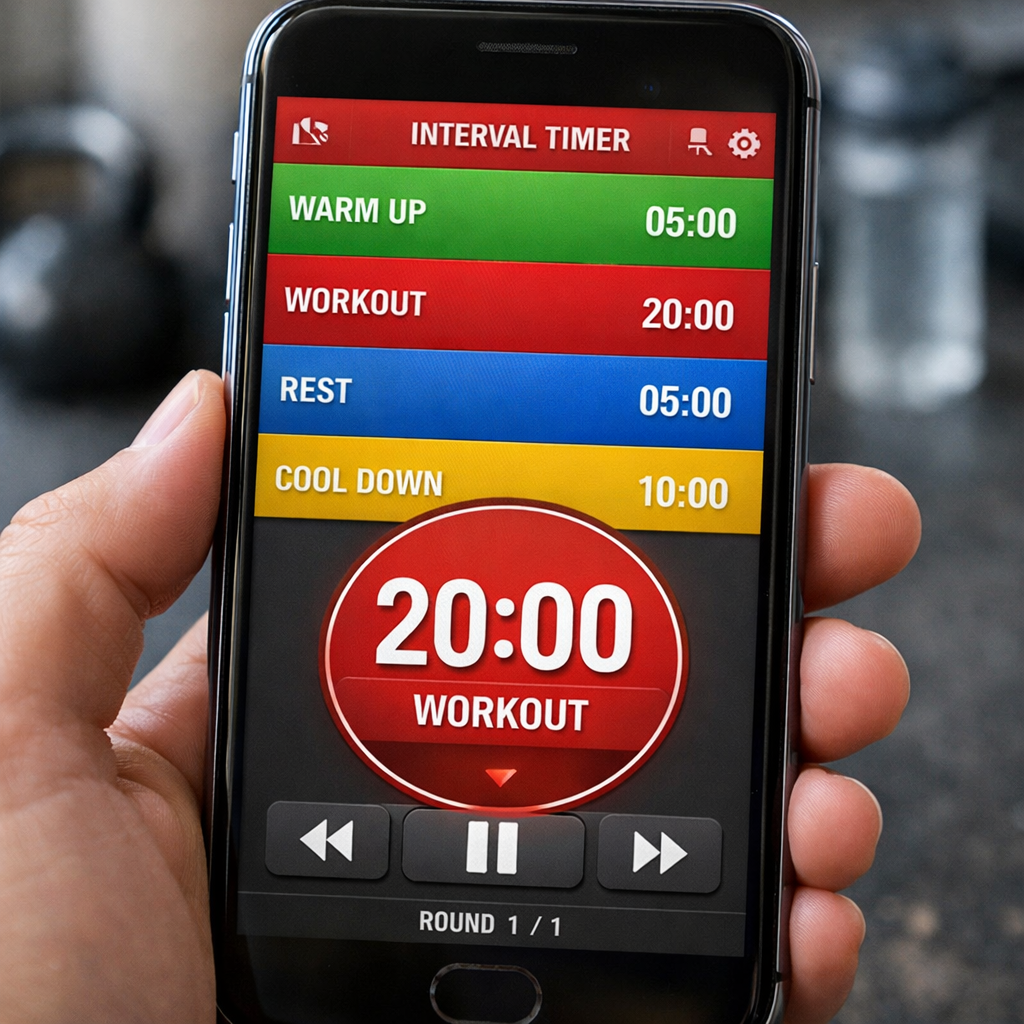
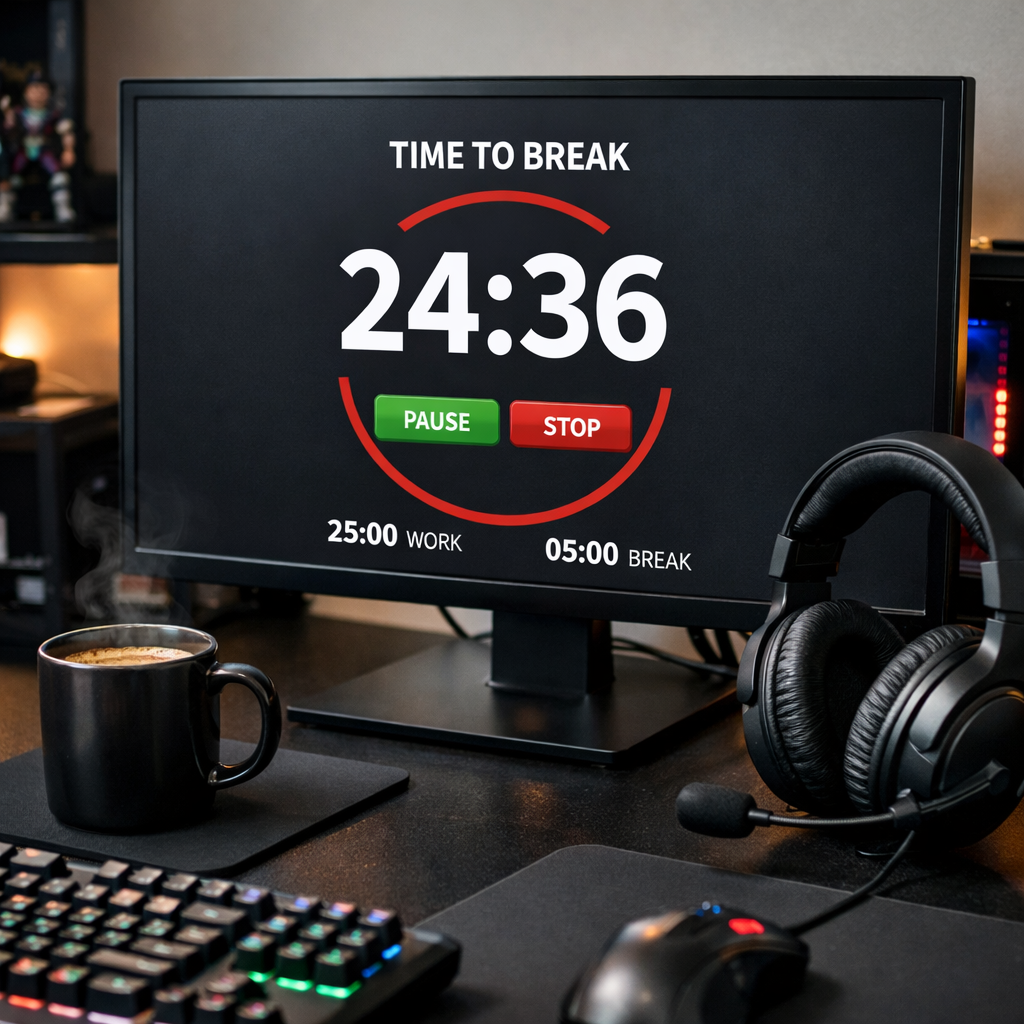
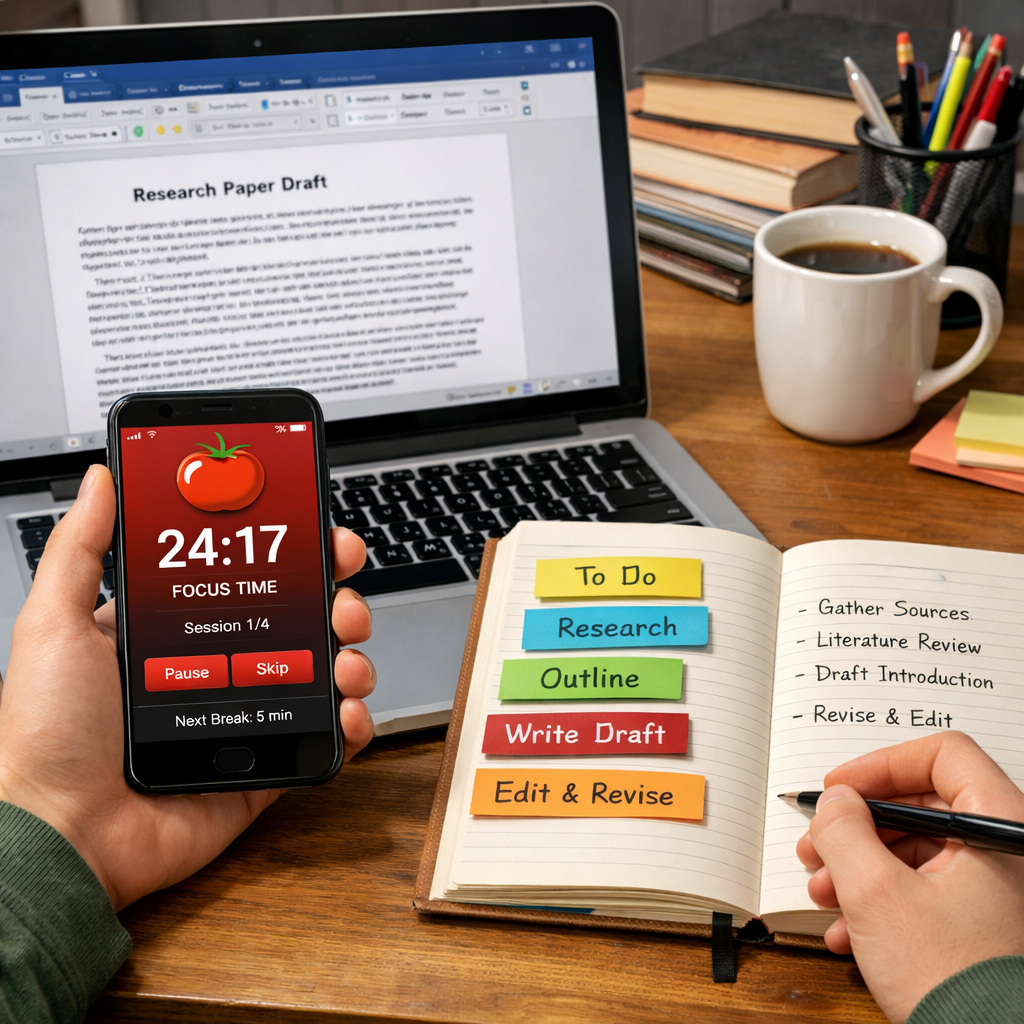
- Work Sprint: 25-50 minutes of uninterrupted, focused work.
- Short Break: 5-10 minutes to step away and recharge.
- Longer Break: After 3-4 sprints, take a longer break of 15-30 minutes.
Setting Clear Targets for Each Sprint
Going into a focus sprint without a clear goal is like going on a road trip without a destination. You’ll just be driving around aimlessly. Before you start each sprint, decide exactly what you want to accomplish. It could be writing a specific section of a report, solving a particular problem, or reading a chapter of a book. Having a concrete target makes it easier to stay on track and gives you a sense of accomplishment when you hit it. It also helps you know when you’re done and can move on to the next thing.
Enhancing Concentration with Mindfulness
Sometimes, it feels like your brain has a mind of its own, right? One minute you’re trying to finish that report, and the next, you’re wondering what you’ll have for dinner or replaying a conversation from last week. This is where mindfulness comes in. It’s not some mystical practice; it’s really about training your brain to pay attention to what you want it to.
Mindfulness for Improved Attention
Think of your attention like a spotlight. When you focus it on one thing, you see it clearly. Try to spread that same light too thin, and everything becomes fuzzy. Mindfulness helps you direct that spotlight more effectively. It trains you to notice when your mind has wandered off and gently guide it back. Studies show this kind of mental training can really make a difference in how well you concentrate.
Deep Breathing to Regain Focus
Feeling that familiar pull of distraction? Try this simple trick: take a few slow, deep breaths. Really pay attention to the air coming in and going out. Feel your chest rise and fall. When your thoughts start to drift (and they will!), just bring your attention back to your breath. It’s a quick way to reset your focus without needing a lot of time or a special place.
Reducing Mind Wandering Through Practice
Mind wandering is totally normal, but it can really derail your productivity. The good news is, you can get better at managing it. It takes practice, just like anything else. The more you practice bringing your attention back to the task at hand, the stronger that mental muscle becomes. It’s about building a habit of noticing when you’re off track and redirecting yourself without getting frustrated.
Here’s a simple way to start:
- Acknowledge the distraction: Notice your mind has wandered.
- Gently redirect: Bring your focus back to your breath or your task.
- Repeat: Do this every time you notice your mind drifting.
It’s easy to get caught up in worries about the future or regrets about the past. But when you’re trying to focus, the only time that really matters is right now. Learning to be present helps you tune out the mental noise and concentrate on what’s in front of you.
Optimizing Your Environment for Focus
So, you’ve got your focus timer ready, you’re mentally prepared, but then… life happens. Your phone buzzes, your roommate starts a loud conversation, or the dog decides it’s playtime. Sound familiar? Our surroundings play a massive role in our ability to concentrate. It’s not just about willpower; it’s about setting up your physical space to support your mental efforts. Think of it like trying to cook a gourmet meal in a cluttered kitchen – it’s possible, but way harder than it needs to be.
Minimizing Distractions in Your Workspace
This is probably the most obvious one, but it’s worth digging into. Distractions aren’t just annoying; they actively pull your attention away, forcing your brain to re-engage with the task at hand, which takes time and energy. We’re talking about anything that pulls your focus, from digital alerts to physical clutter.
- Digital Declutter: Turn off non-essential notifications on your phone and computer. Seriously, that social media ping can wait. Consider using website blockers if certain sites are a constant temptation. A quiet working environment can make a big difference.
- Physical Tidy-Up: A messy desk often leads to a messy mind. Take a few minutes before you start your focus session to clear your workspace. Put away papers, pens, and anything else that doesn’t directly relate to your current task.
- Noise Control: If you can’t control the noise around you, consider noise-canceling headphones or playing ambient sounds designed for concentration.
Creating a Dedicated Focus Zone
Having a specific spot where you only do focused work can train your brain to associate that location with concentration. It doesn’t have to be a whole room; it could be a particular chair, a corner of your desk, or even a specific coffee shop.
- Consistency is Key: Try to use this zone for focused work as much as possible. Avoid using it for casual browsing or other non-work activities.
- Comfort Matters: Make sure your focus zone is comfortable enough for extended periods but not so comfortable that you’ll fall asleep. Good lighting and an ergonomic setup are important.
- Signal Your Intent: Let others in your household know that when you’re in your focus zone, you’re not to be disturbed unless it’s an emergency.
Leveraging Quiet Locations
Sometimes, the best way to optimize your environment is to simply change it. If your home or office is too noisy or distracting, actively seek out quiet places.
- Libraries: These are designed for quiet study and work. They often have dedicated study carrels or quiet rooms.
- Coffee Shops (with caution): While some people find the low hum of a coffee shop conducive to focus, others find it distracting. If you try this, pick a less busy time or a quieter corner.
- Parks or Outdoor Spaces: If the weather permits and you can manage your devices, a quiet park bench can be a surprisingly effective place to focus.
Your environment is a powerful tool. By consciously shaping it, you’re not just reducing distractions; you’re actively building a space that encourages and supports deep concentration. It’s about making the path to focus as smooth as possible, so you can get more done without feeling drained.
Mastering Your Attention Span

It feels like our attention spans are getting shorter these days, doesn’t it? Between constant notifications and the endless scroll, it’s easy to feel like your focus is scattered. But here’s the thing: your attention isn’t just something that happens to you; it’s a skill you can actually build. Think of it like a muscle. The more you work it, the stronger it gets.
The Spotlight Analogy for Attention
Imagine your attention is like a spotlight. When you point that spotlight at one specific thing, you can see it really clearly. But if you try to spread that same light over a huge area, you only get fuzzy outlines. This is why trying to do too many things at once, you know, multitasking, just doesn’t work. You’re not really doing multiple things; you’re just rapidly switching your focus, and each switch costs you time and mental energy. It’s way more effective to pick one thing and shine your spotlight on it. This is a key idea when you’re trying to improve your concentration science-backed strategies.
Living in the Present Moment
It’s tough to concentrate when your mind is bouncing between what happened yesterday and what might happen tomorrow. Being present means paying attention to what’s happening right now. This isn’t some airy-fairy concept; it’s practical. When you’re focused on the current task, you’re less likely to get sidetracked by worries or regrets. It takes practice, sure, but learning to anchor yourself in the now is a big step toward better focus.
The past is gone, and the future hasn’t arrived. All you truly have is this moment, and how you use it shapes what comes next.
Sustained Attention Techniques
So, how do you actually get better at keeping that spotlight steady? It’s a process, and it involves a few different approaches.
- Single-Tasking is Key: Resist the urge to juggle multiple tasks. Dedicate your full attention to one thing until it’s done or until a planned break.
- Mindful Moments: Even short bursts of mindfulness, like focusing on your breath for a minute or two, can train your brain to notice when it wanders and gently bring it back.
- Strategic Breaks: Don’t try to power through for hours. Taking short, deliberate breaks can actually refresh your focus. Step away, stretch, look out a window – just don’t dive into another demanding task.
Building this kind of sustained attention doesn’t happen overnight. It requires consistent effort, much like training for a marathon. But the payoff – being able to truly concentrate and get things done – is absolutely worth it.
Building Sustainable Focus Habits
So, you’ve got your focus timer set up, you’re taking breaks, and you’re even trying some mindfulness. That’s awesome! But how do you keep this going when life gets hectic? It’s all about making these focus techniques a regular part of your routine, not just a one-off fix. Think of it like going to the gym; you don’t just go once and expect to be fit forever, right? Building focus is the same way. It takes consistent effort.
Assessing Your Current Focus Levels
Before you can build better habits, you gotta know where you’re starting from. Are you someone who can easily stay on task for an hour, or do you find your mind wandering after ten minutes? Be honest with yourself. Maybe you’re great at focusing on tasks you enjoy but struggle with the boring stuff. That’s totally normal. A good way to get a handle on this is to just observe yourself for a few days. Jot down when you feel most focused and when you get easily distracted. You might be surprised by what you find.
Here’s a quick way to check in:
- You’re doing well if: You can stay alert during work periods, you set goals and break them down, and you get back to tasks after short breaks.
- You might need to work on it if: You daydream a lot, distractions pull you away easily, and you lose track of what you’re supposed to be doing.
The Importance of Consistent Practice
This is where the real magic happens. You can’t just dabble in focus techniques and expect lasting results. You need to practice them regularly. Even on days when you don’t feel like it, try to stick to your focus timer schedule. Consistency is key. It’s like training a muscle; the more you work it, the stronger it gets. Small, regular efforts add up over time. Don’t get discouraged if you have an off day. Just get back on track the next day. The goal isn’t perfection, it’s progress.
Prioritizing Rest and Physical Activity
This might sound counterintuitive when we’re talking about focus, but hear me out. Your brain and body are connected. If you’re running on fumes, your focus is going to suffer, no matter how fancy your timer is. Getting enough sleep is non-negotiable. Seriously, it’s like trying to run a marathon without training. And don’t forget about moving your body. Even a short walk can clear your head and boost your energy levels, making it easier to concentrate when you sit back down to work. Think about when you feel most alert and energetic during the day. Schedule your most demanding tasks for those times. It’s about working with your natural energy cycles, not against them.
Building focus isn’t just about willpower or fancy apps. It’s about creating a system that supports your brain and body. That means being honest about your current focus, practicing consistently, and taking care of yourself through rest and movement. It’s a marathon, not a sprint, but the rewards are totally worth it.
Wrapping Up
So, there you have it. Using a focus timer isn’t some magic trick, but it’s a really solid way to get more done without feeling totally drained. It’s all about breaking things down, giving yourself a clear target, and then actually taking those breaks. Remember, it takes practice, so don’t get discouraged if it feels a bit clunky at first. Keep at it, and you’ll start to see a real difference in how much you can accomplish. Now go ahead and give it a try – your future self will thank you.
Frequently Asked Questions
What exactly is focus?
Focus is like shining a bright light on just one thing. To really concentrate on something, you have to choose to ignore everything else around you. It’s about saying ‘yes’ to one task and ‘no’ to all other distractions, at least for that moment.
Why do I have such a hard time concentrating?
Often, it’s not that your brain can’t focus, but that you’re having trouble deciding what to focus on. We get easily distracted by other things. Sometimes, a tight deadline helps us decide, but without that, it’s easy to get sidetracked instead of picking one important task.
Is multitasking really that bad?
Yes, trying to do too many things at once is usually not a good idea. When you switch between tasks, you lose time and focus. It’s much more effective to give your full attention to one thing at a time. Think of your attention like a spotlight – you can see one area clearly, but if you spread the light too thin, you can’t see anything well.
How can I get better at focusing?
You can improve your focus by using short bursts of focused work, called sprints, followed by short breaks. Practicing mindfulness, like deep breathing, can help calm your mind when it wanders. Also, try to create a quiet space with fewer distractions.
What’s the best way to take breaks?
Breaks are super important! When you take a break, try to look away from screens. Maybe look at something far away, listen to calm music, or do a little stretching. The goal is to let your mind relax completely so you’re ready to focus again.
How long should I focus before taking a break?
Most people can focus well for about 25 to 50 minutes at a time, depending on the task. After that, your brain can get tired. Taking a short break, even just 5 minutes, can help you reset and come back stronger.