
Trying to get things done can feel like a battle these days, right? Between emails, messages, and just life in general, focusing on one thing can be tough. The Pomodoro Technique is a simple way to help. It breaks your work into short bursts of focus with breaks in between. This guide will show you how to use pomodoro for {role} productivity, making your workday smoother and more effective. We’ll cover the basics, how to get started, and some tricks to make it work even better for you.
Key Takeaways
- The Pomodoro Technique uses timed work intervals (usually 25 minutes) followed by short breaks to improve focus and reduce burnout.
- Breaking down tasks into smaller chunks makes them less overwhelming and easier to tackle within Pomodoro sessions.
- Minimizing distractions and creating a dedicated workspace are key to successful Pomodoro implementation.
- Regular, effective breaks are crucial for recharging your mind and maintaining productivity throughout the day.
- The Pomodoro Technique is flexible and can be adjusted to fit individual work styles and task types.
Understanding The Pomodoro Technique For {role}
Feeling swamped with tasks and like you’re always running behind? It’s a common problem, especially for {role}s who juggle a lot. The Pomodoro Technique is a simple but really effective way to get a handle on your workload. It’s all about working in focused bursts, then taking short breaks. This method helps you concentrate better and stops you from getting totally burned out.
Origins And Core Principles
This whole thing was cooked up by Francesco Cirillo back in the late 1980s. He wanted a way to really focus on his studies without getting sidetracked. The basic idea is pretty straightforward: you break your work into intervals, traditionally 25 minutes long, called ‘pomodoros’ (that’s Italian for tomato, by the way, because he used a tomato-shaped kitchen timer). After each pomodoro, you take a short break, usually about 5 minutes. Once you’ve done four pomodoros, you take a longer break, maybe 15-30 minutes. The core principles are:
- Work with intense focus during pomodoros. No checking emails, no social media scrolling – just the task at hand.
- Take regular breaks to rest and recharge. These aren’t optional; they’re built into the system to keep your brain fresh.
- Track progress by counting completed pomodoros. This gives you a clear sense of accomplishment.
- Avoid multitasking. Stick to one thing during each work interval.
The beauty of the Pomodoro Technique lies in its simplicity and adaptability. It doesn’t demand complex software or a complete overhaul of your life. It’s about making small, consistent changes to how you approach your work, leading to significant improvements over time.
Key Advantages For {role}
So, why should a {role} like you bother with this? Well, it turns out there are some pretty good reasons. For starters, it’s fantastic for improving concentration. Those 25-minute blocks are short enough that you can really lock in without feeling overwhelmed. This is super helpful when you’re dealing with complex projects or tasks that require deep thought, which I know many {role}s do.
It also helps a lot with procrastination. Knowing you only have to focus for 25 minutes makes it easier to just start. Plus, the regular breaks prevent that feeling of mental exhaustion that can creep in during long workdays. You’ll likely find you get more done, and you’ll feel less stressed about it too. It even helps you get a better handle on how long tasks actually take, which is useful for planning.
Combating Procrastination With Focused Intervals
Procrastination is a sneaky beast, isn’t it? It often hits hardest when a task feels too big or too boring. The Pomodoro Technique tackles this head-on by making tasks seem less daunting. Instead of looking at a huge project, you just focus on completing one 25-minute pomodoro. That’s it. Just one block of focused work.
Here’s how it helps:
- Reduces the perceived effort: Committing to just 25 minutes feels much easier than committing to an hour or more.
- Creates a sense of urgency: The timer ticking down encourages you to stay on task and avoid distractions.
- Builds momentum: Completing one pomodoro, then another, creates a sense of progress that can be really motivating. You start to see that you are making headway, which makes it easier to keep going.
It’s like eating an elephant one bite at a time, but with a timer and scheduled snack breaks. For {role}s, this structured approach can be a real game-changer in staying on top of responsibilities and avoiding that last-minute panic.
Implementing Pomodoro For {role} Productivity

Alright, so you’ve heard about the Pomodoro Technique and how it can help with focus. But how do you actually get it working for you, especially with the unique demands of being a {role}? It’s not just about setting a timer and hoping for the best. We need to set things up right from the start.
Setting Up Your Ideal Work Environment
First things first, let’s talk about your space. You need a place where you can actually concentrate. This means minimizing distractions. Seriously, turn off those notifications on your phone and computer. If you can, use noise-canceling headphones. A tidy desk helps too; less clutter means less mental noise. Having all your tools and materials ready before you start a session means you won’t be scrambling for a pen or a file mid-focus. Think of it as creating a little productivity sanctuary.
Creating a dedicated, distraction-free zone is more than just a nice-to-have; it’s a foundational step that signals to your brain that it’s time to engage deeply with the task at hand.
Planning Your Pomodoro Sessions
Before you even hit start on that timer, you need a plan. What are you actually going to do during that 25-minute burst? Don’t just write "work on project X." Break it down. If your project is "write a report," a better Pomodoro task might be "outline section 1" or "research data for chart 3." This makes the goal clear and achievable within the time block. It also helps you see progress more easily. For {role} professionals, this might look like:
- Client Call Prep: Research client’s recent activity and prepare talking points.
- Code Review: Focus on a specific module or pull request.
- Content Creation: Draft the introduction for a new article.
- Data Analysis: Clean and organize a specific dataset.
Breaking down big tasks makes them feel less daunting and gives you a clear target for each Pomodoro session.
Customizing Intervals For Your Workflow
The classic 25-minute Pomodoro is a great starting point, but it’s not a one-size-fits-all solution. Some days, you might find your focus is sharper for longer. Other times, you might need shorter bursts. Don’t be afraid to experiment. Maybe 45 minutes works better for deep analytical tasks, followed by a 10-minute break. Or perhaps for quick, repetitive tasks, 15-minute Pomodoros are more effective. The key is to find what keeps you in the zone without burning out. It’s about adapting the technique to your natural energy levels and the type of work you do as a {role}.
| Work Interval | Break Interval | Best For |
|---|---|---|
| 25 minutes | 5 minutes | General tasks, building focus |
| 45 minutes | 10 minutes | Deep work, complex problem-solving |
| 15 minutes | 3 minutes | Quick tasks, high-interrupt environments |
Maximizing Your Pomodoro Sessions
So, you’ve got the Pomodoro Technique down – you’re setting timers, you’re focusing, and you’re taking breaks. That’s awesome! But how do you really squeeze every last drop of productivity out of those focused bursts? It’s not just about the timer; it’s about how you use the time before, during, and after each session. Let’s get into it.
Taking Effective Breaks To Recharge
Think of your breaks not as downtime, but as active recovery. The classic Pomodoro includes short breaks (usually 5 minutes) after each work interval and a longer break (15-30 minutes) after about four intervals. Don’t just scroll through your phone – that’s not really a break for your brain. Instead, get up and move. A quick walk around the room, some stretching, or even just looking out a window can make a huge difference. Hydrate, grab a healthy snack, or do a few deep breaths. The goal is to reset your mind so you can come back to the next work interval feeling refreshed, not more tired.
Leveraging Technology For Tracking
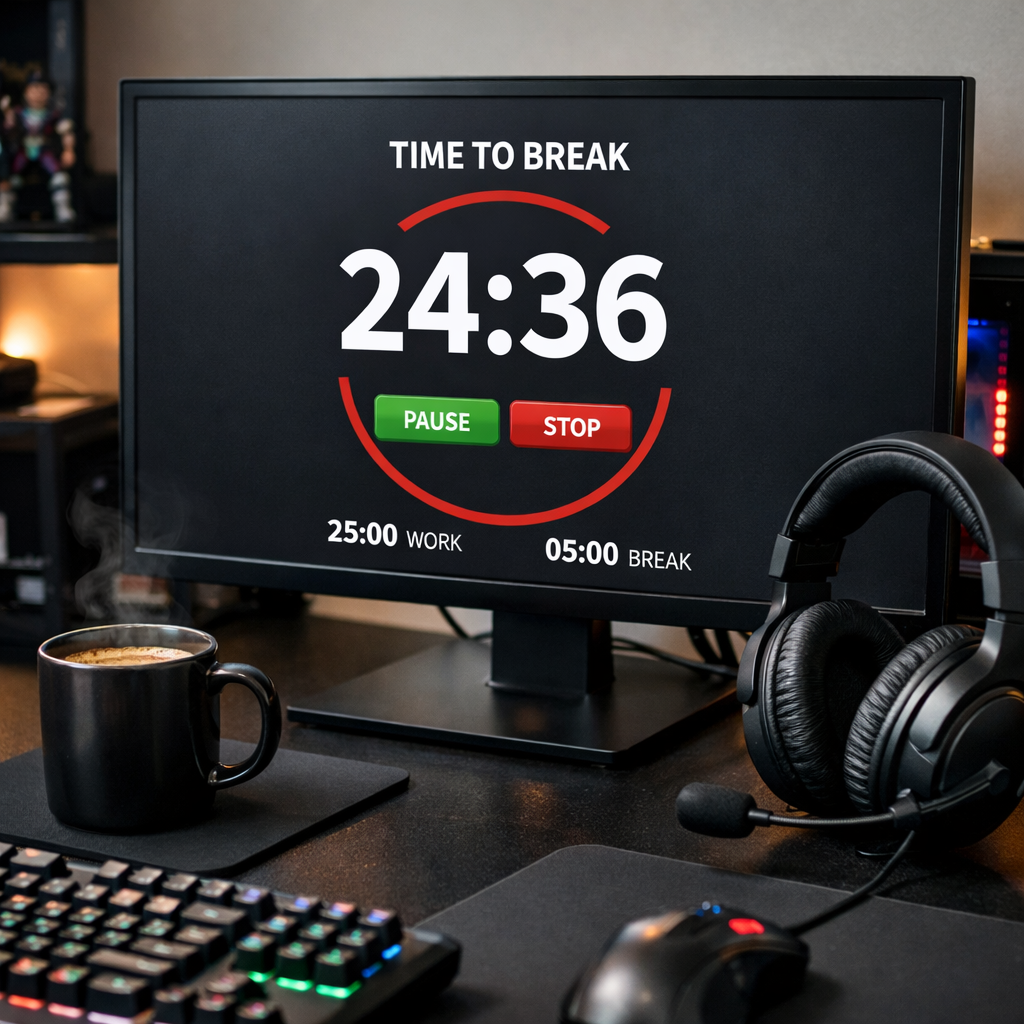
While a simple kitchen timer works, there’s a whole world of tech out there to help you get more from your Pomodoros. Many apps and websites can track your sessions automatically. This isn’t just about seeing how many Pomodoros you’ve completed; it’s about understanding your patterns. You can log tasks, see how long they actually took, and identify when you’re most focused. Some tools even block distracting websites during your work intervals. It’s like having a personal productivity coach keeping an eye on things.
Integrating Task Prioritization Frameworks
Just because you’re using Pomodoros doesn’t mean you can skip planning. Before you even start your first Pomodoro of the day, take a few minutes to figure out what’s most important. You could use something like the Eisenhower Matrix (Urgent/Important) or simply list your top 3 priorities. Then, break those big tasks down into smaller, Pomodoro-sized chunks. This way, each 25-minute session has a clear, achievable goal, and you’re always working on what matters most.
The key is to be intentional. Don’t just let the timer dictate your work; let your goals guide how you use the timer. This means planning your tasks, choosing the right ones for Pomodoro sessions, and using your breaks wisely to actually recover.
Overcoming Pomodoro Challenges
Even the best productivity methods can hit a few bumps. The Pomodoro Technique, while super effective for many, isn’t always a walk in the park. Sometimes, things just don’t go according to plan, and that’s okay. The trick is knowing how to handle these hiccups so they don’t derail your whole day.
Minimizing Interruptions During Sessions
Interruptions are the absolute worst when you’re trying to get into a flow state. It’s like someone keeps tapping you on the shoulder when you’re deep in thought. The best way to deal with this is to be proactive. Let people know you’re in a focus block. If you work with others, maybe put a sign on your door or update your status in team chat. Turning off notifications on your phone and computer is a no-brainer. If an interruption is unavoidable, just politely say you’re in the middle of something and will get back to them during your break. It’s about setting boundaries.
Adapting To Structured Time Blocks
For some folks, the rigid 25-minute work intervals can feel a bit constricting, especially at first. It’s like being told you can only run for exactly 25 minutes, no more, no less. If this is you, don’t be afraid to tweak things. Maybe start with shorter work periods, like 15 minutes, and gradually build up. Or, if you’re really in the zone on a task, you can chain a couple of Pomodoros together. The goal isn’t to be a slave to the timer, but to use it as a tool to help you focus. You can find a Pomodoro timer app that lets you customize these lengths.
Balancing Short And Long Tasks
Not every task fits neatly into a 25-minute box. Some things are quick wins, while others are marathon projects. For those big, complex tasks, the key is to break them down. Think of it like eating an elephant – one bite at a time. Divide that huge project into smaller, manageable sub-tasks that can fit into a Pomodoro. If a task is going to take multiple Pomodoros, that’s fine too. Just keep track of where you left off. This way, you still get that sense of progress without feeling overwhelmed by the sheer size of the job.
The Pomodoro Technique is a guide, not a dictator. Its real strength lies in its adaptability to your personal rhythm and the demands of your work.
Advanced Pomodoro Strategies For {role}

Once you’ve got the hang of the basic Pomodoro Technique, you might be wondering how to take it to the next level. It’s not just about setting a timer and calling it a day; there are ways to really fine-tune this method to fit your specific needs as a {role}.
Combining Techniques For Enhanced Output
The Pomodoro Technique doesn’t have to be a standalone thing. Think of it as a great base that you can build upon. You can mix it with other productivity methods to get even more done. For instance, pairing Pomodoros with a task management system like Getting Things Done (GTD) can help you organize what needs to be done. Or, you could try time blocking, where you set aside specific chunks of time for certain types of work, and then use Pomodoros within those blocks. This way, you get the structure of time blocking and the focused intensity of Pomodoros.
Using Visual Progress Tracking
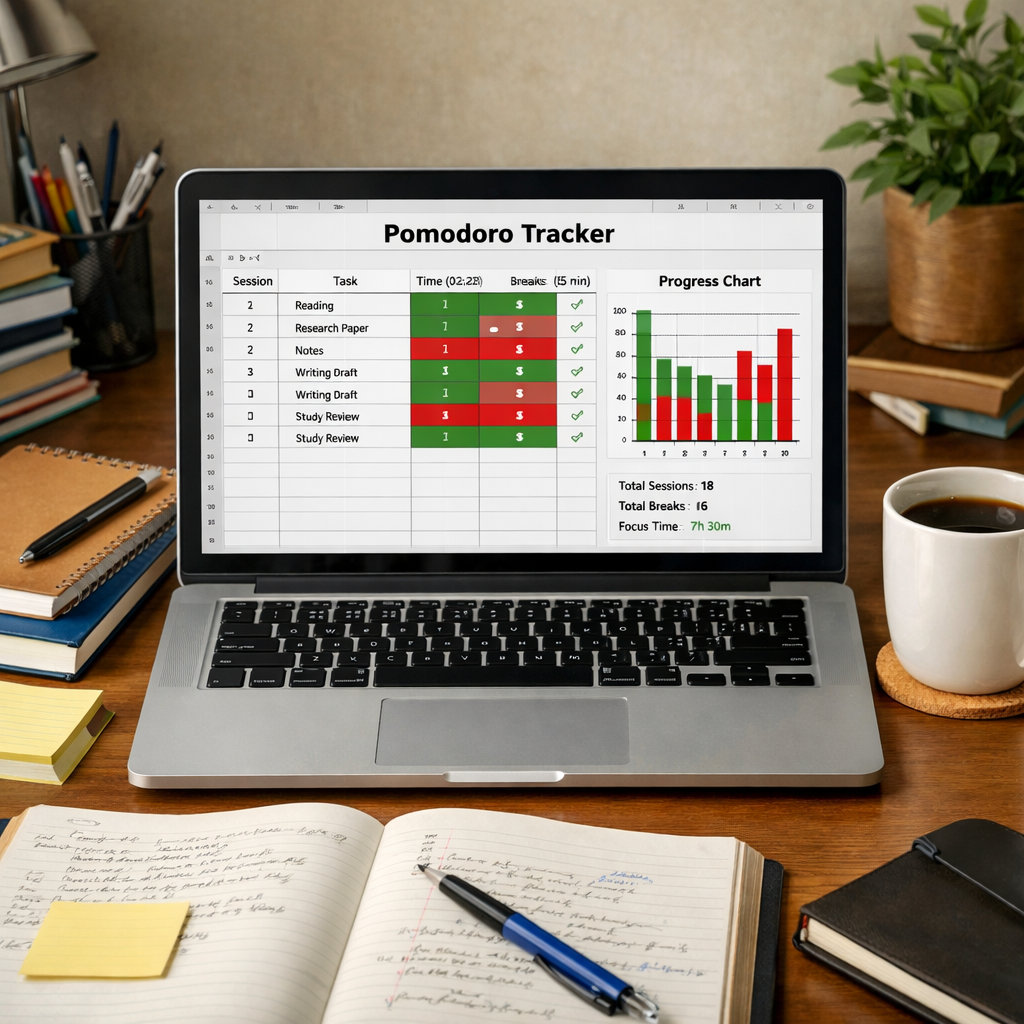
Keeping track of your Pomodoros visually can be a real motivator. Instead of just a mental note, try using a physical chart or a digital tool that shows your progress. You could use a Kanban board, moving tasks from ‘To Do’ to ‘Doing’ to ‘Done’ after each Pomodoro. Or, simply mark off completed Pomodoros on a calendar or a to-do list. Seeing those completed sessions pile up can give you a real sense of accomplishment and encourage you to keep going.
Batching Similar Tasks Together
This is a neat trick that can save you a lot of mental energy. Instead of switching between different types of tasks, try grouping similar ones together. For example, if you have several emails to send, a few phone calls to make, or some data entry to do, try to do them all in one or two dedicated Pomodoro sessions. This reduces the mental overhead of switching contexts and allows you to get into a rhythm for that specific type of work. It’s like getting into a flow for a particular kind of activity, which can make you surprisingly efficient.
The key to advanced Pomodoro use is recognizing that it’s a flexible framework, not a rigid rulebook. Experimentation is your best friend here. What works for one person might not work for another, and what works for you today might need tweaking tomorrow. Pay attention to your own energy levels and task demands, and don’t be afraid to adjust the intervals or combine methods to suit your unique workflow as a {role}.
Here’s a quick look at how you might adjust intervals based on task type:
| Task Type | Recommended Pomodoro Length | Recommended Break Length | Notes |
|---|---|---|---|
| Quick Admin Tasks | 15-25 minutes | 3-5 minutes | Good for frequent context switching. |
| Deep Work/Writing | 50-90 minutes | 10-15 minutes | Allows for sustained focus and flow state. |
| Creative Problem-Solving | 45-60 minutes | 7-10 minutes | Balances focus with mental refreshers. |
Pomodoro Technique In Action: Success Stories
Case Studies from Professionals
The Pomodoro Technique isn’t just a theory; it’s a practical tool that’s helped a lot of people get more done. Take, for instance, a software developer working on a big, complicated project. Instead of staring at the whole thing and feeling overwhelmed, they broke it down into smaller pieces. Using 25-minute Pomodoro sessions, they could really focus on one small part at a time. This kept them from getting burned out and helped them make steady progress, leading to better code and meeting deadlines.
Then there’s the student facing a huge pile of books for exams. The Pomodoro Technique made a big difference for them too. By dedicating focused Pomodoros to specific subjects, they could absorb information better without feeling completely drained. Those short breaks between sessions were just enough to clear their head and get ready for the next topic.
Testimonials From {role} Users
It’s not just about developers and students, though. Many people in various roles have found this technique to be a game-changer. Sarah, a freelance writer, mentioned how it keeps her from putting off her work. "Breaking down my writing projects into focused 25-minute chunks keeps me on track and helps me avoid procrastination," she said. David, a software engineer, noticed a big jump in his focus. "Since implementing the Pomodoro Technique, I’ve noticed a significant improvement in my ability to focus and stay on task. I get more done in less time, and I feel less stressed overall," he shared. Emily, a college student, found it helped with her anxiety. "The Pomodoro Technique has helped me conquer my exam anxiety. The structured approach keeps me focused on studying without feeling overwhelmed, and the short breaks are perfect for de-stressing," she explained.
How Teams Implement Pomodoro
This technique isn’t just for individuals working alone. Teams can use it too. Marketing agencies, for example, can use Pomodoros to manage project timelines. They might dedicate sessions to brainstorming, writing content, or handling social media. This helps everyone stay on track and produce good work within the given time. It also helps teams talk to each other more. Those short work periods followed by quick breaks create opportunities for sharing ideas and working together better, making the whole team more productive.
The real power of the Pomodoro Technique lies in its simplicity and adaptability. It provides a structured yet flexible framework that acknowledges our natural work rhythms, turning potential distractions into opportunities for focused effort and mindful breaks.
Putting It All Together
So, that’s the Pomodoro Technique in a nutshell. It’s not some magic bullet, but it’s a really solid way to get more done without feeling totally wiped out. By just breaking your work into those 25-minute chunks and taking short breaks, you can actually get a lot accomplished. Give it a shot for a week, see how it feels, and don’t be afraid to tweak it to fit your own schedule. You might be surprised at how much more focused and in control you feel.
Frequently Asked Questions
What exactly is the Pomodoro Technique?
The Pomodoro Technique is like a special way to work or study. You focus really hard on one thing for a short time, usually 25 minutes, and then you take a quick break. After doing this a few times, you take a longer break. It’s all about working in short, focused bursts.
Why is it called ‘Pomodoro’?
The name ‘Pomodoro’ comes from the Italian word for ‘tomato.’ The person who invented this method used a tomato-shaped kitchen timer when he was a student. So, he named his technique after his timer!
How does this help with procrastination?
It helps because instead of thinking about a huge, scary task, you only have to focus for 25 minutes. That feels much easier to start. Once you begin, it’s often easier to keep going, and you feel good about getting something done.
What should I do during the short breaks?
During your short breaks, it’s best to step away from your work. You can stretch, walk around for a bit, get a drink of water, or just close your eyes and relax. Try not to check your phone or emails, as that can pull you back into work mode.
Can I change the 25-minute timer?
Yes, you absolutely can! While 25 minutes is the classic time, you can adjust it. If you find you can focus for longer, try 30 or 40 minutes. If 25 minutes feels too long, start with 15 or 20 minutes. The goal is to find what works best for you.
What if I get interrupted during a Pomodoro?
If something or someone interrupts you, try to handle it quickly if you can. If it’s something you can’t deal with right away, politely let the person know you’re in the middle of a focused work session and suggest talking later during your break. It’s okay to protect your focus time!