
Feeling stuck? You know that big project or that pile of tasks isn’t going to do itself, but getting started feels impossible. Procrastination is a common problem, and it can make even simple things feel overwhelming. This guide is all about the Pomodoro Technique, a straightforward method that can help you break through that resistance and actually get things done. We’ll explore what it is, why it works, and how you can use it to your advantage, especially when dealing with {problem}.
Key Takeaways
- The Pomodoro Technique involves working in focused bursts, typically 25 minutes, followed by short breaks.
- This method helps combat procrastination by making tasks seem less daunting and providing a clear structure.
- Regular breaks are essential for maintaining focus and preventing burnout.
- Experimenting with different time intervals can help you find what works best for your attention span.
- Using tools and creating an organized workspace can further boost the effectiveness of the Pomodoro Technique.
Understanding Pomodoro For Procrastination

Procrastination. We all know it, we all hate it, and most of us are pretty good at it. That looming deadline for a project, the mountain of emails waiting in your inbox, or even just that one chore you keep putting off – they all seem to grow bigger and scarier the longer we avoid them. It’s like a bad habit that’s really hard to shake. You tell yourself you’ll start tomorrow, or maybe after just one more episode of that show, and before you know it, weeks have passed and the task is still staring you down.
What Is The Pomodoro Technique?
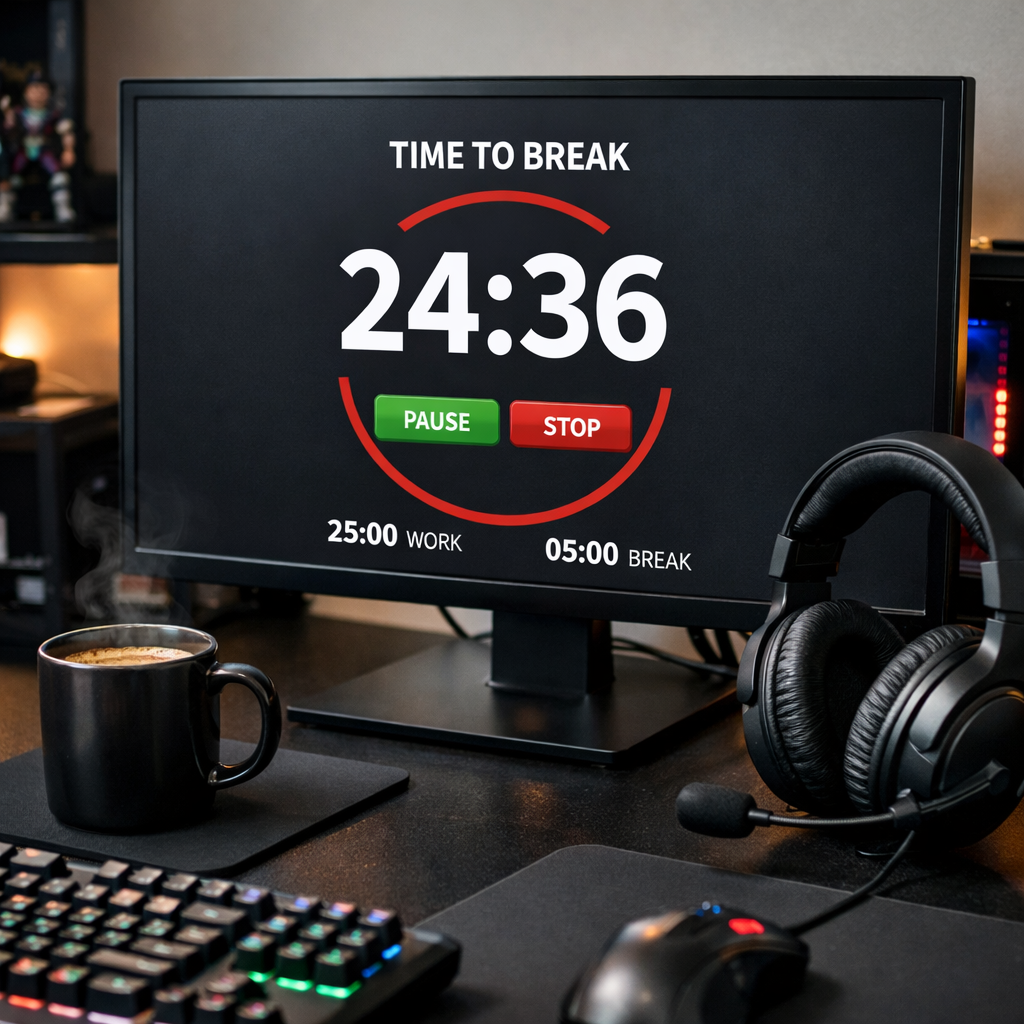
The Pomodoro Technique is a time management method that breaks down work into focused intervals, traditionally 25 minutes long, separated by short breaks. Think of it as a way to make daunting tasks feel more manageable by chopping them into bite-sized pieces. It’s not some magic bullet, but it’s a pretty straightforward system that can really help when you feel stuck.
The Origin Of The Tomato Timer
This whole thing started back in the late 1980s with a university student named Francesco Cirillo. He was struggling to focus on his studies and kept getting sidetracked. To try and get himself on track, he grabbed a kitchen timer – a tomato-shaped one, hence the name "Pomodoro" (which is Italian for tomato). He decided to work in short bursts, setting the timer for 25 minutes, and then taking a quick break. It worked so well that he kept refining it, and now it’s a popular method for people all over the world trying to get more done.
Why Pomodoro For Procrastination Works
So, why does this simple timer trick actually help with procrastination? Well, for starters, it externalizes the discipline. Instead of relying solely on your willpower, which can be pretty unreliable when you’re tempted by distractions, you’re letting an external tool – the timer – keep you accountable. It also reframes big, scary tasks into smaller, achievable chunks. Instead of thinking "I have to write this entire report," you think "I just need to focus for 25 minutes." That feels a lot less overwhelming. Plus, by noting down distractions as they pop up, you get them out of your head and onto paper, so they stop interrupting your flow.
The core idea is to work with your brain’s natural attention span, rather than against it. Short bursts of focused effort followed by brief rests can actually be more productive than trying to power through for hours on end.
Here’s a quick look at how the basic cycle works:
- Work Session: Set your timer for 25 minutes and focus intensely on a single task.
- Short Break: When the timer rings, take a 5-minute break. Get up, stretch, grab some water – anything to step away from the task.
- Repeat: Do this cycle four times.
- Long Break: After four work sessions, take a longer break, usually 15-30 minutes. This helps you reset before starting the next set of Pomodoros.
Implementing Pomodoro For Procrastination
So, you’ve heard about the Pomodoro Technique and how it can help with that nagging procrastination. Now, let’s get down to actually using it. It’s not rocket science, but a few key steps make all the difference.
Setting Up Your First Pomodoro Session
Getting started is pretty straightforward. The core idea is to break your work into focused bursts. Here’s how you can set up your very first session:
- Pick One Task: Seriously, just one. Trying to juggle multiple things at once is a recipe for distraction. Whether it’s writing an email, drafting a report section, or even just reading a chapter, commit to a single objective.
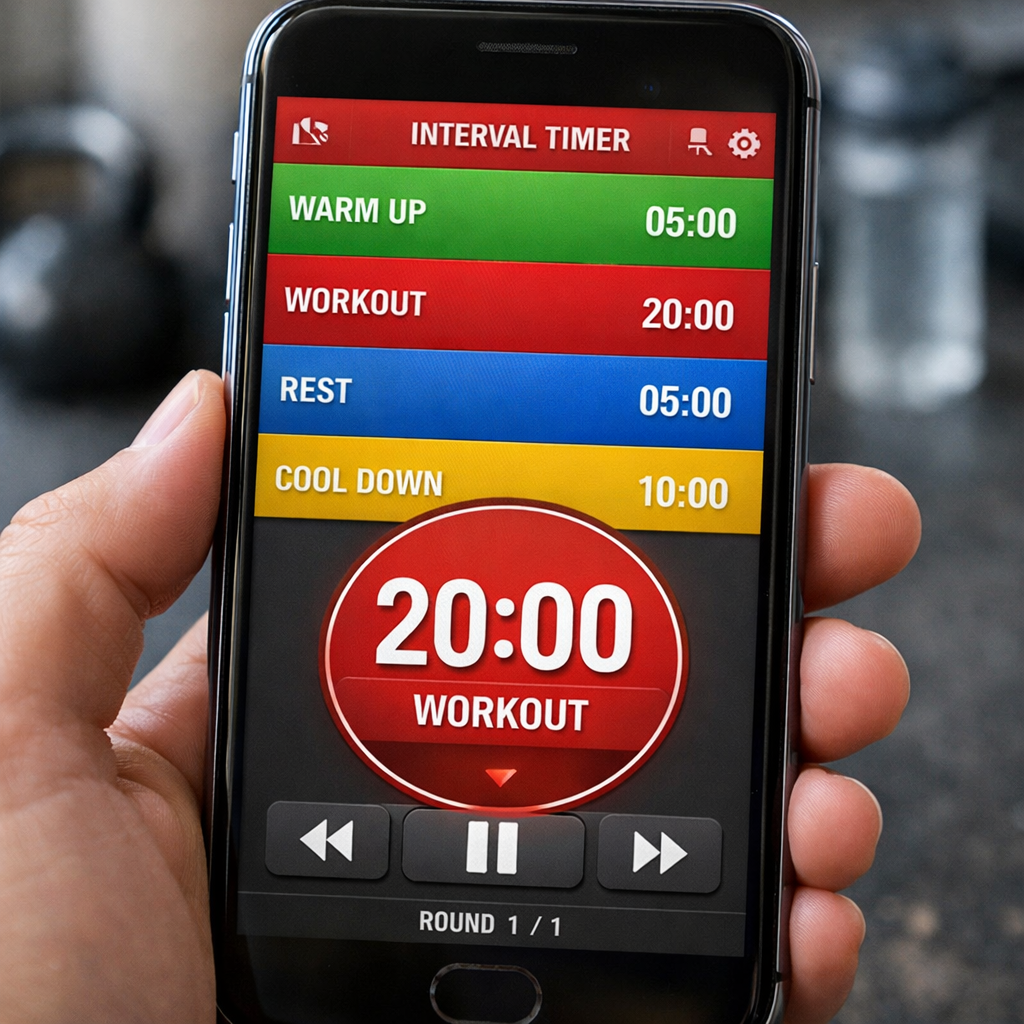
- Set Your Timer: Grab a timer – a kitchen timer, your phone, or a dedicated app. Set it for 25 minutes. This is your "Pomodoro." During this time, your sole mission is to work on that chosen task.
- Work Without Interruption: This is the tough part. For the next 25 minutes, you focus only on your task. If a random thought pops into your head – like needing to buy milk or remembering a friend’s birthday – jot it down on a piece of paper nearby. Don’t act on it, just note it. This gets it out of your head without derailing your focus.
- Mark Completion: Once the timer rings, you’ve completed one Pomodoro. Give yourself a little pat on the back!
The Importance Of Breaks
This is where a lot of people stumble. They think, "I’m in the zone!" and skip the break. Big mistake. Those breaks are not optional; they’re a vital part of the system.
- Short Breaks: After each 25-minute Pomodoro, take a 5-minute break. Get up, stretch, grab some water, look out the window. Anything that gets you away from your screen and your task for a few minutes.
- Longer Breaks: After completing four Pomodoros (that’s four 25-minute work sessions), you take a longer break, usually 15-30 minutes. This is your chance to really recharge before diving back in.
These breaks prevent burnout and actually help your brain process information. Think of it like interval training for your mind.
Repeating The Cycle For Productivity
The magic of Pomodoro isn’t in a single session; it’s in the repetition. You create a rhythm that builds momentum.
The Pomodoro Technique works because it externalizes discipline. Instead of relying solely on your willpower, which can be unreliable, you’re using an external tool – the timer – to keep you on track. This simple shift can make a huge difference in overcoming the inertia of procrastination.
Here’s the basic cycle:
- Work: 25 minutes (one Pomodoro)
- Break: 5 minutes
- Repeat: Do this three more times.
- Long Break: 15-30 minutes after the fourth Pomodoro.
Then, you start the cycle all over again. You can track your Pomodoros by making a mark on a sheet of paper for each one completed. This visual progress can be surprisingly motivating. It turns a daunting task into a series of manageable sprints, making it much easier to get started and keep going.
Maximizing Pomodoro For Procrastination
So, you’ve got the basics of the Pomodoro Technique down. You know about the 25-minute work sprints and the short breaks. But how do you really make this thing sing? It’s not just about setting a timer; it’s about fine-tuning the process to fit you and your specific procrastination habits. Let’s talk about making it work even better.
Leveraging Tools And Apps
While a simple kitchen timer works, there’s a whole world of digital tools out there designed to make your Pomodoro sessions smoother. Think of them as your personal accountability partners. Many apps can not only track your Pomodoros but also block distracting websites or apps during your work intervals. This adds an extra layer of defense against the siren call of social media or random internet rabbit holes. Some even offer ambient sounds to help you focus, like the gentle patter of rain or a crackling fireplace. Finding the right app can really make a difference in keeping you on track.
Here are a few types of tools that can help:
- Dedicated Pomodoro Apps: These are built specifically for the technique, often with customizable timers and tracking features. Examples include Forest, Focus Keeper, or Be Focused.
- Website Blockers: If certain sites are your kryptonite, apps like Freedom or Cold Turkey can temporarily block them, forcing you to stay on task.
- Task Management Apps: Integrating Pomodoro timers into your existing to-do list apps (like Todoist or TickTick) can streamline your workflow.
Experimenting With Time Intervals
The classic 25-minute Pomodoro is a great starting point, but it’s not a one-size-fits-all solution. Your brain might work better with slightly different timings. Maybe you find you can really get into a groove after 10 minutes, and 25 feels too short to build momentum. Or perhaps 25 minutes is just too long, and you’re losing focus before the timer even goes off. Don’t be afraid to play around with it. Try 20-minute work sessions, or maybe even 30 or 40 if you’re feeling particularly focused. The key is to find the interval length that allows you to achieve a state of deep work without feeling overwhelmed or burnt out. The goal is sustained focus, not rigid adherence to a number.
Here’s a quick way to test different intervals:
- Start with a baseline: Use the standard 25-minute work, 5-minute break for a day or two.
- Adjust slightly: Try shortening the work interval to 20 minutes and see if your focus improves.
- Increase if possible: If 25 minutes felt too short, try extending to 30 or 35 minutes.
- Observe and record: Note down how you felt during each session – were you focused, distracted, or tired?
Creating An Optimal Work Environment
Your surroundings play a bigger role than you might think in keeping procrastination at bay. Think about it: if your workspace is cluttered, noisy, or full of potential distractions, you’re setting yourself up for failure before you even start. Making a conscious effort to create a calm, organized, and distraction-free zone can significantly boost your ability to focus during those Pomodoro sessions. This means tidying up your desk, letting others know you need uninterrupted time, and having everything you need within reach so you don’t have to get up and break your concentration.
A well-prepared workspace is half the battle won. Before you even hit the start button on your timer, take a moment to ensure you have all the necessary materials, water, and a clear mind. This simple act of preparation can prevent many small interruptions that derail your focus.
By combining smart tools, personalized timing, and a conducive environment, you can transform the Pomodoro Technique from a simple time management trick into a powerful weapon against procrastination. It’s all about making the technique work for your unique brain and workflow. You can find more tips on time management strategies at Pomodoro Technique.
The Science Behind Pomodoro For Procrastination
So, why does this whole tomato timer thing actually work? It’s not just some random trick; there’s some real psychology at play that helps us beat procrastination.
Externalizing Discipline
Let’s be honest, our willpower is like a muscle – it gets tired. Trying to force yourself to focus for hours on end drains that energy fast. The Pomodoro Technique takes the pressure off you. By using a timer, you’re handing over the
Overcoming Procrastination With Pomodoro

So, you’ve got a mountain of work and that familiar feeling of dread is creeping in. Big projects can feel overwhelming, making it easy to just… not start. The Pomodoro Technique is a solid way to tackle this head-on. It breaks down those massive tasks into bite-sized chunks, making them feel way less scary. The key is to focus intensely for short bursts, knowing a break is just around the corner. This approach helps you get moving when you’d rather do anything else.
Tackling Large Workloads
When faced with a huge assignment, it’s easy to freeze up. Instead of thinking about the entire project, just pick one small part. Set your timer for 25 minutes and commit to working only on that one piece. You might be surprised how much you can accomplish in that short time. Remember, the goal isn’t to finish the whole thing in one go, but to make consistent progress. This method helps you chip away at big tasks without feeling completely swamped. It’s all about building momentum, one pomodoro at a time.
Boosting Focus With Low Attention Spans
If your attention span feels like it’s constantly wandering, the Pomodoro Technique can be a lifesaver. Those 25-minute work intervals are short enough to maintain focus, especially when you know you’ll get a break soon. It trains your brain to concentrate for a set period. By minimizing distractions during these focused times and jotting down any stray thoughts, you actively train yourself to stay on task. This practice can gradually lengthen your ability to concentrate over time.
Building Sustainable Work Habits
Consistency is where the magic really happens with Pomodoro. It’s not just about getting through a task; it’s about building a routine that supports steady progress. Regularly completing these focused work sessions and taking mindful breaks helps prevent burnout. Over time, this structured approach becomes less of a chore and more of a natural way to work. You start to see that you can be productive without feeling overwhelmed, which is a huge win for long-term productivity.
The power of Pomodoro lies in its simplicity and its ability to make daunting tasks feel manageable. By externalizing discipline through a timer and reframing work from an endless output to a series of achievable inputs, you can effectively combat procrastination and build a more productive workflow.
Wrapping Up
So there you have it. The Pomodoro Technique isn’t some magic bullet, but it’s a really straightforward way to get a handle on things when you feel overwhelmed or just can’t seem to get started. By breaking down your work into manageable chunks and taking short, regular breaks, you can actually get more done without burning yourself out. Give it a try next time you’re facing a big task or just feeling that familiar pull of procrastination. You might be surprised at how much you can accomplish, one 25-minute sprint at a time.
Frequently Asked Questions
What exactly is the Pomodoro Technique?
Think of the Pomodoro Technique as a cool way to manage your time. It’s all about breaking down your work into short, focused bursts. You set a timer for about 25 minutes, work super hard on one thing, and then take a short break. It’s named after the Italian word for tomato because the guy who invented it used a tomato-shaped kitchen timer!
Why is it called ‘Pomodoro’?
The name comes from the Italian word for ‘tomato.’ Back in the day, the person who created this method, Francesco Cirillo, used a tomato-shaped kitchen timer to keep track of his work sessions. So, each ‘tomato’ represents a focused work period.
How does this help with procrastination?
It helps because instead of looking at a huge, scary task, you just focus on getting through the next 25 minutes. Knowing a break is coming soon makes it much easier to start and stay on track. It tricks your brain into thinking, ‘I can do this for just a little while!’
What should I do during my breaks?
Your breaks are super important! Use them to stretch, grab a drink of water, or just relax for a few minutes. The key is to step away from your work. Try to avoid scrolling through social media, as that can pull you back into distractions.
Can I change the 25-minute work time?
Absolutely! While 25 minutes is the classic time, it’s not a strict rule. If you find you focus better for 20 minutes or maybe 30, go for it! The goal is to find what works best for you to stay focused and productive.
What if I get distracted during a Pomodoro session?
That’s totally normal! The trick is to quickly write down what you were thinking about (like another task or something you want to do later) on a piece of paper. Then, gently bring your focus back to your main task. This helps you acknowledge the distraction without letting it derail you.