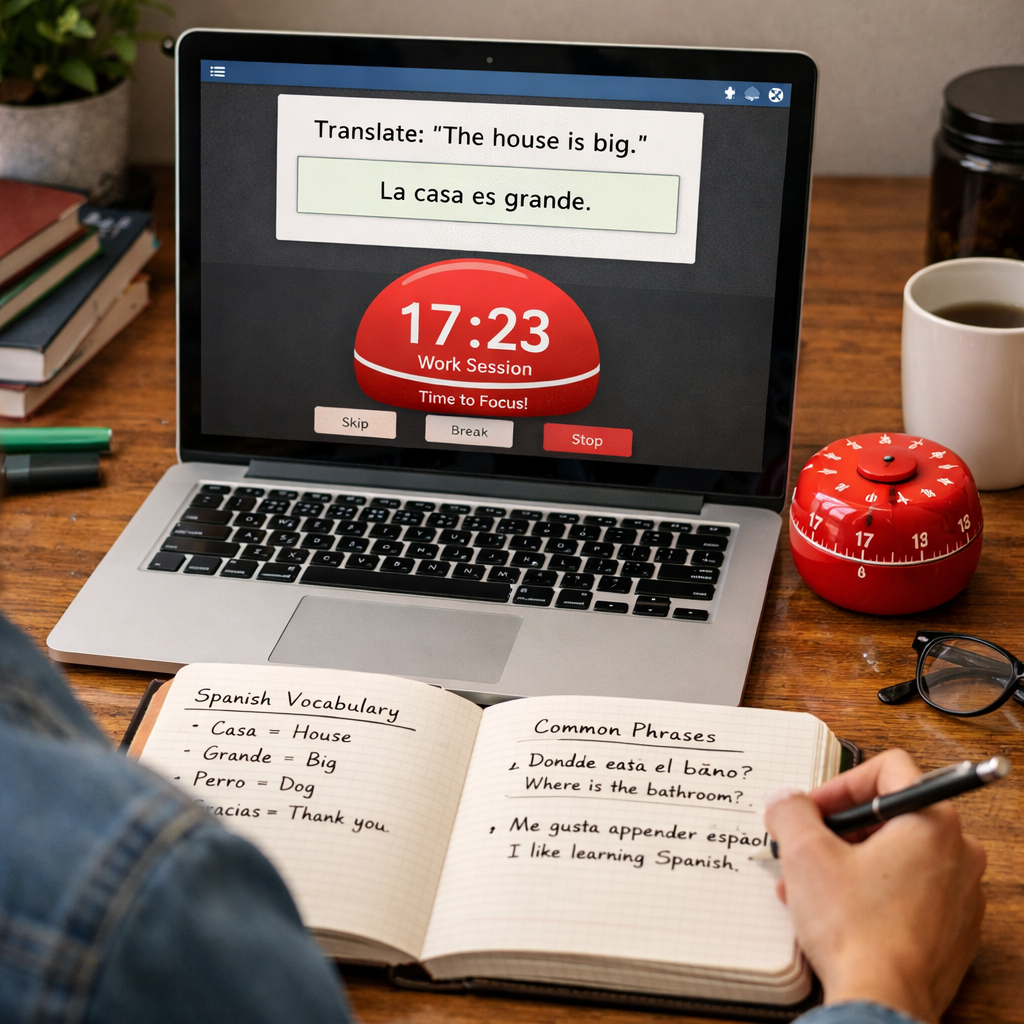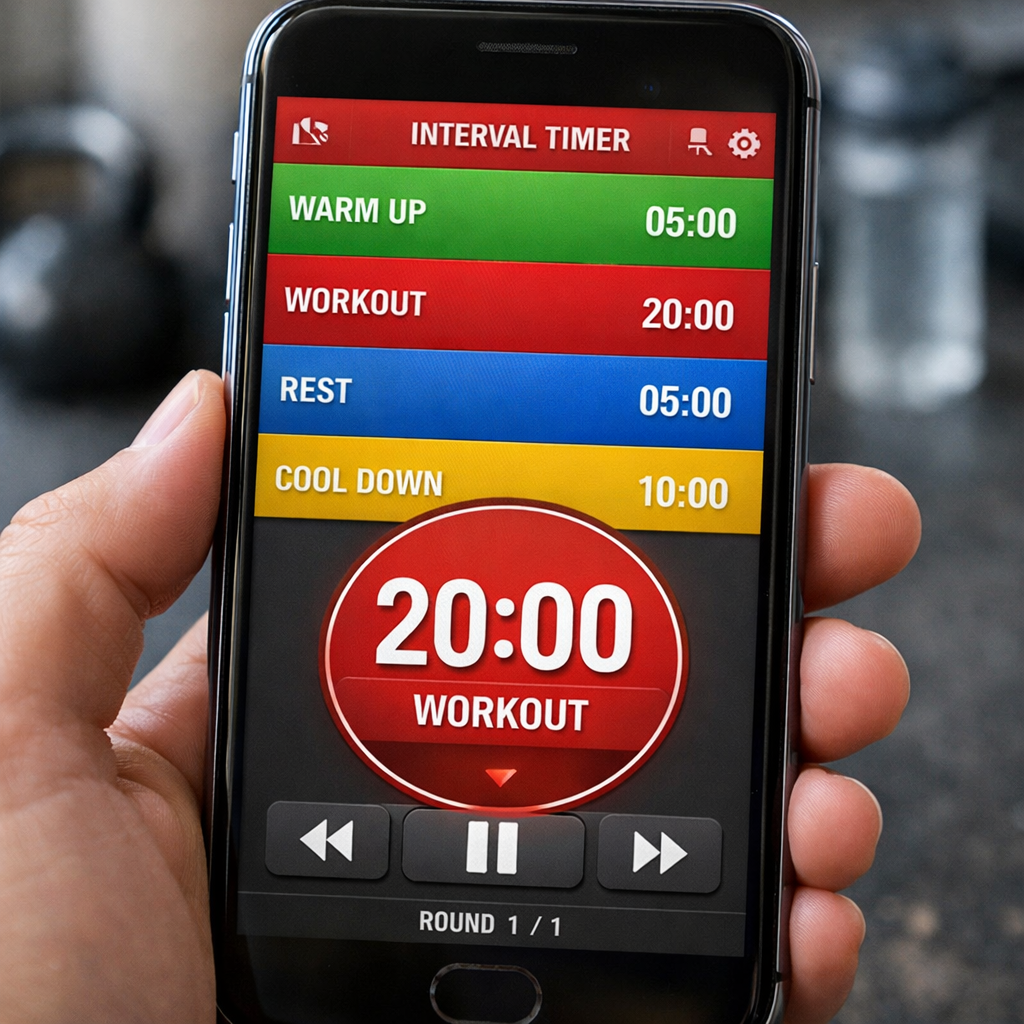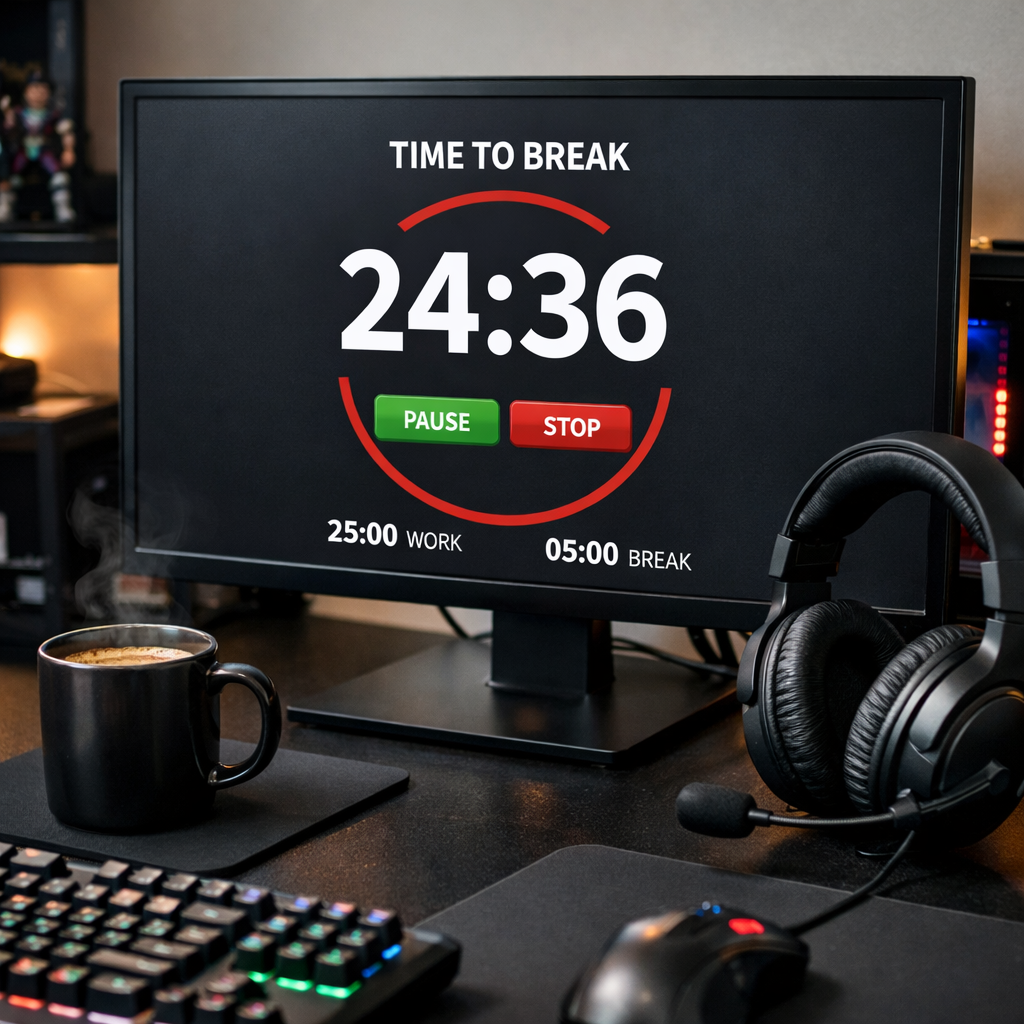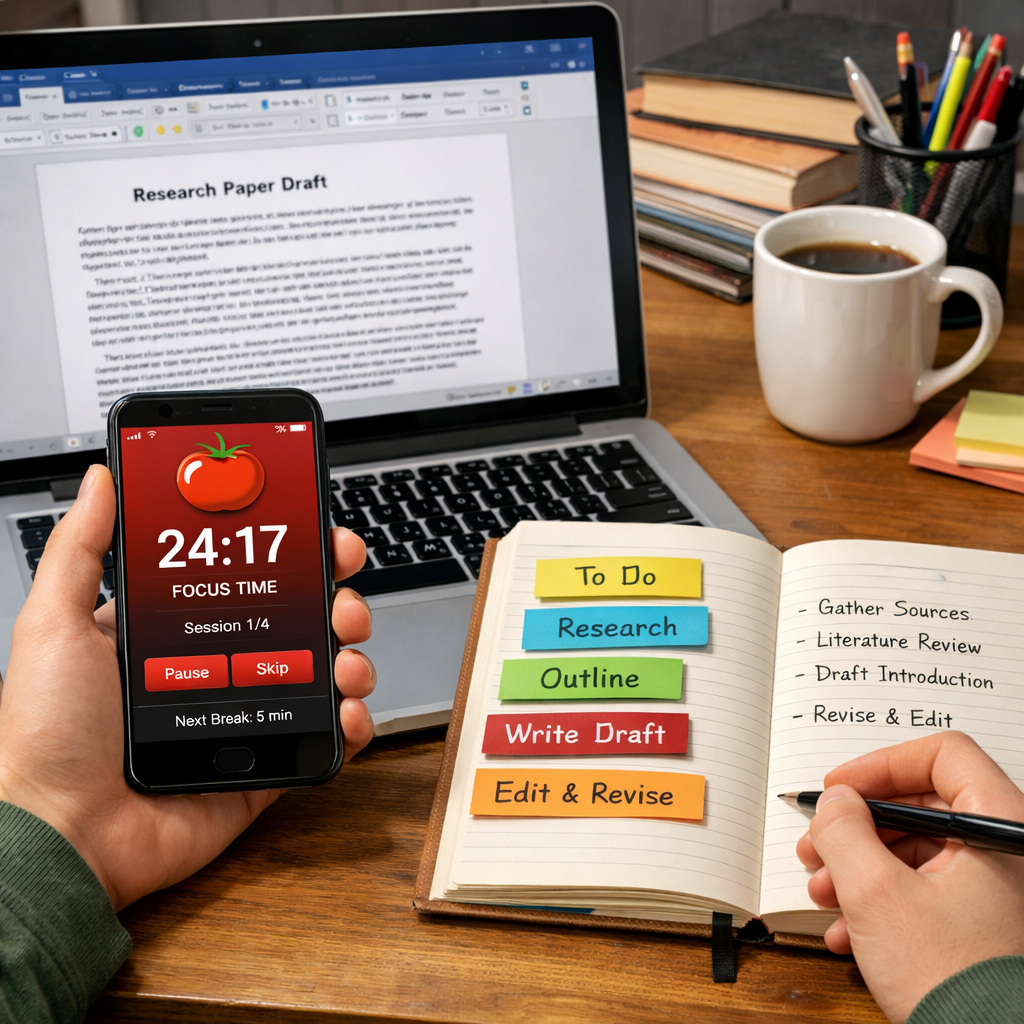
Lately, I’ve been trying out this thing called the Pomodoro Technique to get more done. It’s basically about working in short bursts with breaks in between. What’s really made it easier, though, is using a pomodoro timer with widgets. It lets me see what’s going on with my timer right from my phone’s home screen, which is pretty handy. No more opening up an app just to check how much time is left. It feels like a small change, but it actually helps me stay on track and not get sidetracked. If you’re looking to get more out of your day, this might be worth a look.
Key Takeaways
- Using a pomodoro timer with widgets lets you check your work and break times without opening the app.
- Widgets offer a quick visual of your progress, keeping you focused on the task at hand.
- The Pomodoro Technique breaks work into focused intervals, helping to reduce distractions and procrastination.
- Customizing work and break times allows you to adapt the technique to your personal workflow and tasks.
- Widgets can minimize interruptions by providing essential timer information directly on your home screen.
Unlock Peak Productivity With A Pomodoro Timer Featuring Widgets
Understanding The Pomodoro Technique For Enhanced Focus
Ever feel like your workday just disappears without much to show for it? You’re not alone. Many of us struggle to stay on task, getting pulled in a million directions by emails, notifications, and the general buzz of life. That’s where the Pomodoro Technique comes in. It’s a simple time management method that uses a timer to break down work into focused intervals, traditionally 25 minutes long, separated by short breaks. This approach helps combat mental fatigue and keeps you engaged with your tasks. The core idea is to work with time, not against it.
The Core Principles Of Effective Time Management
At its heart, effective time management isn’t about cramming more into your day; it’s about working smarter. The Pomodoro Technique is built on a few key ideas:
- Structured Work Blocks: Dedicate specific, uninterrupted periods to a single task. This helps you get into a flow state.
- Regular Breaks: Short, scheduled breaks prevent burnout and allow your brain to reset, making you more effective when you return to work.
- Minimizing Interruptions: The technique encourages you to protect your work intervals from distractions, whether they’re internal thoughts or external pings.
- Task Focus: By breaking down larger projects into smaller, manageable work sessions, you can make steady progress without feeling overwhelmed.
The beauty of the Pomodoro Technique lies in its simplicity and adaptability. It doesn’t require fancy tools or a complete overhaul of your life. It’s about building a sustainable rhythm that supports focused work and prevents burnout, making it a practical tool for almost anyone looking to get more done.
Integrating Pomodoro Into Your Daily Workflow
Getting started with the Pomodoro Technique is straightforward. You don’t need a specialized app right away, though they can certainly help. You can start with any timer you have handy. The process typically looks like this:
- Choose a task: Decide what you’ll work on during your next interval.
- Set the timer: Set your timer for 25 minutes (this is the standard, but you can adjust it later).
- Work on the task: Focus solely on your chosen task until the timer rings.
- Take a short break: When the timer goes off, take a 5-minute break. Step away from your work, stretch, or grab a drink.
- Repeat: After four work intervals (called Pomodoros), take a longer break, usually 15-30 minutes.
This structured approach can be a game-changer for productivity. For those looking for a more streamlined experience, dedicated Pomodoro apps, especially those with widget support, can make the process even smoother by providing quick access and visual progress updates right from your device’s home screen.
Leveraging Widgets For Seamless Pomodoro Integration
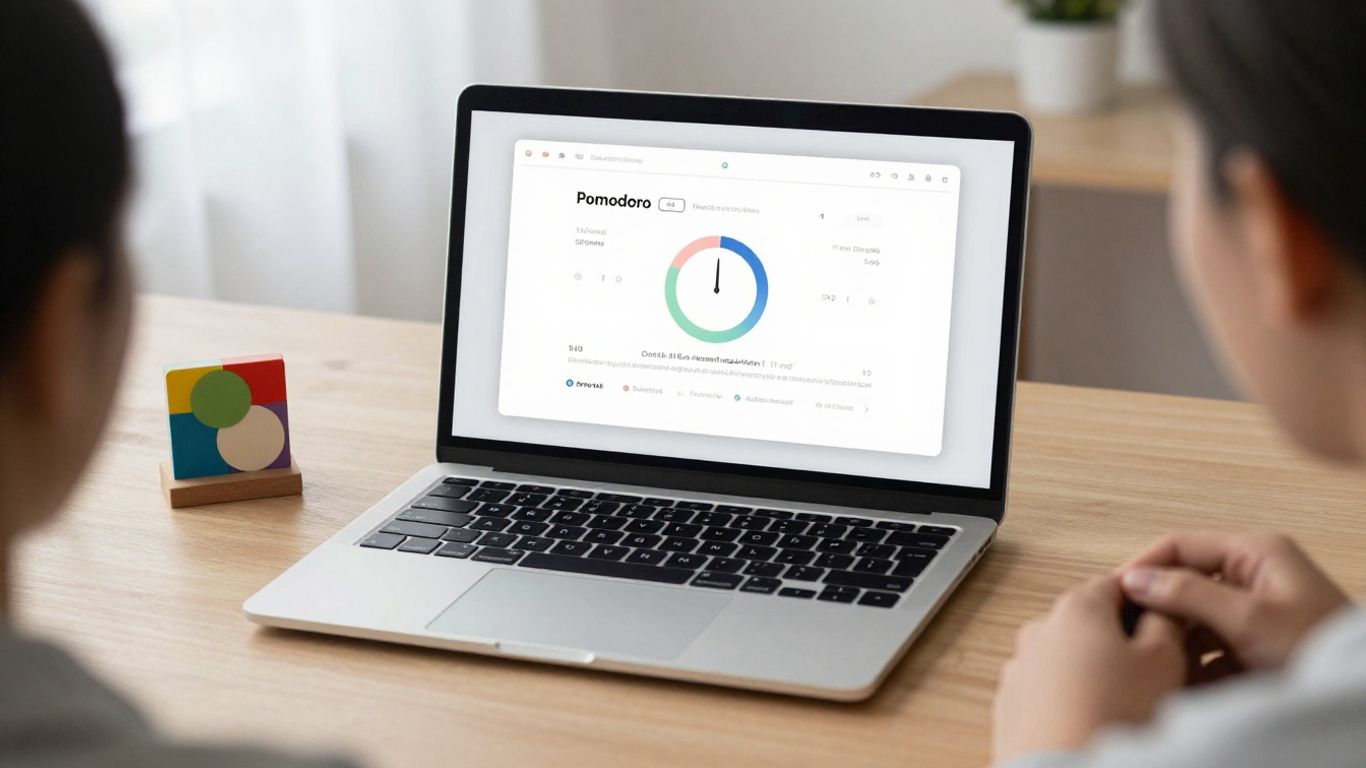
Okay, so you’ve got the Pomodoro Technique down, you’re ready to get some work done. But constantly opening an app or a browser tab to start your timer can feel like a little speed bump, right? That’s where widgets come in. They’re like having a mini-control panel for your focus sessions right on your phone’s home screen or your computer’s desktop.
Instant Access To Your Pomodoro Timer
Imagine this: you sit down to work, and instead of fumbling around for the right app, you just glance at your phone’s home screen. There it is, your Pomodoro timer, ready to go. You tap it, and boom – your 25-minute work block starts. No extra clicks, no searching. It makes starting a focus session so much quicker, which is a big deal when you’re trying to beat procrastination.
Visualizing Progress Directly From Your Home Screen
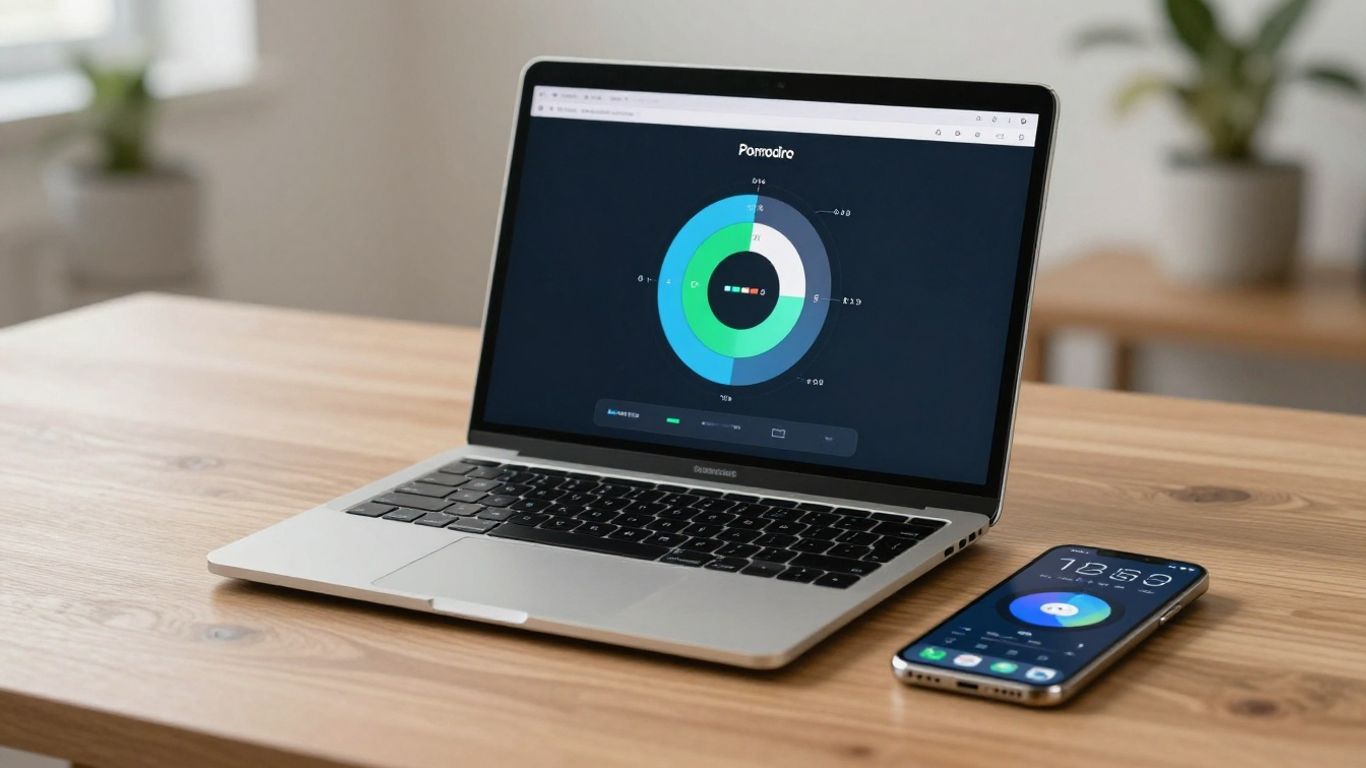
Some timer apps offer widgets that don’t just start the timer, they show you where you are in your session. You might see a progress bar filling up, or a countdown clock right there on your main screen. This visual cue is surprisingly motivating. You can see how much time is left in your work block or how many Pomodoros you’ve completed for the day without even opening the app. It’s a constant, gentle reminder of your progress.
Minimizing Distractions With Widget Functionality
This is a big one. When your timer is a widget, you don’t need to open a full app that might have notifications, other features, or just a general temptation to click around. You can see your timer, start it, and maybe even see your progress, all without leaving your home screen. This keeps you in your focused zone and reduces the chances of getting sidetracked by other things on your device. It’s about keeping the tools you need right where you can see them, but not so much that they pull you away from your actual work.
Widgets turn your Pomodoro timer from just another app into a proactive part of your workspace. They reduce the friction of starting and maintaining focus, making the whole process feel more natural and less like a chore. It’s about having your focus tool readily available, without it becoming a distraction itself.
Here’s a quick look at what you might find in a good Pomodoro widget:
- Start/Pause Button: The most basic, but essential. Lets you kick off or pause your work/break.
- Progress Indicator: A visual bar or countdown showing how much time is left.
- Session Counter: Displays how many Pomodoro cycles you’ve completed.
- Task Display (Optional): Some widgets might even show the current task you’re working on.
Customizing Your Pomodoro Experience
The beauty of the Pomodoro Technique isn’t just its simplicity, but also its adaptability. While the classic 25-minute work, 5-minute break structure is a great starting point, it’s not a one-size-fits-all solution. You’re the expert on your own focus and energy levels, so tailoring the timer to your personal rhythm is key to making it truly work for you.
Tailoring Work and Break Intervals to Your Needs
Francesco Cirillo, the creator of the technique, landed on the 25/5 minute split through experimentation. You should do the same! If you find that 25 minutes feels too short to get into a task, or too long and you start to lose steam, adjust it. Maybe 45 minutes of focused work followed by a 10-minute break feels better for your workflow. Or perhaps you thrive on shorter bursts, like 15 minutes of intense focus followed by a 3-minute breather.
Here’s a quick guide to finding your sweet spot:
- Assess your typical focus span: When do you usually start to feel distracted during a task?
- Consider task complexity: More demanding tasks might benefit from longer work intervals, while simpler tasks could be done in shorter bursts.
- Experiment with break lengths: Longer breaks can be great for stepping away, but too long might break your momentum. Shorter breaks can keep you in the zone.
Don’t be afraid to play around. You might discover that a 50/10 split works wonders for deep work, while a 20/5 split is better for handling emails.
Personalizing Timer Appearance and Sounds
Beyond the timings, the sensory experience of your timer can also impact your focus. Many apps let you change the look and sound of the timer. Maybe a calming, minimalist interface helps you concentrate, or perhaps a more vibrant theme keeps you engaged. The sound alerts are also important. Do you prefer a gentle chime, a more insistent beep, or even silence?
- Visuals: Choose a theme that’s easy on the eyes and doesn’t add to your mental load.
- Sounds: Select alert sounds that are noticeable but not jarring. Some apps even offer ambient soundscapes.
- Notifications: Decide if you want visual pop-ups or just audio cues when a session ends.
Adapting the Technique for Different Tasks
Not all tasks are created equal, and your Pomodoro sessions shouldn’t be either. For instance, tackling a complex coding project might require longer, uninterrupted work blocks, perhaps 45-50 minutes. On the other hand, responding to emails or doing quick administrative tasks might be better suited to shorter, 15-20 minute Pomodoros.
The key is to match the interval length to the cognitive demand of the task at hand. This flexibility prevents the technique from feeling rigid and allows it to support a wider range of activities throughout your day.
Think of it like this:
- Deep Work (e.g., writing, coding, studying): Longer intervals (30-50 minutes) with slightly longer breaks (10-15 minutes).
- Shallow Work (e.g., emails, scheduling): Shorter intervals (15-25 minutes) with standard breaks (5 minutes).
- Creative Brainstorming: Flexible intervals, perhaps with more frequent, shorter breaks to allow ideas to flow and reset.
By tweaking these settings, you transform a generic timer into a personalized productivity tool that genuinely fits your life and work style.
Advanced Features For Serious Productivity
So, you’ve got the basics down with your Pomodoro timer and widgets. That’s great! But what if you’re looking to really dial things in, to squeeze every last drop of focus out of your day? That’s where some of the more advanced features come into play. These aren’t just bells and whistles; they can genuinely change how you work.
Task Management Within Your Pomodoro Timer
Some Pomodoro apps go beyond just timing your work sessions. They let you manage your actual tasks right inside the app. This means you can pick a task, start your timer, and then mark it as done when the session ends, all without switching screens. It keeps everything in one place, which can really cut down on mental clutter.
- Assign tasks to specific Pomodoro sessions.
- Break down larger tasks into smaller, manageable chunks.
- Prioritize your to-do list directly within the timer interface.
Tracking Progress And Analyzing Performance
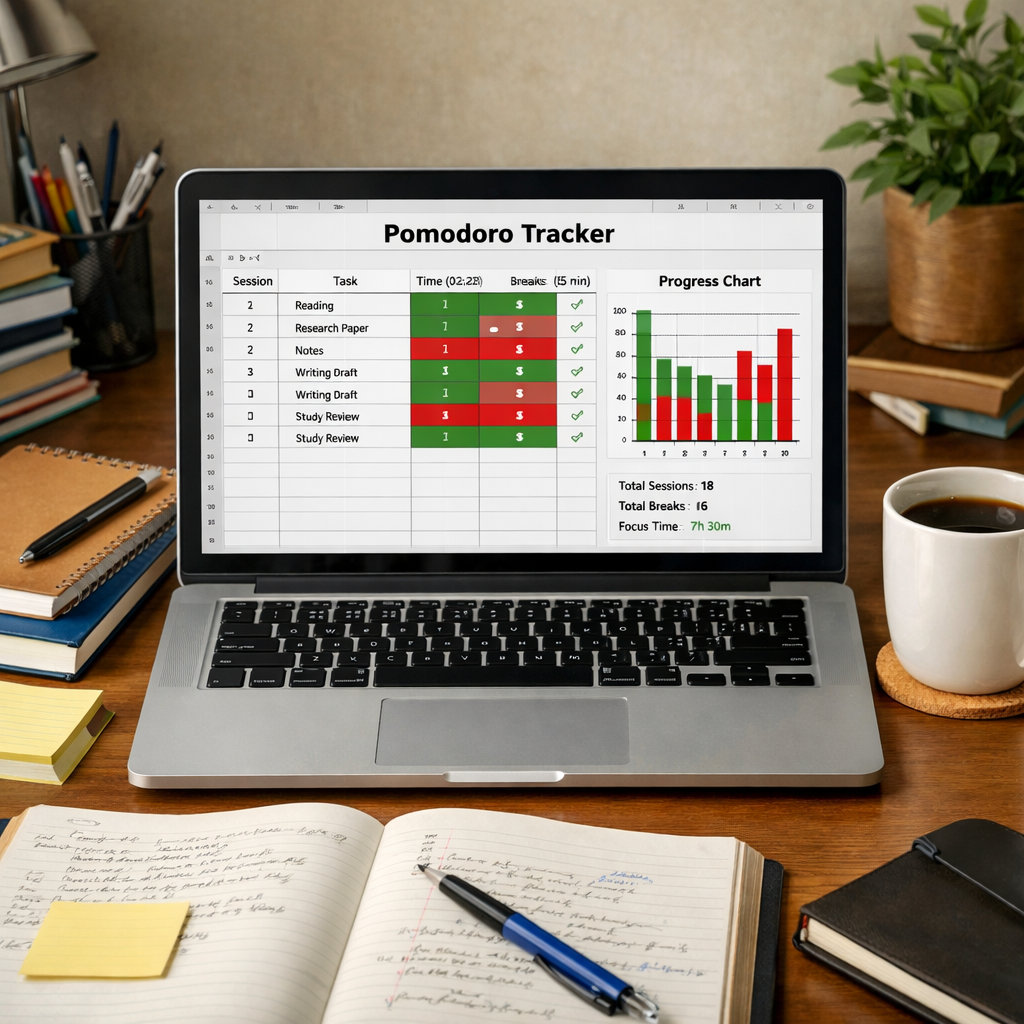
Knowing how you spend your time is half the battle. Advanced timers often come with built-in analytics. You can see how many Pomodoros you’ve completed, what tasks took the longest, and when you’re most productive. This data can be super helpful for figuring out where your time is actually going.
| Metric | Example Data | Notes |
|---|---|---|
| Total Pomodoros | 12 | Completed today |
| Longest Task | 3 Pomodoros | ‘Project X Report’ |
| Peak Productivity | 10 AM – 12 PM | Based on task completion rate |
| Break Time Usage | 85% | Percentage of scheduled breaks taken |
Understanding your work patterns is key. If you notice you’re consistently getting sidetracked during a certain time of day, you can adjust your schedule or use that time for less demanding tasks.
Utilizing White Noise And Ambient Sounds For Focus
Distractions are everywhere, right? Some timers include features like white noise generators or ambient soundscapes. Think rain sounds, coffee shop buzz, or gentle music. These can help mask distracting background noises and create a more consistent, focused environment for your work sessions. It’s like creating your own personal focus bubble, no matter where you are.
Choosing The Right Pomodoro Timer With Widgets

So, you’re sold on the Pomodoro Technique and the idea of having a timer right there on your home screen. That’s great! But with so many options out there, how do you pick the one that actually helps instead of just adding another distraction? It’s not just about finding any timer; it’s about finding one that fits your way of working.
Key Features To Look For In A Pomodoro App
When you’re sifting through the app stores, keep an eye out for a few things. First off, does it actually have widgets? This sounds obvious, but some apps might advertise it and then have really basic widgets that don’t do much. You want widgets that let you start, stop, or check your current Pomodoro session without even opening the app. Also, think about customization. Can you change the work and break times? The original 25/5 minute split works for some, but maybe you need 45/10 or even shorter bursts for certain tasks.
Here’s a quick checklist:
- Widget Functionality: Can you start/stop/view timer from the widget?
- Customizable Intervals: Can you adjust work and break lengths?
- Task Management: Does it help you list and track what you’re working on?
- Progress Tracking: Does it show you how much you’ve accomplished?
- Sound Options: Can you pick your own alert sounds or use ambient noise?
Platform Compatibility And Device Synchronization
This is a big one. Are you an Apple person, a Windows user, or somewhere in between? Some apps are built specifically for one platform, while others are cross-platform. If you use both a phone and a computer for work, you’ll want an app that syncs between them. Imagine starting a Pomodoro on your laptop and having it show up on your phone widget automatically – that’s the dream. Check if the app works on your specific devices (iPhone, Android, iPad, Mac, Windows) and if it syncs your settings and progress across them. Don’t get stuck with an app that only works on your phone if you do most of your focused work on your desktop.
Evaluating User Interface And Ease Of Use
Remember, the whole point of the Pomodoro Technique is to simplify things and reduce friction. The app itself shouldn’t be a hurdle. Look for a clean, intuitive interface. If you find yourself fumbling around trying to figure out how to start a timer or change a setting, it’s probably not the right app for you. A good app should feel natural to use, almost like it disappears into the background while you focus on your work. Test out a few different ones if you can. Most offer free versions or trials, so you can get a feel for them before committing. A clunky interface can quickly turn you off the whole Pomodoro idea, so don’t underestimate this.
The best Pomodoro apps are like a good tool – they’re reliable, easy to use, and they help you get the job done without getting in your way. They should support your workflow, not complicate it. If it takes more effort to manage the timer than to do the actual work, it’s probably not the right fit.
Maximizing Focus With A Pomodoro Timer Featuring Widgets
Reducing Procrastination Through Structured Work Blocks
Procrastination is a real pain, isn’t it? You know you have stuff to do, but somehow, scrolling through social media or tidying up your desk seems way more appealing. A Pomodoro timer with widgets can really help here. By breaking your work into short, manageable chunks – usually 25 minutes – it makes starting a task feel less overwhelming. You’re not committing to hours of work, just 25 minutes. That’s a lot easier to get behind. The widget on your home screen means you can start a work session with just a tap, no need to even open the app. This quick access cuts down on the time you might spend thinking about whether to start, and gets you straight into doing.
The Benefits Of Short, Regular Breaks
It might sound counterintuitive, but taking breaks actually makes you more productive. The Pomodoro Technique is built around this idea. After each 25-minute work sprint, you get a short 5-minute break. This isn’t just a chance to stretch your legs; it’s a mental reset. It stops your brain from getting fatigued and helps you maintain a higher level of concentration over longer periods. Think of it like interval training for your brain. You push hard for a bit, then recover, and repeat. This cycle prevents burnout and keeps your focus sharp.
Here’s a quick look at how a typical Pomodoro cycle works:
- Work Interval: 25 minutes of focused work.
- Short Break: 5 minutes to step away, relax, or do something unrelated.
- Repeat: Do this four times.
- Long Break: After four work intervals, take a longer break of 15-30 minutes.
Building Sustainable Productivity Habits
Using a Pomodoro timer with widgets isn’t just about getting through your to-do list for today. It’s about building habits that stick. The consistent structure helps you train your brain to focus for set periods and to appreciate the downtime. Over time, you’ll find yourself naturally getting into the work rhythm. The visual progress you see on your widget, like a completed pomodoro count, can be surprisingly motivating. It’s a small win that adds up, making productivity feel less like a chore and more like a natural part of your day. It’s about creating a sustainable way to work that doesn’t leave you feeling drained.
The key is consistency. Even if you only manage a few pomodoros a day when you start, sticking with it will build momentum. The structure provided by the timer, especially with the convenience of widgets, removes a lot of the friction that usually stops us from getting started or staying on track.
Wrapping Up Your Focus
So, there you have it. Using a Pomodoro timer, especially one with handy widgets, can really make a difference in how much you get done. It’s not some magic bullet, but it’s a simple way to break up your day and stay on track. Give it a try, play around with the settings to see what works best for you, and see if you don’t feel a bit more in control of your tasks. You might be surprised at how much more you can accomplish with just a little bit of structure.
Frequently Asked Questions
What exactly is the Pomodoro Technique?
Think of it like breaking down your work into small, timed chunks. You work hard for a set amount of time, like 25 minutes, and then you take a short break, maybe 5 minutes. After a few of these work-and-break cycles, you take a longer break. It’s a simple way to stay focused and avoid getting tired.
Why use a Pomodoro timer with widgets?
Widgets let you see and control your timer right from your phone’s home screen. This means you don’t have to open the app every time you want to start a work session or take a break. It’s super convenient and helps you stay on track without getting sidetracked by other apps.
Can I change the work and break times?
Absolutely! The best Pomodoro apps let you customize how long your work periods and breaks are. You can adjust them to fit your personal style and the type of work you’re doing. Some people prefer longer work times, while others like shorter ones.
Do Pomodoro timers help with procrastination?
Yes, they really do! By setting short, manageable work periods, it feels less overwhelming to start a task. Knowing a break is coming up soon makes it easier to dive in and get started, which is a great way to beat procrastination.
What are some advanced features I might find?
Some timers can help you manage your tasks, track how much time you spend on different projects, and even play calming sounds like white noise to help you concentrate. They can also show you reports on how productive you’ve been.
How do I choose the best Pomodoro app for me?
Look for an app that’s easy to use and has the features you need, like customizable timers and helpful widgets. Check if it works on your devices (phone, tablet, computer) and if it looks good and is simple to navigate. Reading reviews can also help you decide.