Feeling like your brain is just buzzing with distractions? You’re not alone. In today’s world, it’s tough to buckle down and get things done. But what if there was a simple way to create your own quiet zone, even in the middle of chaos? We’re talking about using a white noise focus timer. It sounds pretty straightforward, and honestly, it is. This tool can really help you tune out the noise and tune into your work, study, or whatever needs your attention.
Key Takeaways
- White noise and similar sounds help block out distracting background noises, making it easier to concentrate on the task at hand.
- Using a white noise focus timer can help build a habit of entering a focused state, as your brain starts to associate the sound with work time.
- You can create custom sound mixes, combining different types of noise like white, pink, or brown noise with ambient sounds like rain or library sounds, to find what works best for you.
- A white noise focus timer can be paired with techniques like the Pomodoro Technique, using timed work intervals and breaks to manage energy and attention.
- Beyond just concentration, these soundscapes can also aid in relaxation, meditation, and improving sleep quality by creating a calming auditory environment.
Understanding White Noise For Enhanced Focus
Why White Noise Improves Concentration and Productivity
Ever feel like your brain is just buzzing with too much noise, even when it’s quiet? That’s where white noise comes in. Think of it like a steady, consistent hum that helps smooth out the rough edges of your auditory environment. It works by masking those sudden, distracting sounds – like a door slamming, a colleague chatting, or even just random street noise – that pull your attention away from what you’re trying to do. By providing a constant, predictable sound backdrop, white noise helps your brain stay on task. It’s not about blocking out all sound, but rather about creating a more stable auditory field so your mind can settle into a focused state more easily. Over time, your brain can even start to associate this specific sound with periods of deep work, making it quicker to get into that productive flow.
Noise Masking and Distraction Control
This is really the core of how white noise helps. Our brains are wired to notice changes. A sudden loud noise, a snippet of conversation, or even the clatter of keyboards can grab our attention, even if we don’t consciously register it. This constant, low-level distraction chips away at our focus. White noise acts like a blanket over these unpredictable sounds. It doesn’t eliminate them entirely, but it raises the baseline sound level just enough so that these interruptions become less noticeable. Imagine trying to read a book in a quiet room versus a room where someone is constantly tapping a pen – the tapping is a distraction. Now imagine that room has a gentle fan running; the fan’s hum might make the pen tapping less jarring. That’s essentially what white noise does for your concentration. It creates a consistent sound environment that makes it harder for external disturbances to break your concentration.
Contextual Cues for Deep Work
Beyond just masking noise, using a specific sound consistently can also act as a signal to your brain. When you regularly use a particular white noise sound or a curated sound mix only when you intend to focus, your brain starts to learn this association. It’s like a mental trigger. After a while, just turning on that sound can help you shift into a more focused mindset more quickly. This is particularly effective when paired with structured work sessions, like the Pomodoro Technique. The sound becomes part of the ritual, signaling that it’s time to concentrate. This helps build a habit of focus, making it easier to enter a productive state without as much mental effort each time. It’s about training your brain to recognize when it’s time to buckle down and get things done.
Leveraging a White Noise Focus Timer
So, you’ve got the idea of using white noise to get in the zone, but how do you actually make it work for you? That’s where a focus timer comes in. Think of it as your personal conductor, orchestrating your work sessions with the right sounds at the right times. It’s not just about playing noise; it’s about creating a structured environment that signals to your brain, "Okay, time to concentrate."
How the Focus Timer Works
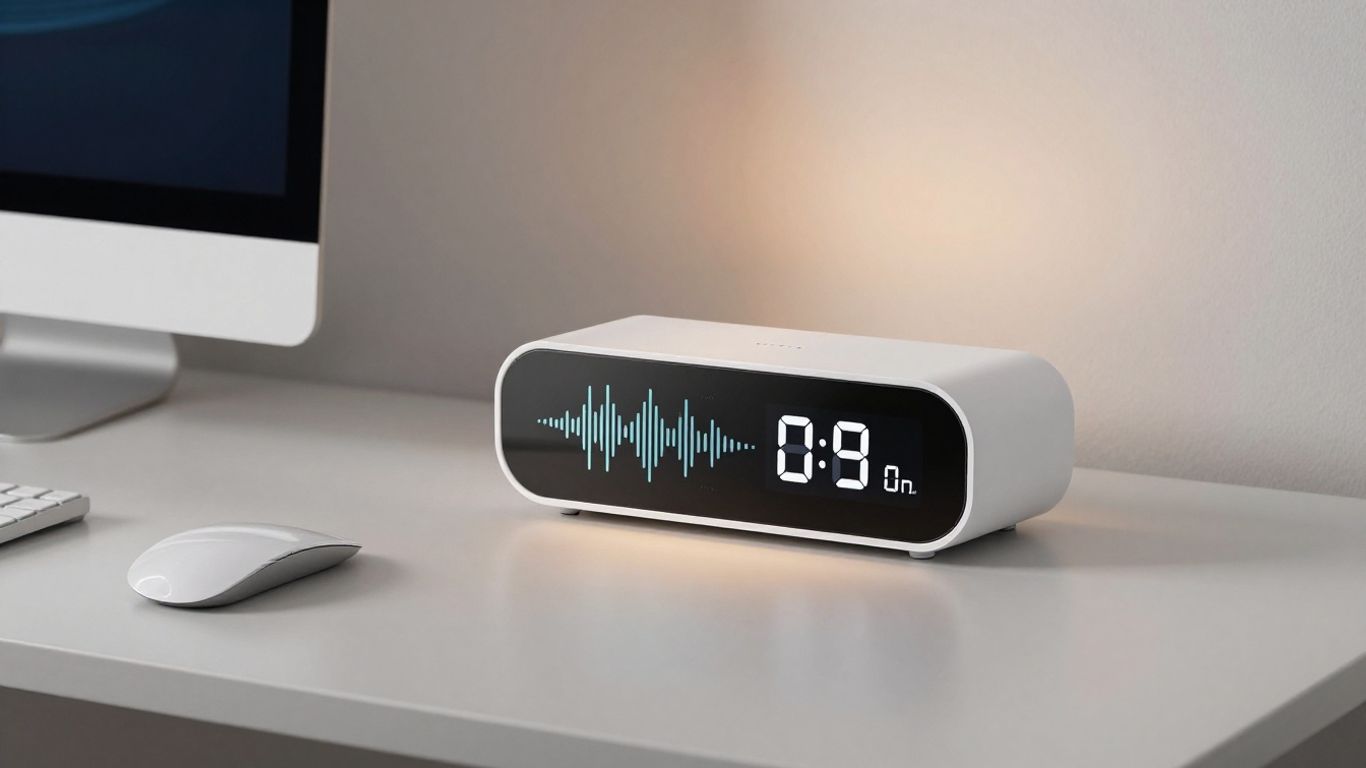
At its core, a white noise focus timer is pretty straightforward. You pick the sounds you like – maybe it’s classic white noise, or perhaps you prefer the gentler hum of pink noise, or even the deep rumble of brown noise. Then, you pair these sounds with a timer, often using a method like the Pomodoro Technique. The timer dictates when your work periods start and stop, and crucially, when your chosen soundscape plays. This consistent pairing helps build a strong mental association between the sound and focused work. Over time, just hearing that specific sound can trigger your brain to enter a productive state more quickly, almost like a mental shortcut.
Pairing Sounds with Productivity Sessions
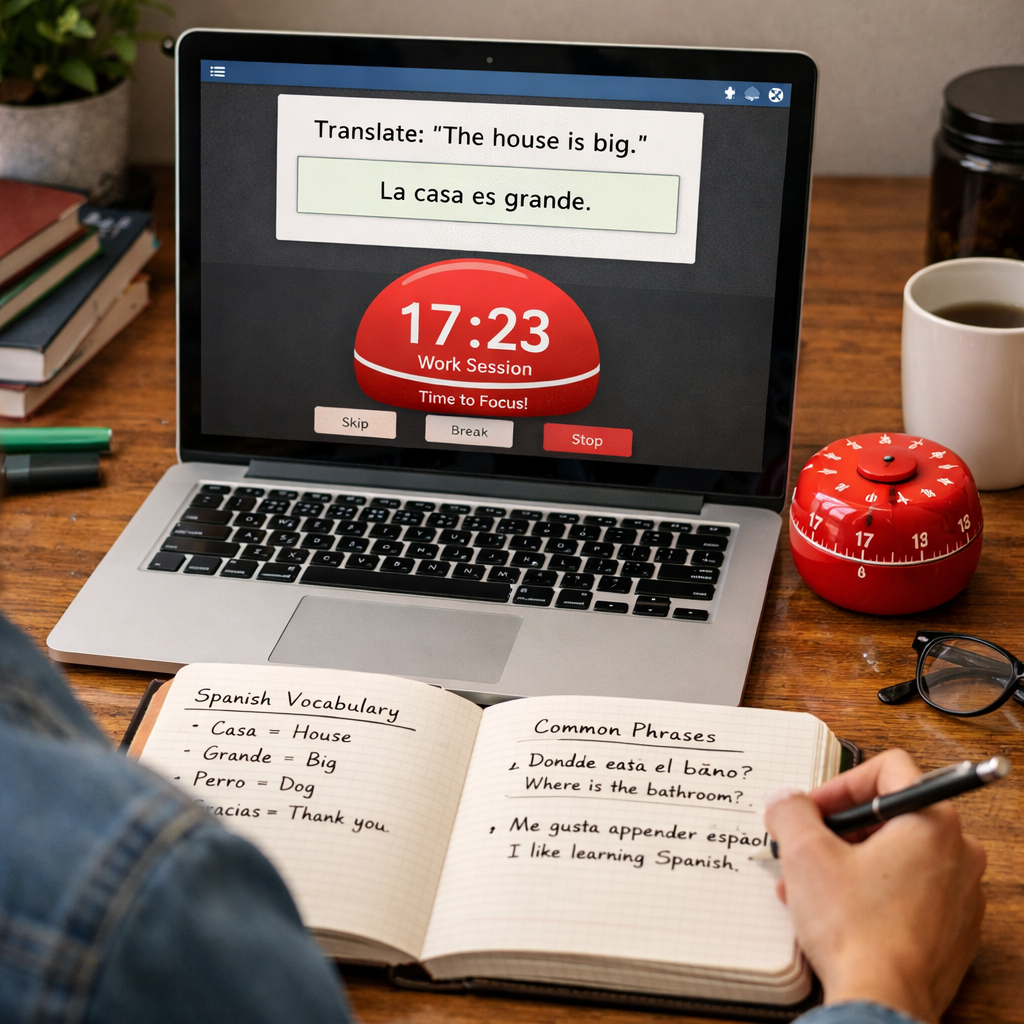
This is where the magic really happens. You’re not just passively listening; you’re actively using sound to structure your day. Imagine this: you set your timer for a 25-minute work sprint. As soon as it starts, your chosen soundscape kicks in. It masks those annoying little distractions – a colleague’s phone call, the hum of the refrigerator, even your own wandering thoughts. When the timer signals a break, the sound might stop, or perhaps shift to something more relaxing. This rhythm helps prevent burnout and makes those work periods feel more manageable. It’s like having a personal assistant who knows exactly when to cue the focus music and when to give you a breather.
Customizing Your Focus Environment
What works for one person might not work for another, and that’s totally fine. The beauty of these timers is their flexibility. You can often create custom sound mixes. Maybe you find pure white noise a bit too harsh, so you blend it with some gentle rain sounds. Or perhaps you need something more robust to block out a particularly noisy office. You can experiment with different noise types and volumes until you find that sweet spot. Some timers even let you set different sounds for different types of tasks – maybe a more intense sound for deep analytical work and something softer for creative brainstorming. It’s all about tailoring the auditory experience to your specific needs and preferences.
Crafting Your Ideal Soundscape
Alright, so you’ve got the idea of using sounds to help you focus, which is pretty cool. But not all sounds are created equal, right? This section is all about figuring out what works best for you. It’s not just about hitting play on some random noise; it’s about building a personal audio environment that actually helps you get stuff done.
Creating Your Perfect Sound Mix
Think of this like mixing your own special drink, but for your ears. You can go the easy route and let an AI suggest something based on what you tell it you’re doing – like "deep work" or "study time." It’s pretty neat because it takes some of the guesswork out. Or, you can get hands-on and pick exactly what goes into your mix. Want a bit of rain with your brown noise? Go for it. Maybe some gentle library hum? You can layer these sounds to create something totally unique. The goal is to find a combination that feels right and keeps distractions at bay.
Exploring Different Noise Types
So, what are these "noise types" anyway? It’s not like static on an old TV, usually. We’re talking about different kinds of background sounds:
- White Noise: This is like a constant, steady hiss. It’s really good at covering up sudden, sharp noises like door slams or loud conversations. Think of it as a general-purpose distraction blocker.
- Pink Noise: This one sounds a bit deeper and more balanced than white noise. It has more energy in the lower frequencies, which many people find more soothing and less harsh. It’s often recommended for focus and relaxation.
- Brown Noise: This is even deeper, with a lot of low-frequency rumble. It sounds a bit like a strong waterfall or distant thunder. It’s great for blocking out really low-frequency sounds and can be very calming, often used for sleep.
There are others, like blue and violet noise, but white, pink, and brown are the most common for focus and relaxation.
Building Your Own Sound Mix
Ready to be the DJ of your own concentration? Here’s a simple way to think about building your mix:
- Start with a Base: Pick one of the main noise types (white, pink, or brown) as your foundation. What feels most comfortable to you?
- Add Ambient Layers: Now, think about adding subtle background sounds. Do you like the sound of rain? A crackling fireplace? Gentle wind? These can add texture without being distracting.
- Adjust Volume: This is super important. You want the sounds to be present enough to mask distractions, but not so loud that they become a distraction themselves. Play around with the levels until it feels just right.
- Test and Refine: Use your mix during a short work session. Does it help? Does anything bother you? Make small adjustments as needed. It might take a few tries to get it perfect.
Building your own soundscape is a personal journey. What works wonders for one person might be a bit much for another. Don’t be afraid to experiment and trust your own ears to find that sweet spot where focus and sound meet. It’s all about creating an environment where your brain can do its best work without being pulled away by every little thing happening around you.
Once you’ve got a mix you like, you’ll want to save it. Most focus timer tools let you name and store your custom mixes, so you can easily switch to them whenever you’re ready to get into your work zone. It’s like having a pre-set button for productivity.
Integrating White Noise into Your Workflow
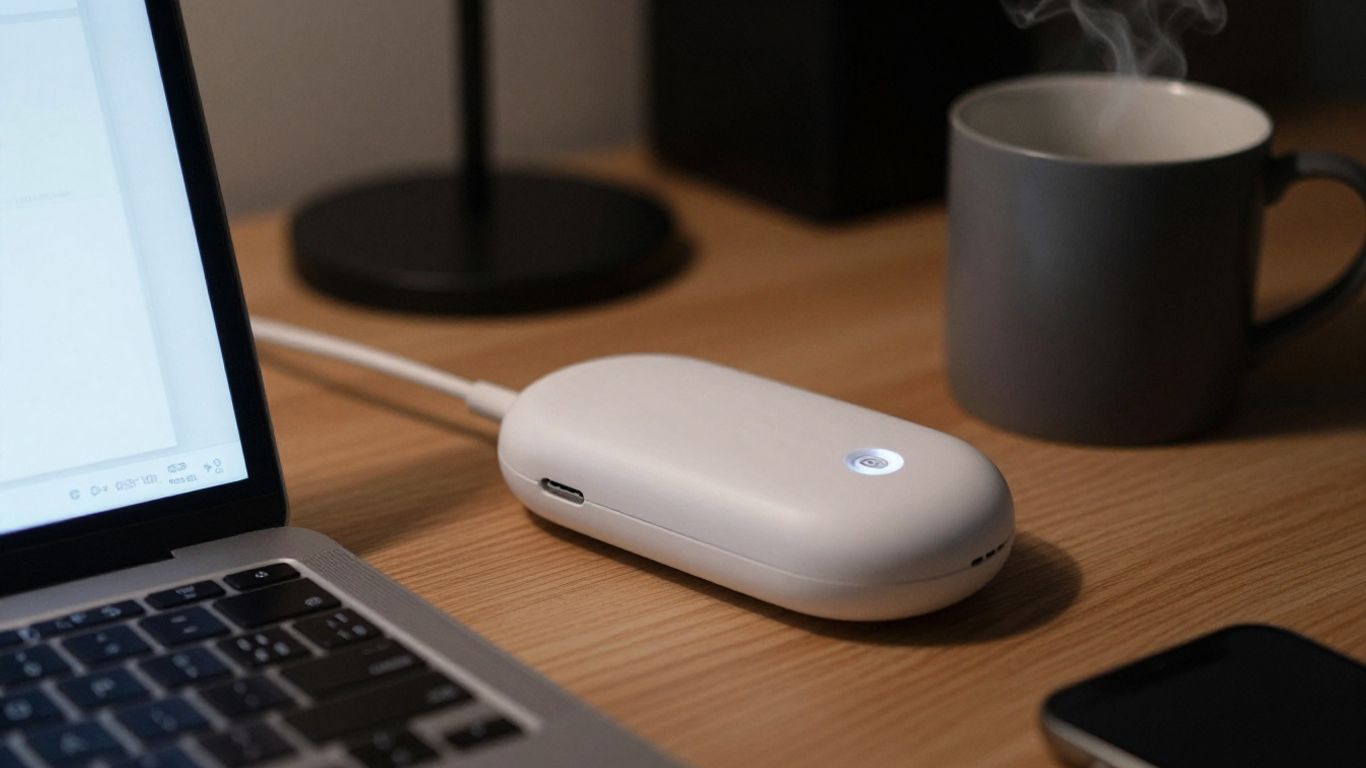
So, you’ve got your white noise generator, maybe you’ve even picked out a few favorite sounds. That’s great! But how do you actually make this stuff work for you on a daily basis? It’s not just about hitting play and hoping for the best. We need to get this integrated into how you actually get things done.
Using the Pomodoro Technique with Sound
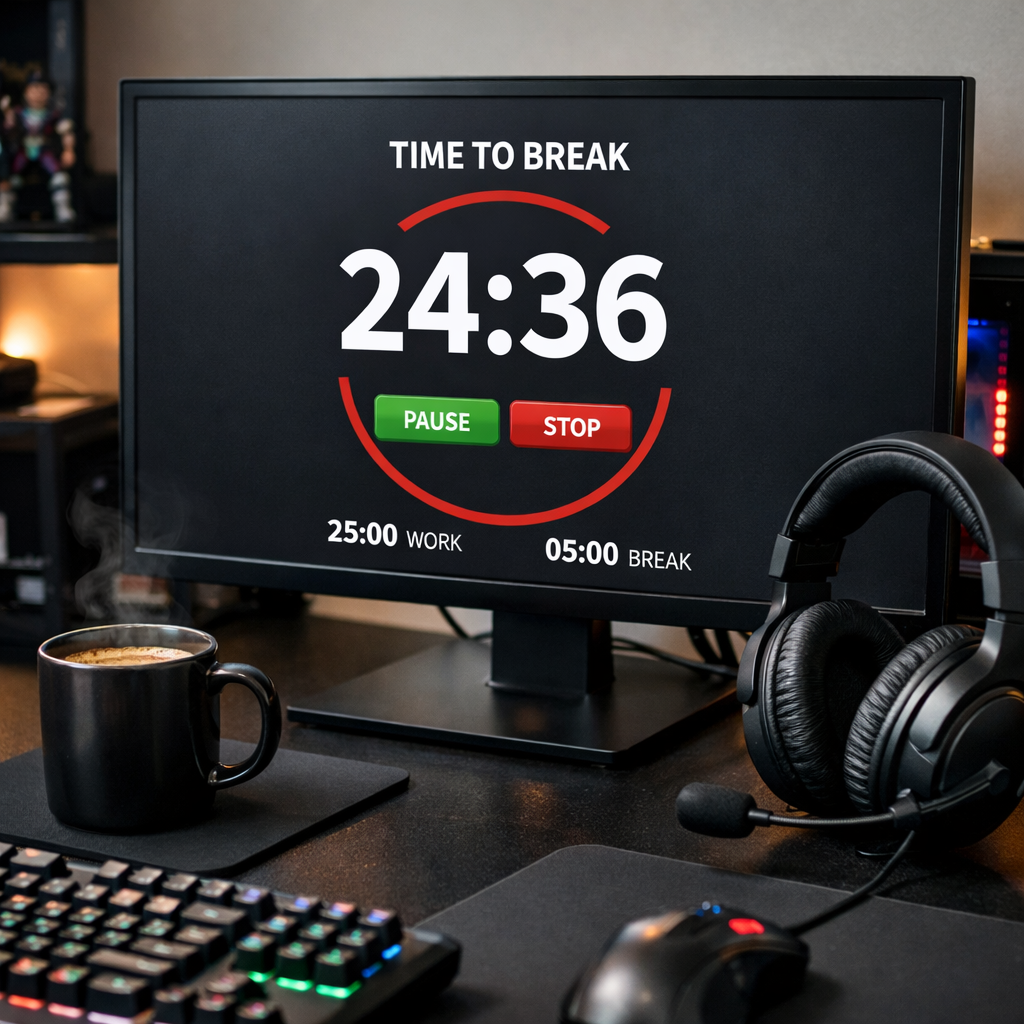
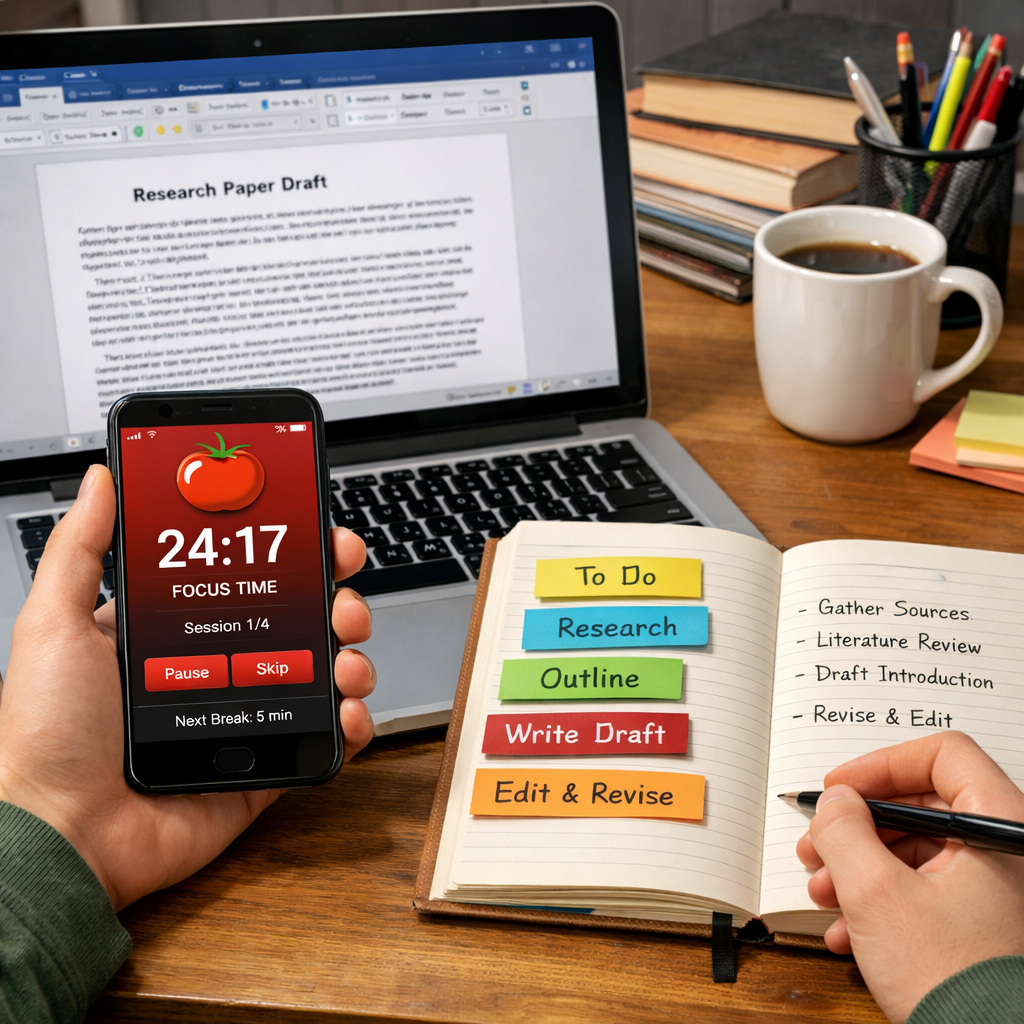
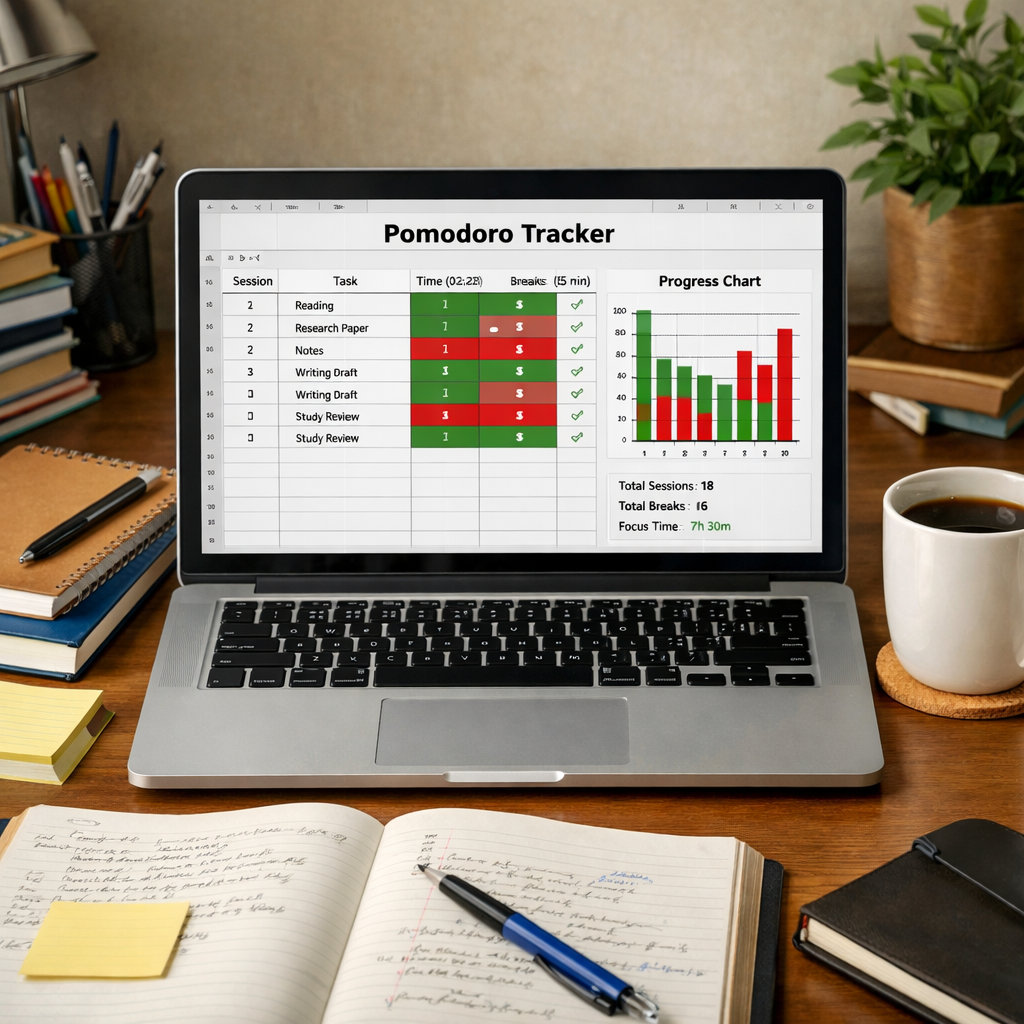
The Pomodoro Technique is pretty straightforward: work in focused bursts, usually 25 minutes, followed by short breaks. It’s a classic for a reason. Now, imagine pairing those work sprints with your chosen soundscape. When the timer starts, so does your sound. This creates a clear signal to your brain: "Okay, it’s time to focus." When the break hits, the sound can stop or change, giving your brain a distinct cue that it’s time to rest. This consistent pairing helps build a strong association between the sound and focused work.
Here’s a simple way to think about it:
- Work Sprint (25 mins): Start your preferred white noise, pink noise, or custom mix. This sound should be consistent and mask distractions.
- Short Break (5 mins): Pause the sound or switch to a very gentle, calming sound. This signals a mental reset.
- Longer Break (15-30 mins after 4 sprints): You might keep the sound off or choose something completely different, like nature sounds, to fully disengage.
Setting Up Your Focus Timer
Most focus timer apps or tools let you link specific sounds to your work intervals. You can often set it so that when your 25-minute work block begins, your soundscape automatically starts playing. When the timer signals a break, the sound can either stop entirely or transition to a different, more relaxing audio track. This automation is key. It removes the mental load of having to start and stop sounds yourself, letting you stay in the zone.
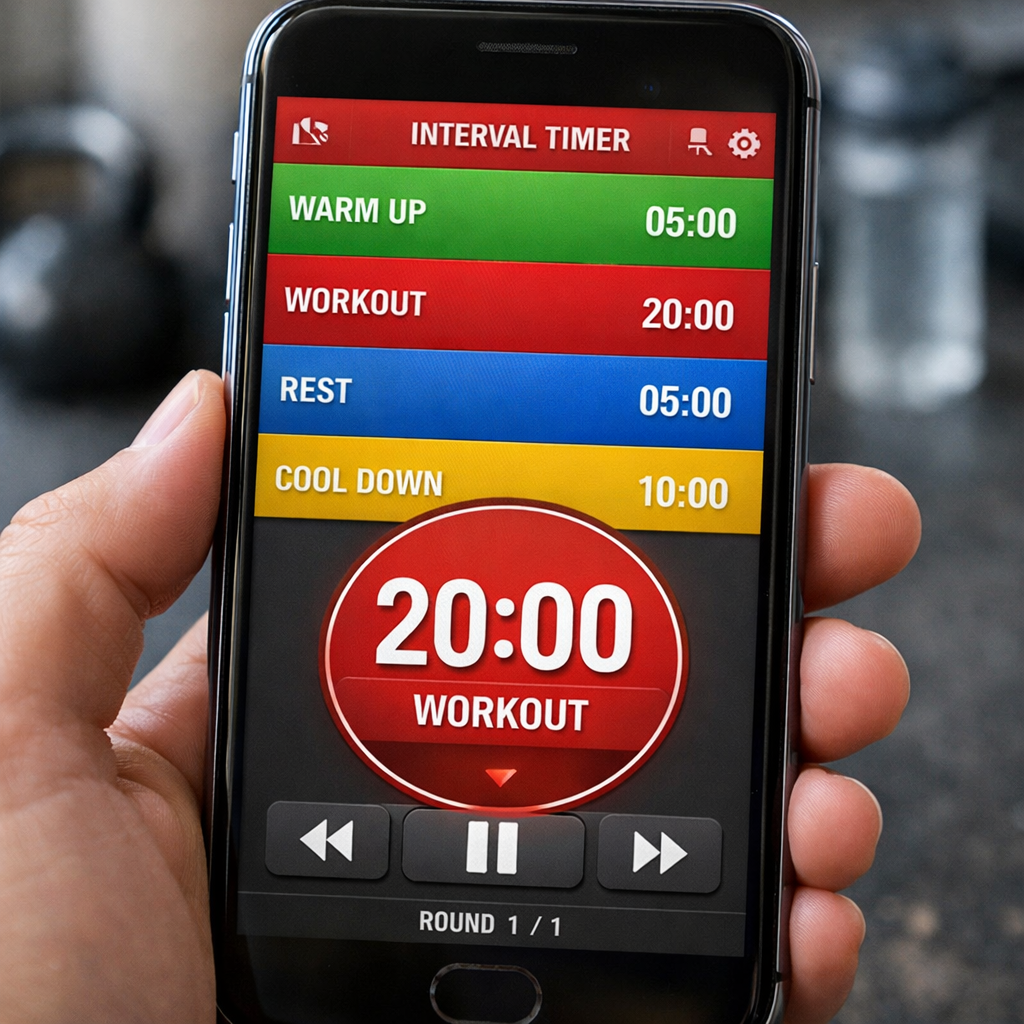
Some tools even allow for more complex setups, like gradually increasing the volume of your focus sound as your work session progresses, or switching to a different sound for longer breaks. Experiment to see what feels right for your workflow.
Syncing Sounds with Work Rhythms
Think about your typical workday. Are there certain times when you know you’ll face the most distractions? Maybe it’s mid-morning when the office chatter picks up, or late afternoon when energy levels dip. This is where syncing your sounds becomes really useful. You can pre-set your focus timer to automatically start your chosen soundscape during these peak distraction times.
Using a consistent sound for specific tasks can also help. If you always use a particular mix for writing, your brain will start to associate that sound with the act of writing, making it easier to get started and stay on track.
It’s about creating a predictable environment. By aligning your sound choices with your natural work rhythms and known distraction points, you’re essentially building an auditory shield that helps you maintain concentration throughout the day, no matter what’s happening around you.
Benefits Beyond Concentration
Promoting Relaxation and Better Sleep
While we often think of white noise and focus timers as tools for getting work done, they can actually do a lot more. That steady, consistent sound can be surprisingly good at helping you wind down. It’s like a gentle blanket for your ears, muffling the jarring sounds of everyday life that can keep your brain buzzing when you’re trying to switch off. This consistent auditory backdrop can signal to your brain that it’s time to relax, making it easier to drift off to sleep. Think of it as creating a personal quiet zone, even if you live in a noisy apartment building or have a partner who snores.
Applications for Meditation and Study
Beyond just work, these soundscapes are fantastic for other activities that require a calm mind. For meditation, the right background noise can help you stay present and prevent your thoughts from wandering too much. It creates a stable environment where you can focus on your breath or a guided practice without being pulled away by a sudden car horn or a neighbor’s loud music. Similarly, for studying, especially for subjects that require a lot of memorization or deep reading, the masking effect of white noise can be a real game-changer. It helps create a consistent learning environment, reducing the mental effort needed to tune out distractions.
Masking Distractions in Busy Environments
Let’s be honest, the world is noisy. Whether you’re in an open-plan office, a bustling coffee shop, or even just trying to concentrate at home with family around, distractions are everywhere. White noise and focus timers offer a simple yet effective way to take back control of your auditory space. They don’t just block out noise; they replace unpredictable, attention-grabbing sounds with a predictable, soothing hum. This can make a huge difference in how long you can stay focused and how much you can get done, no matter where you are.
Using a focus timer with a consistent sound can help build a mental association. Over time, the sound itself becomes a cue, signaling to your brain that it’s time to concentrate or relax, making the transition smoother and faster.
Getting Started with Your Focus Timer
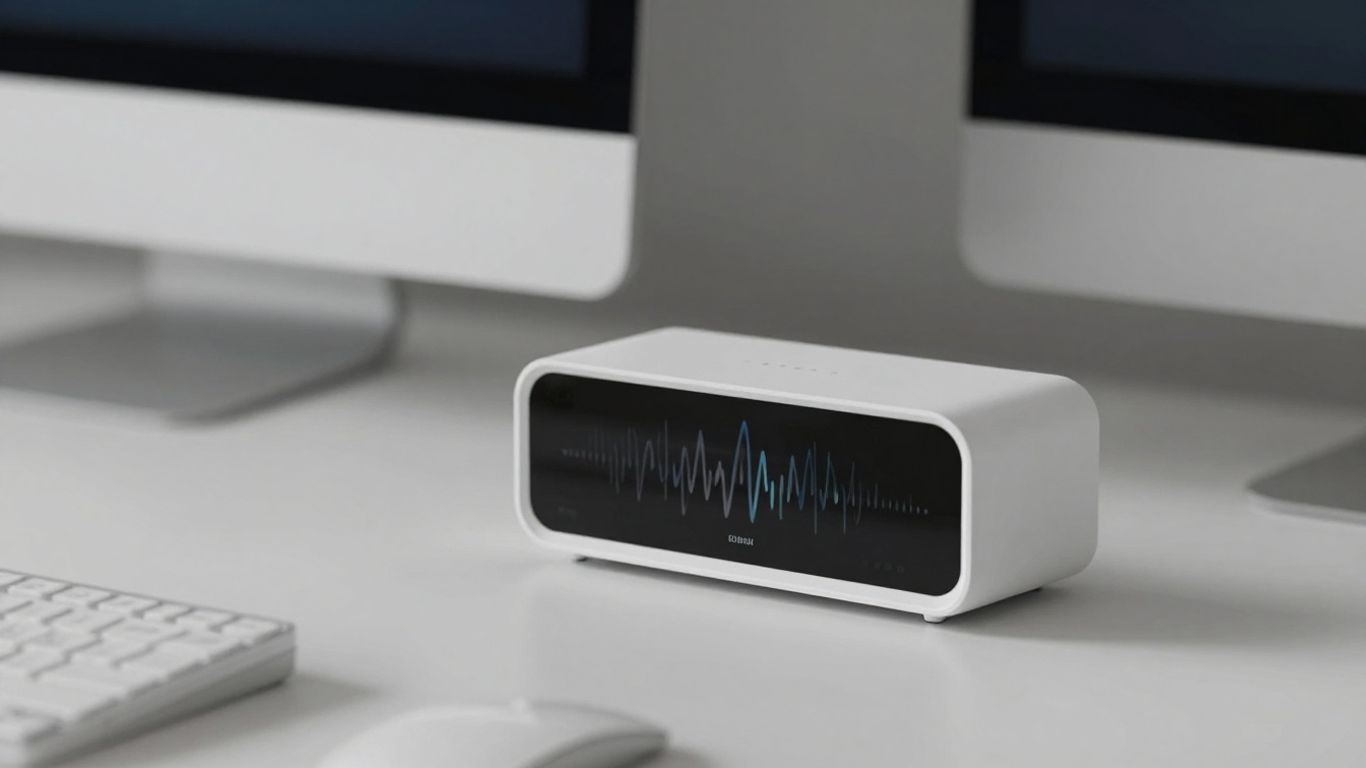
So, you’ve got your white noise generator ready, and you’re thinking about how to actually use it with a timer. It’s not complicated, honestly. Most focus timer apps, especially those designed with white noise in mind, work pretty similarly. They usually combine a timer, often based on techniques like Pomodoro, with a sound player.
AI-Recommended Sound Mixes
Some apps are getting pretty smart. They might ask you a few questions about what kind of work you’re doing or what kind of sounds you prefer. Based on your answers, they’ll suggest a sound mix. For example, if you’re studying, it might suggest a mix of brown noise and gentle rain. If you’re doing creative work, maybe something with binaural beats. It’s like having a personal sound DJ for your brain.
- Initial setup: Answer a few quick questions about your task and preferences.
- Algorithm at work: The AI analyzes your input to create a balanced soundscape.
- Preview and adjust: Listen to the suggested mix and tweak it if needed.
Saving and Utilizing Your Custom Mixes
Once you find a sound mix that really clicks with you, you’ll want to save it. Think of it like saving a preset on a music equalizer. You can name it something like "Deep Work Flow" or "Morning Study Session." Then, whenever you start a focus session, you just select that saved mix. No need to recreate it every time. This saves you a bunch of time and keeps things consistent.
Starting Your First Focus Session
Ready to give it a go? Here’s a simple way to kick things off:
- Choose your sound: Select a pre-made mix, an AI recommendation, or your own custom blend.
- Set your timer: Decide on your work interval (e.g., 25 minutes) and break length (e.g., 5 minutes).
- Hit start: Begin your work interval. The sound will play, and the timer will count down.
- Take your break: When the timer signals the end of your work interval, step away for your scheduled break.
- Repeat: Continue this cycle for your desired number of sessions.
The key is consistency. Don’t get discouraged if your first few sessions aren’t perfect. It takes a little practice to find what works best for your unique focus needs and to get into the rhythm of the timer and sound combination. Stick with it, and you’ll likely notice a difference.
It’s really about building a routine. The timer provides structure, and the sounds create a consistent auditory environment. Together, they help signal to your brain that it’s time to concentrate and get things done. Give it a try and see how it feels!
Wrapping Up Your Focus Journey
So, there you have it. Using white noise with a timer isn’t some magic trick, but it’s a pretty solid way to get more done. It helps quiet down the noisy world around you and gives your brain a clear signal that it’s time to concentrate. Whether you’re studying, working, or just trying to get through a task, giving this a shot might just make things a whole lot easier. Don’t be afraid to play around with different sounds and timer settings until you find what clicks for you. Happy focusing!
Frequently Asked Questions
What exactly is white noise and how does it help me focus?
Think of white noise as a steady, gentle hum. It’s like a constant, calm sound that covers up other, more distracting noises like chatter or traffic. By creating this consistent sound, it helps your brain stay on track with what you’re supposed to be doing, making it easier to concentrate.
How does a focus timer with white noise work?
A focus timer with white noise usually combines a timer, like the Pomodoro technique (work for a set time, then take a short break), with specific sounds. You choose sounds that help you concentrate, like white noise or nature sounds. The timer helps you manage your work periods, and the sounds help block out distractions during those times.
Can I really make my own sound mix for studying or working?
Absolutely! Many tools let you mix different sounds, like rain, fan noise, or even quiet library sounds, to create your perfect background noise. You can adjust how loud each sound is to make a unique soundscape that helps you get into your work or study zone.
Is white noise good for sleep too?
Yes, it can be! Just like it helps you focus by masking distractions, white noise can also help you relax and fall asleep by blocking out sudden noises that might wake you up. Some people find softer sounds like pink or brown noise even more soothing for sleep.
What’s the difference between white, pink, and brown noise?
Imagine different types of static. White noise has an equal mix of all sounds, like a TV that’s not tuned to a channel. Pink noise is a bit softer, with more low sounds, like steady rain. Brown noise is even deeper and rumblier, like a strong waterfall. Each can help you focus or relax in slightly different ways.
How can I start using a focus timer and sounds?
It’s pretty simple! First, find a tool or app that offers a focus timer and sound options. You can often pick from pre-made sound mixes or create your own. Then, set your timer for a work session, start your chosen sound, and dive into your task. You’ll be surprised how much it helps!