
Trying to get work done when there’s always something pulling at your attention can feel impossible. Whether it’s your phone buzzing, people talking, or just your own mind wandering, distractions are everywhere. Learning how to study without distractions is a skill that can make a huge difference in how much you learn and how well you do. This article is all about giving you practical ways to get focused and stay that way.
Key Takeaways
- Create a dedicated study space that’s quiet and free from clutter to signal to your brain that it’s time to concentrate.
- Turn off your phone, use website blockers, and set specific tech-free times to manage digital distractions effectively.
- Structure your study sessions by setting clear goals and using time management methods like the Pomodoro Technique.
- Avoid multitasking; focus on one task at a time to improve comprehension and retention, as your brain can only truly focus on one thing.
- Explain concepts in your own words, break down big tasks, and take short breaks to help your brain process information better and avoid burnout.
Cultivate A Focused Study Environment
Okay, so you want to actually get stuff done when you sit down to study, right? The first big step is making sure your surroundings are actually helping you, not making things harder. Think about it: if you’re trying to cram for a history test while your favorite show is blaring in the next room, or your phone keeps buzzing with notifications, you’re basically setting yourself up for failure. It’s like trying to run a marathon with weights tied to your ankles. We need to get rid of those weights.
Designate A Specific Study Zone
This is super important. You need a spot that screams ‘study time!’ and nothing else. It could be a corner of your room, a specific desk, or even just a particular chair. The idea is that when you sit there, your brain automatically knows it’s time to focus. It helps build a habit, kind of like how going to the gym makes you think about working out. Try to keep this area clear of anything that isn’t related to studying. No random mail, no snacks (unless they’re study snacks!), and definitely no entertainment stuff. This dedicated space signals to your mind that it’s time to get serious about your work. It’s about creating a mental cue that helps you switch gears.
Optimize Your Study Space For Concentration
Once you have your zone, let’s make it work for you. Lighting is a big one. Too dim and you’ll get sleepy; too harsh and it’s just annoying. Natural light is usually best if you can get it. Make sure your chair is comfy enough to sit in for a while, but not so comfy that you want to nap. Keep your desk organized – a cluttered space can lead to a cluttered mind. Have everything you need within reach: pens, paper, textbooks, maybe a water bottle. This way, you won’t have to get up and wander off every five minutes looking for a pencil. Some people find that having a bit of background noise helps, like soft instrumental music or even just the hum of a fan. Others need complete silence. Figure out what works for you. You might even want to try different spots around your home to see where you feel most productive. Finding your best spot can make a huge difference.
Minimize External Noise And Interruptions
This is where we tackle the outside world. If you live with other people, have a chat with them about your study times. Let them know when you need quiet. Maybe you can agree on a signal, like a sign on your door, that means ‘do not disturb.’ If noise is a big problem, consider noise-cancelling headphones. They’re not just for music lovers; they can be a lifesaver for students. Even simple earplugs can help block out distracting sounds. Think about what usually pulls your attention away. Is it the TV? Your family talking? Your pet? Try to proactively address these. Sometimes, just moving to a different room or studying at a different time of day can solve a lot of these issues. It’s all about being strategic and taking control of your environment instead of letting it control you.
Creating a dedicated study space and minimizing distractions isn’t just about making studying less annoying; it’s about training your brain to enter a focused state more easily. The more you practice studying in a controlled environment, the better you’ll become at concentrating, even when things aren’t perfect.
Here’s a quick checklist to get your study space ready:
- Clear the clutter: Remove anything not related to your current study task.
- Gather supplies: Have pens, paper, highlighters, and water within reach.
- Check lighting: Ensure it’s bright enough to keep you alert but not glaring.
- Minimize noise: Use headphones, earplugs, or communicate with housemates.
- Set boundaries: Let others know when you need uninterrupted time.
Master Your Digital Devices
It’s pretty wild how much our phones and computers can pull us away from what we’re supposed to be doing, right? One minute you’re trying to read a chapter, the next you’re deep into a TikTok rabbit hole. We need to get a handle on this digital chaos if we actually want to get anything done.
Implement Tech-Free Study Periods
This is simpler than it sounds, honestly. Just pick a time, maybe an hour or two, where your devices are completely off-limits. No checking emails, no scrolling through Instagram, nothing. It’s like giving your brain a little vacation from the constant ping of notifications. You might be surprised how much more you can absorb when you’re not half-listening to your phone buzz.
Utilize Website Blockers And Notification Limits
Okay, so maybe going completely cold turkey isn’t your style. That’s fine. There are tons of apps and browser extensions that can help. Think of them as digital bouncers for your study time. They can block those time-sucking websites or limit notifications so only the really important stuff gets through. It’s a good way to create a focused bubble without feeling totally cut off. You can even set specific times for these blockers to kick in, making it automatic. For instance, you could use a tool to disable nonessential notifications during your scheduled study hours.
Turn Off Your Phone During Study Sessions
This one’s a classic for a reason. Just put your phone on silent, or even better, airplane mode. If it’s not making noise or lighting up, it’s a lot less tempting to pick it up. You can even put it in another room if you need to. It’s a small step, but it makes a big difference in keeping your attention where it needs to be. Seriously, try it. You might find yourself finishing your work way faster than you thought possible.
Structure Your Study Sessions Effectively

Okay, so you’ve got your spot all set up and your phone is finally out of reach. Now what? It’s time to actually get down to business with your studying. Without a plan, it’s easy to just stare at your notes or, worse, get lost down a rabbit hole of random thoughts. We need to make sure your study time actually counts.
Set Clear And Achievable Study Goals
Before you even crack open a book, take a minute to figure out what you want to accomplish. Don’t just say ‘I’m going to study history.’ That’s way too vague. Instead, try something like, ‘I will read Chapter 5 and summarize the main points’ or ‘I will complete 10 practice problems for calculus.’ Having a specific target makes it way easier to know when you’re done and feel like you’ve actually made progress. It’s like having a destination on a map instead of just wandering around.
Employ Time Management Techniques Like Pomodoro
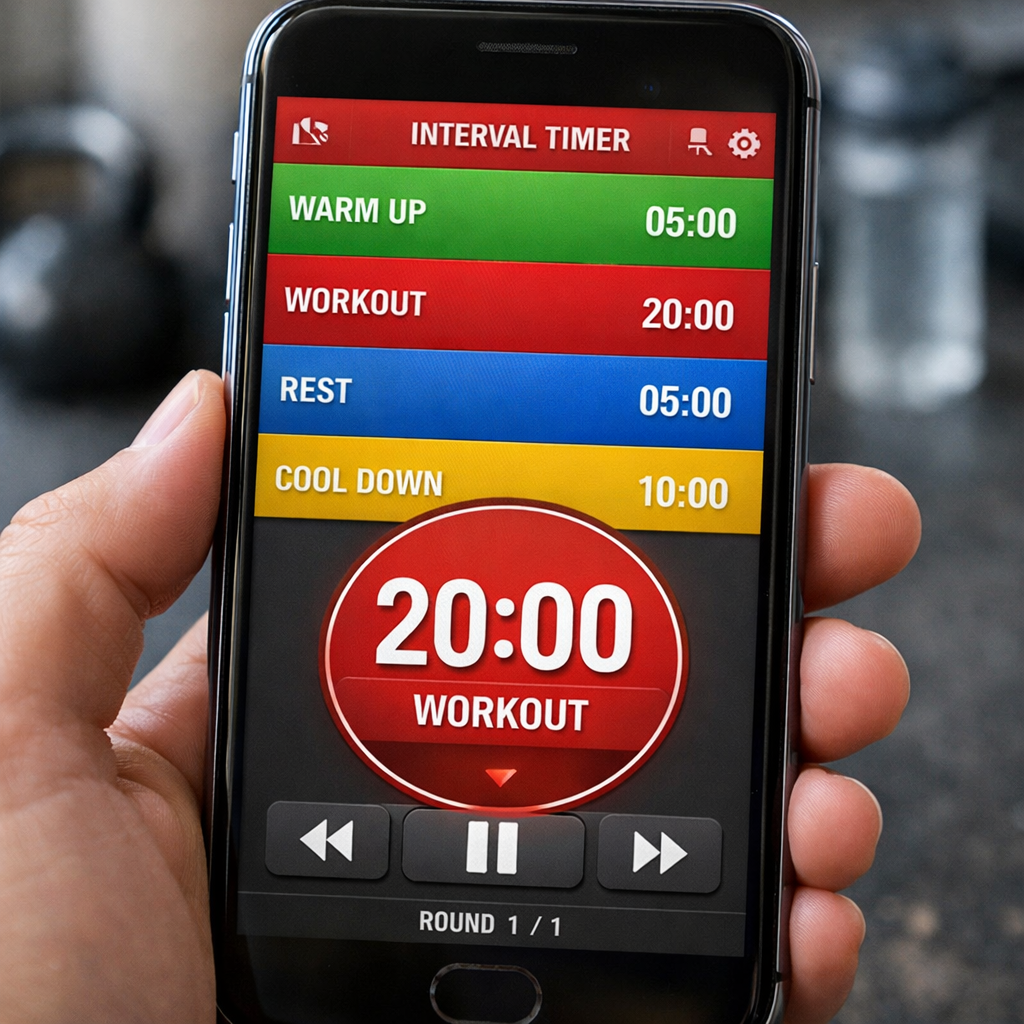
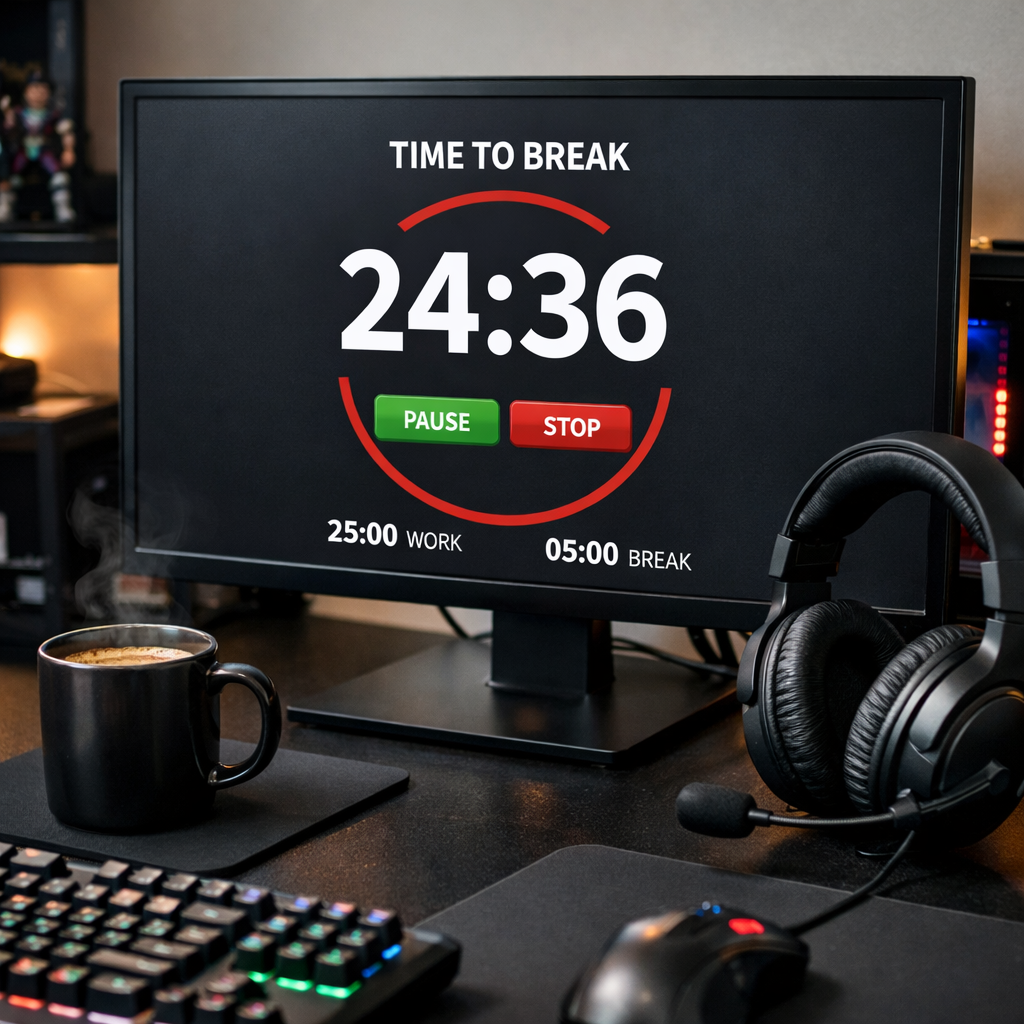
Ever feel like you can’t focus for more than 15 minutes? The Pomodoro Technique might be your new best friend. It’s pretty simple: you work intensely for 25 minutes, then take a 5-minute break. After about four of these ‘Pomodoros,’ you take a longer break, maybe 15-30 minutes. This breaks up the work into manageable chunks and gives your brain little rests so you don’t burn out.
Here’s a quick look at how it works:
- Work Interval: 25 minutes of focused study.
- Short Break: 5 minutes to stretch, grab water, or just zone out for a second.
- Repeat: Do this cycle about four times.
- Long Break: 15-30 minutes to really recharge before starting another set.
This method helps you stay sharp and prevents that feeling of being overwhelmed by a huge study task.
Schedule Study Times When You Are Most Alert
Think about when you naturally feel most awake and ready to tackle tough stuff. Are you a morning person who’s sharpest with a coffee at 8 AM? Or do you hit your stride late at night when everything is quiet? Trying to force yourself to study complex material when you’re already tired is just a recipe for frustration. Pay attention to your own energy levels throughout the day and schedule your most demanding study tasks for those peak times. It makes a huge difference in how much you actually absorb.
Planning your study sessions around your natural energy rhythms is a game-changer. It’s not about studying longer, it’s about studying smarter when your brain is actually ready to work.
Train Your Brain For Deep Focus

It’s easy to think that our brains are just wired to be easily distracted, especially with all the pings and notifications we get every day. But here’s the thing: focus isn’t some magical talent you’re either born with or not. It’s more like a muscle. The more you work it, the stronger it gets. So, how do we actually train our brains to stay on task when there’s so much pulling us away?
Understand The Dangers Of Multitasking
We often brag about how much we can juggle, right? "Oh yeah, I can text, listen to a podcast, and write an email all at once." But honestly, it’s not really working. When you try to do too many things at the same time, your brain isn’t actually doing them all equally well. It’s rapidly switching between tasks, and each switch costs you time and mental energy. This constant jumping around means you’re not really absorbing information deeply, and you’re more likely to make mistakes. Think of it like trying to read five books at once – you’ll probably just get confused and remember bits and pieces of each, rather than truly understanding any of them.
Practice Mindfulness To Notice Distractions
Mindfulness is basically about paying attention to what’s happening right now, without judging it. When you’re studying, this means noticing when your mind starts to wander. Did you just think about what you’re having for dinner? Or maybe you remembered an email you need to send? Instead of getting frustrated or just going down that rabbit hole, mindfulness teaches you to simply acknowledge the thought and gently bring your attention back to your study material. It’s like a mental ‘reset’ button.
Here’s a simple way to start:
- Sit comfortably and close your eyes, or soften your gaze.
- Focus on your breath going in and out.
- When your mind wanders (and it will!), just notice where it went.
- Gently guide your attention back to your breath.
- Repeat this for a few minutes each day.
Engage In Reflective Practices After Studying
Once you’ve finished a study session, don’t just shut your books and forget about it. Take a few minutes to think about how it went. What worked well? What made it hard to concentrate? Were there specific times you felt your focus slipping? Jotting down a few notes about these things can be super helpful. It’s like keeping a logbook for your brain. This reflection helps you spot patterns and figure out what adjustments you might need to make for your next study period. Maybe you realized that checking your phone first thing after a study break always leads to getting sidetracked. Knowing this helps you plan better next time.
Training your brain for focus is an ongoing process, not a one-time fix. Be patient with yourself, celebrate small wins, and keep practicing these techniques. Over time, you’ll notice a real difference in your ability to concentrate and learn effectively.
Leverage Effective Study Strategies
Sometimes, just showing up and reading your notes isn’t enough. You’ve got to actively wrestle with the material to really make it stick. Think of it like building something – you can’t just look at the blueprints; you have to get your hands dirty.
Explain Concepts As If You Were Teaching
This is a game-changer. Grab a friend, a pet, or even just a wall, and try to explain what you’re learning. When you have to put complex ideas into your own words, you quickly find out what you actually understand and what’s still fuzzy. It forces you to connect the dots and make sense of things in a way that just re-reading never will. You can even do this with your notes handy at first, but the goal is to get to a point where you can teach it without looking.
Break Down Large Tasks Into Smaller Chunks
Big projects or chapters can feel overwhelming. Instead of staring at a mountain, focus on the first few steps. Break down that massive assignment into smaller, manageable pieces. Maybe it’s one section of reading, then outlining a paragraph, then writing a single sentence. Tackling these smaller bits makes the whole task feel less daunting and gives you little wins along the way. It’s a great way to avoid procrastination and keep momentum going.
Incorporate Short, Refreshing Breaks
Your brain isn’t a machine that can run on full power indefinitely. Pushing yourself too hard without a pause leads to burnout and makes your study time less effective. Try using techniques like the Pomodoro method, where you study intensely for a set period (like 25 minutes) and then take a short break (5 minutes). These short breaks help you reset and come back to your work with renewed focus. You can find more tips on maximizing attention here.
Studying isn’t just about putting in the hours; it’s about how you use those hours. Active methods, like teaching concepts or breaking down tasks, make your study time far more productive than passive reading. Remember to also schedule in those much-needed breaks to keep your mind fresh and ready to learn.
Wrapping Up Your Focus Journey
So, we’ve gone over a bunch of ways to help you study without all the usual interruptions. It’s not about being perfect right away, but more about trying out these tips and seeing what sticks. Remember, setting up a quiet spot, putting that phone on silent, and maybe even using a timer can make a big difference. It’s all about finding what works for you and sticking with it. Building better study habits takes time, but by being more aware of distractions and actively working to minimize them, you’ll definitely see improvements in how much you learn and how well you remember things. Keep practicing, and you’ll get there!
Frequently Asked Questions
Why is it so hard to focus when I’m trying to study?
It’s tough to focus because our brains are easily pulled in many directions by things like phones, social media, or even just background noise. Plus, trying to do too many things at once, called multitasking, actually makes your brain work harder and learn less. It’s like trying to juggle too many balls – you’re likely to drop them all!
What’s the best way to set up my study space?
Think of your study space as your ‘focus zone.’ It should be a quiet spot where you won’t be bothered. Keep it tidy, with only what you need for studying right there. Using headphones, maybe with some soft music or even earplugs, can really help block out distracting sounds and help you get into the zone.
How can I stop my phone from distracting me?
Your phone is a huge distraction! The best thing is to turn it completely off or put it on airplane mode during study time. You can also use apps that block distracting websites and social media for certain periods. Setting clear times when your phone is off helps your brain know it’s study time.
Is the Pomodoro Technique really helpful for studying?
Yes, the Pomodoro Technique is super helpful! It involves studying hard for about 25 minutes and then taking a short 5-minute break. This pattern helps you stay focused without getting too tired. Those short breaks give your brain a chance to rest, so you can come back ready to learn more.
What does it mean to ‘train my brain’ for focus?
Training your brain for focus means practicing paying attention to one thing at a time. When you notice your mind wandering, gently bring it back to your studies. Mindfulness exercises can help with this. The more you practice focusing, the better you’ll get at ignoring distractions and staying on task.
Why is explaining things to someone else a good study method?
When you explain a topic as if you’re teaching it, you have to really understand it yourself. This helps you find the gaps in your own knowledge. You have to organize your thoughts and put things in your own words, which makes the information stick much better than just reading it over and over.