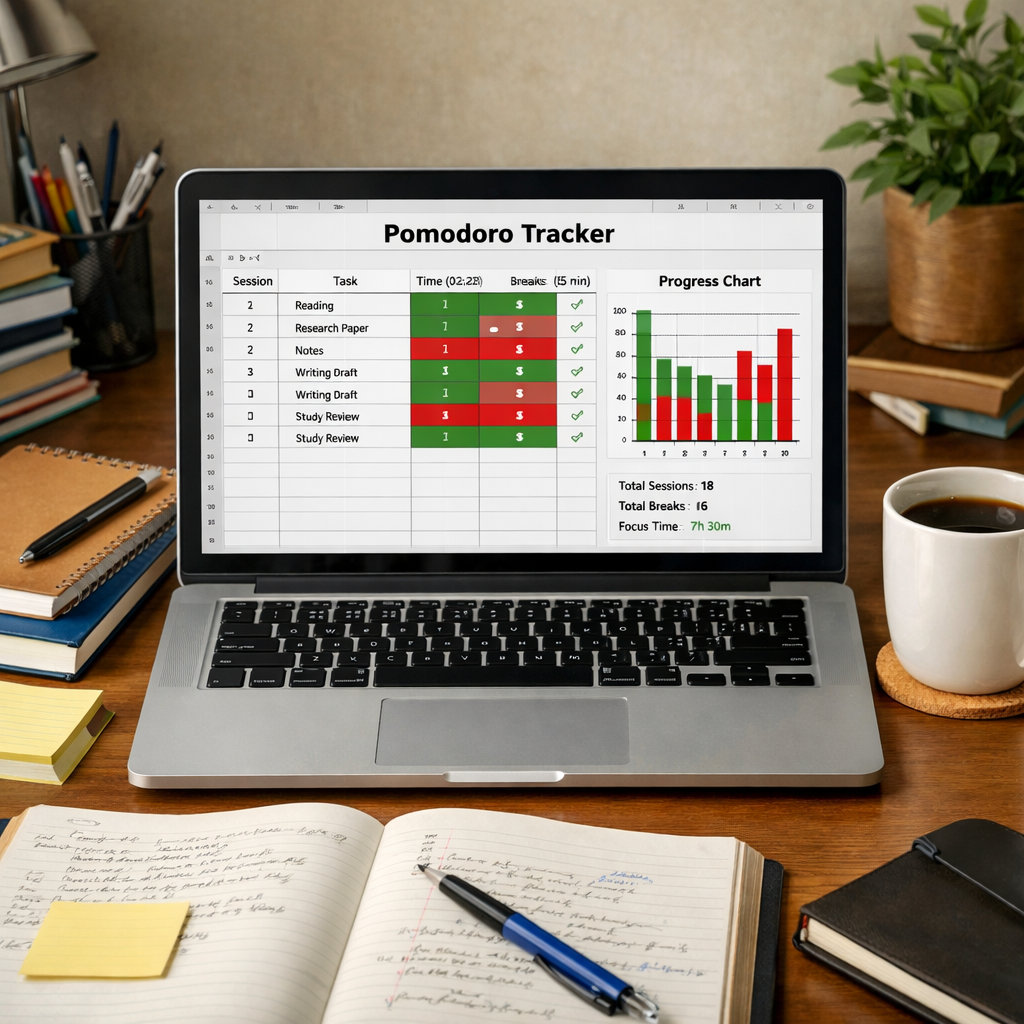

Feeling like your days are a bit of a mess? You’re not alone. It’s easy to get caught up in the daily grind and feel like you’re just reacting to whatever comes your way. But what if there was a way to actually get ahead? That’s where a focus blocks planner comes in. Think of it as your personal roadmap for the day, helping you decide what’s important and when you’ll actually get it done. It’s not about cramming more into your day, but about making sure the right things get your attention. We’ll walk through how to set one up and actually stick with it.
Key Takeaways
- A focus blocks planner helps you manage your time better by scheduling tasks on purpose, not just letting them happen.
- It boosts your focus and makes your priorities clear, so you know exactly what to work on.
- By having a plan, you can reduce stress because you feel more in control of your day.
- Using a focus blocks planner makes you more accountable for getting things done since it’s all written down.
- Building this planning habit takes time, but starting small and being consistent makes it stick.
Understanding The Power Of A Focus Blocks Planner
Ever feel like your day just disappears? You start with a list of things to do, but by the time evening rolls around, you’re not sure where the time went. That’s where a focus blocks planner comes in. It’s not just about writing things down; it’s about being intentional with your time. Think of it as a map for your day, guiding you from one important task to the next without getting lost.
Enhance Time Management With Intentional Scheduling
This is where the magic really happens. Instead of just having a to-do list, you’re assigning specific chunks of time to each task. This method, often called time blocking, helps you see exactly how much time you have and how to best use it. It stops you from overcommitting and makes sure you’re actually getting things done, not just thinking about them.
- Allocate specific time slots: Assign dedicated periods for tasks, meetings, and even breaks.
- Prevent overcommitment: Get a realistic view of your capacity for the day.
- Use time wisely: Ensure your hours are spent on what truly matters.
Boost Focus And Clarity Through Task Prioritization
When you write down your tasks and goals, your mind gets clearer. You’re not trying to remember everything; your planner is doing the heavy lifting. This means you can actually concentrate on the task at hand instead of worrying about what’s next or what you might be forgetting. It’s like decluttering your brain.
A planner acts as a roadmap, helping you concentrate on what truly matters instead of getting sidetracked by less important activities. It reduces mental clutter and gives you a clear path forward.
Reduce Stress By Gaining Control Over Your Day
Knowing what’s coming up can make a huge difference in how you feel. When you have a plan, you can approach your day with more confidence. It gives you a sense of control, which is a big stress reliever. No more that nagging feeling that you’re forgetting something important or that a deadline is sneaking up on you.
Improve Accountability With A Written Plan
Having your plans written down is a simple but effective way to hold yourself accountable. When you check off a task, it feels good, right? That little win motivates you to keep going. It’s a written record of your progress, and seeing what you’ve accomplished can be a real boost.
- Written record: Keep track of what you’ve done.
- Sense of achievement: Checking off tasks provides motivation.
- Consistent progress: Builds momentum towards larger goals.
Mastering Your Daily Schedule With Focus Blocks

Okay, so you’ve got your tasks all written down, maybe even prioritized a bit. Now comes the part where we actually make the day happen. This is where focus blocks come in. Think of them as dedicated chunks of time where you’re going to tackle specific things without letting the world interrupt you. It’s about being intentional with your hours, not just letting them slip away.
Allocate Specific Time Blocks For Tasks
This is the core idea. Instead of just having a to-do list that you sort of chip away at, you’re going to assign actual time slots in your day for each major task or category of tasks. It’s like making appointments with yourself for your work. For example, you might block out 9:00 AM to 10:30 AM for your most important project, then 11:00 AM to 11:45 AM for answering emails. The key is to be realistic about how long things actually take. We often underestimate, so it’s good to build in a little wiggle room.
Here’s a simple way to visualize it:
| Time Block | Task/Activity |
|---|---|
| 9:00 AM – 10:30 AM | Project Alpha Deep Work |
| 10:30 AM – 11:00 AM | Buffer / Quick Break |
| 11:00 AM – 11:45 AM | Email & Communication |
| 11:45 AM – 12:00 PM | Plan Afternoon |
| 12:00 PM – 1:00 PM | Lunch Break |
Integrate Time Blocking Into Your Existing Routine
Don’t feel like you have to completely overhaul your life overnight. Start by looking at your current schedule. Where are the natural breaks? When do you usually do certain things? Try to slot your focus blocks into those existing patterns. If you always check emails after lunch, make that your dedicated email block. If mornings are your most productive time, schedule your most demanding tasks then. It’s about making the planner work for you, not the other way around.
- Morning Power Hour: Dedicate the first 60-90 minutes to your top priority task.
- Midday Check-in: Schedule a short block to review progress and adjust for the afternoon.
- End-of-Day Wrap-up: Use the last 30 minutes to clear your inbox and prepare for the next day.
Build Buffer Time For Unexpected Events
Life happens, right? A client calls with an urgent request, your computer decides to update at the worst possible moment, or you just need an extra 15 minutes to finish something. If your schedule is packed back-to-back, these little interruptions can throw your whole day off. That’s why buffer time is so important. Think of it as a little breathing room between your scheduled blocks. Even 10-15 minutes can make a huge difference. It allows you to handle minor surprises without derailing your main goals.
It’s easy to fill every minute of the day with planned activities, but this often leads to frustration when things don’t go exactly as expected. Building in small gaps between tasks gives you the flexibility to handle the unexpected, catch your breath, and maintain a sense of control over your schedule.
Effective Techniques For Your Focus Blocks Planner

Alright, so you’ve got your planner, and you’re ready to start blocking out time. But how do you actually make sure you’re putting the right things in those blocks? It’s not just about filling space; it’s about being smart with your energy and priorities. Let’s look at a few ways to get this done.
The Rock, Pebbles, And Sand Theory For Prioritization
This is a classic for a reason. Think of your day like a jar. You’ve got big rocks, smaller pebbles, and then a whole lot of sand. If you dump the sand in first, then the pebbles, you won’t fit many rocks. But if you put the rocks in first, then the pebbles, and then fill the gaps with sand, everything fits.
- Rocks: These are your absolute must-dos. The big, important things that move the needle on your goals. Think of that major project deadline or a crucial client call.
- Pebbles: These are important, but maybe not as time-sensitive or impactful as the rocks. Replying to emails, attending a team meeting, or doing some research could fit here.
- Sand: This is everything else. The little bits and pieces that can fill in the cracks. Scrolling social media for a few minutes, grabbing a coffee, or tidying your desk.
The key is to schedule your rocks first, then fit in the pebbles, and only then see if there’s room for sand.
The Eisenhower Matrix For Urgent And Important Tasks
This one helps you figure out what to do now, what to do later, what to delegate, and what to just forget about. It’s a simple grid:
| Category | Urgent | Not Urgent |
|---|---|---|
| Important | Do it now (e.g., crisis, deadline) | Schedule it (e.g., planning, exercise) |
| Not Important | Delegate it (e.g., interruptions, busywork) | Delete it (e.g., time wasters, some emails) |
It’s super helpful for cutting through the noise and making sure you’re spending your time on things that actually matter, not just things that are yelling the loudest.
The 1-3-5 Rule For A Manageable To-Do List
Feeling overwhelmed by a mile-long to-do list? Try this. Limit yourself to:
- 1 Big Task
- 3 Medium Tasks
- 5 Small Tasks
This keeps your list focused and realistic. You’re not trying to conquer the world in a day, just make solid progress on a few key things. It stops you from feeling like you’re constantly behind.
Eat That Frog To Tackle Your Biggest Task First
This idea comes from Mark Twain, basically saying if you eat a live frog first thing in the morning, you can go through the rest of the day knowing that’s probably the worst thing that’s going to happen to you. In planning terms, it means tackling your most difficult or dreaded task right at the start of your day. Get it out of the way when your energy and willpower are usually at their highest. It gives you a huge sense of accomplishment and makes everything else feel easier.
Sometimes, the hardest part of planning is just deciding where to start. Using these techniques can give you a clear path, so you’re not just staring at a blank page or a chaotic list. It’s about making intentional choices about your time.
Building Your Personal Focus Blocks Planner
Alright, so you’ve heard about focus blocks and how they can change your life, but how do you actually make one that works for you? It’s not just about scribbling down tasks; it’s about building a system that fits your reality. Think of it like building a house – you need a solid foundation and a plan before you start hammering nails.
Start With a Brain Dump Of All Your Tasks
First things first, get everything out of your head. Seriously, everything. Grab a notebook, open a blank document, whatever works. Write down every single thing you think you need to do, big or small. That project deadline, picking up dry cleaning, calling your mom, that weird idea you had at 3 AM – it all goes on the list. Don’t filter, don’t organize, just dump it all out. This step alone can feel like a huge weight lifted, and it gives you a clear picture of what you’re actually dealing with.
Categorize Tasks Based On Priority And Importance
Now that you’ve got your giant list, it’s time to sort it. A really helpful way to do this is using the ‘Rocks, Pebbles, and Sand’ idea. Your ‘Rocks’ are the absolute must-dos, the things that absolutely have to get done and align with your bigger goals. These are your non-negotiables. Then you have your ‘Pebbles’ – important tasks, sure, but maybe a bit more flexible or supportive of your rocks. Finally, there’s the ‘Sand’ – those little, less important things that can fill in the gaps if you have time, but won’t derail your day if they don’t happen. You can even use a simple table to help visualize this:
| Category | Description |
|---|---|
| Rocks | Top priorities, non-negotiable |
| Pebbles | Important, supportive tasks |
| Sand | Minor tasks, fill-in activities, optional |
Schedule Your Non-Negotiable Priorities First
Once you know your rocks, schedule them in first. These are the things that will make the biggest impact. If you have a major work project, block out time for it when you’re most alert. If spending quality time with your family is a rock, put that on the calendar like any other important appointment. Don’t let these get pushed aside by less important things. Treat your rocks like they are actual rocks – solid, immovable, and the foundation of your day.
Fill Your Schedule With Supporting And Optional Activities
With your rocks firmly in place, you can now fit in your pebbles. These are the tasks that help move your rocks forward or are just generally important. Think emails, meetings, or errands. Schedule these around your rock blocks. The sand? That’s for any leftover time. Maybe it’s scrolling through social media for a bit, or tidying up your desk. These are the things you do when the important stuff is done, or if you find yourself with unexpected downtime. It’s about making sure the important stuff gets done before you fill your day with fluff.
Optimizing Your Focus Blocks Planner For Success
So, you’ve got your focus blocks planner set up, which is awesome. But just having it isn’t the whole story, right? You gotta make sure it actually works for you, day in and day out. It’s about fine-tuning things so your plan doesn’t just sit there looking pretty, but actually helps you get stuff done without feeling totally overwhelmed.
Eliminate Distractions Proactively
This is a big one. Think about all the things that pull your attention away during the day. It’s usually not just one thing, but a whole bunch of little things. Your phone buzzing, email notifications popping up, that coworker who just wants to chat for a minute. To really get into a focus block, you need to get ahead of these.
- Digital Declutter: Close down any browser tabs you don’t absolutely need for the task at hand. Turn off notifications on your phone and computer, or even use apps that temporarily block distracting websites. Seriously, give it a try for an hour and see how much more you can get done.
- Physical Space: If you work from home, try to set up a dedicated workspace. Even just clearing your desk can make a difference. If you’re in an office, maybe pop on some headphones – even if you’re not listening to music – to signal that you’re in deep work mode.
- Communicate Boundaries: Let people know when you’re in a focus block. A simple sign on your door or a quick message in a team chat can work wonders.
The goal here isn’t to become a hermit, but to create intentional pockets of time where you can concentrate without constant interruptions. It’s about respecting your own time and the work you need to do.
Conduct Hourly Check-Ins On Your Priorities
It’s easy to get sidetracked, even with the best intentions. Setting a little reminder for yourself every hour can be a game-changer. It’s like a quick pit stop to make sure you’re still on the right road.
- Ask Yourself: "Am I working on what I planned to be working on right now?"
- Quick Scan: Glance at your planner. Are you on track with your current focus block?
- Course Correction: If you’ve drifted, gently steer yourself back. Don’t beat yourself up; just acknowledge it and refocus.
Readjust Your Plan When Urgent Tasks Arise
Life happens, and sometimes unexpected, urgent things pop up. You can’t always predict them, but you can plan how you’ll handle them when they do. Trying to cram an urgent task into an already packed schedule without adjusting anything else is a recipe for disaster. It just leads to stress and unfinished work.
- Assess Urgency: Is this truly urgent and important, or just urgent-seeming?
- Reschedule, Don’t Just Add: If you have to tackle something new, look at your existing plan. What can be moved? Be realistic about task durations.
- Buffer Time is Key: This is where having some unscheduled time in your day really pays off. It gives you wiggle room.
Protect Your Most Important Tasks
Your planner is there to help you prioritize, and that means protecting the things that truly matter. Sometimes, less important but
Making Daily Planning A Consistent Habit
Look, knowing how to plan is one thing, but actually doing it every single day? That’s where the magic happens. It’s easy to get excited about a new planner or a fancy app for a week, but making it stick requires turning it into a habit. Think of it like going to the gym; showing up once is good, but showing up regularly is what actually gets you results. So, how do we make sure our planning sessions don’t fall by the wayside?
Set a Specific Time for Daily Planning
This is probably the most straightforward advice, but it’s also the most important. Don’t just plan when you ‘feel like it’ or when you have a spare moment (spoiler: those moments rarely appear). Pick a specific time and stick to it. For many, this means either winding down at the end of the day to map out the next, or tackling it first thing with your morning coffee. The key is consistency. If you always plan at 8 PM or always plan at 7 AM, your brain starts to expect it, and it becomes less of a chore.
Bundle Planning With Existing Habits
This is a classic habit-building trick. Pair your new planning habit with something you already do without thinking. Maybe it’s right after you brush your teeth, or while your coffee is brewing. For instance, if you always check your email first thing, try planning your day before you open your inbox. This piggybacking makes the new habit feel less like an extra task and more like a natural extension of your routine.
Start Small and Gradually Increase Planning Time
Don’t try to overhaul your entire life overnight. If you’re new to this, start with just 10 or 15 minutes. Seriously, that’s all you need to jot down your top 3 priorities and block out some time for them. As you get comfortable, you can naturally expand the time you dedicate. Trying to do too much too soon is a fast track to feeling overwhelmed and giving up. Small wins build momentum.
Track Your Planning Streak for Consistency
We’re all a bit competitive, right? Even if it’s just with ourselves. Keeping a visual tracker of your planning habit can be surprisingly motivating. It could be a simple checkmark on a calendar, a tally in a notebook, or using a habit-tracking app. Seeing that streak grow – even through weekends – makes you less likely to break it. It gamifies the process and gives you a tangible sense of accomplishment for simply showing up and planning your day.
Reviewing And Adapting Your Focus Blocks Planner
So, you’ve put in the work, planned your day with focus blocks, and now it’s time to see how it all shook out. This isn’t about perfection; it’s about learning. Think of it like checking your map after a hike – you see where you went, what paths were good, and maybe where you took a wrong turn. Regular review is what turns a good plan into a great habit.
Reflect On Your Daily Accomplishments
Take a moment to jot down what you actually got done. Did you hit your main goals? Maybe you finished that big report or got through your most important emails. It’s easy to get caught up in what didn’t get done, but celebrating the wins, no matter how small, keeps you motivated. What felt good? What did you make progress on?
Identify Challenges And Planning Pitfalls
Now, let’s get real. Where did the plan fall apart? Were you constantly interrupted? Did a task take way longer than you thought? Maybe you just felt too tired to stick to the schedule. Be honest here. Common issues include:
- Underestimating task duration.
- Not accounting for unexpected interruptions.
- Scheduling demanding tasks during low-energy periods.
- Getting sidetracked by less important things.
This part is where the real growth happens. It’s not about beating yourself up; it’s about gathering intel for tomorrow. What tripped you up today? Was it external, like a colleague dropping by, or internal, like getting lost down an internet rabbit hole?
Adjust Your Plan For The Next Day
Based on your reflection, tweak tomorrow’s plan. If you know meetings tend to run over, build in a bit more buffer time afterward. If you’re consistently struggling to finish a certain type of task, maybe break it down into smaller chunks or schedule it for when you have more energy. Don’t just copy-paste yesterday’s plan if it didn’t work.
Stay Flexible When Plans Change
Life happens, right? Sometimes a genuine emergency pops up, or a golden opportunity you can’t ignore arises. When this happens, don’t just abandon your whole plan. Look at what needs to shift. Can you move a less critical task to tomorrow? Can you shorten a planned break? The goal is to adapt without losing sight of your main priorities. It’s about being agile, not rigid.
Ready to Master Your Day?
So, we’ve gone over a bunch of ways to get your day planned out, from figuring out what’s really important to actually putting it all down on paper, or in an app. It’s not about being perfect every single day, but about building a habit that helps you feel more in control. Remember, even small steps make a difference. Start with what feels manageable, and don’t be afraid to adjust as you go. Your planner is your tool, so make it work for you. Give these ideas a try, and see how much smoother your days can become.
Frequently Asked Questions
What exactly is a focus blocks planner?
Think of a focus blocks planner like a special calendar for your day. Instead of just listing what you need to do, you block out specific times for each task. It’s like drawing boxes on your schedule for different activities, so you know exactly what you should be working on and when. This helps you get more done without feeling scattered.
Why is blocking out time for tasks so helpful?
Blocking out time helps you focus better. When you know you have a set time for a specific task, you’re less likely to get distracted by other things. It’s like giving your brain a clear signal: ‘Okay, for the next hour, we’re doing *this*.’ This makes you more efficient and helps you finish tasks quicker.
What if unexpected things pop up during my planned time?
That’s totally normal! A good planner includes ‘buffer time’ – extra little spaces in your schedule for unexpected stuff. If something urgent comes up, you can use that buffer. If not, great! You have a little break. If a big unexpected task arrives, you might need to swap it with a less important planned task, but the planner helps you see what you can move around.
How do I figure out what to put in my planner first?
Start by writing down *everything* you need to do. Then, decide what’s most important. Think about what absolutely *must* get done (these are like your ‘rocks’). Then, add things that are important but maybe not as urgent (‘pebbles’). Finally, fit in the smaller, less important stuff (‘sand’) if you have time. Always schedule your most important ‘rocks’ first!
How can I make sure I actually use my planner every day?
The trick is to make it a habit. Try planning at the same time each day, maybe while you have your morning coffee or right before bed. Link it to something you already do. Start with just a few minutes – it doesn’t have to take long. The more you do it, the easier it becomes, and soon you won’t even think about it!
What’s the best way to know if my planner is working?
At the end of each day, take a quick look back. What did you get done? What didn’t get done, and why? Did you plan too much? Were you interrupted a lot? Thinking about this helps you adjust your plan for the next day, making it even better. It’s all about learning and getting smarter with your time.