
Imagine a back‑to‑back meeting schedule, a inbox that never quits, and a deadline that looms like a storm. That’s the reality for busy professionals who need laser focus every minute.
What you need is a pomodoro timer for busy professionals that fits right in your browser, dims the noise, and forces you into short bursts of deep work. When the timer rings, you step away, stretch, and jump back in refreshed. That rhythm cuts fatigue and keeps the brain from wandering.
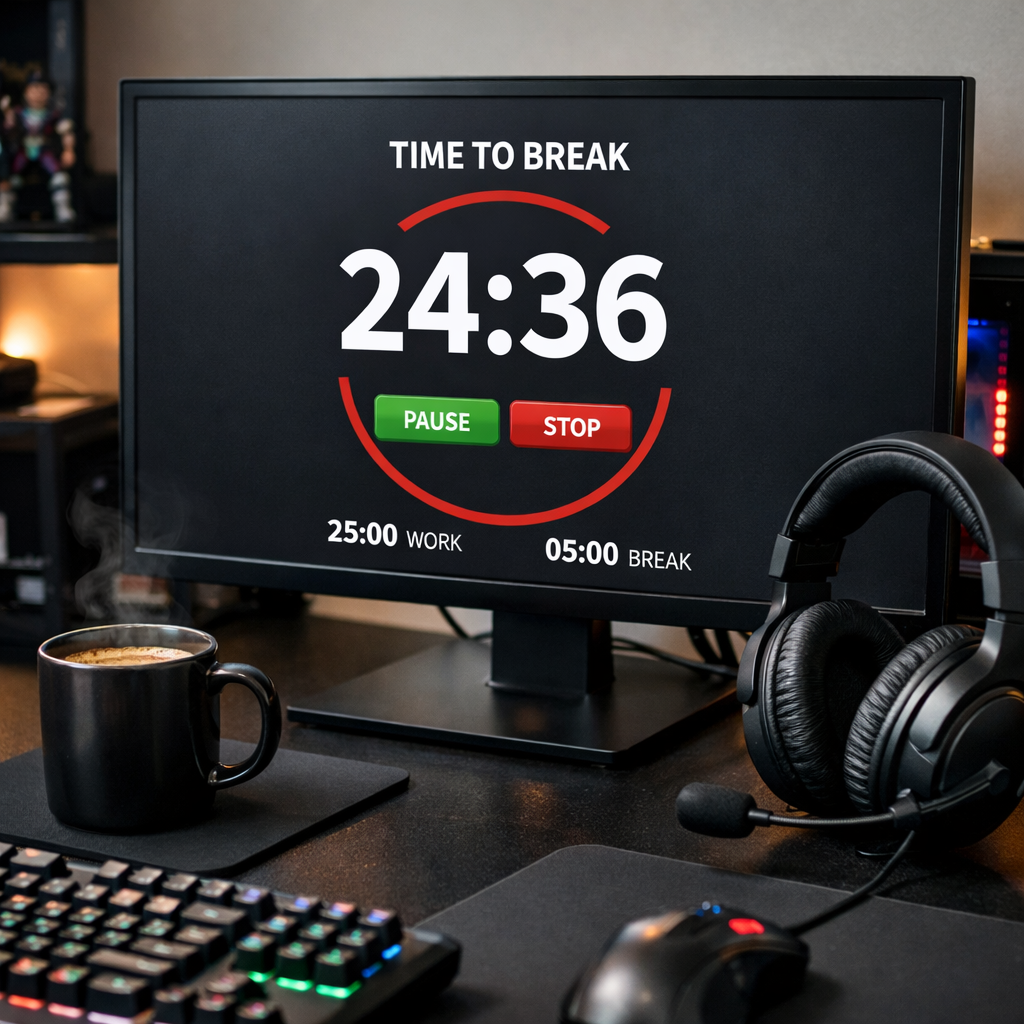
Start by picking a timer that lives in Chrome, so it’s always there next to your tabs. Top 5 Pomodoro Timer Chrome Extension Picks to Boost Your Focus shows the best options that auto‑pause when you switch tabs and let you set custom lengths. Set a 25‑minute sprint, work on one task, then take a five‑minute break. After four sprints, give yourself a longer pause to recharge.
To protect your focus from background noise, consider using earplugs. They block out chatter and help you stay in the zone. Learn how to pick the right pair here.
Follow these steps for a week and you’ll see more tasks finished, fewer distractions, and a clearer mind for the next big project.
Step 1: Set Up Your Pomodoro Schedule
First, decide how many minutes feel right for a single sprint. Most busy pros start with 25 minutes, but you can try 30 or 45 if you need longer focus.
Next, open your Chrome pomodoro extension and type the work length. Set the break to five minutes. If you plan four sprints, add a longer 15‑minute pause after the fourth cycle.
Now pick a task that you can finish in one sprint. Write it on a sticky note or in your to‑do list, then hit start. When the timer rings, stand up, stretch, and grab a drink. Then start the next sprint.
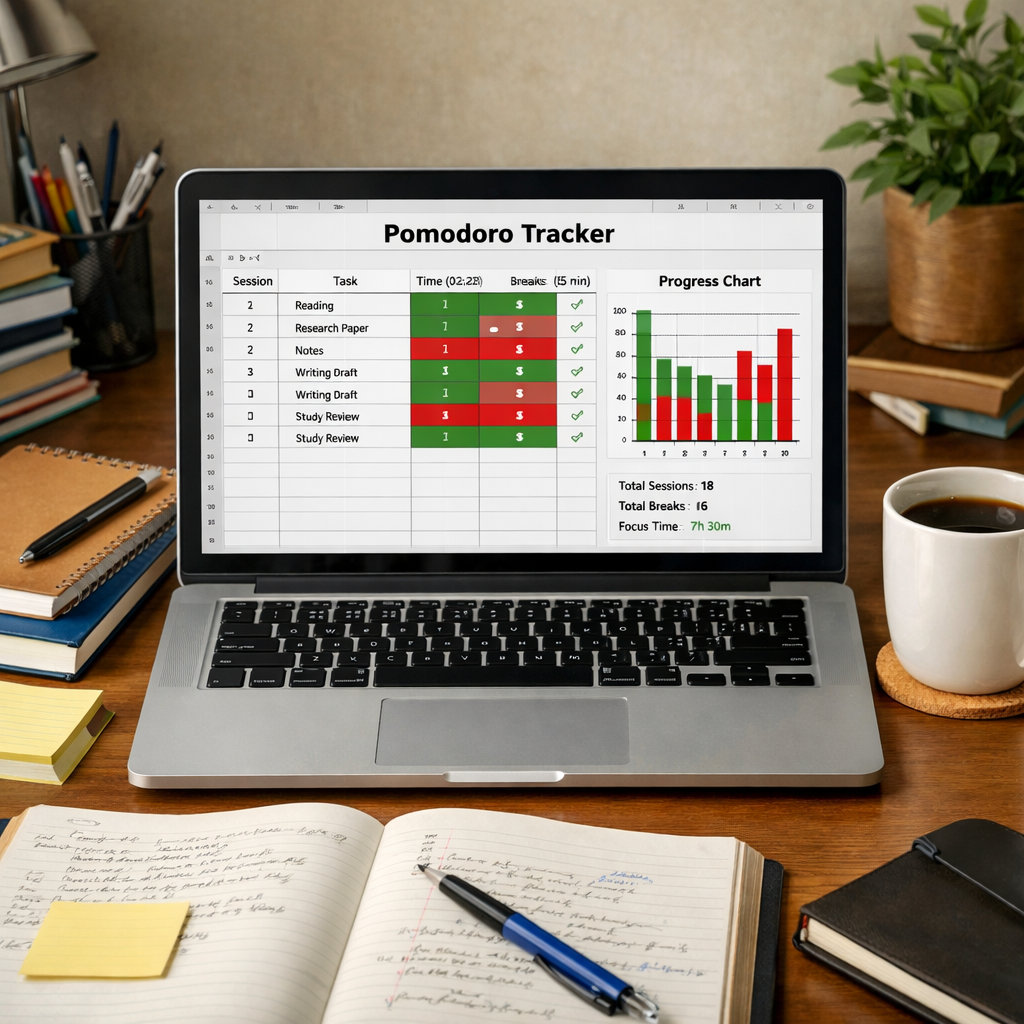
Tip: keep a simple log beside your keyboard. Jot down the task name and a quick note of what you got done. After a week you’ll see patterns – maybe you crush reports in the morning but lose steam after lunch.
If you run into tech hiccups, a solid IT partner can help keep your browser running smooth. IT support in Salinas offers quick fixes for extensions that freeze or won’t pause.
And don’t forget the environment. A calm workspace boosts the pomodoro rhythm. Some people play low‑key music or use a scent diffuser. For a quick health boost, check out XLR8 Well for simple wellness tips that keep energy up between cycles.
Stick to this routine for at least five days. You’ll notice fewer distractions, more tasks closed, and a clearer mind for the next big project.
Step 2: Choose the Right Pomodoro Timer Tool
Now that your schedule is set, the next move is picking a timer that fits the way you work. A good pomodoro timer for busy professionals feels like an extra teammate – it nudges you, blocks the noise, and lets you focus on one thing at a time.
Start by checking the basics: can it run right from your browser, does it let you set custom work and break lengths, and does it mute notifications while you’re in a sprint? Those three traits keep the tool from getting in the way of a client call or a quick spreadsheet update.
What’s nice about many modern timers is the extra polish they add. Some let you tag each sprint to a project, others show a tiny progress bar on the tab, and a few even let you block distracting sites with a single click. If you’re juggling several briefs, a tag feature saves you from flipping back and forth between notes.
Our own tool, Focus Keeper, covers the core needs – a clean browser window, one‑click start, and simple interval tweaks – while staying light enough not to crowd your desktop. It’s the kind of no‑frills timer that still lets you add a quick label for the task at hand.
Want a broader view of what’s out there? The guide to top pomodoro timer apps walks through options that excel at browser integration and distraction blocking. For a quick snapshot of popular choices, check the list of popular pomodoro tools and see which vibe matches your workflow.
Once you’ve narrowed it down, run a test sprint. Set a 25‑minute block, hit start, and see how the timer feels when you switch tabs or answer a Slack ping. If the tool stays out of your way, you’ve found a fit.

Step 3: Integrate Pomodoro Sessions Into a Busy Workday
Your day is a string of meetings, emails and deadlines—no room for drift.
First, look at your calendar. Spot four to six windows that are at least 20 minutes long. Treat each window like a mini‑meeting with yourself.
Start the timer and lock in a task
Open your pomodoro timer, set the work interval (25 min works for most), and type the task name in the notes field. Hit start and work until the alarm rings.
Deal with interruptions
If a Slack ping or a phone rings, pause the timer, note the interruption, then resume. Many browser timers let you mute notifications while you sprint, so you stay in flow.
Use the break wisely
When the timer ends, stand up, stretch, grab a drink, or look out a window for 5 minutes. A quick walk or a few deep breaths resets your brain.
Plan the long break
After four pomodoros, take a longer 15‑minute pause. Use that time for a short walk, a coffee chat, or a quick admin task that doesn’t need deep focus.
Real‑world example: Maria, a remote marketer, blocks three 25‑minute sprints in the morning for copy, then a 10‑minute walk, and two more sprints for analytics. By afternoon she still has energy for meetings.
Another case: Javier, a freelance designer, lines up two pomodoros for client mock‑ups, then a 5‑minute sketch break, and repeats. He sees fewer mistakes and faster turn‑around.
Tip: after each sprint, jot a one‑line note like “drafted intro” in a notebook or a digital list. The log shows progress and helps you plan the next day.
Give this rhythm a week. You’ll notice more tasks finished, fewer distractions, and a clearer mind for the next big project.
Step 4: Track Progress and Optimize Your Sessions
Now that you’ve built a rhythm, the next move is to see what’s really happening. A pomodoro timer for busy professionals only works if you can tell which sprints move the needle.
Start each sprint by opening a quick note pad. Write the task name, hit the timer, and when the bell rings, jot a one‑line result – “drafted intro” or “sent client brief”.
Why does that help? The log turns vague effort into clear data. You can spot patterns without guessing.
So, what should you look for?
First, count how many pomodoros you finish each day. If you’re hitting four to five, you’re in a good flow zone. If the number drops after a certain meeting, that meeting might be a hidden blocker.
Second, note any interruptions. A quick “phone call” tag shows how often external pulls break your focus. Over a week you’ll see if they’re rare or constant.
Third, review the length of your long breaks. If you feel drained after a 15 minute pause, try a 10 minute walk instead.
Here’s a simple table you can copy into a spreadsheet:
| Metric | How to Capture | Quick Tip |
|---|---|---|
| Pomodoros per day | Log each completed sprint | Aim for 4‑6 daily |
| Interruptions | Add a short tag when you pause | Keep tags brief |
| Break effectiveness | Rate energy 1‑5 after each long break | Adjust break length if rating <3 |
After a week, glance at the table. Do you see a dip after lunch? Maybe swap a 5 minute stretch for a quick walk outside.
Finally, treat the data like a coach. If a pattern shows you’re strongest in the morning, schedule the toughest tasks then. If afternoons are shaky, use short pomodoros for email clean‑up.
That small habit of tracking turns a pomodoro timer for busy professionals into a personal analytics tool – and it keeps you improving without extra stress.

Step 5: Overcome Common Challenges and Stay Consistent
Even the best pomodoro timer for busy professionals can hit snags.
First, notice when you keep pausing the timer for emails. That tells you the inbox is a hidden distraction.
Turn on Do Not Disturb for the sprint; when a ping breaks in, write a quick tag and get back to work.
Long breaks can make you feel more tired; if a 15 minute pause drags, cut it to 10 minutes of light movement, like a walk, a stretch, or a glass of water.
Does the timer feel like a chore?
Try pairing it with a tiny habit. After each sprint, jot one line of what you finished. The act of writing locks the win in your mind and makes the next sprint feel easier.
Not every task fits 25 minutes. For quick email clean up set a 10 minute sprint. For deep design work, stretch to 45 minutes. The timer is flexible, use the length that matches the task’s energy demand.
Look at the table you built in Step 4. Spot patterns: maybe you hit a dip after lunch or when a meeting runs over. Swap the low energy slot for a short walk or move the tough task to the morning.
If you miss a sprint, don’t quit, reset and jump back in. Consistency builds one sprint at a time.
By spotting the hiccups, tweaking intervals, and keeping a simple log, you stay on track and let your pomodoro timer for busy professionals work for you, not against you.
Conclusion
You’ve walked through setting up, picking a tool, fitting it into your day, and tracking what works.
The core idea is simple: a pomodoro timer for busy professionals breaks work into bite-size bursts, gives your brain a chance to reset, and lets you see real progress.
When a sprint ends, jot a one-line note. Over a week you’ll spot when you peak, which tasks deserve longer blocks, and where interruptions sneak in.
So, what’s the next step? Choose a lightweight browser timer, set the interval that matches your energy, and start logging right after your next meeting.
Remember, consistency beats perfection. Even a few focused cycles each day add up to hours of deep work.
Give it a try this week and watch your focus sharpen without adding extra stress.
FAQ
How do I pick the right pomodoro timer length for busy professionals?
Start with the classic 25‑minute work block. If you find yourself racing the clock, try 20 minutes. If you finish tasks with time left, stretch to 30 or 45 minutes. Test one length for a few days, then note how focused you feel. The sweet spot is the length that lets you stay in flow without feeling rushed or bored.
Can I use a pomodoro timer on my phone and still keep it simple?
Yes. A phone timer works as long as it lets you set custom intervals and pause quickly. Many browser extensions sync with mobile browsers, so you can start a timer on your laptop and finish the sprint on your phone during a commute. Keep the interface clean – one tap to start, one tap to stop – and you’ll avoid extra distraction.
What’s the best way to handle interruptions while using a pomodoro timer for busy professionals?
When a ping or call breaks your sprint, hit pause right away. Write a short tag like “email” or “call” so you know why you stopped. After the break, resume the timer and get back to the original task. Over time the log will show which interruptions happen most, letting you plan quiet blocks or set a do‑not‑disturb rule.
How often should I review my pomodoro logs to improve my workflow?
Look at your log at the end of each week. Count how many pomodoros you finished, note the time of day you were most productive, and see which tasks needed extra sprints. Use that info to shift tough work to your peak hours and keep short tasks for lower‑energy slots. A quick weekly review is enough to keep the system sharp.
Is it okay to adjust the break time if my energy drops mid‑day?
Absolutely. If you feel a slump after a few cycles, try a longer break – 10 or 15 minutes of light movement or a walk. Shorten the next work block if you’re still low on energy. The goal is to keep your brain fresh, so listen to how you feel and tweak the break length as needed.
Do I need a special timer for team use or can a personal timer work for collaboration?
A personal timer works fine for most solo work. For a small team, share a simple spreadsheet or a shared note where everyone logs their pomodoros. That way you can see collective focus patterns without buying a separate tool. The key is clear communication – let teammates know when you’re in a sprint so they can avoid non‑urgent pings.