
We all think we’re superheroes when we juggle a million things at once. Emails pinging, calls coming in, that report still needing attention – it feels productive, right? Well, turns out, that constant switching is actually slowing us down and stressing us out. This article is all about how to ditch that scattered approach and really focus on one thing at a time to get more done, and actually feel better about it. Let’s talk about how to reduce multitasking at work.
Key Takeaways
- Multitasking isn’t really doing multiple things at once; it’s quickly jumping between tasks, which drains your mental energy and leads to more errors.
- Techniques like time blocking and the Pomodoro Technique help you dedicate focused periods to single tasks, making your work more efficient.
- Creating a work environment with fewer interruptions, both digital and physical, is key to maintaining focus and reducing the urge to switch tasks.
- Using technology like focus apps and ‘Do Not Disturb’ modes can support your efforts to reduce multitasking at work.
- Building the habit of single-tasking takes practice and consistency, but it leads to better work quality, less stress, and more satisfaction.
Understanding Why Multitasking Hinders Your Work
It feels like we’re superheroes when we’re juggling a dozen things at once, right? Emails pinging, Slack messages popping up, a report due, and that phone call you keep putting off. We tell ourselves we’re being super efficient, getting more done. But honestly, it’s usually just a mess.
The Cognitive Cost of Constant Task Switching
Every time you jump from one thing to another, your brain has to stop, re-orient, and then try to pick up where it left off. This isn’t a smooth transition; it’s more like slamming on the brakes and then trying to accelerate again. This constant back-and-forth, known as task switching, really drains your mental energy. It’s like trying to run a marathon by sprinting for a minute, then walking for a minute, then sprinting again. You get tired way faster, and you don’t cover as much ground. Studies show that this switching can eat up a surprising amount of your day, sometimes as much as 40% of your productive time. That’s hours lost just in the mental gear shifts. You can read more about the cognitive strain of task switching.
How Multitasking Leads to Burnout and Fatigue
When you’re constantly switching tasks, your brain is always on high alert, trying to process bits of information from multiple sources. This never-ending mental juggling act is exhausting. It’s not just about feeling tired; it’s a deeper kind of fatigue that can lead to burnout. You start feeling overwhelmed, stressed, and less capable of handling even simple tasks. Your focus gets shot, your memory suffers, and you’re more likely to make mistakes. It’s a vicious cycle: the more you multitask, the more tired you get, and the less effective you become, which often makes you want to multitask even more to catch up.
The Illusion of Efficiency: Why More Isn’t Always Better
We often fall for the trap of thinking that being busy equals being productive. Multitasking makes us feel like we’re accomplishing a lot because we’re doing a lot. But are we actually finishing things well? Usually not. We end up with a pile of half-done tasks and a nagging feeling that we’re always behind. The quality of our work drops because our attention is divided. Instead of producing excellent results, we get mediocre ones, riddled with errors. It’s like trying to cook five different dishes at once; by the time you’re done, they’re all a bit burnt or undercooked, and the kitchen is a disaster zone.
Trying to do everything at once guarantees that nothing gets the attention it truly deserves. It’s a recipe for scattered effort and subpar outcomes.
Here are some common ways multitasking sabotages your day:
- Increased Errors: When your focus is split, you’re far more prone to making mistakes, big or small.
- Reduced Quality: Work done with divided attention is rarely as good as work done with full concentration.
- Mental Exhaustion: The constant switching is mentally taxing, leading to fatigue and burnout.
- Wasted Time: The time spent switching between tasks adds up, significantly reducing your overall efficiency.
So, while it might feel productive in the moment, multitasking is actually a major roadblock to getting meaningful work done effectively.
Strategies to Reduce Multitasking at Work

So, you’re trying to cut down on juggling too many things at once? Good move. It might feel like you’re a productivity ninja when you’re bouncing between emails, reports, and instant messages, but honestly, it’s usually just making things worse. The good news is there are some solid ways to get a grip on this.
Mastering Time Blocking for Focused Work
This is all about giving your tasks a specific time slot on your calendar. Instead of a vague to-do list that lets you drift, time blocking is like drawing a line in the sand for what you’ll work on and when. It makes your plan concrete. Think of it like scheduling appointments, but for your actual work.
- Map out your day: Look at your calendar and block out chunks of time for specific tasks or types of work. For example, 9 AM to 10 AM might be "Draft Project Proposal," and 10 AM to 10:30 AM could be "Respond to Urgent Emails."
- Be realistic: Don’t cram too much in. Leave some buffer time for unexpected things or just to take a breath.
- Protect your blocks: Treat these scheduled times like important meetings. Try to avoid letting other things creep in.
The key here is to be intentional. You’re not just reacting to what pops up; you’re proactively deciding where your attention will go.
The Power of the Pomodoro Technique
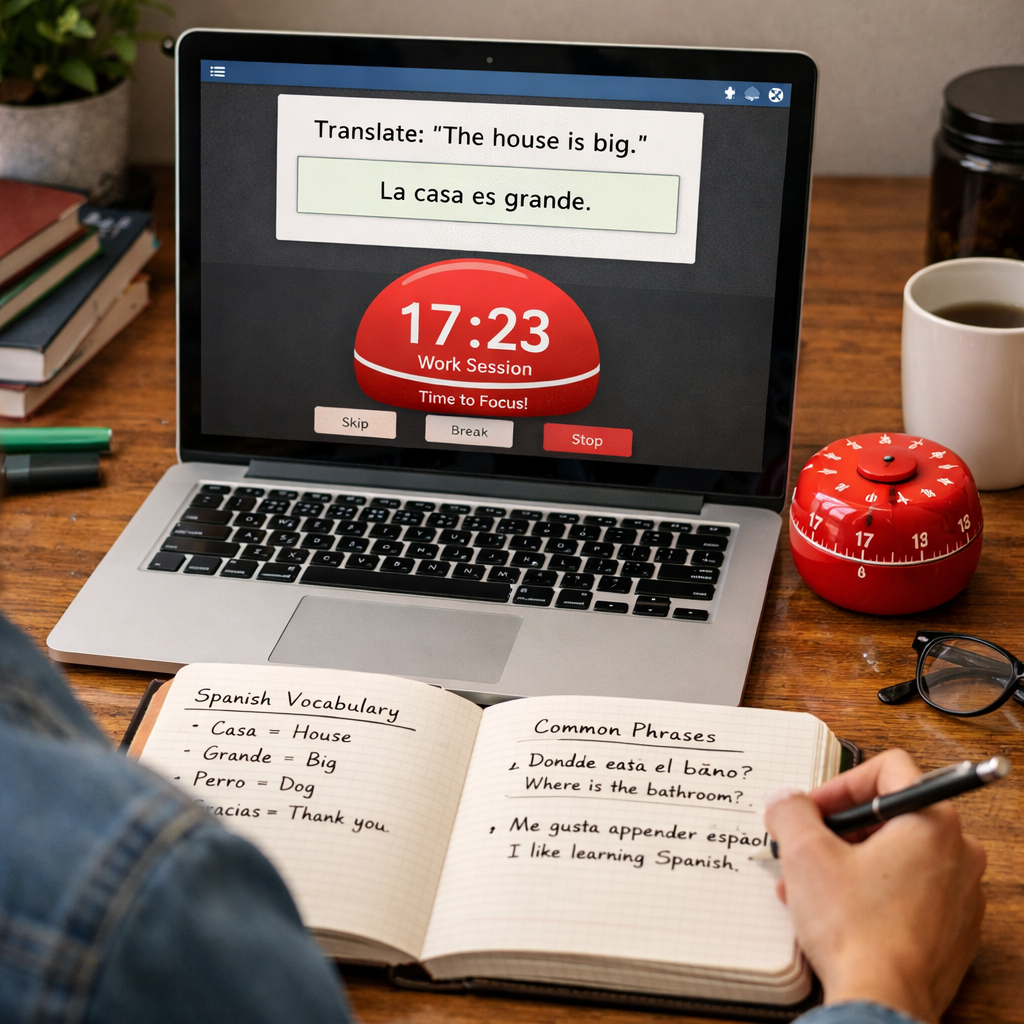
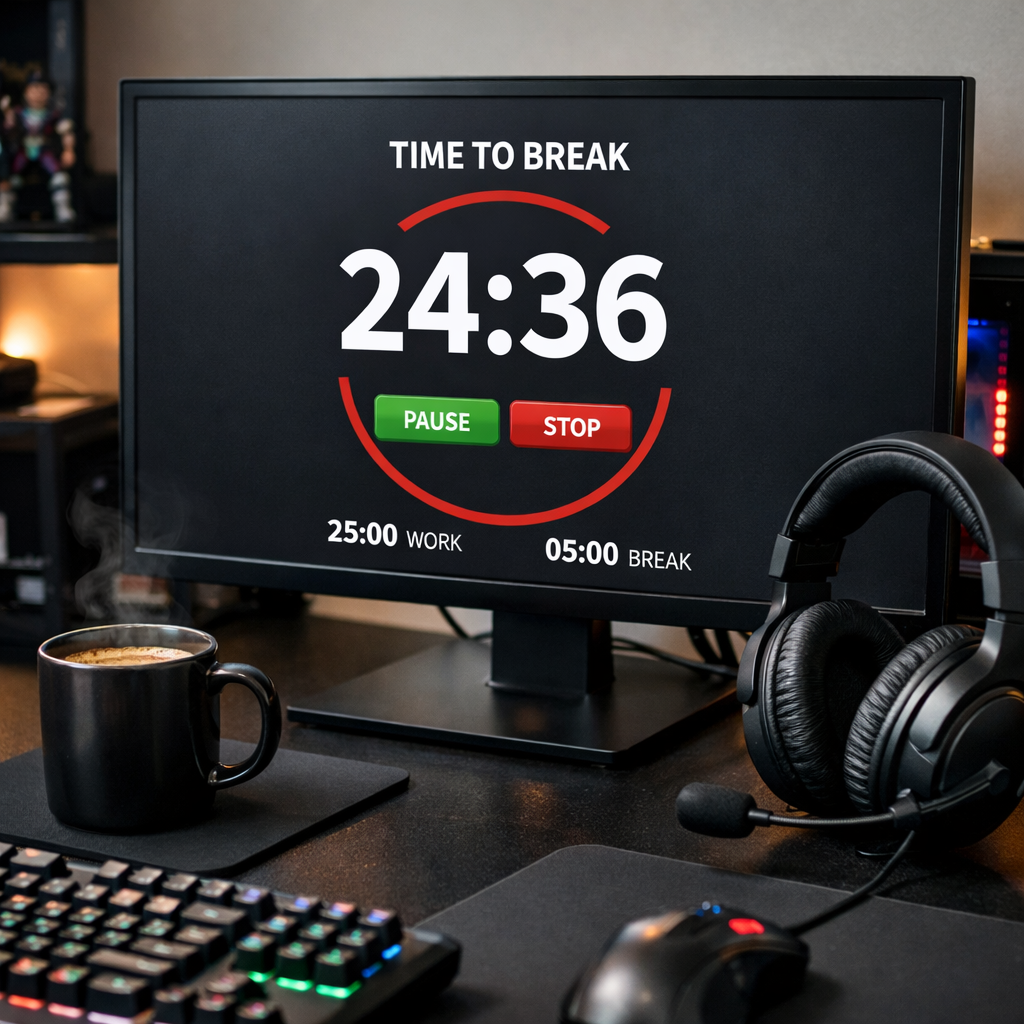
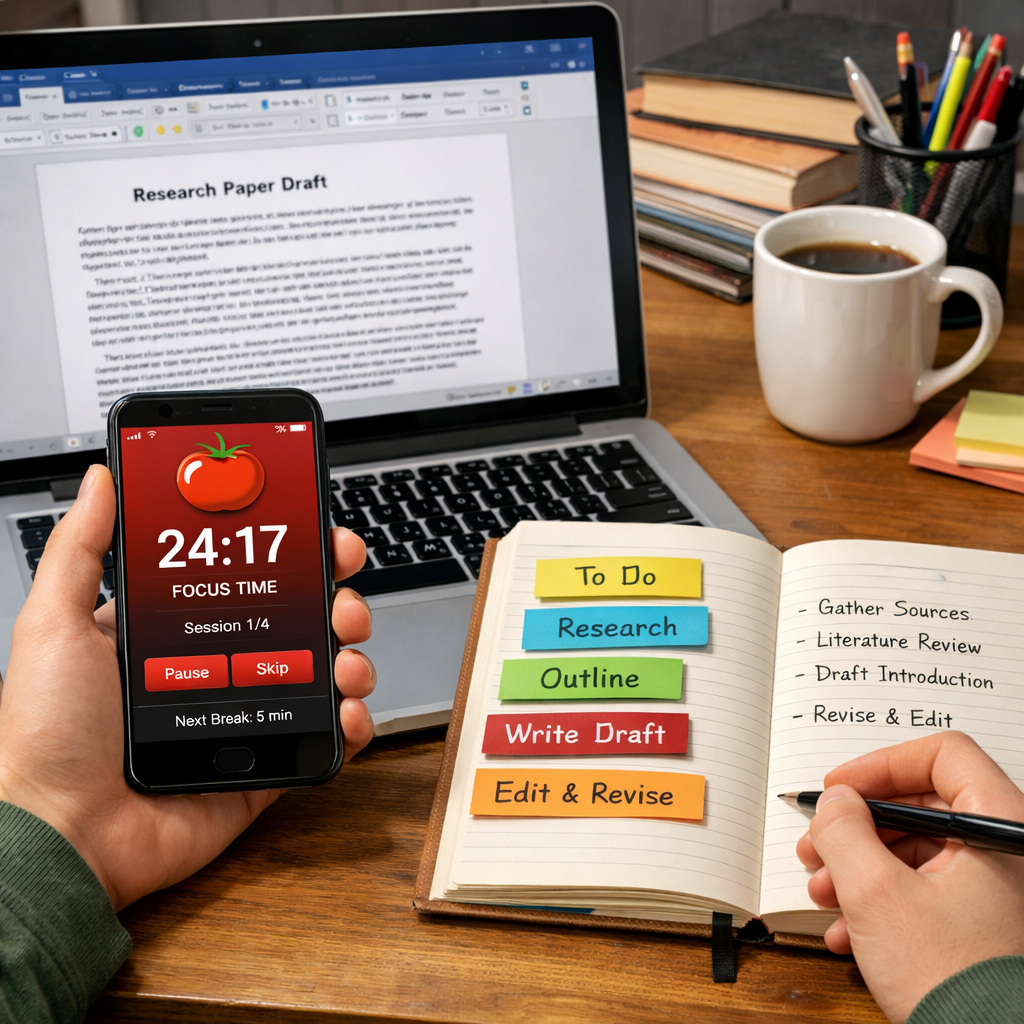
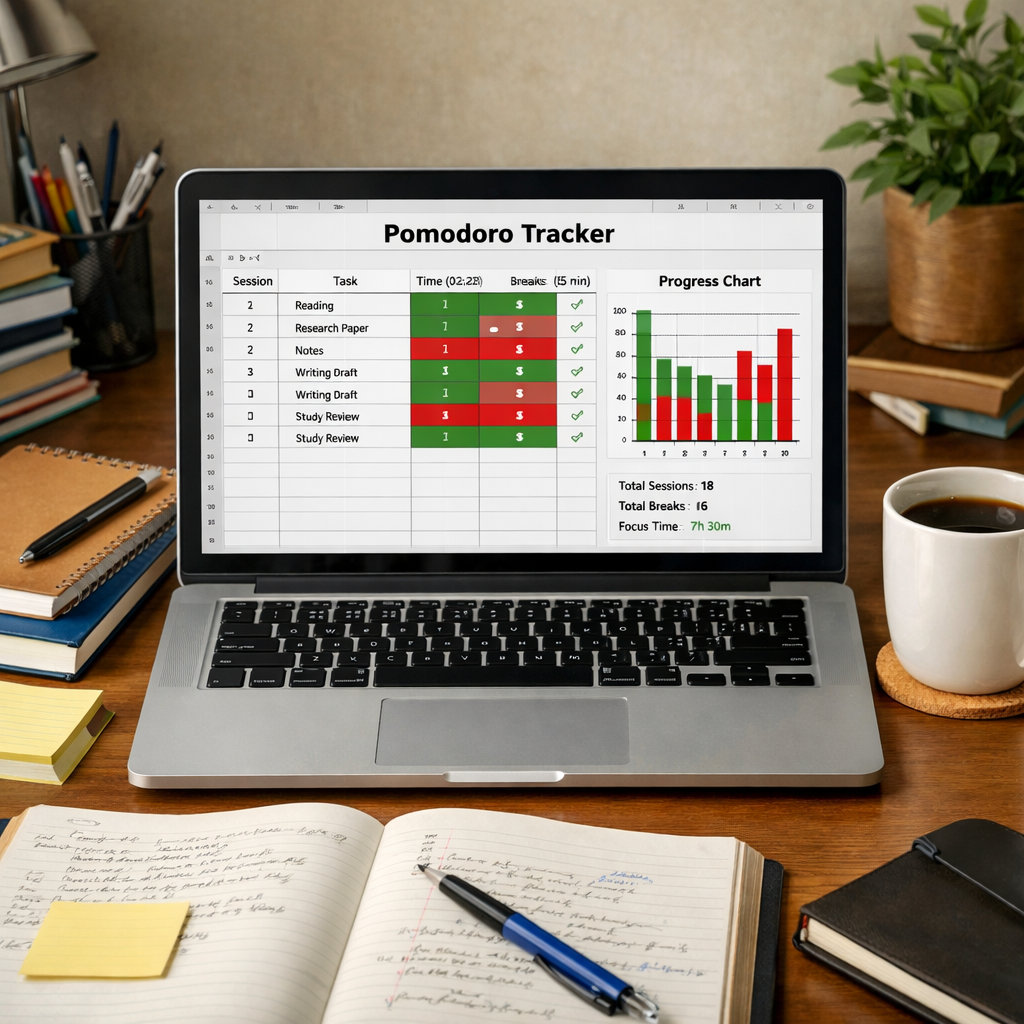
This method is pretty simple but effective. You work in focused bursts, usually 25 minutes long, followed by a short break. After a few of these "Pomodoros," you take a longer break. It helps break down big tasks and keeps you from getting totally drained.
Here’s how it generally works:
- Choose a task: Pick something you want to work on.
- Set a timer: Aim for 25 minutes of focused work. No distractions allowed.
- Work until the timer rings: When it goes off, stop working.
- Take a short break: About 5 minutes. Stretch, grab some water, whatever.
- Repeat: Do this four times, then take a longer break (15-30 minutes).
This technique is great for tasks that feel overwhelming or when you just can’t seem to get started. The short, timed bursts make it easier to maintain concentration.
Prioritizing Tasks with the Eisenhower Matrix
Ever feel like everything is urgent? The Eisenhower Matrix helps you sort through what really needs your attention. You categorize tasks based on two things: how urgent they are and how important they are.
Here’s a quick look at the four quadrants:
- Urgent & Important (Do First): These are crises, deadlines, and pressing problems. Handle these immediately.
- Important, Not Urgent (Schedule): These are things like planning, relationship building, and long-term projects. These are key for success, so schedule time for them.
- Urgent, Not Important (Delegate): These are often interruptions or tasks that others could handle. If possible, pass them on.
- Not Urgent & Not Important (Eliminate): These are time-wasters. Try to get rid of them.
Using this matrix helps you see where your energy is best spent, making sure you’re focusing on what truly matters rather than just what’s shouting the loudest.
Creating an Environment Conducive to Single-Tasking

Let’s be real, our surroundings play a massive role in how focused we can be. Trying to concentrate when your desk looks like a paper explosion or your computer screen is a rainbow of open tabs is just setting yourself up for failure. It’s not just about willpower; it’s about making your workspace work for you, not against you. Your environment should actively support your focus, not constantly fight for your attention.
Minimizing Digital Distractions
Our digital lives are a huge source of interruption. Every ping, pop-up, and notification pulls us away from what we’re trying to do. It’s like having a tiny, annoying person constantly tapping you on the shoulder.
- Turn off non-essential notifications: Go into your settings and disable alerts for social media, news apps, and even some email accounts during your work hours. You can check them later.
- Close unnecessary tabs and applications: Before you start a task, take a moment to close anything that isn’t directly related to it. A clean digital space makes a big difference.
- Use website blockers: If you find yourself habitually drifting to certain sites, consider using an app that temporarily blocks them during your focus periods.
The constant barrage of digital alerts trains our brains to expect interruptions. By actively reducing these, we begin to retrain our minds to stay present with a single task.
Designing Your Physical Workspace for Focus
Your physical space matters just as much as your digital one. A cluttered desk can lead to a cluttered mind. Think about what you need to do your best work and arrange your space accordingly.
- Declutter your desk: Clear away anything that isn’t immediately necessary for your current task. A tidy desk can lead to a tidier workflow.
- Manage noise: If you’re in a noisy environment, consider noise-canceling headphones. Even playing some instrumental music can help drown out distracting chatter.
- Organize your tools: Keep the things you use regularly within easy reach. This reduces the need to search for items, saving you time and mental energy.
Communicating Your Focus Needs to Colleagues
Sometimes, the biggest distractions come from other people. It’s okay to let your colleagues know when you need uninterrupted time. Clear communication can prevent misunderstandings and protect your focus.
- Set clear expectations: Let your team know your working hours and when you’ll be available for discussions. You can use your calendar to block out focus time.
- Use visual cues: A simple sign on your desk or a status message on your communication app can signal that you’re in deep work mode and shouldn’t be interrupted unless it’s urgent.
- Establish communication protocols: Agree on how urgent matters should be handled. Is there a specific channel for emergencies? Knowing this can reduce anxiety about missing something important while you’re focused.
Leveraging Technology to Support Single-Tasking
Technology, which often feels like the main culprit behind our scattered attention, can actually be a huge help when we want to focus on just one thing. It’s all about using the right tools in the right way. Think of it as turning a potential distraction into a personal assistant for your focus.
Focus Apps and Website Blockers
These are like digital bouncers for your attention. Apps such as Freedom or Cold Turkey can temporarily block access to websites and applications that tend to pull you away from your work. You set them up for a specific period, and poof – those tempting social media sites or news feeds are out of reach. This creates a protected bubble where you can actually get things done without constantly fighting the urge to click away.
Utilizing ‘Do Not Disturb’ Features Effectively
Most of our devices have a ‘Do Not Disturb’ (DND) mode, and it’s a simple yet powerful tool. Instead of just silencing notifications, you can often customize it. Set it up so only calls from specific contacts get through, or allow alerts from certain apps while silencing others. Making full use of DND during your dedicated work blocks signals to your brain that it’s time to concentrate. It’s a quick way to reduce the constant pinging and buzzing that breaks your flow.
Task Management Tools for Clarity
When your to-do list is a jumbled mess, it’s easy to jump between tasks just to feel like you’re doing something. Good task management tools, like Asana, Todoist, or even a well-organized digital notebook, help bring order to the chaos. They allow you to break down big projects into smaller, manageable steps and clearly see what needs your attention right now. This clarity prevents you from feeling overwhelmed and helps you stick to one task until it’s complete.
Using technology mindfully means setting clear intentions before you start. Don’t just open an app; decide what you want to accomplish with it. If you’re using a task manager, pick one task and focus on it. If you’re using a website blocker, set it and forget it until your focus time is up. The tool is there to support your single-tasking goal, not become another thing to manage.
Building Sustainable Single-Tasking Habits
Okay, so we’ve talked about why multitasking is a productivity killer and some cool ways to stop doing it. But how do you actually make this stick? It’s not like you can just flip a switch and suddenly become a single-tasking ninja. It takes a bit of work, and honestly, some self-awareness.
Identifying Your Personal Multitasking Triggers
First things first, you gotta figure out why you’re switching tasks all the time. It’s usually not random. Think of it like this: what makes you reach for your phone or open a new tab when you’re supposed to be working on something important? It’s often a signal that something else is going on.
Here’s a quick way to start noticing:
- Internal Triggers: These are things like feeling bored, stressed, or stuck on a tough problem. Maybe a report feels too big, so you decide to "just" clear out your email instead. Or you’re just not feeling it, so you check social media for a quick dopamine hit.
- External Triggers: These are the obvious ones – a notification pops up, a coworker stops by your desk, or your phone buzzes. These pull you out of your focus zone whether you want them to or not.
Try keeping a little log for a day or two. Don’t try to change anything yet, just watch yourself. When you switch tasks, jot down:
- What were you working on?
- What made you switch?
- How did you feel right before?
- What did you switch to?
After a bit, you’ll start seeing patterns. Maybe you always check your phone when you hit a tricky coding problem, or maybe a specific email alert is your kryptonite. Knowing these triggers is the first big step to actually doing something about them.
Once you know what pulls you away, you can start building defenses. It’s not about having superhuman willpower; it’s about setting up your work life so that staying focused is the easiest path, not the hardest.
Establishing a Routine for Deep Work
Having a routine makes single-tasking feel less like a chore and more like just… how you work. It’s about creating dedicated time for focused effort.
- Schedule Your Focus Time: Look at your calendar and block out specific times for your most important tasks. Treat these blocks like important meetings you can’t miss. If you know you do your best thinking in the morning, schedule your hardest tasks then.
- Batch Similar Tasks: If you have a bunch of small, similar things to do (like responding to emails or making calls), try to do them all at once. This way, you’re not switching your brain back and forth between different types of thinking.
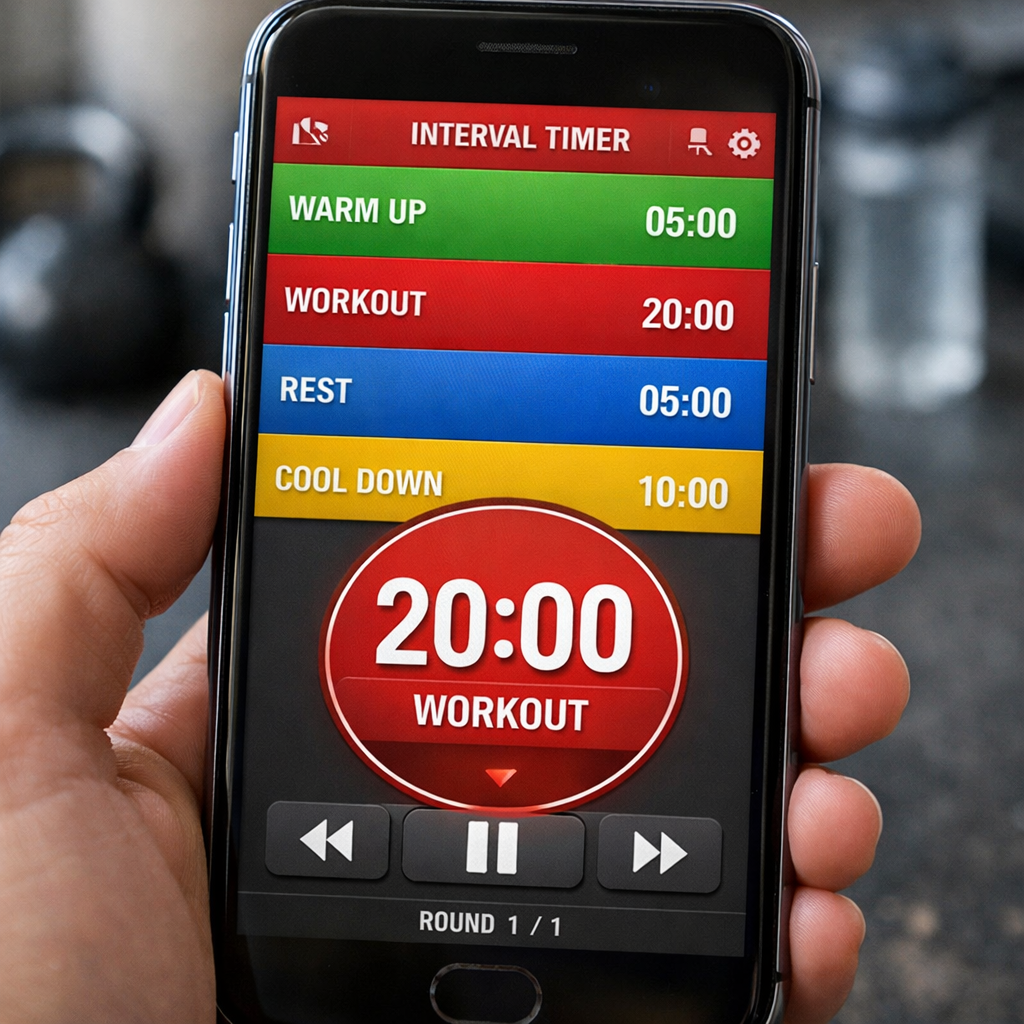
- Plan Your Breaks: Breaks are super important! They help you recharge. But don’t let them turn into long, unplanned distractions. Know when you’re going to take a break and for how long. A quick walk or stretching can do wonders.
The Role of Discipline and Consistency
Let’s be real, building new habits is tough. It takes discipline. You’re going against years of multitasking habits, and sometimes, you’ll slip up. That’s okay.
- Track Your Progress: Use a simple journal or a habit tracker app. Note down when you had a good focus session and when you got sidetracked. Seeing your progress, even small wins, can be really motivating.
- Find an Accountability Buddy: Sometimes, just knowing someone else is aware of your goal helps. It could be a colleague you trust or a friend. You can check in with each other about how your focus sessions are going.
- Be Kind to Yourself: If you have a day where you just can’t seem to focus, don’t beat yourself up. Acknowledge it, learn from it if you can, and get back on track the next day. Consistency over perfection is the name of the game here.
The Benefits of Single-Tasking Beyond Productivity
So, we’ve talked a lot about getting more done, right? But honestly, the good stuff from single-tasking goes way beyond just ticking boxes on your to-do list. It actually makes you feel better, plain and simple.
Enhancing Mental Well-being and Reducing Stress
Think about that feeling when you’re juggling a million things. Your brain feels like it’s buzzing, but not in a good way. That constant switching between emails, calls, and projects? It really wears you down. Studies show that people who multitask a lot tend to have higher stress levels and can even burn out faster. When you focus on just one thing, you give your brain a break. It’s like letting your mind exhale. This reduction in mental load can seriously lower your stress and make you feel more in control of your day, not just your tasks.
The constant mental gymnastics of switching between tasks drains your energy and can leave you feeling frazzled. By committing to one task at a time, you allow your mind to settle, reducing that feeling of being overwhelmed and creating a calmer internal environment.
Improving Work Quality and Accuracy
When you’re not flitting from one thing to another, you can actually pay attention. This means fewer mistakes. You’re more likely to catch errors, think through problems properly, and produce work that you’re actually proud of. It’s like the difference between skimming a book and actually reading it. You just absorb more and do a better job when you’re focused.
Here’s a quick look at how focus impacts your output:
- Fewer Errors: When your attention is undivided, the chance of making small, costly mistakes drops significantly.
- Deeper Thinking: You have the mental space to really consider options and come up with better solutions.
- Higher Quality Output: The final product is usually much better when you’ve given it your full attention.
Achieving Greater Job Satisfaction
Honestly, who doesn’t want to feel good about their work? When you’re single-tasking, you often finish tasks feeling accomplished. You see the results of your focused effort. This sense of progress and achievement is a big deal for job satisfaction. Instead of feeling like you’re constantly busy but not really getting anywhere, you get those satisfying moments of completion. It makes work feel less like a chore and more like something you can actually handle and succeed at.
It’s not just about the big wins, either. Even small tasks completed with focus can add up to a more positive overall feeling about your job. You start to feel more competent and less stressed, which naturally leads to liking what you do a bit more.
Embrace Single-Tasking for a Better Workday
So, we’ve talked a lot about why juggling too many things at once just doesn’t work and how focusing on one task at a time can really make a difference. It’s not about being lazy; it’s about being smart with your energy. By using simple tricks like time blocking or the Pomodoro Technique, and by just being more aware of what pulls you away from your work, you can start to feel more in control. Remember Sarah and David? They found their way back to feeling productive and less stressed by ditching the multitasking habit. It takes a little practice, sure, but the payoff – less stress, better work, and honestly, just feeling more accomplished – is totally worth it. Give it a shot, and see how much calmer and more effective your workday can become.
Frequently Asked Questions
Why is multitasking bad for my work?
Jumping between tasks all the time makes your brain work harder and causes you to make more mistakes. It’s like trying to read two books at once – you won’t learn much from either. This constant switching can also make you feel tired and stressed out, making it harder to do good work.
How can I actually focus on just one thing?
You can try ‘time blocking,’ where you set aside specific times for specific tasks. Another great method is the ‘Pomodoro Technique,’ which involves working for short bursts (like 25 minutes) and then taking a quick break. This helps you stay focused without getting overwhelmed.
What if my job requires me to do many things at once?
It’s tricky, but you can still manage. Try to group similar tasks together, like answering all your emails at a set time. Also, let your coworkers know when you need uninterrupted time for important tasks. You can use ‘Do Not Disturb’ modes to help.
How long will it take to get better at single-tasking?
You might feel a difference in just a week! But really getting good at it takes consistent practice over a few weeks. Start small with short focus periods and build up your focus muscle over time.
What are some tools that can help me focus?
There are apps that can block distracting websites for you, like social media. Your phone also has a ‘Do Not Disturb’ feature that silences notifications. Using a simple to-do list or a task management app can also help you keep track of what you need to do next.
Besides getting more done, what else is good about single-tasking?
When you focus on one thing, you often feel less stressed and happier with your work. You’re more likely to do a better job because you’re giving it your full attention. This can lead to feeling more satisfied with your day and your job overall.