
You know that feeling, right? You’re trying to get something done, and then BAM – a notification pops up, or someone needs a ‘quick’ chat. Before you know it, you’ve bounced between five different things, and none of them are really finished. That constant switching is called context switching, and it’s a huge drain on getting actual work done. It makes us tired and less effective. But here’s the good news: it doesn’t have to be this way. We can actually learn to stop context switching and get more done. This guide is all about showing you how to do just that, with simple, practical steps.
Key Takeaways
- Understand how jumping between tasks, known as context switching, really eats up your time and energy, making it harder to focus.
- Figure out what makes you switch tasks so often, like too many alerts or unclear goals, so you can start to fix it.
- Group similar jobs together, like answering emails or doing creative work, to help your brain stay in the zone and stop context switching.
- Use your calendar to block out time for specific jobs, treating them like important appointments to protect your focus.
- Take charge of your digital world by turning off unneeded alerts and using focus modes to create a calmer workspace.
Understanding the True Cost of Context Switching

You know that feeling, right? You’re really getting into something, maybe writing a report or figuring out a tricky problem, and then BAM! A notification pops up. Or someone needs a ‘quick’ chat. Suddenly, you’re off track, trying to remember where you were and what you were doing. This constant jumping between tasks is called context switching, and it’s a huge drain on our productivity. It’s not just about the time spent on the new thing; it’s the time it takes to get back into the groove of the old one.
The Productivity Drain of Constant Task Juggling
Think about your day. How many times do you shift from email to a spreadsheet, then to a chat message, then back to that spreadsheet? Each shift feels small, but they add up. It’s like trying to run a marathon while stopping to tie your shoes every few minutes. You’re moving, but you’re not getting anywhere fast. This constant juggling makes it hard to do any single task well. You end up with a lot of half-finished work and a feeling of being busy but not productive.
Why Your Brain Struggles with Frequent Shifts
Our brains aren’t really built for constant task switching. When you switch from, say, writing code to answering an email, your brain has to stop processing one thing, load up all the information for the next thing, and then try to pick up where you left off. This takes mental energy. It’s not a smooth transition; it’s a mini-reboot every time. This constant reloading makes us tired and more prone to making mistakes. The more you switch, the harder it becomes to focus deeply on anything.
The Hidden Time Lost in Re-Focusing
This is where the real cost lies. It’s not just the few seconds it takes to click on a new tab. Studies suggest that it can take over 20 minutes to fully get back into your original task after a significant interruption. Imagine that: you get interrupted, spend a minute on the interruption, and then lose another 20 minutes just trying to get your focus back. Over a day, this lost time can easily add up to hours, meaning you’re not getting nearly as much done as you could be.
The constant demand to switch gears means we rarely get to experience the deep, focused work that leads to our best results. Instead, we operate in a state of perpetual distraction, chipping away at tasks without ever truly mastering them.
Here’s a look at how much time can be lost:
| Interruption Type | Estimated Time to Re-focus |
|---|---|
| Email Notification | 15-20 minutes |
| Instant Message | 10-15 minutes |
| "Quick" Desk Visit | 15-25 minutes |
| Unplanned Meeting | 30-60 minutes |
Identify Your Personal Context Switching Triggers
Ever feel like you’re constantly putting out fires, jumping from one urgent thing to the next without really getting anything substantial done? That’s context switching in action, and it’s a huge productivity killer. The first step to stopping it is figuring out what’s actually causing you to jump ship from one task to another. It’s not always obvious, but once you spot them, you can start to build defenses.
Recognizing Digital Notification Overload
Our devices are designed to grab our attention. Think about it: every ping, buzz, and pop-up is a little siren call pulling you away from what you were doing. Emails, instant messages, social media alerts – they all compete for your brain’s attention. It’s easy to get caught in a cycle where you’re just reacting to whatever pops up next, rather than working on what you planned.
- Constant email checks: Do you find yourself opening your inbox every few minutes, even when nothing urgent is expected?
- Instant messaging interruptions: Are you frequently pulled away by Slack, Teams, or other chat apps, even when you’re in the middle of a complex task?
- Social media or news alerts: Do non-work-related notifications sneak in and derail your focus?
Spotting Unstructured Meetings as Disruptors
Meetings are a necessary part of work, but they can also be massive context switchers, especially when they lack clear purpose or structure. A meeting that runs long, goes off-topic, or doesn’t have a defined outcome can easily throw off your entire day. You spend time preparing (or not preparing), attending, and then trying to get back into your original workflow.
- Meetings without agendas: If you don’t know why you’re there, it’s hard to stay focused.
- Open-ended discussions: When conversations wander without a clear goal, time is wasted.
- Back-to-back meetings: Having too many meetings scheduled without buffer time makes it impossible to regain focus between them.
Unclear Priorities Fueling Task Hopping
When you don’t have a clear idea of what’s most important, it’s easy to get sidetracked. If your to-do list is a jumbled mess or you’re not sure what to tackle next, you might find yourself bouncing between tasks based on whatever seems easiest or most appealing at the moment. This kind of task hopping happens because you’re not anchored to a specific objective.
When your priorities are fuzzy, your brain defaults to reacting rather than acting with intention. This makes you susceptible to any shiny object or urgent-sounding request that comes your way, leading to a scattered workday and a feeling of being busy but not productive.
Here’s a quick way to see if unclear priorities are your issue:
- Review your to-do list: Is it a long, unorganized stream of tasks?
- Ask yourself: "What is the one most important thing I need to accomplish today?" If it takes more than a few seconds to answer, priorities might be unclear.
- Consider recent task switches: Did you jump to a new task because it was easier, or because you genuinely knew it was the next priority?
Implement Task Batching to Stop Context Switching
Ever feel like you’re constantly jumping between tasks, never really getting into a groove? That’s context switching in action, and it’s a huge productivity killer. Task batching is a straightforward way to fight back. The idea is simple: group similar tasks together and do them all at once. This means your brain stays in the same mode for longer, cutting down on that mental whiplash.
Grouping Similar Tasks for Cognitive Flow
Think about it. When you’re writing an email, your brain is in a certain mode. Then, you switch to analyzing a spreadsheet, and your brain has to shift gears. Then maybe you’re jumping on a quick call. Each switch costs you time and mental energy. By batching, you tell your brain, "Okay, for the next hour, we’re doing emails." Or, "For the next two hours, we’re focused on creative work." This consistency helps you get into a state of flow, where you’re working efficiently and effectively.
Here’s how you might start batching:
- Communication Blocks: Dedicate specific times for checking and responding to emails, Slack messages, and other communications. Outside of these blocks, keep communication apps closed.
- Deep Work Sprints: Schedule longer blocks for tasks that require intense concentration, like writing reports, coding, or strategic planning. Protect this time fiercely.
- Administrative Chores: Group together tasks like filling out forms, processing invoices, or organizing files. These often require less intense focus and can be done together.
The cost of switching tasks isn’t just the time it takes to reorient yourself; it’s also the dip in quality and the increased chance of errors. Batching helps you maintain a higher standard of work by allowing sustained focus.
Creating Themed Blocks for Communication and Creation
Let’s get a bit more specific. Imagine your day isn’t a chaotic mix of everything, but rather a series of themed blocks. You might have a "Communication Hour" in the morning and another in the late afternoon. During these times, you tackle all your emails and messages. Then, you have a "Creation Block" from 10 AM to noon. During this time, all communication channels are silenced. You’re solely focused on writing, designing, or whatever your primary creative task is. This structured approach prevents those little pings from pulling you out of your most important work.
Measuring the Impact of Batching on Efficiency
How do you know if task batching is actually working? You measure it. Keep track of how long certain types of tasks used to take you when you were switching constantly. Then, time yourself when you’re using batching. You might be surprised by the difference. For instance, a customer support team found that by batching support tickets into just three specific windows during the day, they reduced their average handling time by 18% without sacrificing quality. That’s a tangible win. You can also track metrics like the number of tasks completed per day or the perceived effort required for those tasks. If you’re feeling less drained and getting more done, batching is likely paying off.
Master Your Calendar with Time-Blocking
Think of your calendar not just as a place for meetings, but as a blueprint for your entire day. Time-blocking is basically assigning specific chunks of time to specific tasks. Instead of just having a to-do list that you sort of react to, you’re proactively deciding when and how you’ll tackle things. It’s like giving your brain a clear set of instructions, so it doesn’t have to waste energy figuring out what’s next.
Scheduling Deep Work Like Important Meetings
This is where you treat your most important, focus-intensive work with the same respect you’d give a client meeting. Block out significant chunks of time – maybe 90 minutes to two hours – for tasks that require your full attention, like writing a report, coding, or strategic planning. Don’t let emails or quick chats creep into these blocks. If a colleague asks for your time during a scheduled deep work session, politely explain that you’re unavailable until a specific later time. This isn’t being difficult; it’s being intentional about getting important work done.
Aligning Blocks with Natural Energy Rhythms
We all have times of day when we’re sharper and times when we’re a bit more sluggish. Pay attention to your own patterns. Are you a morning person who can tackle complex problems before lunch? Or do you hit your stride in the afternoon? Schedule your most demanding tasks for your peak energy times. Save lower-energy tasks, like responding to routine emails or administrative work, for when your focus naturally dips. This simple adjustment can make a big difference in how productive you feel.
Here’s a rough idea of how you might map tasks to energy levels:
| Energy Level | Best For |
|---|---|
| High | Complex problem-solving, creative work, strategic planning |
| Medium | Meetings, focused writing, project management |
| Low | Email, administrative tasks, routine follow-ups |
Utilizing Guardrail Events for Consistency
Guardrail events are essentially pre-scheduled blocks that protect your focused work and personal time. Think of them as the sturdy walls of your schedule. This includes:
- Start-of-Day Routine: A short block to plan your day, review your time blocks, and prepare mentally.
- Lunch Breaks: Non-negotiable time to step away and recharge.
- End-of-Day Wrap-up: A block to review what you accomplished, plan for tomorrow, and clear your inbox.
- Personal Time: Blocking out time for exercise, family, or hobbies to maintain work-life balance.
Building these guardrails into your calendar creates a predictable structure. It helps prevent your workday from bleeding into personal time and ensures you’re not just working, but also resting and recharging. This consistency is key to long-term productivity and preventing burnout.
By actively designing your calendar with these principles, you move from being a passenger in your workday to being the driver. It takes practice, sure, but the payoff in reduced stress and increased output is definitely worth the effort.
Tame Your Digital Environment

Our digital lives are a constant barrage of pings, alerts, and updates. It’s easy to get swept up in the digital noise, which pulls our attention in a million directions. But we can take control. Making intentional choices about our digital tools and how we interact with them is key to reclaiming our focus.
Practicing Digital Minimalism
This isn’t about ditching technology altogether. It’s about being more selective. Think about what truly adds value to your work and life, and what’s just taking up space and attention. Start by looking at the apps on your phone and computer. Are you using all of them regularly? Do they serve a clear purpose? If not, consider removing them. This decluttering process extends to your digital files and desktop too. Keep only what you need readily accessible. A clean digital space means less searching and fewer accidental clicks down rabbit holes.
Triaging Notifications Strategically
Notifications are a major culprit in context switching. Every buzz or pop-up demands a moment of your attention, even if you don’t act on it immediately. The mental cost of acknowledging and then returning to your original task adds up. We need a system.
Here’s a way to manage them:
- Batching: Instead of checking email or messages every few minutes, set specific times to do so. Maybe it’s twice a day, or three times if your role requires more frequent communication.
- VIP Lists: For critical communications, set up alerts only for specific contacts or keywords. This way, you won’t miss something truly urgent, but you’ll filter out the rest.
- Bundling: Many apps allow you to group notifications. Instead of getting alerts one by one, you might receive a summary at set intervals.
The goal is to shift from a reactive mode, where you’re constantly responding to digital demands, to a proactive one, where you decide when and how you engage with your digital world. This reduces the constant mental load of anticipating the next interruption.
Leveraging Focus Modes and Do Not Disturb
Most modern devices have built-in features to help you concentrate. Focus Modes on iOS or Do Not Disturb on Android and Windows can be lifesavers. You can customize these modes to allow only specific apps or contacts to break through. For instance, during a scheduled deep work block, you might only allow calls from your manager or notifications from your project management tool. Setting these up in advance, perhaps tied to your calendar, means you don’t have to remember to activate them each time. It creates an automatic shield against digital distractions, allowing you to stay in your flow state for longer periods.
Establish Clear Priorities and Boundaries
Okay, so you’re trying to get stuff done, but it feels like you’re constantly pulled in a million directions. Sound familiar? A big part of stopping that endless context switching is getting really clear on what actually matters and then putting up some guardrails to protect your time. Without this, you’re just reacting to whatever pops up next, which is a fast track to feeling overwhelmed and unproductive.
Making Your Objectives Visible
It sounds simple, but writing down what you’re aiming for makes a huge difference. When your goals are just floating around in your head, they’re easy to ignore or get lost in the shuffle. Putting them down on paper, or in a digital doc, makes them real. This isn’t just about big, long-term goals either; it’s about knowing what you need to accomplish today or this week.
- Write down your top 3 priorities for the day. Seriously, just three. Anything more and you’re probably setting yourself up for disappointment.
- Keep your goals somewhere you’ll see them often. Stick them on your monitor, make them your desktop background, or put them in a prominent spot in your planner.
- Share your priorities with someone. Telling a colleague or friend what you’re focused on can add a layer of accountability.
Defining Success Criteria for Tasks
Knowing what you need to do is one thing, but knowing when you’re done is another. If you don’t have a clear definition of done, you can end up tinkering with a task forever, or worse, thinking you’re done when you’re really not. This leads to rework and more context switching when you have to jump back into something you thought was finished.
Let’s say you need to write a report. What does ‘done’ look like?
| Task Component | Success Criteria |
|---|---|
| Content | Covers all required sections, data is accurate. |
| Formatting | Follows company style guide, no typos. |
| Review | Approved by manager, feedback incorporated. |
| Submission | Sent to the correct person by the deadline. |
Having these clear markers means you can confidently move on to the next thing once they’re met, instead of getting stuck in analysis paralysis.
Setting Boundaries for Uninterrupted Work
This is where you actively protect your focus time. It’s not about being rude; it’s about being effective. If you’re constantly available for every little question or request, you’ll never get into that deep work state where you can actually make progress on important tasks. Boundaries tell people when you’re available and, just as importantly, when you’re not.
You have to be intentional about creating space for focused work. This means communicating your availability, turning off non-essential notifications, and sometimes even saying ‘no’ to requests that don’t align with your current priorities.
Think about it like scheduling a doctor’s appointment. You wouldn’t expect your doctor to drop everything for a casual chat, right? Treat your focused work blocks with the same respect. This might mean:
- Blocking out specific times on your calendar for ‘deep work’ and treating those blocks as non-negotiable.
- Using your status on communication apps to signal when you’re unavailable.
- Having a clear process for urgent requests that don’t involve interrupting your current task.
By getting clear on your priorities and setting firm boundaries, you’re essentially building a shield around your focus, making it much harder for context switching to derail your day.
Cultivate Focus Through Rituals and Reflection
You know, sometimes it feels like our brains are just these wild horses, galloping off in a million directions. Getting them to settle down and focus on one thing can be a real challenge. That’s where rituals and a bit of reflection come in. They’re like the gentle reins and the quiet stable for your mind.
Training Your Brain with Time-Based Techniques
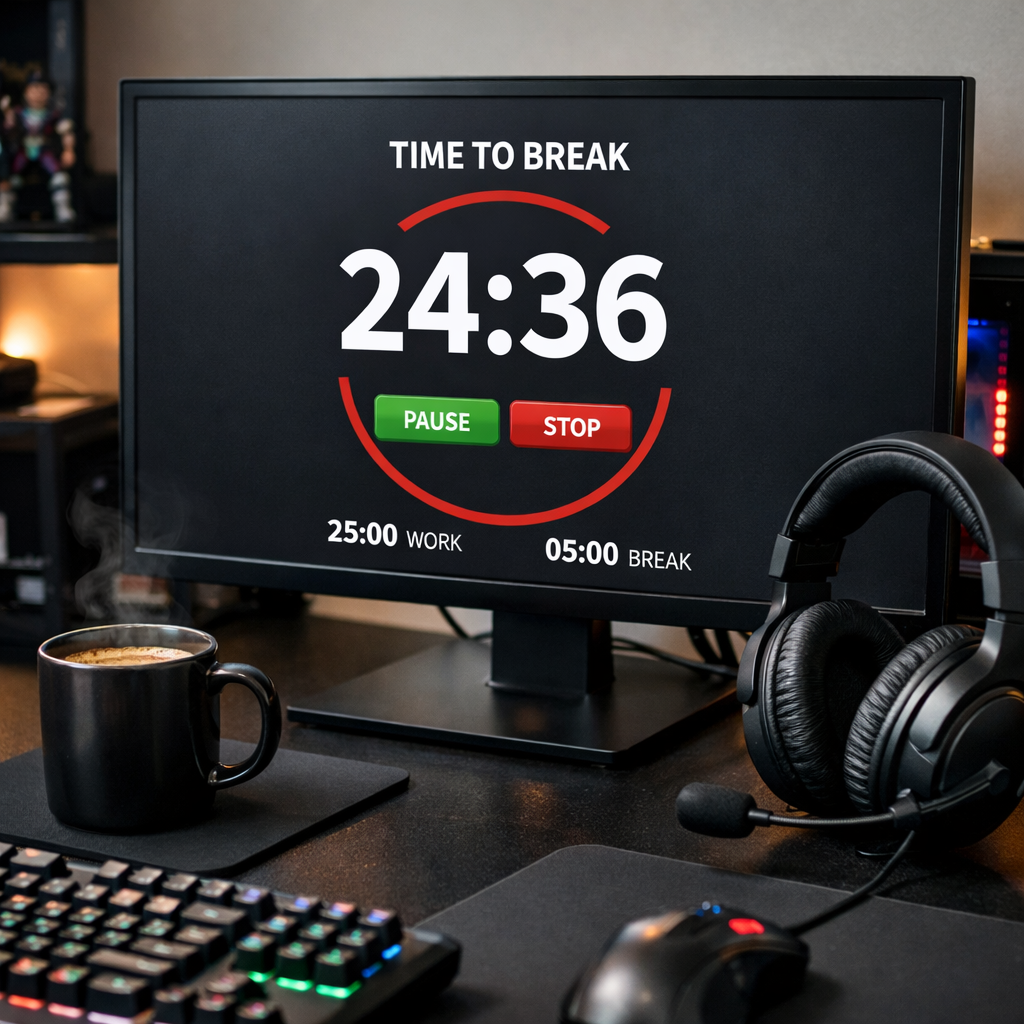
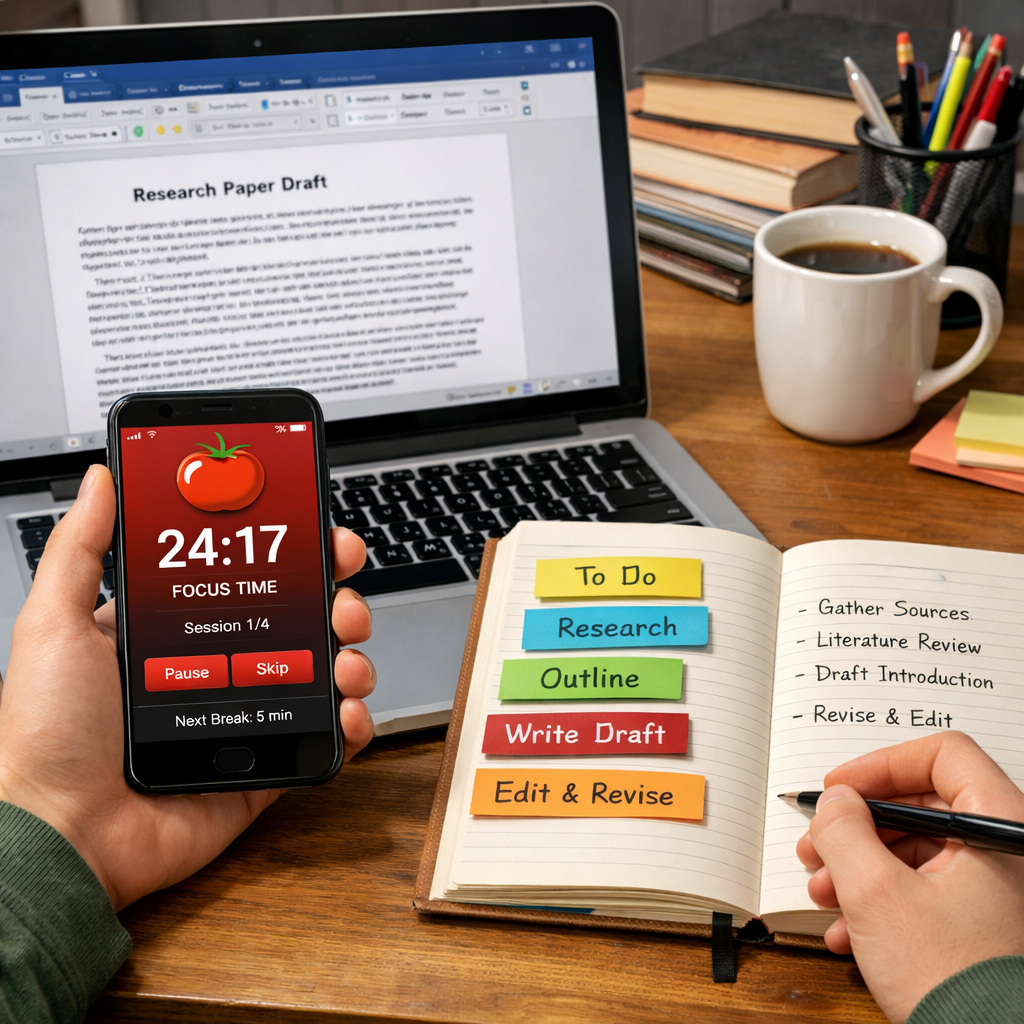
Think of focus like a muscle. The more you work it, the stronger it gets. Techniques that use time can really help build that mental stamina. The Pomodoro Technique is a classic for a reason. You work in focused bursts, say 25 minutes, then take a short break. After a few of these, you take a longer break. It breaks down big tasks into manageable chunks and trains your brain to concentrate for set periods.
- Start small: Begin with 15-20 minute focus sessions if 25 feels too long.
- Be strict with breaks: Use your breaks to actually step away, stretch, or grab some water. Don’t just switch to checking email.
- Adjust the timing: If 25/5 minutes doesn’t work, try 45/15 or whatever feels right for you.
Weekly Reflection on Focus Habits
It’s easy to get caught up in the day-to-day and forget to check in with yourself. Setting aside time each week, maybe on a Friday afternoon, to look back at how your focus went can be super helpful. What worked well? What threw you off track? Were those digital notifications really necessary, or could they have waited?
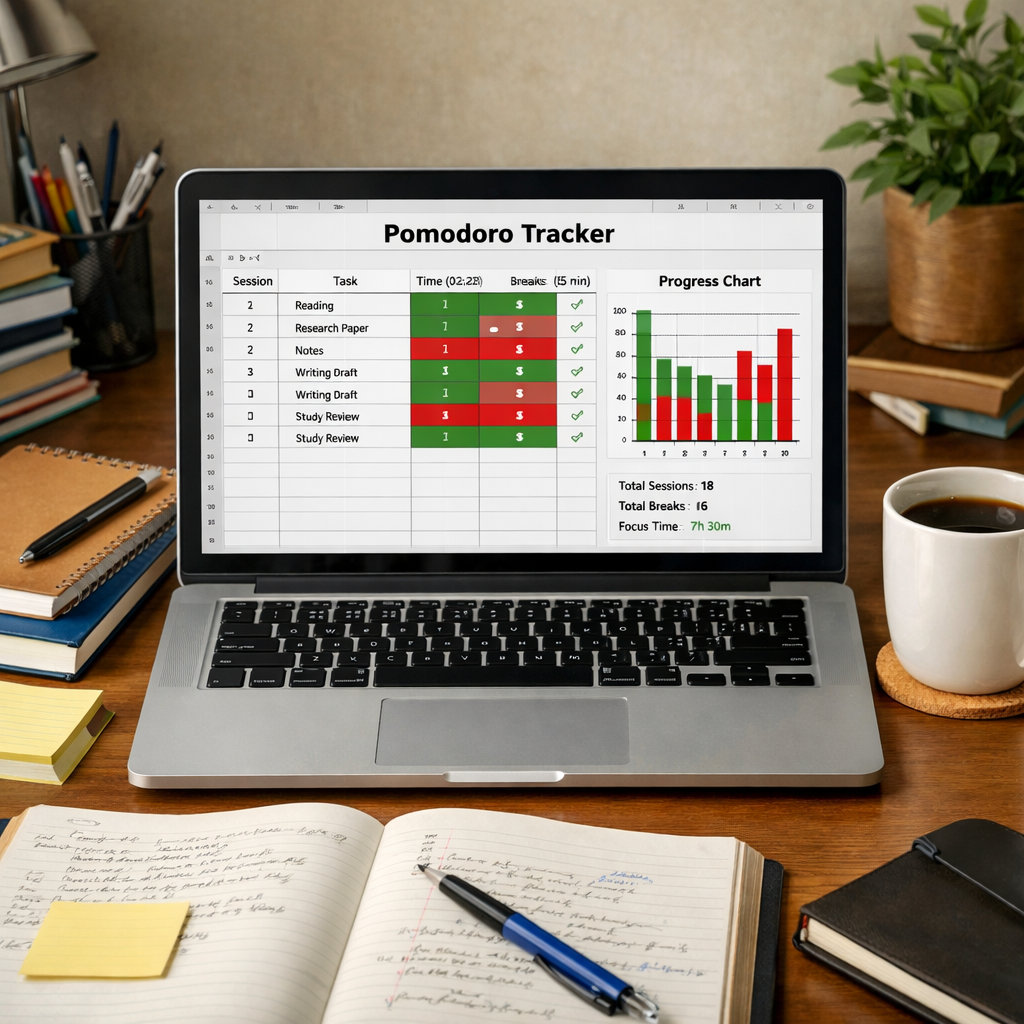
Taking just 15 minutes to review your week can reveal patterns you’d otherwise miss. It’s about understanding your personal focus landscape and making small, consistent adjustments.
Designing Your Workspace for Concentration
Your physical space plays a bigger role than you might think. Is your desk cluttered? Are there constant distractions from people walking by? Making a few changes can make a big difference. Even small things, like having a dedicated spot for your work and keeping it tidy, can signal to your brain that it’s time to concentrate.
Here’s a quick checklist:
- Clear the clutter: A tidy desk often leads to a tidier mind.
- Minimize visual distractions: Face a wall if a busy view pulls your attention.
- Manage auditory distractions: Use noise-canceling headphones if needed.
- Have essentials within reach: Keep water, pens, and anything else you need close by to avoid getting up.
These simple rituals and reflective practices are not about adding more to your plate; they’re about creating a more intentional way of working that respects your brain’s need for focus.
Keep the Focus Train Rolling
So, we’ve talked a lot about how jumping between tasks, or context switching, really messes with your day. It’s like trying to read a book while someone keeps tapping you on the shoulder – you just can’t get into it. But the good news is, it doesn’t have to be this way. By putting some of these ideas into practice, like blocking out time for real work and turning off those noisy notifications, you can start to get more done. It takes a little effort at first, sure, but imagine actually finishing what you start and feeling less frazzled at the end of the day. That’s totally achievable. Just pick one or two things to try this week and see how it goes. You’ve got this.
Frequently Asked Questions
What exactly is context switching and why is it bad?
Context switching is like your brain trying to do a bunch of different things at once, jumping from one task to another really fast. Imagine trying to read a book, then suddenly checking your phone, then going back to the book. It makes it hard to focus and takes a lot more time because your brain has to re-learn where it was. This constant switching slows you down and makes you feel tired.
How can I stop getting interrupted all the time?
Lots of interruptions come from things like phone notifications or emails. You can help yourself by turning off alerts you don’t really need. Also, try to set specific times for checking emails or messages instead of doing it whenever they pop up. Letting people know when you’re busy can also help them avoid bothering you.
What is ‘task batching’ and how does it help?
Task batching means doing similar jobs all at the same time. For example, you could answer all your emails in one go, then do all your writing in another block of time. This way, your brain stays in the same ‘mode’ for longer, so you don’t waste energy switching between different kinds of thinking. It makes you more efficient.
How does ‘time-blocking’ work for focus?
Time-blocking is like making appointments with yourself for specific tasks on your calendar. Instead of just having a to-do list, you actually schedule blocks of time for deep work, just like you would for a meeting. This helps make sure you dedicate enough time to important tasks and prevents them from getting pushed aside.
What’s the best way to organize my digital stuff to focus better?
Think about ‘digital minimalism’ – get rid of apps and notifications you don’t really use. Use ‘focus modes’ on your phone or computer that block distracting things during work time. Also, try to keep your computer desktop clean and organized so you’re not tempted by clutter.
How often should I think about my focus habits?
It’s a good idea to take a little time each week to look back at what helped you focus and what made it harder. Did certain interruptions cause problems? Did a specific strategy work really well? Thinking about this regularly helps you get better at managing your focus over time.