Ever feel like your to-do list is a mile long and you’re just staring at it, not sure where to start? Yeah, me too. It’s easy to get overwhelmed, especially with design work that can be pretty complex. But what if I told you there’s a simple way to break it all down and actually get things done? We’re talking about the design Pomodoro technique. It’s not some fancy new method, but it’s super effective for keeping your focus sharp and avoiding that drained feeling. Let’s explore how this little trick can change your workday.
Key Takeaways
- The design Pomodoro technique breaks work into focused intervals, usually 25 minutes, followed by short breaks. This helps manage attention spans, which naturally work best in bursts.
- Implementing the design Pomodoro involves picking a specific design task, setting a timer, working without distractions, and then taking a planned break.
- Breaks are important. Short breaks help you reset, while longer breaks after a few sessions prevent burnout and keep your energy up for sustained focus.
- You can adjust the design Pomodoro timing based on how complex your design tasks are. Longer sessions might work for deep thinking, while shorter ones are good for quick jobs.
- Don’t be afraid to tweak the design Pomodoro method to fit your personal workflow. Start small if needed and commit to a trial period to see how it works for you.
Understanding The Design Pomodoro Technique
The Core Principles of Pomodoro
The Design Pomodoro Technique is a straightforward yet powerful approach to managing your time and attention. At its heart, it’s about breaking down your work into focused intervals, traditionally 25 minutes long, separated by short breaks. This method, developed by Francesco Cirillo, isn’t just about working harder; it’s about working smarter by aligning with how our brains naturally function. The idea is simple: dedicate a set amount of time to a single task, free from interruptions, and then give your brain a chance to rest and reset.
- Focused Work Intervals: These are dedicated blocks of time where you concentrate solely on one design task.
- Short Breaks: After each interval, you take a brief pause to step away and recharge.
- Longer Breaks: After a set number of intervals (usually four), you take a more extended break to fully recover.
- Task Management: Before starting, you identify and commit to a specific task for each interval.
This structured approach helps combat the constant barrage of distractions that designers often face, making it easier to get into a flow state.
Why Focus Works Best in Bursts
Let’s face it, trying to concentrate on complex design problems for hours on end is a recipe for burnout and diminishing returns. Our brains aren’t built for sustained, high-level focus over long periods. Instead, research suggests our attention naturally operates in cycles, peaking and troughing. These natural rhythms, sometimes called ultradian rhythms, mean we’re most effective when we work in focused bursts. Trying to force continuous concentration often leads to mental fatigue, increased errors, and a general feeling of being overwhelmed. The Pomodoro Technique taps into this natural tendency, working with our brain’s cycles rather than against them.
The Science Behind Short Intervals
The effectiveness of the Pomodoro Technique is grounded in cognitive science. Studies on attention span show that our ability to concentrate intensely is limited. Typically, peak focus lasts for about 25 to 30 minutes before it starts to wane. During these short periods, our brains are more adept at processing information, solving problems, and being creative. The short breaks are just as important as the work intervals. They allow our minds to rest, consolidate information, and prevent cognitive overload. This cycle of intense focus followed by rest helps maintain a higher level of productivity and work quality throughout the day, reducing the likelihood of errors and creative blocks.
| Interval Type | Duration | Purpose |
|---|---|---|
| Focused Work | 25 Minutes | Deep concentration on a single task |
| Short Break | 5 Minutes | Mental reset, light activity, step away |
| Long Break (after 4 intervals) | 15-30 Minutes | Significant recovery, recharge cognitive resources |
Implementing The Design Pomodoro Method
Alright, so you’ve heard about this Pomodoro thing and how it might help you get more done. But how do you actually start using it, especially when you’re knee-deep in design work? It’s not as complicated as it sounds. The key is to break it down into manageable steps.
Choosing Your Design Task
First things first, you need to pick what you’re going to focus on. This sounds obvious, but it’s important. Don’t try to tackle your entire project in one go. Instead, pick a specific, well-defined task. This could be anything from sketching out a few initial ideas for a new feature, refining the spacing on a specific screen, writing user flow documentation, or even doing some quick competitor research. The more specific you are, the easier it will be to dive in and stay focused.
- Sketching initial concepts for a new app feature.
- Adjusting typography and line heights on a landing page.
- Mapping out a user journey for a checkout process.
- Gathering inspiration for a mood board.
Setting Up Your Focus Timer
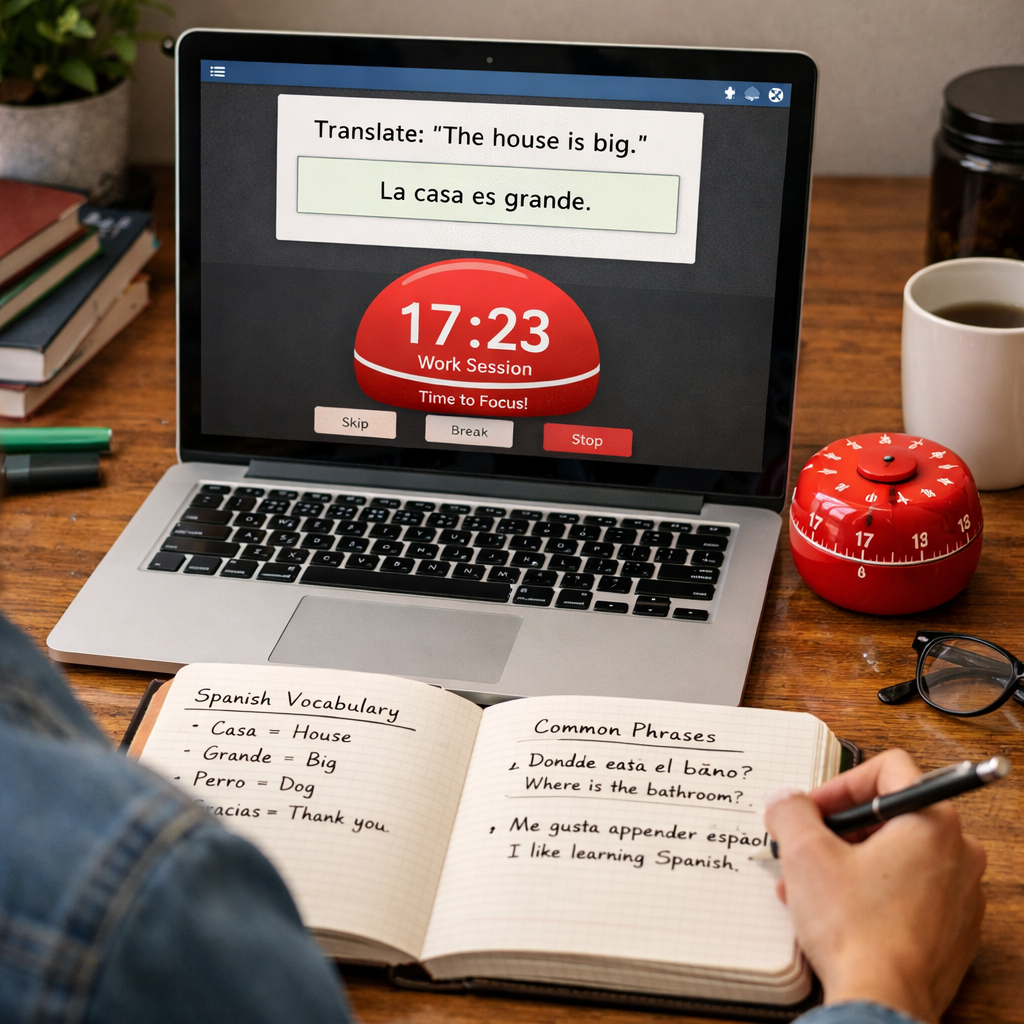
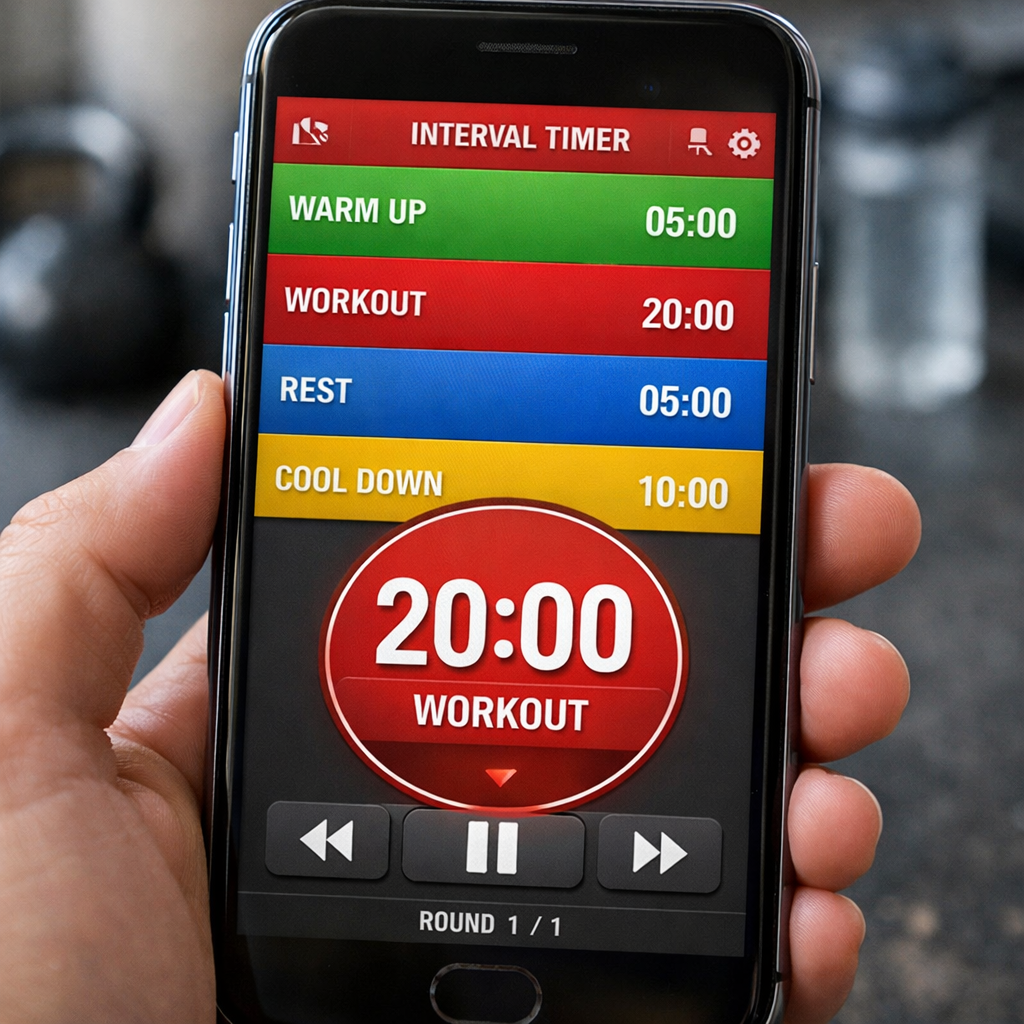
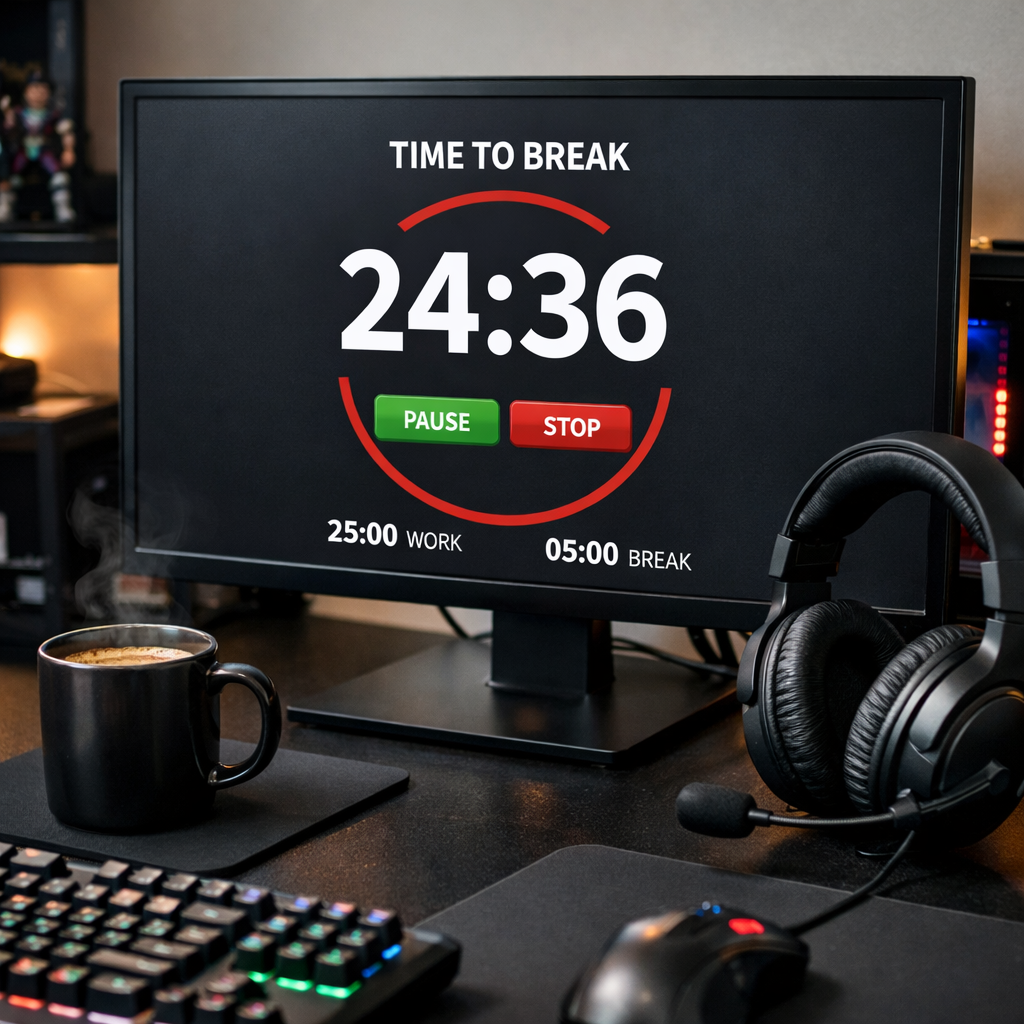
Once you know what you’re working on, it’s time to set your timer. The classic Pomodoro is 25 minutes of work followed by a 5-minute break. You can use your phone, a dedicated app, or even a simple kitchen timer. The goal here is to create a clear boundary for your focused work session. When that timer is ticking, it’s go-time. No distractions allowed.
The timer isn’t just a countdown; it’s a commitment. It signals to your brain that it’s time to concentrate and to the rest of the world that you’re in the zone.
Working Through Design Challenges
During your 25-minute work interval, give it your all. Immerse yourself in the task. If a random idea pops into your head, or you remember something else you need to do, don’t act on it immediately. Keep a notepad or a digital scratchpad nearby and jot it down quickly. This way, you capture the thought without breaking your flow. Once the timer rings, you get a short break to reset before starting the next cycle. This structured approach helps you manage your energy and attention, making those tough design problems feel a lot less daunting.
Maximizing Your Design Pomodoro Sessions
So, you’ve got the hang of the basic Pomodoro setup – 25 minutes of work, 5 minutes of break. That’s a solid start. But how do you really squeeze the most juice out of these focused bursts, especially when you’re deep in design work? It’s all about being smart with your breaks and handling those inevitable interruptions.
The Importance of Short Breaks
Those 5-minute breaks between your design sprints aren’t just filler; they’re actually pretty important. Think of them as mini-recharge stations for your brain. You’ve just spent 25 minutes really concentrating, maybe wrestling with a tricky layout or refining a user flow. Your mind needs a moment to just… stop. Don’t use this time to check emails or scroll through social media, because that just keeps your brain in work mode. Instead, try to step away from your screen. Get up, stretch your legs, grab a glass of water, or just stare out the window for a bit. This quick mental reset helps prevent burnout and keeps your focus sharp for the next work interval. It’s a simple habit, but it makes a big difference in how long you can stay productive.
Leveraging Longer Breaks for Recovery
After you’ve powered through four Pomodoros, you get a longer break, usually 15 to 30 minutes. This isn’t just a slightly longer version of your short break; it’s for real recovery. Use this time to properly disconnect. Maybe go for a short walk outside, listen to a song, or do a quick meditation. This longer pause is where your brain can really process things and recover its energy. It’s like letting your computer restart after a long day. This extended downtime is key to maintaining high-quality creative output over the long haul, preventing that mid-afternoon slump that can derail your entire day. It helps you come back to your design tasks feeling refreshed and ready to tackle whatever comes next.
Handling Distractions During Focus Time
Distractions are the bane of any focused work, and design is no exception. When that urgent-but-not-really email pops up, or a colleague stops by with a quick question, it can totally break your flow. The trick is to have a plan. Keep a notepad or a digital scratchpad right next to you. If a thought or a task pops into your head that isn’t related to your current Pomodoro, jot it down quickly. This way, you acknowledge it without letting it derail your focus. You can deal with it during your break or after your Pomodoro session. For bigger distractions, like unexpected meetings, you might need to pause your timer and restart later, or even abandon the Pomodoro for that session. It’s about being flexible and not letting interruptions completely derail your productivity efforts.
The goal isn’t to achieve perfect, uninterrupted focus every single time. It’s about building a system that helps you manage your attention and energy effectively, making the most of the time you have dedicated to deep work.
Tailoring Pomodoro For Design Workflows
So, the standard 25-minute Pomodoro is a great starting point, but let’s be real, design work isn’t always a one-size-fits-all situation. Sometimes you’re deep in wireframing, and other times you’re just tweaking a button color. This is where adapting the technique really shines.
Adapting Intervals for Task Complexity
Not all design tasks demand the same level of brainpower. A complex user research analysis might need longer, more focused sprints, while a quick UI element adjustment could be done in shorter bursts. Think about the cognitive load involved.
- High Cognitive Load Tasks: (e.g., Usability testing analysis, complex user flow mapping, initial concept sketching) – Consider longer Pomodoros, maybe 40-50 minutes, with slightly longer breaks. This gives you room to really get into the thick of it without constant interruption.
- Medium Cognitive Load Tasks: (e.g., Wireframing, creating mockups, content strategy) – The classic 25-minute Pomodoro often works well here. It keeps you moving without feeling overwhelmed.
- Low Cognitive Load Tasks: (e.g., Icon refinement, adjusting spacing, applying brand colors, organizing files) – Shorter Pomodoros, perhaps 15-20 minutes, can be super effective. They prevent you from getting bored and help you tick off those smaller, but still important, items.
Nested Pomodoros for Deep Work
For those really big, meaty design projects that require serious concentration – think developing a whole new design system or tackling a major UX overhaul – the idea of nested Pomodoros can be a lifesaver. This is basically using a series of Pomodoros within a larger block of time dedicated to one specific, complex task. You might set up four 25-minute Pomodoros for a single design sprint, each followed by its short break, and then take a longer break after that block. It breaks down a daunting task into manageable chunks, making it feel less overwhelming and more achievable.
The key is to experiment. What feels like a marathon for one person might be a sprint for another. Pay attention to your own energy levels and the nature of the design work itself. Don’t be afraid to adjust the timings until you find what truly clicks for your personal workflow.
Fine-Tuning for UX and UI Tasks
When you’re in the weeds with UX or UI, the details matter. For UX designers, tasks like user interviews or journey mapping might benefit from longer, uninterrupted focus periods. UI designers, on the other hand, might find that shorter, more frequent Pomodoros work better for iterative visual tweaks and pixel-perfect adjustments. The goal is to match the Pomodoro structure to the specific demands of your design discipline and the project at hand. It’s about making the technique serve your creative process, not the other way around.
Tools and Environment for Design Pomodoro
Alright, so you’re ready to give the Design Pomodoro a real shot. That’s awesome! But before you dive in, let’s talk about setting yourself up for success. It’s not just about the timer; it’s about creating a space and using the right gear to help you actually do the work.
Selecting the Right Pomodoro Timer Apps
First off, the timer. You’ve got options, and honestly, the best one is the one you’ll actually use. Some people like the simplicity of a basic kitchen timer – no notifications, just a ticking clock. Others prefer digital. There are tons of apps out there. Many are free and do exactly what you need: a countdown for your work interval and a notification when it’s time for a break. Some even let you customize the lengths, which is handy if you find 25 minutes too short or too long.
Here are a few things to look for:
- Customizable Intervals: Can you change the work and break times?
- Task Tracking: Does it let you log what you worked on during each Pomodoro?
- Sound Options: Do you prefer a gentle chime or a more insistent alarm?
- Minimalist Interface: Does it feel distracting or calming to look at?
Some apps go a step further, offering features like blocking distracting websites or providing reports on your productivity. It’s worth trying a couple to see what clicks with your workflow.
Optimizing Your Creative Workspace
Your environment plays a bigger role than you might think. Think about your desk. Is it a chaotic mess, or is it a calm zone ready for deep work? A cluttered space can lead to a cluttered mind, and that’s the opposite of what we want during a focus session.
- Clear the Clutter: Seriously, take five minutes to tidy up. Put away things you don’t need for the task at hand.
- Ergonomics Matter: Make sure your chair is comfy and your screen is at a good height. You don’t want physical discomfort pulling you out of your zone.
- Minimize Visual Distractions: Face a wall if your window looks out onto a busy street. Turn your phone screen down.
- Consider Ambient Sound: Some people need total silence. Others do better with background noise. Experiment with instrumental music, white noise, or even just the hum of a fan.
Creating a dedicated space, even if it’s just a corner of a room, signals to your brain that it’s time to focus. It’s about building a ritual around your work.
Utilizing Focus-Enhancing Tools
Beyond the timer and your workspace, there are other gadgets and software that can help keep distractions at bay. Noise-canceling headphones are a lifesaver if you’re in a noisy environment. They create a personal bubble of quiet. If music helps you focus, great, but if it pulls your attention, try ambient sounds or white noise generators. Browser extensions that block distracting websites (like social media or news sites) can be incredibly effective. You set them up to block certain sites for a set period, and poof – temptation gone. Some people even use virtual co-working platforms where you connect with another person online, and you both work in silence, holding each other accountable. It sounds a bit odd, but it can be surprisingly motivating.
Overcoming Resistance to The Design Pomodoro
Look, getting started with anything new can feel a bit weird, right? The Design Pomodoro Technique is no different. Our brains are kind of wired to jump around, so asking them to sit still and focus for 25 minutes might feel like a chore at first. You might find yourself thinking, "This isn’t working," or "I can’t do this." That’s totally normal. The key is not to give up when it feels a little clunky.
Starting with Shorter Intervals
If the standard 25-minute work block feels like too much, don’t force it. Seriously, nobody’s going to judge you. Think of it like training for a marathon; you don’t start by running 26 miles. You build up to it. For design tasks, maybe 15 minutes of focused work feels more doable. Or even 10 minutes if that’s all you can manage right now. The goal is to get your brain used to the idea of focused bursts, not to hit some arbitrary number right away. You can gradually increase the time as you get more comfortable.
Here’s a simple way to ease in:
- Day 1-3: Try 10-minute focus sessions with 2-minute breaks.
- Day 4-6: Bump it up to 15-minute focus sessions with 3-minute breaks.
- Day 7+: Aim for 20-25 minute sessions with 5-minute breaks.
Committing to a Trial Period
It’s easy to try something for a day or two, decide it’s not for you, and go back to the old ways. But that’s not really giving it a fair shot, is it? Think about it: if you were trying a new design tool, you wouldn’t just play with it for an hour and then declare it useless. You’d spend some time really digging in. The same applies here. Give the Design Pomodoro Technique a solid week. Just commit to trying it out for seven days, no matter what. See how it feels after a full work week. You might be surprised at how your perspective shifts.
Adjusting the Technique to Your Flow
This isn’t a rigid set of rules carved in stone. It’s a tool, and like any tool, you need to make it fit your hand. If you find that 25 minutes is just too short for certain design tasks, like deep wireframing or complex user flow mapping, that’s okay. Maybe you need longer focus blocks. Some designers find that 45 or even 50 minutes works better for them, followed by a slightly longer break. The important thing is to pay attention to what’s happening in your head and adjust accordingly. Don’t be afraid to experiment with different timings until you find what makes your design work feel less like a struggle and more like a flow.
The resistance you feel at the start is often just your brain’s way of saying it’s being asked to do something different. It’s not a sign that the technique won’t work for you, but rather that it’s actually challenging your usual habits, which is exactly what you want.
Tracking Progress and Refining Your Design Pomodoro
So, you’ve been using the Design Pomodoro technique, which is great. But how do you know if it’s actually working for you? It’s not enough to just do the cycles; you need to see how they’re impacting your work. Tracking your progress is key to making sure you’re getting the most out of this method and not just going through the motions. It helps you see what’s working and what might need a little tweak.
Measuring Your Productivity Gains
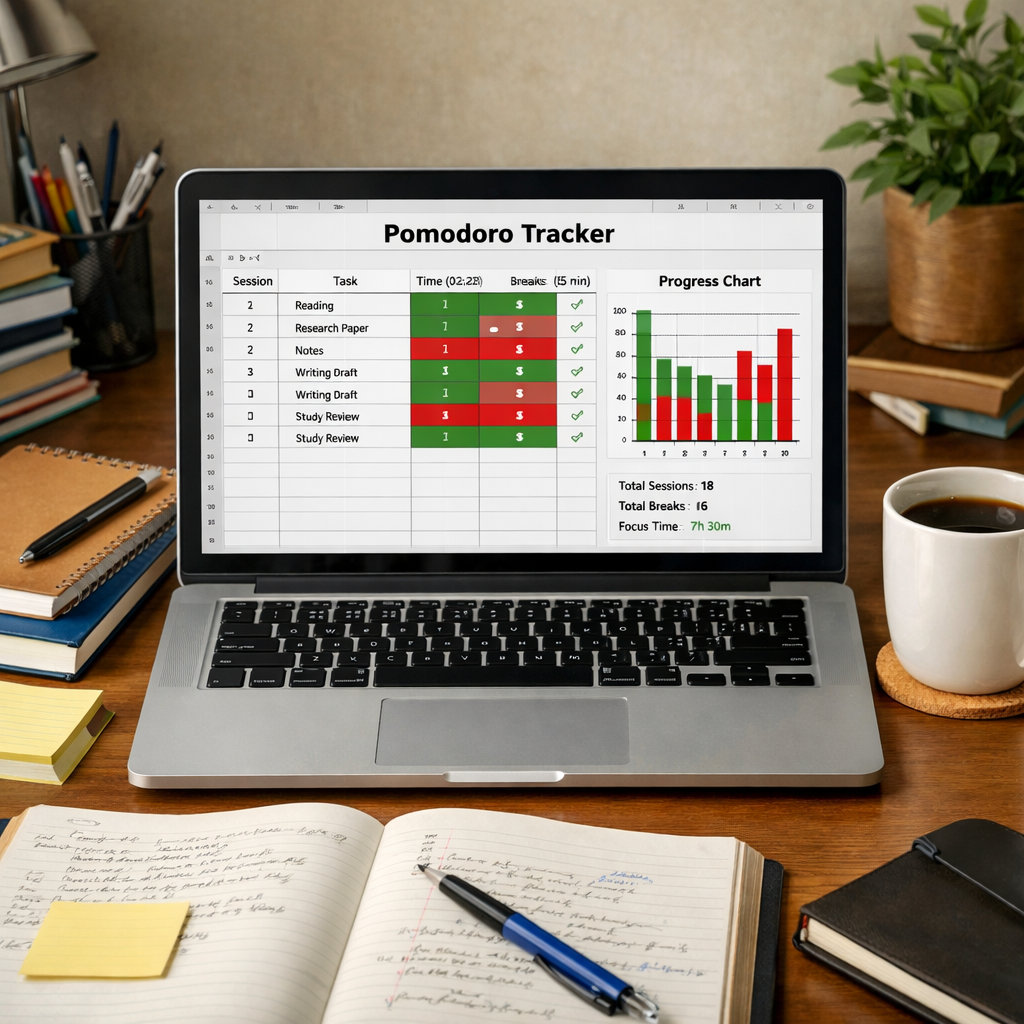
Let’s talk about how to actually see if your productivity is going up. It’s not always about how many tasks you finish, but also about the quality and how you feel about your work. You can keep a simple log, maybe in a notebook or a spreadsheet. Note down the tasks you worked on, how many Pomodoros they took, and any notes about your focus or energy levels.
Here’s a basic way to track it:
| Date | Task Description | Pomodoros Used | Completion Status | Notes on Focus/Energy |
|---|---|---|---|---|
| 2026-03-05 | Wireframing Homepage | 3 | Completed | Felt very focused |
| 2026-03-05 | Iconography Refinement | 2 | Completed | Energy dipped slightly |
| 2026-03-05 | Client Email Response | 1 | Completed | Quick and easy |
This kind of data gives you a real look at your output. You can start to see patterns, like which types of tasks take longer or when your focus is strongest. It’s about getting a clear picture, not just guessing.
Analyzing Session Data for Improvement
Once you’ve been tracking for a bit, it’s time to look at that data. What does it tell you? Maybe you notice that certain tasks consistently take more Pomodoros than you initially thought. Or perhaps you find that your focus really starts to wane after the third Pomodoro, suggesting you might need to adjust your break schedule. This is where the refinement happens. You’re not just blindly following the Pomodoro Technique anymore; you’re making it work for your specific design workflow.
Consider these points when you review:
- Task Complexity vs. Time: Are your estimates for how long tasks will take accurate? If not, why?
- Focus Peaks and Valleys: When are you most productive? When do you tend to get distracted?
- Break Effectiveness: Are your short breaks actually refreshing, or do you find yourself thinking about work?
- Distraction Patterns: What kinds of things pull you away from your work most often?
Looking at this information helps you make smart adjustments. It’s like fine-tuning an instrument; you make small changes until it sounds just right. For designers, this means making the Pomodoro technique fit your creative process, not the other way around.
Celebrating Milestones and Momentum
Don’t forget to acknowledge your wins! When you hit a goal, finish a tough project, or simply have a week where your tracked productivity shows a clear upward trend, take a moment to celebrate. This could be anything from treating yourself to a nice coffee to sharing your success with a colleague. Building momentum is important, and recognizing your progress helps keep you motivated. It reinforces the positive habits you’re building and makes sticking with the Design Pomodoro technique feel rewarding. Keep this up, and you’ll find your design work becoming more efficient and enjoyable over time. Remember, consistency is key, and seeing your progress is a great way to stay on track. You can find helpful apps that assist with tracking your sessions and provide analytics on your productivity trends.
Wrapping Up Your Pomodoro Practice
So, that’s the Pomodoro Technique in a nutshell. It’s not some magic bullet, but it’s a pretty solid way to get more done without feeling totally drained. Think of it as giving your brain little breaks to catch up, which actually helps you focus better when it’s time to work. You can tweak the times, use different apps, or just a simple kitchen timer – whatever works for you. The main thing is to just give it a shot and see how it fits into your day. You might be surprised at how much you can accomplish when you break things down and take those short rests. Give it a go, and happy working!
Frequently Asked Questions
What exactly is the Pomodoro Technique?
Think of it like this: you work really hard on one thing for a short time, like 25 minutes, and then you get a quick break, usually 5 minutes. It’s like a little tomato timer (that’s what ‘pomodoro’ means in Italian!) helping you focus. After a few of these work-and-break cycles, you take a longer break.
Why does working in short bursts help?
Our brains aren’t built to focus for hours straight. They get tired! Working in short, focused bursts, like 25 minutes, is like giving your brain short sprints. It helps you stay sharp and avoid getting bored or overwhelmed. Then, the short breaks let your brain rest up so it’s ready for the next sprint.
How can I start using this for my design work?
First, pick one design task you want to do. Then, set a timer for 25 minutes and focus only on that task. No checking your phone or emails! When the timer goes off, take your 5-minute break. You can do this for sketching, coding, or any design job.
What if I get distracted during my 25 minutes?
That happens! If a thought pops into your head, like ‘I need to email that person!’ or ‘I should check that website,’ quickly write it down on a piece of paper. Then, forget about it until your break or after your work session. This keeps you from losing your focus.
Can I change the times if 25 minutes is too long or too short?
Absolutely! The 25-minute work and 5-minute break is just a suggestion. If 25 minutes feels like too much, try 15 minutes. If you have a big task and feel you can focus for longer, maybe try 40 or 50 minutes. The main idea is to work with focus and then take a real break.
What should I do during my short breaks?
The best thing is to step away from your work! Get up, stretch your legs, grab a drink of water, or just look out the window. Avoid checking social media or emails, as that can pull you back into work mode. The goal is to give your brain a real rest so you can come back refreshed.