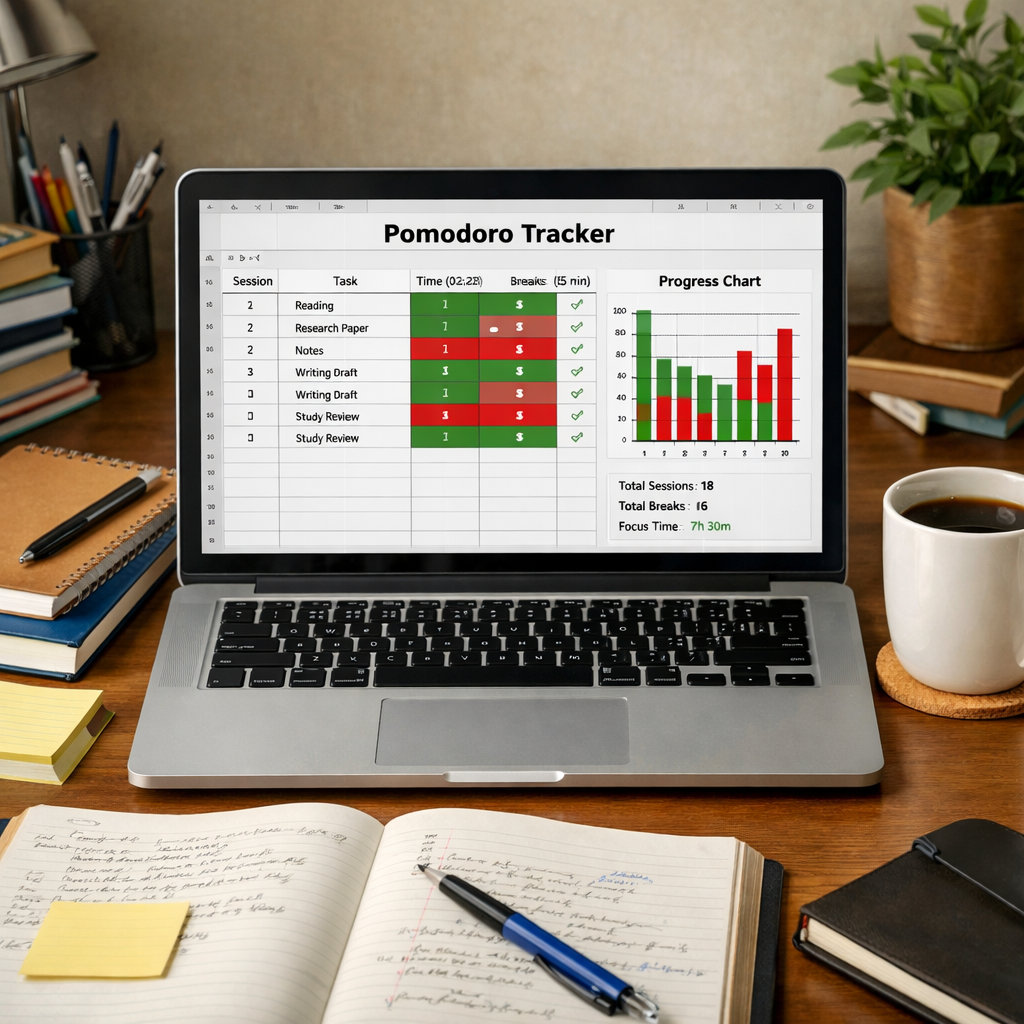

Running a business as a CEO means you’re probably wearing a lot of hats. It’s easy to get caught up in the day-to-day, feeling busy but not actually moving the needle on what matters. This guide is all about time blocking for CEOs, a way to get a handle on your schedule so you can focus on the big picture and actually get things done without feeling completely drained. We’ll look at how to make it work for you, not against you.
Key Takeaways
- Time blocking isn’t about being busy; it’s about being effective by scheduling specific tasks into your day.
- CEOs often struggle with productivity due to myths like ‘busyness equals productivity’ and the idea that multitasking is always good.
- To implement time blocking, identify your most important tasks and set aside dedicated, uninterrupted periods for them.
- A custom productivity plan is needed, addressing individual roadblocks like wearing too many hats or failing to prioritize.
- Using tools like digital calendars and building consistent habits are key to making time blocking a lasting success.
Understanding the Core of Time Blocking for CEOs
Debunking Productivity Myths That Hinder Progress
Lots of advice out there about getting more done just doesn’t fit the reality of running a business. We often hear that being busy means being productive, but that’s usually not true. Spending all day in meetings or answering emails might feel like you’re working hard, but it doesn’t always move the business forward. True productivity comes from focusing on the tasks that actually make a difference. It’s easy to get caught up in the day-to-day hustle, but that can stop you from working on the bigger picture stuff that grows your company.
Here are a few common myths that get in the way:
- Myth 1: Busyness equals productivity. Just because your calendar is full doesn’t mean you’re achieving your goals. It often means you’re just reacting to things.
- Myth 2: Multitasking is efficient. Trying to do several things at once usually means nothing gets done well. Your focus gets split, and mistakes happen.
- Myth 3: You need to be available 24/7. Always being on call leads to burnout and makes it hard to think clearly. Setting boundaries is important.
The real goal isn’t to do more things, but to do the right things. Focusing your energy on high-impact activities is what truly drives success.
Identifying Internal and External Productivity Roadblocks
Sometimes, the reasons we struggle to be productive aren’t obvious. They can come from inside us or from the world around us. Understanding these roadblocks is the first step to clearing them out.
Internal Roadblocks: These are things like procrastination, perfectionism, or the feeling that you always have to be available. Maybe you spend too much time second-guessing your decisions, or you get stuck trying to make a task absolutely perfect when ‘good enough’ would actually be fine. These habits can quietly steal hours from your day.
External Roadblocks: These are things outside your direct control. Think about outdated software that makes simple tasks take forever, or a team structure where you’re still handling minor administrative work instead of focusing on strategy. If you can’t delegate tasks because your team isn’t set up for it, that’s an external issue that impacts your time.
It’s also common for these two types of problems to feed each other. For example, you might not delegate (external) because you have a tendency to micromanage (internal). Fixing one can often help with the other.
The Necessity of a Custom Productivity Plan
There’s no single productivity system that works for everyone, especially for CEOs. Your role is unique, and your plan needs to fit your specific needs and goals. Trying to force a generic plan onto your busy schedule is like trying to wear shoes that don’t fit – it’s uncomfortable and doesn’t work well.
Here’s how to start building a plan that actually works for you:
- Track Your Time: For a week, honestly record where your hours go. You might be surprised how much time is spent in meetings or on tasks that don’t contribute much.
- Set Clear Priorities: Figure out what activities are most important for growing your business. If a task doesn’t help you reach your main goals, it’s probably not worth your time.
- Automate What You Can: Look for repetitive tasks like sending invoices or scheduling appointments. Tools can handle these, freeing you up for more important work.
Creating this kind of personalized plan helps you focus your energy where it matters most, leading to better results without the constant feeling of being overwhelmed.
Implementing Effective Time Blocking Strategies

So, you’ve got the idea of time blocking, but how do you actually make it work for you? It’s not just about drawing lines on a calendar; it’s about being smart with how you use those blocks. The real magic happens when you align your blocks with your priorities and energy levels.
Prioritizing Tasks with Dedicated Focus Blocks
Think of your most important tasks like precious gems. You wouldn’t just toss them in a drawer, right? You’d give them a special spot. That’s what focus blocks are for. Instead of a vague to-do list, you’re carving out specific chunks of time for your high-priority items. This means looking at your week and saying, ‘Okay, this is when I’m going to tackle that big strategic plan,’ or ‘This is my dedicated hour for reviewing financials.’ It forces you to confront what truly matters and allocate the mental energy it deserves. It’s about being intentional, not just busy.
Allocating Uninterrupted Periods for Deep Work
CEOs often have a million things pulling at them. Emails ping, people drop by, urgent requests pop up. Deep work, the kind that requires serious concentration and problem-solving, gets steamrolled by this constant noise. Time blocking helps you fight back. You need to actively schedule blocks of time where you are completely unavailable. This might mean turning off notifications, closing your door, and letting your assistant know you’re in a ‘no-interruptions zone.’ Even 90 minutes of focused, uninterrupted time can be more productive than three hours of being constantly pulled in different directions. It’s about creating a sanctuary for your most demanding cognitive tasks. You can find some great CEO time management strategies that emphasize this.
Leveraging Similar Task Grouping for Efficiency
Ever notice how switching between different types of tasks feels like a mental gear shift? It takes time and energy to re-orient yourself. That’s where grouping similar tasks comes in handy. Instead of scattering them throughout the week, try to batch them together. For example, dedicate a block of time for all your calls and meetings. Another block could be for responding to emails and administrative tasks. This reduces context switching and allows you to get into a rhythm. It’s like an assembly line for your brain – once you’re in the mode for one type of work, you keep going.
Here’s a quick look at how you might group tasks:
- Communication Blocks: All calls, video conferences, and responding to urgent messages.
- Strategic Thinking Blocks: Planning, brainstorming, long-term goal setting.
- Administrative Blocks: Email processing, reviewing reports, expense approvals.
- Learning & Development Blocks: Reading industry news, online courses, skill-building.
The key here is to be realistic about how long these tasks actually take and to build in a little buffer time. Don’t overschedule yourself into a corner. Flexibility is still important, even with a structured plan.
Optimizing Your Schedule with Time Blocking Techniques
So, you’ve got the hang of the basics of time blocking. Now it’s time to really make it work for you, not the other way around. This isn’t just about filling up your calendar; it’s about making sure the time you do have is spent on what truly matters. Let’s talk about how to fine-tune your schedule.
Mastering Single-Tasking Over Multitasking
We all think we’re good at juggling a million things at once, right? Turns out, most of us aren’t. Trying to do too much at the same time usually means nothing gets done well. When you’re trying to lead a company, you need to be focused. Switching between emails, calls, and strategy documents constantly just fragments your attention. Instead, dedicate a block of time to one thing. Really dig into it. You’ll find you get more done, and the quality of your work goes way up. It feels counterintuitive at first, but single-tasking is the real productivity superpower.
Embracing Productive Rest for Sustained Performance
This might sound weird, but scheduling breaks is just as important as scheduling work. Think of it like a pit stop in a race. You don’t just keep driving until the engine seizes up. You pull over, refuel, and get back on the track faster and stronger. For CEOs, this means blocking out time for actual rest – not just scrolling through your phone, but stepping away. This could be a short walk, a few minutes of quiet reflection, or even a proper lunch break away from your desk. It prevents burnout and keeps your mind sharp for the tough decisions.
Here’s a simple way to think about it:
- Short Breaks: 5-10 minutes every hour to stretch or walk around.
- Mid-day Reset: 30-60 minutes for lunch, ideally away from your workspace.
- End-of-Day Wind Down: A clear cutoff time to transition out of work mode.
Burnout isn’t a badge of honor; it’s a sign that your system isn’t working. Prioritizing rest isn’t lazy; it’s strategic. It allows your brain to consolidate information and come back with fresh perspectives.
The Power of Planning Your Day Intentionally
How you start your day often sets the tone for everything that follows. Instead of waking up and immediately reacting to whatever emails or messages have come in, take control. Dedicate the first block of your day to planning. This doesn’t have to take long, maybe 15-30 minutes. Look at your calendar, review your priorities, and map out your time blocks. This intentional planning helps you organize your day and ensures you’re proactively directing your energy, rather than just letting the day happen to you. It’s about being the driver, not just a passenger.
Tailoring Time Blocking to Your CEO Role

Being a CEO means you’re juggling a lot. It often feels like you’re wearing too many hats, and sometimes, it’s hard to know which one to focus on. This can lead to feeling overwhelmed and not getting the important stuff done. Time blocking can help, but it needs to fit your specific role.
Addressing the Challenge of Wearing Too Many Hats
CEOs are notorious for trying to do it all. You’re the strategist, the salesperson, the HR department, and sometimes even the IT support. This
Tools and Habits for Seamless Time Blocking
So, you’ve got the strategy down, but how do you actually make time blocking stick? It’s not just about drawing lines on a calendar; it’s about building a system that supports your focus and keeps you on track. This is where the right tools and consistent habits come into play. Think of it like equipping your team with the best gear – it makes all the difference.
Utilizing Digital Calendars for Structured Scheduling
Your digital calendar is probably the most powerful tool you already have. Forget sticky notes and scattered to-do lists. A well-organized digital calendar acts as your central command center. You can set up recurring blocks for things like "Deep Work" or "Team Syncs," and even schedule in buffer time between meetings. Many calendars allow for color-coding, which can be a visual cue for different types of activities. For instance, blue for focused work, green for meetings, and yellow for personal time. This visual separation helps you quickly see how your day is structured and where your time is actually going. It’s about making your calendar work for you, not the other way around. Setting up automatic reminders is also a simple yet effective way to keep you from drifting off task or missing a scheduled block.
Exploring Time Blocking Apps and Templates
While a standard digital calendar is great, there are specialized apps designed to take time blocking to the next level. These tools often offer more advanced features like task integration, progress tracking, and even AI-powered scheduling suggestions. Some apps are built specifically for time blocking, helping you break down your day into manageable chunks and visualize your schedule effectively. You can find a variety of time blocking applications that cater to different needs, from simple to-do list integration to complex project management. Many also offer templates that can give you a head start, providing pre-set structures you can adapt to your own workflow. Experimenting with a few different options can help you find the perfect fit for your personal style and the demands of your CEO role.
Building Sustainable Habits for Long-Term Success
Tools are only as good as the habits that support them. Time blocking isn’t a one-and-done fix; it’s a practice that requires consistent effort. Start by planning your day the evening before or first thing in the morning. This intentional planning is key. Don’t try to overschedule yourself; be realistic about what you can accomplish in each block. It’s also important to build in flexibility. Things come up, and that’s okay. The goal isn’t rigid adherence, but rather a structured approach that allows you to adapt without losing momentum.
Here are a few habits to cultivate:
- Review and Adjust Daily: Spend five minutes at the end of each day reviewing what worked and what didn’t. Adjust tomorrow’s schedule accordingly.
- Protect Your Focus Blocks: Treat your deep work sessions like important meetings. Minimize distractions by turning off notifications and letting your team know you’re unavailable.
- Schedule Downtime: Just as you block time for work, block time for rest and rejuvenation. This prevents burnout and actually makes your work blocks more effective.
The most effective time blocking systems are those that are reviewed and adapted regularly. What works today might need tweaking tomorrow. Be willing to experiment and find what truly supports your productivity and well-being.
Remember, the aim is to create a schedule that supports your goals and reduces stress, not adds to it. It’s about working smarter, not just harder, and these tools and habits are your allies in that mission.
Putting It All Together
So, we’ve talked a lot about how to get a handle on your time. It’s not about working more hours, but about making the hours you do work count. Time blocking gives you a clear picture of where your day is going and helps you focus on what really matters for your business. It might take a little practice to get it right, and that’s okay. Start small, adjust as you go, and remember that a well-managed schedule means less stress and more progress. Give it a try, and see how much more you can achieve.
Frequently Asked Questions
What exactly is time blocking?
Time blocking is like making a schedule for your day, but instead of just listing what you need to do, you actually set aside specific chunks of time for each task. Think of it like assigning a time slot for ‘checking emails,’ ‘working on the big project,’ or even ‘taking a break.’ It helps you focus on one thing at a time and get more done.
Why is time blocking good for CEOs?
CEOs often have tons of things to do, and it’s easy to get distracted or feel overwhelmed. Time blocking helps CEOs focus on the most important tasks, like growing the business or making big decisions, instead of getting lost in small, less important things. It makes sure they use their valuable time wisely.
Is it hard to start time blocking?
It can feel a little tricky at first, but it’s not too hard to get started. You can begin by just blocking out time for your top 2 or 3 tasks each day. Using a calendar app on your phone or computer makes it easy to set up these blocks. The key is to be consistent and adjust as you learn what works best for you.
What if unexpected things pop up during my blocked time?
That happens! Time blocking isn’t about being super rigid. If something urgent comes up, you can adjust your schedule. Maybe you’ll swap a less important block with the urgent task, or shorten another block. The goal is to have a plan, but also be flexible enough to handle surprises.
Can I use time blocking even if my job involves a lot of meetings?
Yes, you absolutely can! You can actually block out time for your meetings. Plus, you can schedule blocks for preparing for those meetings or for follow-up tasks afterward. It helps make sure your meetings are productive and don’t take over your whole day.
What’s the difference between time blocking and just making a to-do list?
A to-do list tells you *what* you need to do, but time blocking tells you *when* you’re going to do it. It’s like having a map versus just a list of places you want to visit. By assigning a time for each task, you’re more likely to actually do it and less likely to get sidetracked.