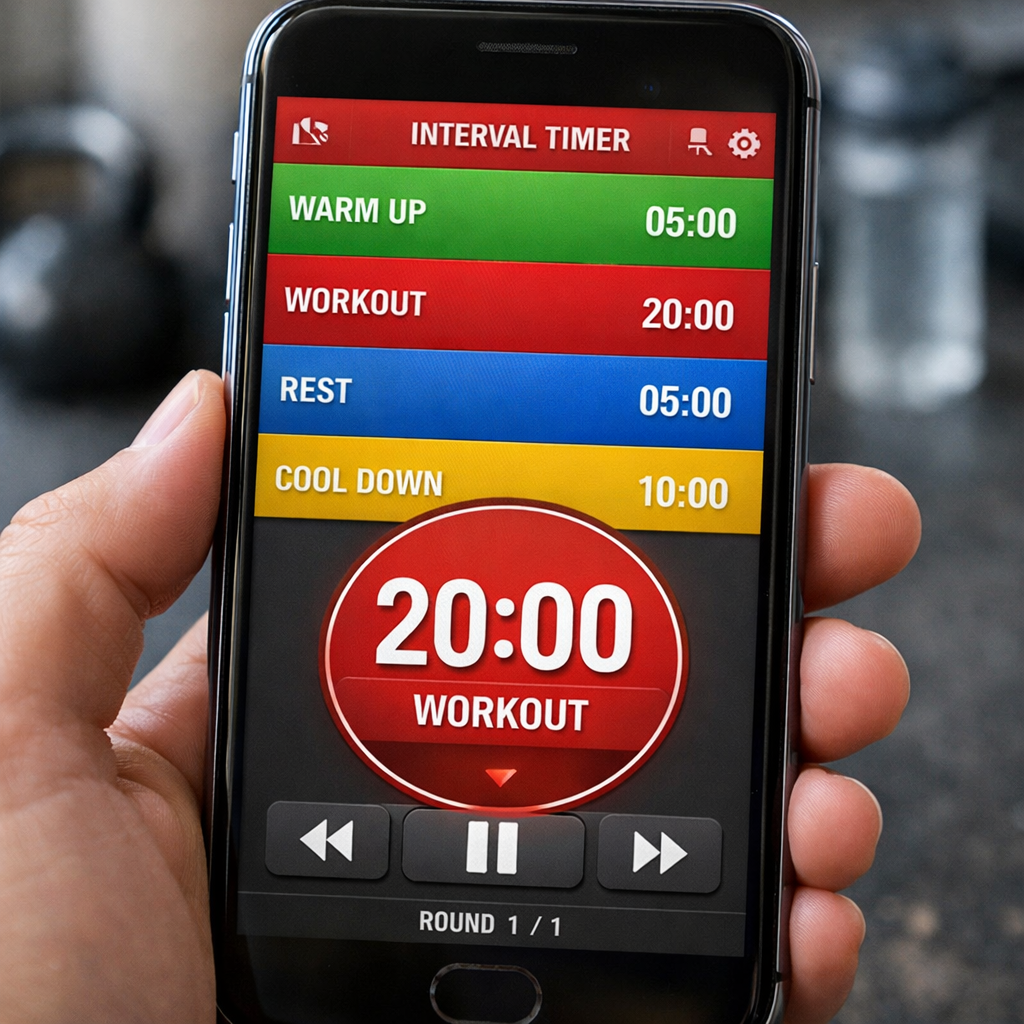

Trying to get a handle on math can feel like a puzzle sometimes, right? You sit down, ready to tackle those equations, but then… distractions happen. Suddenly, you’re scrolling through your phone or thinking about what to have for dinner. It’s a common problem. But there’s this method, the Pomodoro Technique, that can really help. It’s simple, but it works by breaking your study time into focused bursts. We’re going to look at how using the math study Pomodoro can make a big difference in how you learn and perform.
Key Takeaways
- The math study Pomodoro method uses timed work intervals (like 25 minutes) followed by short breaks to keep you focused.
- This technique helps break down large math tasks into smaller, more manageable chunks.
- Regular, short breaks are built in to prevent mental fatigue and burnout during your math study sessions.
- Adapting the work and break times can help tailor the math study Pomodoro to your personal focus levels and the difficulty of the math subject.
- Consistency is key; regularly applying the math study Pomodoro can lead to better concentration and improved performance over time.
Understanding the Pomodoro Study Method

Let’s talk about the Pomodoro Study Method. It’s a way to manage your time that’s pretty straightforward but can make a big difference, especially when you’re tackling something like math. You know how sometimes you sit down to study math, and before you know it, an hour has passed, and you’ve barely made any progress? Or maybe you get stuck on one problem for ages and just feel defeated. The Pomodoro technique is designed to help with exactly that.
The Core Principles of Pomodoro for Math
The main idea is simple: work in focused bursts, then take short breaks. You set a timer for a specific work period, usually 25 minutes, and during that time, you focus only on your math studies. No phone, no social media, no other distractions. Once the timer goes off, you take a short break, like 5 minutes. After you’ve done about four of these work-break cycles, you take a longer break, maybe 20-30 minutes. It’s a structured way to break down study time into manageable chunks.
Why Math Study Pomodoro Works
Math can be tough. It often requires deep concentration and problem-solving skills. The Pomodoro method helps because it:
- Prevents mental fatigue: By taking regular breaks, you give your brain a chance to rest and reset, which is super important for complex subjects like math.
- Combats procrastination: Knowing you only have to focus for 25 minutes makes it easier to start. It feels less overwhelming than facing a huge study session.
- Improves focus: The short, intense work periods train your brain to concentrate better. You learn to get more done in less time.
- Builds momentum: Completing each 25-minute session feels like a small win, which can keep you motivated to continue.
This structured approach helps turn daunting study tasks into a series of achievable sprints.
Overcoming Common Study Challenges with Pomodoro
Think about those times you get stuck on a math problem. With Pomodoro, instead of staring at it for an hour, you work on it for 25 minutes. If you’re still stuck, you take your break. During the break, you might step away, grab a drink, or just clear your head. When you come back, you often find you can approach the problem with fresh eyes. It’s a great way to manage frustration and keep moving forward. It also helps you get a better handle on your study time by making it more predictable and productive.
Implementing Your Math Study Pomodoro Routine

Alright, so you’ve got the basic idea of the Pomodoro Technique down. Now, let’s talk about actually putting it into practice for your math studies. It’s not just about setting a timer; it’s about creating a rhythm that works for you and the often demanding nature of math problems.
Setting Up Your First Pomodoro Session
Getting started is simpler than you might think. First, pick a specific math topic or problem set you want to tackle. Don’t try to cram everything in at once. Break it down. Then, set your timer for 25 minutes. During this time, your only job is to focus on that math task. No checking your phone, no browsing the web, just pure math concentration. When the timer goes off, take a 5-minute break. Seriously, step away. Stretch, grab some water, or just stare out the window. This short break is key to resetting your brain before the next work interval.
Optimizing Work and Break Intervals
The classic 25-minute work, 5-minute break is a good starting point, but it’s not set in stone. Some people find that 25 minutes isn’t quite enough time to get into the flow of a complex math problem. Others might find they can focus for longer. You might experiment with different ratios. Here are a few ideas:
- 30 minutes work / 5 minutes break: Good for tasks that require a bit more initial setup or thought.
- 45 minutes work / 10 minutes break: For when you’re really in the zone and want to push a bit further.
- 50 minutes work / 10 minutes break: A longer stretch for tackling substantial problem sets.
After completing four of these work/break cycles, take a longer break, maybe 15-30 minutes. This is where you can really recharge before diving back in.
The goal isn’t to rigidly stick to a timer, but to use it as a tool to build focus and prevent mental fatigue. If you find yourself consistently getting interrupted or losing focus at the 20-minute mark, shorten your work interval. If you’re consistently finishing your task and feeling ready for more at 25 minutes, consider extending it slightly.
Adapting Pomodoro for Different Math Subjects
Not all math subjects are created equal, and your Pomodoro routine shouldn’t be either. For subjects that involve a lot of problem-solving, like calculus or linear algebra, you might stick to shorter, more frequent intervals to keep your mind fresh. For subjects that require more memorization or conceptual understanding, like discrete math or abstract algebra, you might find longer work periods more effective.
Here’s a quick guide:
- Calculus/Physics: Shorter intervals (20-25 min) with frequent problem-solving. Focus on one type of problem per interval.
- Algebra/Geometry: Medium intervals (25-30 min) for working through proofs or solving equations.
- Statistics/Probability: Can vary. Use shorter intervals for calculations and longer ones for understanding concepts or interpreting results.
- Abstract Math/Proof-Based Courses: Longer intervals (30-45 min) might be needed to grapple with complex definitions and construct proofs. Be prepared for these to take more mental energy.
Maximizing Focus During Math Pomodoros
So, you’ve got your Pomodoro timer set and you’re ready to tackle some tough math problems. But how do you actually make those 25-minute bursts count? It’s not just about staring at the textbook; it’s about creating an environment where your brain can really lock in. Let’s talk about making those focused work periods as productive as possible.
Minimizing Distractions for Deep Work
Distractions are the enemy of focused math study. Your phone buzzing, a notification popping up on your computer, or even just a noisy roommate can completely derail your concentration. The first step is to create a dedicated study space. This doesn’t have to be a fancy office; it can be a quiet corner of your room or a spot at the library. The key is that when you’re in this space, it’s for studying, and nothing else.
Here are some practical ways to cut down on interruptions:
- Silence your phone: Put it on airplane mode or, even better, leave it in another room entirely. Out of sight, out of mind.
- Close unnecessary tabs: If you’re studying online, close anything that isn’t directly related to your math work. Social media, email, news sites – they can all wait.
- Communicate with others: Let people you live with know when you’re in a study session. A simple sign on your door can work wonders.
- Use noise-canceling headphones: If your environment is noisy, these can be a lifesaver. You can even play some instrumental music or white noise if that helps you focus.
The goal here isn’t to create a sterile, boring environment, but rather one that signals to your brain that it’s time to concentrate. Think of it as setting the stage for serious problem-solving.
Strategies for Sustained Concentration
Once you’ve minimized distractions, you need ways to keep your mind engaged during the Pomodoro session. Math often requires sustained mental effort, and it’s easy for your thoughts to wander.
- Have your materials ready: Before you start, make sure you have your textbook, notes, calculator, scratch paper, and pens all within reach. Fumbling around for supplies breaks your flow.
- Break down complex problems: If you’re facing a really tough problem or a long chapter, don’t try to do it all at once. Break it down into smaller, manageable steps. Focus on completing just one step during a Pomodoro.
- Engage actively: Don’t just passively read. Try to work through examples, write down formulas, and explain concepts to yourself (or an imaginary friend!). The more you interact with the material, the more likely you are to stay focused.
- Set mini-goals: Within each Pomodoro, try to achieve a small, specific goal. For example, "solve three practice problems" or "understand the derivation of this formula." This gives you something concrete to aim for.
Leveraging Breaks for Mental Refreshment
Those short breaks are just as important as the work periods. They’re not for checking social media or starting a new task; they’re for giving your brain a real rest.
- Get up and move: Even a quick walk around the room or some stretching can make a big difference. It gets your blood flowing and helps shake off mental fatigue.
- Hydrate and snack: Grab a glass of water or a healthy snack. Avoid sugary treats that can lead to a crash later.
- Do something completely different: Listen to a song, look out the window, or do a few deep breaths. The goal is to completely switch gears from math mode.
The key is to make your breaks restorative, not just a different kind of distraction. This mental reset will help you come back to your math problems with renewed energy and focus for the next Pomodoro.
Advanced Pomodoro Techniques for Math Mastery
So, you’ve got the hang of the basic 25-minute work, 5-minute break thing. That’s awesome! But math can be pretty demanding, right? Sometimes, you need to tweak the Pomodoro method to really make it sing for your specific math needs. Let’s look at how to go beyond the standard.
Customizing Pomodoro Ratios for Your Needs
The classic 25/5 split is a great starting point, but it’s not a one-size-fits-all solution, especially for math. Some problems might need a bit more sustained thought, while others can be tackled in shorter bursts. Experimenting with different work and break lengths can make a big difference. For instance, if you’re working through complex calculus problems, you might find that 45 minutes of focused work followed by a 10-minute break feels more productive. Or maybe you’re just reviewing formulas, and 15-minute sessions with 3-minute breaks work better.
Here’s a quick look at some alternative ratios you could try:
| Work Interval (minutes) | Break Interval (minutes) | Best For |
|---|---|---|
| 25 | 5 | General review, practice problems |
| 45 | 10 | Working through challenging concepts, proofs |
| 15 | 3 | Quick formula memorization, concept checks |
| 50 | 15 | Extended problem-solving sessions |
Finding your ideal ratio is all about self-awareness and a bit of trial and error. Don’t be afraid to adjust based on how you feel and how much you’re getting done.
Integrating Pomodoro with Active Recall
Just sitting and rereading notes isn’t the most effective way to learn math. Active recall, where you try to retrieve information from memory without looking, is way better. You can weave this into your Pomodoro sessions. After a work interval, instead of just taking a break, spend the first few minutes of your break trying to explain a concept or solve a problem from memory. Or, at the end of a longer work session, dedicate a full Pomodoro to just quizzing yourself on what you’ve covered.
This approach turns your breaks into learning opportunities and reinforces what you’re studying. It’s a fantastic way to solidify your understanding of mathematical principles.
When you’re studying math, it’s easy to fall into the trap of just passively going through the motions. You might read a chapter, do a few practice problems, and feel like you’ve studied. But true mastery comes from actively engaging with the material. This means testing yourself, trying to explain concepts in your own words, and identifying what you don’t know. Combining this active approach with the structured intervals of the Pomodoro technique creates a powerful system for learning that sticks.
Using Technology to Enhance Your Math Study Pomodoro
While a simple kitchen timer works, technology can really boost your Pomodoro experience. There are tons of apps and browser extensions designed for the Pomodoro revision technique. Many of these allow for custom interval lengths, task tracking, and even blocking distracting websites during your work sessions. Some apps even offer ambient sounds that can help with focus. For math, consider tools that let you jot down quick notes or equations during your work intervals, or apps that integrate with your digital textbooks. The key is to find tools that support your workflow without becoming a distraction themselves. You might even find collaborative platforms that allow you to study with others using shared timers, which can be great for accountability.
Sustaining Momentum with the Math Study Pomodoro
So, you’ve gotten the hang of the Pomodoro Technique for math. You’re hitting those focused work intervals and taking your breaks. That’s awesome! But how do you keep this going, especially when the math problems get tough or you just don’t feel like studying? It’s all about building habits that stick and making sure you don’t burn out.
Building Consistency in Your Study Habits
Consistency is key, right? It’s like training for a marathon; you can’t just run one day and expect to be ready. For math, this means showing up for your Pomodoro sessions even when you’re not super motivated. Think of it as showing up for practice.
Here’s a simple way to build that habit:
- Schedule it: Don’t just study when you have free time. Block out specific times in your calendar for your math Pomodoros, just like you would for a class or an appointment.
- Start small: If a full 25-minute focus feels like too much, try 15 or 20 minutes to start. The goal is to build the habit of sitting down and focusing, not to achieve perfect focus immediately.
- Be predictable: Try to have your Pomodoro sessions around the same time each day or week. This helps your brain get into a routine.
Tracking Progress and Celebrating Wins
It’s easy to get discouraged in math if you only focus on the tough problems you can’t solve. But you’re making progress, even if it’s small. Tracking what you accomplish can really help keep you going.
Think about it: you just finished a 25-minute session on quadratic equations. That’s 25 minutes of focused effort! That deserves a little acknowledgment.
Here are some ideas for tracking and celebrating:
- Pomodoro tally: Keep a simple notebook or use an app to mark down each completed Pomodoro. Seeing that list grow is surprisingly motivating.
- Mini-goals: Before a study session, set a small, achievable goal, like completing a certain number of practice problems or understanding one specific concept.
- Reward yourself: After hitting a milestone, like finishing a chapter or completing a week of consistent Pomodoros, give yourself a small reward. Maybe it’s an episode of your favorite show, a chat with a friend, or a special snack.
The trick is to make progress visible. When you can see how far you’ve come, even with small steps, it makes the bigger challenges seem less daunting. It’s about building confidence through consistent action and recognizing those efforts.
Avoiding Burnout Through Strategic Breaks
Math can be mentally taxing. If you push yourself too hard without proper breaks, you’ll hit a wall. The Pomodoro Technique is built around breaks, but how you use them matters.
Remember, the short 5-minute breaks are for recharging, not for getting sucked into something else that will drain your energy.
Here’s how to make your breaks count:
- Move your body: Stand up, stretch, walk around the room, or do a few jumping jacks. Getting your blood flowing can wake up your brain.
- Hydrate and refuel: Grab a glass of water or a healthy snack. Avoid sugary drinks that can lead to a crash later.
- Step away from screens: If possible, give your eyes a break from the computer or phone. Look out a window or close your eyes for a minute.
Longer breaks (after four Pomodoros) are your chance to really disconnect. Use this time to do something you enjoy that isn’t related to studying. This helps prevent that feeling of being constantly
Keep Going With Pomodoro
So, that’s the Pomodoro technique for you. It’s not some magic bullet, but it’s a really solid way to get more done without feeling totally wiped out. You break things down, take breaks, and before you know it, you’ve actually made progress. Give it a shot, see how it feels, and don’t be afraid to tweak the times a bit to fit your own rhythm. You might be surprised at how much you can accomplish when you study smarter, not just longer.
Frequently Asked Questions
What exactly is the Pomodoro study method?
Think of it like a study timer! You work super hard on one thing for a short burst, like 25 minutes, and then you take a quick break, maybe 5 minutes. After doing this a few times, you get a longer break. It helps your brain stay fresh and stops you from getting tired or bored.
Why is this method good for math?
Math can be tricky, and sometimes you need to really focus. The Pomodoro method breaks down big math problems or study sessions into smaller, easier-to-handle chunks. This makes it less scary and helps you concentrate better on each step, so you don’t get lost.
What if I get distracted easily?
That’s totally normal! The Pomodoro method is built to help with that. The short work times mean you only have to focus for a little while, and the breaks give your brain a chance to reset. If 25 minutes is still too long, you can try shorter times, like 15 minutes, and see if that works better for you.
How long should my study and break times be?
The classic way is 25 minutes of studying and 5 minutes of break. But you can totally change it! Some people like 30 minutes of work and 5 minutes of break, or even longer sessions like 45 minutes with a 10-minute break. The key is to find what helps YOU focus the most without getting worn out.
What should I do during my breaks?
Breaks are super important! Don’t just switch to scrolling on your phone, as that can be just as distracting. Instead, get up and stretch, walk around for a bit, grab a snack, or just close your eyes and relax. It’s a chance for your brain to rest and get ready for the next study burst.
Can I use this method for all my subjects, not just math?
Absolutely! The Pomodoro method is a fantastic tool for any subject. Whether it’s history, science, or even practicing a musical instrument, breaking tasks into focused intervals and taking regular breaks can boost your learning and keep you motivated across the board.